
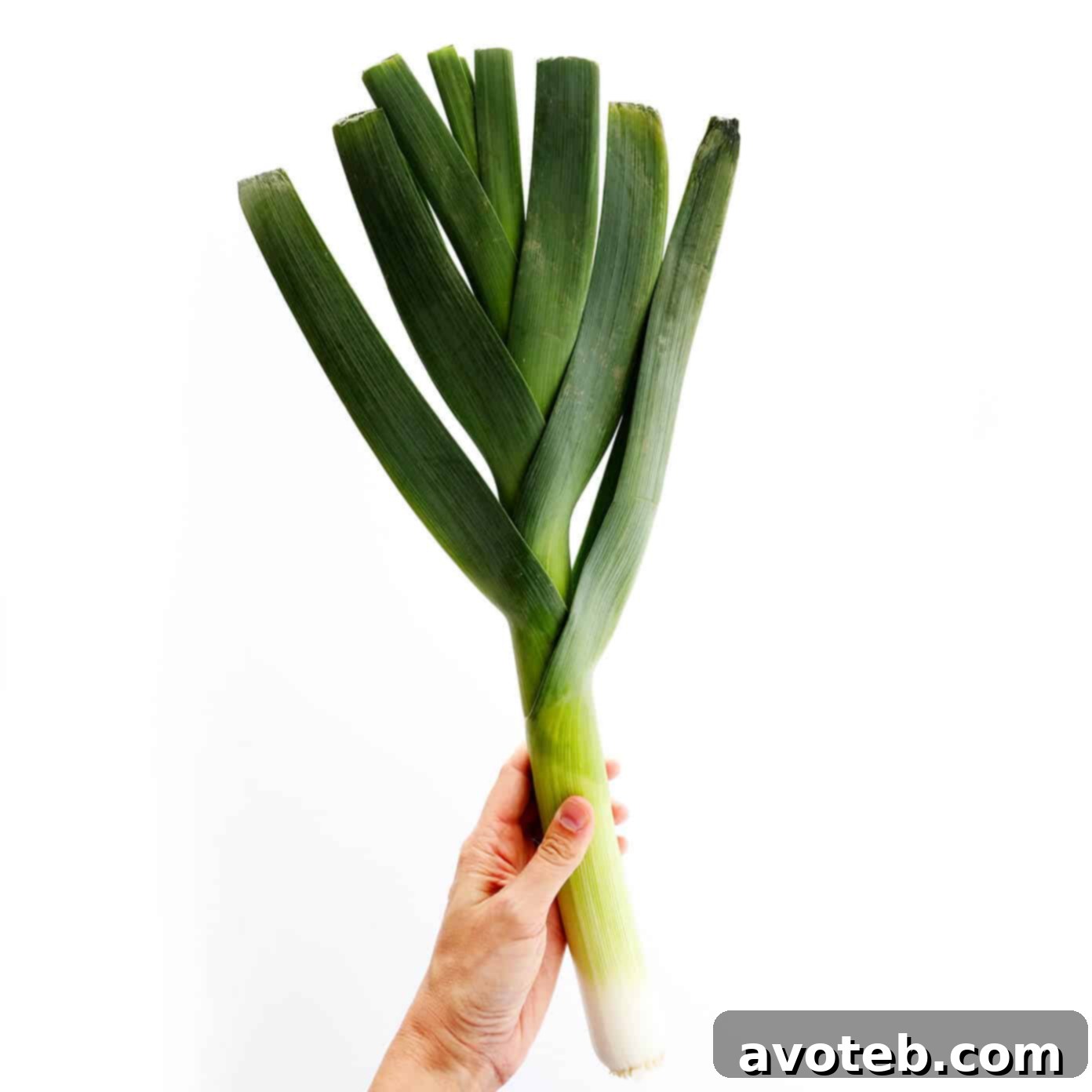
Discover the art of preparing leeks with our comprehensive guide, including a quick 1-minute video tutorial on how to cut leeks efficiently and safely. Beyond the cut, delve into essential tips for selecting the freshest leeks, optimal storage methods to maintain their crispness, and versatile cooking techniques to bring their unique flavor to your table.
Hello, culinary enthusiasts! Today, we’re diving into a topic that many of you have frequently requested: mastering the art of cutting and preparing fresh leeks. For home cooks unfamiliar with this wonderful vegetable, the prospect of tackling a leek can sometimes feel a bit daunting. What exactly should you look for at the market? How do you store them to keep them fresh? And, most importantly, what’s the best way to clean and cut them to unlock their incredible flavor?
Many of us didn’t grow up with leeks as a staple ingredient in our family kitchens. So, it’s completely natural to find yourself pondering these questions when faced with their elegant, green and white stalks in the produce aisle. Are they just overgrown green onions? Which parts are edible, and which should be discarded? How can they transform my dishes?
If these questions resonate with you, then this detailed tutorial is your ultimate guide. The fantastic news is that fresh leeks are not only surprisingly easy to work with but also incredibly delicious and versatile. They offer a nuanced, mild onion-like flavor, complemented by unique herbaceous notes, a subtle sweetness, and a wonderful savory depth. This sophisticated flavor profile allows them to pair beautifully with almost any herb and gives them a magical ability to add complexity and richness to a wide array of dishes.
As a passionate advocate for leeks, I’ve seen their popularity grow. In many parts of the world, especially in European cuisines like those found in Spain where I currently reside, leeks are ubiquitous – you can find them in virtually every grocery store. Their accessibility and affordability here have inspired me to incorporate them into my cooking more than ever, and I’m excited to share that newfound enthusiasm and expertise with you. So, get ready to embrace leeks, as they’re sure to become a beloved ingredient in your culinary repertoire!
Let’s embark on this journey to explore everything about leeks: how to select the best ones, proper storage techniques, effective cooking methods, and, of course, the definitive way to clean and cut leeks like a pro!
THE LEEK: A CULINARY GEM AND NUTRITIONAL POWERHOUSE
Before we delve into the practicalities of preparing leeks, let’s take a moment to appreciate this remarkable vegetable. Leeks belong to the Allium family, making them close relatives of onions, garlic, shallots, and chives. However, they distinguish themselves with a milder, sweeter, and more delicate flavor compared to the robust pungency of their onion cousins. This makes them an excellent choice for adding depth without overpowering other ingredients in a dish.
Beyond their delightful taste, leeks are also packed with nutritional benefits. They are an excellent source of vitamins K, A, and C, crucial for bone health, vision, and immune function, respectively. Furthermore, leeks provide a good amount of dietary fiber, which aids digestion, and contain beneficial antioxidants and prebiotics that support gut health. Incorporating leeks into your diet is a flavorful way to boost your nutrient intake, making them not just a delicious ingredient, but a healthy one too.
HOW TO CUT LEEKS | 1-MINUTE VIDEO GUIDE
Watch this concise video tutorial to see my preferred method for effortlessly cleaning and cutting fresh leeks. It’s a visual guide that complements the detailed written instructions below, ensuring you master the technique in no time.
HOW TO SELECT THE FRESHEST LEEKS
Choosing high-quality leeks is the first step to a delicious meal. When you’re at the market, look for leeks that exhibit the following characteristics:
- Vibrant White and Light Green Sections: Aim for leeks with as much white and pale green stalk as possible. These parts are the most tender and flavorful. While the darker green leaves are still useful (especially for stocks), the lighter sections are what you’ll typically use in recipes. A smaller proportion of dark green often indicates a more tender leek overall.
- Absence of Yellowing: Fresh leeks should be free from any yellowing. Yellow leaves are a sign of age and can indicate that the leek is past its prime, potentially having a tougher texture and diminished flavor. Stick to bright white and various shades of green.
- Crisp and Firm Texture: Gently squeeze the leek to ensure it feels firm and crisp throughout its length. Avoid any leeks that feel withered, mushy, or overly soft, as these are indicators of dehydration or spoilage. Minor blemishes are usually fine, but avoid heavily damaged or bruised leeks.
- Seasonality Matters: While available year-round in many places, leeks are at their peak season from October through May. During these months, they are typically freshest, most flavorful, and often more affordable. Buying in season supports local agriculture and ensures you’re getting the best quality.
- Intact Root Ends: Ideally, look for leeks with their root ends still intact. This helps to preserve their freshness and prevent them from drying out quickly.
OPTIMAL STORAGE FOR FRESH LEEKS
Proper storage is key to extending the life and freshness of your leeks. Follow these guidelines to keep them at their best:
Fresh leeks should always be stored unwashed in the crisper drawer of your refrigerator. To prevent them from drying out and to contain their distinct aroma from affecting other produce, place them in a loosely sealed plastic bag. It’s crucial that the leeks are dry before storing them, as excess moisture can lead to premature spoilage. Depending on their freshness at the time of purchase, leeks can last for up to two weeks in the fridge. Always give them a thorough inspection before use, checking for any signs of sliminess or unpleasant odors.
If you’ve already cut and cleaned your leeks, you can store them in an airtight container in the refrigerator for up to three days. For longer storage, especially for the dark green parts often used for stocks, chopped leeks can be frozen. Simply wash, chop, and blanch them briefly if desired, then freeze in a single layer before transferring to a freezer-safe bag or container. This makes them convenient for adding directly to soups and broths without thawing.
THE ESSENTIAL FIRST STEP: WASHING LEEKS THOROUGHLY
Before you even think about cutting or cooking with fresh leeks, there is one absolutely non-negotiable step: always, always, always wash them meticulously. Leeks are cultivated in sandy soil, and fine grit has an uncanny ability to wedge itself between their numerous, tightly packed layers. Skipping this crucial step can result in an unpleasant gritty texture in your final dish.
As demonstrated in the video above, here’s the most effective way to ensure your leeks are sparkling clean:
- Initial Trim: Begin by trimming off the very end of the root section and the dark green leafy tops. You can save the dark green parts for making flavorful stocks or broths later (they can even be frozen for this purpose).
- Halve Lengthwise: For most preparations, especially slicing, it’s best to cut the leek in half lengthwise from the white base up to the point where the dark green leaves begin. This exposes the inner layers.
- Rinse Under Running Water: While holding the halved leek under cold, running water, fan out the layers with your fingers. This allows the water to flush out any hidden dirt or sand. Alternatively, for a more thorough soak, you can chop the leeks first (as per your recipe’s requirement) and then transfer them to a large bowl of cold water. Agitate the leeks with your hands to loosen any grit, then lift them out of the water, leaving the sediment behind. You may need to repeat this process if the water is still murky.
- Pat Dry: Once clean, gently pat the leek pieces dry with a clean kitchen towel or paper towels. Excess moisture can prevent browning if you’re planning to sauté or roast them.
With your leeks now impeccably clean and ready, you can proceed with your desired cutting and cooking methods!
MASTERING THE CUT: HOW TO PREPARE LEEKS
Once your leeks are meticulously cleaned, it’s time to prepare them for cooking. The way you cut your leeks largely depends on your intended recipe. The pale white and light green parts are generally considered the most desirable for direct consumption, offering the best texture and flavor. Here are the most common cutting techniques:
Thinly Sliced Rounds or Half-Moons
- Rinse the leek. Then pat dry, and lay it flat on a cutting board.
- Use a knife to cut off and discard the root end of the leek. Then cut off the dark green leaves, which you can set aside to flavor broths or other recipes later.
- Carefully make a vertical slice down the center of the remaining white/light-yellow green stalk, dividing it in two. Then place the flat side of each half down on the cutting board, and thinly slice into half moons of your desired size.
- Transfer the cut leeks into a large bowl of clean water. Then break them up with your fingers so that any small hidden pieces of dirt can dislodge. Rinse and drain the leeks one final time.
- Use immediately, or transfer to a sealed container and refrigerate for up to 3 days.
This is arguably the most common and versatile cut for leeks. After washing and halving the leek lengthwise, lay the flat side down on your cutting board. Then, thinly slice across the leek to create beautiful half-moon shapes. The thickness of your slices will depend on your recipe – thinner for quicker cooking or raw garnishes, slightly thicker for soups and stews where you want more substance. This cut is perfect for sautéing, adding to soups, quiches, or braises.
Julienned or Thin Strips
For a more delicate presentation or for quicker cooking, julienning leeks is an excellent option. After halving the leek lengthwise, lay it flat. Make several lengthwise cuts along the leek to create thin planks, then stack these planks and slice them crosswise into thin matchstick-like strips. This cut works wonderfully for raw salads, stir-fries, or as an elegant garnish.
Larger Chunks or Halves
When roasting or grilling leeks, you might opt for larger pieces. You can cut the leek into thick rounds, or simply halve them lengthwise, keeping the sections fairly large. This allows them to soften and caramelize beautifully, developing a deep, sweet flavor and a tender texture perfect as a side dish or main vegetable component.
VERSATILE WAYS TO COOK LEEKS
The culinary possibilities with leeks are truly endless, thanks to their delicate flavor and adaptability. Here are some of the most popular and delicious ways to incorporate them into your cooking:
- Enjoy Them Raw: While raw leeks have a sharper, more pungent flavor akin to onions, when very thinly sliced or julienned, they can add a delightful crisp texture and subtle bite. Use them sparingly as a garnish for creamy soups, vibrant salads, roasted vegetables, grilled meats, or fish dishes. They also blend beautifully into dips, spreads, or homemade salad dressings for an unexpected burst of freshness.
- Sautéing for Sweetness: This is my go-to method for preparing leeks. Slicing and sautéing them gently in butter or olive oil allows their natural sugars to caramelize, transforming their crisp texture into a silky, tender consistency with an intensified sweet and savory flavor. Sautéed leeks are an excellent aromatic base for countless recipes, just like onions or shallots. Cook them slowly over medium-low heat until they are soft and golden brown, approximately 10-15 minutes. They are fantastic in risottos, pasta dishes, omelets, and casseroles.
- Roasting for Depth: Roasting leeks brings out an incredible sweetness and a slightly nutty flavor. Whether roasted whole, halved lengthwise, or sliced into thick rounds, the high heat of the oven concentrates their flavors and creates tender, caramelized edges. Toss them with a little olive oil, salt, pepper, and your favorite herbs (like thyme or rosemary) before roasting at 400°F (200°C) until tender and lightly browned. They make an exquisite side dish to poultry or red meat.
- Braising and Stewing: Leeks are exceptional in slow-cooked dishes. Their mild flavor holds up well to long cooking times, gradually releasing their sweetness and softening to a luxurious texture. Braise them with chicken or fish, or add them to hearty stews and vegetable tagines to build a rich, aromatic foundation. They are a classic addition to French pot-au-feu or any rustic winter dish.
- Grilling for Smoky Flavor: For a unique twist, try grilling leeks. Halve them lengthwise, brush with olive oil, and grill over medium heat until tender and slightly charred. The smoky notes from the grill perfectly complement their inherent sweetness, making them a fantastic addition to summer barbecues.
- Soups and Stocks: Leeks are a cornerstone of many classic soups and broths. They provide a delicate, savory base without overpowering other ingredients. Whether it’s a creamy potato and leek soup, a hearty chicken noodle soup, or a light vegetable broth, leeks lend an unmistakable depth and aroma. The dark green parts, often discarded, are particularly excellent for flavoring stocks.
FAVORITE LEEK RECIPES TO INSPIRE YOU
Ready to put your leek-cutting skills to the test? Here are some fantastic recipes that showcase the versatility and deliciousness of fresh leeks:
- Cabbage, Sausage and Potato Soup | Gimme Some Oven: A comforting and hearty soup where leeks add a sweet, savory foundation.
- 30-Minute Creamy Mushroom and Leek Chicken Breasts | FoodieCrush: A quick and elegant weeknight meal that highlights the creamy texture and flavor of leeks.
- Creamy Leek and Pancetta Pappardelle For Two| A Beautiful Plate: A rich and indulgent pasta dish, perfect for a romantic dinner, featuring the delightful combination of leeks and pancetta.
- Leek and Potato Pan Roast | Cotter Crunch: A simple yet flavorful side dish where leeks and potatoes roast together to create tender, caramelized perfection.
- Roasted Leek and Broccoli Quinoa Salad with Almonds | Simply Quinoa: A healthy and vibrant salad that makes use of roasted leeks for added depth and sweetness.
- Cauliflower and Leek Soup | Salt and Lavender: A wonderfully creamy and comforting soup, where leeks enhance the subtle flavor of cauliflower.
These recipes offer just a glimpse into the incredible world of leek-infused dishes. Don’t hesitate to experiment and let the unique flavor of leeks inspire your own culinary creations!
How To Cut Leeks
Prep Time: 5 minutes
Total Time: 5 minutes
Yield: 1 serving 1x
Description
This comprehensive guide and video tutorial will teach you the simplest and most effective method for cutting, cleaning, selecting, and storing fresh leeks. Master this foundational skill to unlock the delicious potential of leeks in all your favorite recipes.
Ingredients
Scale
- 1 fresh leek (or more, depending on your needs)
Instructions
- Prepare for Cleaning: Begin by thoroughly rinsing the entire leek under cold water to remove any surface dirt. Pat it gently dry, then lay it flat on a clean cutting board.
- Trim the Ends: Using a sharp chef’s knife, carefully cut off and discard the very fibrous root end of the leek. Next, trim off the dark green leafy tops. While these dark green sections are generally too tough for most recipes, they are incredibly flavorful and excellent for simmering in homemade vegetable or chicken stocks. You can freeze them for later use.
- Halve and Slice: To expose the inner layers for cleaning and slicing, make a careful vertical slice down the center of the remaining white and light-green stalk, extending almost to the root end (but not completely separating it if you want to keep it together for a moment). Then, place the flat side of each halved leek down on the cutting board. From here, you can thinly slice across the leek into delicate half-moons of your desired thickness, or julienne it into thin strips if your recipe calls for it.
- Thorough Cleaning (Crucial Step): Transfer all the cut leek pieces into a large bowl filled with cold, clean water. Using your fingers, gently agitate and separate the leek pieces to ensure that any hidden soil or grit lodged between the layers is thoroughly dislodged and sinks to the bottom of the bowl. Once satisfied, carefully lift the clean leek pieces out of the water, leaving the sandy sediment behind. Rinse and drain the leeks one final time under running water to be absolutely sure they are clean.
- Store or Use: Your perfectly cleaned and cut leeks are now ready for immediate use in your favorite recipes. If you’re not cooking with them right away, transfer them to an airtight container and refrigerate for up to 3 days to maintain their freshness.