
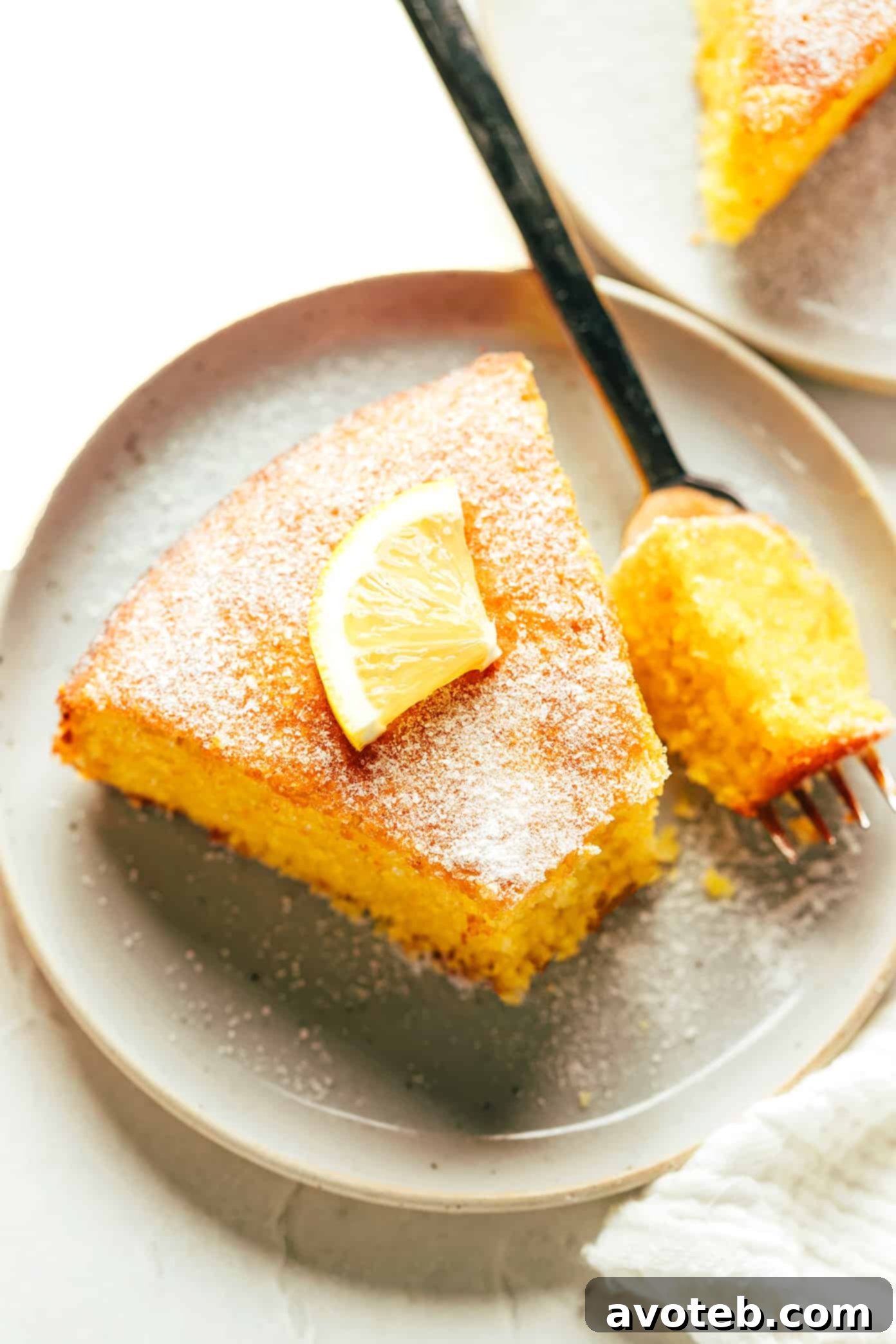
This delightful citrus olive oil cake is incredibly easy to prepare in a single bowl, naturally gluten-free, and bursting with the vibrant flavors of fresh oranges and lemons.
Discovering the Magic of Citrus Olive Oil Cake
A few months ago, while enjoying a serene weekend getaway with friends on the picturesque Costa Brava, I stumbled upon a culinary revelation. At a bustling local farmers market, I sampled an orange olive oil cornmeal cake that captivated my taste buds from the very first bite. It wasn’t just a cake; it was an experience – light, fragrant, and utterly unforgettable. The local baker shared that this unique creation was naturally gluten-free, crafted with a harmonious blend of cornmeal and almond flour. This clever combination not only gave the cake its beautiful golden hue but also contributed to its delicate almond notes and surprisingly hearty texture, reminiscent of a refined cornbread. Its moist crumb and perfectly balanced sweetness, elevated by a generous infusion of fresh citrus, made it taste incredibly refreshing and truly sun-kissed. I found myself thinking about that cake for weeks, regretting not having inquired further about the recipe. But after a dedicated period of experimentation in my own kitchen, I’m thrilled to share a rendition that our entire family has wholeheartedly embraced.
This recipe stands out not only for its exceptional flavor but also for its remarkable simplicity. It requires just one bowl and approximately 15 minutes of active prep time, making it an ideal choice for both seasoned bakers and beginners alike. While my personal preference leans towards using a combination of fresh lemon and orange – utilizing both their fragrant zest and invigorating juice – this recipe is wonderfully versatile. Feel free to explore other citrus varieties such as grapefruit, mandarin, or even a delicate Meyer lemon to tailor the flavor profile to your liking. This cake is thoughtfully designed to be sweet, yet never cloyingly so, making it a perfect indulgence for any time of day. Whether served as a sophisticated dessert, a satisfying snack, or a delightful accompaniment to your morning coffee, its balanced sweetness shines through. For those who desire an extra touch of sweetness, consider pairing it with a side of fresh seasonal fruit, a homemade fruit compote, a dollop of freshly whipped cream, a scoop of creamy vanilla ice cream, or a light citrus glaze drizzled over the top. Each addition promises to enhance the cake’s already irresistible charm.
I’ve found that this citrus olive oil cake is one of those special recipes that truly grows on you with each successive bite. Its nuanced flavors and delightful texture are truly addictive. It brings me immense joy to share this recipe, and I sincerely hope you fall in love with it as much as I have!
The Allure of Olive Oil in Baking
If you’re accustomed to traditional butter-based cakes, the idea of using olive oil might initially seem unconventional. However, baking with extra virgin olive oil (EVOO) opens up a world of delightful possibilities, offering a unique moisture, richness, and complexity that butter simply can’t replicate. Olive oil contributes healthy monounsaturated fats, making your dessert a slightly more wholesome choice. Beyond the health benefits, EVOO imparts an incredibly tender crumb and keeps cakes moist for days, preventing them from drying out quickly. Its subtle fruity and peppery notes are not overpowering; instead, they beautifully complement and enhance other flavors, especially vibrant citrus. When combined with lemon and orange, the olive oil’s nuances come alive, creating a sophisticated and memorable taste experience that feels both rustic and elegant.
The Vibrant Role of Fresh Citrus
In this citrus olive oil cake, fresh citrus isn’t just an afterthought; it’s a star ingredient that imbues the cake with its signature bright and refreshing character. Both the zest and the juice play crucial, distinct roles. The zest, containing aromatic oils from the fruit’s peel, provides an intense burst of concentrated flavor and fragrance that permeates the entire cake, awakening the senses. The juice, on the other hand, adds a pleasant tanginess and contributes to the cake’s overall moisture and delicate structure. Using a combination of lemon and orange ensures a balanced flavor profile – the lemon offers a sharp, zesty brightness, while the orange provides a sweeter, more mellow citrus note. Don’t be shy with the zest; it’s where much of the magic happens! For best results, always use fresh, unwaxed citrus and a good quality zester to maximize the aromatic oils released into your batter.
Key Ingredients for Your Citrus Olive Oil Cake
Crafting this exquisite citrus olive oil cake begins with selecting the right ingredients. Here’s a closer look at what you’ll need and why each component is vital:
- Lemon and Orange: We utilize both the fragrant zest and the fresh juice from one lemon and one orange. The zest delivers concentrated aromatic oils for an intense flavor, while the juice provides moisture and a pleasant tang. For effortless juicing, a high-quality citrus juicer can make all the difference.
- Extra-Virgin Olive Oil (EVOO): The quality of your olive oil truly shines in this cake. I recommend choosing a mildly-flavored extra-virgin olive oil. There’s no need to opt for the most expensive bottle, but equally, avoid ultra-cheap varieties whose strong or bitter notes might overshadow the delicate citrus. A good mid-range olive oil with a flavor you genuinely enjoy will yield the best results.
- Almond Flour: As the primary flour in this gluten-free recipe, almond flour provides a rich flavor, moist texture, and a lovely golden crumb. You can also use almond meal if preferred, though it may result in a slightly coarser texture. Crucially, for accurate baking, weighing your almond flour is highly recommended over volumetric measuring, as its density can vary significantly between brands.
- Cornmeal: To achieve that characteristic Costa Brava farmers market texture, a fine- or medium-ground cornmeal is essential. It adds a subtle grittiness and a pleasant earthiness that complements the other ingredients beautifully. Avoid coarsely-ground cornmeal or polenta, as these can make the cake too gritty and unrefined.
- Almond and Vanilla Extracts: These extracts are carefully selected to enhance and harmonize with the citrus notes. Vanilla adds a warm, familiar sweetness, while almond extract deepens the nutty undertones of the almond flour, creating a more complex and inviting aroma.
- Sugar: This recipe calls for natural cane sugar, which imparts a cleaner, less refined sweetness. However, standard white granulated sugar works equally well. For a final flourish and a touch of elegance, a light dusting of powdered sugar just before serving is highly recommended.
- Baking Powder: As the sole leavening agent, baking powder is crucial for giving the cake its lift and tender structure. Ensure it is fresh for optimal results.
- Fine Sea Salt: A pinch of fine sea salt is vital for balancing the sweetness and enhancing all the other flavors in the cake. If you only have iodized (table) salt, remember to halve the amount, as it is more concentrated.
- Eggs: Three large eggs act as a binder, helping to emulsify the ingredients, add moisture, and contribute to the cake’s overall structure and richness.
Mastering Your Olive Oil Cake: Baking Tips
While the detailed recipe can be found below, these additional tips will help ensure your citrus olive oil cake turns out perfectly every time:
- Adjust Baking Time for Your Pan Size: This recipe is designed for a 9-inch springform pan, but it’s adaptable to 8-inch or 10-inch pans. If using an 8-inch pan, the cake will be thicker, requiring slightly longer baking time (5-10 minutes extra). For a 10-inch pan, the cake will be thinner and may bake a bit faster (5-10 minutes less). Always rely on the toothpick test: insert a toothpick into the center, and if it comes out clean, your cake is ready.
- Parchment Paper is Your Friend: Lining the bottom of your springform pan with parchment paper is a simple yet crucial step to prevent sticking and ensure easy release. To do this effortlessly, place the pan on a sheet of parchment, trace around the base, then cut a circle about 1/2-inch smaller than your traced line. This slightly smaller circle will fit perfectly inside the pan, ensuring no batter seeps underneath. Lightly greasing the sides of the pan with cooking spray is also a good practice.
- Never Skip the Zest: The citrus zest is where a significant amount of the cake’s vibrant flavor resides. Do not be tempted to omit it! The essential oils in the zest are incredibly potent and infuse the cake with a bright, fresh aroma and taste. If you don’t own a microplane zester, the fine holes of a box grater can be used as an effective alternative.
- Don’t Overmix: Once you’ve combined the wet and dry ingredients, mix just until everything is incorporated. Overmixing can develop the gluten (even in almond flour, to some extent, though less drastically than wheat flour) and lead to a tougher cake.
- Cooling is Crucial: While it’s tempting to dive right in, allowing the cake to cool on a wire rack for at least 15 minutes in its pan before unmolding helps it set properly and prevents it from crumbling. This also ensures the internal moisture is evenly distributed.
Elevating Your Cake: Optional Toppings and Serving Ideas
This citrus olive oil cake is utterly delicious on its own, but it also serves as a fantastic canvas for various toppings and accompaniments. Here are some delightful ways to enhance your cake and make it truly special:
- Simple Citrus Glaze: For an extra layer of sweetness and citrus punch, whisk together 1 tablespoon of fresh lemon or orange juice with 1/2 cup of powdered sugar until smooth. Drizzle this light glaze over the cooled cake, allowing it to delicately cascade down the sides, or spread it evenly with a knife for a uniform finish.
- Fresh Fruit Medley: Embrace the seasonal bounty by serving slices of cake topped with your favorite fresh fruits. Berries like blueberries, raspberries, or sliced strawberries pair beautifully, adding a burst of natural sweetness and a contrasting texture. A homemade blueberry compote, with its rich, slightly tart notes, is particularly complementary to the bright citrus flavors.
- Cloud of Whipped Cream: A generous dollop of freshly whipped cream adds a luxurious, creamy counterpoint to the cake’s moist texture. You can pipe it elegantly on top for a decorative touch or simply serve it alongside for guests to add as they please. Consider infusing the whipped cream with a hint of vanilla or a touch of citrus zest for an extra layer of flavor.
- Indulgent Ice Cream: Few things beat the classic combination of cake and ice cream. A scoop of high-quality vanilla ice cream is always a crowd-plepleaser, melting slightly into the warm cake. For a more adventurous pairing, try a lemon sorbet or a pistachio ice cream to further enhance the cake’s Mediterranean vibes.
- Nutty Crunch: A sprinkle of toasted slivered almonds or chopped pistachios can add a delightful textural contrast and further emphasize the almond flour’s inherent nuttiness.
More Zesty Citrus Dessert Recipes to Savor
If you’ve fallen in love with the bright and refreshing flavors of citrus in this olive oil cake, you’ll be thrilled to explore more of our favorite citrus-infused dessert recipes. These treats are perfect for any occasion, offering a delightful zing and a burst of sunshine in every bite:
- 5-Ingredient Lemon Bars
- 5-Minute Mango Lime Sorbet
- Coconut Lime Shortbread Cookies
- Cranberry Orange Cheesecake

Citrus Olive Oil Cake
Author: Ali
Prep Time: 15 mins
Cook Time: 35 mins
Total Time: 50 mins
Yield: 12 servings 1x
Description
This citrus olive oil cake recipe is easy to prep in one bowl, it’s naturally gluten-free, and made with lots of fresh orange and lemon.
Ingredients
Scale
- 2 cups (220 grams) almond flour (please see note below)
- 3/4 cup (145 grams) cane sugar (or granulated white sugar)
- 2/3 cup (100 grams) fine- or medium-grind cornmeal
- 1 1/2 teaspoons baking powder
- 1/2 teaspoon fine sea salt
- 3 eggs, whisked
- 3/4 cup extra-virgin olive oil
- 1 teaspoon vanilla extract
- 1/2 teaspoon almond extract
- 1 lemon, zest + 2 tablespoons of the juice
- 1 orange, zest + 2 tablespoons of the juice
- powdered sugar (optional)
Instructions
- Prep oven and springform. Preheat your oven to 350°F (180°C). Prepare a 9-inch springform pan by lining the bottom with a circle of parchment paper and lightly greasing the sides with cooking spray to prevent sticking.
- Mix the dry ingredients. In a large mixing bowl, combine the almond flour, granulated sugar, cornmeal, baking powder, and fine sea salt. Whisk these dry ingredients thoroughly until they are evenly combined.
- Add the wet ingredients. To the dry mixture, add the whisked eggs, extra-virgin olive oil, vanilla extract, almond extract, the zest and juice from both the lemon, and the zest and juice from the orange. Stir gently with a spatula or wooden spoon until all ingredients are just combined into a smooth batter. Be careful not to overmix.
- Bake. Pour the prepared cake batter evenly into the lined springform pan. Transfer to the preheated oven and bake for 35 to 40 minutes, or until a wooden toothpick inserted into the center of the cake comes out completely clean, indicating it is fully cooked. Once baked, carefully transfer the cake (still in its pan) to a wire rack to cool for at least 15 minutes.
- Serve. After the initial cooling period, run a thin knife gently around the inner edges of the cake pan to loosen any areas where the cake might be adhering. Release and remove the sides of the springform pan. If desired, use a fine-mesh strainer to lightly dust the top of the cooled cake with powdered sugar for a beautiful presentation. Slice the cake into servings, plate, and enjoy this delightful citrus olive oil treat!
Equipment
9-Inch Springform Pan
Buy Now →
Almond Flour
Buy Now →
Cornmeal
Buy Now →
Notes
Almond Flour Precision: In the world of baking, the exact weight of almond flour per cup can vary significantly among different brands, with common ranges from 95-120 grams. To ensure the consistent and perfect texture intended for this recipe, I highly recommend using a kitchen scale to measure your almond flour. This recipe was specifically developed using 220 grams of almond flour, which guarantees optimal results regardless of potential volume variations.