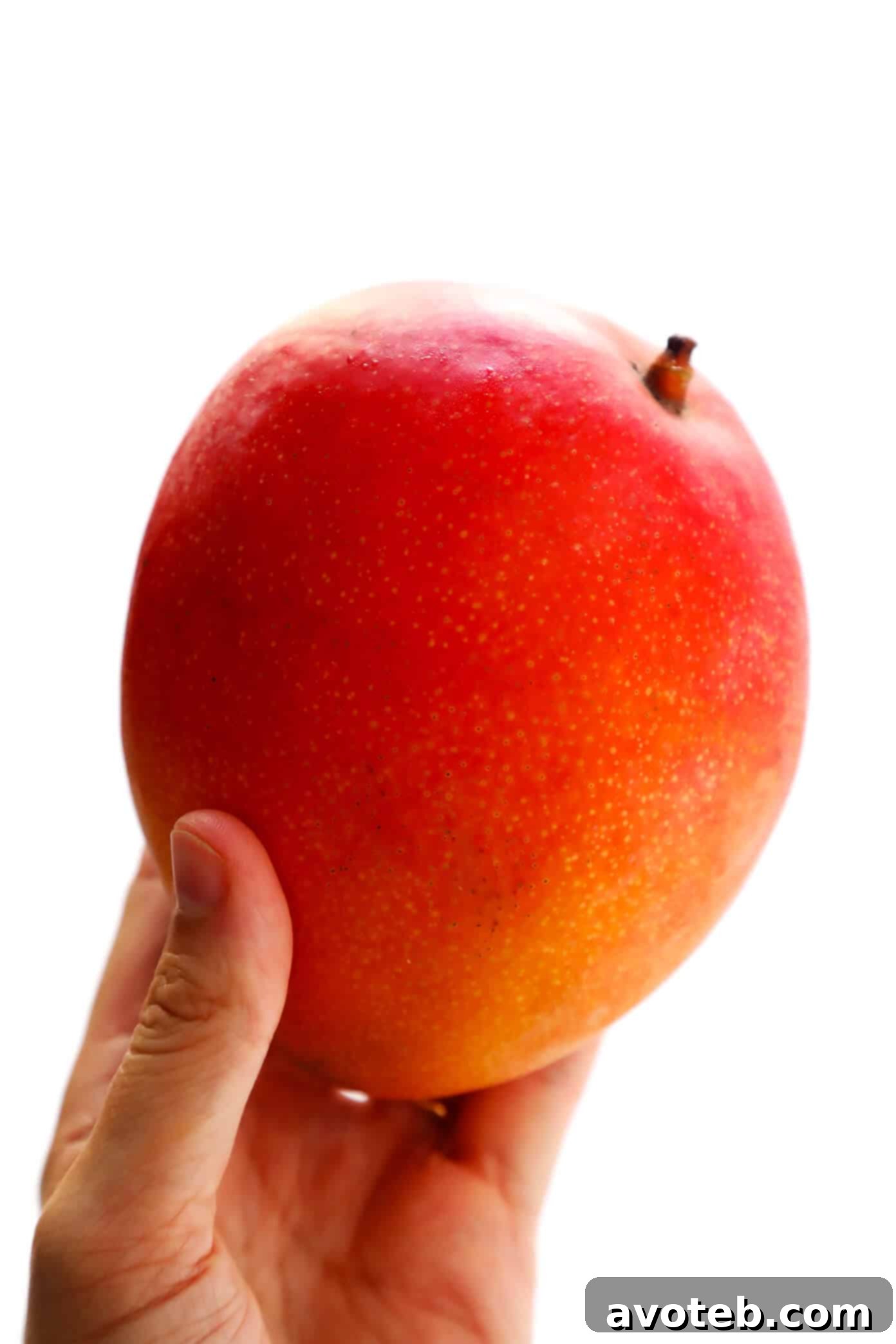
Unlock the Sweetness: Your Ultimate Guide on How to Cut a Mango Safely and Easily
Are you ready to dive into the vibrant, tropical world of mangoes? Few fruits rival the juicy sweetness and exotic flavor of a perfectly ripe mango. This comprehensive guide will walk you through everything you need to know about this magnificent fruit – from selecting the best ones at the market to mastering the art of cutting and storing them, and even inspiring you with delectable recipe ideas. Get ready to transform your culinary experiences with the king of fruits!
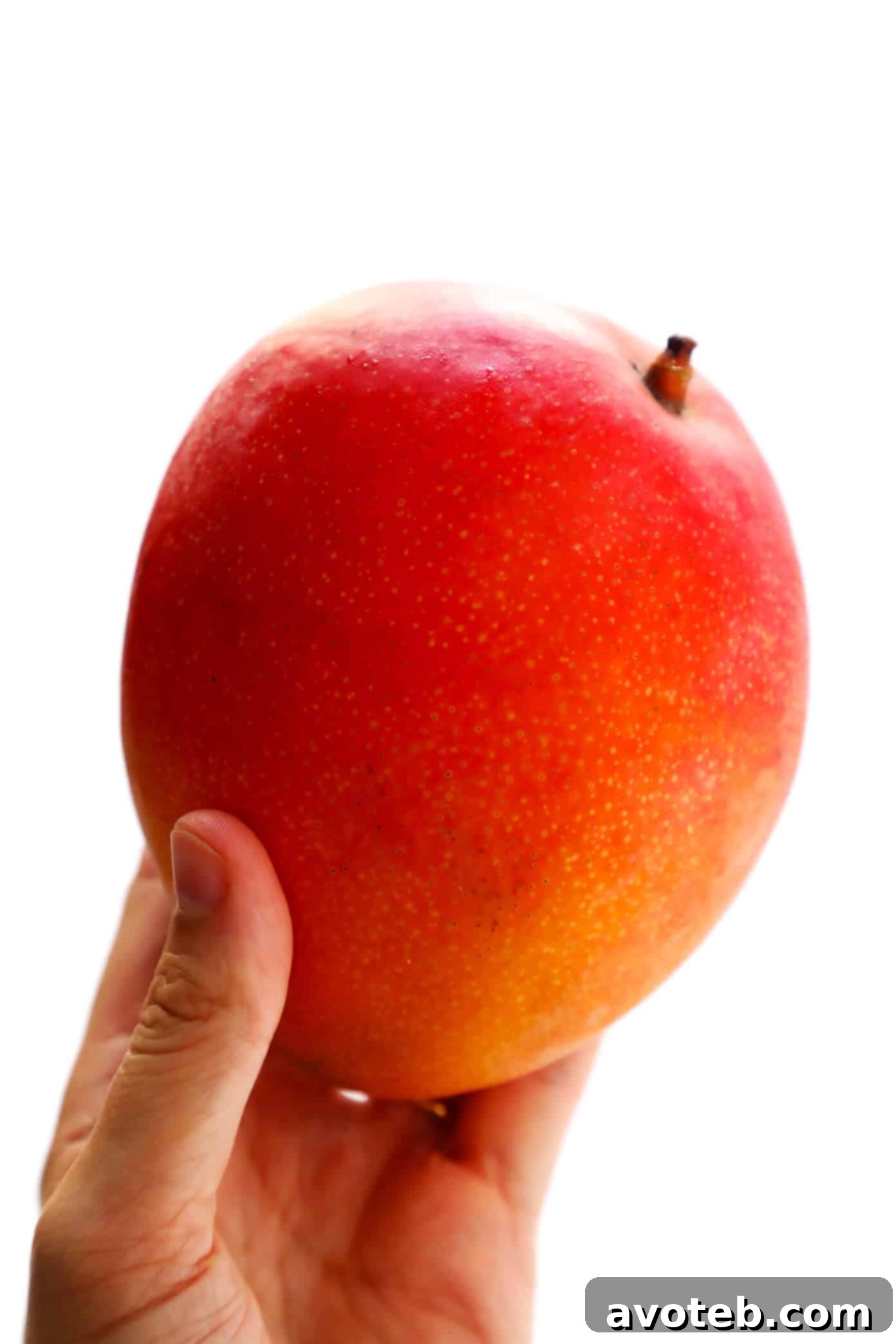
Hey there, fellow food enthusiasts! Today, we’re embarking on a journey into the heart of one of my all-time favorite ingredients: the mango. For me, the love affair began during a summer in high school spent in Alajuela, Costa Rica – often referred to as the “City of Mangoes.” There, mango trees adorned every street, and their succulent fruit graced our tables for breakfast, lunch, and dinner. It was then that mangoes solidified their place as my ultimate fruit obsession. Now, whenever I spot a ripe, fragrant mango at the market, it’s an undeniable addition to my shopping cart.
The versatility of mangoes knows no bounds. I adore them in vibrant salsas, creamy smoothies, rich curries, fresh spring rolls, crisp salads, decadent cakes, layered parfaits, and refreshing sorbets. Honestly, I’ve yet to encounter a mango dish I didn’t fall head over heels for. Yet, amidst all these wonderful creations, my favorite way to enjoy a mango remains beautifully simple: perfectly ripe, exquisitely juicy, freshly diced in a bowl with a fork, perhaps with a touch of Tajín seasoning if I’m feeling a little adventurous. In my culinary book, nothing quite compares to this pure, unadulterated mango bliss. ♡
However, many people find themselves intimidated by the prospect of cutting this slippery, oddly-shaped fruit. Without the right technique, dicing a mango can indeed be a bit challenging and, dare I say, even a little hazardous (speaking from past experience!). To ensure we all keep our precious fingers safe and sound, I’m sharing a simple, effective method for how to cut a mango safely and efficiently. Plus, you’ll get all my best tips for how to select and store the perfect mango, ensuring you get the most out of every single one.
Mastering the Mango: A Quick 1-Minute Video Tutorial
If you’re a visual learner, this concise video tutorial offers a step-by-step demonstration of my preferred method for dicing a mango. This technique is incredibly versatile and works beautifully for all mango varieties. Whether you prefer neat dices for salads or thin slices for garnishes, the foundational cuts remain the same, making the process straightforward and enjoyable. Simply adapt the final cutting motion to achieve your desired shape!
How to Select the Perfect Ripe Mango: A Connoisseur’s Guide
Choosing a truly ripe mango is the first step to enjoying its full, incredible flavor. While different mango varieties may exhibit subtle differences in color and texture, there are universal indicators that signal peak ripeness. Forget about relying solely on color; a mango’s hue can vary wildly even when perfectly ripe. Instead, focus on these sensory cues when selecting fresh mangoes at the market:
- Aromatic Sweetness: The most reliable indicator is a strong, sweet, and fruity aroma, particularly noticeable near the stem. A ripe mango will smell fragrant, almost perfumed. If it has little to no smell, it’s likely not ripe enough.
- Weight for Size: Pick up a few mangoes. A ripe mango should feel pleasantly heavy for its size, indicating a plump, juicy interior. Avoid those that feel unusually light, as they might be dried out or underripe.
- Gentle Yield to Pressure: Gently squeeze the mango. It should have a slight “give” to it, much like a ripe avocado or peach. It shouldn’t be rock-hard, nor should it be mushy. A firm but yielding texture is ideal.
- Peak Season Savvy: While many mango varieties are now available year-round in the States, their peak season traditionally runs from May through August. Shopping within this window often ensures the freshest, most flavorful selections. Understanding local harvest times for specific varieties can also enhance your mango-picking success.
By using these expert tips, you’ll consistently bring home mangoes that are bursting with flavor and ready to be enjoyed.
Optimal Mango Storage: Keeping Your Fruit Fresh
Proper storage is crucial for maintaining the quality and extending the shelf life of your mangoes, whether they’re still ripening or perfectly ripe and ready to eat. Follow these guidelines to keep your mangoes at their best:
- For Unripe Mangoes: If your mango isn’t quite ripe yet, store it at room temperature on your counter. To accelerate the ripening process, you can place it in a paper bag – this traps the ethylene gas produced by the fruit, which naturally speeds up maturation. Check daily for ripeness using the “squeeze and smell” test.
- For Ripe Whole Mangoes: Once your mango reaches its desired ripeness, transfer it to the crisper drawer of your refrigerator. Chilling a ripe mango will significantly slow down the ripening process, keeping it fresh and delicious for an additional 3 to 5 days.
- For Cut Mangoes: After you’ve mastered how to cut a mango, store any leftover pieces in an airtight container in the refrigerator. This will keep them fresh for up to 3 days, perfect for adding to breakfasts, snacks, or last-minute recipes.
- Freezing Mangoes: For longer storage, diced or sliced mango can be frozen. Lay the pieces in a single layer on a baking sheet lined with parchment paper and freeze until solid. Once frozen, transfer the mango pieces to a freezer-safe bag or container, where they will keep for up to 3 months. Frozen mango is excellent for smoothies, sorbets, and baked goods!
Unleash the Flavor: Your Go-To Mango Recipes
Beyond simply enjoying mangoes plain, their unique flavor profile makes them an incredible ingredient in a vast array of dishes, from sweet to savory. Here are some of my all-time favorite mango recipes that showcase its versatility and deliciousness:
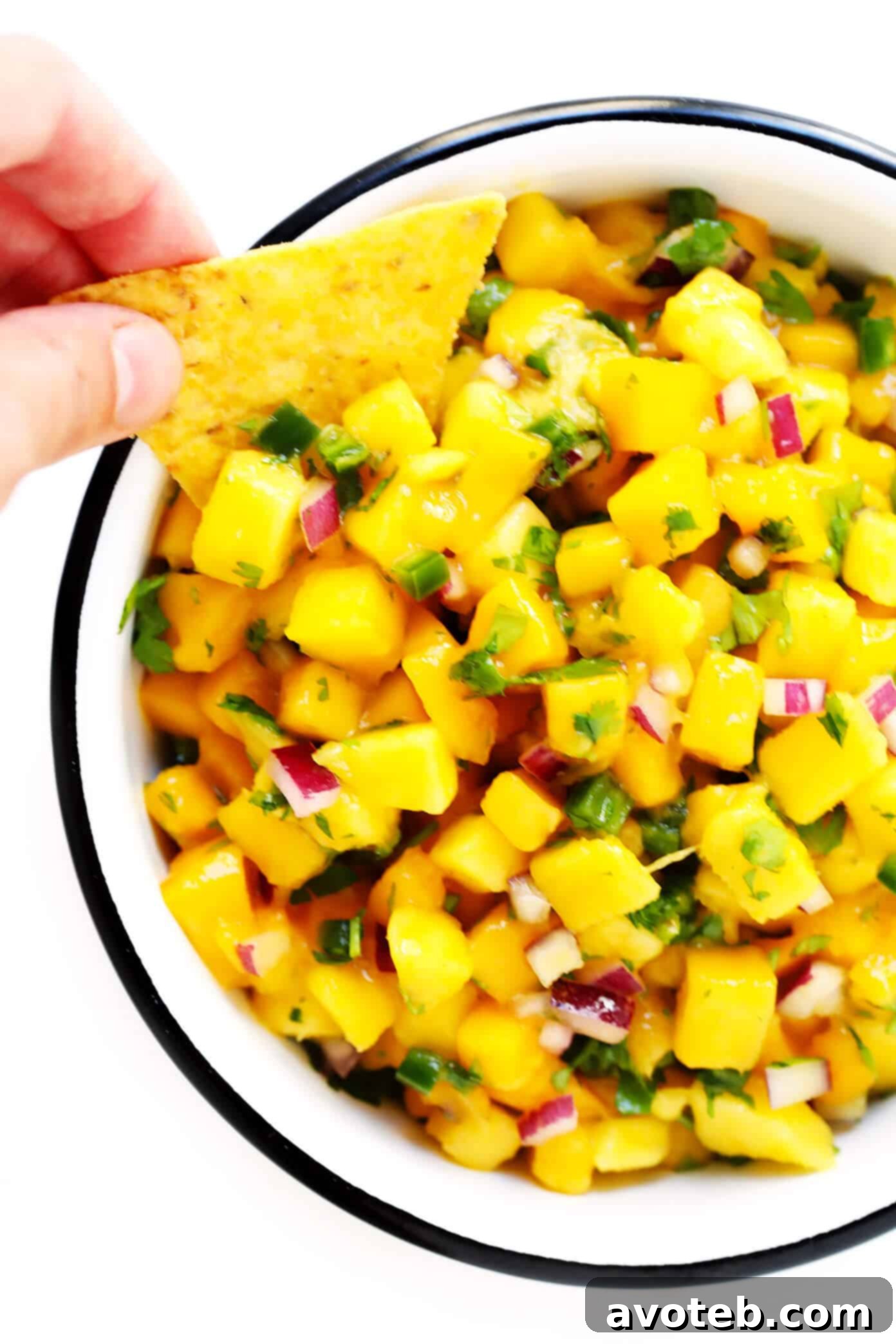
- 5-Ingredient Mango Salsa: This vibrant and incredibly easy salsa is a burst of tropical flavor, perfect for topping fish tacos, grilled chicken, or simply scooping up with tortilla chips. Its fresh, zesty profile is always a crowd-pleaser.
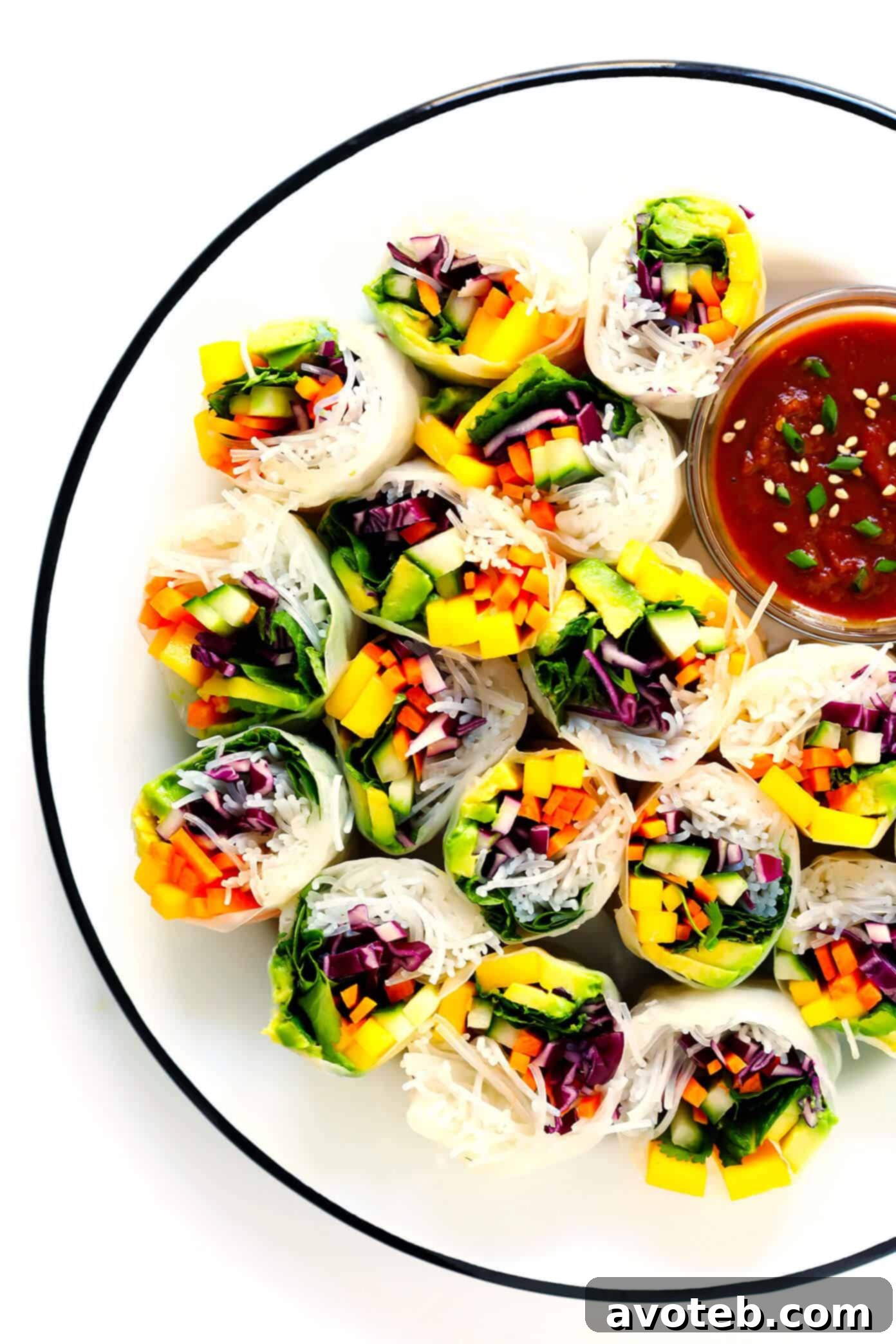
- Mango Avocado Spring Rolls: Light, fresh, and bursting with textures, these spring rolls combine the creamy richness of avocado with the sweet tang of mango, all wrapped up and served with a delectable peanut dipping sauce.
- Mango Chipotle Fish Tacos: Elevate your taco night with these sensational fish tacos. The sweet mango salsa perfectly balances the smoky heat of chipotle-spiced fish, creating a flavor explosion in every bite.
- Crunchy Asian Ramen Noodle Salad: This salad is a symphony of textures and flavors, featuring crisp ramen noodles, fresh vegetables, and the irresistible sweetness of mango, all tossed in a tangy Asian dressing.
- 5-Ingredient Tropical Smoothie: Start your day with a taste of paradise! This simple, refreshing smoothie combines mango with other tropical fruits for a quick, healthy, and incredibly delicious breakfast or snack.
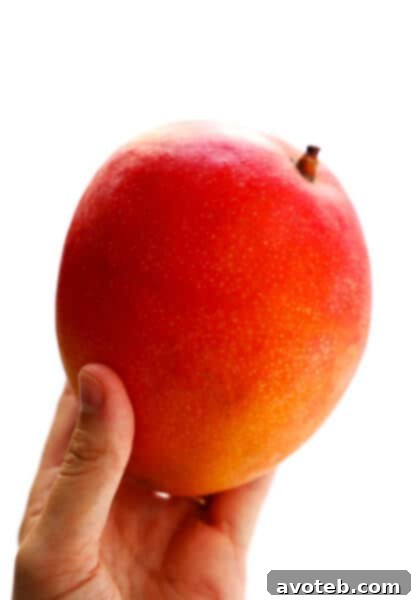
How To Cut A Mango
Prep Time: 3 minutes
Total Time: 3 minutes
Yield: 1 serving 1x
Description
Refer to the video above for a visual, real-time guide on how to cut a mango effortlessly. For those who prefer written instructions or more detailed nuances, feel free to follow the comprehensive step-by-step guide below. Enjoy the journey to perfectly prepped mango!
Ingredients
Scale
- 1 ripe mango
Instructions
- Prepare Your Workspace and Initial Cuts: Begin by placing your ripe mango on a sturdy cutting board. Locate the flatter, wider sides of the mango. The goal is to cut around the large, flat central pit. Position the mango so one of its flatter sides is facing sideways towards you. Using a sharp knife, carefully make two long, vertical slices down either side of the mango, aiming to get as close to the pit as possible without actually cutting into it. These two large, oval pieces of mango, often called “cheeks,” should come off cleanly. Set these two mango cheeks aside.
- Remove the Remaining Flesh from the Pit: Take the remaining central piece of the mango, which still contains the pit, and lay it flat on your cutting board. Make two more long, careful slices along the sides of the pit to remove any remaining edible flesh. Discard the central pit. You now have two large cheeks and two smaller, crescent-shaped pieces of mango flesh.
- Peel and Slice the Side Pieces: For the two smaller, crescent-shaped slices of mango, carefully use your knife or a vegetable peeler to remove the skin. Once peeled, you can cut these pieces into your desired slices or dices. Set them aside with the cheeks.
- Score and Invert the Mango Cheeks (Hedgehog Method): Now, pick up one of the large oval mango cheeks and place it peel-side-down on your cutting board. Using your knife, carefully make even, parallel cuts into the mango flesh, either lengthwise for slices or crosswise for dices. Ensure your cuts go deep enough to touch the skin but are careful not to cut *through* the skin. Next, gently press the peel-side of the mango cheek upward until it completely inverts, creating a “hedgehog” pattern where the diced or sliced flesh stands out. Use your knife to carefully slice off the cubed or sliced flesh from the inverted peel. Discard the peel and repeat this process with the remaining mango cheek.
- Serve Immediately or Store: Your beautifully cut mango is now ready to be enjoyed! Serve it immediately as a refreshing snack, add it to your favorite recipes, or use it as a vibrant garnish. If you have any leftovers, store them in a sealed airtight container in the refrigerator for up to 3 days. For longer preservation, freeze the mango pieces for up to 3 months to use in smoothies or frozen desserts.
The Sweet Benefits of Mangoes: More Than Just a Treat
Beyond their irresistible taste and vibrant color, mangoes are nutritional powerhouses packed with vitamins, minerals, and antioxidants. They are an excellent source of Vitamin C, which is essential for immune health and skin vitality, and Vitamin A, vital for vision. Mangoes also provide dietary fiber, aiding digestion, and a good dose of folate and potassium. Incorporating this tropical fruit into your diet is a delicious way to boost your overall health and well-being. So go ahead, enjoy that sweet, juicy goodness!
We hope this detailed guide has equipped you with the confidence and knowledge to seamlessly enjoy mangoes in your kitchen. From selecting that perfect, fragrant fruit to mastering the simple cutting technique, and exploring a world of delicious recipes, mangoes are truly a versatile delight. Don’t let the pit intimidate you any longer!
Now that you’re an expert on how to cut a mango, it’s time to unleash your creativity. Try one of our suggested recipes, or experiment with your own mango-infused culinary creations. Share your mango adventures with us – we can’t wait to see what deliciousness you come up with!