
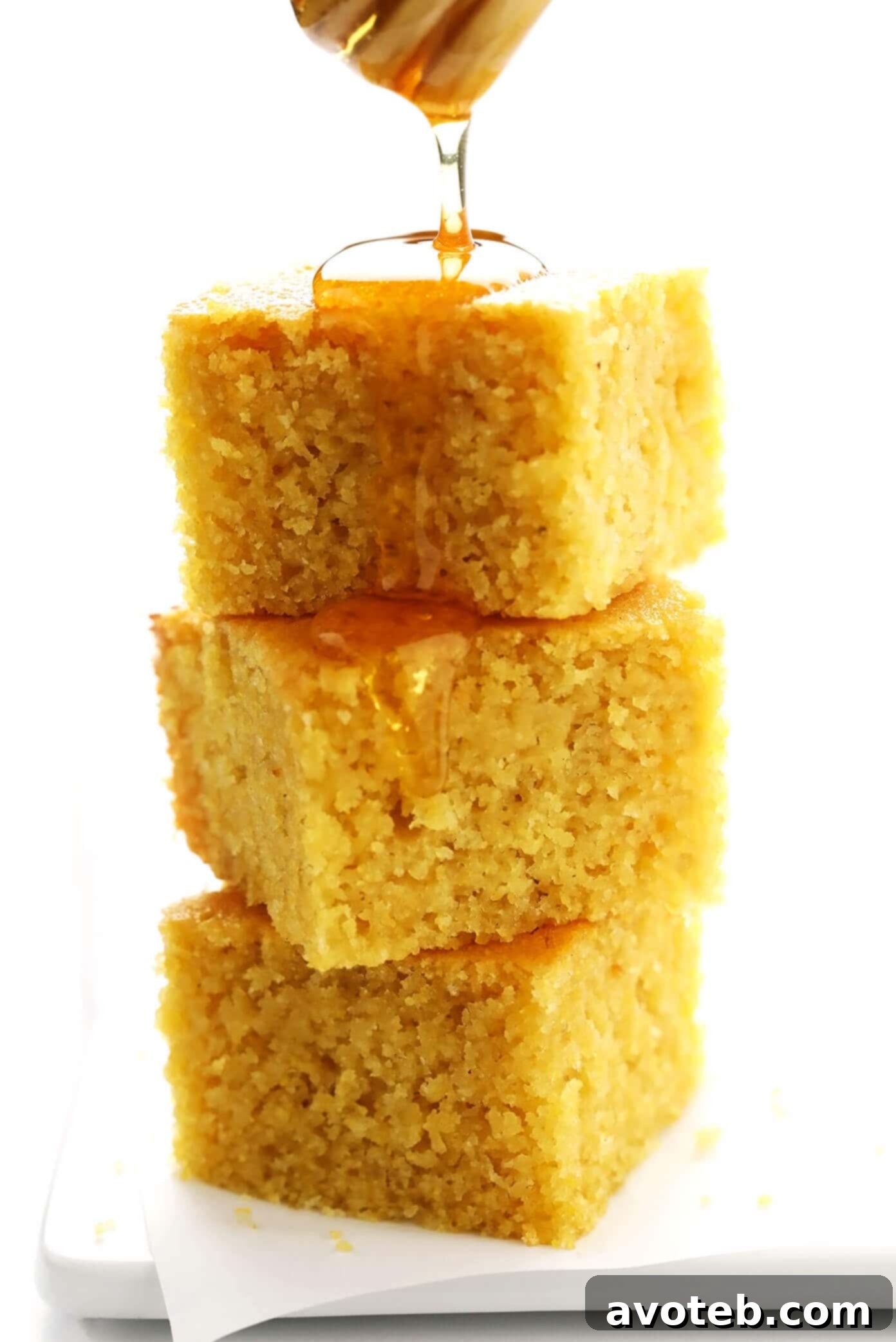
Discover the ultimate homemade cornbread recipe: naturally sweetened with honey, incredibly moist thanks to buttermilk, and perfectly fluffy for an unforgettable culinary experience. Easily baked in a classic baking dish or a rustic cast iron skillet – the choice is yours for delicious perfection.
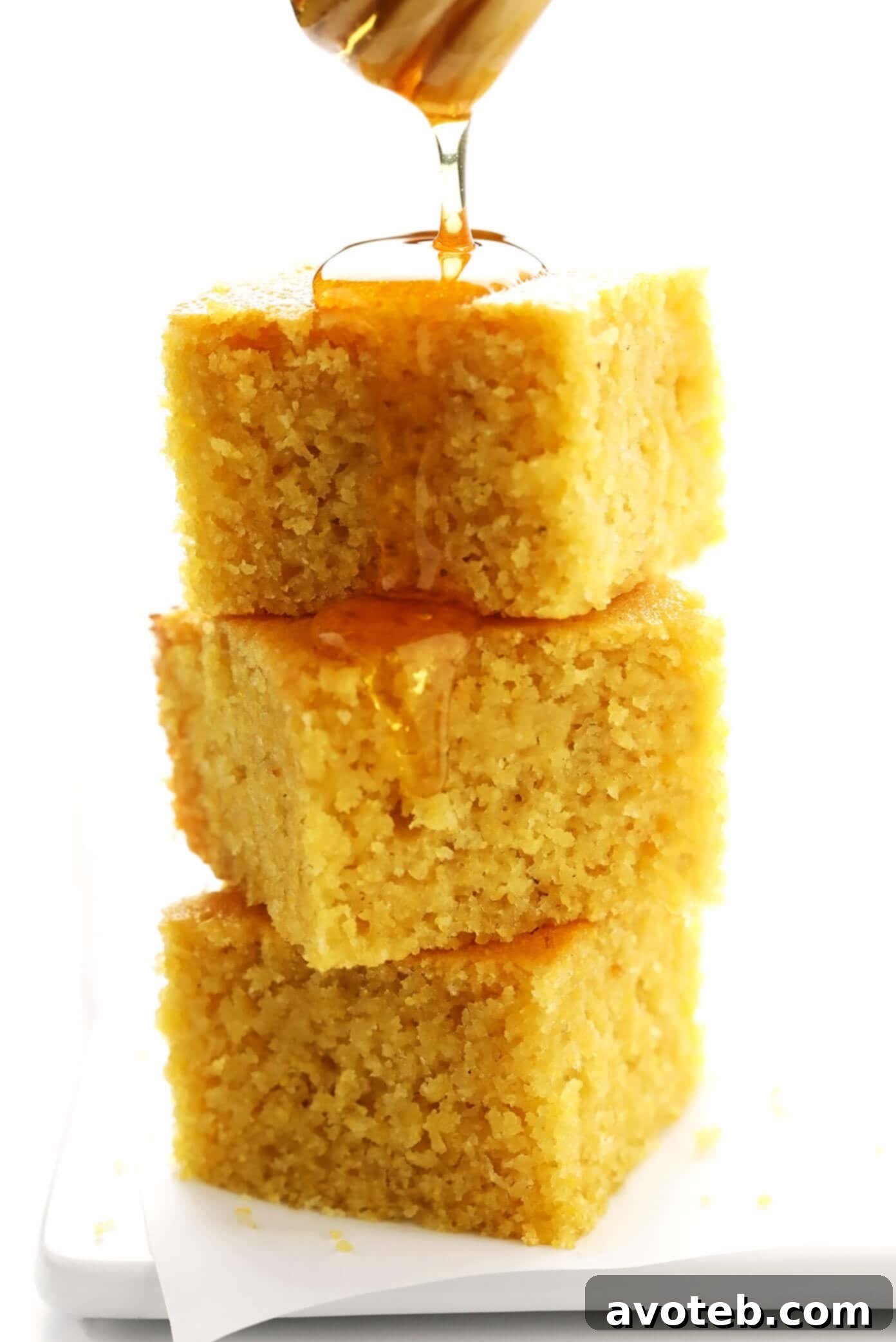
As the days grow shorter and the crisp air signals the arrival of cooler weather, our kitchens naturally turn to heartwarming, comforting dishes. It’s the peak of soup and chili season, which, in our household, can only mean one thing:
…it’s also the official season for indulging in freshly baked homemade cornbread! ♡
While delicious cornbread can certainly be savored year-round, there’s something uniquely special about serving up a warm, golden slice on a chilly evening. Imagine it: steam rising from a hearty bowl of chili or a robust soup, perfectly complemented by a piece of sweet, buttery cornbread, still warm from the oven. Add a dollop of melting butter and an extra drizzle of honey, and you’ve truly captured a moment of cozy culinary bliss. There’s simply no denying the comforting power of a batch of homemade cornbread.
Over the years, I’ve discovered that opinions on what constitutes “the best cornbread recipe” can be surprisingly passionate and varied. The culinary world often engages in a spirited Northern vs. Southern debate: should it be sweet or savory? Then there’s the question of cornmeal texture – fine, medium, or coarse? Some prefer the delightful surprise of whole kernel corn within their bread, while others firmly believe in a pure cornmeal experience. And of course, the age-old dilemma: a classic baking dish or a rustic cast iron skillet? While I appreciate all forms of cornbread, if I had to choose one recipe to bake forever, this particular honey-sweetened buttermilk cornbread would undoubtedly be my ultimate favorite.
What makes this homemade cornbread recipe truly stand out? Firstly, its incredible ease and speed. You can go from mixing bowl to warm, delicious cornbread in roughly 30 minutes, with only about 10 minutes of active prep time. I’ve crafted this recipe to offer the best of both worlds, striking a perfect balance between Northern and Southern styles by adding a moderate amount of sweetener. I find that cornmeal already possesses a natural sweetness, and using honey not only enhances this but also imparts a rich, distinct flavor profile. Furthermore, buttermilk is a non-negotiable for me, as it’s key to achieving an exceptionally moist texture and a subtle, delightful tang. And for an irresistible depth of flavor, I highly recommend taking the extra step to brown your butter. This simple technique infuses the cornbread with an unforgettable nutty, rich, and caramelized essence that elevates it from good to extraordinary.
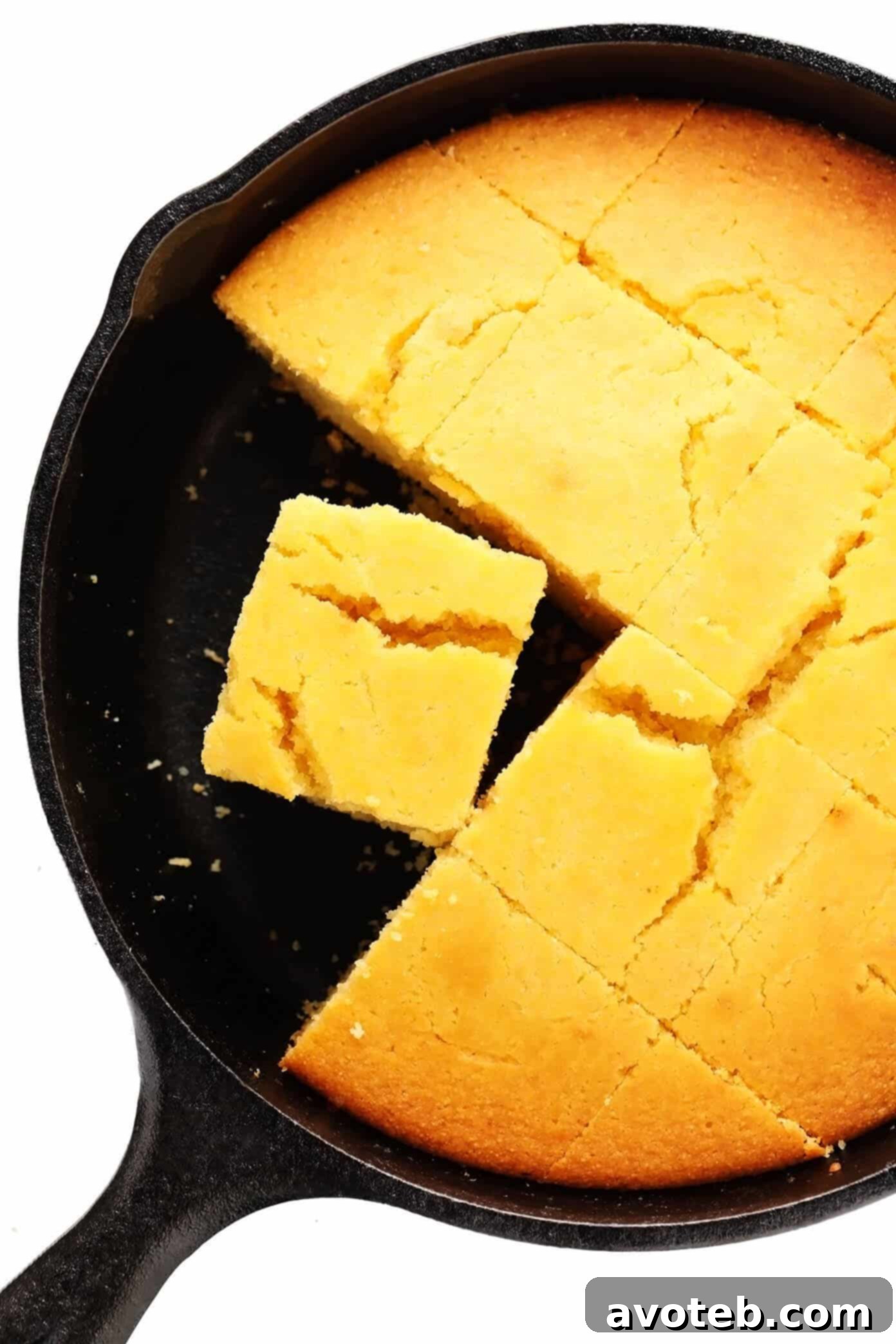
In our home, we often opt for skillet cornbread, utilizing a trusty cast iron pan. Baking in a preheated cast iron skillet creates a deeply golden, caramelized crust around the edges that adds a wonderful textural contrast. However, if a cast iron skillet (or any other oven-safe skillet) isn’t part of your kitchen arsenal, fear not! I’ve included detailed instructions for baking this recipe in a traditional baking pan. Rest assured, the result will still be absolutely delicious, offering soft, fluffy squares of perfection.
Ready to bake the best cornbread ever? Let’s get started, friends!
Mastering Cornbread: A Quick 1-Minute Video Guide
Essential Ingredients for Your Homemade Cornbread:
Before diving into the full buttermilk cornbread recipe below, here’s a closer look at the key ingredients and why they’re important for achieving that perfect texture and flavor:
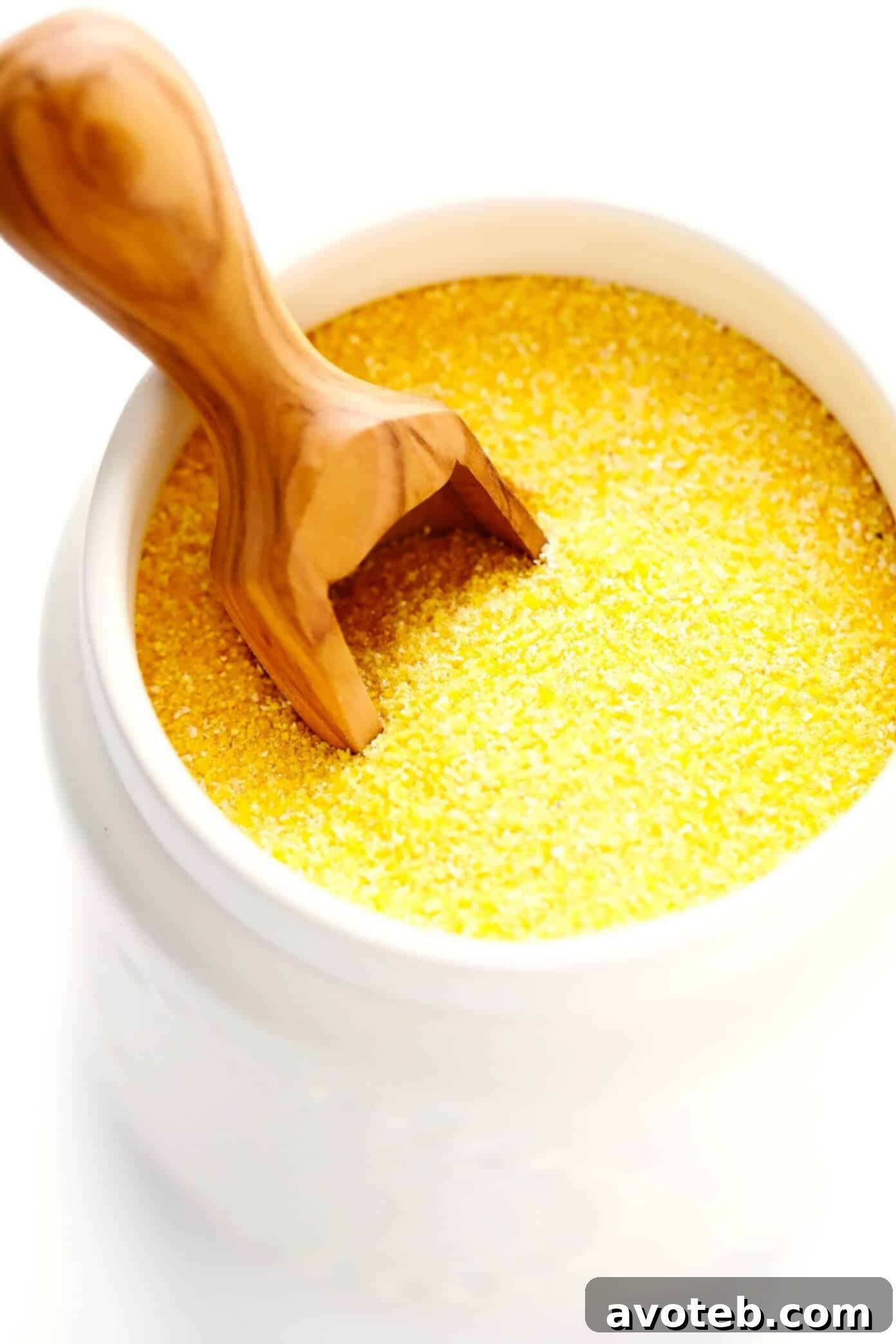
- Cornmeal: The heart of any good cornbread! I typically use a finely-ground yellow cornmeal for a smooth, tender crumb, but a medium-grind cornmeal also works wonderfully, providing a slightly more rustic texture. Just be sure to double-check your package to avoid accidentally grabbing corn flour, cornstarch, or masa harina, which are distinctly different products with different culinary uses.
- All-Purpose Flour: This recipe uses standard all-purpose flour, which provides structure and contributes to the bread’s tender crumb. For a slightly healthier twist, you could easily substitute white whole wheat flour without significantly altering the results.
- Baking Powder and Baking Soda: Both of these leavening agents are crucial for giving our cornbread its signature fluffy and soft texture. The baking powder provides an initial lift, while the baking soda reacts with the acidic buttermilk to create even more rise and a tender crumb.
- Fine Sea Salt: A pinch of salt is essential for balancing and enhancing all the sweet and savory flavors in the cornbread. If you only have iodized table salt on hand, remember it’s stronger, so I recommend using about half the amount specified to prevent over-salting.
- Eggs: Eggs act as a vital binding agent, bringing all the ingredients together and ensuring the cornbread remains beautifully moist rather than becoming overly crumbly. While a slight crumbly texture is characteristic and delightful, eggs help maintain its structural integrity.
- Honey: I am a firm believer in honey-sweetened cornbread for its unparalleled flavor and natural sweetness. My recipe uses 1/3 cup of honey, offering a lovely compromise between unsweetened Southern styles and very sweet Northern variations. If you prefer a noticeably sweeter cornbread, feel free to increase it to 1/2 cup. For a less sweet version, reduce the honey to 3 or 4 tablespoons.
- Buttermilk: This is a game-changer! Buttermilk is the secret to an extra rich and moist cornbread, contributing a subtle tang that complements the honey beautifully. If you don’t have buttermilk readily available, you can easily create a homemade substitute by adding a tablespoon of lemon juice or white vinegar to regular milk and letting it sit for 5-10 minutes until it slightly curdles. Or, if you’re truly short on time, whole milk can be used, though it may result in a slightly drier and less tangy bread.
- Butter: The rich flavor of butter is fundamental to delicious cornbread. I especially love the nutty notes that come from lightly-browned butter. For baking dish cornbread, you can brown the butter separately on the stovetop and then add it to the batter. For skillet cornbread, you have the convenience of browning the butter directly in the cast iron skillet as it preheats in the oven, as detailed in the instructions below. If you’re short on time or prefer a simpler approach, simply melt the butter on the stovetop or in the microwave without browning.
Simple Steps to Homemade Cornbread Perfection:
As mentioned earlier, I’ve provided two distinct methods for baking this delicious cornbread, allowing you to choose based on your preferred equipment and desired outcome. You can use either a 9-inch or 10-inch cast iron skillet (or any other oven-proof skillet), or a more traditional 8-inch or 9-inch square baking dish.
Personally, I am quite partial to the cast iron skillet method. Preheating the skillet in the oven before adding the batter creates that magical sizzle, resulting in a deeply golden, wonderfully crispy, and caramelized crust that truly elevates the cornbread experience. However, the basic baking dish version is equally beloved in our home. It yields beautifully even, fluffy squares of cornbread that are wonderfully tender throughout. So, whether you crave the rustic charm of a skillet or the classic appeal of a baking dish, simply choose the pan that best suits your style!
For those using a cast iron skillet, you’ll love the efficiency of multi-tasking: you can let the butter melt and brown directly in the skillet as it preheats in the oven. This saves both time and an extra pan! (A pro tip: place the skillet in the oven to preheat while you start mixing the rest of your batter.) If you’re opting for a baking dish, you have a couple of choices for the butter. You can either brown the butter in a separate saucepan on your stovetop, or, for ultimate simplicity, you can skip the browning step altogether and just incorporate plain melted butter into your cornbread batter. Again, choose the approach that sounds most appealing and convenient for you!
The full, detailed instructions for both baking methods are provided in the recipe card below, ensuring you can achieve perfect cornbread no matter your preference.
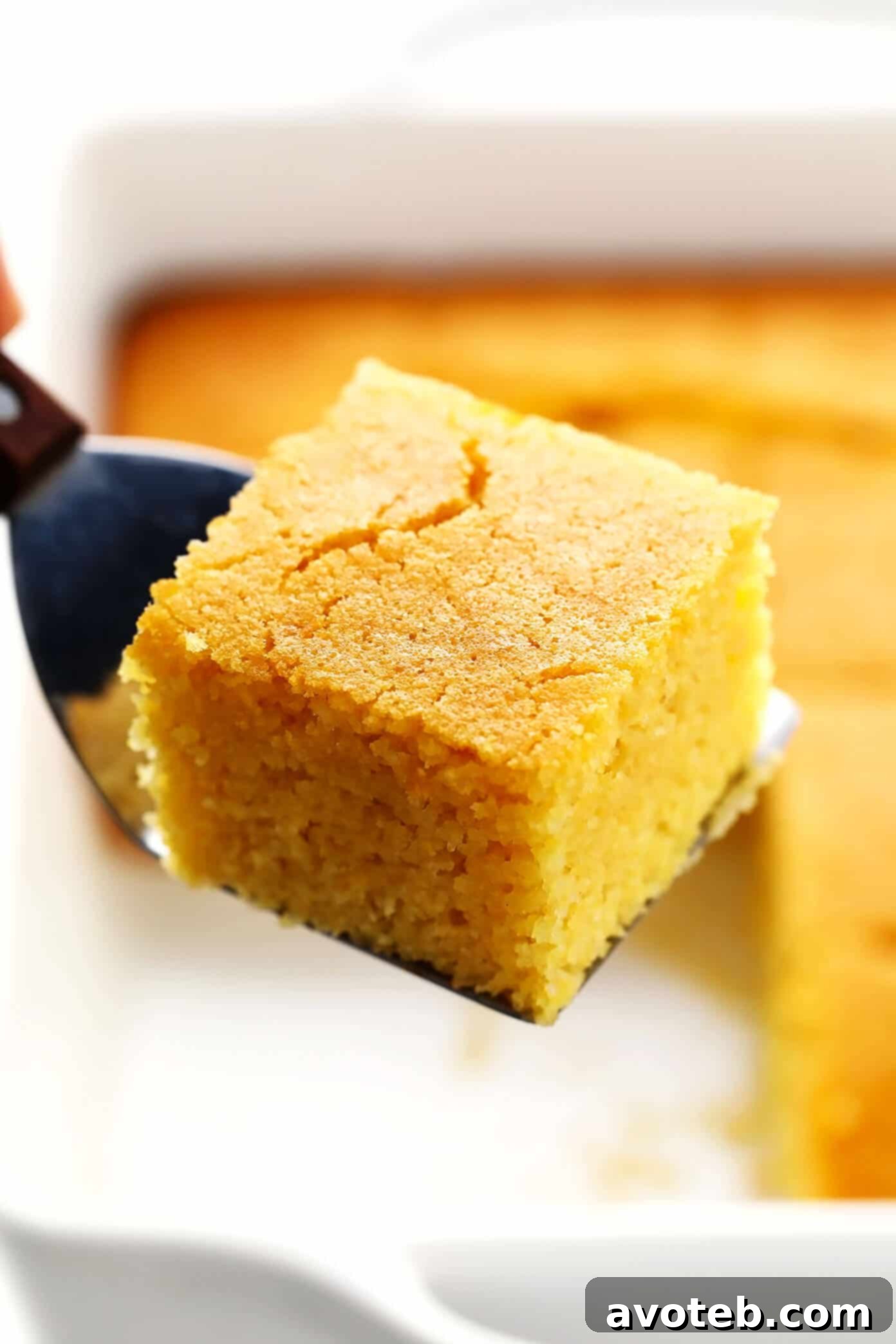
Exciting Cornbread Recipe Variations to Try:
This buttermilk cornbread recipe is fantastic on its own, but it also serves as a wonderful base for creative additions. Feel free to customize it with these fun variations:
- Add Whole Kernel Corn: For an extra burst of corn flavor and delightful texture, fold in up to 3/4 cup of drained whole kernel corn into the batter. This adds chunky, sweet kernels throughout your bread.
- Spice it up with Jalapeño: If you love a little heat, transform this into a spicy jalapeño cornbread! Simply add one or two finely-diced jalapeños (making sure to core them first to control the spice level) to the batter.
- Cheesy Cornbread Delight: For an utterly decadent and savory twist, mix in up to 1 cup of shredded cheese. Cheddar or pepper jack are excellent choices that melt beautifully and add a rich, gooey texture.
- Savory Bacon Infusion: While perhaps a bit unconventional, finely-crumbled strips of crispy bacon make a surprisingly wonderful addition to cornbread, offering a salty, smoky crunch. For an even more intense bacon flavor, consider swapping one tablespoon of the melted butter with a tablespoon of flavorful bacon grease.
- Make it Gluten-Free: Adapting this recipe for gluten-free diets is simple! Just substitute the all-purpose flour with a 1-for-1 gluten-free flour blend. Ensure your chosen blend is suitable for baking for the best results.
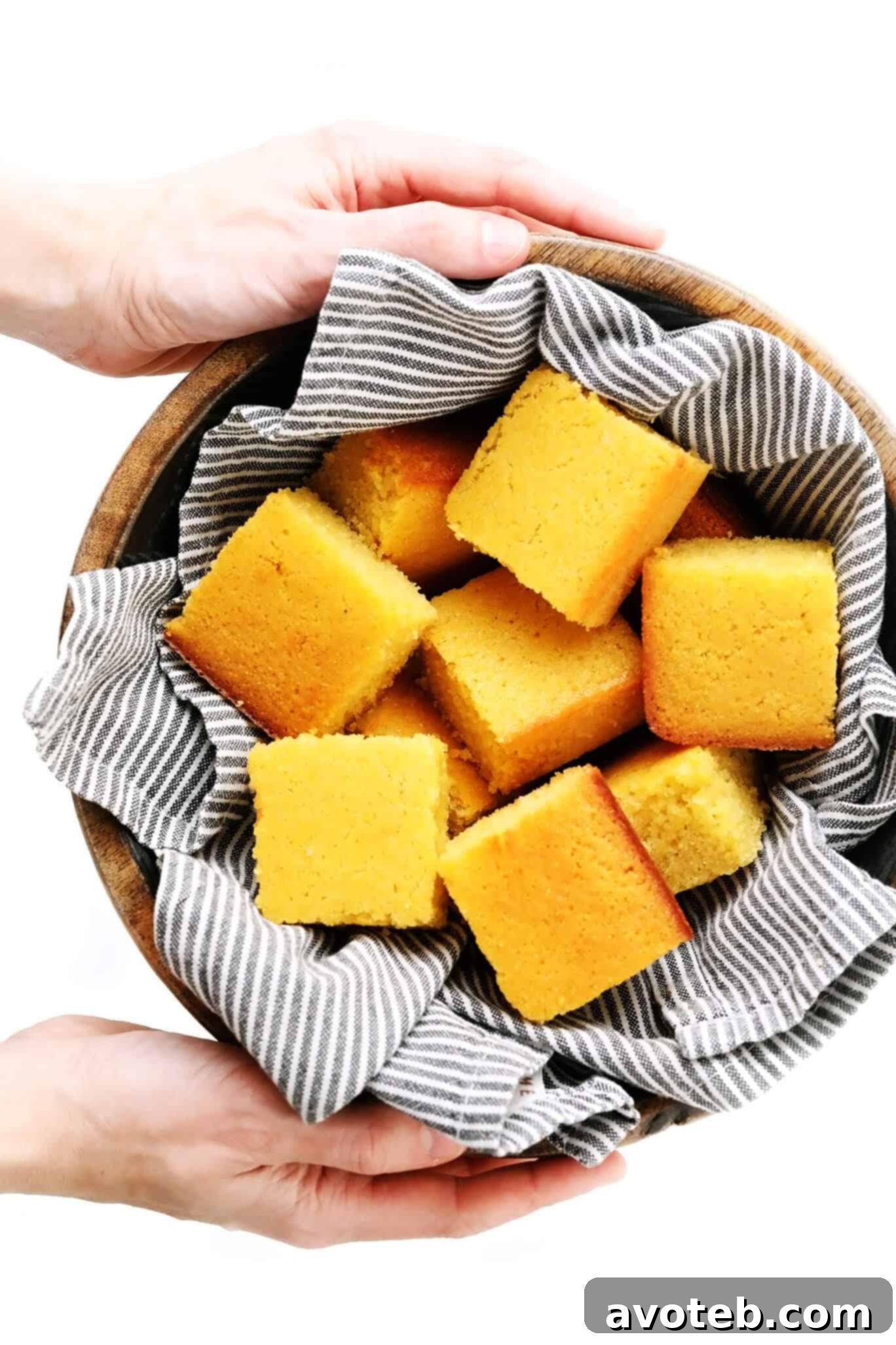
Creative Ways to Serve Your Delicious Cornbread:
Most often, we enjoy simple cornbread squares or wedges as a delightful side dish with our meals. However, this versatile recipe opens up a world of culinary possibilities:
- Fluffy Cornbread Muffins: Instead of baking your batter in a skillet or baking dish, you can easily transform it into individual cornbread muffins. Fill standard muffin cups about two-thirds full with batter and bake them at 375°F (190°C) for approximately 15 minutes, or until a toothpick inserted into the center comes out clean. Perfect for grab-and-go servings!
- Hearty Cornbread Dressing/Stuffing: This recipe is ideal for creating the base of a flavorful cornbread stuffing, a Thanksgiving classic that can be enjoyed any time of year. Simply crumble or dice the baked cornbread and incorporate it into your favorite dressing recipe.
- Crispy Cornbread Croutons: Give your salads and soups an upgrade! Dice up leftover cornbread, toss it with a little melted butter, and season with salt and pepper. Bake until golden and crispy for homemade cornbread croutons that add fantastic flavor and crunch.
- Southern-Style Cornbread Salad: Utilize this recipe to craft a vibrant, layered Southern cornbread salad, typically presented beautifully in a trifle dish. It’s a fantastic way to enjoy cornbread in a refreshing, savory context.
- Flavorful Cornbread Crumbles: Don’t let any leftover cornbread go to waste! Crumble it up and use it as a flavorful topping for fruit crumbles (a sweet and savory twist!), or sprinkle it over soups, salads, and even pasta dishes. Many recipes that traditionally call for breadcrumbs can benefit from the unique texture and taste of crumbled cornbread.
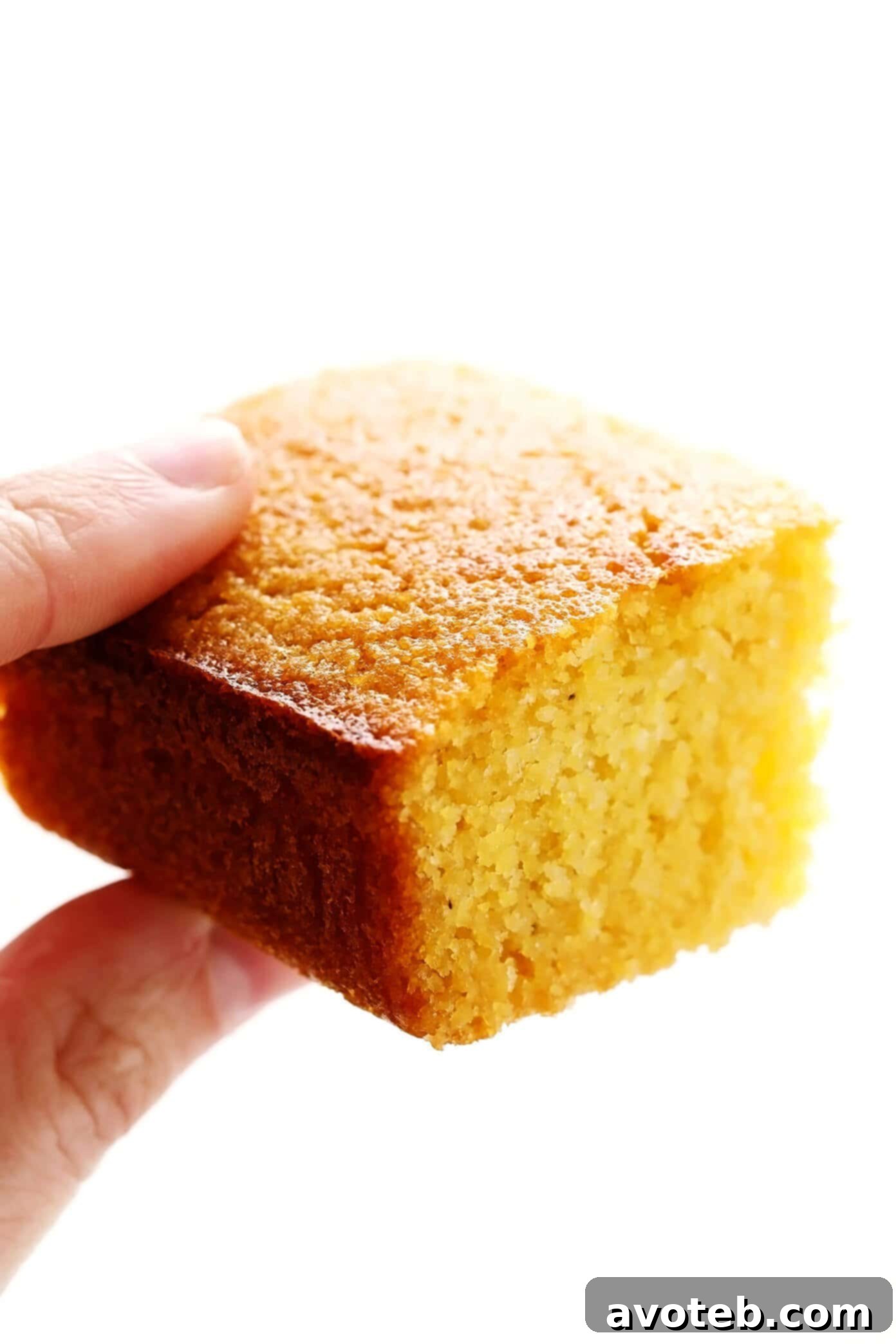
I genuinely hope you enjoy this recipe as much as we do. Please share your experience and how it turned out in the comments below!
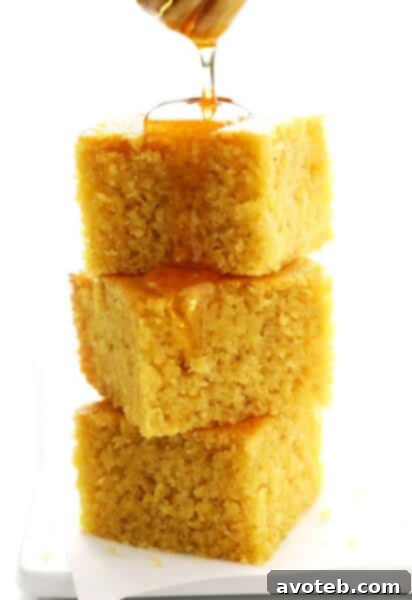
Honey Buttermilk Cornbread
Author: Ali
Prep Time: 15 mins
Cook Time: 20 mins
Total Time: 35 mins
Yield: 16 servings 1x
Description
This is my all-time favorite homemade cornbread recipe, perfectly balanced with a gentle sweetness from honey, unmatched moisture from rich buttermilk, and an irresistibly buttery, fluffy texture. Options are provided below to effortlessly bake this sensational cornbread in either a pre-heated cast iron skillet for a crispy crust or a traditional baking dish for tender, even squares.
Ingredients
Scale
- 1/2 cup unsalted butter
- 1 cup all-purpose flour
- 1 cup yellow cornmeal (fine or medium grind)
- 2 teaspoons baking powder
- 1/2 teaspoon baking soda
- 1 teaspoon fine sea salt*
- 2 large eggs
- 1/3 cup honey (adjust to taste)
- 1 cup buttermilk, at room temperature
Instructions
- Prepare Oven and Skillet: Preheat your oven to 400°F (200°C). Add the unsalted butter to a 9-inch or 10-inch cast iron skillet, then carefully place the skillet into the preheating oven.
- Brown the Butter: While you proceed with preparing the dry and wet ingredients (steps 3 and 4), allow the butter to melt and gently simmer in the oven. Keep a very close watch until it turns a light golden-brown color and releases a fragrant, nutty aroma. Be vigilant to prevent it from burning. Once browned, carefully remove the hot skillet from the oven using an oven mitt. Swirl the melted butter to coat the edges of the skillet evenly. Pour the browned butter into a separate heatproof bowl and set aside until needed. (If you’ve already reached step 5, you can pour the browned butter directly into the batter after adding the buttermilk mixture.)
- Combine Dry Ingredients: In a spacious mixing bowl, thoroughly whisk together the all-purpose flour, yellow cornmeal, baking powder, baking soda, and fine sea salt until they are well combined.
- Combine Wet Ingredients: In a separate, smaller mixing bowl, whisk the eggs and honey together until they are smoothly integrated. Next, add the buttermilk and continue whisking until the mixture is uniform.
- Finalize the Batter: Create a shallow well in the center of your dry ingredient mixture. Pour the buttermilk-egg-honey mixture into this well. Gently whisk the dry ingredients into the wet ingredients until they are just combined. Be careful not to over-mix the batter, as this can lead to tough cornbread. Finally, pour the cooled, melted browned butter into the batter and stir just until it is incorporated.
- Bake to Golden Perfection: Evenly pour the prepared batter into the hot cast iron skillet. Bake for 20 to 25 minutes, or until a wooden toothpick inserted into the center of the cornbread comes out clean, indicating it’s fully cooked.
- Cool and Serve: Carefully transfer the hot skillet to a wire cooling rack. Allow the cornbread to cool in the skillet for at least 10 minutes before slicing. This helps it set and makes for easier serving. Then, slice into wedges, serve warm, and savor every delicious bite!
Equipment
Yellow Cornmeal
Buy Now →
9-Inch Cast Iron Skillet
Buy Now →
Honey
Buy Now →
Notes
Fine Sea Salt Usage: This recipe specifically calls for fine sea salt, which has a distinct potency. If your pantry only contains iodized table salt, please adjust accordingly by using just 1/2 teaspoon, as it is stronger and you’ll want to avoid over-salting your delicious cornbread.
Baking Dish Instructions (Alternative Method): To prepare this cornbread in a baking dish, preheat your oven to 400°F (200°C). Lightly grease an 8-inch or 9-inch square baking dish with cooking spray. While you combine the dry and wet ingredients (steps 3 and 4), brown the butter in a separate sauté pan on the stovetop. (Alternatively, you can simply melt the butter in a pan or microwave without browning it for a quicker option.) Once the butter is ready, pour it into the prepared batter and stir just until combined, being careful not to over-mix. Pour the batter into your greased baking dish and bake for 20 to 25 minutes, or until a toothpick inserted into the center comes out clean.
Storage Guidelines: Leftover cornbread maintains its freshness and flavor best when stored in an airtight container at room temperature for up to 3 days. For extended keeping, it can be refrigerated for up to 5 days or frozen for up to 3 months. When freezing, I recommend wrapping individual pieces tightly in plastic wrap or foil, then placing them in a sealed freezer-safe food storage container to prevent freezer burn.
Recipe Source: This recipe has been thoughtfully adapted with minor modifications from Cafe Delites.