
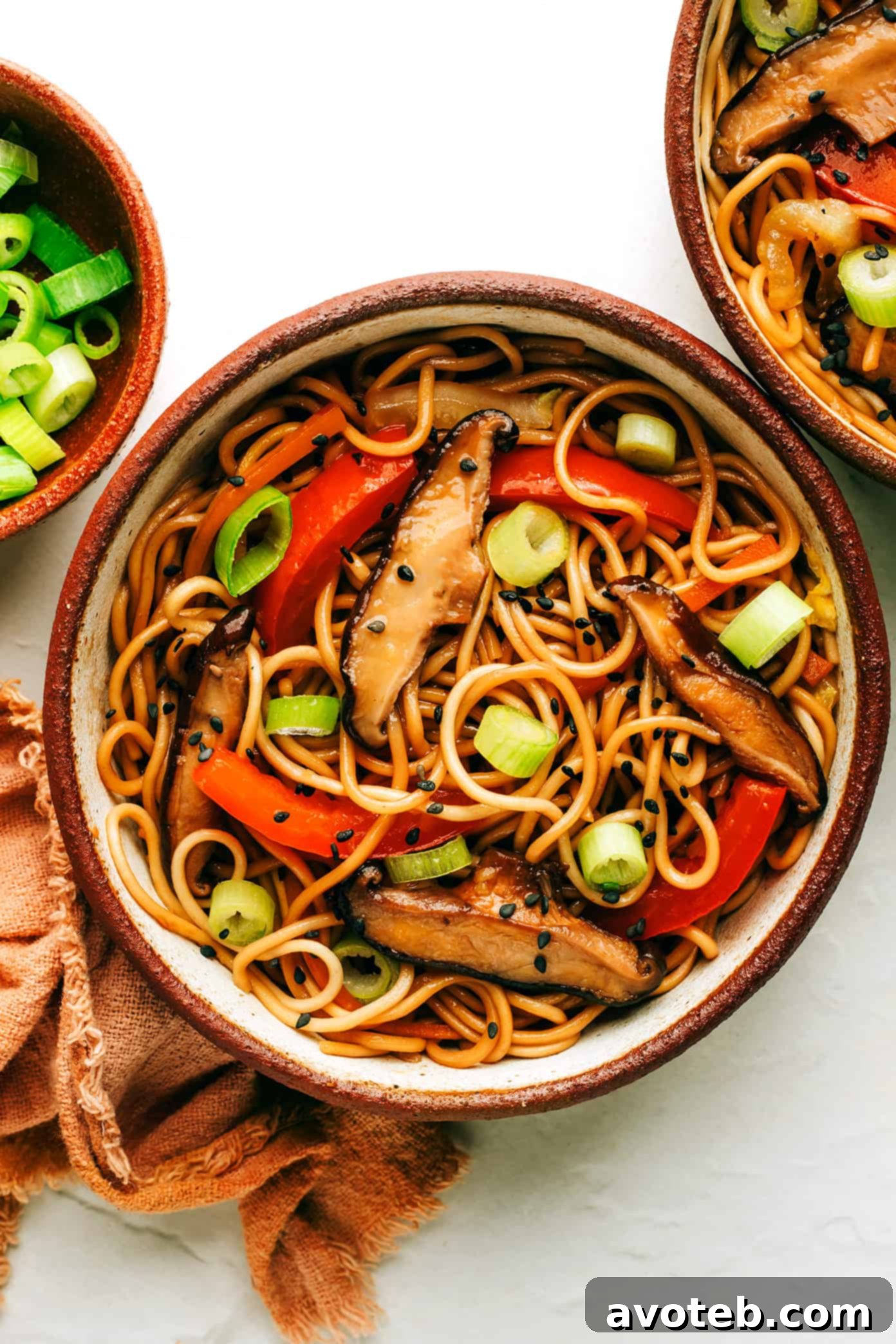
Experience the ultimate homemade Chow Mein with this incredibly easy recipe, ready in under 30 minutes! Tossing perfectly cooked noodles with a vibrant mix of vegetables and a savory, irresistible stir-fry sauce, this dish is a weeknight warrior. Customize it with your favorite protein—be it chicken, beef, shrimp, tofu, or an array of extra veggies—to create your perfect bowl of deliciousness.
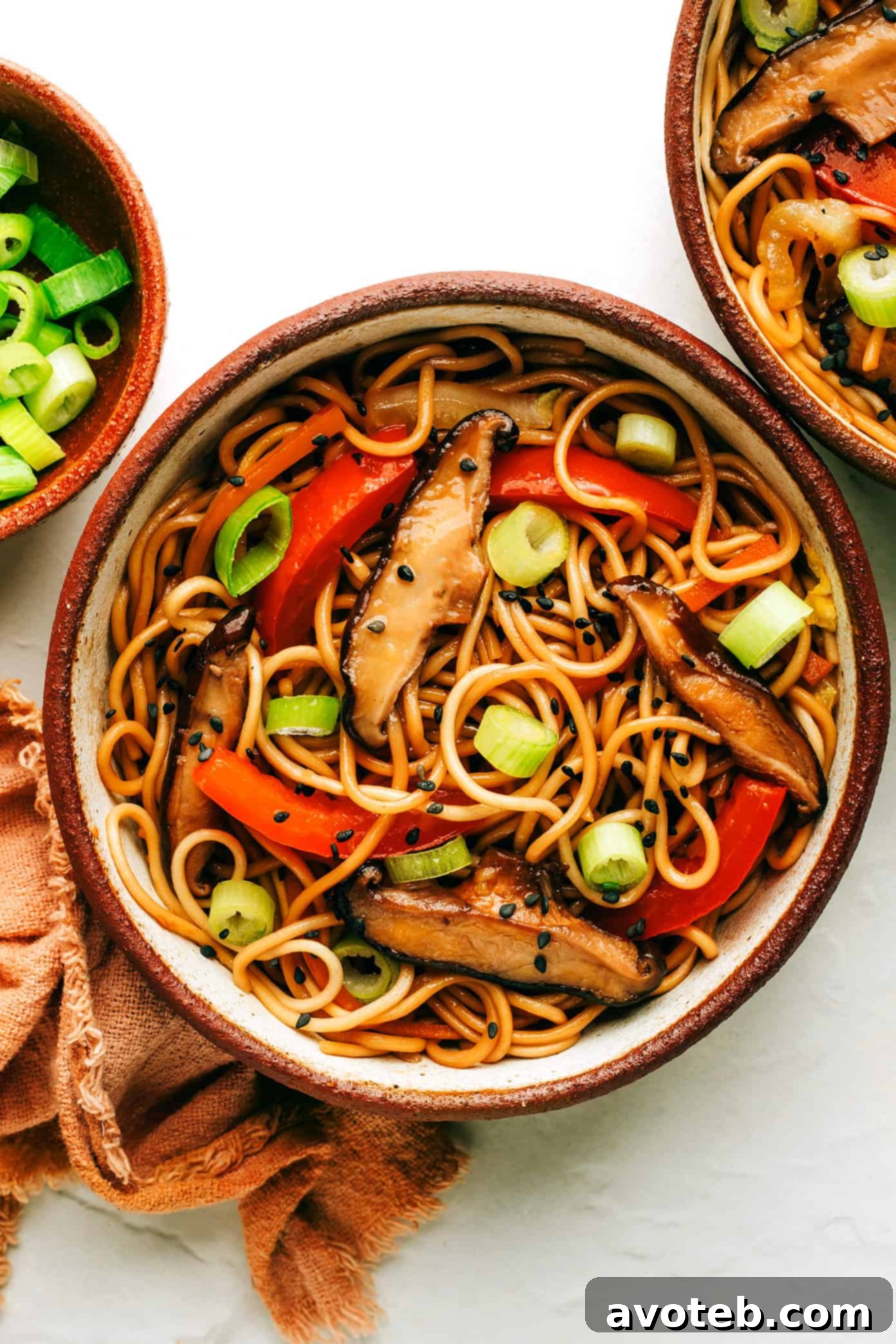
Master the Art of Homemade Chow Mein: Your Quick & Flavorful Guide
Chow Mein, a beloved staple of Chinese cuisine, translates literally to “fried noodles.” This classic dish features stir-fried noodles combined with an assortment of vegetables and often a choice of protein, all coated in a rich, savory sauce. While often enjoyed in restaurants or as takeout, making authentic and delicious Chow Mein at home is surprisingly simple, fast, and incredibly rewarding. This recipe is designed to bring that vibrant, comforting flavor straight to your kitchen, all within half an hour.
Forget bland, greasy versions – our recipe prioritizes fresh ingredients, a perfectly balanced stir-fry sauce, and quick cooking techniques to ensure every bite is bursting with authentic taste and texture. It’s perfect for busy weeknights, meal prepping, or impressing guests with your culinary skills. Plus, the beauty of homemade Chow Mein lies in its versatility. You’re in complete control of the ingredients, allowing you to tailor it to your dietary preferences, what’s in season, or simply what you’re craving.
Whether you’re a seasoned stir-fry enthusiast or new to the world of Asian cooking, this guide will walk you through everything you need to know, from selecting the right noodles to mastering the art of the perfect stir-fry sauce. Get ready to elevate your home cooking with a dish that’s not just food, but an experience!
Chow Mein | 1-Minute Video Tutorial
Essential Chow Mein Ingredients: The Foundation of Flavor
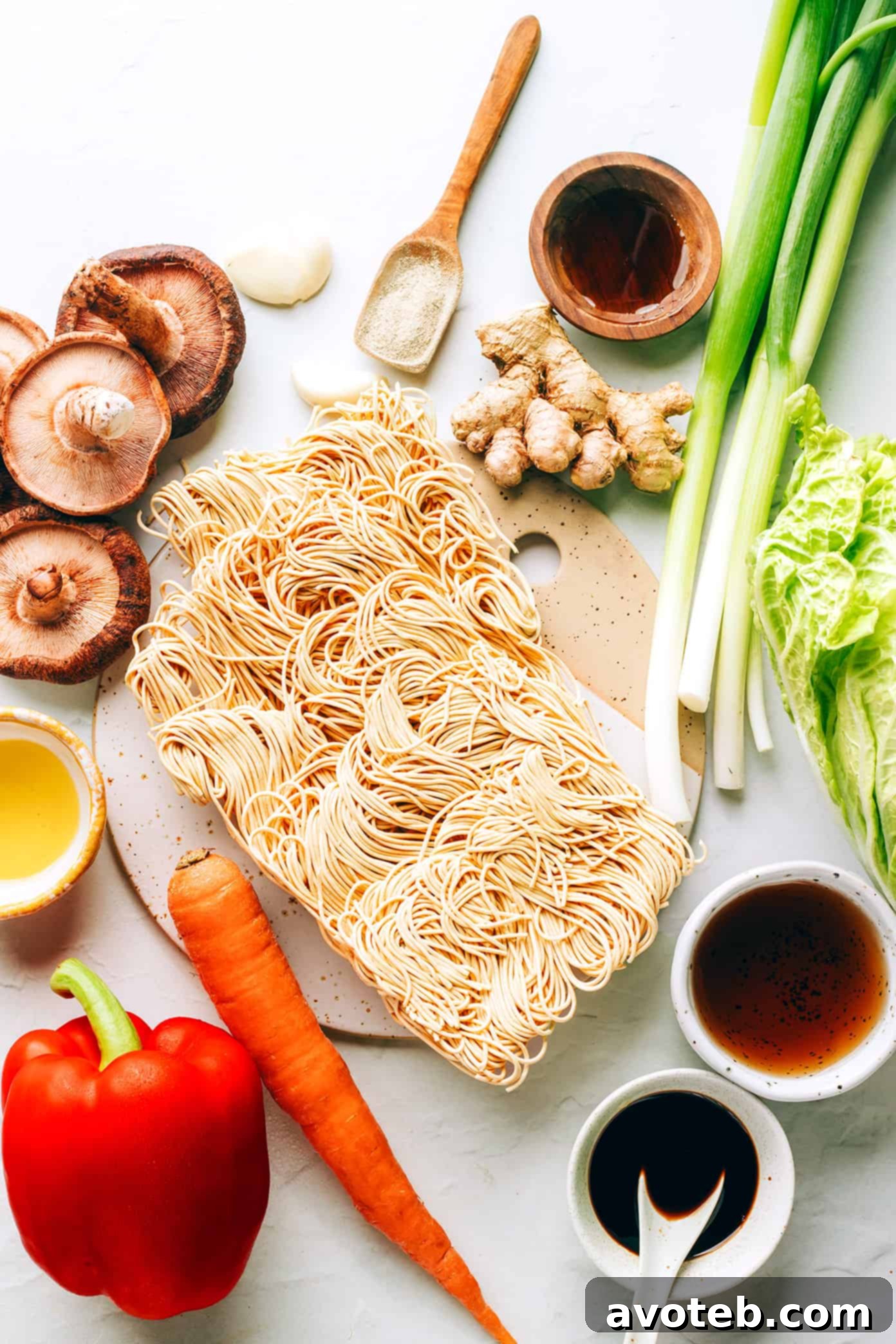
Crafting exceptional Chow Mein begins with understanding its core components. Before diving into the full recipe, let’s explore the key ingredients that give this dish its distinctive taste and texture, along with practical notes and substitution ideas to make your cooking experience seamless.
- Chow Mein Noodles: The heart of the dish! For an authentic experience, I highly recommend using dried Chinese egg noodles. These are typically labeled in American grocery stores as “chow mein noodles,” “stir-fry noodles,” or “lo mein noodles.” The key is to look for long, thin, sturdy noodles suitable for stir-frying. A crucial tip: avoid the short, crunchy canned chow mein noodles (like these) often found near salad toppings; despite the similar name, they are not intended for this recipe. Alternatively, fresh Chinese egg noodles can be used – steamed ones are ready to add, while unsteamed varieties should be cooked according to package instructions until just shy of al dente. If Chinese egg noodles are hard to find, don’t despair! Any other type of egg noodles, rice noodles, or even standard spaghetti can work in a pinch. While not traditional, these alternatives will still yield a delicious meal.
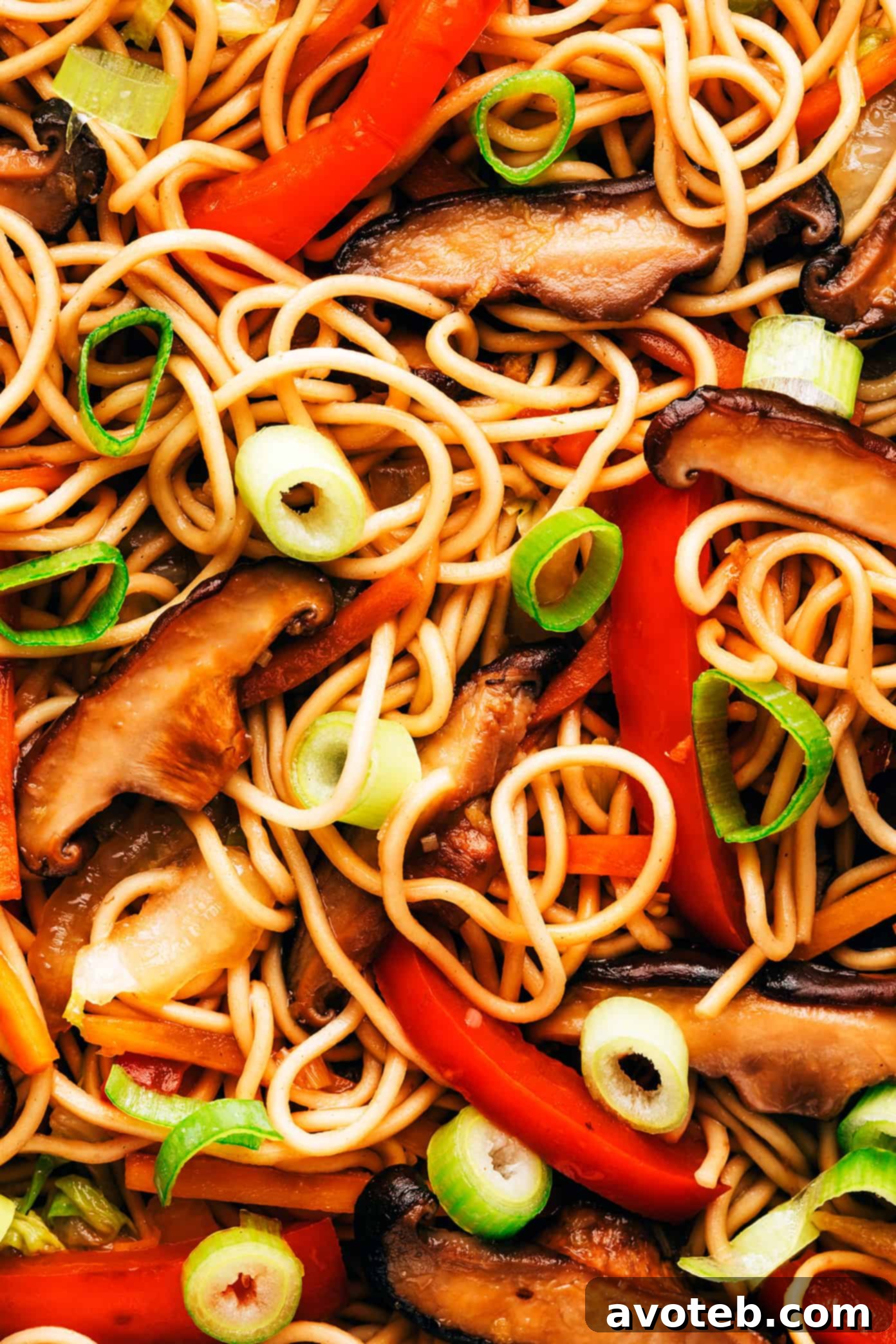
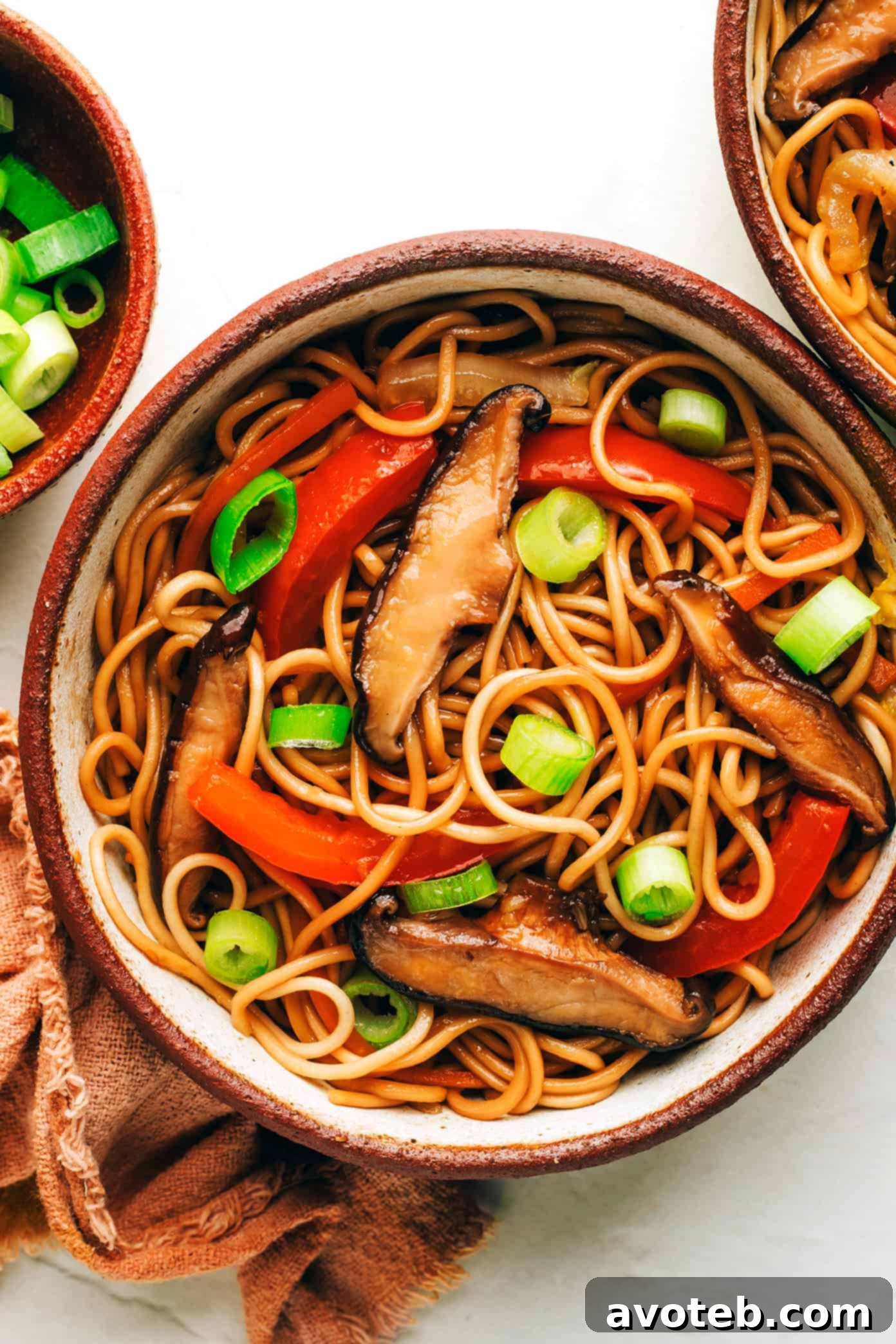
- Vibrant Veggies: Chow Mein is incredibly flexible when it comes to vegetables. Think of your crisper drawer as a treasure chest! Any stir-fry-friendly vegetable will shine here. In the accompanying photos, I’ve used a classic combination of sliced carrots, red bell pepper, and earthy shiitake mushrooms. However, feel free to get creative. Other fantastic options include broccoli florets, snap peas, sliced onions, zucchini, bean sprouts, or bamboo shoots. Aim for a variety of colors and textures for a visually appealing and nutrient-rich dish.
- Leafy Greens: A generous addition of chopped Napa cabbage brings a lovely freshness and subtle sweetness to the stir-fry. If Napa cabbage isn’t available, any other type of green cabbage will work beautifully, or you can even opt for a pre-bagged cole slaw mix for convenience. For those looking to diversify, baby spinach, kale, or collard greens are excellent alternatives that wilt down nicely into the stir-fry, adding a boost of nutrients.
- Aromatic Powerhouses: Fresh Garlic and Ginger: These two ingredients are non-negotiable for authentic Chow Mein flavor. Using fresh, minced garlic and grated ginger truly amps up the aromatic foundation of the dish. Their pungent, zesty notes are critical to the overall taste profile. If fresh ginger isn’t readily available, a good quality ground ginger can be substituted in the stir-fry sauce (about 1 teaspoon).
- Scallions (Green Onions): Scallions offer a dual purpose in this recipe. The white parts, with their stronger onion flavor, are sautéed along with the other vegetables, building a foundational layer of taste. The green parts, reserved for garnish, provide a fresh, crisp, and slightly pungent finish when sprinkled over the cooked noodles, adding a burst of flavor and a touch of color to each serving.
- The Signature Stir-Fry Sauce: This easy-to-make, 5-ingredient sauce is the secret weapon of this Chow Mein recipe, tying all the flavors together. It’s a harmonious blend of low-sodium soy sauce (to control salinity), rich oyster sauce (for umami depth), complex Shaoxing wine (Chinese cooking wine for depth of flavor), fragrant toasted sesame oil (for its nutty aroma), and a generous pinch of white pepper (or a few cracks of black pepper for subtle heat). If Shaoxing wine is unavailable, mirin, dry sherry, sake, or a sweeter white wine are suitable alcoholic substitutes. For an alcohol-free version, vegetable stock or a splash of apple juice can be used, though the flavor profile will be slightly different.
Expert Tips for Crafting the Best Homemade Chow Mein:
While the full recipe is provided below, mastering a truly delicious Chow Mein comes down to a few key techniques. Keep these tips in mind to achieve a restaurant-quality dish every time:
- Embrace Mise en Place (Prep All Ingredients in Advance): This is perhaps the most crucial tip for any stir-fry. Chow Mein comes together very quickly once you start cooking, so there’s no time to chop, mince, or measure once the pan is hot. Have your stir-fry sauce mixed, all vegetables sliced, garlic minced, ginger grated, and noodles par-boiled and ready to go. This organized approach ensures a smooth and successful cooking process.
- Strategic Multi-tasking (Optional for Efficiency): If you’re looking to shave off a few extra minutes, consider cooking your noodles simultaneously while you begin stir-frying the vegetables. This requires careful timing to prevent overcooking the noodles. Once the noodles are almost ready, you can use tongs to transfer them directly from their pot of boiling water into the stir-fry pan. This eliminates the need for a separate draining step and keeps the workflow efficient.
- Heat is Your Friend: Use a Very Hot Pan or Wok: For that signature stir-fry char and crisp-tender vegetables, your pan needs to be screaming hot. High heat allows the ingredients to sear quickly, locking in their flavors and textures, rather than steaming them into a soggy mess. Don’t overcrowd the pan, as this lowers the temperature. If you’re cooking a larger batch, consider stir-frying in two smaller batches.
- Perfectly Cooked Noodles: Avoid Overcooking: The ideal Chow Mein noodles should be perfectly al dente, with a slight chewiness. Many noodle packages provide cooking times that result in fully cooked or even slightly overcooked noodles. To achieve the best texture, keep a close eye on your noodles as they boil and drain them a minute or so before they reach al dente. They will finish cooking and absorb flavor in the hot stir-fry pan, ensuring they don’t turn mushy.
- Always Taste and Adjust Seasoning: Before serving, give your Chow Mein a quick taste test. This is your opportunity to fine-tune the flavors. You might find it needs an extra splash of soy sauce for saltiness, a drizzle more sesame oil for nuttiness, or another pinch of white pepper for a subtle kick. Remember, individual preferences vary, so adjust the seasoning to your liking.
Chow Mein Recipe Variations & Customization Ideas:
One of the greatest joys of cooking Chow Mein at home is the endless possibilities for customization. This recipe serves as an excellent base, but don’t hesitate to make it your own with these delicious variations:
- Add Your Favorite Protein: Elevate your Chow Mein by incorporating a protein of your choice. This recipe is incredibly adaptable to become a chicken chow mein, beef chow mein, pork chow mein, shrimp chow mein, or a satisfying tofu chow mein. For best results, sauté your chosen protein separately until cooked through, then transfer it to a clean plate. Add it back into the wok with the noodles and sauce during the final stages of cooking to ensure it’s heated through and coated in the delicious sauce. This method prevents overcooking the protein while ensuring even distribution.
- Expand Your Vegetable Horizons: While the recipe suggests a delicious veggie mix, feel free to raid your fridge and add any other stir-fry-friendly vegetables you love. Consider adding tender asparagus spears, crunchy bean sprouts, crisp bok choy, vibrant broccoli florets, hearty green beans, sliced onions, sweet snow peas or snap peas, or even delicate zucchini ribbons. Ensure vegetables are cut into similar sizes for even cooking.
- Experiment with Different Noodles: If traditional Chinese egg noodles are hard to come by, or you simply want to try something new, this recipe is forgiving. Fresh Chinese egg noodles (steamed or unsteamed, cooked to al dente) are a fantastic alternative. Beyond that, many other types of egg noodles, rice noodles (like flat rice noodles for a softer texture), or even common pasta noodles such as spaghetti or linguine can be used. While these options may not be strictly traditional, they will still create a wonderfully flavorful and satisfying noodle dish.
- Make it Gluten-Free: Adapting this recipe for a gluten-free diet is straightforward. Ensure you select certified gluten-free noodles (rice noodles are a good option). Crucially, swap out regular soy sauce for gluten-free tamari and use a gluten-free oyster sauce, as traditional versions contain wheat.
- Craft a Vegetarian/Vegan Delight: For a delicious plant-based Chow Mein, focus on an abundance of vegetables and a hearty protein like pressed, cubed tofu or tempeh. The main adjustment for vegan compatibility is to substitute traditional oyster sauce with a high-quality vegan “oyster” sauce, which offers a similar umami depth derived from mushrooms.
- Spice it Up: If you appreciate a dish with a kick, easily transform this into a spicy Chow Mein. Simply add your desired amount of chili garlic sauce or Sriracha directly into the stir-fry sauce. Start with a small amount and taste, then add more until you reach your preferred level of heat. Red pepper flakes can also be sprinkled in during the sautéing process.
Serving Suggestions and Perfect Pairings:
Chow Mein is a complete meal on its own, packed with noodles, vegetables, and often protein. However, for a more elaborate feast, consider serving it alongside other complementary dishes. A side of crispy spring rolls or egg rolls, some steamed dumplings, or a light cucumber salad would beautifully round out the meal. For a touch of freshness, garnish with extra green onions, a sprinkle of toasted sesame seeds, or a drizzle of chili oil. A simple bowl of hot and sour soup or egg drop soup also makes a wonderful starter.
Storage and Reheating Tips:
Chow Mein is excellent as leftovers, making it ideal for meal prep!
Storage: Allow the Chow Mein to cool completely before transferring it to an airtight container. It can be stored in the refrigerator for up to 3-4 days. For longer storage, you can freeze it in freezer-safe containers for up to 2-3 months. When freezing, ensure the noodles are slightly undercooked initially, as they will soften further upon reheating.
Reheating: For best results, reheat Chow Mein in a hot wok or skillet over medium-high heat with a tiny splash of water or broth (about 1-2 tablespoons) to prevent dryness. Stir-fry for a few minutes until heated through. You can also microwave it, but it might not retain the same stir-fried texture. If reheating in the microwave, cover the dish to trap steam and help rehydrate the noodles, stirring halfway through.
More Favorite Stir-Fried Noodle Recipes:
If you’ve fallen in love with the ease and flavor of this Chow Mein recipe, you’ll definitely want to explore other delightful stir-fried noodle dishes from around Asia. Here are a few of my go-to recipes that promise similar quick preparation and sensational flavors:
- Sesame Noodles: A simple, nutty, and incredibly satisfying cold or warm noodle dish.
- Pad Thai: Thailand’s iconic sweet, sour, and savory stir-fried rice noodle dish.
- Thai Drunken Noodles (Pad Kee Mao): Spicy, savory, and aromatic noodles perfect for a flavor adventure.
- Japchae (Korean Noodle Stir-Fry): A colorful and delicious dish featuring sweet potato starch noodles and various vegetables.
- Beef Chow Fun: Wide, flat rice noodles stir-fried with tender beef and a rich sauce.
Chow Mein
Author: Ali
Prep Time: 15 mins
Cook Time: 10 mins
Total Time: 25 mins
Yield: 2 to 4 servings 1x
Description
This quick chow mein recipe is easy to whip up and tossed with a seriously delicious stir-fry sauce. Feel free to add meat, seafood, tofu, and/or whatever extra veggies you might like.
Ingredients
Scale
Stir-Fry Ingredients:
- 6 ounces dried chow mein noodles*
- 2 tablespoons peanut oil (or olive oil)
- 4 cups sliced veggies (I used one bell pepper, one carrot, and 8 ounces shiitake mushrooms)
- 4 scallions, thinly sliced (white and green parts separated)
- 3 cups shredded green cabbage (I used Napa cabbage)
- 3 large cloves garlic, minced
- 1 tablespoon grated fresh ginger
Sauce Ingredients:
- 3 tablespoons oyster sauce
- 3 tablespoons shaoxing wine*
- 2 tablespoons low-sodium soy sauce
- 2 teaspoons toasted sesame oil
- pinch of ground white pepper (or black pepper)
- optional: chili garlic sauce or Sriracha, to taste
Instructions
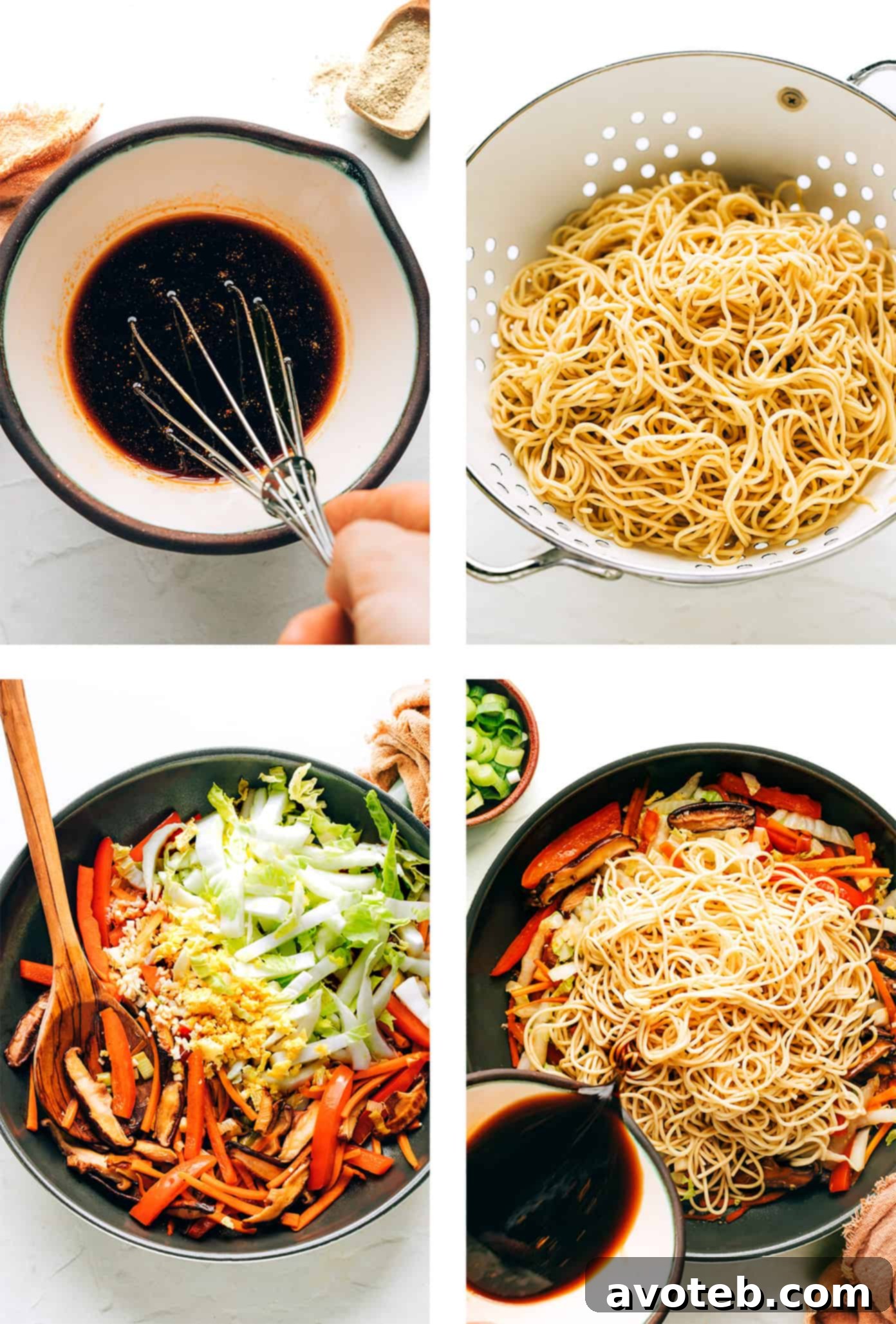
- Prepare the Flavorful Stir-Fry Sauce. In a small bowl, combine all the sauce ingredients: oyster sauce, Shaoxing wine, low-sodium soy sauce, toasted sesame oil, and a pinch of white pepper. Whisk thoroughly until all ingredients are well combined and the sauce is uniform. Alternatively, you can shake them vigorously in a covered mason jar. Set this sauce aside as your “secret weapon” until you are ready to incorporate it into the stir-fry.
- Par-Boil the Noodles to Perfection. Bring a large pot of generously salted water to a rolling boil. Add the dried chow mein noodles and cook them until they are just a minute or so shy of being al dente. The goal here is for them to be nearly cooked through but still possess a slight chewiness, as they will finish cooking and absorb flavor in the stir-fry pan later. Once they reach this stage, transfer the noodles immediately to a strainer, briefly rinse them with lukewarm water to prevent sticking and to halt the cooking process, then drain them thoroughly. Set aside until it’s time to add them to your sauté pan.
- Quickly Sauté the Vibrant Veggies. Heat the peanut oil (or olive oil) in a large non-stick skillet or a wok over high heat. Ensuring your pan is very hot is crucial for achieving that authentic stir-fried texture. Add your prepared sliced veggies (such as bell pepper, carrot, and shiitake mushrooms) along with the white parts of your thinly sliced scallions. Sauté for 2 to 3 minutes, stirring frequently, until the vegetables are crisp-tender, still retaining a slight crunch. Next, add the shredded cabbage, minced fresh ginger, and minced fresh garlic. Continue to sauté for another 2 minutes, stirring occasionally, until the cabbage has softened and the aromatic garlic and ginger become wonderfully fragrant.
- Bring All Components Together. Once your vegetables are perfectly cooked, add the par-boiled noodles directly into the sauté pan with the veggies. Pour in the prepared stir-fry sauce. Using tongs or a stir-fry spatula, toss the mixture continuously for 1 to 2 more minutes, ensuring the noodles are fully coated in the sauce and finish cooking to a perfect al dente texture. The high heat will allow the sauce to thicken slightly and cling beautifully to the noodles and vegetables.
- Taste and Adjust Seasoning. Before serving, take a moment to taste your chow mein. This is a critical step for perfecting the flavor profile. Depending on your preference, you may wish to add an extra splash of soy sauce for increased saltiness or another pinch of white pepper for a more pronounced kick. I personally enjoy my noodles with a robust salty and peppery flavor, so I often add a little more of both at this stage.
- Serve Immediately and Enjoy! Transfer the hot, fresh chow mein to serving bowls. Garnish generously with the reserved green parts of the scallions, which add a vibrant color and a fresh, crisp onion flavor to each bite. Serve piping hot and savor the homemade goodness of your quick and delicious chow mein!
Equipment
Chow Mein Noodles
Buy Now →
Oyster Sauce
Buy Now →
Shaoxing Wine (Chinese Cooking Wine)
Buy Now →
Notes
Noodle options: For an authentic Chow Mein, I recommend traditional Chinese chow mein egg noodles. These are readily available in most Asian grocery stores and often labeled as “chow mein noodles,” “stir-fry noodles,” or “lo mein noodles” in mainstream American supermarkets. Be sure to select the long, dried or fresh varieties. It’s important to distinguish these from the short, crunchy canned chow mein noodles (such as these), which share the same name but are primarily intended as a crunchy salad topping and will not yield the desired texture for this stir-fry.
Shaoxing wine: Also known as “Chinese cooking wine,” Shaoxing wine is a key ingredient that imparts a distinctive depth and authentic flavor to this dish. I highly encourage you to seek out a bottle if you frequently enjoy cooking stir-fries, as it’s a staple in Chinese cuisine. However, if it’s not accessible, suitable substitutes include mirin (a Japanese sweet rice wine), dry sherry, or a sweet white wine. For those who prefer not to cook with alcohol, vegetable stock or even a small splash of apple juice can be used as alternatives, though the flavor profile will be slightly different.
Make it spicy: If you’re a fan of heat and wish to add a zesty kick to your noodles, which I heartily recommend, simply stir your desired amount of chili garlic sauce or Sriracha directly into the stir-fry sauce. Start with a modest amount and adjust to your preferred spice level.