
The Enchanting Rose Cake: A Culinary Masterpiece with Edible Blooms
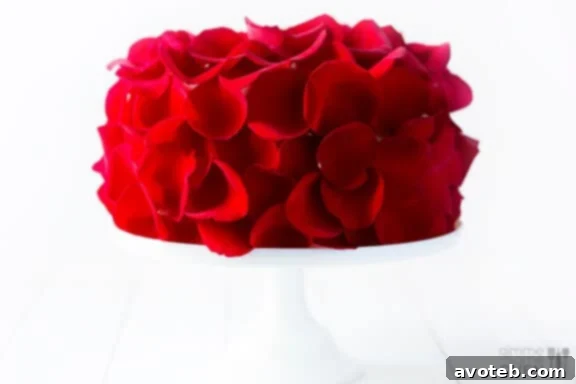
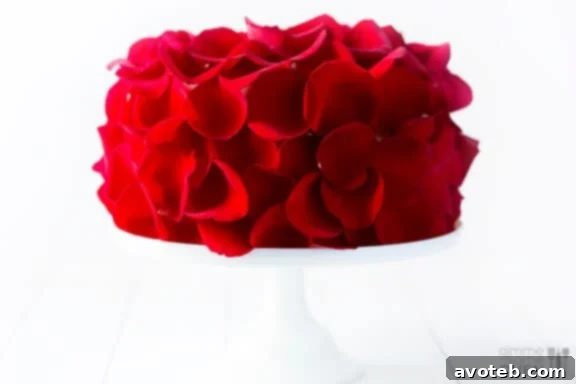
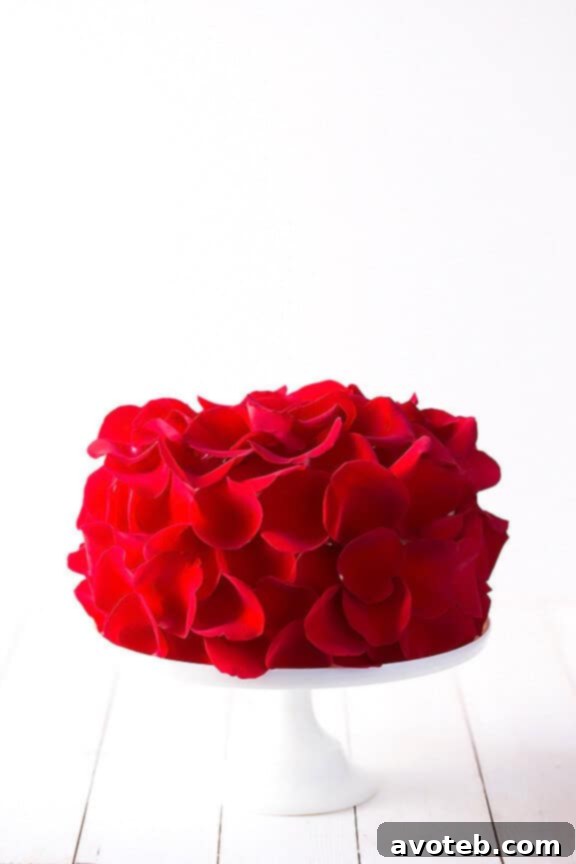
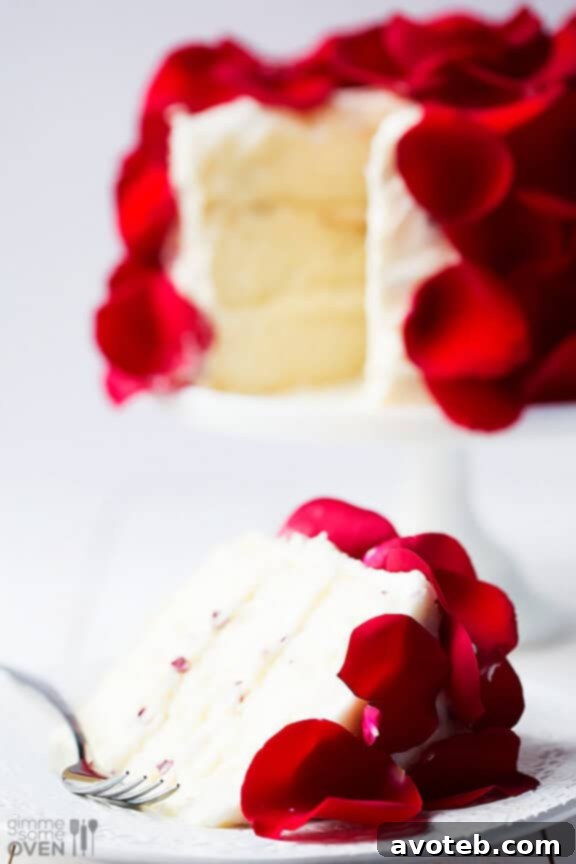
Friends, prepare to be captivated! I’ve created something truly magical for you: a stunning Rose Cake. And yes, your eyes aren’t deceiving you – those are indeed real roses adorning this delicate dessert. The most exciting part? They are absolutely edible!
For many, the idea of eating flowers might seem novel, and it certainly was an exciting discovery for me. The trend of incorporating edible blooms into cuisine has been flourishing, inspiring me to delve into the world of floral gastronomy. What I found was delightful: many of our beloved garden flowers, including the timeless rose, can transition beautifully from a vase to your dinner plate. Interestingly, the color of the rose petals often correlates with their flavor intensity. Deep red or vibrant pink varieties tend to offer a stronger, more pronounced rose flavor, while lighter shades like white or pale pink provide a more subtle, delicate essence.
Embracing the Edible Flower Trend
The culinary landscape is constantly evolving, with edible flowers emerging as a captivating trend that adds both visual splendor and unique flavor notes to dishes. Beyond their undeniable beauty, these blooms can infuse a dish with delicate aromas and unexpected tastes, transforming an ordinary meal into an extraordinary experience. Roses, in particular, are an exceptional choice for culinary exploration due to their fragrant petals and historical use in various cuisines worldwide. They bring a sophisticated, slightly sweet, and aromatic quality that is truly distinct.
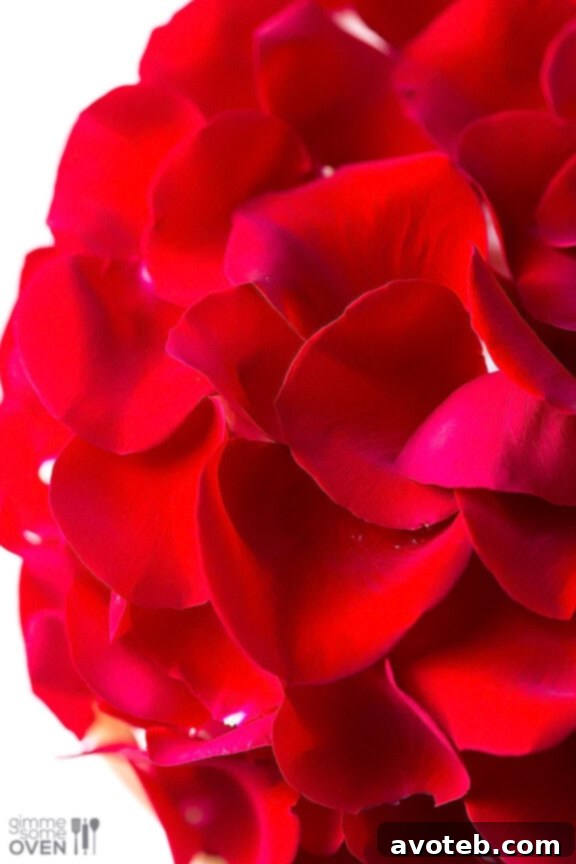
When selecting roses for consumption, opting for organic, unsprayed varieties is paramount to ensure they are free from harmful pesticides and chemicals. Garden roses that you’ve grown yourself, without any chemical treatments, are ideal. If purchasing, look for culinary-grade roses or those specifically labeled as edible. The vibrant hues of red and pink roses don’t just add a striking visual contrast; they also signify a richer, more concentrated rose flavor, which is why I chose a striking red rose for this particular cake.
Crafting Your Rose-Infused Masterpiece: The Cake Base
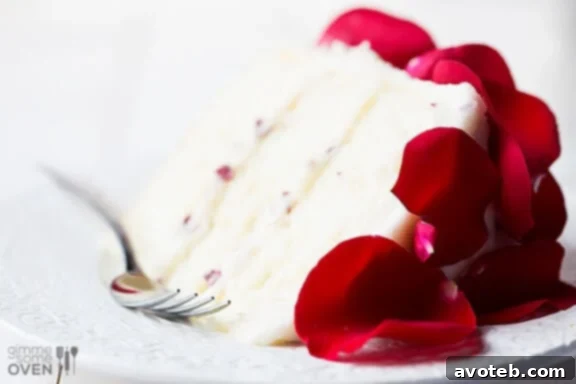
To truly allow the delicate rose flavor to shine, I started with a classic three-layer white cake. This provides a beautiful, clean canvas that complements the floral notes without overpowering them. The secret to a perfect white cake lies in using high-quality cake flour, which results in a tender, fine crumb, and ensuring all your ingredients, especially milk and egg whites, are at room temperature. This promotes better emulsion and a smoother, more uniform batter.
A subtle hint of rose water is meticulously incorporated into the cake batter. Rose water, a fragrant distillate of rose petals, introduces the essence of rose right into the heart of the cake, creating a harmonious flavor profile that permeates every bite. For those new to rose water, it’s a staple in Middle Eastern and Indian desserts, available in specialty grocery stores or online. If you’re unable to find it, a touch more almond extract can offer a complementary, albeit different, aromatic note.
Achieving a perfectly moist and tender white cake requires precise measurements and careful mixing. Overmixing can lead to a tough cake, so it’s essential to mix until just combined, creating a batter that is light and airy. Dividing the batter evenly between the pans ensures that each layer bakes uniformly, creating a beautifully leveled cake perfect for stacking and decorating.
The Velvety Rose Buttercream: A Harmonious Blend
The true magic of this cake unfolds with its luxurious rose buttercream. This creamy, dreamy frosting isn’t just a conduit for flavor; it’s a star in its own right. I began with a rich, unsalted butter base, beaten to airy perfection. The foundation of the rose flavor here also comes from rose water, adding an intoxicating fragrance and delicate taste that is both familiar and exotic.
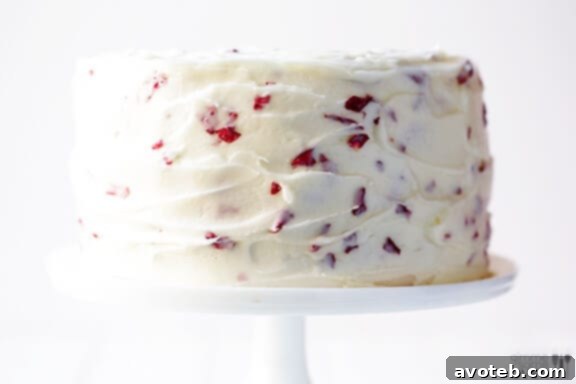
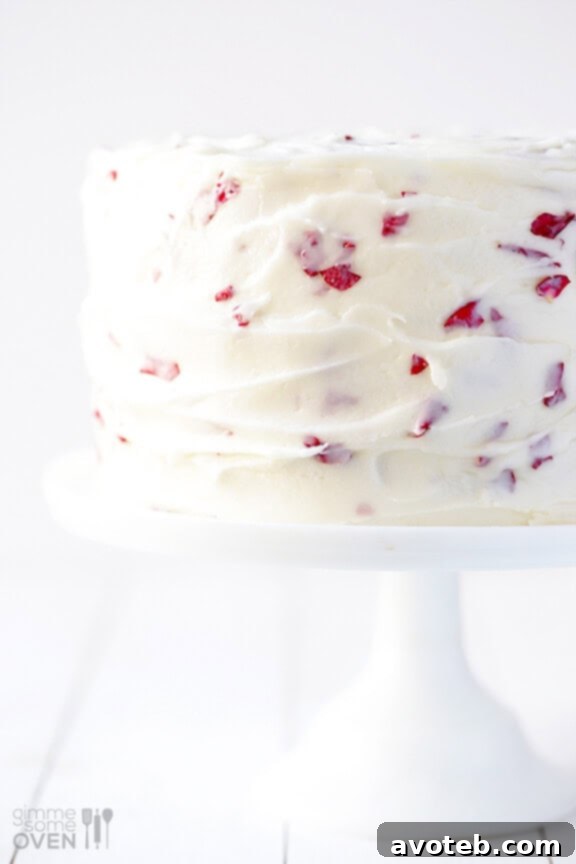
But the real showstopper in this buttercream is the inclusion of finely chopped fresh red rose petals. Yes, you heard that right! I carefully selected and prepared a single red rose, gently chopping its vibrant petals into small, delectable pieces. These tiny fragments are then folded into the velvety vanilla buttercream, imparting not just a visual speckle but also a delightful textural element and an even deeper rose flavor. The combination of rose water and fresh petals ensures that the rose essence is present throughout the frosting, creating a truly immersive experience. Achieving the perfect buttercream consistency is key – smooth enough to spread effortlessly yet firm enough to hold its shape for elegant layering.
Assembling and Decorating: A Feast for the Eyes
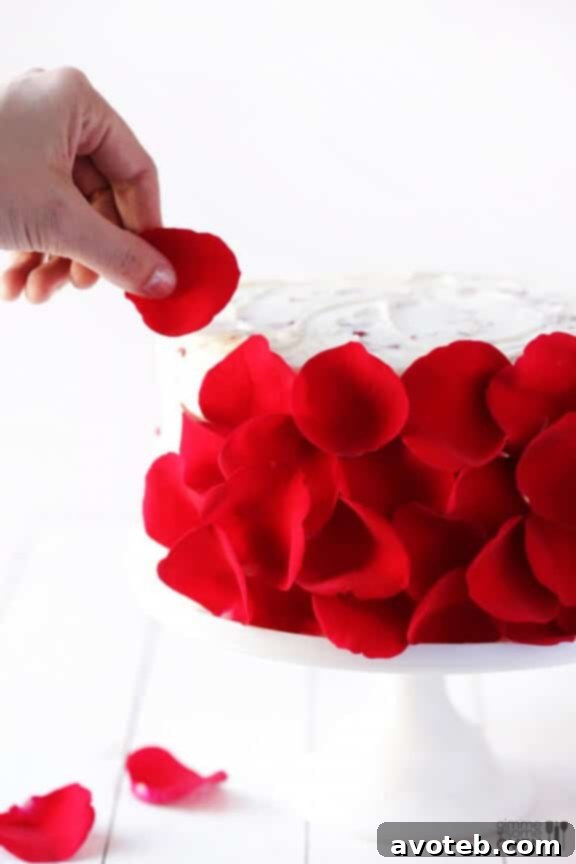
With the fragrant cake layers baked and the rose-infused buttercream ready, the assembly and decoration process transforms this dessert into a true work of art. The moist white cake layers are generously spread with the luscious vanilla rose buttercream, creating a beautiful contrast of color and texture. For the grand finale, I carefully arranged delicate red rose petals along the outside of the cake. These petals adhere beautifully to the fresh buttercream, creating a stunning visual display that is both elegant and natural. The photographs, while lovely, truly don’t capture the full majesty of this cake; its beauty is something to behold in person.
The decorative roses aren’t merely for aesthetics; they provide an additional layer of sensory delight. Each petal, with its vibrant hue and soft texture, invites a moment of admiration before the first slice is even cut. The entire presentation is designed to evoke a sense of wonder and enchantment, making the Rose Cake not just a dessert, but a centerpiece for any special occasion.
A Shared Culinary Delight: The Taste Test Experience
Admittedly, there was a slight apprehension about how a cake adorned with “edible” flowers would be received. To quell my curiosity and share the experience, I invited a group of friends for a taste test. To my absolute delight and perhaps slight surprise, everyone adored it! While we are all familiar with the enchanting fragrance of roses, experiencing their delicate taste in a cake was a novel and thoroughly enjoyable sensation.
What truly made the occasion memorable was the entire experience of admiring and then savoring such a unique dessert. Every element sparked conversation: from the perfectly moist white cake and the subtle notes of rose in the buttercream to the striking fresh rose petals that adorned the exterior. It was a journey for the senses, stimulating not just the palate but also engaging in lively discussion and shared discovery. This cake is more than just a sweet treat; it’s an invitation to connect, to explore new flavors, and to create beautiful memories together. It truly was a fun and rewarding experiment to share!
Your Guide to Baking with Edible Roses: FAQs
Anticipating the many questions that naturally arise when delving into the world of edible flowers, especially with a recipe as unique as this Rose Cake, I’ve compiled a brief Q&A section. While I’m certainly no botanist or food safety expert, I’m happy to share my insights from this delightful baking adventure. I always encourage you to conduct your own research on edible flowers to ensure complete confidence and safety in your culinary endeavors!
Where can I buy rose water?
Rose water is a fascinating ingredient with a rich history in culinary arts. You can typically find it in the international aisle of larger grocery stores, specifically in sections dedicated to Middle Eastern or Mediterranean cuisine. Specialty food stores, health food markets like Whole Foods, and ethnic grocers are also excellent places to look. For convenience, it’s readily available online. When purchasing, always check the label to ensure it’s food-grade and free from artificial additives.
Should I buy organic roses?
Absolutely, it is highly recommended. The most crucial consideration when using edible flowers is safety. Conventional roses are often treated with pesticides and other chemicals that are not intended for human consumption. To avoid any potential health risks, always opt for organic, food-grade roses. If you’re using roses from your garden, ensure they have been grown without any chemical sprays or systemic pesticides. This precaution ensures your beautiful cake is not only delicious but also safe to enjoy.
How do you wash the roses?
Proper cleaning of your edible rose petals is essential. A gentle but thorough wash will remove any dirt, dust, or tiny insects. I found that placing the separated petals in a salad spinner and giving them a good rinse under cool running water, followed by a spin to dry, works wonderfully. Alternatively, you can carefully rinse them in a colander and then lay them out on paper towels to air dry, gently patting them to remove excess moisture.
Which petals on the roses did you use?
When selecting petals for decorating and incorporating into the buttercream, I leaned towards the medium-sized petals found in the middle section of the rose. The outermost petals can sometimes be a bit too large, flimsy, or show signs of wear. Conversely, the very center petals might be too tightly curled or small to make an impact. However, this is largely a matter of aesthetic preference and what you find easiest to work with. It’s truly astonishing how many beautiful petals a single rose can yield!
What if I don’t want to eat plain rose petals?
If the idea of eating plain rose petals gives you pause, or if you simply desire an extra touch of elegance, consider sugar-coating them. This technique creates stunning candied petals with a delightful crunch. To do this, lightly brush each petal with a whisked egg white (use pasteurized egg whites for extra safety), then generously sprinkle them with superfine granulated sugar. Allow the petals to dry completely at room temperature for several hours or overnight until the egg white is firm and the sugar coating is sparkling and crisp. They will become a beautiful, sweet garnish.
Can I use dried rose petals?
Certainly! Dried rose petals are a perfectly acceptable alternative, especially if fresh edible roses are not readily available. While they won’t offer the same vibrant fresh appearance or delicate texture as fresh petals, they still contribute wonderful rose flavor and aroma. If using dried petals, ensure they are specifically culinary-grade, sourced from a trusted vendor who guarantees they are organic and free from chemicals. You can also dry your own petals at home if you have access to organic roses. Remember, the same food safety considerations apply to dried petals as to fresh ones.
How many rose petals can I eat?
As with any new food, especially edible flowers, it’s wise to exercise a bit of caution, particularly if it’s your first time trying them. One source I consulted recommended starting with a small amount. In my experience, neither my friends nor I encountered any digestive issues after enjoying this cake. However, individual sensitivities vary. If you have any concerns, consult with a medical professional or allergist. Generally, moderation is key, and listening to your body is always the best approach.
What if I just TOTALLY don’t want to eat rose petals?
No problem at all! While I highly encourage you to give them a little taste, this cake can still be enjoyed without consuming the actual petals. The buttercream itself is wonderfully infused with rose water, delivering a fantastic rose flavor. For those who prefer not to eat the petals, simply pick them off the cake before serving or eating your slice. The overall experience of the rose cake remains incredibly delicious and memorable, even if you decide to enjoy the petals purely as decoration. But seriously, give them a try – you might be pleasantly surprised! 😉
Help! My rose petals won’t stick!
It’s a common little hiccup: if you wait too long after frosting the cake, the buttercream can start to set and dry on the surface, making it difficult for the delicate petals to adhere. But fear not, hakuna matata! This is easily remedied. Simply dab a tiny bit of extra fresh buttercream onto the back of each rose petal. This fresh buttercream acts like a natural adhesive, allowing you to gently press the petal into place on the cake’s surface, ensuring it stays put and contributes to the cake’s beautiful presentation.
The Rose Cake Recipe: Step-by-Step Perfection
This detailed recipe guides you through creating a stunning and delicious Rose Cake, featuring a tender white cake and a fragrant rose buttercream, adorned with beautiful edible rose petals. Prepare to impress your guests with this unique floral dessert!

Rose Cake
- Prep Time: 30 minutes
- Cook Time: 30 minutes
- Total Time: 60 minutes
- Yield: 1 (8-inch) cake
Description
Fresh roses make this cake all the more beautiful inside and out!
Ingredients
Rose Cake Ingredients:
- 3 1/3 cups cake flour (13.5 ounces), plus more for dusting the pans
- 1.5 cups milk, room temperature
- 9 large egg whites, room temperature
- 1.5 tsp. almond extract
- 1.5 tsp. vanilla extract, store-bought or homemade
- 1.5 tsp. rose water (or you can substitute more almond extract)
- 2 2/3 cups granulated sugar (18 ounces)
- 3 Tbsp. baking powder
- 1.5 tsp. salt
- 18 Tbsp. unsalted butter (2 sticks + 2 Tbsp), softened
- 8-10 roses, petals removed and rinsed
Rose Buttercream Ingredients:
- 1.5 cups (3 sticks) unsalted butter, softened
- 2 lbs. powdered sugar
- 3 tsp. rose water
- 2 tsp. vanilla extract, store-bought or homemade
- the petals from one rose, finely chopped
- 1/4 cup milk (or water)
Instructions
To Make The Rose Cakes:
- Heat oven to 350 degrees F (175 degrees C). Grease three 8-inch round cake pans with nonstick cooking spray, then line the bottoms with parchment or waxed paper rounds. Spray the paper rounds, and then dust the entire inside of the pans lightly with flour, tapping to remove excess.
- In a medium bowl, whisk together milk, egg whites, almond extract, vanilla extract, and rose water until thoroughly blended. Set this mixture aside.
- In the large bowl of an electric mixer, combine the cake flour, granulated sugar, baking powder, and salt. Mix at medium-low speed until these dry ingredients are well combined. Add the softened unsalted butter and continue mixing until the butter is fully incorporated and the mixture resembles moist crumbs. Gradually add the reserved milk mixture to the crumbs and beat at medium speed for 2 minutes, pausing midway through to scrape down the sides of the bowl with a spatula, ensuring everything is well combined and smooth.
- Divide the cake batter evenly among the three prepared cake pans. For ultimate precision, you can weigh each pan with the batter to ensure uniform layers. Use a rubber spatula or the back of a spoon to gently spread the batter so that each pan has an even surface. Arrange the pans in the oven, ensuring they are at least 3 inches from the oven walls and 3 inches apart from each other for optimal air circulation. Bake for 26-30 minutes, or until a wooden toothpick inserted into the center of a cake comes out clean.
- Once baked, remove the cakes from the oven and let them cool in their pans on a wire rack for about 10-15 minutes. Then, carefully invert the cakes onto the wire rack, remove the parchment paper, and allow them to cool completely to room temperature before frosting.
- Once cooled, frost the cake layers with the prepared rose buttercream, stacking them carefully. Finally, adorn the entire cake with fresh, clean rose petals for a breathtaking finish.
To Make The Rose Buttercream:
- In the bowl of a stand mixer fitted with the paddle attachment, beat the softened unsalted butter on medium-high speed until it is light, fluffy, and smooth. Gradually add the powdered sugar, rose water, vanilla extract, and the finely chopped rose petals. Begin beating on medium-low speed for about 30 seconds to incorporate the dry ingredients without a cloud of sugar forming. Once incorporated, increase the speed to medium-high and beat for 1 minute, or until the buttercream is perfectly smooth and creamy. To achieve your desired consistency, if the frosting is too thick, add milk (or water) 2 tablespoons at a time, beating after each addition until smooth. If it’s too thin, you can add a bit more powdered sugar to thicken it.
Notes
The base cake recipe was slightly adapted from a Cooks Illustrated recipe, originally found via Epicurious.

Disclaimer: This post contains affiliate links. While I’ve shared my enjoyable experience and recommendations, I am not an expert in edible flowers. Always exercise caution and conduct your own research regarding the consumption of edible flowers. You consume them at your own risk. However, my friends and I absolutely loved this recipe, and I wholeheartedly recommend giving it a try!