
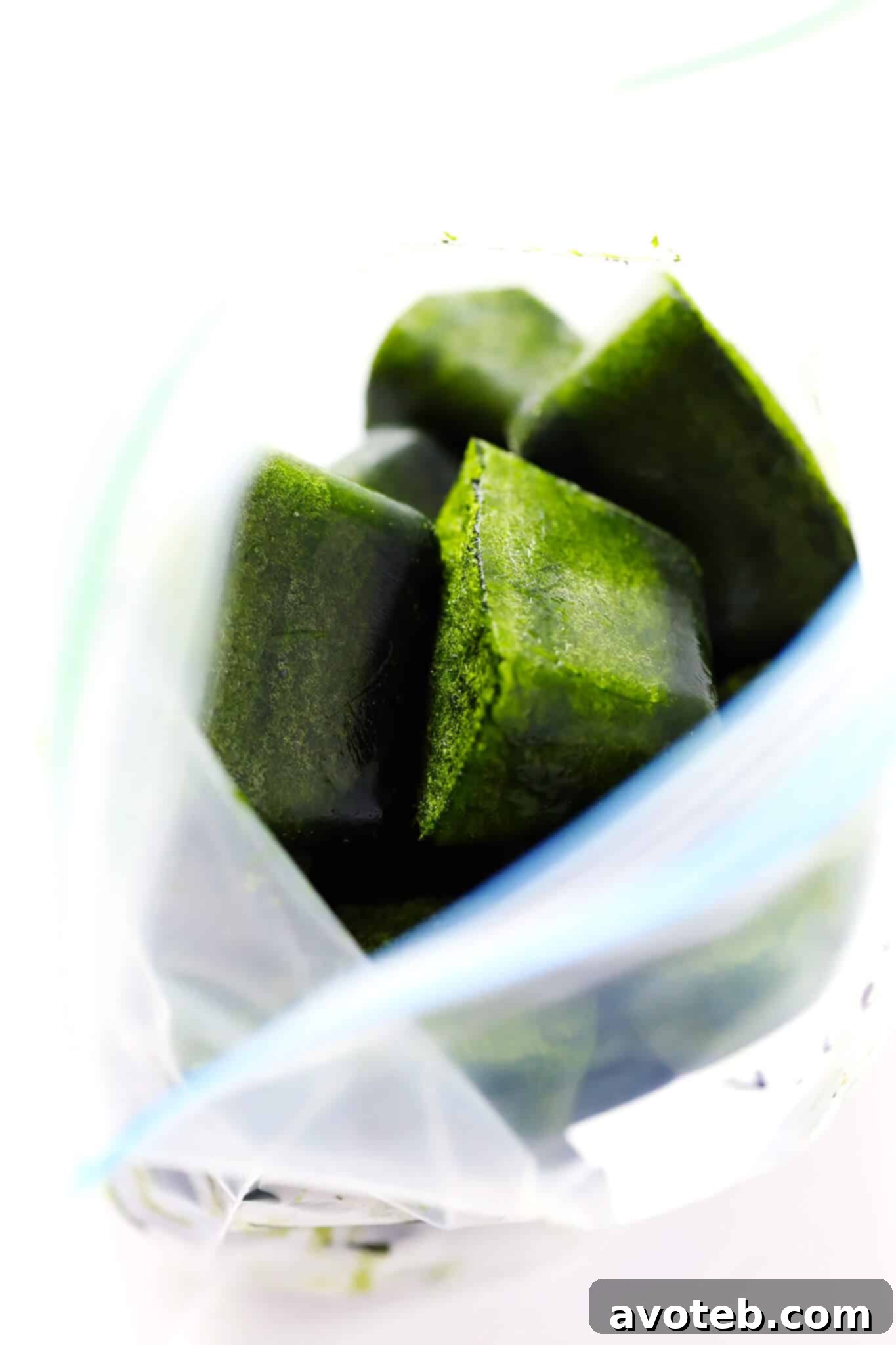
Effortless Green Goodness: The Ultimate Guide to Freezing Spinach Cubes for Your Smoothies
Transform your daily routine with homemade Frozen Spinach Cubes – the ultimate meal prep hack for vibrant, nutrient-packed green smoothies. This simple, eco-friendly method ensures you always have fresh greens on hand, making healthy eating easier than ever!
In our busy lives, maintaining a healthy diet can often feel like a juggling act. We strive for fresh, nutritious meals, but the reality of perishable produce often leads to food waste and missed opportunities for healthy boosts. If you’ve ever found yourself with a wilting bag of spinach in the fridge, or wishing for a quicker way to get your greens into your morning smoothie, then this game-changing solution is for you: frozen spinach cubes. Not only do they make green smoothies incredibly convenient, but they’re also a brilliant way to reduce food waste and ensure a steady supply of vitamins and minerals.
A while ago, I shared a quick glimpse into my kitchen on Instagram, showing how I turn a mountain of leftover spinach into these little green powerhouses. My phone immediately buzzed with enthusiasm and questions. “How do you make them?” “What else can I add?” “How many cubes go into a smoothie?” It was clear that many of you were looking for this exact hack – a simple, effective method to keep your smoothie game strong and your fridge happy. For everyone curious, and those yet to discover this incredible secret, I’m here to spill all the details. This quick prep method takes mere minutes and is an absolute lifesaver for anyone committed to a healthy lifestyle, especially if you love the refreshing taste and benefits of green smoothies as much as I do.
Why Frozen Spinach Cubes Are a Game-Changer for Your Health and Kitchen
Embracing the concept of frozen spinach cubes goes far beyond just a simple recipe; it’s a strategic move towards a more sustainable, healthier, and more efficient kitchen. Here’s why these little green gems deserve a permanent spot in your freezer:
1. Drastically Reduce Food Waste
One of the biggest culprits of food waste in many households is fresh produce, particularly leafy greens. We buy a large bag of spinach with the best intentions, but often, a portion ends up wilting before we can use it all. Freezing spinach in cube form is an ingenious way to salvage those greens that are nearing their expiration date or to simply make the most of a bulk purchase. Instead of tossing perfectly good spinach, you can preserve its nutritional value and have it ready for future use.
2. Supercharge Your Smoothies with Ease
The primary benefit for most people is the unparalleled convenience it brings to making green smoothies. No more washing, chopping, or wrestling with a bulky bag of fresh spinach every morning. Simply pop a few frozen cubes into your blender with your other smoothie ingredients, and you’re good to go. The frozen cubes also contribute to a thicker, colder, and more refreshing smoothie texture, often eliminating the need for additional ice.
3. Lock in Essential Nutrients
Spinach is a powerhouse of nutrition, packed with vitamins K, A, and C, as well as folate, iron, and magnesium. Freezing spinach at its peak freshness helps to preserve these vital nutrients. This means that every time you drop a spinach cube into your smoothie, you’re providing your body with a concentrated dose of health-boosting goodness, contributing to stronger bones, improved vision, and enhanced immunity.
4. Cost-Effective and Budget-Friendly
Buying spinach in larger quantities, especially when it’s on sale or from a warehouse club, is often more economical. However, this only saves money if you actually use it all. By transforming bulk spinach into frozen cubes, you maximize your investment, prevent spoilage, and ensure that you’re always getting the best value for your produce budget. It’s a smart way to stretch your dollar further while maintaining a healthy diet.
5. Discreetly Boost Your Family’s Green Intake
For those with picky eaters, or even adults who are not fans of the texture or strong taste of raw spinach, these frozen cubes are a secret weapon. When blended into smoothies or even cooked dishes, the spinach is often undetectable in terms of texture and its mild flavor easily blends with other ingredients. It’s an excellent way to sneak extra vegetables into your family’s diet without a fuss.
The Simple Process: Crafting Your Own Frozen Spinach Cubes
Making frozen spinach cubes is incredibly simple – so simple, in fact, that it barely qualifies as a recipe. You only need two main ingredients and a few minutes of your time. Here’s your step-by-step guide:
What You’ll Need:
- Fresh Baby Spinach: About 5 ounces (or more, if you’re batch prepping). While baby spinach is ideal for its milder flavor and tender leaves, you can certainly use mature spinach or a mix of other leafy greens.
- Liquid: Approximately 2/3 cup of coconut water is my personal preference due to its natural electrolytes, but plain water, almond milk, or even a light fruit juice like apple or orange juice can work beautifully. The key is to have enough liquid to allow for smooth blending.
- Blender: Any standard blender will do the trick, though a high-speed blender will achieve an extra-smooth consistency.
- Ice Cube Trays: Silicone trays are fantastic for easy removal, but traditional plastic trays work just as well.
Step-by-Step Instructions:
- Prepare Your Greens: Begin by thoroughly washing your fresh baby spinach. While pre-washed spinach often claims to be ready-to-use, a quick rinse under cold water never hurts to ensure cleanliness. Pat the spinach dry or use a salad spinner to remove excess moisture.
- Blend Until Smooth: Add the washed spinach to your blender. Pour in about half of your chosen liquid (start with 1/3 cup if using 2/3 cup total). Begin blending on a low speed, gradually increasing to high. As the spinach breaks down, you may need to add more liquid, a tablespoon at a time, until you achieve a smooth, pourable puree. The goal is a consistency that is thick enough to hold its shape in a cube tray but thin enough to blend effortlessly.
- Fill the Ice Cube Trays: Carefully pour the spinach puree into your ice cube trays. Fill each compartment to your desired level, leaving a little room at the top as the liquid may expand slightly when frozen. For consistent smoothie portions, try to fill each cube uniformly.
- Freeze Until Solid: Place the filled ice cube trays in your freezer and allow them to freeze completely. This typically takes about 3 to 4 hours, but can vary depending on your freezer’s temperature and the size of your cubes. They should be rock solid before moving to the next step.
- Store for Future Use: Once the spinach cubes are fully frozen, pop them out of the trays. Transfer them into an airtight freezer-safe bag or container. This prevents freezer burn and keeps them fresh for up to three months. Labeling the bag with the date is a good practice for optimal freshness.
And just like that, you have a stash of homemade frozen spinach cubes, ready to elevate your daily nutrition!
Beyond Smoothies: Creative Ways to Use Your Spinach Cubes
While green smoothies are undoubtedly the most popular application for frozen spinach cubes, their versatility extends far beyond the blender. Think of them as a convenient way to add a hidden nutrient boost and vibrant green color to a multitude of dishes:
- Soups and Stews: Drop a few cubes directly into simmering soups, stews, or chili during the last 10-15 minutes of cooking. They’ll melt seamlessly, adding a subtle earthy flavor and a significant nutritional punch.
- Sauces and Dips: Blend them into pasta sauces, pesto, hummus, or creamy salad dressings. They enhance the color and nutrient profile without altering the primary flavor profile. Imagine a vibrant green pesto for your pasta!
- Scrambled Eggs and Omelets: Add a thawed or partially thawed spinach cube to your scrambled eggs or omelet mixture before cooking. It’s an effortless way to start your day with extra greens.
- Rice and Grains: Stir a cube or two into hot rice, quinoa, or couscous after cooking. The residual heat will melt the spinach, infusing the grains with color and nutrients.
- Baby Food: For parents making their own baby food, these cubes are fantastic. They offer a pure and easy way to introduce greens to your little one’s diet.
- Savory Baked Goods: Incorporate them into savory muffins, bread doughs, or even quiches for an unexpected burst of color and nutrition.
Tips for Success and Answering Your Burning Questions
To ensure your frozen spinach cube experience is always a success, here are a few extra tips and answers to common queries:
How Many Cubes Should I Use Per Smoothie?
This is largely a matter of personal preference and depends on the size of your ice cube trays. I typically start with 1 to 2 cubes for a single serving smoothie. Blend, taste, and if you want more green goodness or a thicker consistency, add another cube. You’ll quickly find your perfect balance. The beauty is that the flavor of spinach is very mild and easily masked by fruits, so you can be generous!
How Long Do Frozen Spinach Cubes Last?
When stored in an airtight freezer bag or container, your frozen spinach cubes will remain fresh and potent for up to three months. While they might still be safe to consume after this period, their nutritional content and vibrant color may start to diminish. Labeling your bags with the date will help you keep track.
Do They Taste Good?
Absolutely! One of the best aspects of freezing spinach in this manner is that its flavor becomes incredibly mild when blended. Unlike raw spinach that can sometimes have a slightly bitter or earthy taste, once pureed and frozen, it blends seamlessly into smoothies without imparting any strong flavors. Most people find they can add a significant amount of spinach without even noticing it’s there, especially when combined with fruits like bananas, berries, or mangoes.
Can I Use Other Greens Besides Spinach?
Yes, absolutely! This method works wonderfully with a variety of leafy greens. Kale, Swiss chard, Romaine lettuce, and even arugula can be prepared and frozen in the same way. You can also create mixed green cubes by blending a combination of spinach and kale, for instance, to maximize your nutrient intake. Experiment with different greens to find your favorite combinations.
Does Freezing Affect Nutritional Value?
Freezing is one of the best ways to preserve the nutritional content of fruits and vegetables. While there might be minor changes, particularly in texture, the majority of vitamins, minerals, and antioxidants in spinach remain intact. In some cases, like with vitamin C, there might be a slight reduction, but overall, frozen spinach is nearly as nutritious as fresh.
What About Thawing?
For smoothies, you don’t need to thaw the cubes; just toss them directly into the blender. For other recipes like soups or sauces, you can add them frozen, and they will melt into the dish. If you need a more specific consistency for something like a dip, you might want to partially thaw them first, or add them to the blender with a little liquid.
Nutritional Power of Spinach: Why It’s Worth Every Cube
Spinach isn’t just a versatile ingredient; it’s a nutritional powerhouse that offers a myriad of health benefits. Each frozen cube you add to your diet contributes to your overall well-being:
- Rich in Vitamins: Spinach is an excellent source of Vitamin K, crucial for blood clotting and bone health, and Vitamin A, vital for vision, immune function, and skin health. It also provides a good amount of Vitamin C, a powerful antioxidant that supports the immune system.
- Mineral Boost: It’s packed with essential minerals like iron, necessary for oxygen transport in the blood; magnesium, involved in over 300 biochemical reactions in the body; and folate, important for cell growth and function.
- Antioxidant Properties: Spinach contains various antioxidants, including lutein and zeaxanthin, which are beneficial for eye health, and flavonoids, which have anti-inflammatory and anti-cancer properties.
- Anti-Inflammatory Benefits: The unique combination of phytonutrients in spinach makes it a potent anti-inflammatory food, helping to protect your body from chronic diseases.
- High in Fiber: Spinach provides dietary fiber, aiding in digestion, promoting satiety, and contributing to a healthy gut.
Incorporating spinach into your daily diet, especially in such an accessible form, is a simple yet effective way to significantly boost your nutrient intake and support a healthy lifestyle.
Final Thoughts: Embrace the Green Cube Revolution!
Whether you’re struggling with a surplus of spinach in your refrigerator, trying to prevent food waste, or simply searching for a more efficient way to incorporate nutrient-rich greens into your daily routine, making frozen spinach cubes is an absolute game-changer. It’s a testament to how small, simple adjustments in our kitchen habits can lead to significant improvements in our health, our budget, and our environmental footprint.
So, the next time you find yourself with a vibrant bag of fresh spinach, don’t let it go to waste. Grab your blender, your ice cube trays, and embark on this journey to effortless green goodness. Your future self (and your taste buds!) will thank you for the convenience and the vibrant health boost. Happy freezing!
How To Make Frozen Spinach Cubes (for Green Smoothies!)
- Prep Time: 3 minutes
- Total Time: 3 minutes
- Yield: About 16 cubes
Description
Learn how to make frozen spinach cubes with this easy method! They’re perfect for green smoothies, or any other recipe that calls for pureed spinach.
Ingredients
- 5 ounces fresh baby spinach*
- 2/3 cup coconut water (or water)
Instructions
- Add spinach and coconut water to a blender, and puree until smooth. If the mixture seems too thick, add in extra coconut water.
- Pour the spinach mixture into ice cube trays and freeze until solid.
- Use immediately, or transfer to a freezer bag and store in the freezer for up to 3 months.
Notes
*Feel free to substitute kale, Romaine, arugula, chard, or other greens you like to add to smoothies in place of spinach (or combined with spinach).
Prep time does not include freezing time. This depends on your freezer, but cubes generally take about 4 hours to completely freeze.