
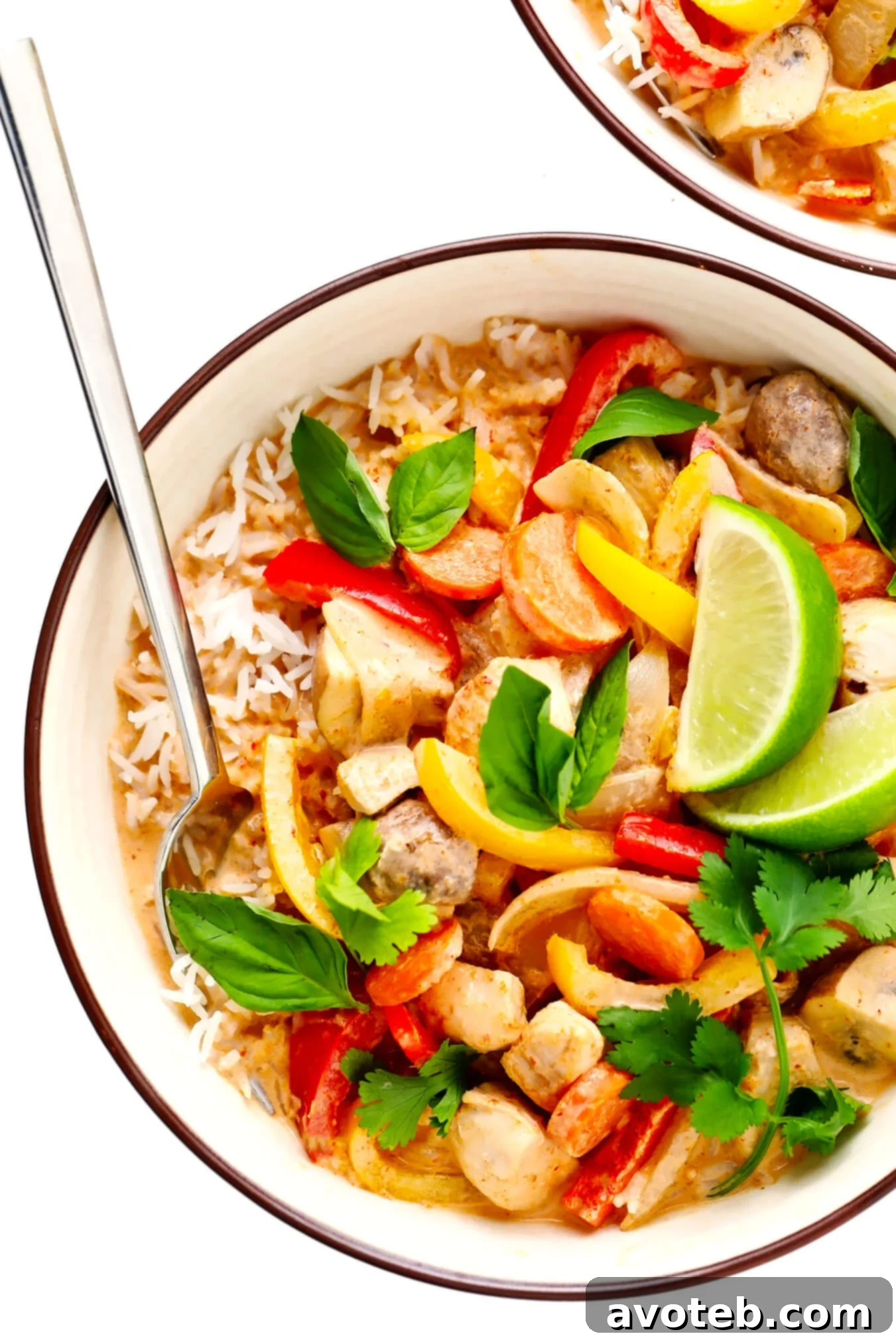
Delicious and Easy Thai Chicken Red Curry: A 30-Minute Weeknight Wonder
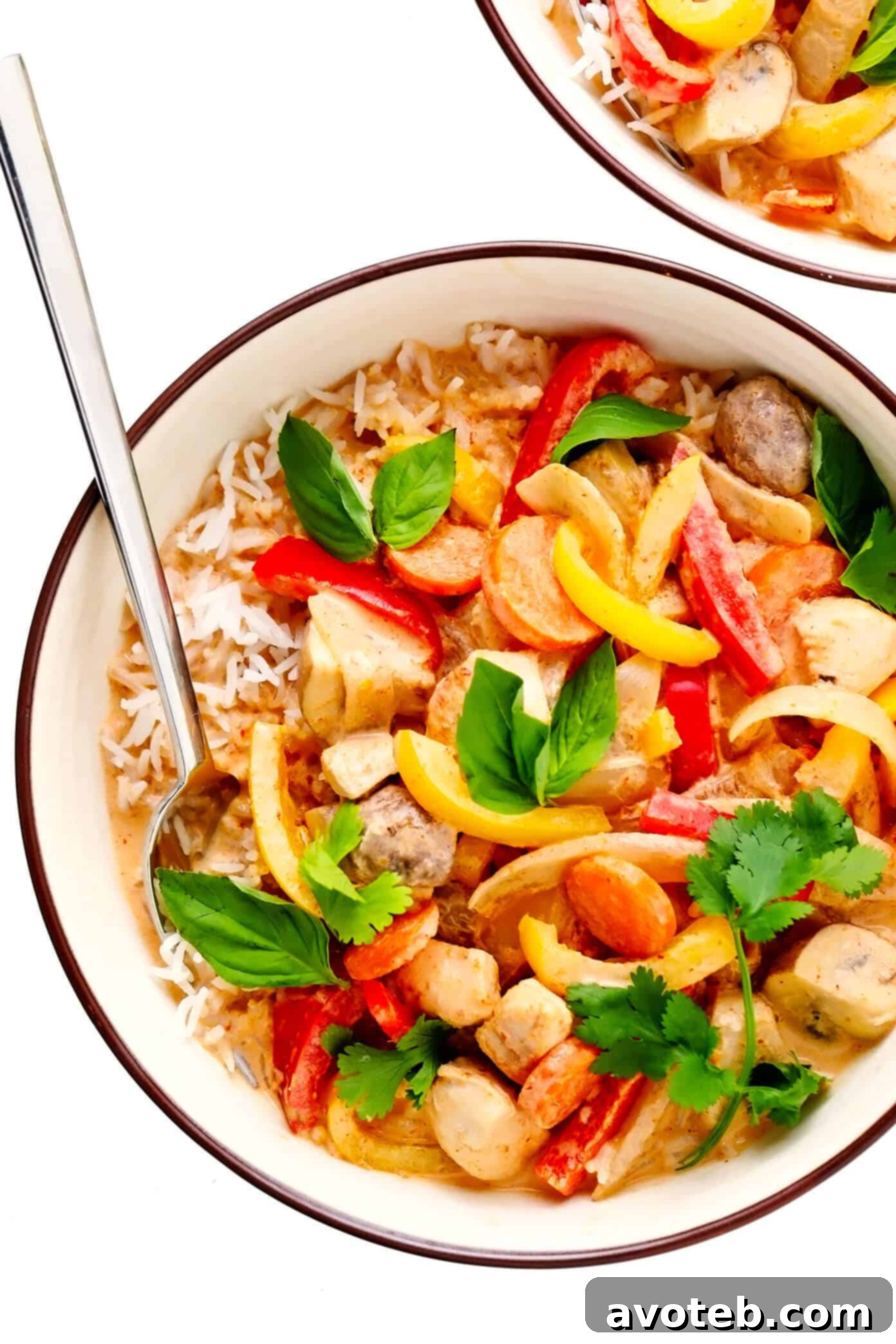
Are you searching for a vibrant, flavorful, and incredibly satisfying dinner idea that won’t keep you in the kitchen for hours? Look no further than this delightful Thai Chicken Red Curry recipe. It’s designed for speed and simplicity, allowing you to whip up an authentic-tasting meal in under 30 minutes. Featuring a rich, creamy, and irresistibly aromatic Thai coconut red curry sauce, this dish is a true crowd-pleaser and remarkably easy to customize with your favorite vegetables and proteins.
This recipe has become a staple in our household, especially when craving something comforting, healthy, and quick. Its natural gluten-free composition and adaptability make it suitable for various dietary needs, ensuring everyone at your table can enjoy a hearty, homemade Thai-inspired meal. Plus, it makes for exceptional leftovers, which means delicious meals for days!
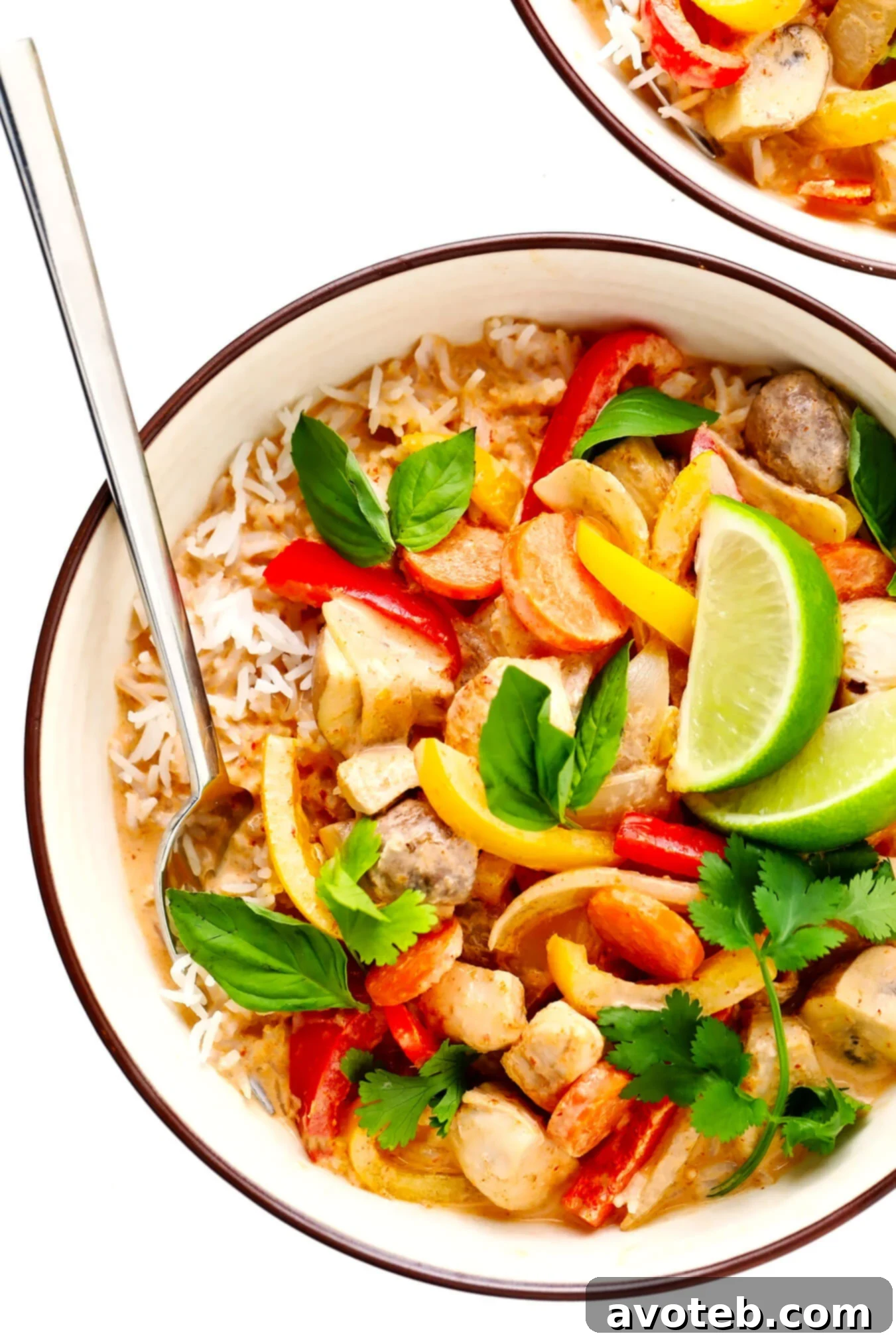
Why This Thai Chicken Curry Will Be Your New Favorite
A Flavorful Journey in Just 30 Minutes
Life can be hectic, but that shouldn’t stop you from enjoying a truly exquisite meal at home. This Thai Chicken Red Curry is engineered for efficiency without compromising on depth of flavor. From searing the tender chicken to simmering the luscious coconut red curry sauce, every step is straightforward and quick, making it an ideal choice for busy weeknights. The convenience of a wholesome, restaurant-quality meal prepared in your own kitchen is truly unmatched.
The Ultimate Customizable Meal
One of the greatest strengths of this recipe lies in its incredible versatility. Consider it a blank canvas for your culinary creativity. Got an assortment of vegetables nearing their prime in your fridge? Toss them in! Not a fan of chicken? Easily swap it out for beef, pork, shrimp, tofu, or a medley of chickpeas and lentils for a vegetarian option. This curry adapts beautifully to your preferences and whatever ingredients you have on hand, ensuring a fresh and exciting meal every time.
Health Benefits & Dietary Adaptability
Beyond its fantastic taste, this Thai Chicken Red Curry is packed with goodness. Lean protein from the chicken (or your chosen alternative) contributes to a fulfilling meal, while a generous helping of vegetables provides essential vitamins and fiber. The coconut milk, while rich, offers healthy fats. Furthermore, this recipe is naturally gluten-free, making it a safe and delicious option for those with gluten sensitivities or dietary restrictions. Its adaptability means you can easily adjust it to be dairy-free or entirely plant-based, catering to a wide range of dietary needs.
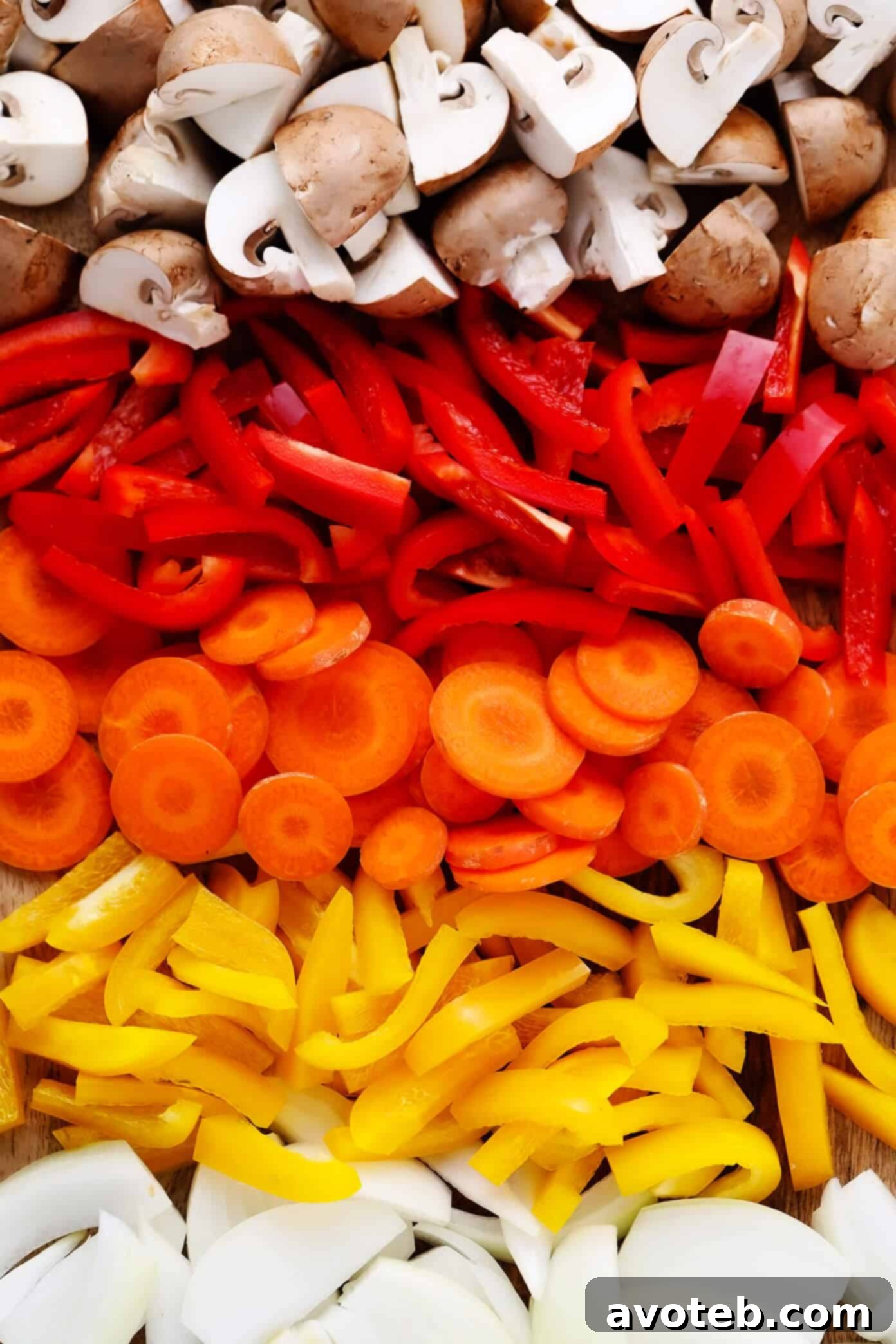
Essential Ingredients for an Authentic Thai Chicken Curry
Crafting a truly memorable Thai Chicken Red Curry begins with selecting quality ingredients. While this recipe is forgiving and allows for substitutions, here’s a detailed look at the key components that elevate this dish from good to extraordinary:
- Chicken: For this recipe, boneless, skinless chicken breasts, cut into bite-sized pieces and seasoned, are sautéed to perfection. However, feel free to use chicken thighs for a juicier texture or explore other proteins like thinly sliced beef, succulent shrimp, lean pork, or even hearty tofu for a vegetarian alternative. We cook the chicken separately to ensure it remains tender and is added back at the end to prevent overcooking.
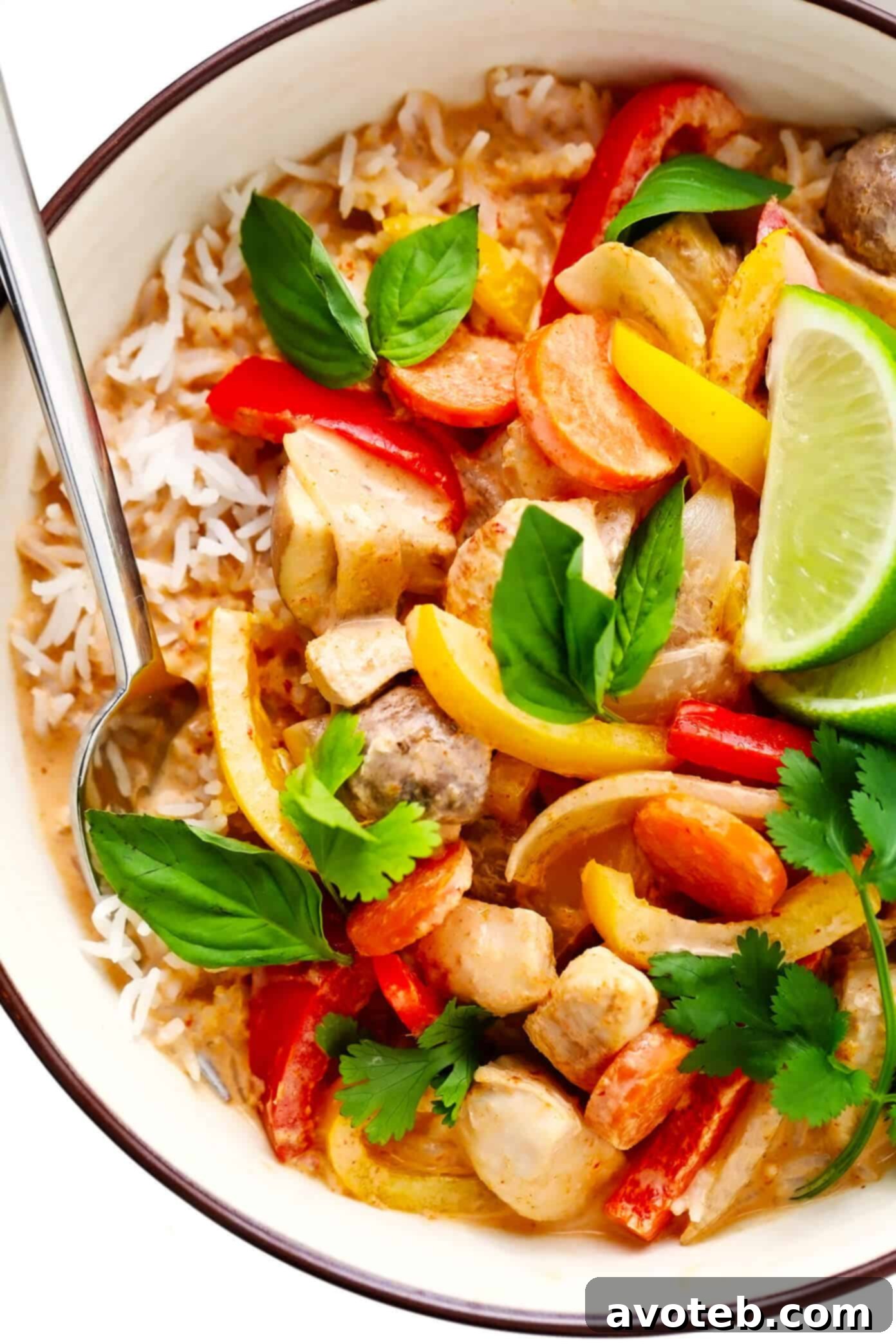
- Vibrant Vegetables: The beauty of this curry lies in its flexibility. I’ve used a classic combination of onion, bell peppers (red and yellow for color), carrots, and earthy mushrooms. But don’t hesitate to raid your fridge! Broccoli florets, snap peas, green beans, bamboo shoots, baby corn, or spinach would all make excellent additions, adding texture and nutritional value.
- Aromatic Foundation: Fresh Ginger and Garlic: The backbone of any good Thai curry sauce relies heavily on fresh aromatics. Freshly grated or minced ginger and garlic are absolute musts. Their pungent, warming notes are incomparable to their dried counterparts, truly amplifying the curry’s flavor profile. If fresh ginger is unavailable, a good quality ground ginger can be used in a pinch, but the fresh version is highly recommended for that authentic zing.
- Unlocking Flavor: Choosing Your Thai Red Curry Paste: This is where the magic truly happens! Thai red curry paste is a complex blend of dried red chilies, galangal, lemongrass, kaffir lime peel, coriander, and cumin. The brand can make a significant difference in flavor and heat intensity. I have a favorite brand that consistently delivers on taste and spice, but any reputable brand available at your local Asian market or grocery store will work. Remember to taste and adjust the amount according to your preferred spice level, as pastes vary widely.
- Creamy Richness: The Role of Full-Fat Coconut Milk: For a lusciously thick, creamy, and rich curry broth, full-fat coconut milk is indispensable. It provides that signature velvety texture and subtly sweet undertone that balances the spice of the curry paste. While low-fat coconut milk can be used for a lighter version, be aware that it will result in a thinner broth, altering the overall mouthfeel of the dish.
- Brightening Notes: Fresh Lime, Basil, and Cilantro: A squeeze of fresh lime juice at the end is crucial. It brightens all the rich, complex flavors of the curry, adding a necessary zest. And for toppings, fresh herbs are non-negotiable! Abundant fresh cilantro is always a winner, and if you can source fresh Thai basil, its distinct peppery, anise-like flavor will elevate your curry to new heights.
- Optional Enhancements for Deeper Flavor: While this recipe is already bursting with flavor, you can always deepen the profile. Consider adding a stalk of bruised lemongrass (or a teaspoon of lemongrass paste), a touch of sugar or your preferred sweetener to balance the flavors, a dash of fish sauce for an umami boost, a couple of makrut lime leaves for a unique citrusy aroma, or a few sliced Thai bird chiles for an extra kick of heat. These additions allow you to fine-tune the curry to your exact liking.
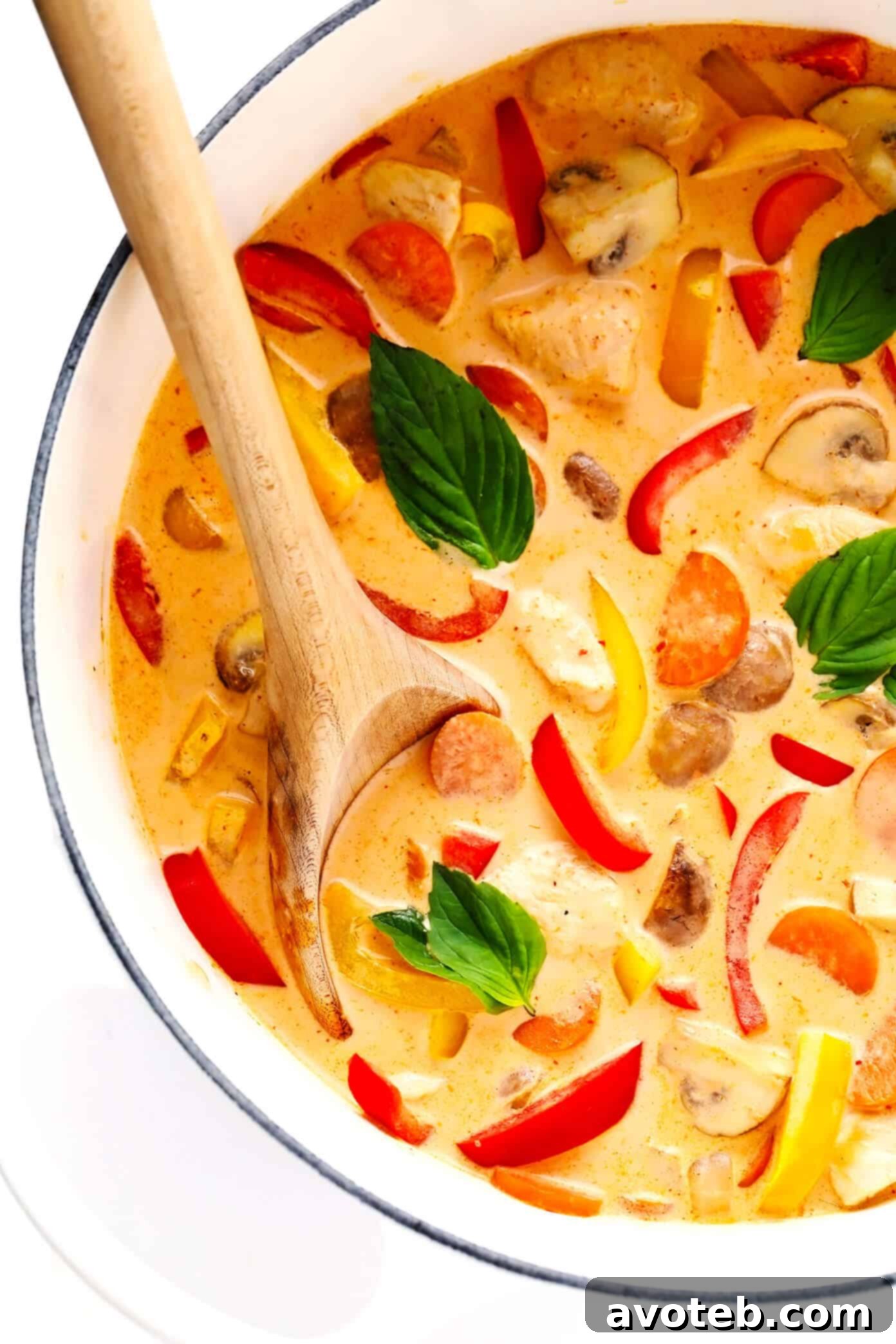
Creative Variations for Your Thai Red Curry
The adaptability of this Thai Chicken Red Curry recipe is one of its most exciting features. Feel empowered to experiment and tailor it to your dietary needs, taste preferences, or simply what’s available in your pantry. Here are some inspiring variations to spark your culinary creativity:
- Protein Swaps for Every Palate: If chicken isn’t your preferred protein, or you simply want to try something different, this curry welcomes a variety of alternatives. Consider succulent slices of beef or pork, juicy shrimp (add them towards the end as they cook quickly), homemade meatballs, or even ground sausage (pork, turkey, or chicken) for a heartier texture. Tofu, tempeh, or chickpeas are fantastic plant-based options that absorb the rich curry flavors beautifully.
- Vegetable Explorations: The “clean out the fridge” aspect of this curry makes it incredibly practical. Beyond the suggested bell peppers, carrots, onions, and mushrooms, try adding florets of broccoli or cauliflower, tender asparagus spears, crisp snow peas, nutrient-rich spinach or kale (stir in at the very end until wilted), water chestnuts for crunch, or even sweet potato chunks for added substance and sweetness.
- Experimenting with Curry Pastes: While red curry paste offers a fantastic balance of spice and richness, don’t shy away from exploring other Thai curry paste varieties. Green curry paste will yield a spicier, more herbaceous flavor, while yellow curry paste tends to be milder and earthier, often incorporating turmeric. Panang or Massaman pastes offer different aromatic profiles. Just remember that each paste has its own unique characteristics, so start with a smaller amount and adjust to taste.
- Crafting a Vegan Thai Curry: Transforming this into a delicious vegan meal is wonderfully simple. Omit the chicken entirely and focus on a vibrant medley of vegetables. Boost the protein content with chickpeas, firm tofu cubes (pan-fried beforehand for texture), or lentils. Ensure your chosen curry paste is vegan, as some brands might contain shrimp paste.
- Adjusting the Heat Level: For those who love a fiery kick, sliced Thai bird chiles can be added during the sautéing of aromatics or as a garnish. Alternatively, a pinch of crushed red pepper flakes or a dash of your favorite hot sauce can be stirred into individual servings for personalized heat. If you prefer a milder curry, simply reduce the amount of red curry paste initially and add more if desired.
- Lighter Options Without Compromising Flavor: If you’re looking to reduce the fat content, you can substitute full-fat coconut milk with a lighter version. However, be aware that this will result in a noticeably thinner curry broth and a less creamy texture. To compensate, you might consider thickening it slightly with a cornstarch slurry or adding more pureed vegetables to the sauce.
More Irresistible Curry Recipes to Explore
If you’ve fallen in love with the comforting warmth and intricate flavors of this Thai Chicken Red Curry, you’re in for a treat! The world of curries is vast and varied, offering endless possibilities for delicious and satisfying meals. Here are a few more of our absolute favorite curry recipes that we highly recommend adding to your culinary repertoire. Each offers a unique flavor profile and a wonderful way to explore diverse spices and ingredients:
- Sweet Potato Chickpea Coconut Curry
- Cozy Cauliflower Curry
- Tomato Lentil Curry
- Green Curry Salmon
- Thai Red Curry Soup
Print
Thai Chicken Curry
- Author: Ali
Prep Time: 10 mins
Cook Time: 20 mins
Total Time: 30 mins
Yield: 8 to 10 servings 1x
Description
This heartwarming Thai Chicken Red Curry recipe is incredibly quick and easy to prepare in just about 30 minutes. It’s crafted with a deeply flavorful and creamy Thai coconut red curry sauce, making it perfect for a satisfying weeknight dinner. The recipe is also highly customizable, allowing you to incorporate your favorite vegetables and proteins. This batch yields a generous amount, so be sure to check the notes below for storage instructions if you plan on enjoying delicious leftovers.
Ingredients
Scale
- 2 tablespoons olive oil, divided
- 1 1/2 pounds boneless skinless chicken breasts, diced into 1-inch pieces
- fine sea salt and freshly-cracked black pepper
- 1 small white onion, peeled and thinly sliced
- 2 bell peppers, cored and thinly sliced (e.g., one red and one yellow)
- 1 large carrot, thinly sliced into coins
- 8 ounces baby bella mushrooms, quartered
- 2 tablespoons grated or minced fresh ginger*
- 4 cloves garlic, minced
- 1/4 cup Thai red curry paste (adjust to taste)
- 2 (14-ounce) cans full-fat coconut milk*
- juice of 1 to 2 limes, to taste
- toppings: chopped fresh cilantro, fresh Thai basil, extra lime wedges
Instructions
- Cook the Chicken: Heat 1 tablespoon of olive oil in a large stockpot or Dutch oven over medium-high heat. Season the diced chicken breasts generously with a few pinches of salt and freshly-cracked black pepper. Add the seasoned chicken to the hot stockpot and sauté for 5 to 7 minutes, stirring occasionally, until the chicken pieces are browned on the exterior and fully cooked through. Once cooked, transfer the chicken to a clean plate and set it aside. (To save time, we recommend preparing your other vegetables while the chicken cooks.)
- Sauté the Vegetables: Add the remaining 1 tablespoon of olive oil to the same stockpot. Add the thinly sliced onion and sauté for 3 minutes, stirring frequently until it begins to soften. Next, add the sliced bell peppers, carrots, and quartered mushrooms to the pot. Continue to sauté for another 5 minutes, stirring occasionally, until the vegetables are slightly softened but still retain a pleasant crispness. (If you prefer softer vegetables, you may cook them for an additional few minutes.) Stir in the minced garlic, grated fresh ginger, and Thai red curry paste. Sauté for 2 more minutes, stirring often, allowing the aromatics to become fragrant and the curry paste to toast slightly.
- Simmer the Curry: Pour in both cans of full-fat coconut milk. Stir vigorously until the Thai red curry paste has completely dissolved and is evenly distributed throughout the broth, creating a uniform, creamy sauce. Increase the heat slightly and bring the curry to a gentle simmer. Once simmering, reduce the heat to medium-low to maintain a steady, gentle bubble, and cook for an additional 3 to 5 minutes, or until the vegetables have reached your desired level of tenderness.
- Season and Combine: Carefully return the cooked chicken pieces to the stockpot, submerging them in the simmering curry sauce. Add the juice of one fresh lime. Give the curry a good stir, then taste and adjust the seasoning as needed. You may wish to add more salt, pepper, a little extra curry paste for more flavor or heat, or another squeeze of lime juice to brighten the flavors further.
- Serve and Enjoy: Serve this delicious Thai Chicken Red Curry warm, traditionally over fluffy white rice, tender rice noodles, or with crusty bread for dipping. For a lighter option, it can also be enjoyed on its own. Garnish generously with plenty of freshly chopped cilantro and fresh Thai basil. Serve with extra lime wedges on the side for those who desire an additional citrusy kick. Enjoy this quick, easy, and incredibly satisfying homemade Thai meal!
Equipment
Thai Red Curry Paste
Buy Now →
Coconut Milk
Buy Now →
Dutch Oven
Buy Now →
Notes
Coconut Milk: For a rich, thick, and truly creamy curry broth, we highly recommend using full-fat coconut milk. While low-fat coconut milk can be used as a substitute, be aware that it will result in a considerably thinner broth and may alter the desired texture and richness of the curry.
Ground Ginger Alternative: If you don’t have fresh ginger readily available, you can substitute it with ground ginger. Simply add 2 teaspoons (or more, according to your taste preference) of ground ginger to the broth at the same time you add the coconut milk. Keep in mind that fresh ginger provides a more vibrant and pungent flavor.
Storage Instructions: Leftover Thai Chicken Red Curry can be stored in an airtight food storage container in the refrigerator for up to 3 days. If you’re serving the curry with cooked rice or noodles, it’s advisable to store them in a separate container from the curry. This prevents the rice or noodles from soaking up all the delicious curry broth and becoming overly soft. Please note that this curry broth does not freeze well, as the coconut milk can separate upon thawing, affecting the texture. Therefore, freezing leftovers is not recommended for optimal quality.