
Prime Rib, Mastered: The Ultimate Recipe for a Show-Stopping Roast

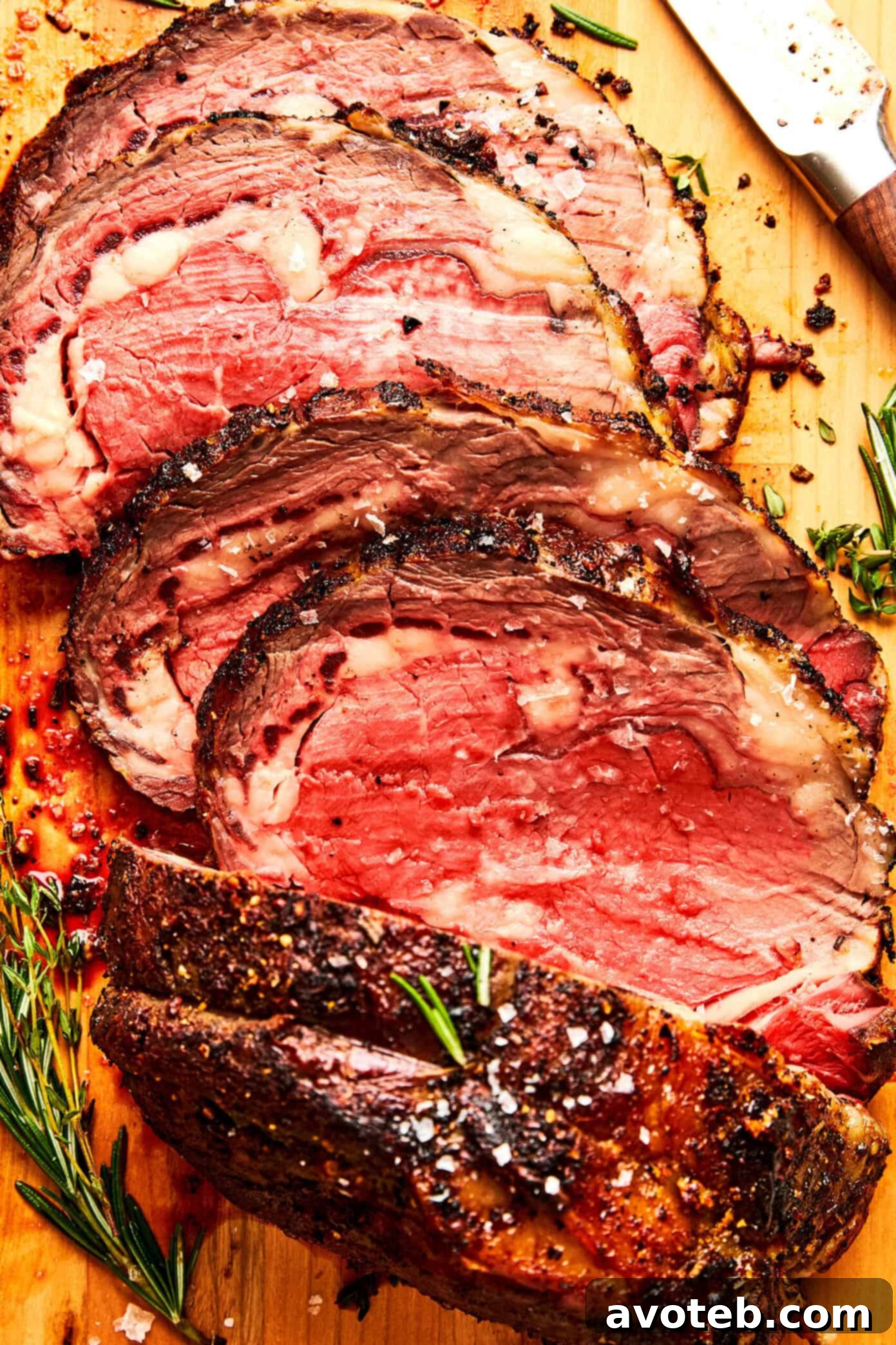
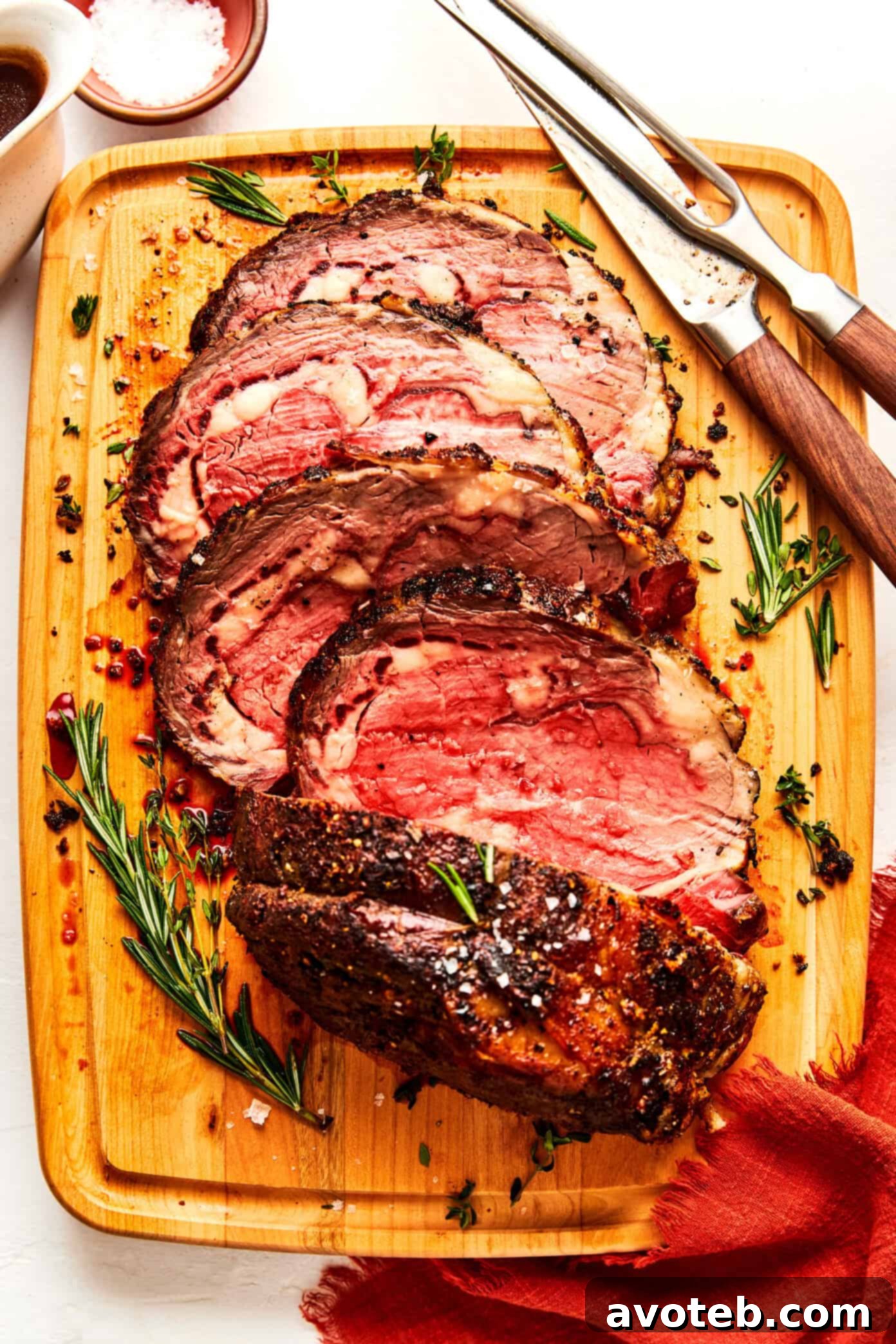
Elevate your next special occasion with this incredible Prime Rib recipe. Prepare to impress your guests with a roast that’s as flavorful as it is visually stunning. This isn’t just any recipe; it’s a guaranteed showstopper.
Understanding the investment a prime rib represents, this recipe prioritizes both unparalleled flavor and a foolproof method. The secret lies in the reverse-sear technique, ensuring consistently perfect doneness and a deeply savory, irresistible crust. This method allows for even cooking, preventing the common pitfall of an overcooked exterior and undercooked interior.
From the aromatic garlic-herb butter, meticulously crafted to infuse every bite with rich flavor, to the slow-roasting process that guarantees exceptional tenderness, and the deeply caramelized pan drippings transformed into a decadent au jus, every step has been rigorously tested and refined. The goal is simple: to deliver an incredibly rich flavor profile that this special cut deserves, all while maintaining a low-fuss, accessible approach. We’ve eliminated the guesswork and potential for error, leaving you with a recipe that’s both manageable and magnificent.
Whether you’re preparing this prime rib roast for a grand holiday feast, a milestone celebration, or simply a memorable dinner, you’re in for a culinary experience unlike any other. Prepare to indulge in a tender, juicy, and intensely flavorful prime rib that will leave a lasting impression. Let’s embark on this culinary adventure and create a prime rib masterpiece!
Prime Rib Perfection: A Comprehensive Guide to Buying and Cooking
How to Buy the Best Prime Rib: A Butcher’s Guide
Selecting the right cut is paramount, especially when investing in a special-occasion roast like prime rib. Navigate the butcher counter with confidence using these essential tips:
- The Name Game: “Standing Rib Roast” vs. “Prime Rib.” Don’t be confused by the terminology. Prime rib is the commonly used name, but you’ll often find it labeled as a standing rib roast. Rest assured, both terms denote the same exquisite cut of beef.
- Bone-In or Boneless? The Flavor Showdown. While personal preference plays a role, bone-in prime rib is widely favored for its superior flavor and impressive presentation. The bones act as natural insulators during cooking, promoting even heat distribution and resulting in exceptionally tender and juicy meat. However, boneless roasts offer the convenience of faster cooking times and easier slicing. The choice ultimately depends on your priorities.
- USDA Grades: Prime vs. Choice. Understanding USDA grading is crucial. “Prime” signifies the highest level of marbling (intramuscular fat), translating to unparalleled flavor and tenderness. “Choice” is still an excellent option, offering a balance of quality and affordability. Either grade will deliver delicious results, but “Prime” is the gold standard for a truly exceptional experience.
- Portioning Perfection: How Much to Buy. Accurate portioning is key to minimizing waste and ensuring everyone gets their fill. As a general guideline, plan on approximately 1 pound per person for a bone-in roast or ¾ pound per person for a boneless roast. Consider individual appetites and the desire for leftovers when making your final decision. It’s always better to err on the side of generosity.
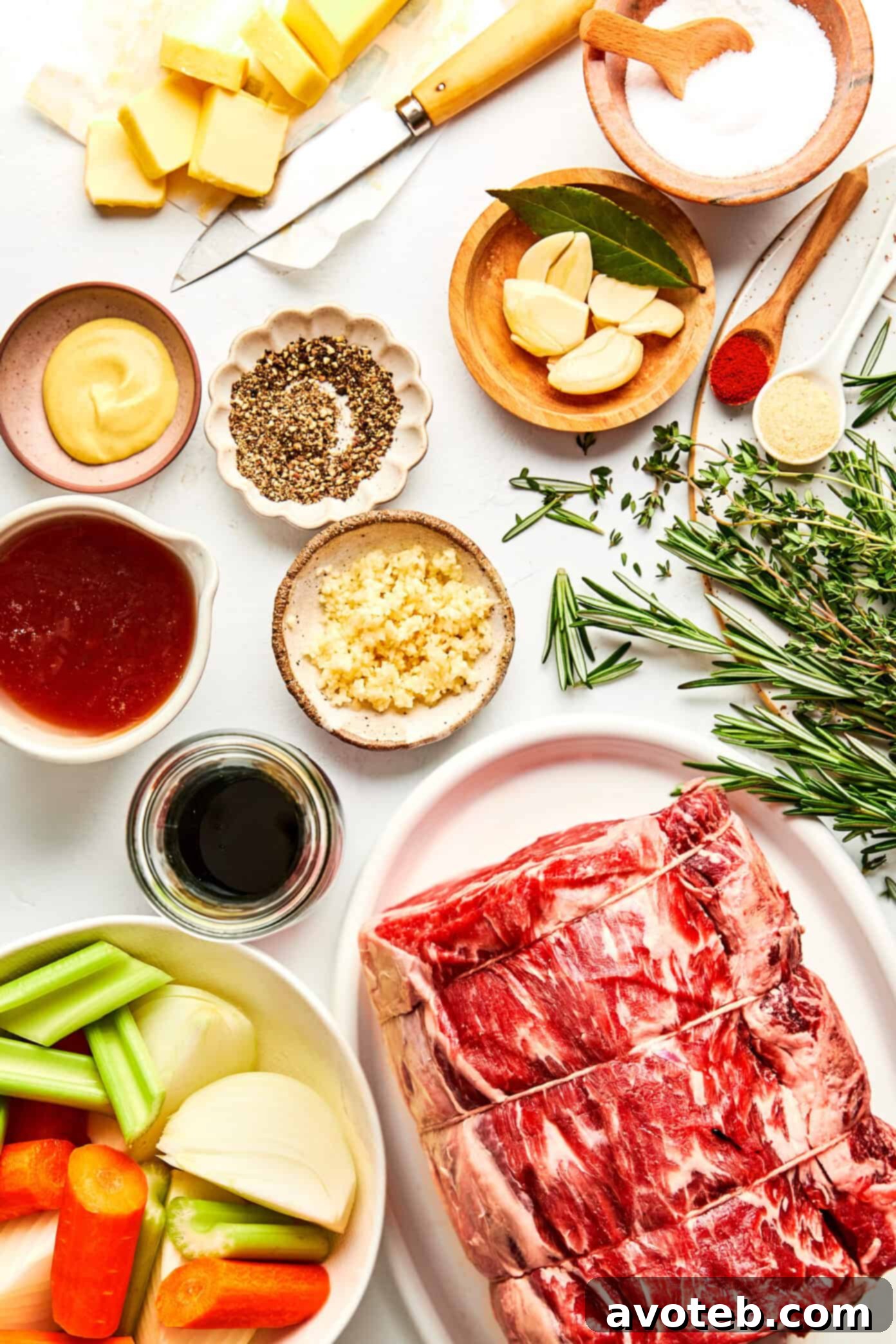
- Butcher’s Assistance: Trimming and Tying. Don’t hesitate to leverage your butcher’s expertise. Request that they trim any excess fat and remove the rib bones, then re-tie them securely back onto the roast. This ingenious technique allows for effortless carving while retaining the flavor-enhancing benefits of bone-in roasting. A skilled butcher can significantly simplify the preparation process.
- Marbling Matters: The Key to Flavor and Tenderness. Prioritize roasts with abundant marbling. These fine streaks of fat within the muscle tissue render during cooking, basting the meat from within and imparting incredible flavor and tenderness. While prime rib is naturally well-marbled, carefully inspect each roast and select the one with the most even distribution of fat for optimal results.
Prime Rib Mastery: Essential Tips for a Perfect Roast
Achieving prime rib perfection requires attention to detail. These invaluable tips will guide you to a consistently flawless outcome:
- The Dry Brine Advantage: Seasoning from Within. Resist the urge to skip the dry brine. This crucial step seasons the meat throughout, penetrating deep into the muscle fibers and enhancing the natural flavors. Furthermore, it promotes the development of a beautiful, flavorful crust during searing. An overnight dry brine is highly recommended, but a 24–48 hour brine yields even more exceptional results.
- Room Temperature Revolution: Ensuring Even Cooking. Allowing the roast to come to room temperature is paramount for uniform cooking. This process ensures that the interior reaches the desired doneness without overcooking the exterior. Budget ample time for the roast to rest at room temperature, typically 3–4 hours, before placing it in the oven.
- The Thermometer is Your Guide: Achieving Precise Doneness. Forget guesswork; rely on an instant-read thermometer for accurate temperature monitoring. Prime rib is all about achieving the perfect doneness. Remove the roast from the oven when the internal temperature reaches 120°F for medium-rare or 125°F for medium. Remember that the temperature will continue to rise slightly as the roast rests.
- Low and Slow: The Secret to Ultra-Tenderness. Embrace the power of low and slow roasting. Cooking the prime rib at a low temperature of 250°F ensures gentle cooking, resulting in incredibly juicy and tender meat. Resist the temptation to increase the temperature to accelerate the process; patience is rewarded with superior results.
- Resting is Non-Negotiable: Locking in Juiciness. The resting period is not merely an afterthought; it’s an essential step in the process. During this time, the juices redistribute throughout the meat, preventing them from escaping when sliced. Aim for a resting period of at least 20 minutes, allowing the prime rib to reach its full potential.
- Au Jus Alchemy: Transforming Drippings into Liquid Gold. Don’t discard those precious browned drippings; they are the foundation of a truly exceptional au jus. Use every last bit of these concentrated flavors to create a rich and flavorful sauce that perfectly complements the prime rib.
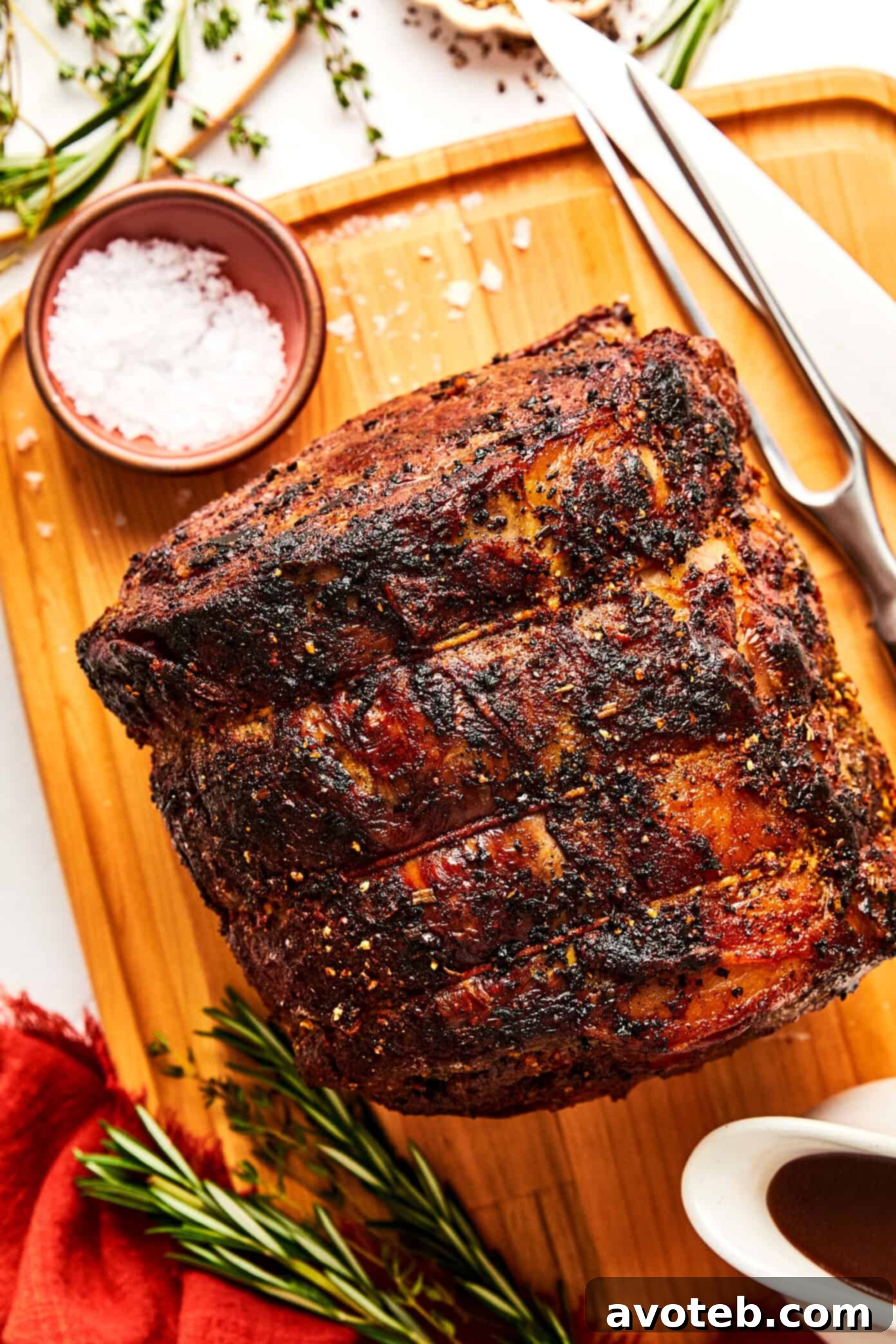
Prime Rib Your Way: Delicious Recipe Variations
Unleash your creativity and customize your prime rib to suit your taste preferences. Here are some enticing ideas to inspire you:
- Horseradish Heat: A Zesty Kick. Infuse your garlic-herb butter with a touch of heat by adding ½–1 teaspoon of prepared horseradish. This subtle addition elevates the flavor profile and adds a delightful zing.
- Herb Garden Symphony: Exploring Aromatic Alternatives. Feel free to experiment with different herbs to create your own unique blend. Sage, marjoram, or parsley are all excellent choices that complement the richness of the beef.
- White Wine Wonder: A Lighter Au Jus. For a brighter and more delicate au jus, substitute your favorite dry white wine for the traditional red wine. This variation offers a refreshing twist on the classic sauce.
- Mushroom Magic: Infusing Earthy Flavors. Enhance the depth of flavor in your au jus by adding baby bella mushrooms to the roasting pan. The mushrooms will infuse the drippings with their earthy essence, creating a truly memorable sauce.
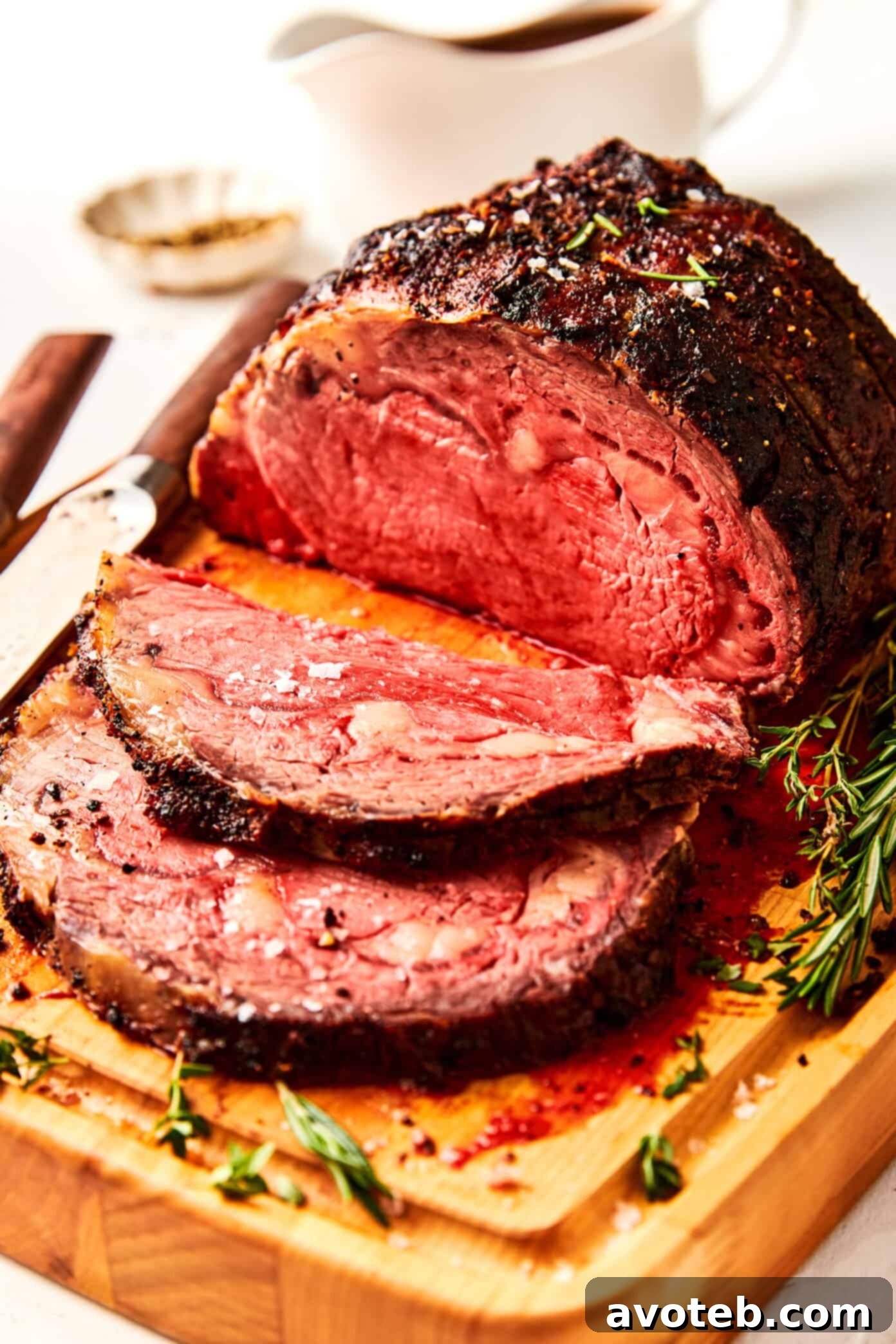
Prime Rib FAQs: Addressing Your Burning Questions
Plan for approximately 1 pound per person for bone-in roasts (or 1½ pounds for generous portions or holiday feasts).
Even a short dry brine of 2–4 hours is beneficial! However, if you can manage the full overnight dry brine, the flavor payoff is definitely worth the effort.
Absolutely! Simply substitute an equal amount of beef stock for the wine. You may want to add a splash of Worcestershire sauce for added depth and complexity.
Gently warm the slices in a 250°F oven, wrapped in foil with a small amount of au jus, for approximately 10 minutes, or until heated through.
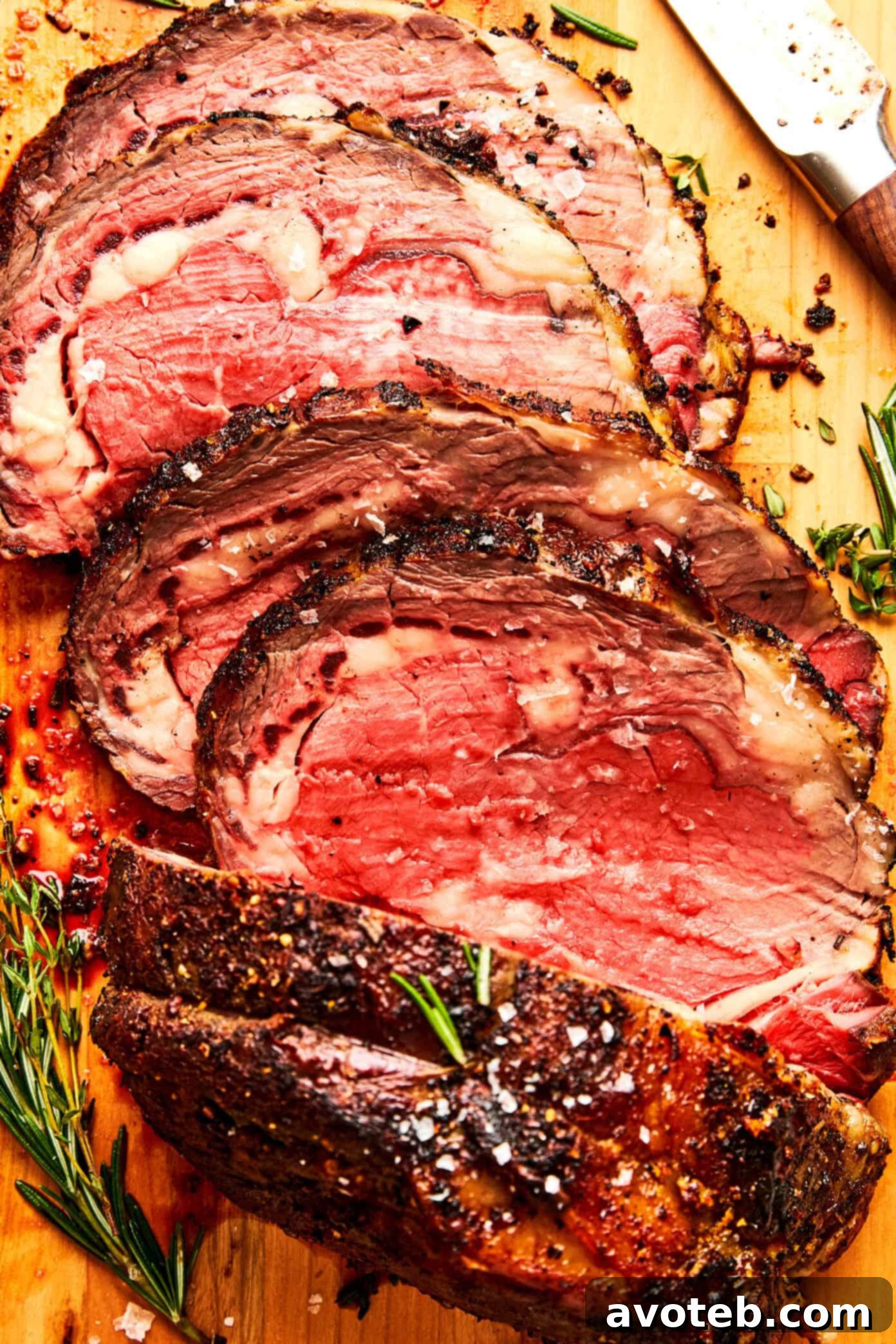
The Perfect Prime Rib Accompaniments: Complete Your Feast
The BEST Mashed Potatoes: A Creamy Dream
Roasted Asparagus: A Simple and Elegant Side
1-Hour Soft and Buttery Dinner Rolls: The Perfect Complement
Caesar Salad: A Classic and Refreshing Addition
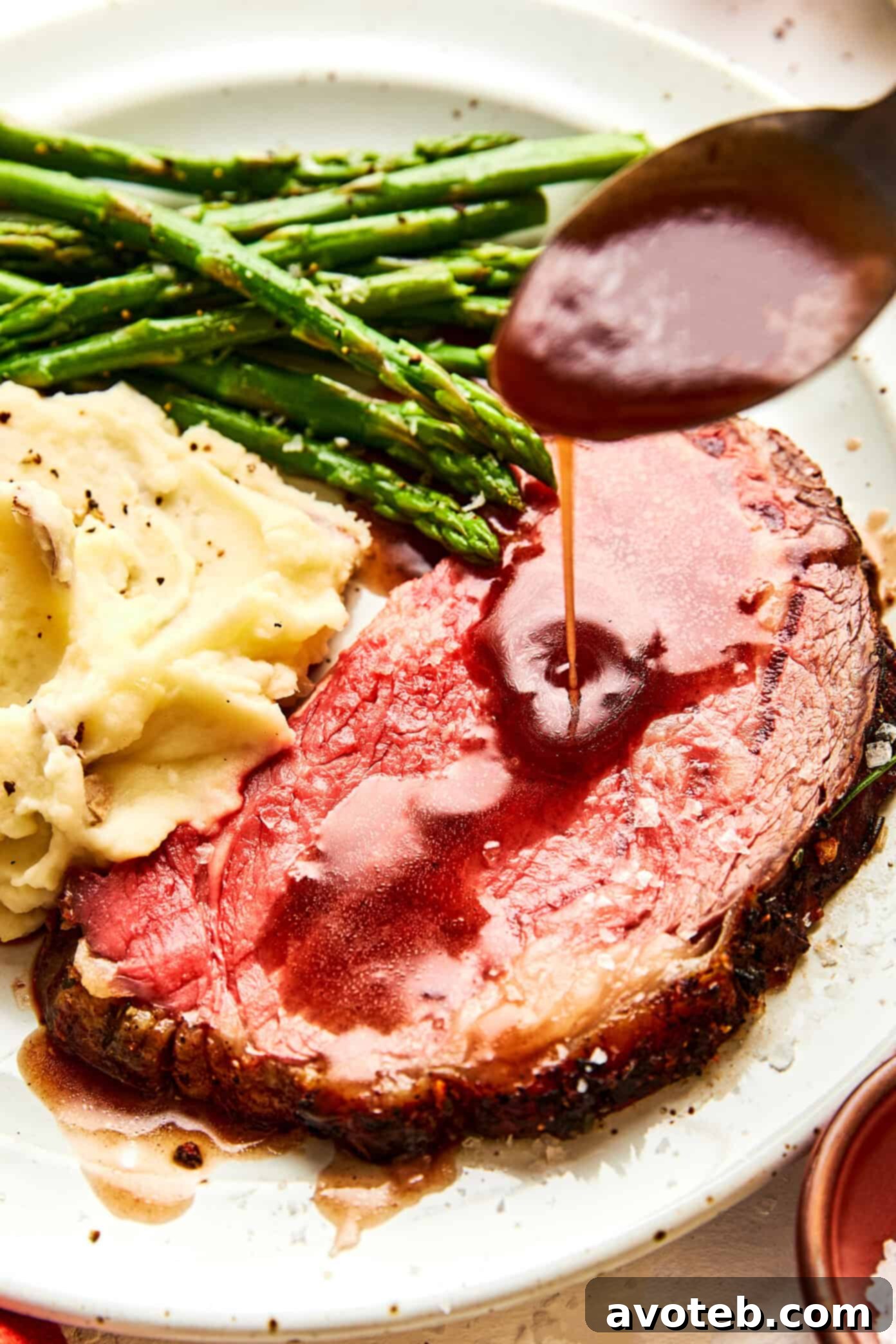
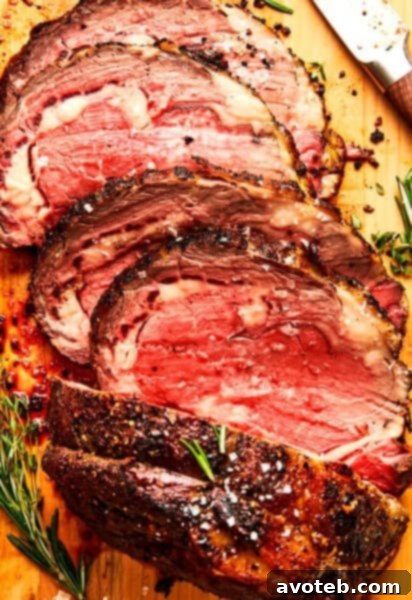
Garlic Herb Prime Rib with Au Jus: The Ultimate Recipe
- Author: Ali
- Prep Time: 20 mins
- Cook Time: 3 hours 30 mins
- Total Time: 4 hours 15 mins
- Yield: 6 to 8 servings
Description
This easy prime rib recipe features a flavorful garlic-herb butter, a foolproof reverse-sear method, and a rich homemade au jus for the perfect holiday or special-occasion roast.
Ingredients
For the Prime Rib:
- 1 bone-in standing rib roast (6–8 pounds), ribs removed and tied to the roast
- 2 tablespoons kosher salt
- ½ cup unsalted butter, softened
- 2 tablespoons finely-chopped fresh rosemary
- 1 tablespoon finely-chopped fresh thyme
- 3 large cloves garlic, very finely minced
- 2 teaspoons Dijon mustard
- 2 teaspoons freshly-ground coarse black pepper
- 1 teaspoon onion powder
- ½ teaspoon smoked paprika
For the Roasting Pan:
- 1 cup beef stock or water
- 1 medium yellow onion, peeled and quartered
- 1 medium carrot, roughly chopped
- 1 rib celery, roughly chopped
- 3–4 large garlic cloves, lightly smashed
For the Au Jus:
- ¾ cup dry red wine (such as Cabernet Sauvignon or Chianti)
- 3 cups beef stock
- 1 sprig fresh thyme or 1 small sprig rosemary
- 1 bay leaf
- Fine sea salt and freshly ground black pepper, to taste
Optional (to thicken the au jus):
- 1 tablespoon cornstarch
- 1 tablespoon cold water
Instructions
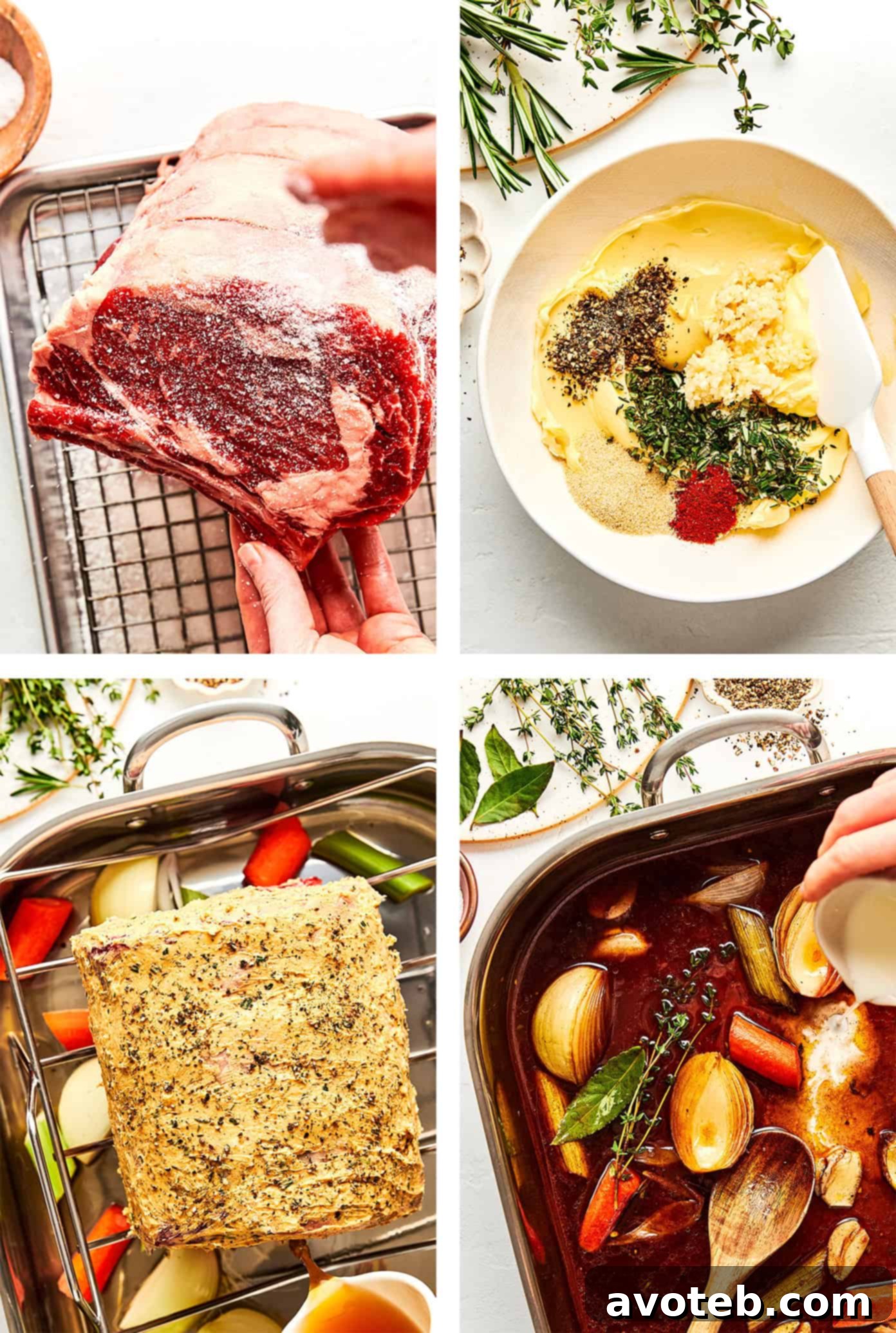
- Dry-brine the roast. Pat the prime rib very dry with paper towels. Season generously with kosher salt on all sides. Place the roast on a wire rack set over a rimmed baking sheet and refrigerate uncovered for at least 12 hours (or up to 48 hours) to dry-brine.
- Bring to room temperature. Remove the roast from the refrigerator about 3 to 4 hours before cooking to ensure it cooks evenly throughout. Preheat the oven to 250°F (121°C).
- Make the garlic-herb butter. In a small bowl, stir together the softened butter, rosemary, thyme, garlic, black pepper, onion powder, Dijon mustard, and smoked paprika until evenly combined.
- Assemble the roasting pan. Scatter the onion, carrot, celery, and smashed garlic in the bottom of a large roasting pan. Pour in the beef stock or water. Set a roasting rack over the vegetables, place the roast on the rack (fat-cap side up), and spread the garlic-herb butter evenly all over the meat. Season the roast generously with extra freshly-ground black pepper.
- Slow-roast. Transfer to the oven and roast until the internal temperature reaches 120°F for medium-rare or 125°F for medium, about 3 to 3½ hours, depending on your oven and roast size.
- Rest. Remove from the oven, tent loosely with foil, and let rest for 20–30 minutes to allow the juices to redistribute.
- Make the au jus (while the roast rests). Spoon or pour off most of the fat from the roasting pan, leaving just 2 to 3 tablespoons along with any browned bits. Place the pan over medium heat, add the wine, and simmer for 2–3 minutes, scraping up all of the caramelized drippings. Stir in the beef stock, thyme (or rosemary), and bay leaf, then simmer gently for about 10 minutes to let the flavors meld.
Tip: If your roasting pan isn’t stovetop-safe, transfer the browned bits and drippings to a saucepan and prepare the au jus there instead.
Optional thickening: Whisk together the cornstarch and cold water in a small bowl to form a slurry. Stir the slurry into the simmering au jus and cook for 1–2 minutes, until slightly thickened. Strain through a fine-mesh sieve, then season with salt and pepper to taste. - Sear. Heat a large cast-iron skillet over high heat with a tablespoon of a high heat oil (such as avocado oil) or beef tallow. Carefully transfer the rested roast to the hot skillet and sear on all sides for 1–2 minutes per side, until a rich, golden-brown crust forms.
- Slice and serve. Remove the rib bones, slice the roast against the grain into ½-inch-thick slices, drizzle with warm au jus, and sprinkle with flaky sea salt just before serving.