
Print
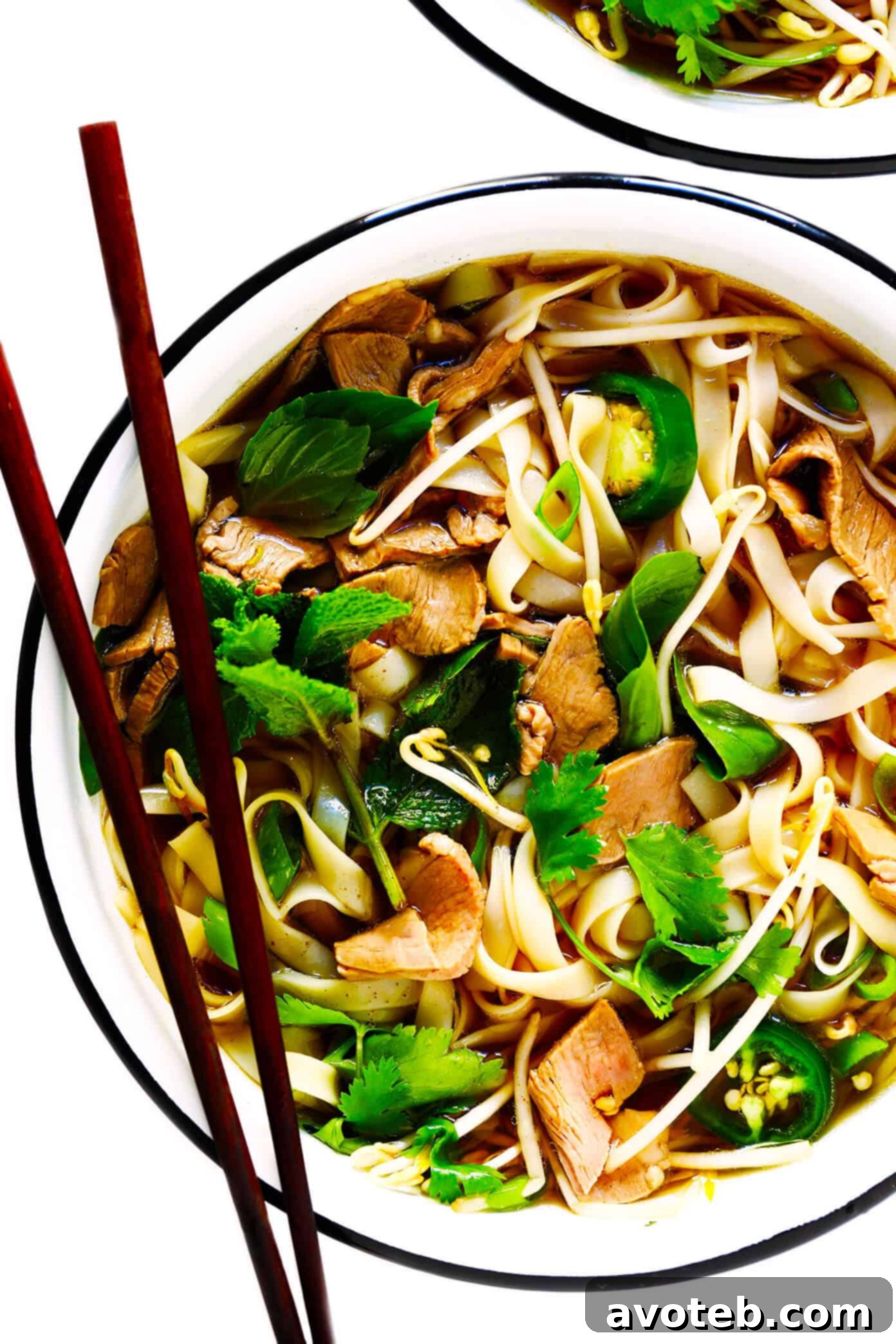
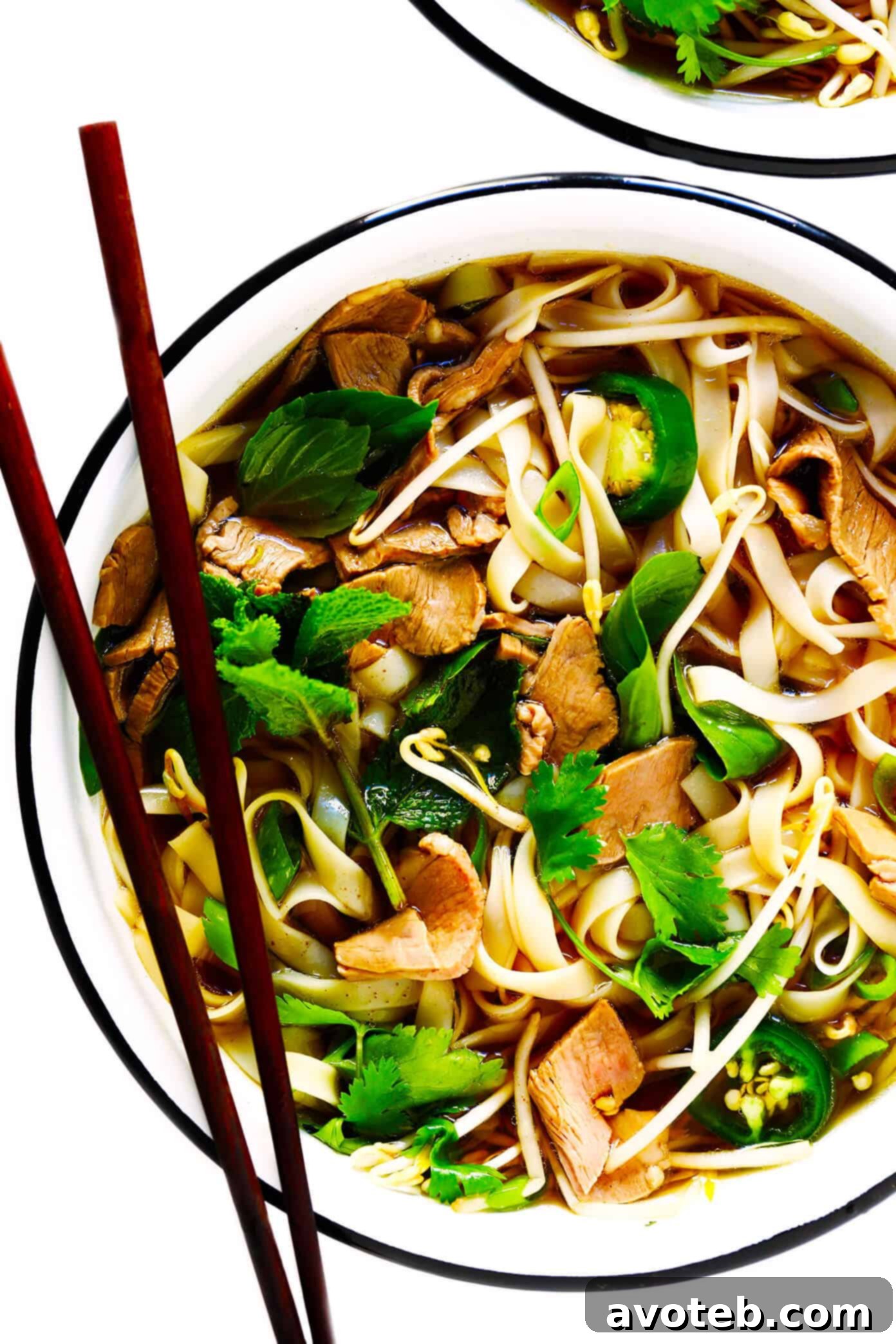
Xin chào, culinary enthusiasts! Today, we delve into the beloved world of Vietnamese Pho, a dish that has captivated palates globally with its fragrant broth, tender noodles, and fresh, vibrant garnishes. Often considered the national dish of Vietnam, Pho is more than just a soup; it’s a comforting embrace, a symphony of flavors, and a culinary experience.
For years, I’ve shared my passion for this iconic soup, and I’m thrilled to present significantly updated versions of our cherished recipes. Whether you’re a devout meat-eater or exploring plant-based options, we have a Pho recipe designed to delight your senses. My original traditional Vietnamese Pho recipe, first introduced in 2013, has been refined for even greater depth of flavor. And for those seeking a guilt-free, wholesome meal, our vegetarian and vegan Pho recipe offers all the aromatic complexity without any animal products.
Traditional Pho (with Beef, Chicken, Pork or Shrimp)
For those who crave the classic, deeply savory flavors of a meat-based broth, our traditional Pho recipe is a must-try. We guide you through creating an aromatic broth that serves as the perfect foundation for tender slices of beef, succulent chicken, flavorful pork, or delicate shrimp. This recipe focuses on achieving that authentic balance of sweet, savory, and spicy notes that makes traditional Pho so utterly irresistible.
Vegan Pho
Embracing the rich flavors of Vietnamese cuisine while adhering to a plant-based diet is made easy with our Vegan Pho recipe. This version features an equally complex and fragrant vegetable broth, simmered with star anise, cinnamon, ginger, and other traditional spices to create a base that’s both light and deeply satisfying. Loaded with rice noodles, your choice of fresh vegetables, and an abundance of aromatic herbs, this soup proves that you don’t need meat to enjoy the comforting warmth and intricate flavors of Pho.
Quick Vietnamese Pho Soup
Total Time: 30 minutes
Description
This quick Vietnamese Pho Soup recipe allows you to enjoy the comforting flavors of Pho in under an hour, perfect for a weeknight meal. It leverages quality store-bought broth and fresh ingredients to deliver a surprisingly rich and authentic taste profile. For a truly deep dive into making Pho from scratch, including slow-simmered broths, please refer to our full, detailed recipes for both Traditional Pho and Vegan Pho.
Ingredients
- 6 cups high-quality beef broth (for traditional), or vegetable broth (for vegan)
- 2 cups water
- 1 medium yellow onion, quartered
- 4 cloves garlic, smashed
- 2 whole star anise pods
- 4 whole cloves
- 1 (2-inch) piece fresh ginger, thinly sliced or smashed
- 1 cinnamon stick
- 1-2 tablespoons fish sauce (optional, for traditional pho), or soy sauce/tamari (for vegan)
- 8 ounces dried flat rice noodles (Pho noodles)
- 1 pound thinly sliced raw beef (such as sirloin or eye of round, for traditional) OR cooked chicken, shrimp, pork, or thinly sliced mushrooms/tofu (for vegan)
Suggested Garnishes (essential for authentic flavor):
- Fresh cilantro, chopped
- Fresh mint leaves
- Fresh Thai basil leaves
- Lime wedges
- Thinly sliced jalapeño or serrano peppers
- Bean sprouts
- Hoisin sauce
- Sriracha sauce
- Extra thinly sliced white onion
Instructions
- Prepare the Broth: In a large stockpot, combine the beef broth (or vegetable broth for vegan), water, quartered onion, smashed garlic, star anise, cloves, sliced ginger, and cinnamon stick. If using, stir in the fish sauce or soy/tamari. Bring the mixture to a rolling boil over high heat. Once boiling, reduce the heat to medium-low, cover the pot, and let it simmer gently for at least 20 minutes to allow the flavors to meld beautifully. For an even richer taste, you can simmer for up to 1-2 hours.
- Cook the Noodles: While the broth simmers, prepare your rice noodles. Follow the package instructions carefully. If your noodles, like many, don’t specify, bring a large pot of water to a boil. Add the noodles and cook until they are al dente, typically about 3 minutes. Immediately drain the noodles and rinse them thoroughly with cold water. This stops the cooking process and prevents them from sticking together. Drain well and set aside.
- Assemble and Serve: When you are ready to serve, distribute the cooked rice noodles evenly among individual serving bowls, filling each about halfway. Bring the simmering broth back to a hot temperature. Carefully ladle the hot, aromatic broth over the noodles. If using thinly sliced raw beef, immediately add the slices into the hot broth in the bowl; the residual heat will quickly cook the meat to perfection. For other cooked proteins like chicken, shrimp, pork, tofu, or mushrooms, simply add them to the bowl now.
- Garnish Generously: This is where Pho truly comes alive! Pile your bowls high with an assortment of your favorite fresh garnishes. Commonly, people stir in fresh cilantro, mint, Thai basil, lime wedges, and thinly sliced jalapeños to infuse the broth with additional vibrant flavors. While these ingredients are often eaten whole, you can remove any larger pieces of ginger, onion, or spices from the broth before serving if preferred. Encourage guests to customize their bowls with hoisin and sriracha sauces to taste.
The Art of Vietnamese Pho: A Culinary Journey
Vietnamese Pho, a noodle soup that embodies comfort and complexity, has transcended its origins to become a global culinary sensation. Its allure lies in the harmonious blend of a deeply aromatic broth, chewy rice noodles, tender protein, and an array of fresh, vibrant garnishes. This humble dish, often enjoyed for breakfast, lunch, or dinner, offers an experience that is both nourishing and profoundly satisfying.
A Glimpse into Pho’s Rich History
The history of Pho is as rich and layered as its broth. Originating in Northern Vietnam in the early 20th century, Pho is believed to have evolved from a combination of French and Chinese culinary influences adapted by Vietnamese cooks. The word “Pho” itself is thought to be derived from “pot-au-feu,” a French beef stew, reflecting the colonial era’s impact. Initially a street food, Pho gained widespread popularity after the Vietnam War, as refugees introduced it to the world, making it a staple in Vietnamese diaspora communities and beyond. Its evolution continues, with regional variations emerging, each telling a unique story of Vietnam’s diverse culinary landscape.
The Heart of Pho: The Broth
The soul of any great Pho lies unequivocally in its broth. For traditional Pho Bo (beef pho), a deeply savory and clear broth is painstakingly simmered for many hours, sometimes overnight. This lengthy process extracts rich flavors from beef bones (often marrow and knuckle bones), charred onions, and ginger. The distinctive aroma comes from a carefully selected blend of toasted spices, including star anise, cinnamon sticks, black cardamom, cloves, and coriander seeds. These spices are gently toasted to release their essential oils before being added to the simmering pot, infusing the broth with their complex, warm notes. The broth is often seasoned with fish sauce, salt, and a touch of rock sugar to achieve that perfect balance of umami, sweetness, and salinity. For Pho Ga (chicken pho), a lighter yet equally flavorful broth is made from chicken bones and meat, often with similar aromatic spices but a slightly different profile.
Noodles and Protein: The Core Elements
Complementing the exquisite broth are the iconic flat rice noodles, known as “bánh phở.” These fresh or dried noodles, when perfectly cooked, offer a delightful chewiness that soaks up the broth’s flavors. The choice of protein is equally vital. For beef pho, ultra-thin slices of raw beef (such as sirloin, eye of round, or brisket) are arranged over the noodles, then cooked tableside by the piping hot broth. This method ensures tender, succulent meat. Other popular proteins include cooked beef meatballs, tender shredded chicken, or plump shrimp. For vegetarian and vegan versions, common choices include thinly sliced fried tofu, an assortment of fresh mushrooms (like oyster or shiitake), or even plant-based “meat” alternatives, all absorbing the flavorful vegetable broth.
The Art of Garnishing: Freshness and Flavor
No bowl of Pho is complete without its array of fresh garnishes. These vibrant additions are not merely decorative; they are integral to the Pho experience, allowing each diner to customize their bowl to their liking. Common garnishes include crisp bean sprouts, aromatic fresh herbs such as cilantro, Thai basil, and mint, along with thinly sliced chilies (jalapeño or serrano) for a spicy kick. Wedges of fresh lime add a crucial burst of acidity, brightening the rich flavors of the broth. Some also enjoy adding extra raw onion, often thinly sliced white or red onion, and a dollop of hoisin or sriracha sauce for an extra layer of sweetness or heat.
Mastering Pho at Home: Tips for Success
While an authentic Pho broth can take hours, our quick recipe demonstrates that a delicious, satisfying bowl is achievable even on busy weeknights by starting with a high-quality store-bought broth. Here are some tips to elevate your homemade Pho, whether you opt for the quick method or embark on a more traditional, lengthy preparation:
- Toast Your Spices: Even for a quick broth, lightly toasting the whole spices (star anise, cinnamon, cloves, cardamom) in a dry pan before adding them to the pot will significantly enhance their fragrance and depth of flavor.
- Char Aromatics: For a truly authentic flavor profile, consider charring your onion and ginger. You can do this by placing quartered onions and ginger halves directly over a gas flame until slightly blackened, or under a broiler. This step adds a smoky sweetness and depth to the broth.
- Skim the Broth: If making a traditional bone broth, regularly skimming off any foam or impurities during the initial simmering stage will help ensure a clear and pure broth.
- Perfect Your Noodles: Rice noodles can quickly become mushy. Cook them just until al dente, then immediately rinse with cold water to halt the cooking process. This keeps them perfectly chewy.
- Thinly Slice Proteins: For beef pho, ensure your beef is sliced incredibly thin. If it’s difficult to slice, partially freeze the meat for 15-20 minutes to firm it up, making it easier to cut against the grain.
- Don’t Forget the Garnishes: The garnishes are not optional! They add essential freshness, crunch, and acidity that balance the richness of the soup. Have a generous spread ready for serving.
- Taste and Adjust: Before serving, always taste your broth and adjust seasonings. A good Pho broth balances savory, sweet, and umami. Add more fish sauce for umami, a pinch of sugar for sweetness, or a squeeze of lime for brightness.
The Versatility of Pho: Beyond the Traditional
One of Pho’s greatest strengths is its versatility. Beyond the classic beef and chicken, you can experiment with various proteins and vegetables. Seafood Pho with shrimp or fish balls is a delightful alternative. Our vegan Pho recipe demonstrates how a rich, complex broth can be created entirely from plant-based ingredients, making it accessible to everyone. Tofu, tempeh, mushrooms, and a medley of fresh vegetables like bok choy, carrots, and daikon can create a hearty and flavorful plant-based bowl.
Making Pho at home, whether following a quick assembly or a labor-of-love approach, is an incredibly rewarding experience. It allows you to explore the nuances of Vietnamese cuisine and tailor a bowl precisely to your taste. So gather your ingredients, savor the aromas, and prepare to embark on a delightful culinary adventure with every spoonful of this timeless soup.