
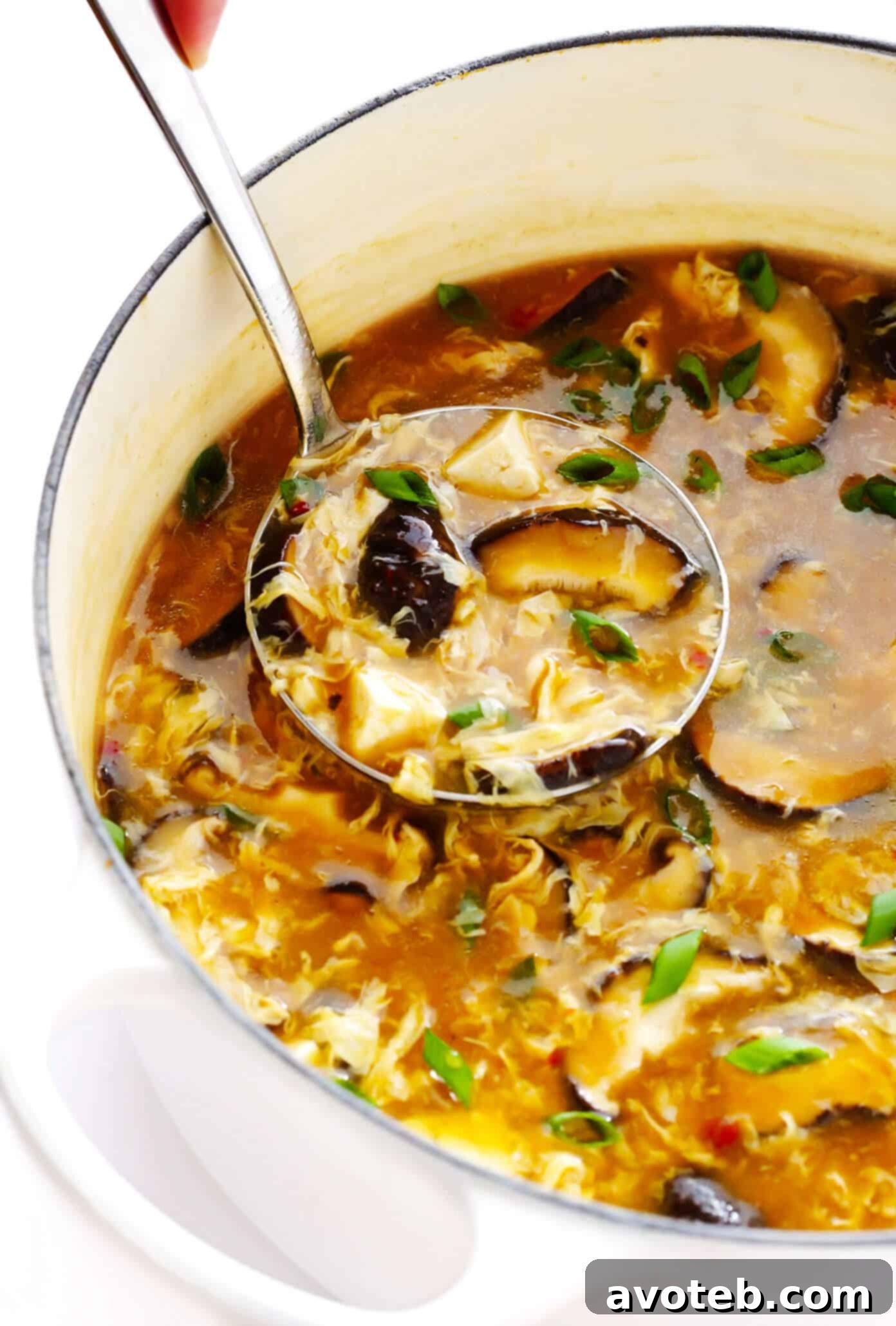
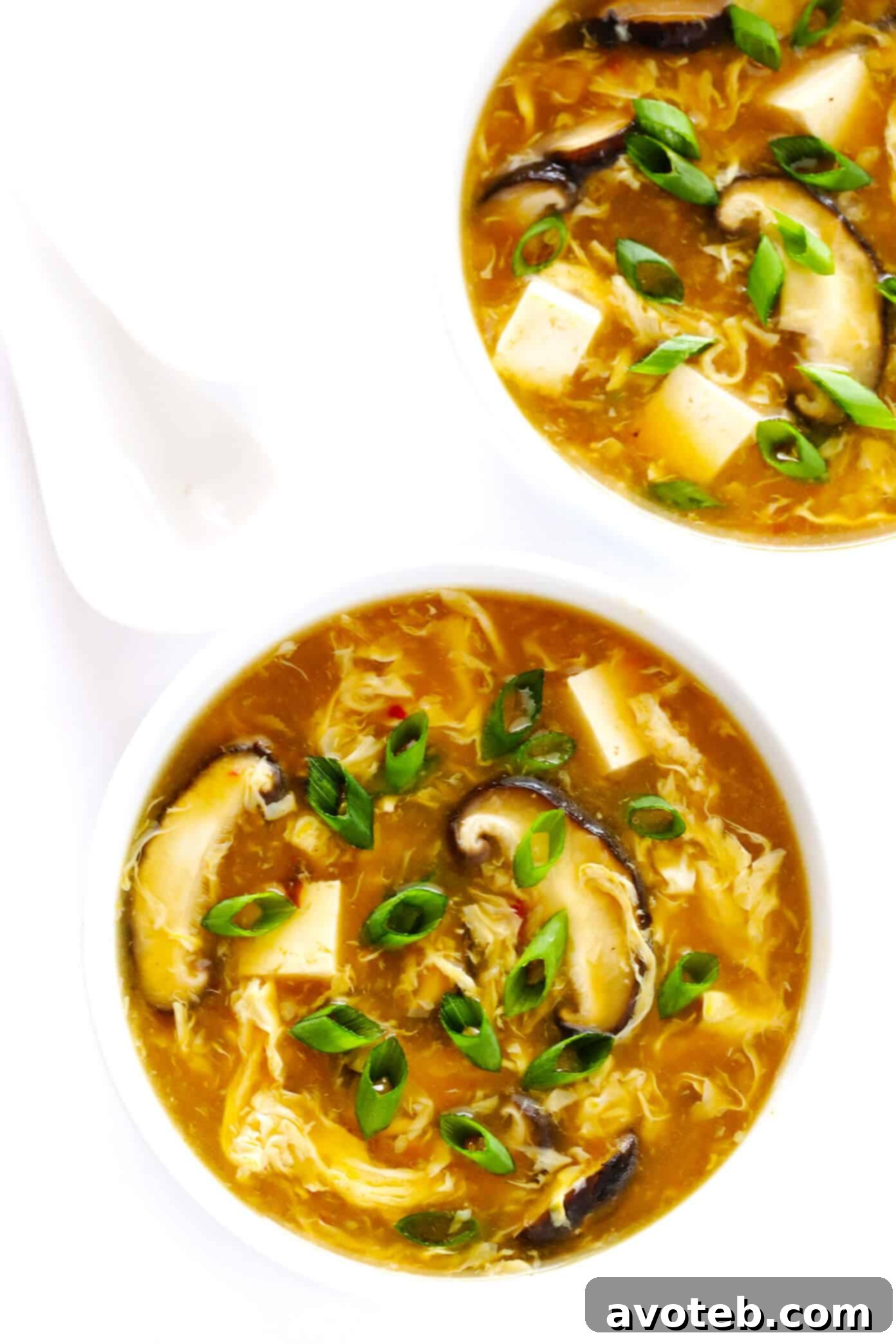
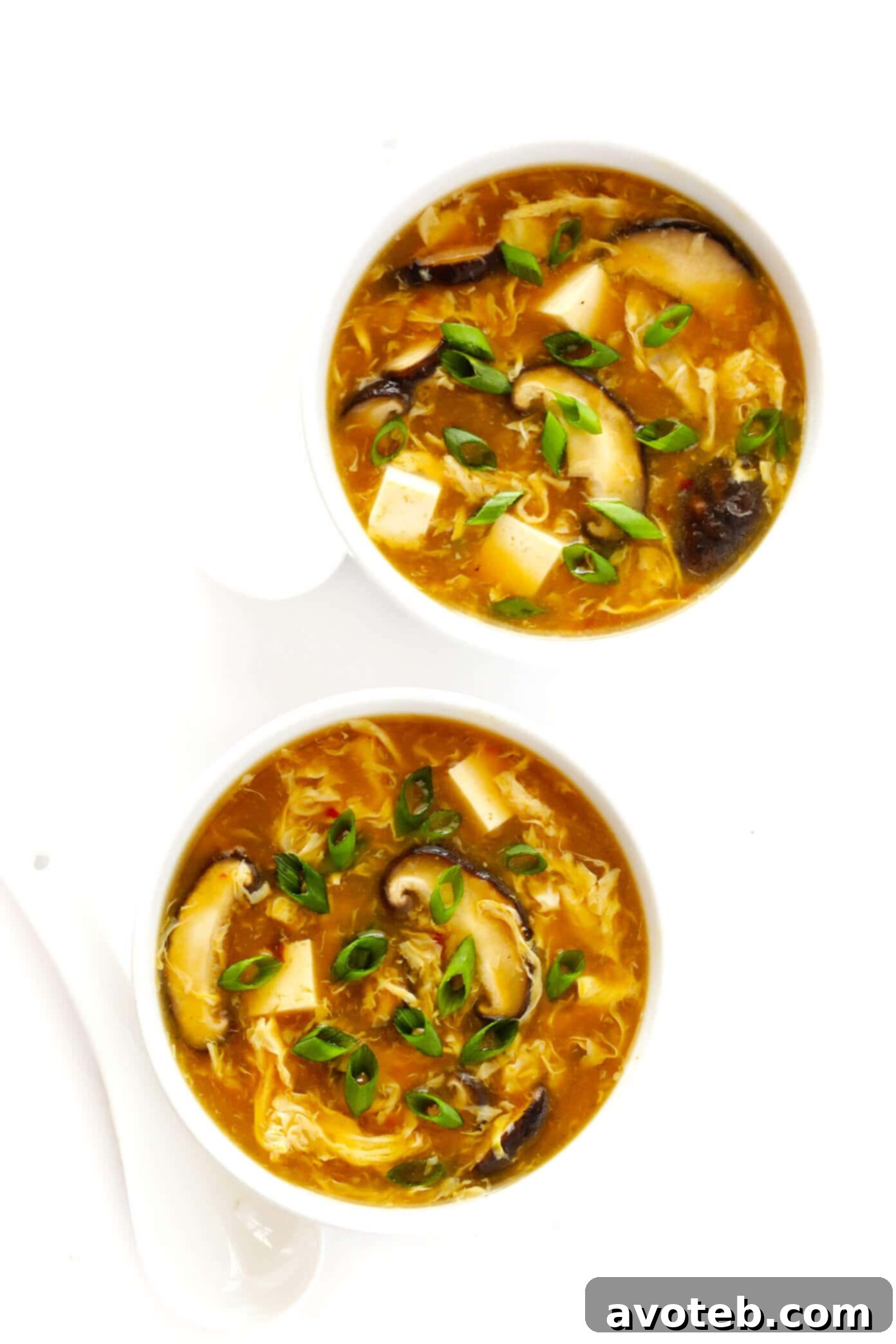
Discover the ultimate homemade Hot and Sour Soup recipe that rivals your favorite Chinese restaurant! This guide provides a simple, customizable, and incredibly flavorful approach to this classic dish, perfect for any occasion.
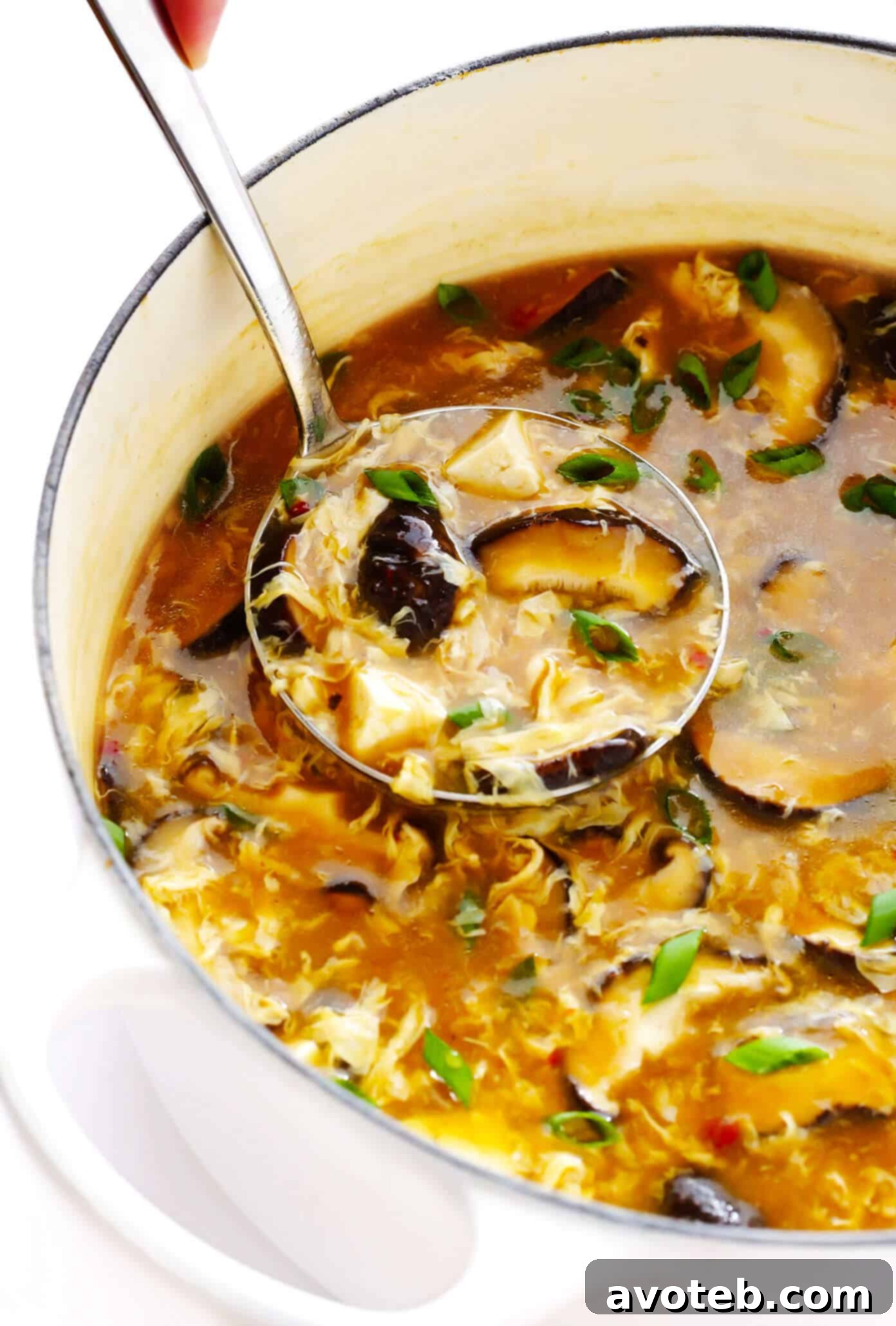
As the chill of winter sets in, there’s nothing quite like a warm, comforting bowl of soup to chase away the cold. Among the myriad of global culinary treasures, Chinese Hot and Sour Soup stands out as a true masterpiece, beloved for its complex interplay of flavors and textures. For years, many of you have asked for a reliable recipe to recreate this restaurant-quality dish at home. Your requests, often sparked during discussions about my favorite egg drop soup recipe, highlighted a common desire: to master the art of homemade Hot and Sour Soup.
Well, the wait is over! I’m thrilled to share a recipe that not only demystifies this iconic Chinese soup but also makes it incredibly accessible for home cooks. You’ll be surprised to find that traditional hot and sour soup is remarkably simple to prepare. The true beauty of making it from scratch lies in its unparalleled customizability. Do you crave an extra kick of spice? Amp up the chili garlic sauce. Prefer a tangier profile? A splash more rice wine vinegar will do the trick. Whether you follow a vegetarian diet and opt for tofu, or prefer the hearty addition of pork, this recipe adapts effortlessly to your personal taste.
Prepare yourself for a culinary journey that delivers all the authentic flavors of your favorite Chinese takeout right to your kitchen. This homemade hot and sour soup promises to be just as delicious, if not more so, than any restaurant version. It’s the perfect antidote to chilly evenings, offering a delicious and warming experience that will leave you fully satisfied.
Mastering Hot and Sour Soup: A Quick Culinary Tour
Before we dive into the step-by-step instructions, let’s explore what makes this soup so uniquely captivating. Hot and sour soup is a symphony of flavors, balancing the fiery heat of chili with the sharp tang of vinegar, complemented by rich umami notes and a delicate texture. Achieving this balance at home is not only possible but incredibly rewarding. This recipe is designed to bring out the best in each ingredient, ensuring a harmonious and authentic taste that will impress even the most discerning palates.
Essential Ingredients for Authentic Hot and Sour Soup
Crafting the perfect hot and sour soup begins with selecting quality ingredients that contribute to its distinctive flavor profile. Here’s a breakdown of what you’ll need and why each component is vital:
- Broth: The Foundation of Flavor
The choice of broth forms the backbone of your soup. You can use either chicken stock or vegetable broth. A good quality broth will infuse your soup with depth and richness. For a more intense flavor, consider a homemade broth, but a store-bought, low-sodium option works perfectly for convenience.
- Mushrooms: Adding Earthy Umami
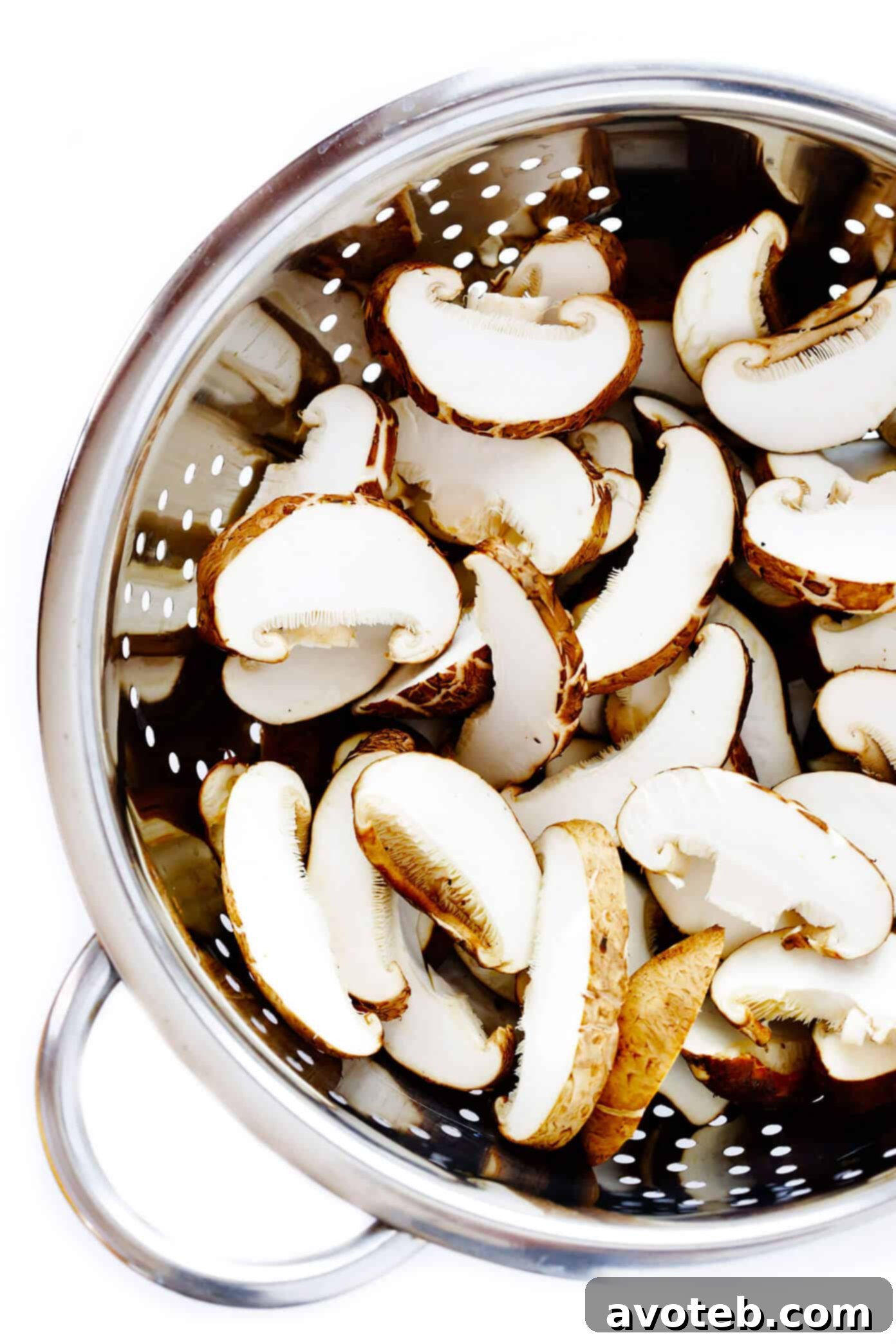
Mushrooms are crucial for both texture and flavor. I highly recommend using fresh shiitake mushrooms for their robust, earthy taste and slightly chewy texture. If shiitake are unavailable, baby bella or even common button mushrooms can be used, though they offer a milder flavor. Ensure they are thinly sliced for optimal integration into the soup.
- The Signature Tang and Savory Depth
- Rice Vinegar: This is the primary source of the “sour” element. Use unseasoned rice wine vinegar for the purest flavor, allowing you to control the sweetness and saltiness separately. Its bright acidity cuts through the richness and balances the heat.
- Soy Sauce: Essential for umami and salty notes. Opt for low-sodium soy sauce to manage the overall salt content, allowing other flavors to shine without being overwhelmed.
- Ground Ginger: A foundational aromatic that provides a warm, slightly spicy undertone, crucial for the soup’s complexity.
- The Fiery “Hot” Element
- Chili Garlic Sauce: This vibrant condiment delivers the “hot” in hot and sour soup. Its combination of chili peppers, garlic, and vinegar adds a zesty heat and depth. Adjust the quantity to match your preferred spice level.
- White Pepper: A traditional ingredient in authentic hot and sour soup. White pepper has a distinct, pungent flavor that differs significantly from black pepper. It contributes a subtle heat and earthy aroma. Start with a small pinch, as its flavor is quite potent, and adjust to taste. If you don’t have white pepper, black pepper can be used, though the flavor profile will be slightly different.
- Cornstarch: The Thickening Agent
Cornstarch is key to achieving the characteristic velvety texture of hot and sour soup. It creates a smooth, slightly viscous broth that beautifully coats the other ingredients. We’ll mix it with a small amount of broth to form a slurry before adding it to the simmering soup.
- Eggs: Delicate Ribbons of Texture
Whisked eggs, slowly drizzled into the hot soup, create beautiful, silky egg ribbons. These delicate strands add a delightful visual appeal and a tender, soft texture that contrasts with the firmer ingredients.
- Protein of Choice: Tofu or Pork
- Firm Tofu: For a delicious vegetarian option, firm tofu is an excellent choice. Cut into small cubes, it absorbs the soup’s flavors beautifully and adds a satisfying protein element.
- Pork (Optional): Many classic restaurant versions include pork. You can add thinly sliced pork loin or ground pork for a more traditional, hearty soup. Instructions for incorporating pork are provided in the notes section.
- Green Onions: Freshness and Garnish
Thinly sliced green onions are stirred into the soup for a fresh, slightly pungent flavor and used as a garnish to add a pop of color and freshness to each serving.
- Toasted Sesame Oil: The Finishing Touch
A drizzle of toasted sesame oil at the very end is non-negotiable. Its rich, nutty aroma enhances the overall flavor profile and adds an authentic depth to the soup.
- Optional Additions: Bamboo Shoots
While some restaurant versions of hot and sour soup include bamboo shoots for their distinct crunch and subtle flavor, I personally prefer the soup without them. However, if you enjoy their unique texture, feel free to add them in.
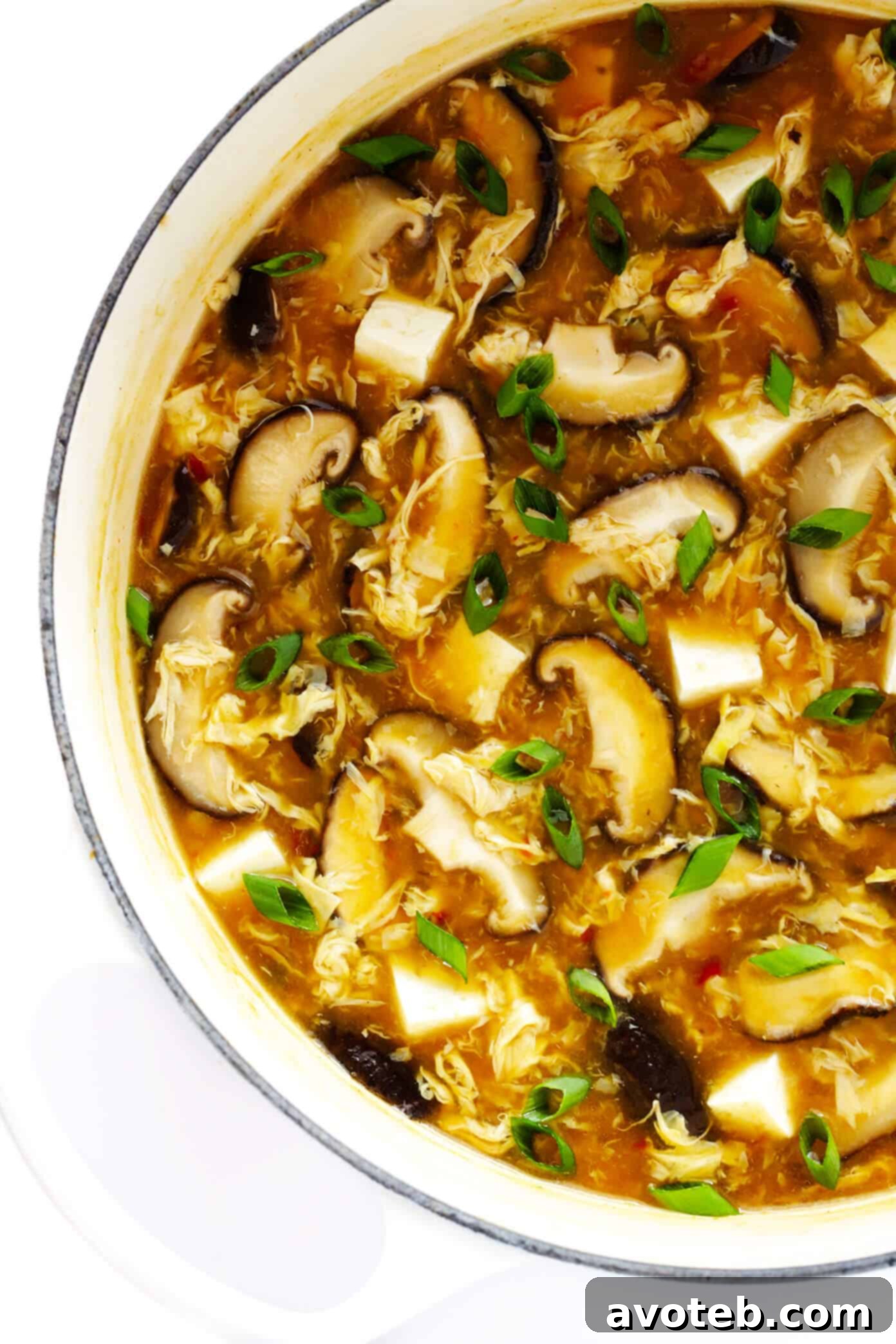
Step-by-Step: How to Prepare Hot and Sour Soup
Making this authentic hot and sour soup is a straightforward process that yields incredible results. Follow these simple steps for a truly memorable meal:
- Prepare the Cornstarch Slurry: In a small bowl, whisk together 1/4 cup of your chosen stock (chicken or vegetable) and the cornstarch until a smooth, lump-free slurry forms. Set this aside; it will be used later to thicken the soup.
- Simmer the Flavor Base: In a large stock pot, combine the remaining stock, thinly sliced mushrooms, bamboo shoots (if you’re using them), rice wine vinegar, soy sauce, ground ginger, and chili garlic sauce. Bring this mixture to a gentle simmer over medium-high heat. Allow it to cook for a few minutes to let the flavors meld.
- Thicken the Soup: Once the soup is simmering, give your cornstarch slurry a quick re-whisk (it might have settled) and slowly pour it into the simmering soup while continuously stirring. Continue to stir for about 1 minute, or until the soup noticeably thickens to your desired consistency.
- Create Elegant Egg Ribbons: This step adds a beautiful texture. While stirring the soup in a steady circular motion with one hand, slowly drizzle your whisked eggs into the soup in a thin stream with your other hand. The hot liquid will cook the eggs instantly, forming delicate, wispy ribbons.
- Final Seasoning and Additions: Stir in the cubed tofu (or cooked pork, if using) and half of the thinly sliced green onions. Drizzle in the toasted sesame oil. Now is the time to taste and adjust the seasonings. Add kosher salt and a pinch of white pepper (or black pepper) to taste. If you prefer a more pronounced sourness, add another tablespoon or two of rice wine vinegar. For extra heat, incorporate more chili garlic sauce.
- Serve Immediately: Ladle the steaming hot and sour soup into bowls. Garnish generously with the remaining fresh green onions for a burst of color and a final touch of aroma. Serve while hot and enjoy!
Enhancing Your Hot and Sour Soup Experience: Customization and Pairings
The beauty of homemade cooking lies in the ability to tailor dishes to your exact preferences. This Hot and Sour Soup recipe is incredibly flexible, allowing you to easily adjust its core characteristics:
- For Extra Heat: If you love a fiery kick, don’t hesitate to add more chili garlic sauce. You can also incorporate a pinch of red pepper flakes for an additional layer of spice.
- For More Sourness: The “sour” element is key. If you desire a tangier soup, simply add an extra tablespoon or two of rice wine vinegar, tasting as you go until it reaches your perfect balance.
- Add More Umami: A dash of fish sauce (if not strictly vegetarian) or an extra splash of soy sauce can deepen the savory notes.
- Vegetable Variations: Feel free to experiment with other thinly sliced vegetables such as carrots, water chestnuts, or even baby bok choy for added texture and nutrients.
- Protein Boost: Beyond tofu or pork, consider adding cooked shrimp or thinly sliced chicken breast for different protein options.
What to Serve with Your Hot & Sour Soup: Complementary Dishes
Hot and Sour Soup is a fantastic appetizer or a light meal on its own, but it also pairs beautifully with a variety of Chinese and Asian-inspired main courses. Here are some of my favorite dishes that create a complete and satisfying meal:
- The BEST Fried Rice: A classic pairing, the savory grains of fried rice perfectly complement the soup’s bold flavors.
- 12-Minute Chicken & Broccoli: A quick and healthy stir-fry that offers a delightful contrast in textures and flavors.
- 20-Minute Moo Shu Pork (or Chicken): Flavorful and satisfying, this dish brings a different kind of savory depth to the table.
- Beef & Broccoli: Another takeout favorite, providing tender beef and crisp broccoli florets.
- Thai Basil Chicken: For those who enjoy a hint of Thai influence, this aromatic chicken dish is a wonderful choice.
- Sesame Noodles with Broccoli and Almonds: A lighter, vegetarian-friendly option that adds a nutty, savory component to your meal.
- Black Pepper Chicken: A peppery, savory dish that offers a unique flavor profile alongside the soup.
Explore More Comforting Asian Soup Recipes:
If you’ve fallen in love with the comforting warmth of hot and sour soup, you’ll surely enjoy exploring other fantastic soup recipes. From light and delicate broths to rich and aromatic concoctions, the world of Asian soups offers endless delicious possibilities. Here are a few more favorites to expand your culinary repertoire:
- Egg Drop Soup: A classic, light, and silky Chinese soup, perfect as an appetizer.
- Miso Soup: A fundamental Japanese soup, savory and delicate, made with dashi and miso paste.
- Tom Kha Gai: A fragrant Thai coconut milk soup with chicken, galangal, lemongrass, and lime.
- Egg Roll Soup: All the delicious flavors of an egg roll, deconstructed into a satisfying soup.
- Everyday Green Curry: While often served as a main dish, its soupy consistency and rich flavors make it a comforting bowl.
- Chicken and Sweet Corn Soup: A mild, creamy, and subtly sweet Chinese soup, excellent for a lighter meal.
With this comprehensive guide, you’re now equipped to create a truly spectacular Hot and Sour Soup at home. Embrace the joy of cooking this classic dish, customize it to your heart’s content, and savor every delicious spoonful!
Hot and Sour Soup
Prep Time: 5 minutes
Cook Time: 15 minutes
Total Time: 20 minutes
Yield: 6 –8 servings 1x
Description
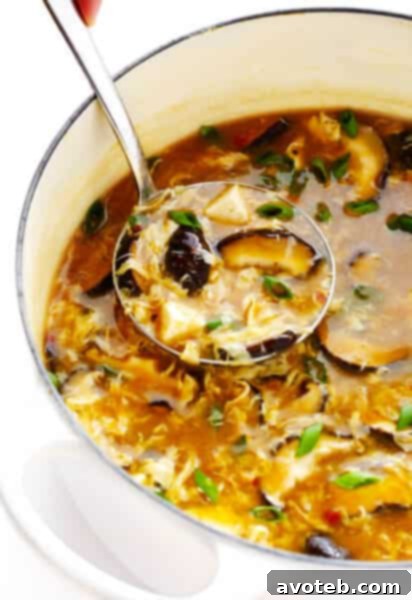
This classic Chinese hot and sour soup recipe is quick and easy to make, full of delicious flavor, easy to make vegetarian (with tofu!) or with pork, and it totally rivals any soup I’ve tried at a Chinese restaurant!
Ingredients
Scale
- 8 cups chicken broth or vegetable broth
- 8 ounces shiitake mushrooms (or baby bella mushrooms), thinly-sliced with stems discarded
- 1 (8-ounce) can bamboo shoots, drained (optional)
- 1/4 cup rice vinegar, or more to taste
- 1/4 cup low-sodium soy sauce
- 2 teaspoons ground ginger
- 1 teaspoon chili garlic sauce
- 1/4 cup cornstarch
- 2 large eggs, whisked
- 8 ounces firm tofu*, cut into 1/2-inch cubes
- 4 green onions, thinly sliced
- 1 teaspoon toasted sesame oil
- Kosher salt and white pepper (or black pepper)
Instructions
- Set aside ¼ cup of the chicken or vegetable broth for later use. This small portion will be used to create your cornstarch slurry.
- In a large stock pot, combine the remaining 7 ¾ cups of chicken or vegetable broth with the thinly-sliced mushrooms, bamboo shoots (if you choose to include them), rice wine vinegar, low-sodium soy sauce, ground ginger, and chili garlic sauce. Stir all ingredients thoroughly to combine. Place the pot over medium-high heat and bring the mixture to a gentle simmer.
- While the soup is heating, prepare your cornstarch slurry. In a small bowl, whisk together the ¼ cup of reserved broth and the cornstarch until the mixture is completely smooth and free of lumps. Once the soup in the stock pot has reached a steady simmer, slowly stir in the cornstarch mixture. Continue stirring continuously for approximately 1 minute, allowing the soup to thicken to its characteristic velvety consistency.
- To create the delicate egg ribbons, stir the simmering soup in a continuous circular motion with one hand. Simultaneously, use your other hand to slowly drizzle the whisked eggs into the soup in a thin, steady stream. The heat of the soup will instantly cook the eggs into beautiful, silken strands. Next, stir in the cubed firm tofu (or pre-cooked pork, if using) and half of the thinly sliced green onions. Finish by drizzling in the toasted sesame oil. Taste the soup and season with kosher salt and a pinch* of white pepper (or black pepper) to your preference. If you prefer a more pronounced “sour” flavor, you may add an additional tablespoon or two of rice wine vinegar. For a spicier kick, stir in more chili garlic sauce to taste.
- Serve the hot and sour soup immediately, while it’s still steaming. Ladle into individual bowls and garnish each serving generously with the remaining fresh green onions for an added burst of color and aroma. Enjoy your homemade, restaurant-quality soup!
Equipment
Chili Garlic Sauce
Buy Now →
White Pepper
Buy Now →
Toasted Sesame Oil
Buy Now →
Notes
Pork option: For those who prefer a meatier version, you can easily substitute the tofu with pork. Simply add a half pound of cooked pork—whether it’s ground pork, or thinly-sliced pork chops or pork loin—in place of the tofu during step 4. Ensure the pork is cooked through before adding it to the soup.
White pepper usage: While both black and white pepper can be used, I highly recommend white pepper for a more authentic flavor in this soup. However, be aware that white pepper has a distinct and much stronger flavor than black pepper. If you are new to cooking with it, start with a small pinch and then taste the soup before adding more. This allows you to gradually adjust the seasoning to your preferred level without overpowering the other delicate flavors.
This post contains affiliate links, which means I may earn a small commission if you make a purchase through these links at no extra cost to you.