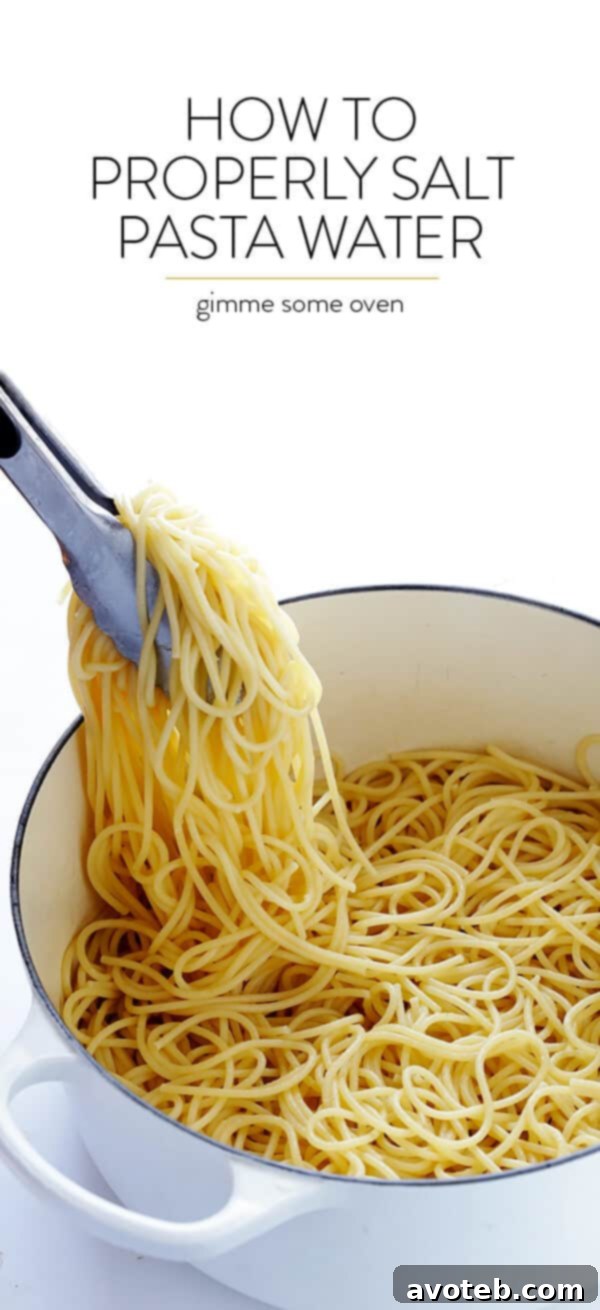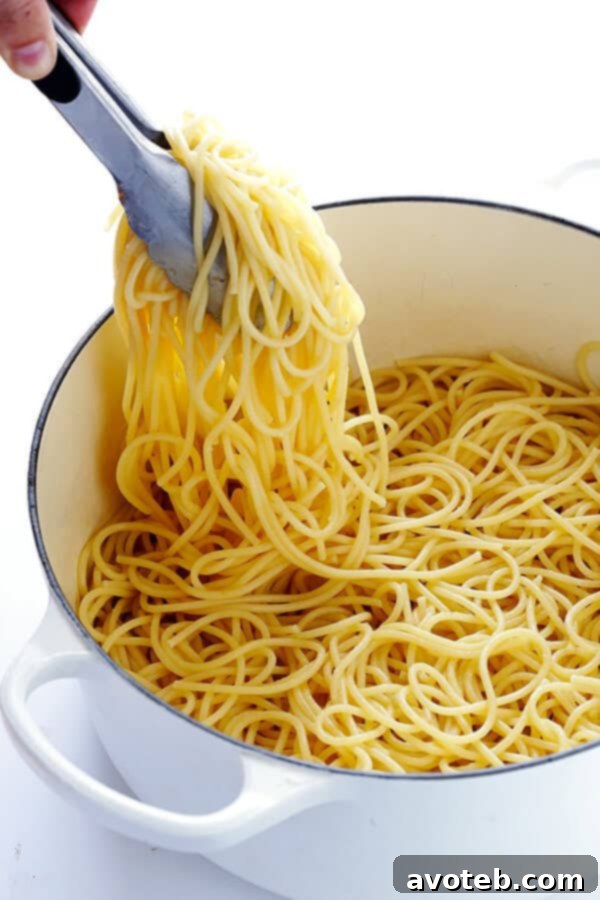
For years, home cooks have sought the secret to truly flavorful pasta, often wondering why their homemade dishes lack the depth and vibrancy found in Italian restaurants or genuine Italian cuisine. The answer, surprisingly simple yet frequently overlooked, lies in one crucial step: properly salting your pasta water. This isn’t just a suggestion; it’s a fundamental technique that elevates your pasta from merely good to absolutely unforgettable. Get ready to transform your pasta dishes with this essential culinary insight.
Master the Art of Salting Pasta Water: Unlock Unforgettable Flavor
Welcome, fellow pasta enthusiasts! Today, we’re diving deep into a topic that’s close to my heart and, I believe, the very cornerstone of exceptional pasta dishes: the art of salting pasta water. Many assume that adding salt to the boiling water is a minor detail, or worse, an optional step. This misconception often leads to bland, uninspired pasta, regardless of how exquisite your sauce might be.
I’ve heard countless times, “My pasta from Italian restaurants always tastes so much better!” When I ask about their salting habits, the common reply is either “I skip it” or “I add just a tiny pinch.” This is where the magic is missed. The truth is, to achieve that restaurant-quality flavor, you must embrace the philosophy of generously salting your pasta water. It’s not about over-salting or excessive sodium intake; it’s about infusing the pasta with flavor from the inside out, making every bite sing.
Why Salting Pasta Water is Non-Negotiable for Perfect Pasta
The pasta water serves a vital role beyond just cooking the noodles. It’s the primary, and arguably only, opportunity you have to season the pasta itself. Imagine trying to season a fully cooked potato with just salt sprinkled on top; it penetrates unevenly, if at all. The same principle applies to pasta. As dry pasta rehydrates and cooks in the boiling water, it absorbs a significant amount of that water. If that water is unsalted or under-salted, the pasta will be inherently bland, no matter how much salt you add to the sauce later.
The Science of Flavor Absorption
When pasta boils in adequately salted water, the starches in the pasta swell and begin to absorb the water, along with its dissolved salt. This process, known as osmosis, ensures that the salt penetrates the pasta strands, seasoning them from the core. This internal seasoning creates a foundational flavor that complements any sauce you pair it with, rather than fighting against it. Furthermore, the salt helps to firm up the pasta’s structure, contributing to that desirable “al dente” texture.
Dispelling Common Misconceptions: Over-Salting and Sodium Concerns
Many home cooks worry about making their pasta too salty or consuming too much sodium. However, it’s crucial to understand that pasta only absorbs a fraction of the salt present in the water. Most of the salt remains in the cooking water, which is drained away. While the exact amount absorbed varies, a serving of properly salted pasta typically contains only a small fraction of a teaspoon of salt, a negligible amount compared to the overall flavor impact. For those on restricted diets, it’s always wise to consult a doctor, but for the average person, this method is perfectly safe and essential for taste.
The Golden Ratio for Salting Pasta Water: The 1:1:4 Formula
While opinions on the perfect salt-to-water-to-pasta ratio may vary slightly, I’ve found a simple, easy-to-remember formula that delivers consistent, delicious results every time. It’s the 1:1:4 ratio, and it will become your new best friend in the kitchen:
1 pound of pasta : 1 tablespoon salt : 4 quarts (16 cups) water
Breaking Down the Formula for Pasta Perfection:
-
1 Pound of Pasta: Your Baseline
This formula works perfectly for one standard pound of dry pasta, regardless of its shape or type. Whether you’re cooking classic semolina spaghetti, hearty whole wheat penne, or gluten-free fusilli, a pound is a versatile quantity that feeds approximately 3-4 people. Using a scale can help ensure accuracy, but most boxes of dry pasta are conveniently packaged in 1-pound increments. This standard amount provides a good balance for the other components of our ratio, ensuring each strand has ample space to cook evenly.
-
1 Tablespoon Salt: The Flavor Catalyst
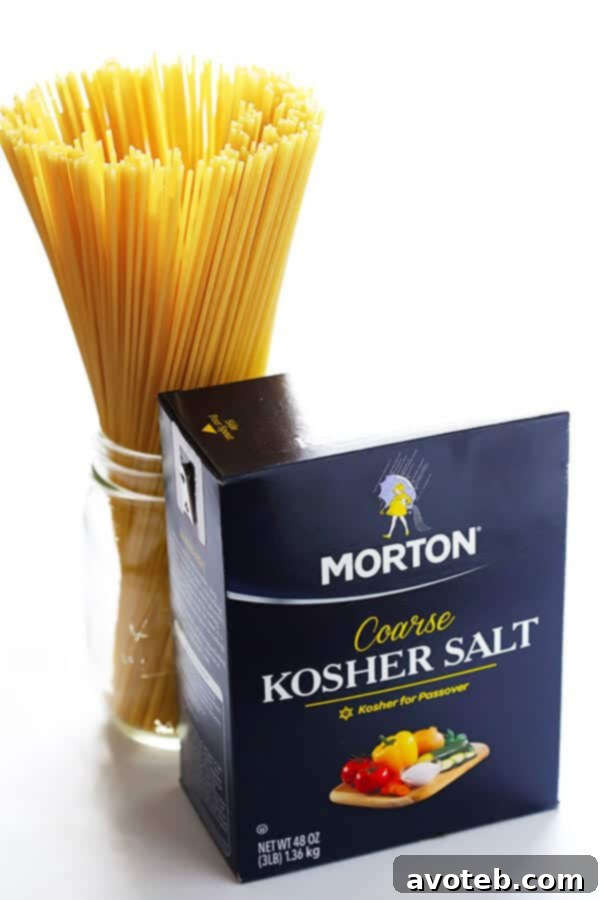
This is where precision matters. The type of salt you use will slightly influence the amount needed. For common table salt or fine sea salt, one level tablespoon is generally sufficient. However, if you prefer Kosher salt (which is my personal preference due to its larger flake size and cleaner taste), I recommend a slightly “heaping” tablespoon, approximately 1.5 tablespoons. Kosher salt crystals are less dense than table salt, so you need a bit more by volume to achieve the same salinity. Don’t be shy; aim for water that tastes noticeably salty, almost like the sea. If you desire an even bolder flavor, feel free to experiment by adding another half to a full tablespoon until you find your perfect salty sweet spot. Remember, this isn’t about making the water undrinkable; it’s about creating an optimal seasoning environment.
-
4 Quarts (16 Cups) Water: The Ideal Cooking Environment
Using enough water is just as critical as using enough salt. Four quarts (or 16 cups) of water is the minimum recommended amount for cooking one pound of pasta. This volume typically fills about half of a standard large stockpot (around 8-quart capacity). Why so much water? A generous amount of water ensures that the pasta has plenty of room to move freely, preventing sticking and allowing it to cook evenly. It also helps to dilute the starches released by the pasta, which would otherwise make the water cloudy and potentially lead to gummy pasta. A large volume of water maintains a stable temperature, preventing the water from cooling down too much when the pasta is added, which can result in undercooked or unevenly cooked noodles.
Step-by-Step Guide to Perfectly Salted Pasta
Now that you understand the “why” and “how much,” let’s walk through the simple steps to achieve perfectly seasoned pasta:
- Prepare Your Pot and Water: Choose a large stockpot, ideally an 8-quart pot or larger, to accommodate the water and pasta comfortably. Fill it with 4 quarts (16 cups) of fresh cold water. Place the pot over high heat and bring the water to a vigorous, rolling boil.
- Add the Salt: Once the water is at a full, rolling boil (meaning it’s bubbling rapidly and continuously), stir in your chosen amount of salt. For table or fine sea salt, use 1 tablespoon. For Kosher salt, use 1.5 tablespoons. Stir well to ensure the salt dissolves completely. You can even taste the water at this stage – it should taste distinctly salty, reminiscent of the ocean.
- Introduce the Pasta: Carefully add the pound of dry pasta to the boiling, salted water. Stir immediately and continuously for the first minute or two. This prevents the pasta from sticking together or to the bottom of the pot. Continue to stir occasionally throughout the cooking process. Maintain a strong boil, reducing the heat slightly if it threatens to boil over, but keep it at a rapid simmer.
- Cook to Al Dente: Follow the cooking times specified on your pasta package directions. Most dry pasta cooks to al dente in 8-12 minutes. “Al dente” means “to the tooth,” signifying pasta that is tender yet firm to the bite, with a slight resistance in the center. Taste a piece of pasta a minute or two before the suggested cooking time to check for doneness.
- Reserve Pasta Water: Before draining, scoop out about 1 to 1.5 cups of the starchy, salty pasta water. This “liquid gold” is an invaluable ingredient for finishing your sauces, helping them emulsify and cling beautifully to the pasta.
- Drain (Don’t Rinse!): Once the pasta reaches al dente, turn off the heat and immediately drain the pasta using a colander. Do NOT rinse the pasta under cold water! Rinsing removes the essential starch coating that helps sauce adhere to the noodles, and it also washes away the delicious salt you worked so hard to infuse.
- Serve Immediately: Transfer the drained pasta directly to your prepared sauce. Toss vigorously to combine, allowing the pasta to absorb the flavors of the sauce. If the sauce seems too thick, add a splash of your reserved pasta water until it reaches the desired consistency. Serve hot and enjoy your perfectly seasoned creation!
Beyond the Basics: Advanced Tips for Pasta Perfection
- The Magic of Reserved Pasta Water: This isn’t just for thinning sauces. The starches in the reserved water act as a natural emulsifier, helping oil-based sauces thicken and cling to the pasta, while also making tomato-based sauces richer and smoother. It’s the secret ingredient that truly marries your pasta and sauce.
- To Oil or Not to Oil? (Hint: Don’t!): Some recipes suggest adding a splash of olive oil to the pasta water to prevent sticking. This is a common myth. Oil floats on top of the water and won’t prevent sticking; instead, it can coat the pasta, making it harder for your sauce to adhere later. Proper stirring and ample water are all you need to prevent sticking.
- Finishing Pasta in the Sauce: For an extra layer of flavor, transfer the al dente pasta directly from the pot to your pan of simmering sauce. Add a generous splash of reserved pasta water and cook together for another 1-2 minutes, tossing constantly. This allows the pasta to absorb the sauce’s flavors even more deeply and ensures every strand is perfectly coated.
- Taste Your Water: This is a chef’s trick. Before adding pasta, taste your boiling, salted water. It should taste pleasantly salty, like a well-seasoned broth or the sea. If it tastes bland, add more salt! You can always adjust, but it’s harder to fix under-salted pasta after it’s cooked.
By adopting these simple yet profound techniques, you’ll elevate your homemade pasta dishes to a level you never thought possible. Say goodbye to bland pasta and hello to deeply flavorful, restaurant-quality meals every time you step into the kitchen. Happy pasta making!

How To Properly Salt Your Pasta Water
Prep Time: 5 minutes
Cook Time: 10 minutes
Total Time: 15 minutes
Yield: 4 servings 1x
Description
Learn how to properly salt your pasta water with this 1:1:4 formula. It will definitely kick the flavor of your pasta up a delicious notch!
Ingredients
Scale
- 4 quarts (16 cups) water
- 1 tablespoon regular table salt (or 1.5 tablespoons Kosher salt)
- 1 pound (uncooked) dry pasta
Instructions
- In a large stockpot, bring the water to a rolling boil over medium-high heat. Stir in the salt.
- Add the pasta and cook it according to the package directions, stirring occasionally and reducing the heat a bit if it starts to boil over, until the pasta is al dente.
- Drain off the excess water.
- Serve immediately, using your favorite pasta recipe.
Notes
*If you like a saltier pasta, feel free to up the salt quantity by 1/2 tablespoon per batch until you find the amount that tastes good to you.