
Mastering the Art of Cooking for One: 10 Essential Tips for Delicious and Enjoyable Solo Meals
For too long, cooking for one has been shrouded in misconception, often seen as a chore, an unnecessary effort, or even a sad experience. But what if we told you it’s actually an incredible opportunity for culinary freedom, creativity, and self-care? After years of refining my own solo cooking routine, I’m thrilled to finally share my ultimate guide to transforming your kitchen into a personal haven of deliciousness.
Many single individuals express frustration over the perceived challenges of cooking solo – from the expense of buying ingredients in bulk to the lack of motivation to cook “just for themselves.” While it’s true that the dynamics of cooking for a single person differ significantly from preparing meals for a family, these challenges are easily overcome with the right strategies. In fact, embracing solo cooking can be profoundly empowering.
Imagine this: you get to decide exactly what you want to eat, precisely when you want it. There’s no need to compromise on ingredients, cater to diverse palates, or worry about dietary restrictions other than your own. You can put on your favorite music, maybe even have a spontaneous dance party in your pajamas, and experiment with new recipes without the pressure of impressing anyone else. If a dish doesn’t turn out as planned, it’s a learning experience for one, not a ruined family dinner!
Cooking for yourself is an act of self-love, an invitation to explore your culinary interests, and a fantastic way to save money and eat healthier. It’s about making the experience what *you* want it to be – fun, inspiring, and incredibly tasty. Today, I’m sharing my top 10 practical and inspiring tips to help you navigate grocery shopping, meal planning, and execution, ensuring your solo cooking journey is nothing short of delightful.
Do you have your own tried-and-true tips for cooking for one? Share them in the comments below and let’s build a vibrant community of solo chefs. And be sure to check back for our upcoming “Single Serving Saturday” series, packed with more delicious ideas tailored just for you!
1. Master the Art of Meal Planning for One
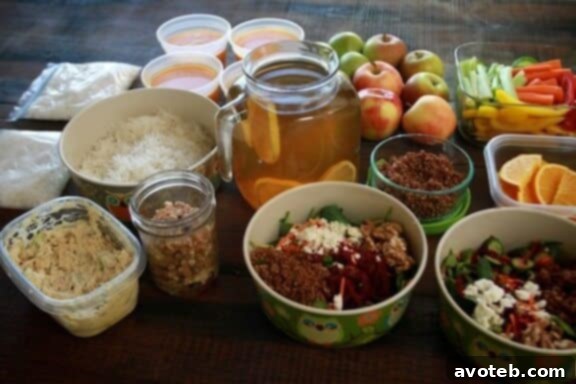
This might seem like a basic tip, but its effectiveness for solo cooks cannot be overstated. Dedicate a small amount of time to plan your meals *before* you even step into the grocery store. This proactive approach is a game-changer for budgeting, healthy eating, and minimizing food waste.
As an often-impulsive cook myself, I’ve learned that advanced planning leads to significantly more delicious, fresh, and nutritious meals. It prevents those last-minute, less-healthy choices like a bowl of cold cereal or expensive takeout. By having a clear plan, you’ll purchase only what you need, reducing impulse buys and ensuring your ingredients don’t go to waste. Plus, when ingredients are waiting for you at home, you’re far more likely to stick to your cooking schedule.
The key to successful meal planning for one is realism. If you’re not a fan of rigid schedules, focus on stocking versatile staples that allow for spontaneity. If you enjoy dining out with friends, plan only 1-3 homemade dinners a week, intentionally making extra to freeze or enjoy as lunch leftovers. For unpredictable workweeks, choose ingredients that have a longer shelf life or can be easily frozen, rather than relying solely on fresh produce that spoils quickly. Consider dedicating a “cooking day” on Sunday to prepare a few meals that can be refrigerated or frozen for the week ahead. Adapt your planning style to fit your lifestyle, not the other way around.
With numerous apps, websites, and resources emerging daily to aid in meal planning, there’s never been a better time to get organized. So, make a plan (and yes, you’re on a great food blog for ideas!), and let the delicious solo cooking begin!
2. Smart Shopping: Harness the Power of Bulk Bins and the Deli Counter
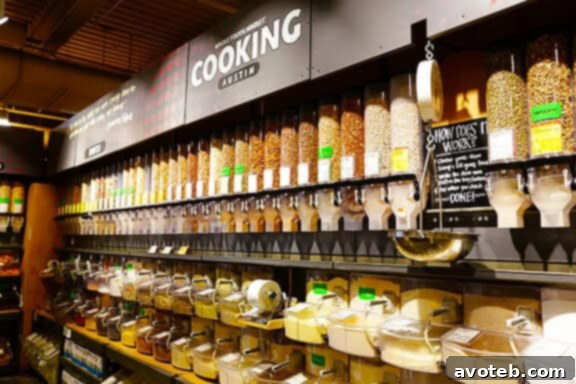
This tip is an absolute game-changer for single cooks aiming to save money and reduce food waste. Take the time to explore the bulk bins at your favorite grocery stores and make them your best friend. Bulk bin pricing is often comparable to or even less expensive than pre-packaged goods, and critically, you can purchase the exact quantity you need – whether it’s just a pinch of an unusual spice or a small handful of oats. This flexibility is invaluable for preventing ingredients from languishing in your pantry.
Equally important is familiarizing yourself with the deli counter. Many single shoppers overlook the incredible benefits it offers. Did you know you can typically buy a single chicken breast instead of a family-sized pack of four? Or just a quarter-pound of shrimp, rather than a whole frozen pound? And for cheese lovers, you can often request just a few slices or a small wedge of your favorite variety, avoiding the commitment to an entire block. The deli counter empowers you to buy precisely what you need for single servings, preventing spoilage and saving money.
Beyond portion control, forge a relationship with the friendly staff behind the counter. They are often a fantastic resource, offering recommendations on the freshest items, weekly specials, or even how to prepare a specific cut of meat. Don’t hesitate to ask for assistance with prep, such as having bones or skin removed from fish, or fat trimmed from steak. Leverage their expertise to make your shopping experience more informed and efficient.
3. Be Strategic with Produce: Avoid Overbuying
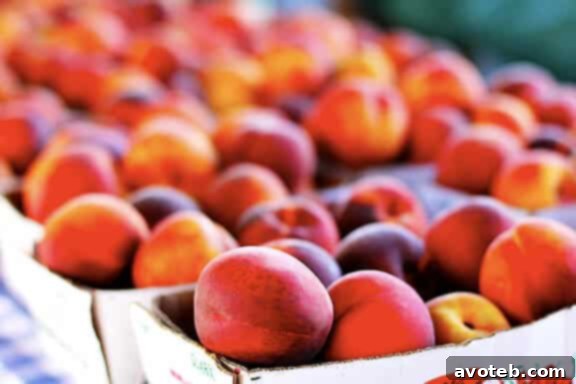
The produce section of a grocery store can be a vibrant, inspiring wonderland, often tempting us to fill our carts with every colorful fruit and vegetable imaginable. However, for a single person, this enthusiasm can quickly lead to food waste. Unless fresh produce can be frozen or canned, it typically has the shortest shelf life of all your kitchen staples.
My advice, born from countless experiences of wilted greens and forgotten berries, is to resist the urge to overbuy. Even if you don’t meticulously plan every meal for the week, at least have a clear idea of how you intend to use your fresh produce. Focus on purchasing only what you can realistically consume within a few days. Consider versatile options like sturdy root vegetables, onions, or cabbage that tend to last longer.
Remember, the produce section will always be there next week, brimming with fresh new options. It’s better to make a quick trip for a couple of fresh items mid-week than to throw away perfectly good food. This mindful approach to produce shopping not only saves you money but also encourages you to use what you have, fostering a more sustainable cooking habit.
4. Embrace Your Freezer: Your Best Friend for Solo Cooking
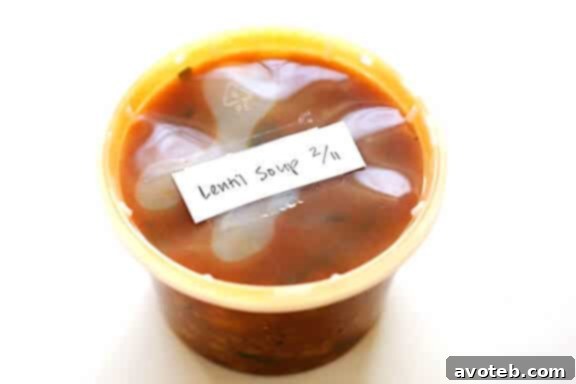
Think of your freezer as your personal culinary savings account – a treasure trove of convenience, fresh ingredients, and ready-to-eat meals. For the solo cook, a well-stocked freezer is an invaluable asset, playing a critical role in promoting healthier eating habits and curbing those impromptu takeout cravings.
Start by freezing leftovers in single-serving portions. This transforms a larger batch of stew or chili into multiple future meals, easily reheated on demand. Beyond full meals, your freezer can hold a variety of essential ingredients:
- Frozen Produce: Stock up on berries, spinach, peas, and corn. They’re pre-prepped, last indefinitely, and are perfect for smoothies, stir-fries, or quick side dishes.
- Proteins: Shredded chicken, cooked ground meat, individual fish fillets, or tofu can all be frozen for quick additions to salads, tacos, or pasta.
- Grains & Breads: Freeze portions of cooked rice or quinoa, pita bread, tortillas, or even pizza crusts. These can be thawed and used in minutes.
- Batch-Cooked Staples: Homemade sauces like pesto or marinara freeze beautifully in ice cube trays or small containers, ready to elevate a quick meal.
Don’t shy away from pre-packaged frozen foods either! There’s absolutely no judgment here. A delicious frozen pizza, a hearty soup, or your favorite ice cream can be lifesavers on busy evenings or when you simply don’t feel like cooking from scratch. Learning which of your favorite foods can be frozen effectively will empower you to eat better, reduce waste, and always have a satisfying meal just moments away.
5. Reinvent, Don’t Just Reheat: Creative Leftover Transformations
For some, leftovers are a beloved convenience; for others, they evoke boredom and culinary fatigue. If you fall into the latter camp, fear not! My simple philosophy is: don’t just reheat your leftovers, *reinvent* them. This approach adds an element of creativity and ensures every meal feels fresh and exciting.
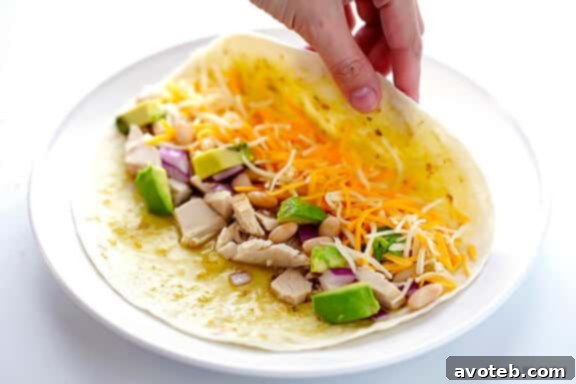
Instead of eating the exact same dish twice, get playful with transformations. For instance, if you made roasted chicken and vegetables for dinner, the next day, shred the leftover chicken for quesadillas, a gourmet panini, or a comforting chicken noodle soup. A vibrant green salad can be blended into a nutritious green smoothie for breakfast (just hold the dressing and onions initially!). Chili from one night can be spooned over a baked potato the next, creating an entirely new, hearty meal.
Sure, repurposing leftovers requires a little more thought and perhaps a few extra ingredients. But the reward is a meal that feels intentional and satisfying, rather than a repetitive chore. Experiment with adding different spices, textures, or even a completely new format. You’ll discover that a little creativity can turn dreaded leftovers into exciting culinary opportunities, making your solo cooking journey far more enjoyable and sustainable.
6. Invest in the Unsung Hero of Solo Kitchens: The Toaster Oven
If there’s one small appliance that truly shines for the single cook, it’s the humble toaster oven. I am utterly convinced it’s one of the best kitchen investments you can make. This compact powerhouse is unparalleled for quickly and efficiently baking, roasting, and toasting single-serving recipes, saving you time and energy compared to heating a full-sized oven.
Consider its versatility: Craving a single, warm cookie from frozen dough? A toaster oven lets you bake just one or two, eliminating the temptation to devour a whole dozen. Reheating a slice of pizza? It delivers a perfectly crispy crust, a stark contrast to the soggy result from a microwave. It’s also ideal for roasting a small portion of vegetables, baking a piece of fish, making avocado toast, or quickly crisping up last night’s leftovers. Its smaller cavity heats up faster and uses less energy, making it a sustainable and practical choice for daily solo meals.
Modern toaster ovens range in price and design, offering stylish options that complement any kitchen. My personal favorite is this model, which strikes a great balance between functionality and aesthetics. Seriously, explore the options – this appliance will revolutionize your solo cooking experience.
Other smart small appliance investments for the single kitchen include:
- A good set of glass storage containers for meal prep and leftovers.
- A compact blender for smoothies, sauces, and single-serving dressings.
- A grill pan for indoor grilling of proteins or crafting perfect paninis.
7. Cultivate Culinary Connections: Split Groceries and Leftovers with Friends
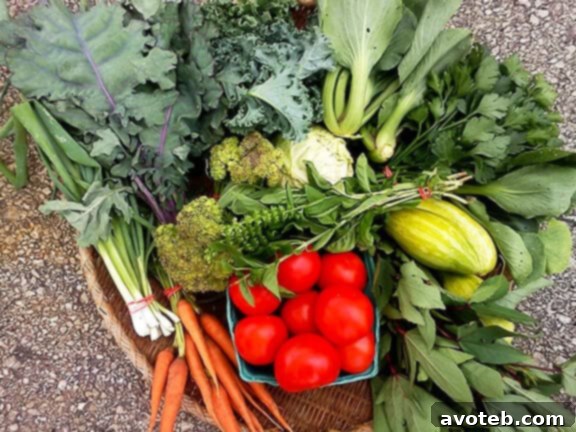
One of the brilliant ways to mitigate the challenges of solo cooking, especially regarding bulk purchases, is to engage your social circle. Think back to kindergarten and apply that valuable lesson: share! If you’re keen on participating in a Community Supported Agriculture (CSA) box, shopping at a bulk retailer like Costco, or simply want to buy certain groceries that come in larger quantities than you can consume, find a friend or a small group to split the haul with.
Sharing groceries is an excellent strategy to access better prices and a wider variety of ingredients without worrying about food waste. It allows you to enjoy the benefits of bulk buying, making your overall grocery bill more economical. But the sharing doesn’t have to stop there!
If you’re someone who genuinely dislikes repetitive leftovers, consider swapping meals with a friend. You could exchange a portion of your home-cooked dinner a day or two after you’ve made it, offering culinary variety to both parties. Even better, designate a Sunday afternoon for a collaborative cooking session. You and a friend can prepare a few different meals together, then divide the spoils. This not only makes cooking more social and enjoyable but also allows you to try new recipes and stock your respective fridges/freezers with a diverse array of dishes, ensuring you don’t have to eat the same thing multiple times in a week.
8. Decode the Math: How to Scale Down Larger Recipes for One
As someone deeply involved in recipe development, I can confirm that the vast majority of recipes you encounter – whether in cookbooks, magazines, or online – are designed to serve at least 2 to 4 people. This often leaves single cooks with a dilemma: make the full recipe and have an abundance of leftovers, or learn the art of scaling down. While leftovers can be great (especially if you plan to freeze them), knowing how to adapt a recipe for a single serving opens up a world of culinary possibilities.
Scaling a recipe effectively involves a bit of culinary math. Don’t worry, you don’t need to be a mathematician! Online calculators and a quick Google search can easily help you with questions like “divide 1 cup by 6” or “how many tablespoons is 1/6 cup?”. Investing in a precise set of measuring spoons and cups (like these) can also make this process much simpler.
Some ingredients might seem tricky to divide. For example, if a recipe calls for one egg and you only need half, simply whisk the egg thoroughly and then use approximately half of the mixture. Alternatively, consider purchasing liquid eggs for situations where precise half-egg measurements are needed, or simply adapt the recipe to use a whole egg if it won’t drastically alter the outcome. Similarly, if you only need a fraction of an onion or a bell pepper, dice and use what you need, then freeze the rest for future cooking.
Learning smart ingredient substitutions is another valuable skill. Instead of buying an entire carton of buttermilk for a small amount, you can easily make a homemade version by adding a teaspoon of lemon juice or white vinegar to regular milk and letting it sit for a few minutes. While some recipes are inherently difficult to scale down (like elaborate baking projects), knowing when to scale and when to simply cook a larger batch for planned leftovers will empower your solo cooking journey.
9. Curate Your Go-To List: Quick & Easy Single-Serving Recipes
One of the most effective ways to make cooking for one consistently enjoyable and stress-free is to develop a personal repertoire of “go-to” single-serving recipes. These are your reliable, quick-to-prepare, and healthy standbys that you can whip up without much thought, often using ingredients you typically have on hand. The more effortless and delicious these options are, the more likely you are to cook at home.
Here’s an expanded list of categories and ideas to inspire your personal go-to collection, focusing on fresh, seasonal ingredients whenever possible:
- Breakfast:
- Eggs Galore: Omelettes, scrambled eggs, fried eggs, or a simple breakfast skillet with leftover veggies.
- Parfaits: Layer granola, yogurt, and fresh berries for a quick, nutritious start.
- Smoothies: Blend your favorite fruits, greens, protein powder, and liquid for a custom energy boost.
- Oatmeal Variations: Overnight oats or a warm bowl of instant oats with various toppings.
- Avocado Toast: A classic, easily customized with different toppings.
- Lunch:
- Sandwiches & Paninis: Endless possibilities with various fillings and breads.
- Quesadillas/Wraps: Quick, customizable, and great for using up small amounts of leftovers.
- Big Green Salads: Load up with protein, nuts, seeds, and a homemade dressing.
- Mason Jar Salads: Layer ingredients for easy grab-and-go options.
- Dinner:
- Protein + Veggies: Simple stir-fries, sheet pan meals, or roasted chicken/fish with seasonal vegetables, seasoned to your liking.
- Pasta Perfection: Simple gnocchi or pasta marinara, perhaps with some added greens or cherry tomatoes.
- Tacos/Burrito Bowls: Highly customizable and excellent for using up small portions of protein and vegetables.
- Soups & Stews: Small batch recipes or frozen portions from a larger batch are ideal.
- Snacks:
- Popcorn: Especially a homemade, seasoned version.
- Cheese and Fruit: A satisfying and balanced snack.
- Hummus with Veggies/Pita: Quick and nutritious.
- Energy Balls/Bars: Prepare a small batch for convenient grab-and-go fuel.
- Dessert:
- Chocolate: A few squares of your favorite chocolate bar.
- Ice Cream: A single scoop of your preferred flavor.
- Single-Serving Fruit Cobbler/Galette: Easy to bake in a ramekin or small dish.
- Cookies: Bake one or two from frozen dough (thanks, toaster oven!).
- Mug Cakes: Quick and satisfying microwave desserts.
- Baked Apples: Simple, warm, and comforting.
- Drinks:
- Iced Tea: Brew a small batch in a mason jar.
- Infused Water: A refreshing way to use leftover fruit or herbs.
- Wine: If you don’t finish a bottle quickly, consider BotaBox or smaller format bottles.
- Cocktails: Most are naturally single-serving and can be a fun treat.
Having this list readily available will not only streamline your cooking but also ensure you’re always just minutes away from a delightful, home-cooked meal, making solo dining a consistent pleasure.

10. The Golden Rule: Make Cooking for One an Enjoyable Experience!
For the millions of individuals who navigate single life, cooking for one should never be a desolate journey confined to cold cereal, instant ramen, or the monotonous offerings of a “microwave cooking for one” book (yes, it exists!). Cooking, whether for a crowd or just for your wonderful self, should be a source of joy, creativity, and personal satisfaction. The most crucial tip of all is to actively find ways to make your solo cooking experience genuinely fun and fulfilling!
What makes cooking enjoyable for you? For me, it means having my favorite playlists blasting in the background as I chop and sauté, creating a vibrant, energetic atmosphere. It means serving my food on beautiful dishes because I deserve that little bit of luxury, even if I’m dining solo. Conversely, it also means unapologetically reaching for paper plates on evenings when doing dishes feels like too much of a chore. Fun is having essential ingredients like eggs and chicken broth always on hand, ready to whip up a comforting egg drop soup at a moment’s notice.
My freezer embodies fun – it’s packed with homemade soups for cozy winter nights, vibrant pestos and marinaras to savor in the summer, and all the ingredients for quick, healthy green smoothies year-round. Fun extends beyond the cooking itself; it’s about the dining experience. Sometimes that means settling at the table with a good book, other times it’s curling up on the couch with a movie, or taking my plate outside to bask in the evening sun after a long day. And let’s be real, true fun also involves balancing cooking for one with the joy of entertaining friends and family – because sharing good food is always a pleasure.
Ultimately, the more enjoyable any activity in life becomes, the more you’ll want to engage with it. Embrace the journey, experiment with new flavors, and create a solo cooking ritual that brings you happiness and nourishment.
So, go forth and make your solo meals delicious, inspiring, and truly fun. Cheers to your culinary independence, friends!