
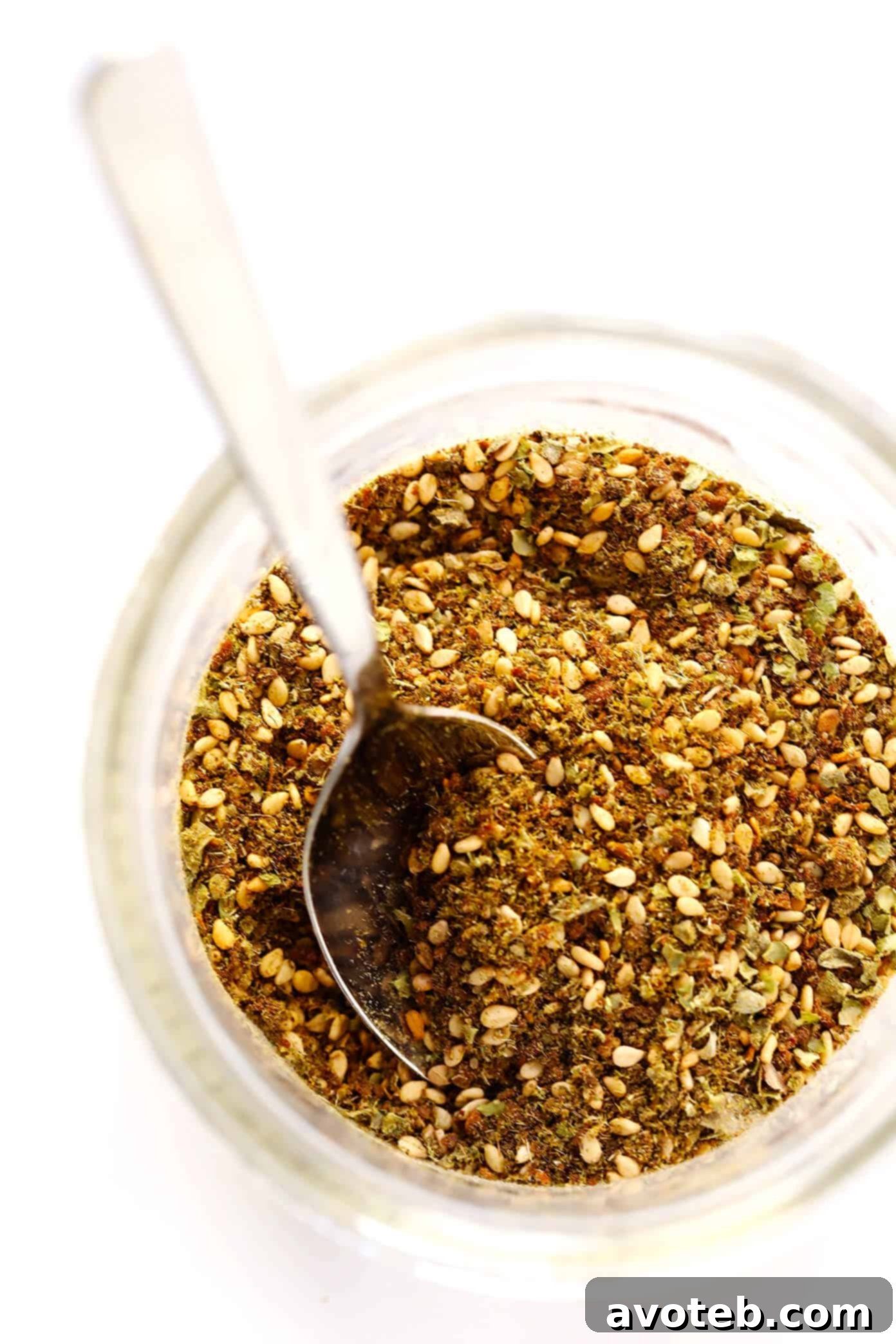
Unlock a World of Flavor: Your Essential Guide to Homemade Za’atar Seasoning
Are you ready to elevate your culinary creations with an unforgettable aromatic touch? If your spice rack doesn’t yet boast a jar of Za’atar, it’s time to embark on a delightful journey to craft your very own homemade batch. This quintessential Middle Eastern herb and spice blend has been a cherished staple in kitchens across the globe for centuries, and for good reason. Its earthy, savory, and subtly tangy profile pairs beautifully with an astonishing array of dishes, transforming everyday meals into extraordinary feasts.
For years, Za’atar has been my secret weapon in the kitchen. Its unique ability to enhance flavors makes it incredibly versatile. Imagine perfectly roasted chicken, flaky fish, or succulent shrimp, all brought to life with a generous sprinkle of this magical blend. Picture vibrant roasted vegetables, crispy potatoes, or wholesome chickpeas, each bite bursting with savory goodness. Beyond mains and sides, Za’atar effortlessly elevates creamy hummus, rich tahini dip, smoky baba ganoush, refreshing salads, hearty lentil soups, briny olives, and even simple popcorn. The combination of Za’atar with carbohydrates, especially warm bread or pita chips, is truly a match made in culinary heaven.
Having been introduced to Za’atar by a dear friend years ago, I quickly became captivated by its charm. While pre-made blends can be convenient, crafting your own Za’atar from scratch offers unparalleled freshness and the freedom to customize the flavors to your exact preference. After much experimentation and fine-tuning the proportions, I’ve finally perfected a recipe that I believe captures the authentic essence of this beloved blend, all while being incredibly simple to prepare right in your own kitchen. Let’s dive in and create some Za’atar magic!
What Exactly is Za’atar Seasoning? Unveiling a Middle Eastern Treasure
At its heart, Za’atar (pronounced “zah-tahr”) is far more than just a spice blend; it’s a culinary legacy deeply woven into the fabric of Middle Eastern culture. The word itself traditionally refers to a family of aromatic herbs, most notably wild thyme (Origanum syriacum or Thymbra spicata), indigenous to the region. However, in common usage today, Za’atar primarily signifies the iconic spice mixture that bears its name.
The precise composition of Za’atar can vary slightly from country to country, and even from household to household, reflecting the rich diversity of culinary traditions across the Middle East. Some blends might lean heavily on tangy sumac, while others emphasize nutty sesame seeds or specific regional herbs. Despite these minor variations, the core flavor profile remains consistently irresistible – a harmonious balance of earthy, herbal, tangy, and nutty notes that awakens the palate. It’s a taste that evokes ancient markets, sun-drenched landscapes, and the warmth of shared meals. Beyond its delicious taste, Za’atar also holds cultural significance, often served at breakfast with olive oil and bread, symbolizing hospitality and nourishment, and frequently accompanying traditional dishes across the Levant.
The Essential Ingredients of Authentic Za’atar
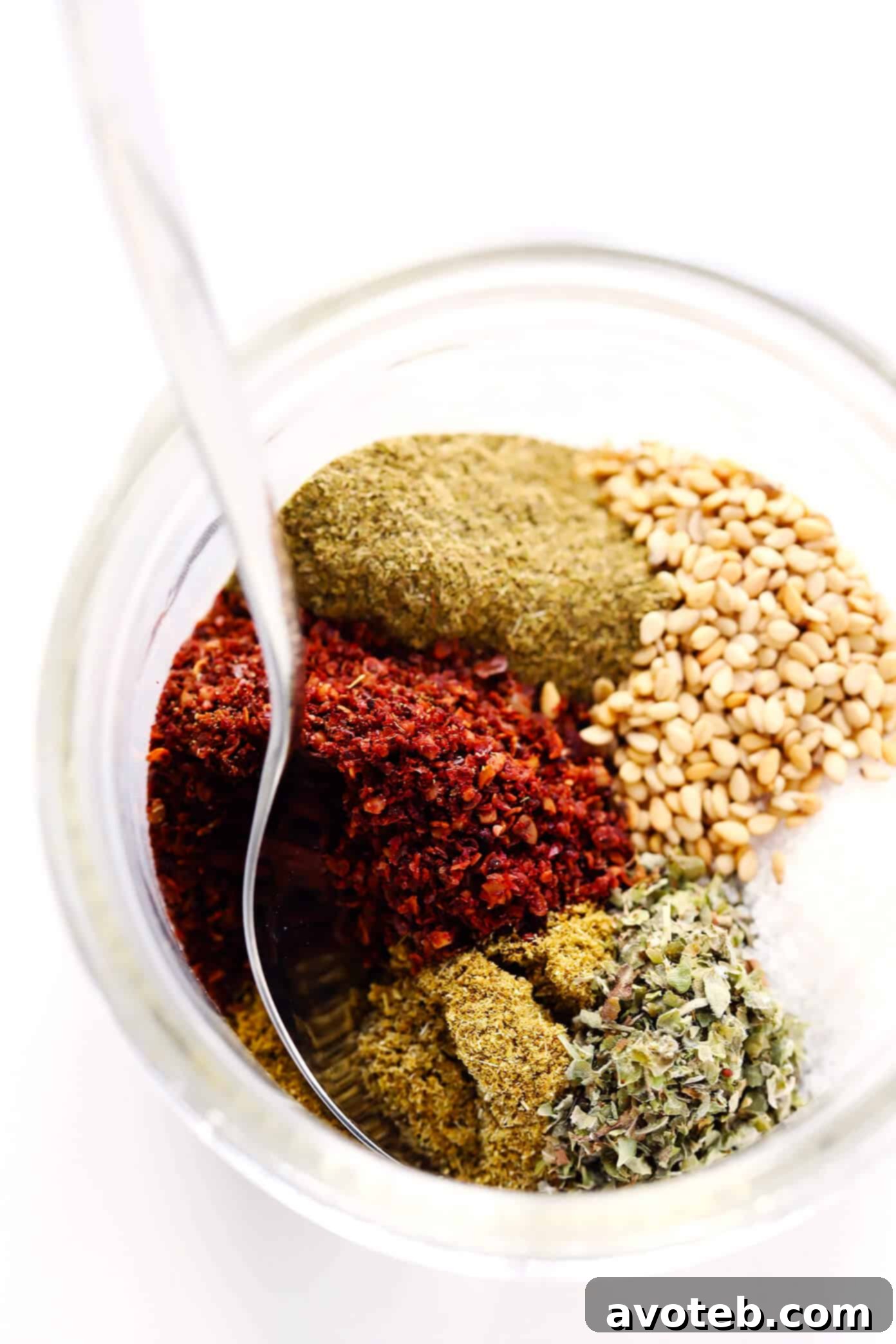
Crafting your own Za’atar allows you to appreciate the individual contributions of each ingredient to the overall symphony of flavor. While flexibility is part of the charm, three main components form the backbone of any traditional Za’atar blend:
- Thyme: The Aromatic Heart
As its namesake suggests, thyme is the undeniable star. Traditionally, wild za’atar herb is used, which possesses a more robust and peppery flavor than common garden thyme. Since true wild za’atar can be challenging to source outside its native region, high-quality dried thyme makes an excellent and readily available substitute. For an authentic texture and intensified aroma, it’s ideal to use ground thyme. You can either purchase it pre-ground or achieve this by gently crushing dried thyme leaves with a mortar and pestle. If neither ground thyme nor a mortar and pestle are on hand, don’t fret! Simply adding a little extra regular dried thyme will still yield a wonderfully flavorful blend, albeit with a slightly different texture. The key is to ensure your thyme is fresh and fragrant, as it forms the foundational herbal note of the blend, contributing a subtle earthiness and savory depth. - Sumac: The Tangy Brightener
Sumac is a truly remarkable spice derived from the dried and ground berries of the sumac bush. Its vibrant reddish-purple hue is matched by its distinctive flavor profile: tart, lemony, and slightly fruity, without the sharp acidity of citrus. Sumac is a cornerstone of Middle Eastern and Mediterranean cooking, used to add a bright, zesty counterpoint to rich dishes. In Za’atar, it provides that essential tangy lift that cuts through the earthiness of the thyme and the richness of the sesame seeds, creating a beautifully balanced and complex taste experience. It’s what gives Za’atar its characteristic zing and helps to brighten other flavors. - Toasted Sesame Seeds: The Nutty Crunch
These tiny seeds bring a delightful nutty flavor and a pleasing textural contrast to the blend. Toasting the sesame seeds before incorporating them is a crucial step that unlocks their full aromatic potential and deepens their flavor. The gentle heat brings out their inherent oils, transforming them from subtle to wonderfully fragrant and rich. Make sure they are lightly toasted to a golden hue, as over-toasting can result in bitterness. Their slight crunch adds another layer of complexity to the Za’atar, making each bite more engaging and adding a satisfying mouthfeel.
While these three are the pillars, many regional variations also include other complementary spices. My personal preference includes the warm, earthy notes of cumin and the subtle, slightly sweet undertones of marjoram. A pinch of good quality sea salt and freshly ground black pepper also helps to round out and amplify all the flavors within the blend. Feel empowered to experiment with these optional additions to tailor the Za’atar to your palate – perhaps a hint of oregano, a touch of coriander, or a whisper of dried mint. The beauty of homemade Za’atar lies in its customizability, allowing you to create a blend that perfectly suits your taste preferences.
Za’atar Seasoning Recipe
This classic Middle Eastern Za’atar recipe is perfect for seasoning everything from breads to proteins, vegetables, dips and more. Feel free to adjust the seasonings to taste.
- Prep Time: 5 minutes
- Total Time: 5 minutes
- Yield: About 1/3 cup
Print Recipe
Ingredients:
- 1 tablespoon ground cumin
- 1 tablespoon ground* dried thyme
- 1 tablespoon sumac
- 1 tablespoon toasted sesame seeds
- (optional) 2 teaspoons dried marjoram
- 1 teaspoon fine Kosher salt
- 1 teaspoon freshly-ground black pepper
Instructions:
- Combine all ingredients in a small bowl and stir until thoroughly combined.
- For quick blending, you can also place all ingredients into a clean spice jar, seal it tightly, and shake vigorously until blended.
- Use immediately to flavor your favorite dishes, or store in a sealed, airtight container for future use.
Notes:
*If using traditional dried thyme (that is not ground), add in an extra 2 teaspoons dried thyme to achieve a similar flavor intensity and volume. Gently crushing the dried leaves between your fingers before adding them can help release more of their essential oils and aroma.
For the best flavor, ensure your sesame seeds are lightly toasted. You can achieve this by spreading them in a dry pan over medium-low heat. Stir constantly for 3-5 minutes until they become fragrant and turn a pale golden color. Be careful not to over-toast, as they can quickly become bitter.
Countless Culinary Applications: How to Use Your Homemade Za’atar
The beauty of Za’atar lies in its boundless versatility. Once you have a fresh batch, you’ll find yourself reaching for it constantly to add a Middle Eastern flair to almost any meal. Here are some of my favorite ways to incorporate this incredible spice blend into your daily cooking, turning simple dishes into vibrant, flavorful experiences:
- Meats, Fish, and Seafood:
- Rubs and Marinades: Za’atar excels as a dry rub for chicken (especially wings and drumsticks), lamb, or beef before grilling, roasting, or pan-frying. For an incredible marinade, mix it with good quality olive oil, a squeeze of fresh lemon juice, and minced garlic to infuse proteins with amazing depth.
- Fish Fillets: Sprinkle liberally over white fish like cod or tilapia, or rich salmon fillets before baking or pan-searing. The tangy sumac in Za’atar complements seafood’s delicate flavors beautifully, adding brightness without overpowering.
- Shrimp & Prawns: Toss fresh shrimp with Za’atar and a splash of olive oil, then quickly sauté or grill them for a flavorful appetizer or a light, aromatic main course.
- Vegetables: From Roasted to Sautéed:
- Roasted Veggies: This is an absolute must-try! Drizzle your favorite vegetables—broccoli, cauliflower, carrots, bell peppers, zucchini, hearty potatoes, or sweet potatoes—with olive oil, then sprinkle generously with Za’atar before roasting until tender, caramelized, and fragrant.
- Grilled & Sautéed: Add Za’atar to mushrooms, onions, or eggplant as you sauté them in a pan. It also works wonders on grilled asparagus, corn on the cob, or even a simple side of green beans.
- Salad Topping: Enhance fresh garden salads or grain bowls with a light sprinkle of Za’atar for an instant burst of complex flavor.
- Legumes & Grains: Wholesome Enhancements:
- Roasted Chickpeas: For a healthy and incredibly addictive snack, toss cooked chickpeas with olive oil and Za’atar, then roast them until wonderfully crispy and golden.
- Lentil Soup: Stir a generous spoonful into lentil soups, stews, or even a simple bowl of cooked lentils for a rich, aromatic, and comforting touch.
- Quinoa & Rice: Mix Za’atar into cooked quinoa, couscous, or rice for a delightful Middle Eastern-inspired side dish that pairs well with most main courses.
- Dips & Spreads: The Ultimate Mezze Companion:
- Hummus & Baba Ganoush: No mezze platter is complete without Za’atar. Drizzle a generous amount of extra virgin olive oil over your homemade or store-bought hummus or smoky baba ganoush, then liberally sprinkle Za’atar on top for an authentic presentation and incredible flavor boost.
- Labneh & Yogurt Dips: Swirl Za’atar into creamy labneh (strained yogurt) or plain Greek yogurt for a simple, tangy, and savory dip that’s perfect with pita or fresh vegetables.
- Tahini Sauce: Enhance your tahini sauce, often served with falafel or shawarma, by mixing in a pinch of Za’atar for added depth and complexity.
- Breads & Baked Goods: A Match Made in Heaven:
- Za’atar Bread (Manakish): Experience the classic way to enjoy Za’atar! Drizzle pita bread or flatbread with olive oil, sprinkle generously with Za’atar, and bake until warm and slightly crispy. Serve as a delicious appetizer or a traditional breakfast item.
- Avocado Toast: Elevate your morning avocado toast with a thoughtful sprinkle of Za’atar, a pinch of flaky sea salt, and a final drizzle of olive oil for an gourmet touch.
- Focaccia & Rolls: Incorporate Za’atar directly into your bread dough or sprinkle it lavishly on top of focaccia, dinner rolls, or even homemade crackers before baking for an aromatic crust.
- Snacks & Beyond:
- Popcorn: Forget plain butter! Toss freshly popped popcorn with a little melted butter or olive oil and a generous sprinkle of Za’atar for an incredibly addictive and unique snack that will surprise and delight.
- Olives: Marinate your favorite olives with Za’atar, olive oil, and a touch of orange zest or a few red pepper flakes for an enhanced appetizer perfect for entertaining.
- Eggs: Sprinkle Za’atar over scrambled eggs, fried eggs, or an omelet for a delightful breakfast twist that adds a burst of Middle Eastern flavor to your morning.
- Salad Dressings & Vinaigrettes: Whisk Za’atar into your favorite homemade vinaigrette for a refreshing and aromatic salad dressing with a distinct Middle Eastern flair.
Storage Tips for Your Homemade Za’atar
To preserve the freshness, potency, and vibrant flavor of your homemade Za’atar, proper storage is paramount. Once your blend is complete, transfer it immediately into an airtight container, such as a glass spice jar with a tight-fitting lid. Store it in a cool, dark place, away from direct sunlight, heat, and humidity, as these elements can rapidly degrade the delicate essential oils and aromatic compounds in the spices.
While Za’atar can typically last for several months (maintaining optimal freshness for up to 3 months), its aroma and taste will be most vibrant and impactful in the first few weeks after blending. For larger batches or if you don’t use Za’atar frequently, consider making smaller portions more often to ensure you’re always enjoying its peak flavor. You might also label your container with the date of preparation to keep track of its freshness.
Embrace the Flavor: Your Kitchen’s New Essential
Armed with this comprehensive guide and your freshly mixed Za’atar, you’re ready to explore a world of incredible flavors and culinary possibilities. From its ancient roots in Middle Eastern cuisine to its boundless modern versatility, Za’atar is more than just a seasoning – it’s an invitation to savor the rich heritage and vibrant tastes of a storied culinary tradition. Experiment with it, enjoy its transformative power, and let this aromatic blend inspire countless delicious and memorable meals in your kitchen. Happy cooking!