
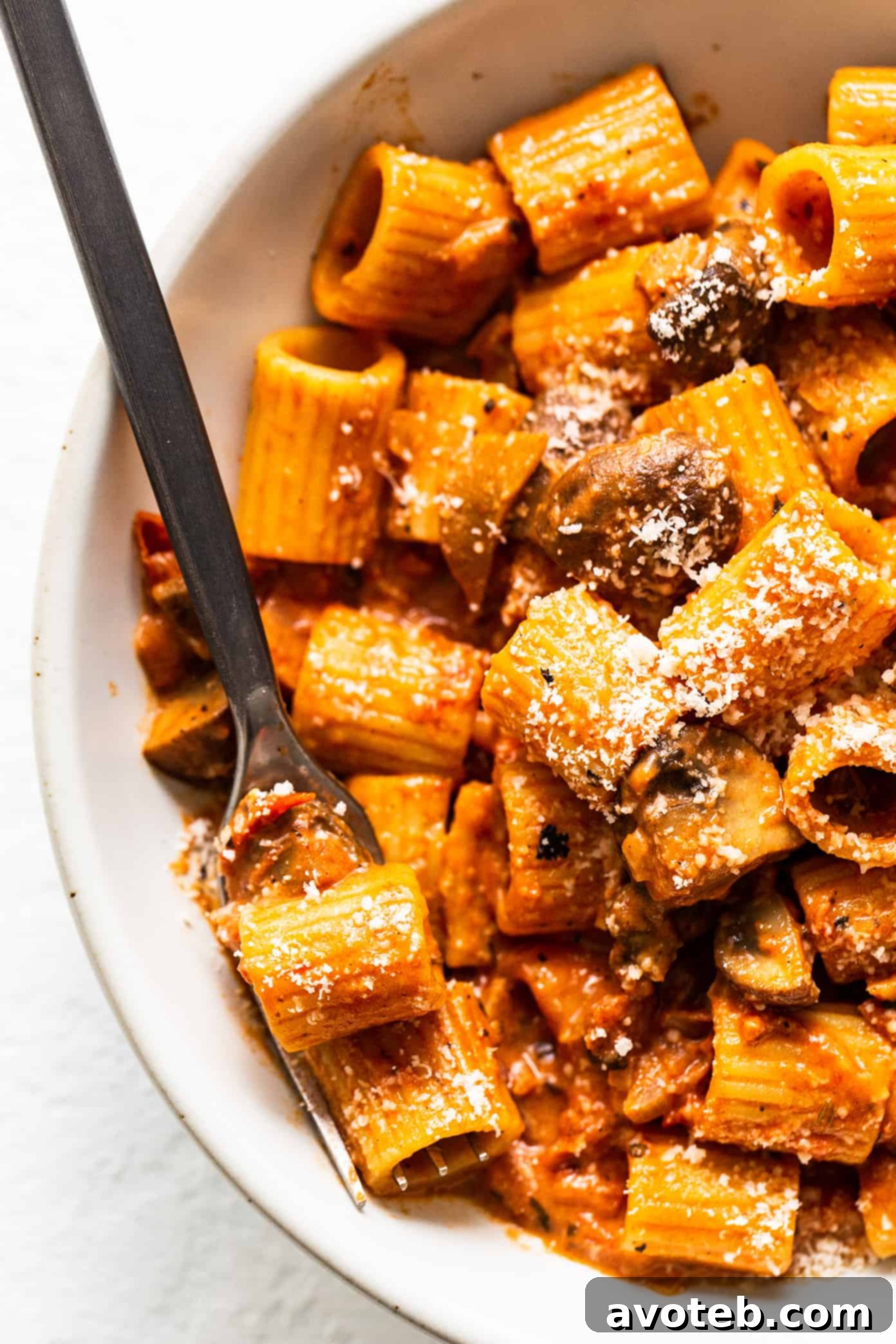
Pasta alla Boscaiola, often translated as “woodsman-style pasta,” is a celebrated Italian classic that brings the rustic flavors of the forest to your plate. This incredibly satisfying dish features a harmonious blend of earthy mushrooms and savory bacon (or pancetta) lovingly tossed with al dente pasta in a velvety garlic-herb tomato cream sauce. It’s a symphony of textures and tastes: rich, smoky, creamy, and undeniably comforting, embodying the very essence of Italian culinary tradition.
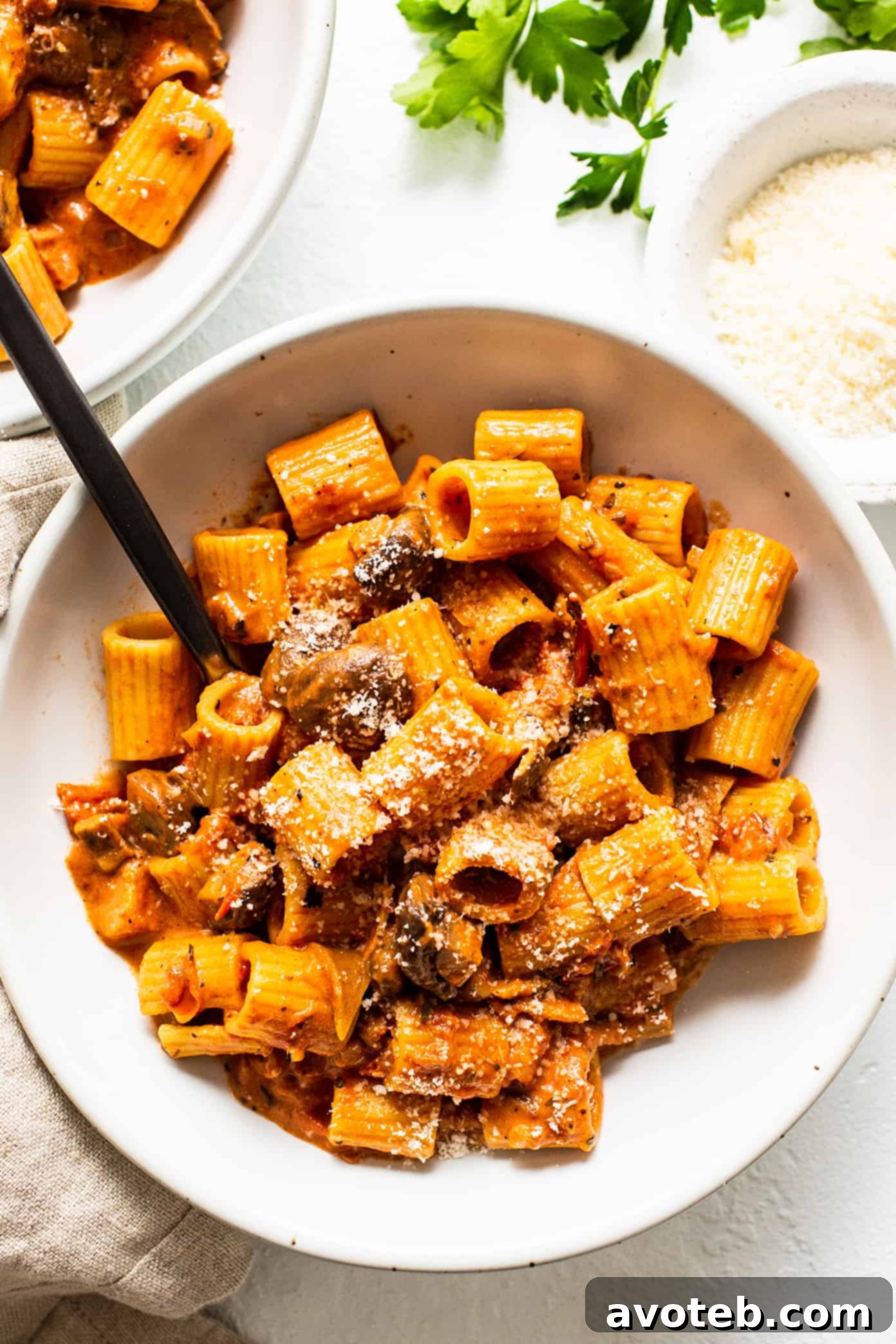
If there was one pasta dish that could encapsulate all my favorite flavors and textures, Pasta alla Boscaiola would undoubtedly be it. Its hearty character and sophisticated yet approachable taste make it a staple in our home, bringing a touch of Tuscan warmth to any meal. Despite its widespread popularity in Italy, I confess I only discovered this enchanting “woodsman’s pasta” a few years ago. The moment I perused its ingredient list on the menu of a charming artisan pasta shop in our neighborhood, I knew instantly that this dish was destined to be a lifelong favorite. Just imagine: a generous medley of mushrooms, including the revered porcini, combined with the delightful chew of diced pancetta (or bacon, or even Italian sausage), perfectly sautéed shallots and garlic, and the aromatic freshness of rosemary and thyme. All of this comes together, embracing perfectly cooked pasta in a luscious white wine tomato cream sauce, finished with a scattering of freshly grated Parmesan cheese. Pure bliss!
This recipe for Pasta alla Boscaiola is unapologetically rich and indulgent, bursting with profound mushroom flavor that is both rustic and refined. While Italy boasts countless regional variations of pasta alla boscaiola, each with its own unique twist, the specific version I’m eager to share with you today has become my absolute personal favorite. It strikes the perfect balance between traditional elements and readily available ingredients, making it achievable for home cooks everywhere.
The name boscaiola itself offers a glimpse into the dish’s origins, translating to “woodcutter” or “woodsman-style.” Traditionally, boscaiola sauces were crafted using wild, foraged mushrooms — a nod to the ingredients woodsmen would gather from the forest. Living in the bustling city center of Barcelona, far from any readily accessible forest for foraging, fresh wild mushrooms can be a rare find. Therefore, my rendition thoughtfully incorporates fresh baby bella mushrooms alongside dried porcini mushrooms. This combination is not only more accessible year-round but also brings an incredible depth of umami to the sauce. Dried porcinis are a true culinary gem in this recipe; once rehydrated in hot vegetable broth, they are chopped and added to the pasta, while their rich, mushroom-infused broth is incorporated into the sauce. This dual use amplifies the earthy, savory notes of the dish, creating an unparalleled flavor profile that will leave you wanting more.
For the meat component, I find that salty, delightfully chewy diced pancetta truly elevates this dish. However, for those who prefer a smokier essence, thick-cut bacon is an excellent substitute, and even crumbled Italian sausage would integrate beautifully. The versatility of Pasta alla Boscaiola is one of its many charms. Should you prefer to create a vegetarian masterpiece, simply omit the meat, and rest assured, the resulting dish will be just as delicious and satisfying. The robust mushroom and herb base, coupled with the creamy tomato sauce, stands wonderfully on its own. Furthermore, I’ve outlined several other variations to accommodate dietary preferences or incorporate different traditional add-ins often found in various parts of Italy, such as making it gluten-free or experimenting with other vegetables. No matter which path you choose, this recipe is incredibly forgiving, and you truly can’t go wrong.
At its heart, Pasta alla Boscaiola is the epitome of comfort food – a dish that has quickly risen to become a beloved favorite in our household. Its rustic elegance and deeply satisfying flavors make it perfect for a cozy weeknight dinner or a special gathering. So, gather your favorite mushrooms, embrace the spirit of the woodsman, and let’s embark on this culinary journey together!
Understanding Pasta alla Boscaiola: Origins and Flavor Profile
Before diving into the full recipe, let’s explore some fascinating insights into this iconic Italian pasta dish. Once again, we have Italy, with its boundless culinary heritage and rich food traditions, to thank for this remarkable gem.
- Pronunciation: To truly appreciate its Italian roots, it’s pronounced boh-skahy-OH-lah. Mastering the pronunciation adds to the authentic experience of enjoying this dish.
- Meaning: Boscaiola translates to “woodcutter” or “lumberjack” in Italian (or, in its feminine form, it often referred to a woodcutter’s wife). The dish’s name is a romantic ode to its purported origins, drawing inspiration from the wild mushrooms, fresh herbs, and various vegetables that lumberjacks would gather from the forest floor and bring home to their families. Today, while countless variations of boscaiola sauces exist across Italy, the term universally signifies a sauce featuring mushrooms, often those foraged from natural woodlands.
- Origin: Pasta alla Boscaiola is widely believed to have originated in the lush, forested regions of Tuscany and Emilia-Romagna in Italy. These areas, rich in natural bounty, provided the ideal setting for a dish celebrating the rustic charm of forest-derived ingredients. However, its irresistible appeal has led to its spread, and delightful variations can now be savored throughout the entire country.
- Regional Differences: While mushrooms remain the constant, defining element of any true pasta alla boscaiola, there is no single, codified recipe across Italy. Regional interpretations, and even those found from one trattoria to another, can vary significantly. Some versions might emphasize fresh tomatoes, while others prefer sun-dried. Cream might be a central component in some, while others opt for a lighter touch. Additional ingredients like peas, olives, or various other seasonal vegetables are frequently incorporated. Similarly, the choice of cured meat can differ, with Italian sausage sometimes taking the place of pancetta or bacon. These variations highlight Italy’s incredible culinary diversity and the adaptability of this beloved dish.
Crafting Your Boscaiola: Essential Ingredients
To prepare this exquisite pasta alla boscaiola, you’ll need a selection of high-quality ingredients. Here are a few important notes to guide your preparation and ingredient choices:
- Fresh Mushrooms: My preference for this recipe leans towards baby bella mushrooms due to their wide availability and robust flavor, easily found in most grocery stores. However, to truly embrace the “woodsman” spirit, a medley of fresh wild mushrooms would be an absolutely exquisite and more traditional choice, if you have access to them. Imagine the added layers of flavor from chanterelles or oyster mushrooms!
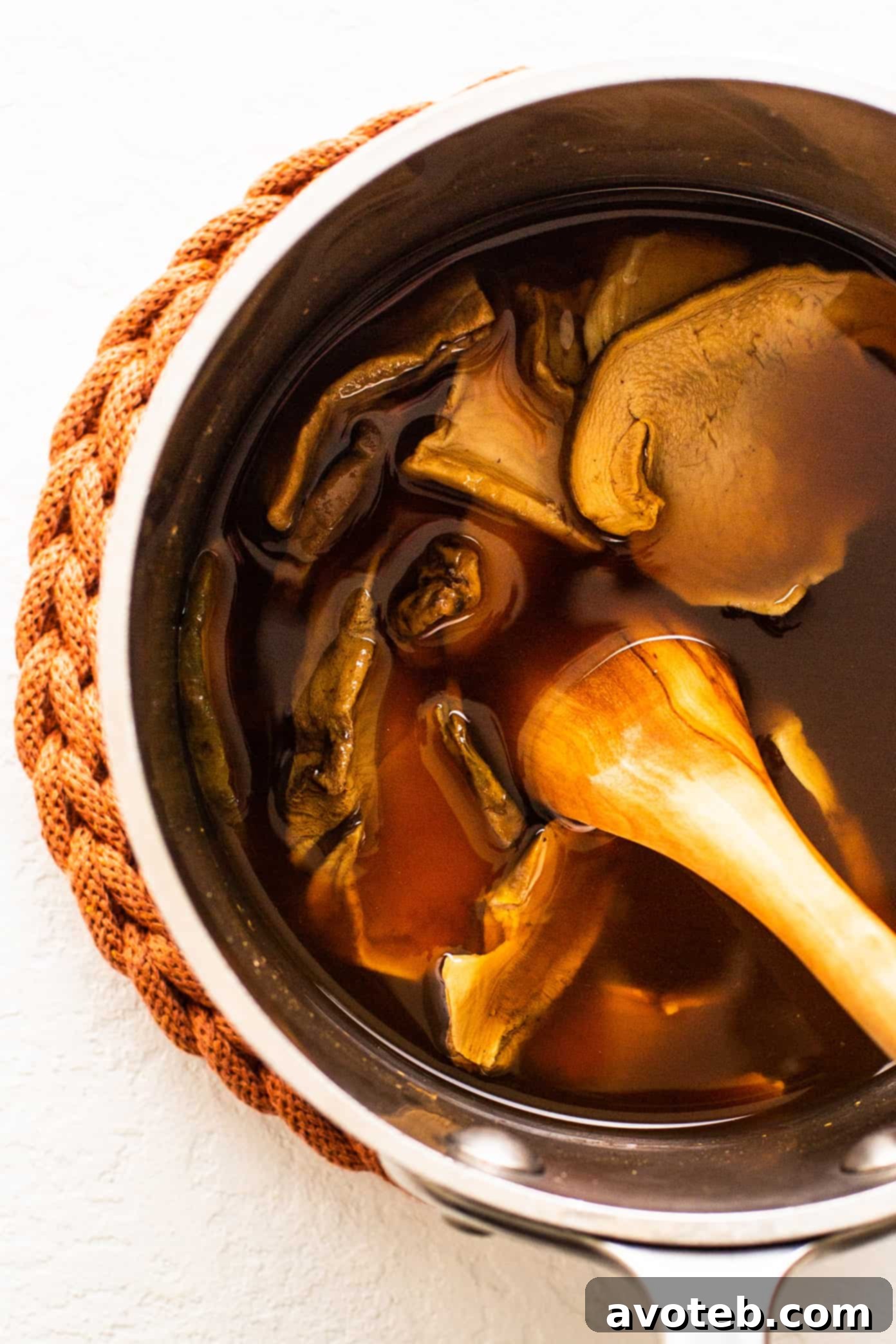
- Dried Porcini Mushrooms: These are a non-negotiable component for achieving that signature deep, earthy flavor. You’ll need approximately one ounce of these cherished Italian fungi. I typically purchase them dried and rehydrate them in hot vegetable broth until they become wonderfully tender. The true genius of using dried porcini lies in their dual contribution: the rehydrated mushrooms are finely chopped and incorporated into the sauce, while the rich, umami-laden broth they steeped in also gets added, intensifying the mushroom essence of the entire dish.
- Vegetable Broth: Essential for rehydrating the porcini mushrooms and adding body to the sauce. While vegetable broth is my go-to for its complementary flavors, chicken or even a light beef stock can also be used, depending on your preference.
- Pancetta (or Thick-Cut Bacon): I adore the savory depth and satisfying chew of finely diced pancetta in this recipe. Its cured, slightly salty notes provide a wonderful contrast to the mushrooms. If you’re seeking a more pronounced smoky flavor, high-quality thick-cut bacon makes an excellent alternative.
- Shallots and Garlic: These aromatic powerhouses form the flavor base of our sauce. We’ll use a generous amount of finely-chopped shallots and minced garlic, sautéing them until fragrant. Cooking them in the rendered pancetta grease infuses them with an extra layer of irresistible savory flavor.
- Fresh Herbs: Fresh rosemary and thyme are the ideal companions for the mushrooms, their earthy, piney notes harmonizing beautifully with the other ingredients. These fresh herbs brighten the dish and add a wonderful aromatic complexity.
- Seasonings: A pinch of crushed red pepper flakes introduces a subtle warmth and gentle heat, balancing the richness of the cream. Fine sea salt and freshly-cracked black pepper are, of course, essential for seasoning to taste, enhancing all the individual flavors.
- Dry White Wine: A good quality dry white wine (such as Pinot Grigio or Sauvignon Blanc) is used to deglaze the pan, lifting all those flavorful browned bits from the bottom and adding a crucial layer of acidity and depth to the sauce. If you prefer to cook without alcohol, a substitution note is provided below.
- Tomatoes: Our luscious tomato cream sauce relies on a combination of crushed tomatoes and tomato paste. Fire-roasted crushed tomatoes, if available, will lend a subtle smokiness and sweetness that beautifully complements the other flavors. Tomato paste concentrates the tomato flavor, adding richness and body.
- Pasta: While I opted for the delightful crevices of mezzi rigatoni, which are excellent for catching the rich sauce, this recipe is incredibly versatile regarding pasta shape. Feel free to use your preferred pasta, whether it’s penne, tagliatelle, fettuccine, or even a wider pappardelle for a more rustic feel.
- Heavy Cream: A generous pour of heavy cream is the secret to achieving that wonderfully silky, indulgent texture for our sauce. For a slightly lighter option, half-and-half can be used, though it will result in a less rich sauce.
- Parmesan: No Italian pasta dish is complete without a generous final flourish! Freshly-grated Parmesan cheese, with its salty, nutty notes, is absolutely essential for topping each serving, adding a final layer of savory goodness.
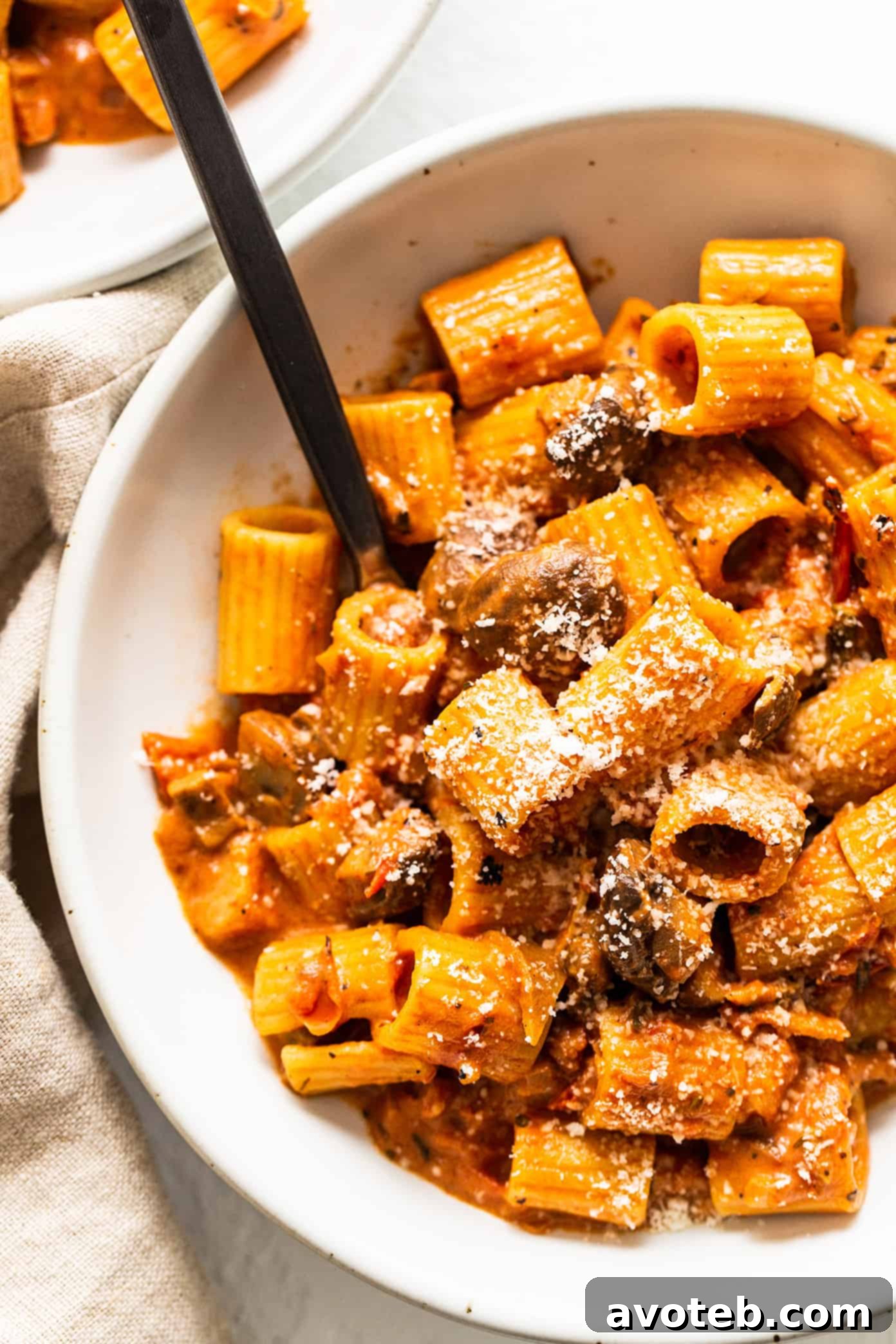
Pasta Boscaiola: The Recipe
Get ready to create a truly memorable meal with this detailed recipe for Pasta alla Boscaiola. This dish is designed to be a comforting and flavorful experience from start to finish.
Pasta Boscaiola
5 from 18 reviews
-
Author: Ali
-
Prep Time: 20 mins
-
Cook Time: 40 mins
-
Total Time: 1 hour
-
Yield: 4 to 6 servings
Description
Pasta alla Boscaiola (“woodsman-style pasta”) features a rich blend of mushrooms and bacon tossed with pasta in a silky garlic-herb tomato cream sauce. See notes above for potential ingredient variations.
Ingredients
- 3 cups vegetable broth
- 1 ounce dried porcini mushrooms
- 6 ounces pancetta (or thick-cut bacon), finely diced
- 8 ounces baby bella mushrooms, quartered
- 3 shallots, finely chopped
- 5 cloves garlic, minced
- 2 tablespoons finely-chopped fresh rosemary
- 2 teaspoons fresh thyme leaves
- 1/2 teaspoon crushed red pepper flakes
- fine sea salt and freshly-cracked black pepper
- 1 cup dry white wine
- 1 (15-ounce) can fire-roasted crushed tomatoes
- 3 tablespoons tomato paste
- 1 pound uncooked pasta (I used mezzi rigatoni)
- 3/4 cup heavy cream
- freshly-grated Parmesan, for topping
Instructions
- Soften the mushrooms. In a medium saucepan, combine the broth and dried porcini mushrooms. Bring the mixture to a simmer over high heat. Once simmering, reduce the heat to low, cover, and allow it to simmer for about 15 minutes, or until the mushrooms are tender and plump.
- Prepare the pasta water. Concurrently, bring a large pot of generously-salted water to a rolling boil. This will be used to cook your pasta.
- Fry the pancetta. While the porcini mushrooms simmer and pasta water heats, cook the finely diced pancetta in a large saucepan over medium-high heat. Stir occasionally, allowing it to cook for approximately 3-5 minutes, until the fat has rendered and the pancetta is crispy. Using a slotted spoon, transfer the cooked pancetta to a clean plate and set it aside. Leave about 1.5 tablespoons of the rendered pancetta grease in the pan, discarding any excess. (If you find there isn’t enough grease, a small amount of olive oil can be added at any point during the sautéing of vegetables.)
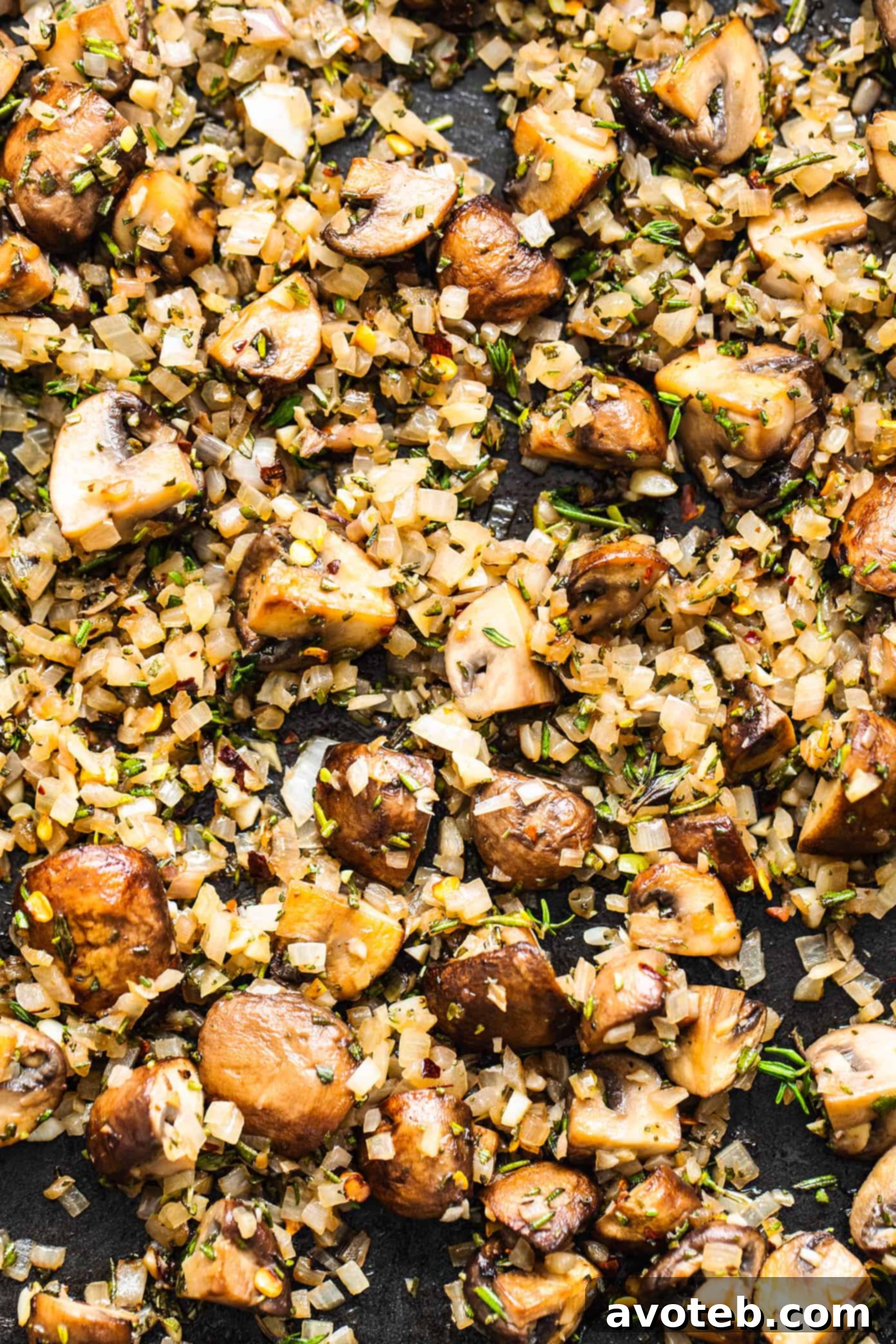
- Sauté the vegetables. Add the quartered baby bella mushrooms to the same pan with the pancetta grease. Sauté, stirring occasionally, until the mushrooms are beautifully browned and tender. Next, add the finely chopped shallots, minced garlic, fresh rosemary, fresh thyme leaves, crushed red pepper flakes, and a few twists of freshly-cracked black pepper. Continue to sauté for another 3 minutes, stirring frequently, until the shallots soften and the aromatics are fragrant.
- Deglaze and build the sauce. Gradually pour in the dry white wine, using a wooden spoon to vigorously scrape up any browned bits that have accumulated at the bottom of the pan. This step, known as deglazing, adds incredible depth of flavor. Stir in the crushed tomatoes and tomato paste, mixing well to combine. Finally, add the reserved cooked pancetta back into the sauce.
- Incorporate the porcini. Meanwhile, carefully transfer the softened porcini mushrooms from the saucepan to a cutting board. Roughly chop them into bite-sized pieces. Add the chopped porcini mushrooms to the tomato sauce. Measure out 1 ½ cups of the porcini broth (the liquid used to rehydrate them). It’s crucial to filter this broth through a fine-mesh strainer before adding it to the sauce to ensure no grit or sediment from the dried mushrooms makes its way into your dish.
- Simmer to perfection. Reduce the heat to medium-low. Allow the sauce to gently simmer for approximately 15 minutes. This simmering period allows the flavors to meld and deepen, and conveniently coincides with the pasta cooking time.
- Cook the pasta. Once the sauce is simmering, add your chosen pasta to the boiling, salted water. Cook according to package directions until it is just 1 minute shy of al dente. Before draining, reserve 1 cup of the starchy pasta water. This starchy liquid is a chef’s secret weapon, perfect for adjusting the sauce’s consistency later. Then, drain the pasta thoroughly.
- Finish the pasta. Stir the heavy cream into the simmering tomato sauce, creating a rich and velvety texture. Transfer the drained, slightly undercooked pasta directly into the large stockpot with the sauce. Gently toss the pasta with the sauce for 1-2 minutes, allowing it to finish cooking and absorb all the wonderful flavors, reaching that perfect al dente texture. If the sauce appears too thick, add a few spoonfuls of the reserved starchy pasta water at a time until the desired consistency is achieved. Taste the finished pasta and adjust seasoning with salt and pepper as needed.
- Serve immediately. Plate the Pasta alla Boscaiola generously, and finish each serving with a liberal sprinkling of freshly-grated Parmesan cheese. Enjoy this comforting and flavorful Italian classic!
Equipment
Dried Porcini Mushrooms
Buy Now →
Crushed Red Pepper Flakes
Buy Now →
Dutch Oven
Buy Now →
Notes
Source: Recipe adapted from Serious Eats and Rachael Ray.
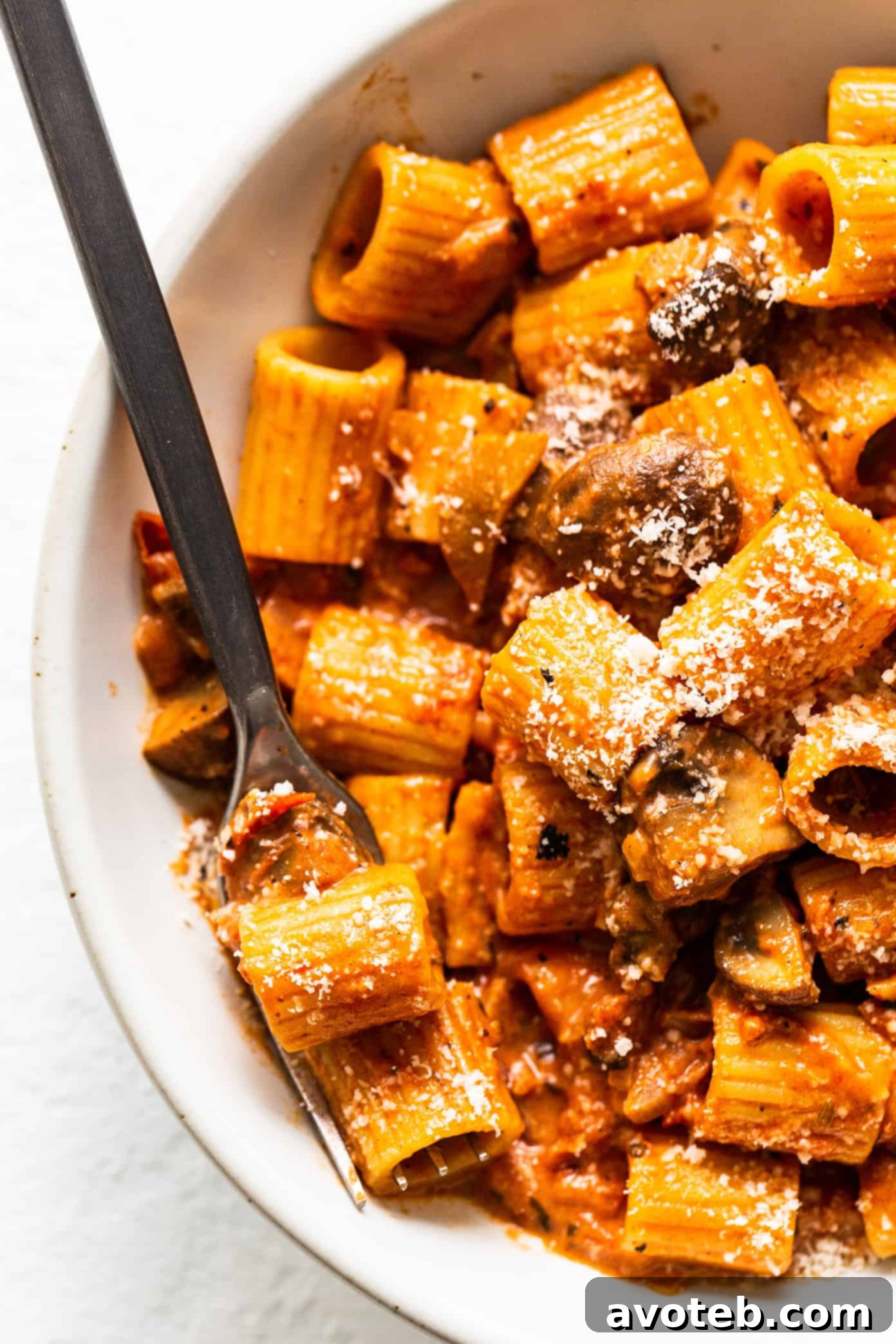
Customizing Your Pasta alla Boscaiola
One of the beauties of a classic like pasta alla boscaiola is its inherent flexibility. Feel free to adapt this recipe to suit your dietary preferences or simply to experiment with different flavor profiles:
- Vegetarian Option: To easily transform this into a vegetarian delight, simply omit the pancetta. Instead of pancetta grease, use a generous drizzle of good quality olive oil or a knob of butter to sauté your vegetables. The rich flavors of the mushrooms, herbs, and creamy tomato sauce are robust enough to create a wonderfully satisfying dish on their own.
- Gluten-Free Version: Making this recipe gluten-free is straightforward. The primary step is to substitute traditional pasta with your favorite gluten-free pasta. Ensure that the other ingredients, such as broths and sauces, are certified gluten-free by checking their labels, though most are naturally so.
- Experiment with Sausage: Many traditional Italian variations of boscaiola incorporate ground Italian sausage (mild or spicy) instead of pancetta or bacon. This adds another layer of robust, spiced flavor to the dish that is absolutely delicious and worth trying if you’re a sausage fan.
- Alcohol-Free Cooking: If you prefer to cook without alcohol, you can easily omit the white wine. In its place, add an extra cup of vegetable broth along with a splash of red wine vinegar. The vinegar will provide a touch of acidity to balance the sauce, mimicking some of the wine’s depth.
- Additional Mix-ins: Don’t hesitate to incorporate other ingredients that are traditionally found in various regional boscaiola recipes. Sweet peas, briny olives, or even sun-dried tomatoes (used in place of or in addition to crushed tomatoes for a more intense, sweet-tart flavor) can all add delightful complexity and texture.
- Amplify the Mushroom Flavor: For devoted mushroom enthusiasts, consider increasing the amount of dried porcinis. I often find myself using a 1.5-ounce package to truly intensify their deep, earthy essence, which I personally find incredibly appealing. While many packages in the States are sold in 1-ounce quantities, it’s worth seeking out a larger size if you wish. Beyond dried porcinis, enhancing the dish with a greater variety of fresh wild mushrooms instead of just baby bellas will add a more nuanced and complex mushroom profile.
More Classic Italian Pasta Recipes to Savor
If you’ve enjoyed this delightful journey into Italian cuisine with Pasta alla Boscaiola, you might be eager to explore more timeless pasta recipes that are staples in homes across Italy and around the world. Here are a few cherished favorites that consistently receive rave reviews in our kitchen:
- Pasta Carbonara: A creamy, indulgent Roman classic made with eggs, Pecorino Romano, guanciale (or pancetta), and black pepper. It’s surprisingly simple and utterly satisfying.
- Pasta Marinara: The quintessential Italian tomato sauce, simple yet bursting with flavor. Perfect for showcasing the quality of your tomatoes and a versatile base for countless dishes.
- Pasta Arrabbiata: For those who appreciate a kick, this “angry” pasta sauce features a spicy tomato base with garlic and red chili peppers. It’s bold, vibrant, and incredibly addictive.
- Pasta Aglio e Olio: The ultimate minimalist pasta dish, proving that sometimes the simplest ingredients yield the most profound flavors. Garlic and olive oil shine in this quick and elegant recipe.