
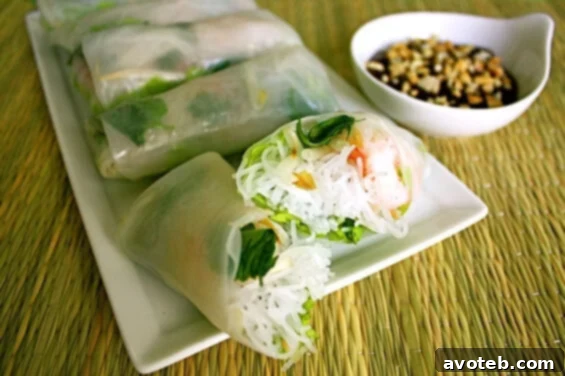
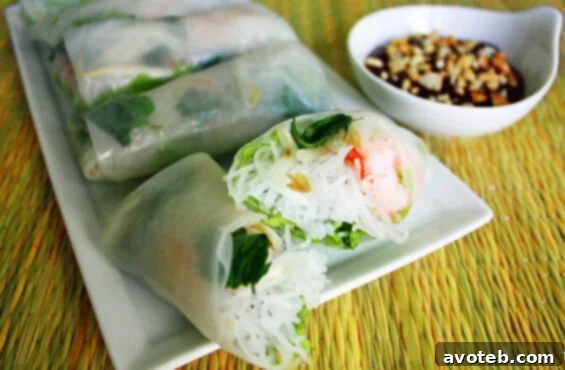
Mastering the Art of Fresh Vietnamese Spring Rolls (Gỏi Cuốn) at Home
There’s a special kind of culinary magic that happens when fresh ingredients come together in perfect harmony. For me, that magic is often found in the delicate, vibrant embrace of a fresh Vietnamese spring roll, known as Gỏi Cuốn. Every time I visit my hometown, a pilgrimage to my favorite hole-in-the-wall Vietnamese restaurant downtown is mandatory. Without fail, within moments of ordering, a plate of these exquisite rolls appears, signaling the start of a truly heavenly meal. They are not just delicious; they represent a lighter, healthier alternative to their deep-fried counterparts, offering a burst of freshness that is both satisfying and guilt-free.
The allure of these fresh spring rolls isn’t just in their taste, but also in their incredible versatility and the sheer joy they bring to any meal. Unlike the heavier, fried imperial rolls, Gỏi Cuốn celebrate the crisp textures and bright flavors of raw vegetables, aromatic herbs, tender proteins, and delicate rice vermicelli, all elegantly wrapped in translucent rice paper. This makes them an ideal choice for a refreshing appetizer, a light lunch, or even a wholesome dinner.
Why Fresh Vietnamese Spring Rolls (Gỏi Cuốn) Are a Must-Try
Fresh Vietnamese spring rolls have captivated palates worldwide, and for good reason. They are a cornerstone of Vietnamese cuisine, revered for their balanced flavors and impressive nutritional profile. Here’s why they should definitely be on your culinary radar:
- A Symphony of Freshness: Each bite is a refreshing explosion of textures and flavors. You get the crunch of lettuce and bean sprouts, the subtle chewiness of rice noodles, the savory notes of shrimp or pork, and the fragrant zest of fresh herbs like cilantro, mint, and basil. It’s a truly multi-sensory experience.
- Incredibly Healthy: If you’re looking for a meal that’s both satisfying and good for you, Gỏi Cuốn are an excellent choice. They are packed with fresh vegetables and lean protein, and unlike many appetizers, they are not deep-fried. This makes them naturally low in fat and calories, while being rich in vitamins, minerals, and fiber. They’re a perfect example of how delicious healthy eating can be.
- Dietary Flexibility: One of the greatest advantages of fresh spring rolls is their adaptability. They can easily be customized to suit various dietary needs. For vegetarians and vegans, shrimp and pork can be swapped out for marinated tofu, tempeh, or an assortment of mushrooms and extra vegetables. Gluten-free? The rice paper wrappers and vermicelli noodles are naturally gluten-free, making them accessible to a wider audience.
- Perfect for Any Occasion: Whether you’re hosting a dinner party, preparing a quick weeknight meal, or looking for a healthy snack, spring rolls fit the bill. Their vibrant appearance makes them a visually appealing dish, and their interactive nature (especially if guests roll their own) can be a fun activity.
Demystifying Homemade Spring Rolls: Easier Than You Think!
The thought of making Vietnamese spring rolls at home might seem daunting, conjuring images of intricate rolling techniques and exotic ingredients. However, I’m here to tell you that these delightful rolls are surprisingly simple to assemble, and they require far less effort than you might imagine. Don’t be intimidated by the array of fresh components; the process is straightforward, and the ingredients are readily available.
Most of what you’ll need can be found at your local grocery store. While specialty Asian markets might offer a wider selection of unique herbs or specific brands of hoisin sauce, they are by no means essential for a delicious batch of homemade spring rolls. The beauty of Gỏi Cuốn lies in their flexibility; they’re a fantastic way to utilize any leftover fresh vegetables or herbs lingering in your fridge, transforming them into a vibrant and wholesome meal. Think of it as an opportunity to get creative with what you have on hand!
Beyond the ease of preparation, making spring rolls at home offers several benefits:
- Cost-Effective: Enjoying fresh spring rolls at restaurants can add up. Preparing them at home is significantly more economical, allowing you to enjoy this beloved dish more frequently without breaking the bank.
- Customization at Your Fingertips: When you make them yourself, you have complete control over the fillings. Love extra shrimp? Add more. Prefer a specific herb? Pile it in! This level of personalization ensures every roll is tailored exactly to your taste.
- A Fun Culinary Project: Rolling spring rolls can be a delightful and interactive activity, perfect for families or a gathering of friends. It’s a hands-on experience that results in a delicious reward, fostering connection and creativity in the kitchen.
- Guaranteed Freshness: There’s nothing quite like the taste of spring rolls made with the freshest ingredients, assembled just moments before eating. The crispness of the vegetables and the potency of the herbs are at their peak.
Print Recipe
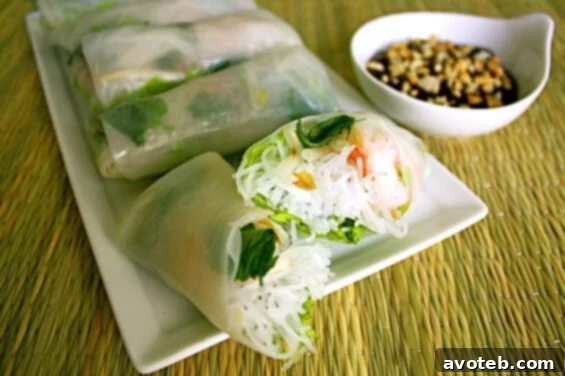
Fresh Vietnamese Spring Rolls (Gỏi Cuốn)
Prep Time: 30 minutes
Total Time: 30 minutes
Yield: 8 spring rolls 1x
Description
Discover how to craft delicious and healthy Vietnamese Fresh Spring Rolls (Gỏi Cuốn) at home with this detailed, easy-to-follow recipe. Perfect for a light meal or appetizer, complete with a savory hoisin peanut dipping sauce.
Ingredients
Scale
For the Spring Rolls:
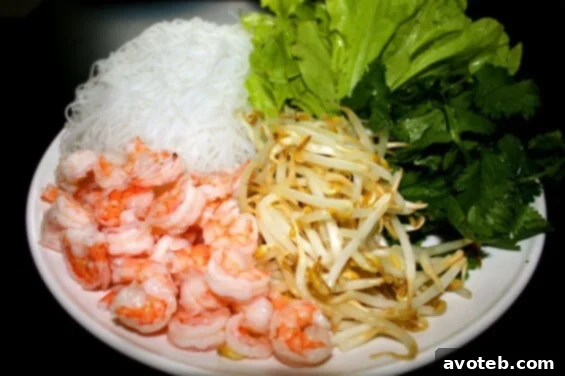
- 1 (7 oz.) package dried rice vermicelli noodles (Chinese vermicelli)
- 8 round rice paper wrappers (approximately 8.5-inch diameter)
- Fresh lettuce leaves (soft varieties like butter lettuce or green leaf work best)
- Bean sprouts, fresh and crisp
- Fresh cilantro, stems removed
- Cooked shrimp, peeled, deveined, and sliced in half lengthwise (about 12-16 medium shrimp)
- Optional additions for customization: Sliced cooked pork (pork belly or loin), julienned cucumber, shredded carrots, sliced shitake mushrooms (fresh or rehydrated), or other fresh herbs such as basil, mint, or Vietnamese coriander.
For the Hoisin Peanut Dipping Sauce:
- 1 cup hoisin sauce (adjust consistency by adding a few tablespoons of warm water if too thick)
- 1/4 cup creamy peanut butter
- 1 tbsp rice wine vinegar
- 1/2 tsp garlic powder
- 2 tbsp crushed peanuts, for garnish
Instructions
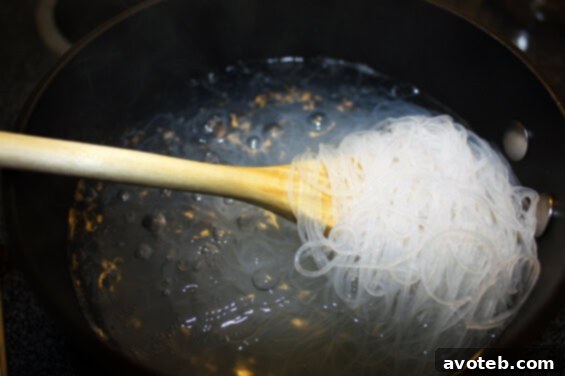
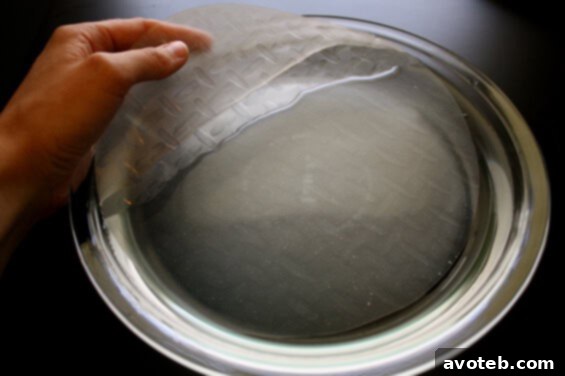
- Prepare the Rice Noodles and Wrappers: Bring a medium saucepan of water to a rolling boil. Add the dried rice vermicelli noodles and cook for 3 to 5 minutes, or until they are al dente (tender but still firm to the bite). Drain the noodles thoroughly and rinse with cold water to prevent them from sticking together. Set aside. Fill a large shallow bowl or a pie pan with warm water. This warm water is crucial for softening the rice paper wrappers. Gently dip one rice paper wrapper into the warm water for just 3-5 seconds. The wrapper should be pliable but not overly soft or sticky, as it will continue to soften as you work. Remove the softened wrapper and lay it flat on a clean, damp surface or cutting board.
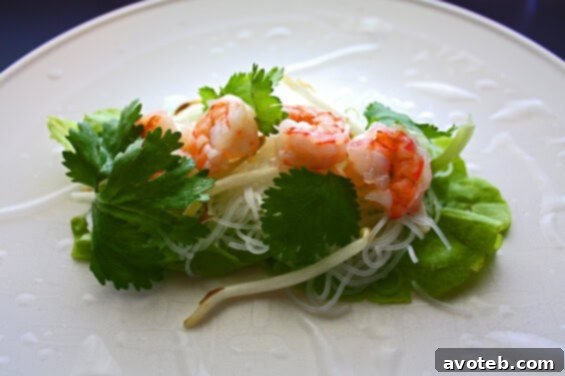
- Layer the Fillings: Now comes the creative part! Arrange your chosen fillings in a horizontal row across the center of the softened rice paper wrapper, leaving at least 2 inches of space on both the right and left sides. Start with a foundation of lettuce leaves; this layer adds structural integrity and prevents other ingredients from poking through the delicate wrapper. On top of the lettuce, evenly layer a small portion of the cooked rice noodles, followed by a few crisp bean sprouts (typically 5-8 pieces), 3-4 halves of cooked shrimp (arranged so their pink side will be visible through the wrapper), and a generous sprig of fresh cilantro. If using optional ingredients like pork, cucumber, or other herbs, layer them artistically.
- Fold and Roll the Spring Roll: Carefully fold the bottom edge of the rice paper wrapper tightly over the stacked filling. Then, fold in the right and left sides of the wrapper towards the center, ensuring all the ingredients are snugly packed inside. This step is key to creating a tight, neat roll. Finally, continue to roll the entire package upwards from the bottom, working your way to the top edge, creating a firm and compact spring roll. Repeat this process with the remaining rice paper wrappers and fillings until all your ingredients are used.
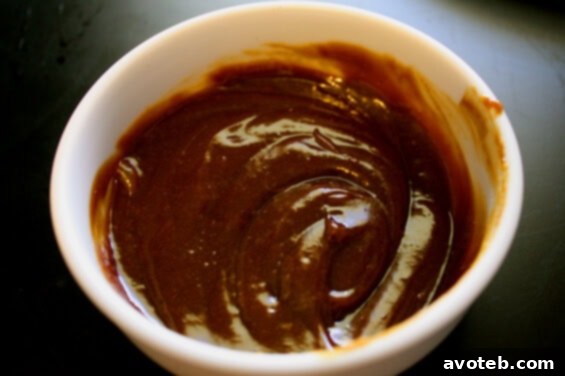
- Prepare the Hoisin Peanut Dipping Sauce: In a small bowl, whisk together the hoisin sauce, creamy peanut butter, rice wine vinegar, and garlic powder until the mixture is completely smooth and well combined. If your hoisin sauce is particularly thick, you may add a few tablespoons of warm water, one at a time, to reach your desired dipping consistency. Sprinkle the crushed peanuts on top of the sauce just before serving for added texture and flavor.
- Serve with Elegance: For an extra touch of presentation, use a sharp knife to slice each spring roll diagonally in half before serving. Arrange them artfully on a platter alongside the homemade hoisin peanut dipping sauce. Serve immediately for the best fresh flavor and texture.
The Core Components of Exquisite Spring Rolls
Understanding each element of a Vietnamese spring roll is key to mastering its creation:
- Rice Paper Wrappers: These thin, translucent rounds, made from rice flour, water, and salt, are the heart of the spring roll. When softened correctly in warm water, they become pliable and slightly sticky, holding all the fresh ingredients together. Choose wrappers that are flexible and without cracks. Avoid over-soaking, as they can become too delicate and tear easily.
- Rice Vermicelli Noodles: These thin, delicate rice noodles provide a soft, chewy texture that complements the crispness of the vegetables. Boiling them to a perfect al dente state and then rinsing them in cold water is essential to prevent them from becoming mushy and sticking together.
- Proteins: Traditionally, fresh spring rolls feature cooked shrimp and/or thin slices of cooked pork. The shrimp are often sliced lengthwise to allow their vibrant pink color to show through the wrapper, adding to the aesthetic appeal. For those seeking plant-based options, firm tofu or tempeh, lightly marinated and pan-fried, make excellent substitutes.
- Fresh Vegetables: A medley of crisp vegetables contributes essential crunch and nutrients. Soft lettuce leaves (such as butter or green leaf) form the base layer, providing structure. Fresh bean sprouts add a distinctive crispness, while julienned cucumber and shredded carrots offer refreshing flavors and vibrant colors. Bell peppers and even thinly sliced avocado can also be wonderful additions.
- Aromatic Herbs: This is where the “fresh” in “fresh spring rolls” truly shines. Cilantro provides a bright, citrusy note, while fresh mint adds a cool, invigorating zest. Thai basil offers a sweet, anise-like flavor, and Vietnamese coriander (Rau Răm) contributes a peppery, slightly citrusy aroma. The combination of these herbs elevates the entire dish, creating a complex and authentic flavor profile.
The Irresistible Hoisin Peanut Dipping Sauce
While the spring rolls themselves are magnificent, the dipping sauce is often what truly elevates the experience. The classic hoisin peanut dipping sauce is a creamy, savory, and slightly sweet concoction that perfectly complements the fresh flavors of the Gỏi Cuốn.
- Hoisin Sauce: This thick, fragrant, reddish-brown sauce is a staple in Chinese and Vietnamese cuisine. It provides the sweet and savory base for the dipping sauce, with umami notes that are distinctly Asian.
- Creamy Peanut Butter: Adds a rich, nutty depth and a velvety texture to the sauce, making it incredibly satisfying. It also helps to mellow the intensity of the hoisin.
- Rice Wine Vinegar: A splash of rice wine vinegar introduces a tangy brightness, balancing the richness of the peanut butter and the sweetness of the hoisin.
- Garlic Powder: For a subtle hint of savory garlic flavor, without the raw pungency of fresh minced garlic.
- Crushed Peanuts: Sprinkled on top, these provide a delightful textural contrast and an extra burst of nutty flavor.
To achieve the perfect consistency, ensure all ingredients are thoroughly whisked until smooth. If the sauce is too thick for dipping, simply add a tablespoon or two of warm water until it reaches your desired consistency. For an alternative, many people enjoy spring rolls with a traditional Vietnamese fish sauce dipping sauce (Nuoc Cham), offering a different, equally delicious flavor profile.
Tips for Perfect Spring Rolls Every Time
Achieving perfectly rolled spring rolls is a skill that improves with practice, but these tips will help you get started:
- Mise en Place: Prepare all your ingredients (cook noodles, chop vegetables, slice proteins) before you begin rolling. This makes the assembly process smooth and enjoyable.
- Don’t Over-soak: This is the most common mistake. Rice paper wrappers soften quickly. A quick dip is usually all that’s needed. They will continue to soften as you add fillings.
- Don’t Overfill: While it’s tempting to cram in as many delicious fillings as possible, overfilling will make your rolls difficult to close and prone to tearing. Aim for a balanced amount.
- Damp Surface is Key: Lay your softened wrapper on a slightly damp cutting board or a clean, damp kitchen towel. This prevents it from sticking excessively but still allows for easy rolling.
- Roll Tightly, But Gently: A tight roll keeps everything together, but be gentle to avoid tearing the delicate wrapper.
- Keep Them Moist: If you’re making a large batch and not serving immediately, place completed rolls on a platter covered with a damp paper towel or plastic wrap to prevent the wrappers from drying out and hardening.
Get Creative: Variations & Serving Suggestions
The beauty of Vietnamese spring rolls lies in their incredible adaptability. Don’t hesitate to experiment with different fillings to suit your preferences or to use up ingredients you have on hand:
- Vegetarian & Vegan Delights: Substitute shrimp and pork with grilled tofu, sautéed mushrooms (like oyster or shiitake), thinly sliced avocado, or even sweet potato noodles for a hearty plant-based option.
- Alternative Proteins: Try grilled chicken, shredded duck, or even imitation crab meat for different flavors.
- Add Fruits: Thinly sliced mango or star fruit can add a surprising burst of sweetness and tanginess, especially refreshing in warmer weather.
- Spice It Up: If you enjoy a kick, add a pinch of chili flakes or a dash of sriracha to your peanut dipping sauce.
- Serving: Fresh spring rolls are best enjoyed immediately after preparation. Arrange them on a platter, cut diagonally for an elegant presentation, and serve with the hoisin peanut sauce on the side. They make a fantastic appetizer for parties, a light and satisfying lunch, or a healthy addition to a larger meal.
Savor the Flavor: Your Homemade Vietnamese Culinary Journey
Making fresh Vietnamese spring rolls at home is more than just cooking; it’s an immersive culinary journey. From the vibrant colors of the fresh produce to the satisfying art of rolling and the delightful burst of flavors, every step is a pleasure. This recipe provides a solid foundation for truly delicious Gỏi Cuốn, allowing you to recreate that heavenly restaurant experience right in your own kitchen.
So, gather your ingredients, embrace the process, and prepare to impress your taste buds and your guests with these healthy, fresh, and utterly irresistible Vietnamese spring rolls. Don’t forget to share your creations! Tag us on social media with #gimmesomeoven and let us know your favorite custom additions. Happy rolling!