
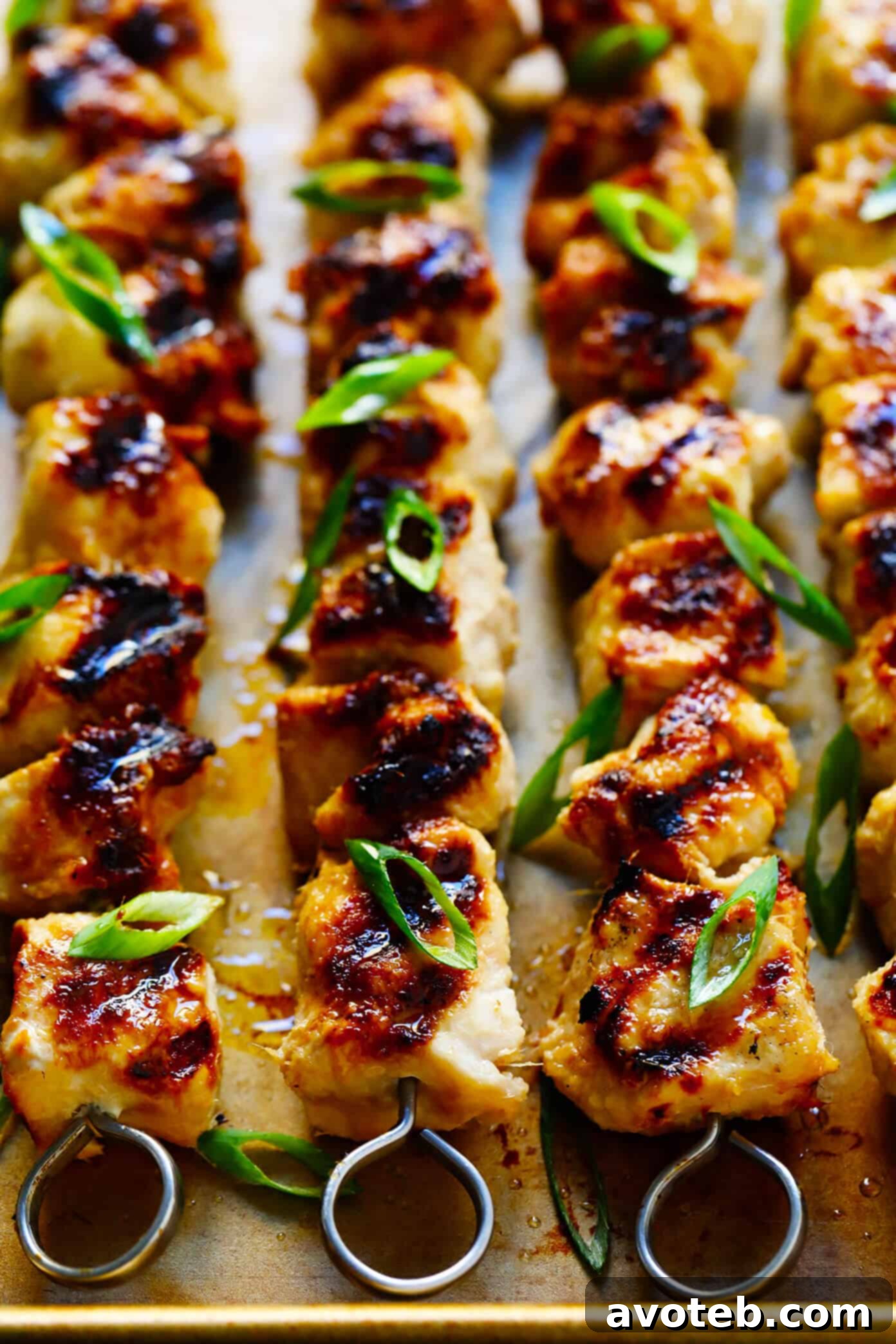
Vietnamese Lemongrass Chicken: An Irresistible Journey of Flavor
Discover the secret to the most vibrant and flavorful Vietnamese Lemongrass Chicken. This recipe features an exquisite, citrusy lemongrass marinade, perfect for grilling, baking, or sautéing, promising a delightful culinary experience.
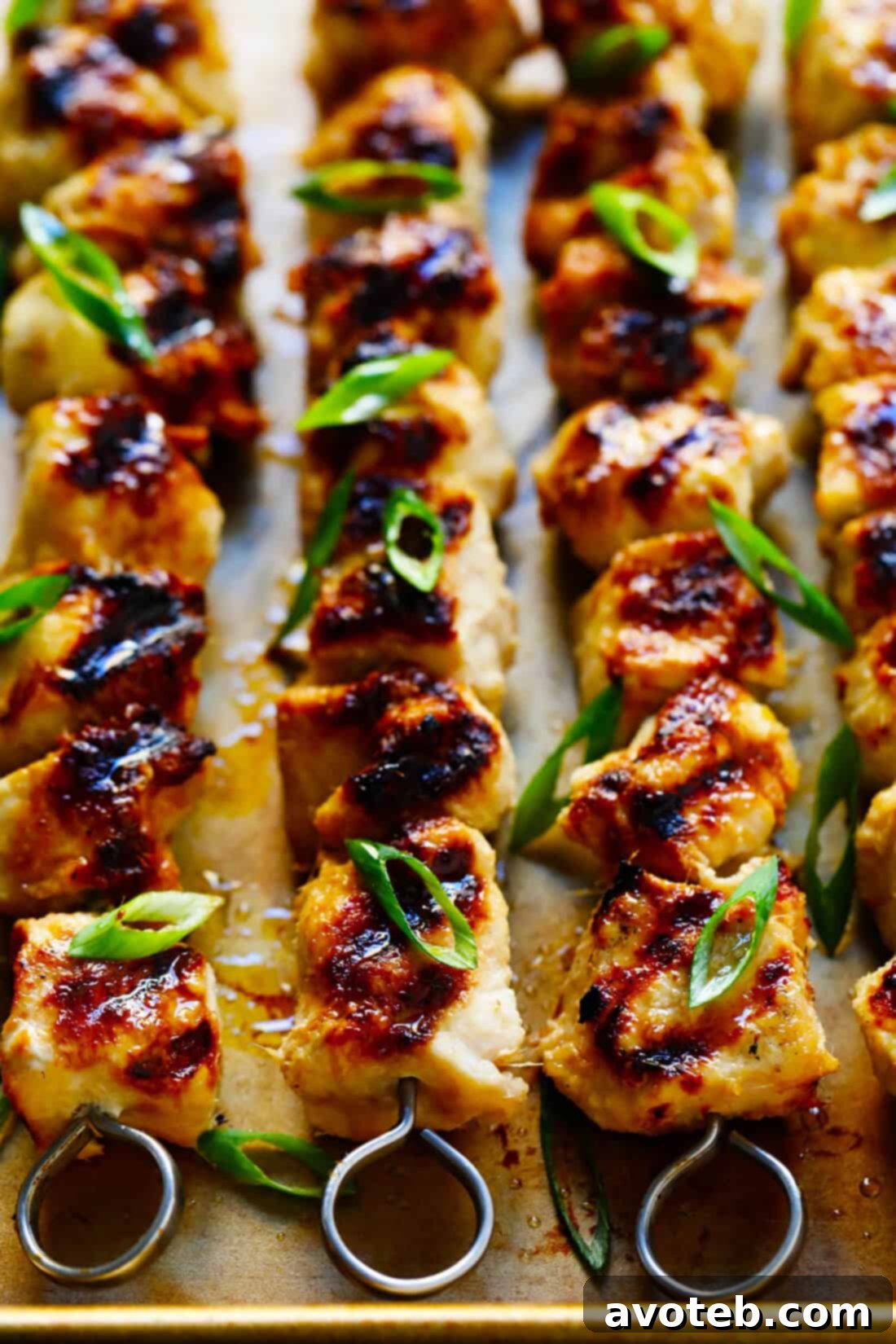
Unlock the Flavors of Vietnam in Your Kitchen
Prepare for a culinary revelation! If you’re anything like us, you’ve fallen head over heels for the fresh, aromatic, and perfectly balanced flavors of Vietnamese cuisine. There’s something truly special about the way fresh herbs, bright citrus, and savory elements come together to create dishes that are both comforting and exhilarating. We’ve been on a mission to bring some of our restaurant favorites right into our home kitchen, and this Vietnamese Lemongrass Chicken recipe has quickly ascended to the top of our list.
This isn’t just a chicken recipe; it’s an invitation to experience the incredible versatility of one of Southeast Asia’s most beloved ingredients: lemongrass. While chicken is certainly a star here, this vibrant marinade is so utterly delicious that it can transform almost any protein or vegetable into a masterpiece. Imagine lemongrass beef, succulent pork, tender shrimp, delicate scallops, flaky fish, or even perfectly roasted vegetables infused with this same incredible flavor. Basically, get ready to want to infuse everything with lemongrass!
At the heart of this dish is fresh lemongrass, an ingredient celebrated for its signature delicate, tangy, lemony, minty, and slightly gingery notes. It’s the secret weapon that elevates a simple garlic-soy marinade into something extraordinarily fresh and light. When this aromatic marinade meets tender, juicy chicken, lightly charred from the grill, perfectly baked, or expertly sautéed, the result is a slightly sweet, savory, and wonderfully citrusy combination that is truly irresistible. Each bite is a harmonious blend of textures and tastes, promising a culinary journey to Vietnam without leaving your home.
We’ve also designed this recipe with your convenience in mind. Say goodbye to tedious chopping! Our method streamlines the process by blitzing all the marinade ingredients together in a blender or food processor. This not only makes preparation quicker and easier but also ensures a perfectly smooth, evenly distributed flavor. Planning ahead? This lemongrass marinade holds up beautifully in the fridge for several days, making it ideal for meal prep. We often make a double batch, ensuring we have a quick and delicious dinner solution ready for later in the week. Once cooked, the lemongrass chicken is incredibly versatile, pairing wonderfully with everything from steamed rice to delicate rice noodles (bún), fresh salads, or a medley of roasted vegetables. And, of course, the leftovers are just as fantastic!
If you’re new to cooking with lemongrass, there’s absolutely no need to be intimidated. It’s a remarkably simple ingredient to incorporate into your dishes, and we’ll guide you through every step. So, on your next grocery run, seek out a few stalks of this aromatic herb, and let’s embark on this delicious journey to create the ultimate Vietnamese Lemongrass Chicken together!
The Magic of Lemongrass: A Culinary Essential
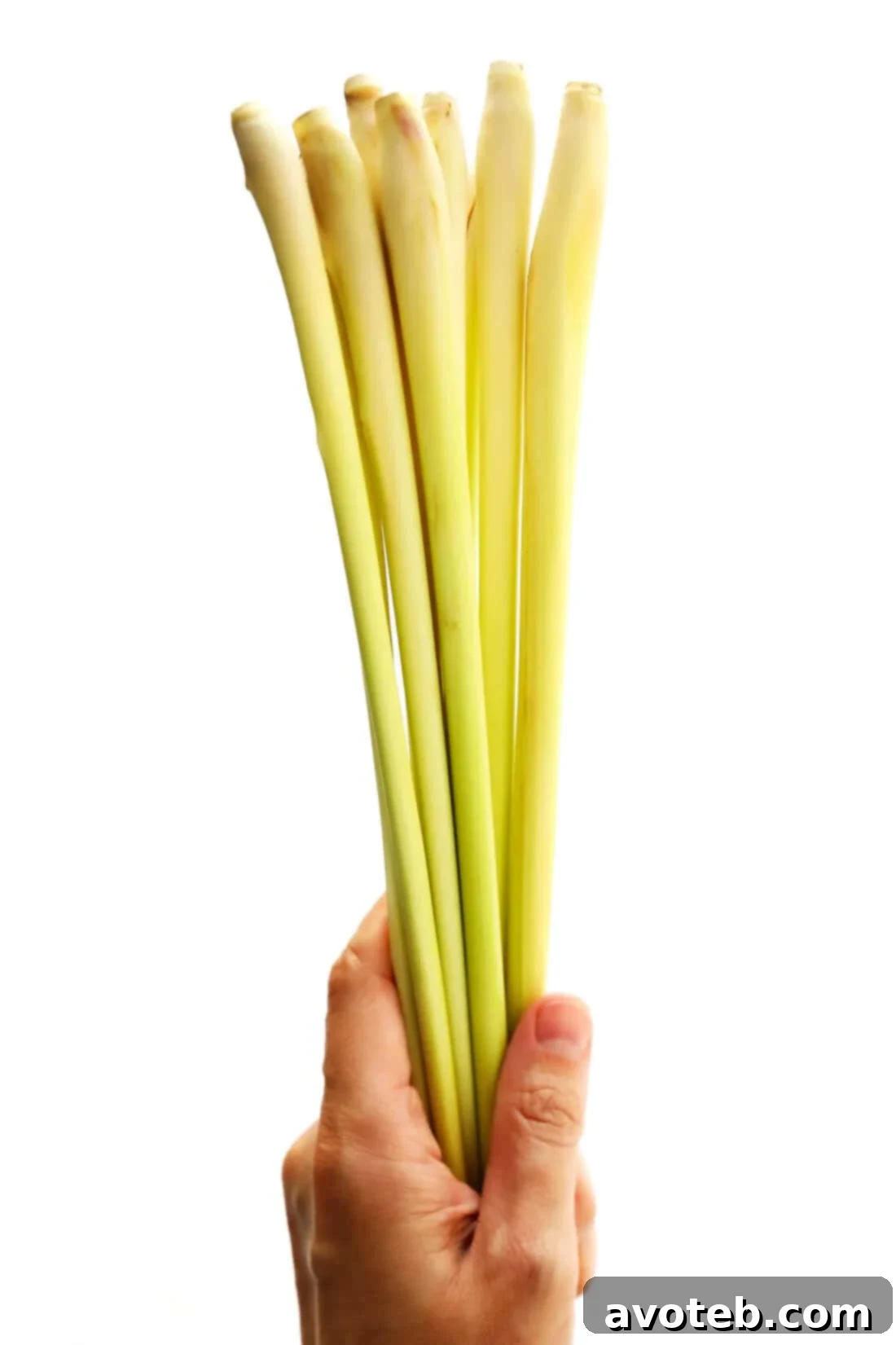
What is Lemongrass?
Lemongrass (Cymbopogon citratus) is a tall, stalky plant native to tropical regions of Asia, Africa, and Australia. It’s a staple in many Southeast Asian cuisines, particularly Thai, Vietnamese, and Cambodian, where its distinct aroma and flavor are highly prized. While it resembles a green onion or leek, its taste is uniquely citrusy and herbaceous, with notes of lemon, mint, and a hint of ginger.
Flavor Profile and Health Benefits
The flavor of lemongrass is bright, refreshing, and subtly complex. It offers a zesty tang without the harshness of lemon, a cooling minty whisper, and an underlying warmth reminiscent of ginger. Beyond its incredible taste, lemongrass is also known for its potential health benefits. It’s rich in antioxidants, has anti-inflammatory properties, and is traditionally used for its digestive and detoxifying qualities. Incorporating lemongrass into your diet not only adds amazing flavor but also a boost of wellness.
Buying and Storing Lemongrass
When shopping for lemongrass, look for firm, bright green stalks with a fragrant aroma. Avoid stalks that are dry, cracked, or discolored. It’s typically found in the refrigerated produce section of most major grocery stores in the States, often near other Asian ingredients or fresh herbs. If your local store doesn’t carry fresh stalks, check for tubes of lemongrass paste, which can be a convenient substitute (see notes in the recipe card). Asian markets are also an excellent source for fresh lemongrass. To store, wrap the stalks tightly in plastic wrap or place them in an airtight container and refrigerate for up to 2-3 weeks, or freeze them for several months.
Preparing Lemongrass for Cooking
Working with fresh lemongrass is straightforward once you know the technique. The most flavorful part is the tender, pale yellow to white inner core of the bottom third of the stalk. First, trim off the very bottom root end and any tough, dry green tops. Peel away the reedy, fibrous outer layers until you reach the more pliable, aromatic inner stalk. For this marinade, we’ll be using only the tender white and light green parts. Roughly chop these pieces before blending to help them break down easily into a smooth paste. The tough outer layers and upper green parts can be saved for infusing broths or teas, adding a subtle aromatic touch.

Crafting the Perfect Vietnamese Lemongrass Marinade
The marinade is the soul of this Vietnamese Lemongrass Chicken. It’s a symphony of savory, sweet, tangy, and aromatic notes that infuse the chicken with an unforgettable flavor. Let’s dive into the essential ingredients that make this marinade so exceptional:
- Chicken: While the recipe calls for boneless chicken breasts or thighs, this marinade is incredibly adaptable. Feel free to use any cut of chicken you prefer, or even venture beyond to pork, beef, shrimp, or tofu for equally delicious results.
- Lime Juice: Freshly squeezed lime juice provides the essential bright, citrusy tang that cuts through the richness and enhances the overall freshness of the dish. It’s crucial for balancing the savory and sweet elements, and a final squeeze over the cooked chicken adds a burst of zest.
- Fish Sauce: Don’t let the initial aroma deter you! Fish sauce is a non-negotiable ingredient in authentic Southeast Asian cuisine, offering a profound umami depth that cannot be replicated. It ties all the flavors together, transforming from its potent raw scent into a wonderfully savory and complex taste when cooked. For the best quality, we recommend brands like Red Boat or Three Crabs.
- Sweetener: Traditionally, brown sugar or white granulated sugar is used to provide a subtle sweetness that perfectly balances the savory and tangy notes. We prefer maple syrup as a natural alternative, adding a touch of nuanced sweetness. Coconut sugar is another excellent option.
- Soy Sauce: A touch of soy sauce contributes a salty, savory base to the marinade. We typically opt for low-sodium soy sauce to better control the overall saltiness, but any good quality soy sauce will work perfectly.
- Oil: A neutral-flavored oil, such as avocado oil or light olive oil, helps to emulsify the marinade, carry the fat-soluble flavors, and tenderize the chicken. It also aids in achieving a beautiful sear during cooking.
- Garlic: Lots of fresh garlic is essential! Its pungent, aromatic qualities are fundamental to the marinade’s robust flavor profile, providing a warm, savory backbone.
- Shallot: Shallots offer a milder, sweeter, and more delicate onion flavor compared to regular onions, complementing the other aromatics without overpowering them. A medium shallot or half a small red onion will suffice.
- Lemongrass: The star of the show! As discussed, the tender white parts of two large stalks infuse the marinade with its signature delicate, tangy, and fragrant essence. Its unique flavor is what truly defines this Vietnamese dish.
The Art of Marinade Preparation
Our favorite method for preparing this marinade is undoubtedly the blender or food processor technique. Simply toss all the ingredients into your chosen appliance and puree until you achieve a wonderfully smooth consistency. This ensures every piece of chicken gets thoroughly coated, and all the flavors are perfectly melded. If you prefer a more rustic approach, you can finely dice the garlic, shallot, and lemongrass by hand, then whisk all the marinade ingredients together in a bowl until fully combined. Either way, the results will be delicious!
Selecting Your Chicken and Preparing for Marination
Choosing the Right Cut
For this recipe, we’ve specified boneless, skinless chicken breasts or thighs. Chicken thighs are often favored for their tenderness and ability to remain juicy even when cooked through, thanks to their higher fat content. Chicken breasts, while leaner, absorb flavors beautifully and cook quickly. You can also use other cuts like bone-in thighs or drumsticks, though cooking times will need to be adjusted accordingly. The marinade is robust enough to flavor any cut wonderfully.
Prepping the Chicken
Once you’ve chosen your chicken, prepare it for marination. If you’re planning to thread the chicken onto skewers, as often photographed, cut the chicken into uniform 1-inch bite-sized pieces. This ensures even cooking and easier handling. If you’re using whole breasts or thighs, we recommend pounding them to an even thickness using a meat mallet. This not only tenderizes the chicken but also ensures uniform cooking, preventing thinner parts from drying out while thicker parts finish cooking.
The Marination Process
After preparing your chicken, combine it with the blended marinade in a large bowl. Toss gently to ensure every piece is thoroughly coated. Cover the bowl and let the chicken marinate for at least 30 minutes. While a minimum of 30 minutes will infuse a good amount of flavor, for a deeper, more pronounced taste, you can marinate the chicken in the refrigerator for up to 4 hours. Avoid marinating for much longer than this, especially with chicken breasts, as the acids in the lime juice can begin to break down the protein too much, potentially making the chicken a bit mushy.
Cooking Your Lemongrass Chicken to Perfection: Multiple Methods
One of the best features of this Vietnamese Lemongrass Chicken recipe is its adaptability to various cooking methods. Whether you prefer the smoky char of a grill, the even heat of an oven, or the quick sizzle of a skillet, you can achieve delicious results.
1. Grilling for Smoky Perfection
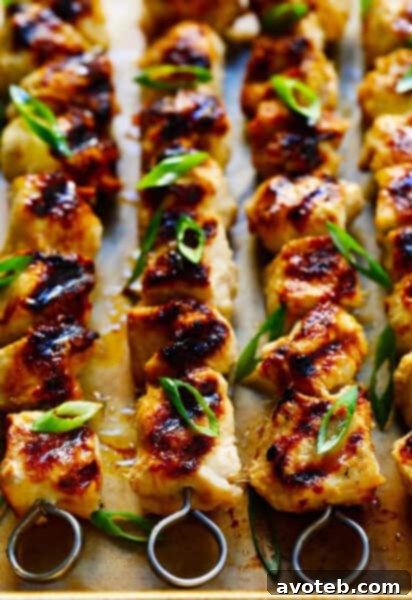
Grilling imparts a fantastic smoky flavor and beautiful char to the chicken. If using wooden skewers, remember to soak them in water for at least 15-30 minutes beforehand to prevent them from burning. Preheat your grill to medium-high heat. Once hot, lightly oil the grates to prevent sticking. Thread the marinated chicken pieces onto the skewers, ensuring they are not too crowded. Place the skewers evenly on the hot grill and cook for 10-14 minutes total, turning them once halfway through. The chicken should be golden brown, slightly charred in spots, and cooked through, with no pink remaining inside. Use an instant-read thermometer to ensure the internal temperature reaches 165°F (74°C).
2. Baking for Effortless Evenness
Baking is an excellent option for a hands-off approach and consistent cooking. Preheat your oven to 400°F (200°C). Arrange the marinated chicken pieces in a single layer on a baking sheet lined with parchment paper or foil (for easy cleanup). You can bake whole pieces or threaded skewers. Bake for approximately 20-25 minutes, flipping the chicken halfway through, until it’s golden brown and cooked through. For an extra touch of char, you can briefly broil the chicken for the last few minutes, keeping a close eye on it to prevent burning.
3. Sautéing/Pan-Frying for Quick Deliciousness
For a quick and easy stovetop method, sautéing or pan-frying is ideal. Heat a large skillet (cast iron or non-stick works well) over medium-high heat. Add a tablespoon of neutral oil to the pan. If cooking whole pieces, sear them for 4-6 minutes per side until golden brown and cooked through. If using bite-sized pieces (without skewers), add them to the hot pan in a single layer, avoiding overcrowding, and cook for 7-10 minutes, stirring and flipping occasionally, until all sides are nicely browned and the chicken is fully cooked. This method creates delicious pan drippings that can be spooned over rice.
The Importance of Resting
Regardless of your chosen cooking method, always transfer the cooked chicken to a clean plate and loosely tent it with aluminum foil. Allow the chicken to rest for 3-5 minutes before serving. This crucial step allows the juices to redistribute throughout the meat, resulting in incredibly tender and succulent chicken.
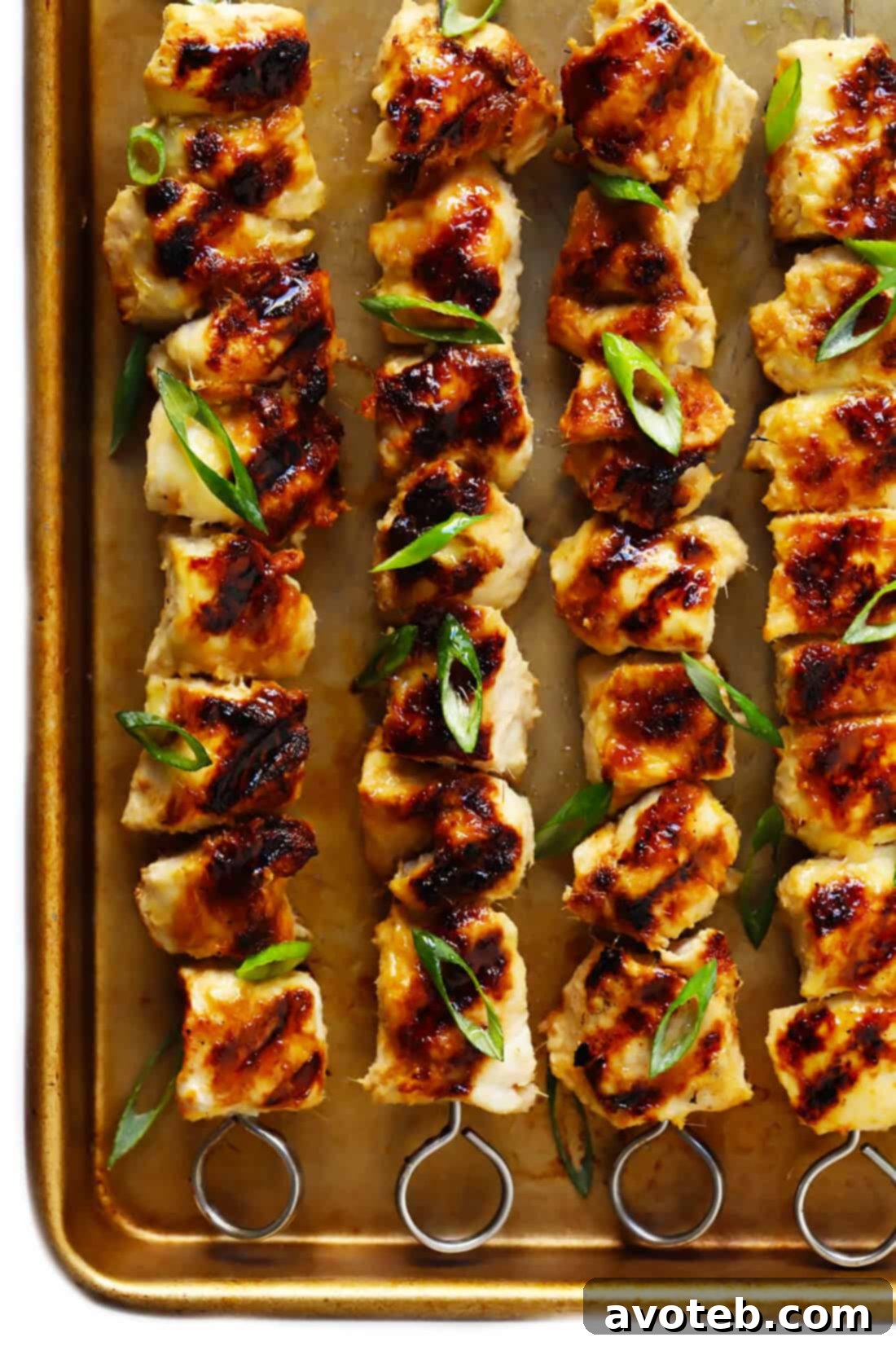
Serving Suggestions: Completing Your Vietnamese Feast
Once your Vietnamese Lemongrass Chicken is cooked to perfection, the possibilities for serving are endless. Here are some classic and creative ideas to make it a complete and satisfying meal:
- With Steamed Rice: A simple bowl of fluffy jasmine rice is the quintessential pairing, allowing the bold flavors of the chicken to shine. The rice soaks up any delicious juices, creating a comforting and wholesome meal.
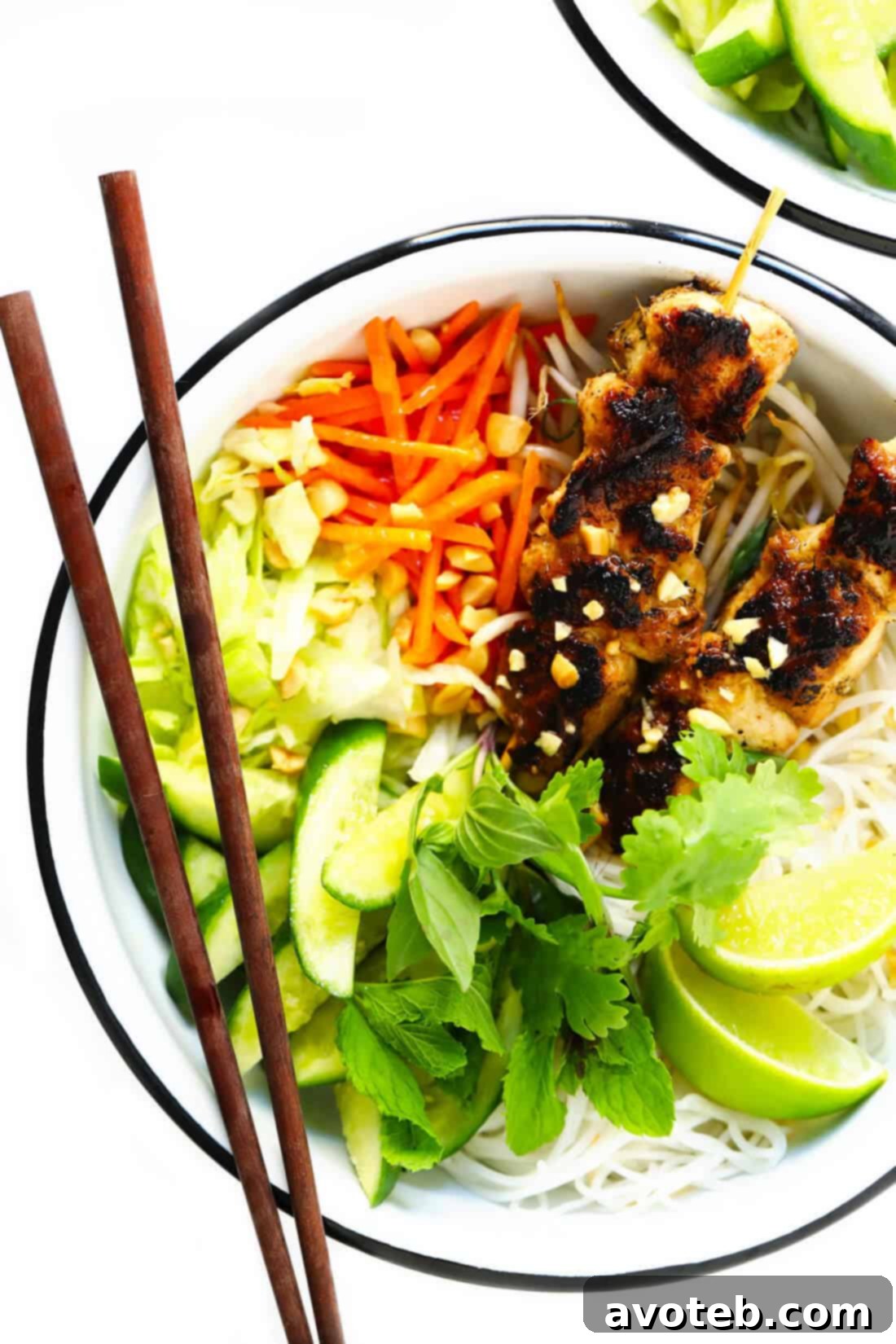
- Vietnamese Vermicelli Bowls (Bún): Transform your chicken into a vibrant Bún Gà Nướng (grilled chicken noodle bowl). Serve it over a bed of cool vermicelli rice noodles with fresh lettuce, cucumber, bean sprouts, pickled carrots and daikon, and a generous sprinkle of crushed peanuts and fresh herbs like mint and cilantro. Drizzle with a classic Vietnamese dipping sauce (nuoc cham).
- Fresh Salads: For a lighter meal, chop the cooked chicken and add it to a fresh green salad with a vibrant vinaigrette. Ingredients like mango, bell peppers, and cashews can complement the flavors beautifully.
- Lettuce Wraps: Serve the chicken in crisp lettuce cups with shredded carrots, cucumber, and a dollop of chili garlic sauce for a fun, interactive, and healthy appetizer or light meal.
- Accompaniments: Don’t forget the garnishes! Thinly sliced green onions, fresh cilantro, a sprinkle of toasted sesame seeds, and an extra squeeze of fresh lime juice are all excellent additions that enhance both flavor and visual appeal. For those who love a bit of heat, a side of Sriracha or a few slices of fresh Thai bird chiles can kick things up a notch.
Variations to Explore: Tailor Your Dish
This Vietnamese Lemongrass Chicken recipe provides a fantastic foundation, but don’t hesitate to experiment and customize it to your personal preferences. Here are some exciting variations to consider:
- Add Ginger: For an extra layer of warmth and complexity, incorporate about 1/2 teaspoon of ground ginger or 1 tablespoon of freshly grated ginger into the marinade. Ginger pairs beautifully with lemongrass and adds another authentic Asian dimension.
- Make it Spicy: If you crave a fiery kick, introduce some heat into your marinade. A few thinly sliced Thai red bird chiles (seeds removed for less heat, or left in for maximum spice) or a generous pinch of crushed red pepper flakes will do the trick. Adjust to your desired level of spiciness.
- Go Gluten-Free: Easily adapt this recipe for a gluten-free diet by substituting regular soy sauce with an equal amount of gluten-free tamari. Ensure all other ingredients, like fish sauce, are certified gluten-free.
- Experiment with Chicken Cuts: While boneless breasts and thighs are versatile, feel free to use bone-in, skin-on chicken pieces for an even juicier result. Just remember to adjust cooking times accordingly, as bone-in chicken will take longer to cook through. You can also leave chicken breasts or thighs whole instead of cutting them into bite-sized pieces.
- Try Different Proteins: The versatility of this marinade extends far beyond chicken.
- Beef: Thinly sliced flank steak or sirloin makes incredible lemongrass beef.
- Pork: Pork tenderloin or thinly sliced pork shoulder becomes exceptionally flavorful.
- Shrimp or Scallops: Marinate for a shorter period (15-20 minutes) and cook quickly for a delightful seafood option.
- Tofu: For a vegetarian or vegan alternative, press extra-firm tofu, cut it into cubes, and marinate it. Bake or pan-fry until golden and crispy.
- Add Vegetables to Skewers: If you’re grilling, thread alternating pieces of chicken with colorful vegetables like bell peppers (red, yellow, orange), red onion, zucchini, or cherry tomatoes onto your skewers for a complete meal in one.
- Enhance with Turmeric: A small pinch (1/4 teaspoon) of ground turmeric can be added to the marinade for a subtle earthy flavor and a beautiful golden hue.
Meal Prep & Storage Tips
This recipe is incredibly convenient for meal planning and batch cooking:
- Marinade Ahead: You can prepare the lemongrass marinade up to 3-4 days in advance and store it in an airtight container in the refrigerator. This saves valuable time on busy cooking days.
- Marinating Chicken: Marinate the chicken for at least 30 minutes, or up to 4 hours in the refrigerator. If you want to prep even further ahead, you can freeze the chicken directly in the marinade in a freezer-safe bag for up to 3 months. Thaw in the refrigerator overnight before cooking.
- Storing Cooked Chicken: Leftover cooked Vietnamese Lemongrass Chicken can be stored in a sealed airtight container in the refrigerator for up to 3-4 days. It’s fantastic for quick lunches or dinners.
- Freezing Cooked Chicken: For longer storage, cooked chicken can be frozen for up to 3 months. Allow it to cool completely, then store in a freezer-safe container or bag. Thaw in the refrigerator and reheat gently.
- Reheating: Reheat the chicken gently in a microwave, oven, or on the stovetop over medium heat until warmed through. Be careful not to overcook, as this can dry out the chicken.
Vietnamese Lemongrass Chicken Recipe Card
Vietnamese Lemongrass Chicken
This Vietnamese Lemongrass Chicken recipe is made with the best citrusy lemongrass marinade, and can be grilled, baked or sautéed. It’s perfect with rice, noodle bowls, or salads.
- Prep Time: 45 mins
- Cook Time: 15 mins
- Total Time: 1 hour
- Yield: 8 servings
Print Recipe
Ingredients
- 1/4 cup lime juice, plus extra lime wedges for serving
- 3 tablespoons fish sauce
- 2 tablespoons maple syrup (or brown sugar)
- 2 tablespoons avocado oil (or any neutral-flavored oil)
- 1 tablespoon low-sodium soy sauce
- 4 small garlic cloves
- 2 stalks lemongrass, tender white parts only, roughly chopped (see notes below)
- 1 medium shallot, peeled and halved (or half of a small red onion)
- 2 pounds boneless chicken breasts or thighs, cut into 1-inch pieces
Instructions
- Combine the lime juice, fish sauce, maple syrup, oil, soy sauce, black pepper, garlic, lemongrass and shallot in a blender or food processor. Puree until smooth.
- Combine the chicken and marinade in a large bowl. Toss until the chicken is evenly coated. Cover the bowl and let the chicken marinate for 30 minutes.
- Preheat the grill to medium-high heat. (If using wooden skewers, soak them in water for 15 minutes before using.) Thread the chicken evenly onto the skewers.
- Once the grill is hot, place the chicken kabobs evenly on the grill. Cook for 10-14 minutes, turning once halfway through, until the chicken is golden brown and cooked through (no longer pink on the inside).
- Transfer the kabobs to a clean plate, and loosely tent with aluminum foil. Let the chicken rest for at least 5-10 minutes.
- Then serve warm while the chicken is hot and juicy, sprinkled with an extra squeeze of fresh lime juice (plus some thinly-sliced green onions) if desired. Or, refrigerate in a sealed container for up to 3 days, or freeze for up to 3 months.
Notes
- Lemongrass: To properly cut lemongrass, first pull off the reedy outer few leaves until you reach the more tender leaves on the inside. Then roughly dice just the white parts of the lemongrass, usually the bottom (white) 1/3 or so of the stalk. (If you cannot find fresh lemongrass, you can substitute in 3 or so tablespoons of fresh lemongrass paste.)
- Grill pan or sauté method: If you would like to cook this lemongrass chicken recipe inside on the stovetop, you can cook the skewers in a grill pan over medium-high heat (drizzle a bit of oil on it first) for about 5-6 minutes per side, until the chicken is charred and cooked through. Or you can cook the chicken in a large sauté pan (without the skewers, also drizzling a bit of oil in the pan first) for about 7-10 minutes, stirring and flipping occasionally, until the chicken is cooked through.
This post contains affiliate links.