
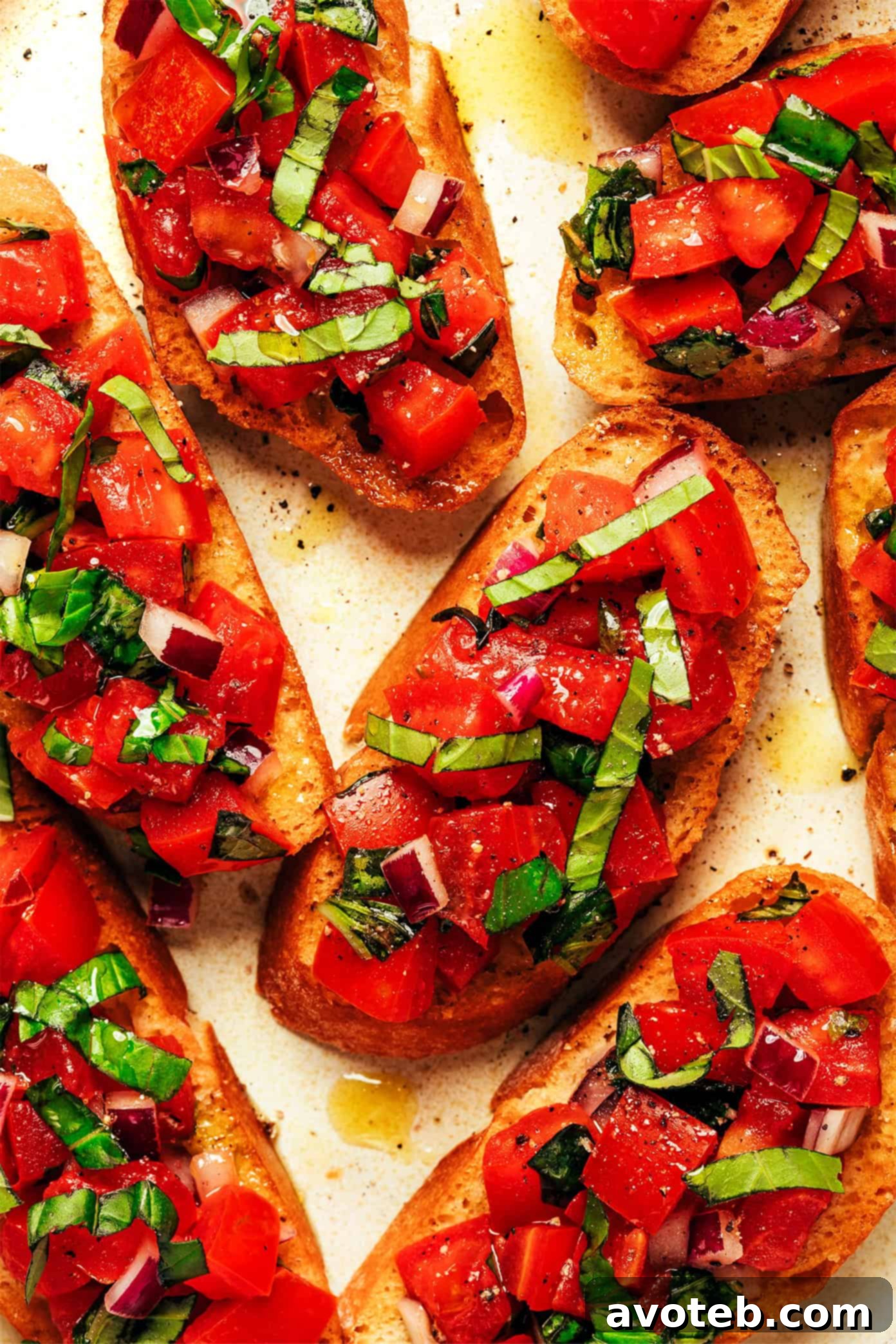
All of the best tips we learned in Italy about how to make classic tomato basil bruschetta.
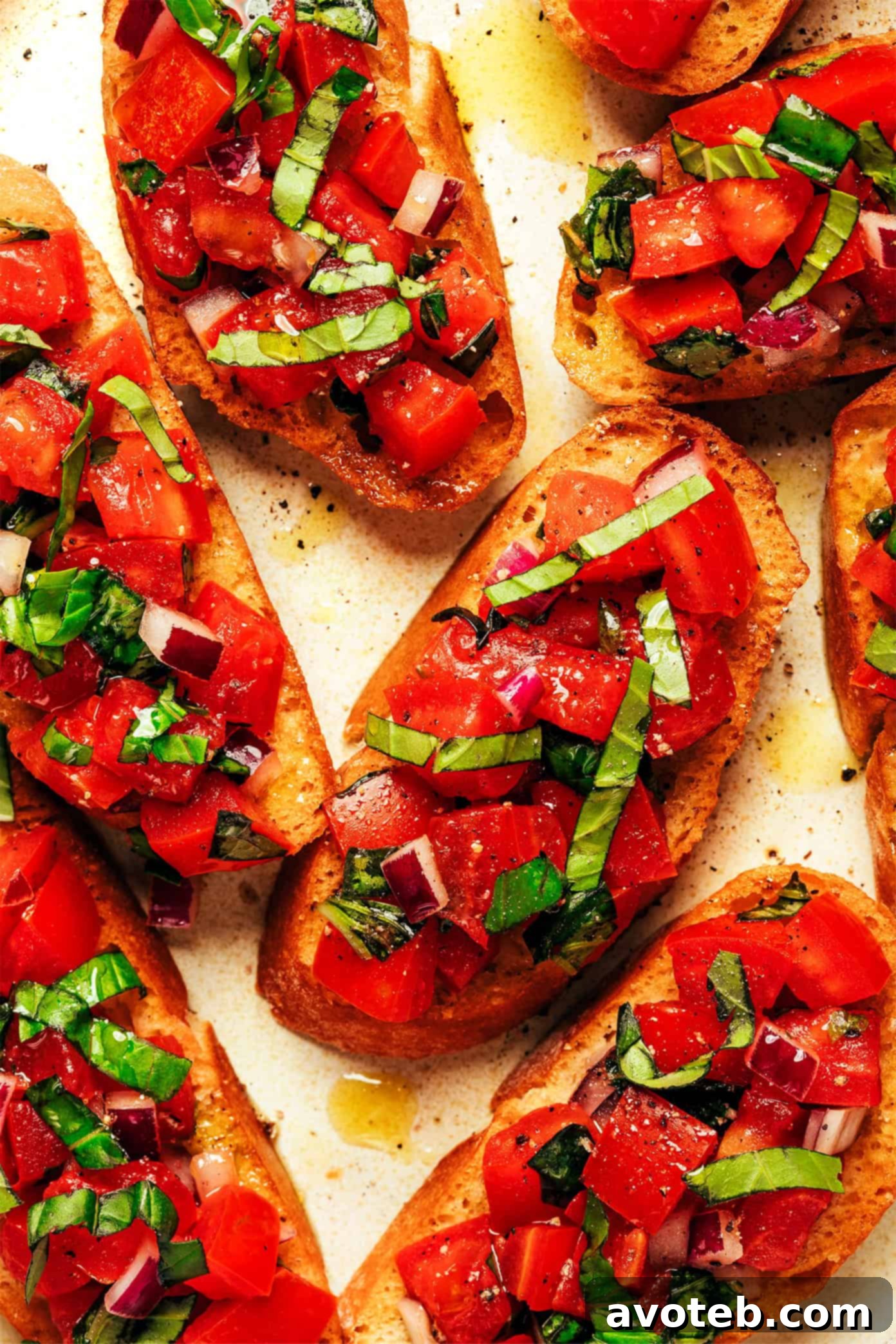
Mastering the Art of Classic Tomato Bruschetta: Authentic Italian Tips
There’s an undeniable magic in the simplicity of Italian cuisine, and few dishes embody this better than classic tomato basil bruschetta. As summer ripens and the bounty of fresh tomatoes fills our markets, it’s the perfect moment to indulge in this vibrant, effortless appetizer. My personal journey into mastering this beloved Italian staple took a significant turn a few years ago during a memorable trip to Rome. My husband and I were fortunate enough to immerse ourselves in a hands-on cooking class, dedicated solely to the art of crafting traditional bruschetta al pomodoro. The insights and techniques we gleaned from that experience were invaluable, transforming our understanding of this seemingly simple dish. Now, with tomato season in full swing, I’m thrilled to share those authentic Italian secrets with you, ensuring your homemade bruschetta is nothing short of spectacular.
Understanding Bruschetta: Pronunciation, Heritage, and Cultural Significance
Before diving into the recipe, let’s clear up a common misconception: the name itself. In English-speaking countries, “bruschetta” is often pronounced with an “sh” sound. However, the Italian “ch” is actually pronounced like an English “k,” making the correct pronunciation more akin to broo-skeh-tah. The plural, equally important for a dish you’ll want to make in abundance, is bruschette (pronounced broo-skeh-teh). This delightful appetizer derives its name from the Roman dialect verb “bruscare,” meaning “to toast” or “to roast over coals.” This origin story perfectly encapsulates the dish’s essence, as bruschetta has traditionally been an ingenious way to utilize leftover or stale bread, transforming it into something extraordinary.
Bruschetta al pomodoro has graced Italian tables since the 16th century, shortly after tomatoes made their grand entry into European culinary traditions. This dish emerged from the concept of cucina povera, or “poor cooking,” where simple, readily available ingredients were elevated through skillful preparation. Like many foundational Italian dishes, its brilliance lies in its intentional simplicity. The philosophy is clear: use the freshest, highest-quality ingredients available, and allow their natural flavors to shine without overwhelming them. This isn’t a dish for masking flavors; it’s a celebration of them. To create an exceptional batch of bruschette al pomodoro, you truly only need a handful of core components: perfectly ripe tomatoes, superior extra virgin olive oil, fragrant fresh basil, pungent garlic, a touch of earthy dried oregano, a sprinkle of fine sea salt, and, of course, robust, crusty bread. It’s remarkably quick to assemble, making it an ideal choice for entertaining. What’s more, you can easily prepare the crostini (toasted bread) and the tomato-basil topping hours in advance, assembling them just before serving to ensure ultimate freshness and prevent sogginess.
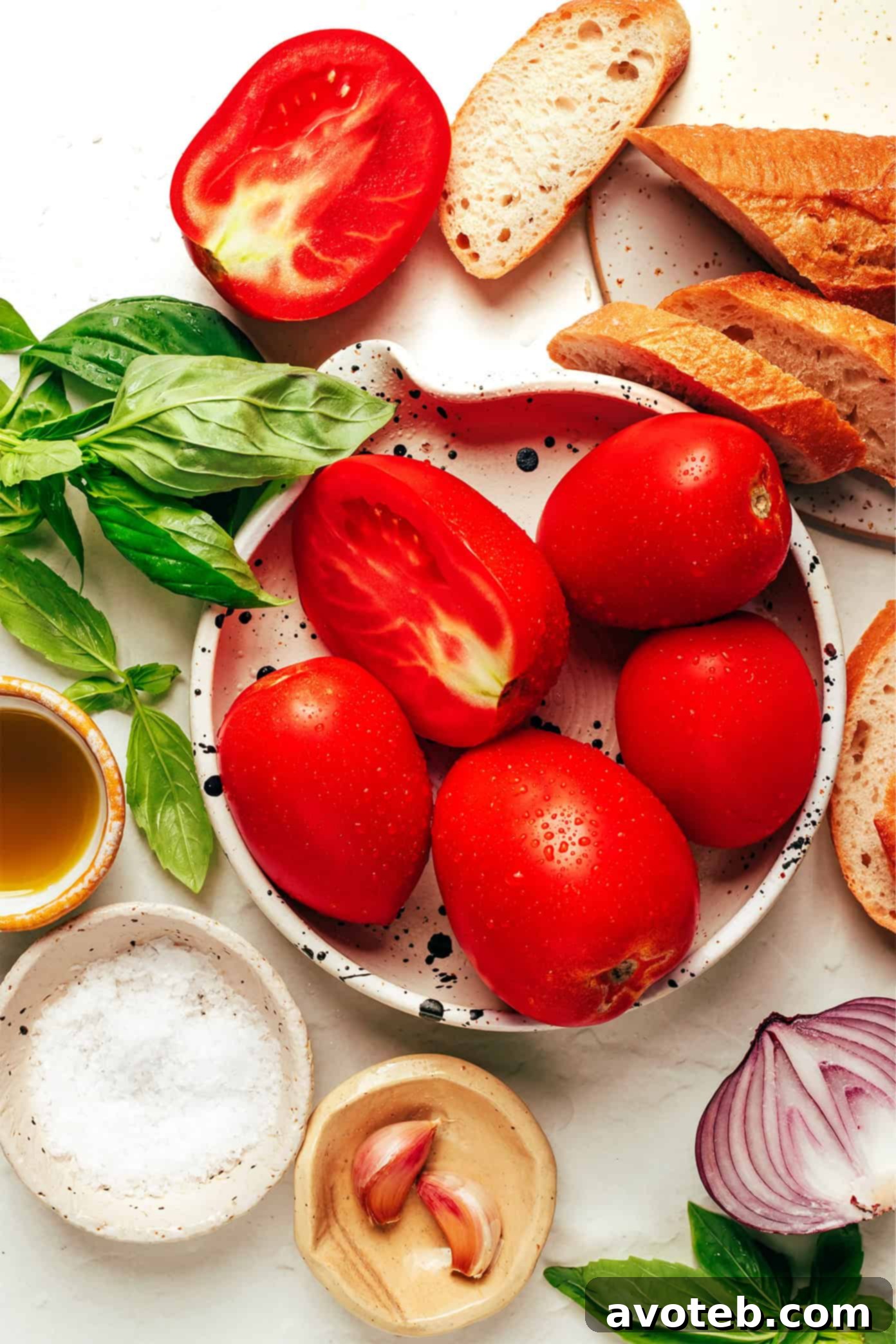
The Foundation of Flavor: Essential Bruschetta Ingredients
The secret to truly outstanding bruschetta, as our Roman instructor tirelessly emphasized, begins and ends with the quality of your ingredients. There’s no hiding subpar produce or oil here; each component plays a starring role. Let’s delve into the particulars of what you’ll need and why each choice matters, transforming your simple appetizer into a culinary delight.
- Fresh Tomatoes: The Heart of Bruschetta
Undoubtedly, the tomatoes are the single most crucial ingredient. Opt for tomatoes that are as ripe, sweet, and in-season as possible. During peak summer, heirloom varieties can offer incredible depth of flavor. However, for practical purposes and consistent results, I often reach for smaller varieties like Roma, cherry, or cluster tomatoes (also known as “tomatoes on the vine”). These types tend to be sweeter, less watery, and have a firmer flesh, which is ideal for bruschetta. Regardless of the variety, remember to core them thoroughly to remove the tough stem end and gently scoop out excess seeds and watery pulp. This step is vital for preventing a soggy topping. Then, finely dice the tomatoes into small, uniform pieces. This not only makes the bruschetta easier and more pleasant to eat but also allows the tomato’s juices to mingle effectively with the other ingredients, creating a more cohesive flavor profile. - High-Quality Extra Virgin Olive Oil: The Liquid Gold
The term “good-quality” here isn’t just a suggestion; it’s a mandate. With so few ingredients in a classic bruschetta, the olive oil’s flavor will be prominent. Invest in a premium extra virgin olive oil – one that you enjoy tasting on its own. Its fruity, sometimes peppery, and grassy notes will elevate the entire dish. While I lean towards a medium-bodied, slightly peppery olive oil for the way it complements the tomatoes, any mild or robust extra virgin olive oil that you genuinely love will work beautifully. Think of it as seasoning, not just a cooking fat. A high-quality EVOO also offers health benefits, being rich in antioxidants and healthy fats. - Fresh Garlic: The Pungent Kiss
Garlic in bruschetta is not minced and mixed into the topping; rather, it’s delicately rubbed onto the freshly toasted bread. This technique imparts a subtle, aromatic warmth without overwhelming the other delicate flavors. You’ll want to take a peeled garlic clove, slice it in half, and gently rub the cut side directly onto the warm, crusty surface of each piece of bread. This allows the bread to absorb the garlic’s essence without creating raw, crunchy bits. This method, by the way, is strikingly similar to how pan con tomate is prepared in Spain, demonstrating a shared culinary wisdom across the Mediterranean. This ensures a fragrant, not overpowering, garlic note. - Fragrant Fresh Basil: The Aromatic Crown
Basil is the quintessential partner to tomatoes in Italian cuisine. Its sweet, peppery, slightly minty aroma is indispensable. Don’t be shy with the basil! We love a generous amount in our bruschetta topping. For the best flavor and texture, tear or loosely chop the fresh basil leaves rather than finely mincing them, which can bruise the herb and diminish its vibrant green color. Always add fresh basil just before serving the topping for maximum fragrance. - Dried Oregano: The Earthy Whisper
During our culinary explorations in Italy, we consistently observed that many traditional bruschetta recipes incorporated a small amount of dried oregano into the tomato mixture. This might seem minor, but it adds a wonderful, earthy depth and an aromatic complexity that beautifully rounds out the brighter notes of the tomatoes and basil. Use it sparingly to enhance, not overpower, ensuring it blends seamlessly with the fresh ingredients. - Fine Sea Salt: The Flavor Enhancer
Salt is often overlooked but profoundly important. A generous pinch of fine sea salt, perhaps a good quality Italian sea salt, is essential for drawing out the natural sweetness of the tomatoes and harmonizing all the flavors. Season the tomato topping to taste, ensuring it’s bright and well-balanced. Salt brings out the best in fresh produce, making every bite sing. - Red Onion (Optional): A Touch of Sweetness and Crunch
While not strictly traditional in every regional Italian bruschetta, a finely diced red onion adds a delightful pop of sweetness, a subtle piquant bite, and a welcome textural crunch to the tomato topping. If you find raw red onion too strong, a quick rinse of the diced onion under cold water in a fine-mesh strainer for a minute or two can significantly mellow its intensity without sacrificing its flavor or crunch. It adds a lovely complexity to the classic flavor profile. - Crusty Bread (Crostini): The Perfect Canvas
The bread serves as the crucial foundation. For bruschetta, you need a bread that can stand up to toasting and then gracefully hold its topping without crumbling or becoming too soft. A good quality baguette or a rustic Italian loaf is ideal. Sliced to about half an inch thick, brushed lightly with olive oil, and toasted until golden and crisp, it forms the perfect ‘crostini’. This sturdy, flavorful base is what differentiates true bruschetta, providing a delightful textural contrast to the soft topping.
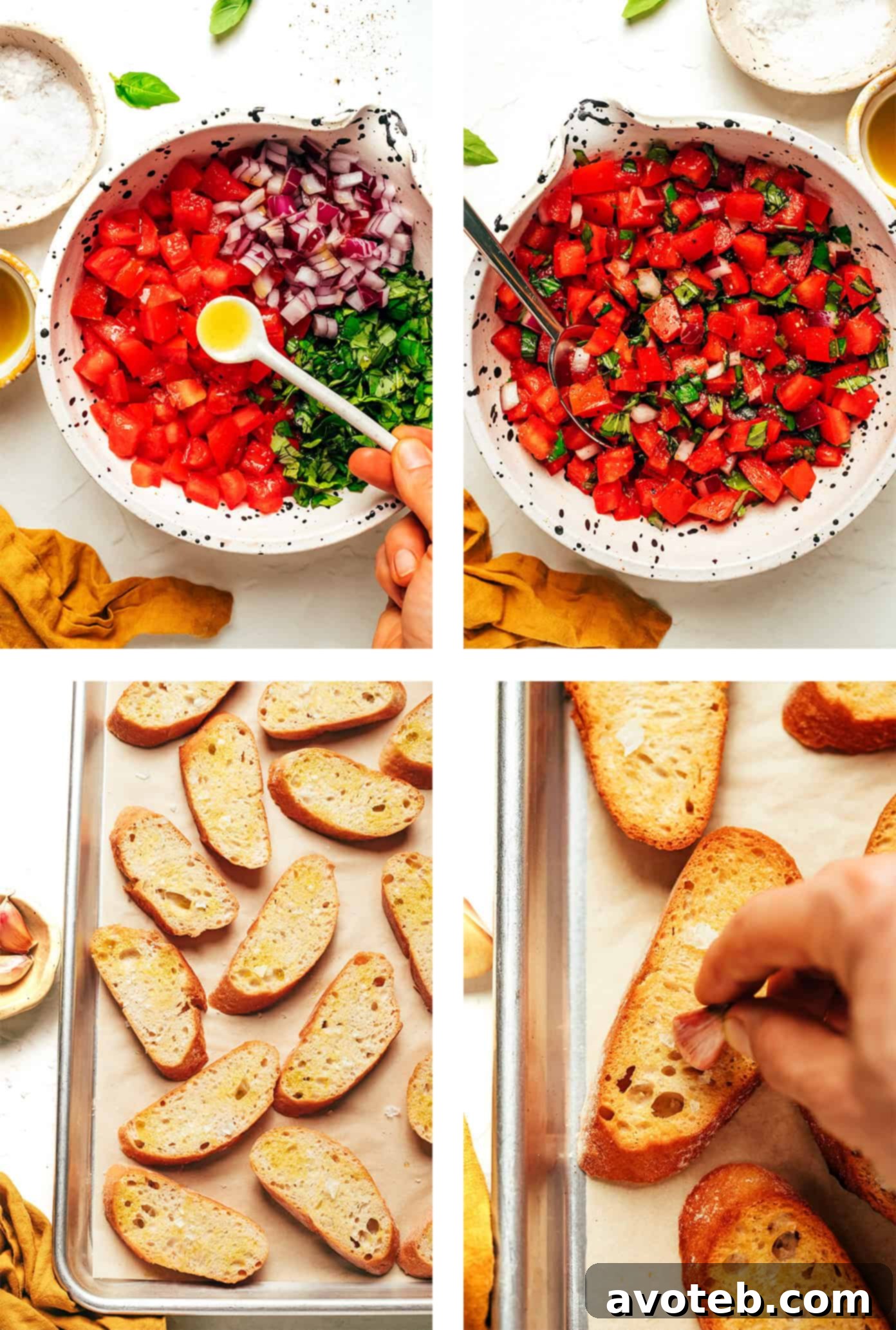
Crafting Perfection: Step-by-Step Bruschetta Assembly
Making bruschetta is more about technique and timing than complicated steps. By following these detailed instructions and incorporating crucial tips, you’ll create an unforgettable appetizer that truly captures the essence of Italian summer. The goal is a harmonious blend of flavors and textures, from the crisp bread to the juicy, aromatic topping.
- Prepare the Tomato Topping: In a medium mixing bowl, combine your finely diced, cored, and seeded ripe tomatoes with the chopped fresh basil, finely diced red onion (if using), extra virgin olive oil, and a generous pinch of fine sea salt. If you choose to add dried oregano, this is the time to stir it in. Gently stir until all ingredients are well combined. Cover the bowl and refrigerate for at least 15 minutes. For optimal flavor melding, aim for a few hours. This crucial marination time allows the flavors to deepen and the tomatoes to release their delicious juices, which will then be reabsorbed, intensifying the taste and creating a more cohesive topping.
- Toast the Crostini: Preheat your oven to 375°F (190°C). Prepare your crusty bread by slicing it into even, half-inch thick pieces. Arrange the slices in a single layer on a baking sheet. Brush each side lightly with extra virgin olive oil. Toast the slices in the preheated oven for 8-10 minutes, flipping halfway, or until they are beautifully golden brown and crisp around the edges. Alternatively, you can use a toaster oven or even a grill for a smoky char. The goal is a firm, crunchy base that won’t become soggy when topped.
- Infuse with Garlic: This is where the magic happens. Once the crostini are warm and freshly toasted, take your peeled garlic cloves, slice off the ends, and gently rub the cut side over the surface of each bread slice. The warmth and rough texture of the bread will help release the garlic’s aromatic oils, imparting a subtle, fragrant warmth. Be mindful not to overdo it; a little garlic goes a long way. Taste a piece as you go to find your preferred intensity – you want a pleasant hint, not an overpowering bite.
- Assemble Just Before Serving: Give your marinated tomato topping another quick stir. Taste and adjust seasoning with additional sea salt and freshly cracked black pepper if desired. If your tomatoes are particularly acidic, a tiny pinch of sugar can help balance the flavors. Immediately before serving, use a small spoon to generously dollop the tomato mixture onto each piece of garlic-rubbed crostini. Avoid overcrowding, as this can make the bruschetta difficult to eat gracefully and can lead to structural collapse. A small, neat scoop that fits comfortably on the bread is perfect. Finish each piece with a delicate drizzle of extra virgin olive oil – perhaps a finishing oil for an extra touch of luxury and shine.
- Serve Immediately: Bruschetta is best enjoyed right away. The delightful contrast of the warm, crisp bread and the cool, fresh topping is heavenly. Serving immediately also ensures the bread remains perfectly crunchy, preventing any undesirable sogginess that can occur if the topping sits too long on the crostini. Enjoy this simple pleasure with friends and family!
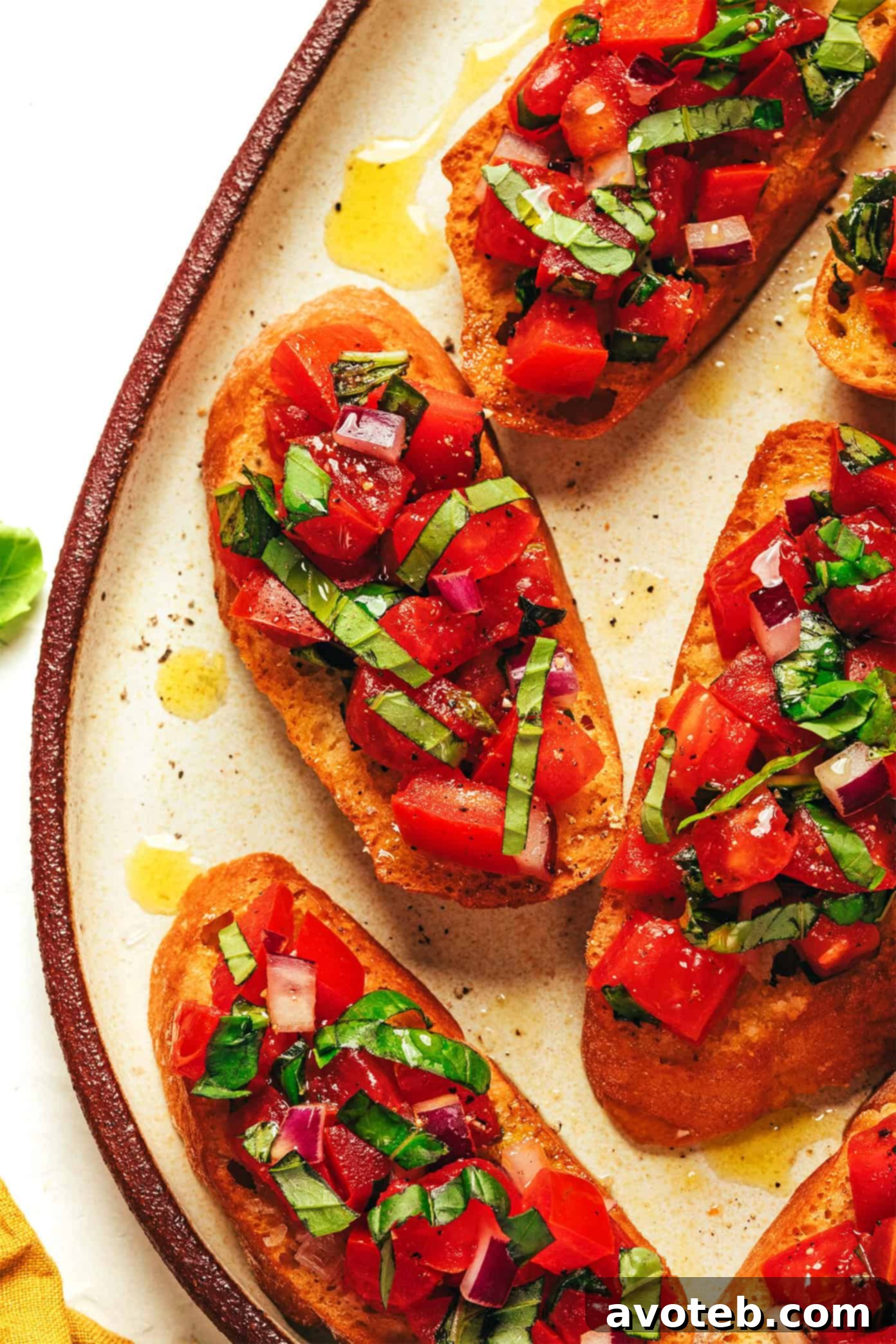
Creative Twists: Bruschetta Recipe Variations for Every Palate
While the classic tomato and basil bruschetta is perfect in its elegant simplicity, the true beauty of this dish lies in its incredible versatility. Once you’ve mastered the basic technique and understood the importance of quality ingredients, you can confidently explore countless variations to suit any taste, season, or occasion. Here are a few popular and delightful twists that keep the spirit of bruschetta alive while offering exciting new flavor profiles:
- A Balsamic Kiss: For an added layer of tangy sweetness and a touch of sophistication, consider drizzling a high-quality balsamic vinegar over the tomato topping just before serving. Alternatively, a richer, more viscous balsamic glaze (easily made by simmering balsamic vinegar until it thickens) offers an elegant finish. This provides a beautiful counterpoint to the fresh tomatoes and a lovely depth of flavor.
- The Creamy Delight of Cheese: Introducing cheese can transform bruschetta into an even more decadent treat. For fresh, creamy notes, place thin slices of fresh mozzarella, small mozzarella pearls, or torn burrata cheese directly onto the toasted bread before adding the tomato topping. The warmth of the crostini will gently soften the cheese, creating a delightful texture. For a salty, umami kick, a sprinkle of freshly grated or shaved Parmesan cheese over the finished bruschetta is always a welcome addition, adding a sharp contrast.
- Hearty Salami Addition: If you’re looking to add a savory, meaty element, thin slices of a good quality Italian salami, prosciutto, or even crispy pancetta can be layered onto the crostini beneath the tomato topping. The cured meat adds a wonderful depth and texture that complements the fresh vegetables beautifully, making it more substantial.
- Herbaceous Explorations: While basil and oregano are traditional, don’t hesitate to experiment with other fresh or dried Italian herbs. A touch of fresh thyme, marjoram, or even a hint of flat-leaf parsley can introduce intriguing new dimensions to your tomato topping, allowing you to tailor the flavor to your preference.
- Fruity and Sweet Surprises: For a surprisingly refreshing and unique bruschetta, try incorporating sweet, juicy fruits into your topping. Finely diced peaches, strawberries, or pitted cherries can create a delightful sweet-savory balance, especially when paired with a hint of balsamic. This is a fantastic option for a summer brunch, a lighter appetizer, or even a unique dessert course.
- Gluten-Free Enjoyment: To cater to dietary needs, simply use a certified gluten-free crusty bread. Many excellent artisanal gluten-free baguettes are now available that toast beautifully, providing the perfect base for your bruschetta without compromising on texture or flavor.
- A Hint of Heat: If you enjoy a bit of spice, mix a teaspoon (or more, to taste) of crushed red pepper flakes into your tomato topping. This adds a gentle warmth that can awaken the palate without overpowering the fresh flavors, offering a subtle kick.
- Alternative Toasting Methods: While oven-toasting crostini is convenient for larger batches, don’t forget your toaster for a quick snack or a grill for a delightful smoky flavor. Grilling the bread also adds beautiful char marks and an extra layer of complexity that pairs wonderfully with the fresh topping.
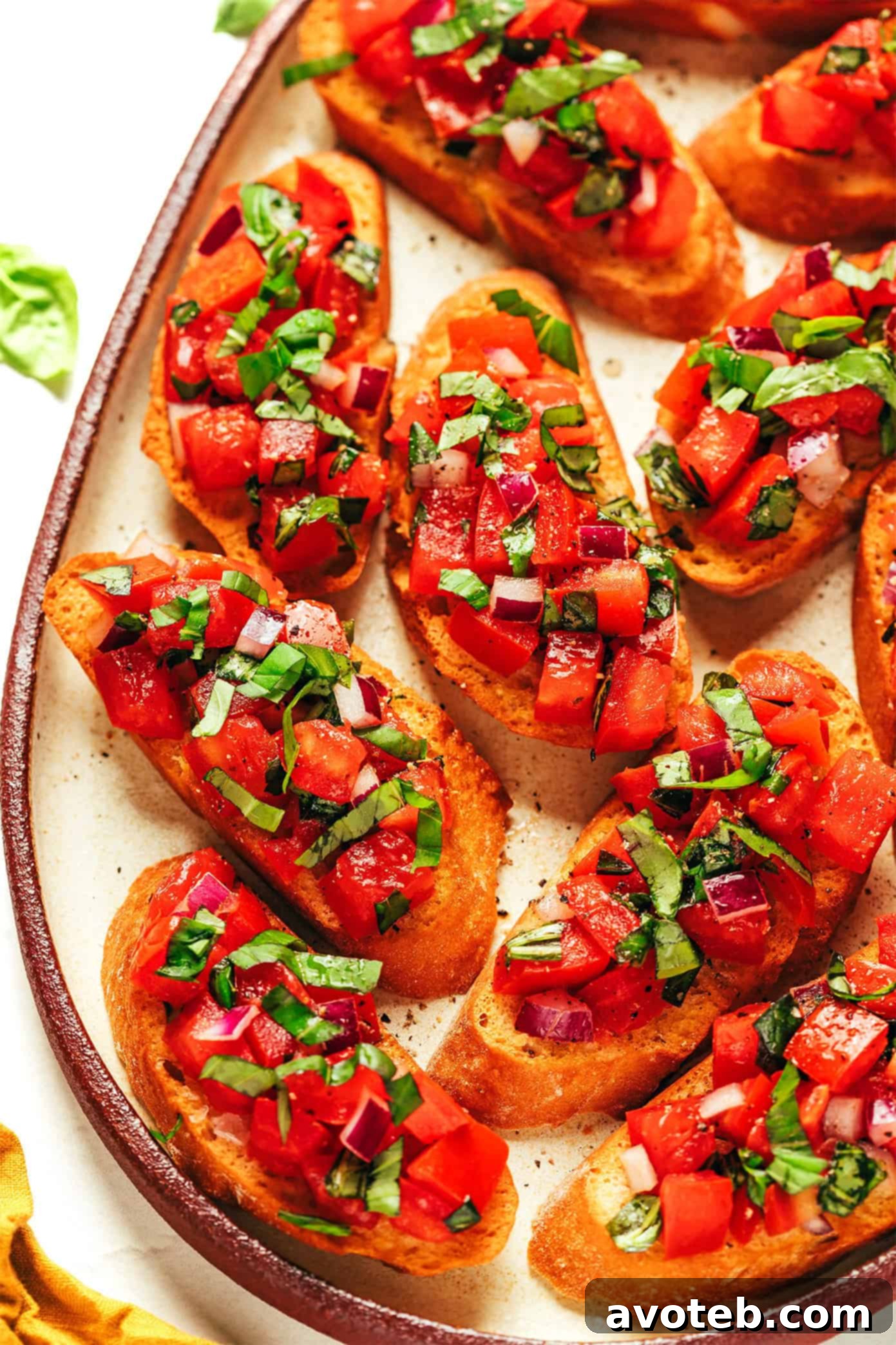
Beyond Bruschetta: Exploring More Fresh Tomato Recipes
With a deeper appreciation for the magnificent tomato, you’ll undoubtedly want to explore more ways to celebrate its seasonal bounty. Here are a few other cherished recipes that highlight the fresh, vibrant flavors of ripe tomatoes, perfect for making the most of your garden’s harvest or farmers market finds:
- Bruschetta Pasta: All the bright, fresh flavors of bruschetta, reimagined into a satisfying and quick pasta dish that’s perfect for a weeknight meal.
- Catalan Tomato Bread (Pa Amb TomàquetorPan Con Tomate): A delightful Spanish cousin to bruschetta, showcasing the simple elegance of tomato-rubbed bread, garlic, and olive oil.
- 5-Ingredient Burst Tomato Spread: A quick and incredibly flavorful spread made with oven-roasted tomatoes, perfect for toast, sandwiches, or as a vibrant dip.
- Authentic Gazpacho: A refreshing chilled Spanish soup, packed with fresh tomato goodness and other summer vegetables, ideal for hot days.
- Pasta with Burst Cherry Tomatoes, Burrata and Basil: A delightful pasta dish where sweet cherry tomatoes burst with flavor, complemented by creamy burrata cheese and fragrant fresh basil.
Bruschetta Recipe
- Author: Ali
- Prep Time: 20 mins
- Cook Time: 10 mins
- Total Time: 30 mins
- Yield: 16 to 20 servings
Description
All of the best tips we learned in Italy about how to make classic tomato bruschetta!
Ingredients
- 1 pound ripe tomatoes*, cored and diced
- 1/2 cup chopped fresh basil leaves
- 1/3 cup finely-diced red onion (optional)
- 2 tablespoons extra-virgin olive oil, plus extra for brushing/drizzling
- Fine sea salt and freshly-cracked black pepper, to taste
- 1 batch homemade crostini
- 2 large cloves garlic, unpeeled
Instructions
- Prep the tomato topping. Stir together the diced tomatoes, basil, red onion, olive oil and a pinch of salt together in a mixing bowl until evenly combined. Cover and refrigerate for at least 15 minutes or up to 24 hours.
- Make the crostini. Follow recipe instructions for perfectly toasted bread.
- Add garlic. Slice off the ends of the garlic cloves (without removing the papery skins). Then rub the cut end of the garlic evenly over the tops of the warm, freshly toasted bread slices to add as much or as little garlic flavor as you prefer, to taste.
- Assemble. Taste the tomato topping and season with additional salt (and black pepper, if you’d like) to taste. Add a spoonful of the tomato topping mixture to each slice of bread, then drizzle a hint of olive oil over the tomato topping.
- Serve. Serve immediately and enjoy!
Notes
Tomatoes: Always use the ripest fresh tomatoes that you can find. I typically use cluster tomatoes (a.k.a. tomatoes on the vine), Roma tomatoes or cherry tomatoes.