
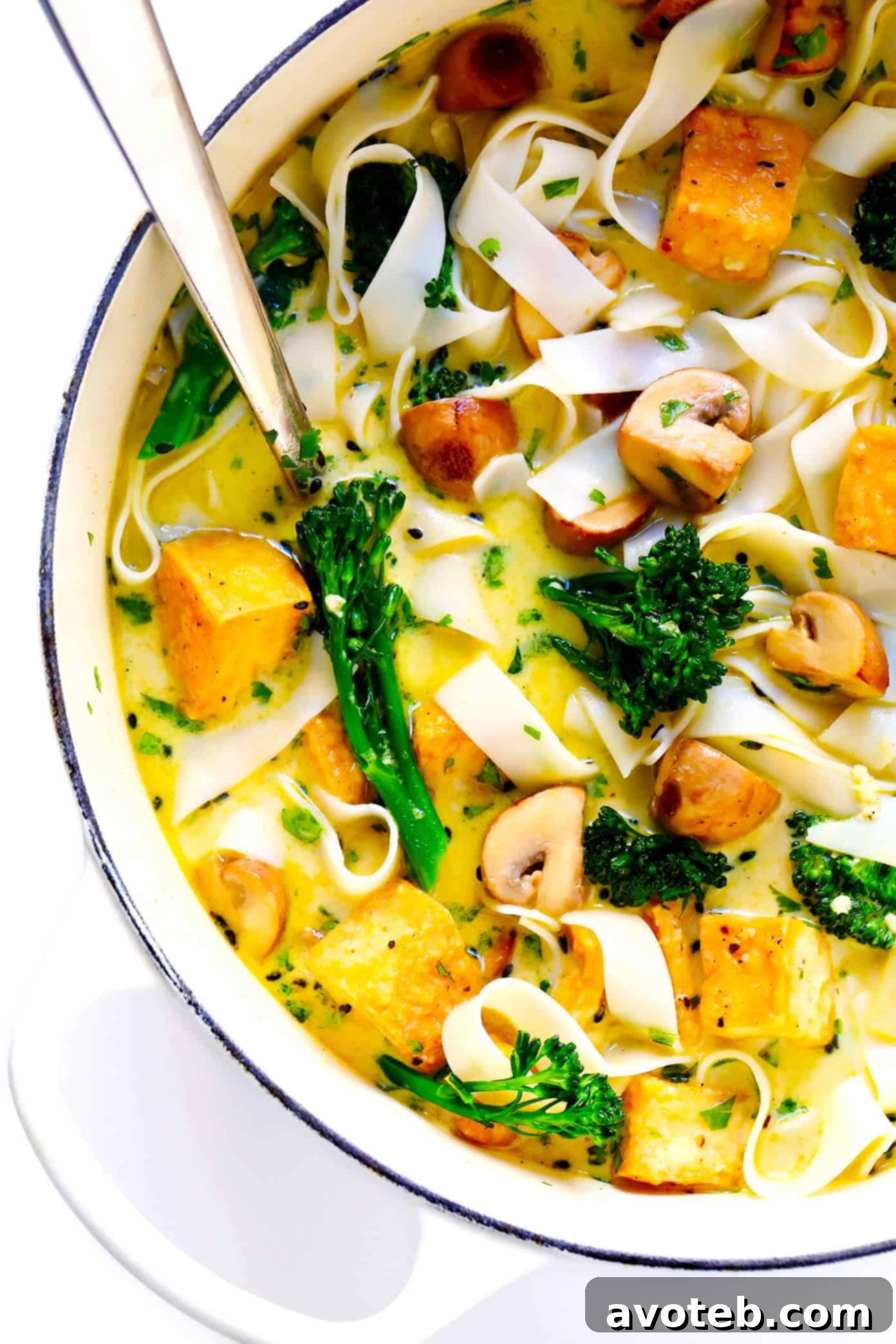
This incredible Thai Green Curry Soup recipe is your ultimate solution for a quick and satisfying meal. Effortlessly prepared on any weeknight, it’s designed for maximum customization, allowing you to incorporate your favorite vegetables, proteins (chicken, shrimp, steak, tofu, or a purely plant-based approach), and a medley of vibrant toppings.
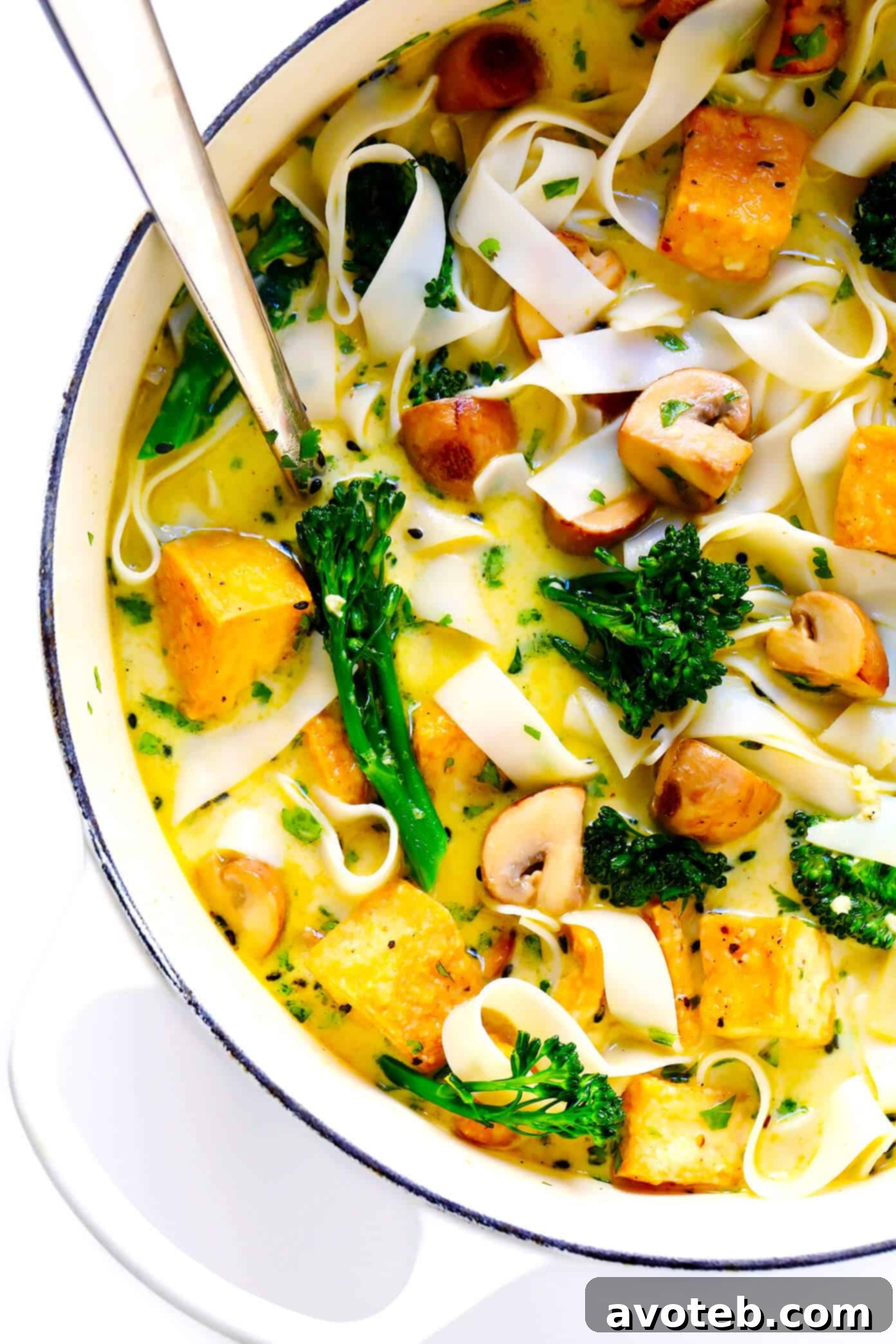
Introducing the quintessential weeknight dinner that consistently comes to our rescue. This Thai Green Curry Soup is the dish we instinctively turn to when we find ourselves in one of these all-too-common scenarios: (a) we’re short on time and need dinner on the table fast, (b) we’re craving something deeply warm, comforting, and utterly delicious, (c) a trip to the grocery store isn’t on the agenda, or most frequently, (d) all of the above dilemmas hit at once.
Today, we’re diving deep into the magic of my absolute favorite Thai green curry soup. It’s more than just a recipe; it’s a culinary philosophy. We’ve whipped up countless variations of this dish over the years, and for good reason. The secret to its enduring appeal lies in its sheer simplicity and incredible adaptability. At its core, it’s a generous pot of the most exquisitely aromatic green curry broth, serving double duty as either a rich sauce or a comforting soupy base. From there, your creativity is the only limit, allowing you to add whatever ingredients you have readily available that sound appealing.
Got some leftover rice, a variety of noodles, or a handful of grains? Absolutely perfect. Want to incorporate your favorite protein? Whether it’s tender chicken, succulent steak, savory pork, juicy shrimp, tender scallops, or a hearty, 100% vegan option like tofu or simply more vegetables, the choice is yours. Need to clear out that overflowing crisper drawer or those forgotten frozen veggies? Seriously, almost any vegetable you can imagine will blend seamlessly into the harmonious flavors of this curry. This flexibility is what transforms it from a mere meal into a truly magical experience, bringing together disparate ingredients into a cohesive, flavorful masterpiece.
Especially as the seasons shift and cooler weather sets in, prompting a longing for warm, soul-soothing bowls, I can wholeheartedly attest that this green curry hits the spot every single time. It’s a culinary hug in a bowl. And for those busy evenings, here’s an extra bonus: a big, steaming pot of this phenomenal green curry can be ready to serve in approximately 30 minutes, making it an ideal choice for a quick yet incredibly flavorful dinner.
Let’s embark on this delicious journey together and create something wonderful.
Crafting Your Perfect Thai Green Curry Soup: Essential Ingredients
As emphasized earlier, the beauty of this recipe lies in its absolute customizability. Consider these basic ingredients as your foundation, then feel free to explore and add whatever your heart desires! Here’s what you’ll typically need to get started:
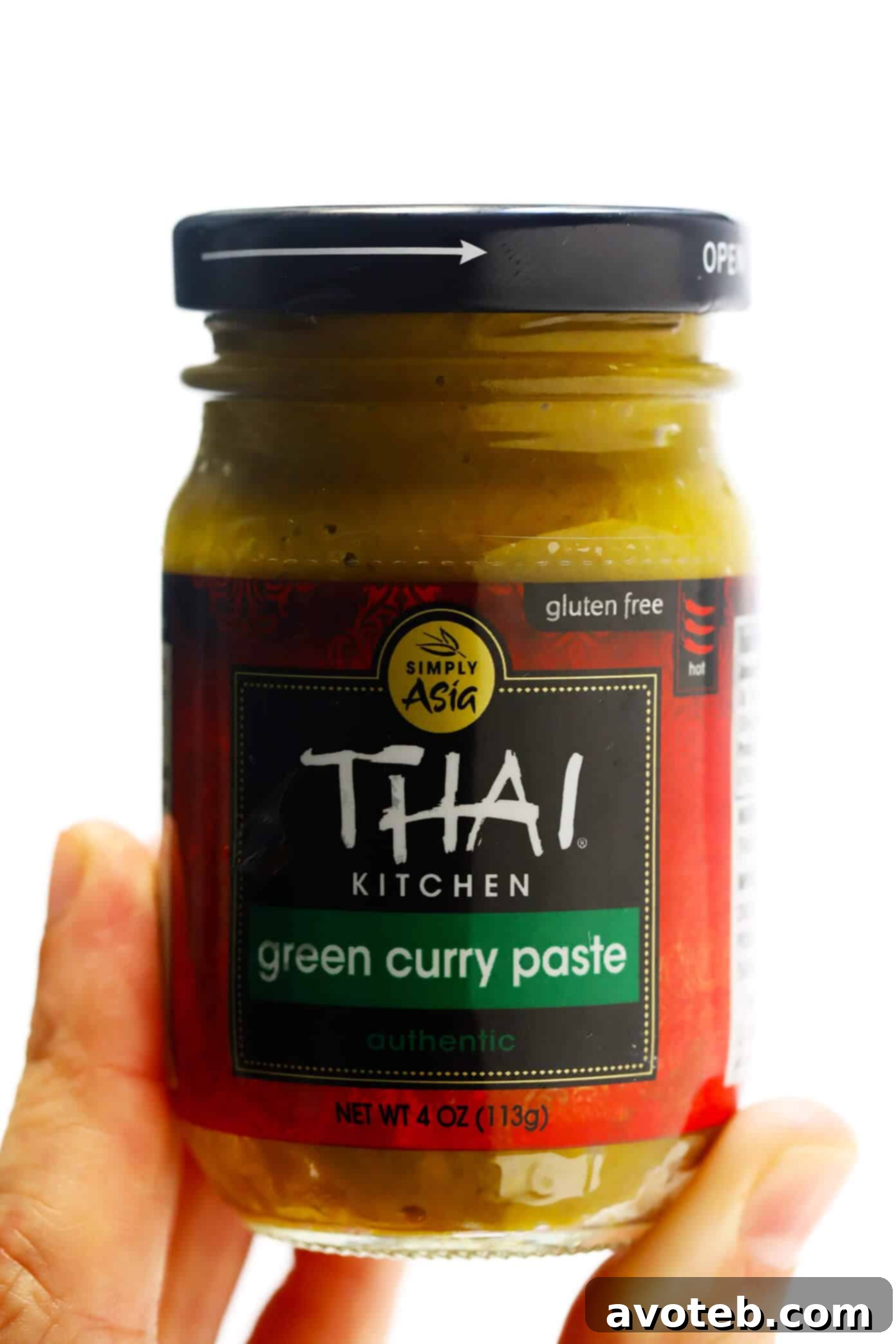
- Green Curry Paste: This is unequivocally the star of our show, the ingredient that lends this dish its distinctive, vibrant flavor and signature heat. If you’re new to working with green curry paste, be aware that it packs a significant punch. I highly recommend starting with a conservative 2 tablespoons, then gradually adding more to taste until you achieve your desired level of spice and flavor intensity. Personally, I often use 4-5 tablespoons to satisfy my love for a truly spicy curry, but always adjust to your preference.
- Full-Fat Coconut Milk: For a lusciously creamy and rich broth, full-fat canned coconut milk is my top recommendation. Its natural fats contribute to a wonderfully smooth texture and depth of flavor. However, if you’re aiming for a lighter version, low-fat coconut milk can certainly be substituted without compromising too much on taste.
- Vegetable Stock: This forms the essential backbone of our flavorful broth, providing a savory foundation. Opt for a good quality vegetable stock, or even better, a homemade one, to elevate the overall taste.
- Aromatics (Onion, Garlic, and Fresh Ginger): These three ingredients are indispensable for building the complex, aromatic base of your soup. They provide layers of savory, pungent, and subtly spicy notes. For those truly pressed for time, a pinch of onion powder and ground ginger can be used as a quick substitute, though fresh is always preferred for maximum impact.
- Noodles, Rice, or Grains: The choice of carbohydrate is entirely up to you. I find it best to cook your chosen noodles, rice, or grains in a separate pot to prevent them from becoming overly starchy in the broth and to allow for better texture control. Once cooked to al dente perfection and ready, they can be added directly to your serving bowls or stirred into the main pot.
- An Abundance of Vegetables: In curry, the more veggies, the merrier! Both fresh and frozen vegetables are welcome additions, offering convenience and nutrient density. You have the flexibility to either cook your vegetables directly in the simmering curry broth, allowing them to absorb all the delicious flavors, or prepare them separately (sautéed, roasted, or even using pre-cooked leftovers) and then stir them in at the end. My personal favorites for curry include:
- Crisp bell peppers (any color), fresh broccoli florets, sweet carrots, tender cauliflower, earthy mushrooms, vibrant peas, various types of squash (butternut, acorn), and hearty sweet potatoes or Yukon gold potatoes.
- Leafy greens such as robust kale, delicate spinach, earthy chard, or nutritious collard greens, which wilt beautifully into the warm broth.
- (Optional) Proteins (Meat, Seafood, or Tofu): Similar to the vegetables, your protein can be cooked directly in the curry broth as it heats up, or prepared separately and then added. I often use leftover cooked chicken (a shredded rotisserie chicken works wonders for speed!), tender steak, savory pork, succulent shrimp, or firm tofu. Cooking proteins separately often allows for better control over their texture and prevents overcooking.
- Fresh, Flavorful Toppings: Never underestimate the power of toppings to elevate your curry experience! I invariably garnish my curry bowls with a generous sprinkle of freshly chopped cilantro, perhaps even a hint of fresh mint for an added layer of brightness. Chopped red or green onions also provide a delightful mild crunch and flavor. Other fantastic topping ideas include toasted sesame seeds for nutty aroma, toasted flaked coconut for a touch of sweetness and texture, thin slices of fiery Thai bird chiles for an extra kick, or any other delicious additions that inspire you.
Step-by-Step Guide: Preparing Your Exquisite Green Curry Soup
This recipe can come together even faster if you have some pre-cooked noodles, rice, grains, vegetables, or proteins on hand. Otherwise, strategic multitasking is key to a swift preparation. Here’s a detailed breakdown of how I typically assemble this delightful green curry soup:
- Prepare Your Chosen Carb (Noodles, Rice, or Grains): Begin by cooking your preferred noodles, rice, or grains. Use a separate pot or your Instant Pot, following the package instructions meticulously. The goal is perfectly cooked, tender, but not mushy, carbohydrates. Once they are al dente and ready, drain them thoroughly if necessary. For noodles, a quick rinse under cold water in a colander is recommended to remove excess starch and prevent sticking. A drizzle of sesame oil tossed through them will further ensure they remain perfectly separated. Set them aside while you prepare the other components.
- Build the Flavorful Broth: While your carbs are cooking, start on the heart of the soup: the broth. In a separate large stockpot or Dutch oven, heat your olive oil over medium-high heat. Add the thinly sliced white onion and sauté for about 5 minutes, stirring occasionally until it softens and becomes translucent. Next, add the minced garlic, stirring constantly for just one more minute until fragrant, being careful not to burn it. Now, pour in the vegetable stock and coconut milk. Stir in the green curry paste until it is fully dissolved and incorporated, then add the thick rounds of fresh ginger. Bring the mixture to a gentle simmer, then reduce the heat to medium-low, cover the pot, and let it gently simmer. This allows the flavors to meld beautifully and the aromatics to infuse the broth. Taste the broth and season with salt and pepper as needed, adjusting to your preference.
- Cook Your Proteins (If Using): As mentioned earlier, you have flexibility here. You can either cook your chosen protein (chicken, shrimp, tofu, etc.) directly within the simmering curry broth during the last 5-10 minutes of cooking, allowing it to absorb the flavors, or prepare it separately. Cooking methods vary by protein: you might bake chicken or tofu, pan-sear steak or shrimp on the stove, or even use your Instant Pot for larger cuts. Once cooked, set it aside or add it to the broth, depending on your preferred method.
- Incorporate Your Vegetables: Again, you have options for your vegetables. Hardier vegetables like carrots, potatoes, or broccoli can be added to the simmering broth and cooked until tender-crisp. Softer vegetables like spinach or peas should be added during the last few minutes to prevent overcooking. Alternatively, you can sauté tougher vegetables separately until they reach your desired tenderness, or even roast them for a deeper flavor profile, then stir them into the finished broth. Don’t hesitate to sauté some of your chosen veggies along with the onions in step 2 for an extra layer of flavor.
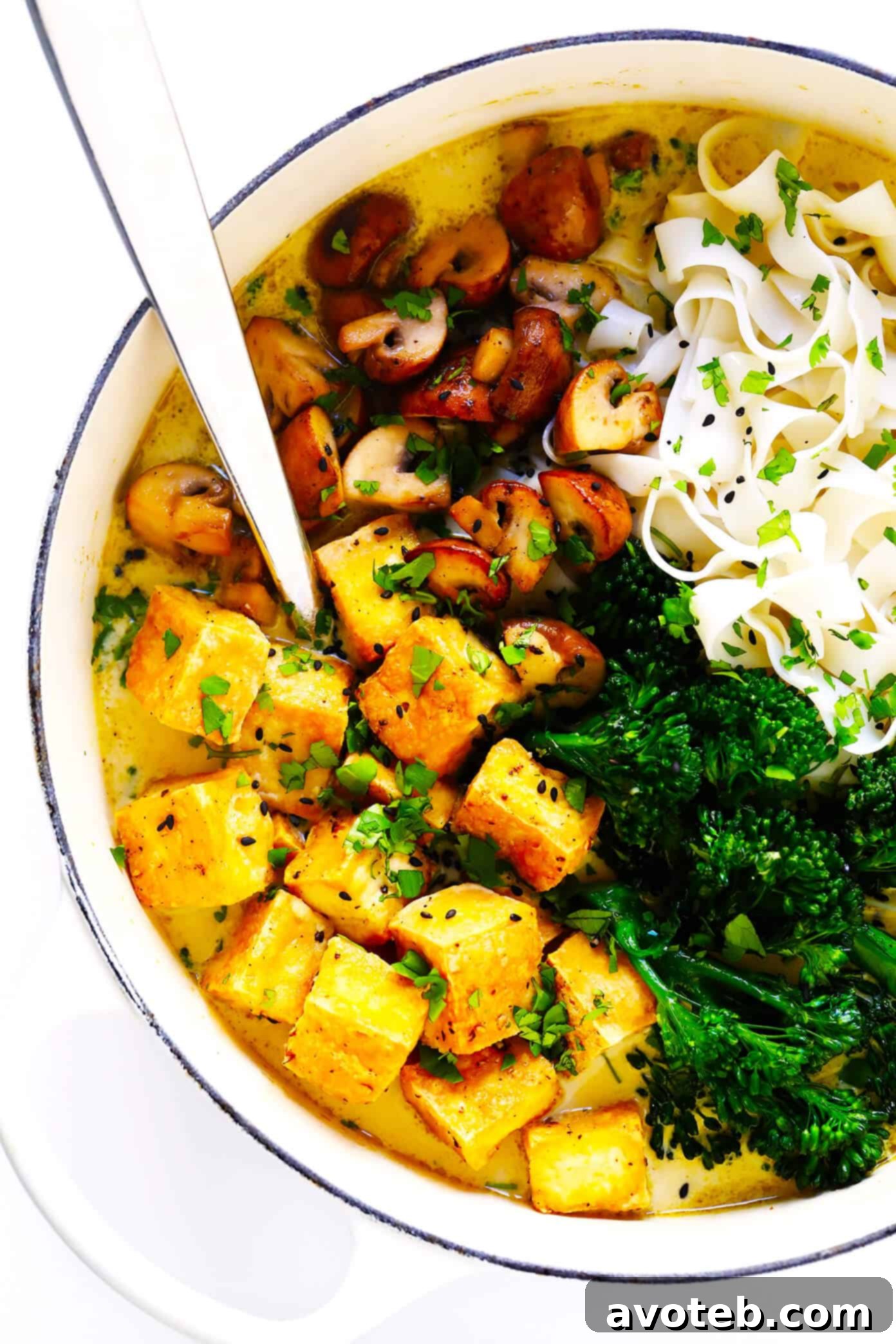
- Bringing It All Together: Once all the individual components—your cooked carbs, rich broth, tender proteins, and vibrant vegetables—are ready, it’s time to assemble your masterpiece. You can either combine everything directly into the large soup pot, stirring gently to integrate the ingredients, or you can opt for a more personalized approach by layering the components directly into individual serving bowls. This allows each person to customize their portion.
- The Essential Finishing Touch – Don’t Forget the Toppings! This step is crucial for enhancing both flavor and visual appeal. I strongly advocate for adding at least a few fresh, vibrant toppings to your green curry bowls. These additions provide contrasting textures, a burst of freshness, and additional layers of flavor that truly complete the dish. Then, with anticipation, serve warm and savor every spoonful!
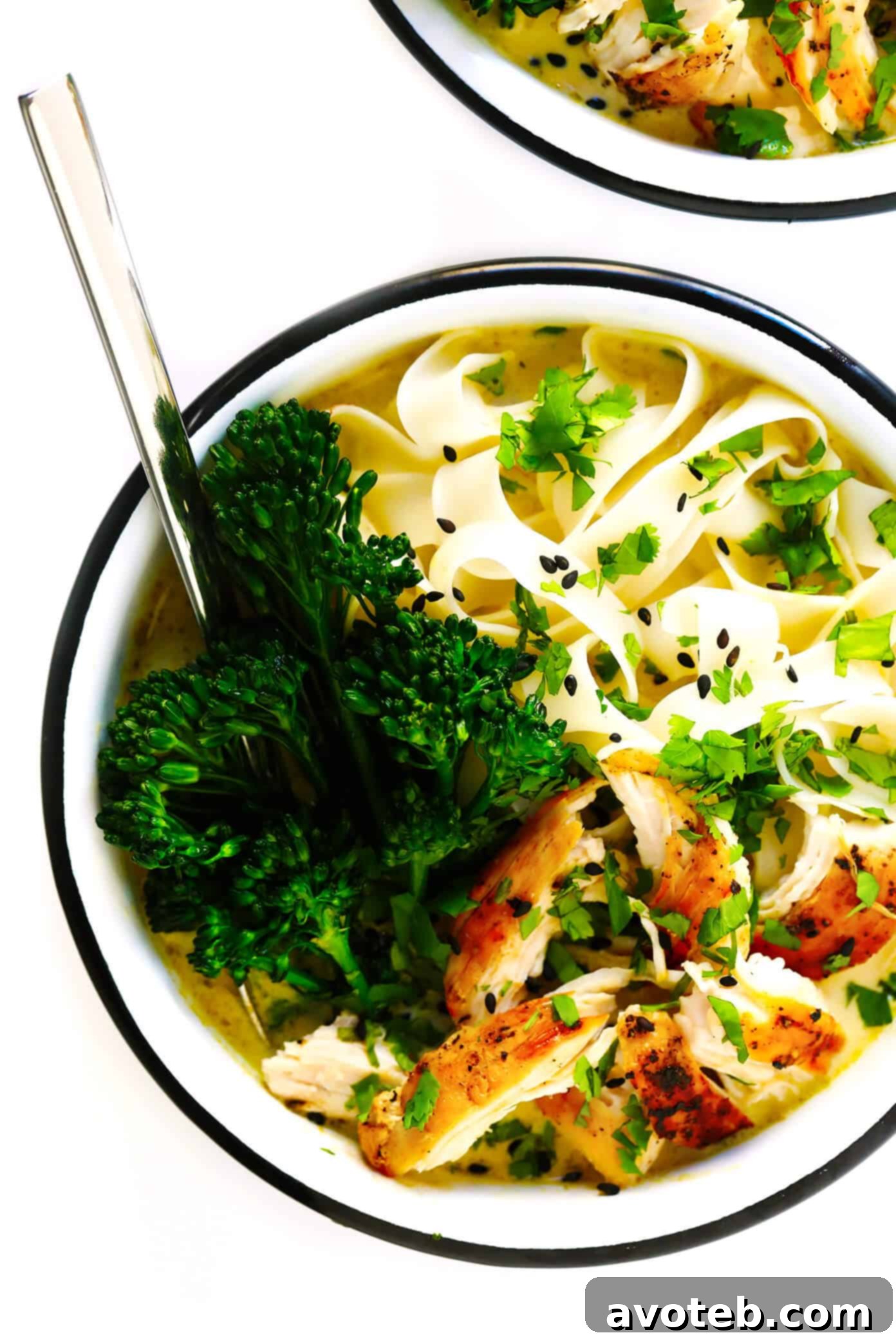
Creative Variations to Elevate Your Thai Green Curry Soup
The beauty of this Thai green curry soup lies in its incredible adaptability. Don’t hesitate to experiment with these variations to perfectly tailor the dish to your taste and mood:
- Amplify the Heat: For those who crave an extra fiery kick, simply add more green curry paste until it reaches your desired spice level. Beyond the paste, consider incorporating a few thin slices of fresh jalapeño, serrano, or authentic Thai bird chiles directly into the simmering broth. A sprinkle of crushed red chile flakes at the end also provides a quick and intense burst of heat. Remember, you can always add more spice, but it’s harder to take it away!
- Subdue the Spice: If you find your curry has become unexpectedly spicy, there’s no need to worry. You can easily mellow the heat by adding extra full-fat coconut milk or a bit more vegetable stock (or even water) to thin out the broth. A squeeze of lime juice at the end can also help balance the heat with its bright acidity.
- Explore Other Curry Flavors: While green curry is distinct, you can easily transform this recipe by swapping out the paste. If green curry paste isn’t your preference, feel free to substitute it with red curry paste for a different flavor profile, often characterized by its richness and sometimes a touch more sweetness, or yellow curry paste for a milder, earthier, and subtly sweet taste, often with turmeric. Each offers a unique aromatic journey.
- Increase the Brothiness: If you love a more soupy, comforting curry, perfect for sipping, simply double the amount of broth ingredients (vegetable stock and coconut milk). This creates an even more generous portion of the fragrant liquid, which also makes for fantastic leftovers, as the noodles might soak up some of the broth overnight.
- Thicken for a Saucier Texture: Conversely, if you desire a thicker, more sauce-like curry that clings to your rice or noodles, do the opposite and halve the amount of broth. This results in a concentrated, richer sauce that’s less soup and more a hearty stew, ideal for spooning over rice.
- Embrace the Hot-Pot Experience: For a fun and interactive way to entertain friends and family, transform this recipe into a Thai hot-pot! Prepare the rich green curry broth in a large pot or Instant Pot and place it in the center of your table over a portable burner to keep it simmering. Surround it with an array of small plates and bowls filled with prepped individual ingredients: thinly sliced raw meats (chicken, beef, pork), shrimp, various vegetables (mushrooms, bok choy, bell peppers, carrots), and tofu. Let each person add their desired ingredients directly into the simmering broth to cook to their liking, then ladle them out into their own serving bowls and sprinkle with toppings. It’s an incredibly engaging and delicious way to enjoy curry!
Smart Storage Tips for Your Leftover Green Curry
If you’re fortunate enough to have leftovers of this amazing green curry, consider yourself lucky! In my opinion, it often tastes even better the next day as the flavors have more time to meld and deepen. Here are a few essential tips for storing your curry to maintain its deliciousness:
- Don’t Be Alarmed by Separation: It’s perfectly normal for the coconut milk in the broth to separate when refrigerated. Upon cooling, the fats in the coconut milk tend to solidify and rise to the top, giving the broth a slightly odd, layered appearance. Simply reheat it gently on the stove over medium-low heat or in the microwave, stirring occasionally, and it will return to its creamy, delicious consistency.
- Store Carbs Separately (If Possible): For the best texture and to maintain a soupy consistency, I highly recommend storing any leftover noodles, rice, or grains in a separate airtight container from the curry broth. If stored together, the carbohydrates will inevitably soak up most of the flavorful curry broth as they sit, which isn’t necessarily a bad thing (it makes them incredibly flavorful!), but it will leave you with less actual soup. If you prefer a brothier curry, separate storage is key.
- Refrigerator Storage: Your homemade green curry recipe will keep beautifully in a sealed, airtight container in the refrigerator for up to 3 days. Ensure it’s cooled completely before transferring to the fridge.
- Freezer Storage – A Word of Caution: Unfortunately, coconut milk-based sauces and soups generally do not freeze well. The texture of the coconut milk tends to become grainy and separates irrevocably upon thawing, losing its desirable creamy consistency. For this reason, I do not recommend freezing this specific recipe. If you absolutely must freeze it, you could try freezing the vegetable stock base *before* adding the coconut milk, then adding fresh coconut milk when reheating.
Enjoy every comforting, flavorful bite, everyone!
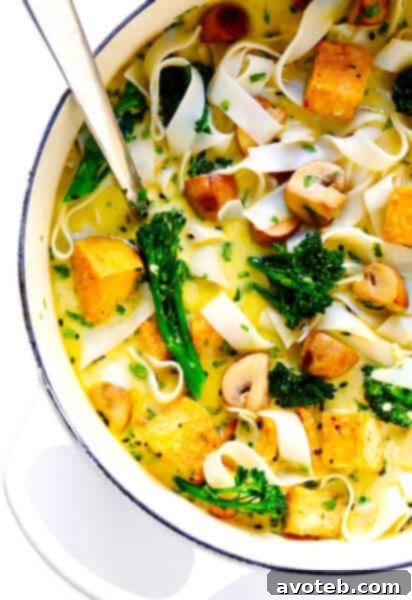
Thai Green Curry Soup
Prep Time: 15 minutes
Cook Time: 15 minutes
Total Time: 30 minutes
Yield: 8 –10 servings 1x
Description
This phenomenal Thai green curry soup recipe is exceptionally easy to prepare for any weeknight, offering complete customization with your preferred vegetables, proteins, and toppings. Its rich coconut broth and aromatic spices make it a comforting and versatile meal. Refer to the detailed tips above for an extensive range of ingredients and variations you can explore to make this dish uniquely yours!
Ingredients
Scale
- 8 ounces rice noodles (or preferred rice/grains like jasmine rice, brown rice, quinoa)
- 1 tablespoon olive oil (or coconut oil)
- 1 small white onion, peeled and thinly sliced
- 4 cloves garlic, minced (or 1 teaspoon garlic powder)
- 8 cups high-quality vegetable stock (or chicken stock for non-vegetarian)
- 1 (15-ounce) can full-fat coconut milk (for richness; low-fat can be used)
- 3–6 tablespoons green curry paste, adjusted to your preferred heat level
- 1-inch piece of fresh ginger, peeled and sliced into thick rounds (or 1/2 teaspoon ground ginger)
- 2-3 cups cooked and chopped protein (such as shrimp, chicken, steak, pork, or firm tofu for a vegetarian/vegan option)
- 2–3 cups chopped vegetables (e.g., bell peppers, broccoli, carrots, cauliflower, mushrooms, peas, squash, sweet potatoes, Yukon gold potatoes, spinach, kale, chard, or collard greens)
- Toppings: Freshly chopped cilantro, chopped green or red onion, toasted sesame seeds, toasted flaked coconut, lime wedges, sliced Thai bird chiles or red pepper flakes (optional, for extra heat).
Instructions
- Cook the rice noodles (or rice or grains). In a separate large pot, cook your chosen noodles, rice, or grains according to the package instructions until perfectly tender-crisp. Once cooked, drain them thoroughly in a colander. For noodles, rinse them with cold water to prevent sticking and drizzle with a splash of olive oil or toasted sesame oil, tossing gently until evenly coated. Set aside.
- Prepare the flavorful broth. While the noodles cook, begin your broth in a separate large stockpot or Dutch oven. Heat the olive oil over medium-high heat. Add the thinly sliced onion and sauté for approximately 5 minutes, stirring occasionally, until it becomes soft and translucent. Introduce the minced garlic and continue to sauté for another minute, stirring frequently until it releases its aromatic fragrance. Be careful not to burn it. Pour in the vegetable stock and canned coconut milk, then stir in the green curry paste and thick ginger rounds until well combined. Bring the mixture to a gentle simmer, then reduce the heat to medium-low, cover, and let it simmer gently while you prepare the remaining components. Taste the broth and season with salt and freshly ground black pepper as needed.
- Cook your proteins (if using). You have two primary options: cook your protein directly in the broth or separately. If cooking in the broth, add pre-cooked or quick-cooking proteins like shrimp or thinly sliced chicken/tofu during the last 5-10 minutes of the broth’s simmer. For other proteins, cook them separately (e.g., bake chicken breasts, pan-sear steak, or sauté tofu) until thoroughly cooked, then set aside to add at the end.
- Prepare your vegetables. Similar to proteins, vegetables can be cooked directly in the broth or separately. Hardier vegetables (like carrots, broccoli, cauliflower) can be added to the simmering broth for the last 8-10 minutes until tender-crisp. Softer greens (like spinach or kale) should be stirred in just a minute or two before serving until wilted. Alternatively, sauté your chosen vegetables in a separate pan or roast them in the oven for additional flavor, then add them to the prepared broth.
- Combine and serve. Once all elements—the cooked noodles/grains, rich broth, and prepared proteins and vegetables—are ready, you can either stir them all together in your main stockpot for a communal serving style, or, for individual customization, layer them artfully into separate serving bowls. Start with a base of noodles/rice, ladle over the fragrant broth with proteins and vegetables, and then proceed to the final step.
- Garnish with desired toppings. Sprinkle each serving bowl generously with your preferred fresh toppings, such as chopped fresh cilantro, green onions, toasted sesame seeds, or a squeeze of fresh lime juice, to add brightness and texture. Serve warm and wholeheartedly enjoy your homemade Thai Green Curry Soup!
Notes
Some of my favorite vegetables to include in this versatile curry are vibrant bell peppers (red, yellow, or green), crisp broccoli florets, sweet carrots, tender cauliflower, earthy mushrooms, small peas, various types of squash (such as butternut or acorn), and hearty sweet potatoes or Yukon gold potatoes for a filling element. For a boost of greens, consider adding robust kale, delicate spinach, vibrant chard, or nutritious collard greens, which wilt beautifully into the warm broth.