
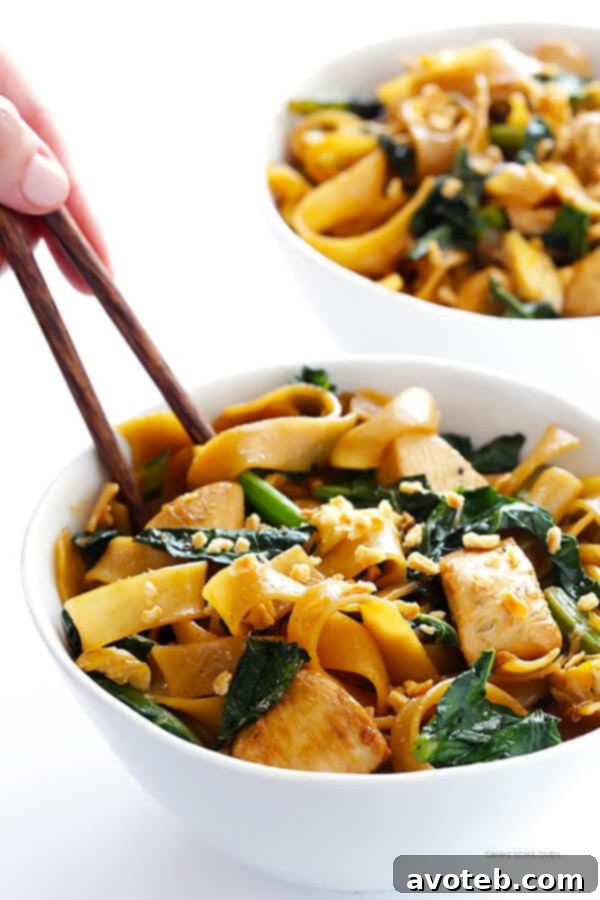
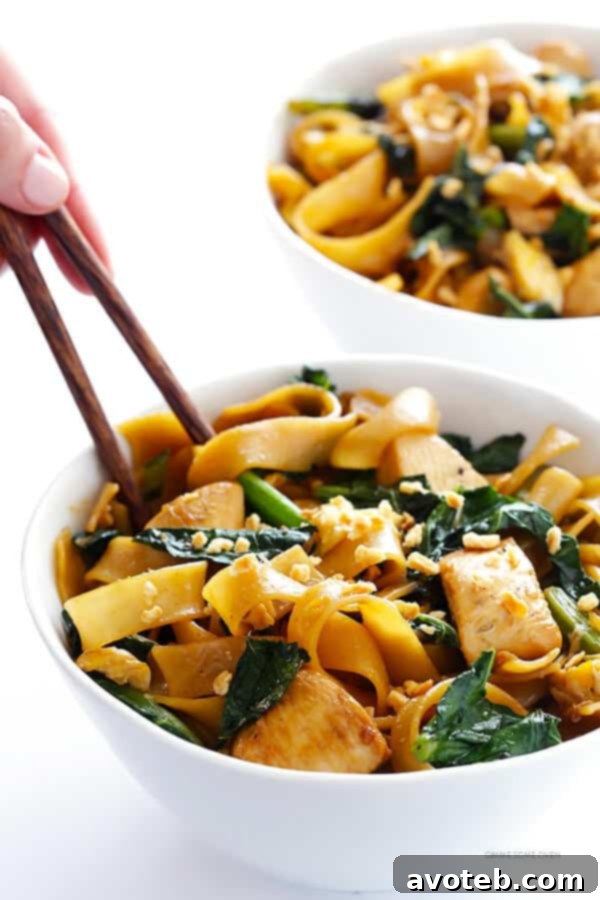
The Ultimate Homemade Pad See Ew: Sweet, Savory, and Seriously Satisfying
Life can sometimes throw a series of curveballs, testing our resilience and our ability to find comfort amidst the chaos. Recently, a wave of minor misfortunes hit our household: a gnarly case of poison ivy (which I am quite allergic to), followed by the flu making its rounds, and then a persistent bout of canker sores that relegated me to a bland, puréed diet. Suffice it to say, we weren’t exactly radiating vibrant health!
In times like these, I find immense solace in the comforting embrace of good food. When Barclay was laid low with the flu, my first thought was a trip to our local Thai restaurant. I picked up his favorite Tom Kha soup and, for myself, a generous order of Pad See Ew. I was deeply craving that distinctive sweet and savory stir-fry sauce. To my dismay, the order was mixed up, and I received Pad Kee Mao instead. While delicious in its own right, it wasn’t the sweet, comforting embrace I desperately longed for.
Determined to satisfy my specific craving, I decided to take matters into my own hands. A quick online search confirmed that I already had most of the sauce ingredients at home. A swift trip to our neighborhood Asian market for some fresh Chinese broccoli, paired with chicken I had on hand, and within 15 minutes, a restaurant-quality Pad See Ew was ready. It was precisely the comfort I needed—a perfect blend of sweet and savory that brought warmth and satisfaction during an otherwise challenging week.
What is Pad See Ew? Your Guide to This Beloved Thai Noodle Dish
For those familiar with the vibrant world of Thai cuisine, Pad See Ew needs little introduction. It stands as one of Thailand’s most popular and comforting noodle dishes, widely celebrated for its harmonious balance of sweet and savory flavors, glossy wide rice noodles, and distinct charred aroma from the wok. The name “Pad See Ew” literally translates to “stir-fried with soy sauce,” perfectly encapsulating its essence. While it shares some similarities with other stir-fried noodle dishes, Pad See Ew distinguishes itself with its signature thick, flat rice noodles (เส้นใหญ่, sen yai) and the prominent use of Chinese broccoli.
This dish is a staple in Thai street food stalls and restaurants alike, cherished for its simplicity and the deep umami provided by its unique sauce blend. It’s often considered a go-to choice for those who appreciate milder, sweeter flavors compared to spicier Thai offerings like Pad Kee Mao (Drunken Noodles). Whether you’re a seasoned Thai food enthusiast or new to its delights, Pad See Ew offers an accessible and incredibly satisfying culinary experience.
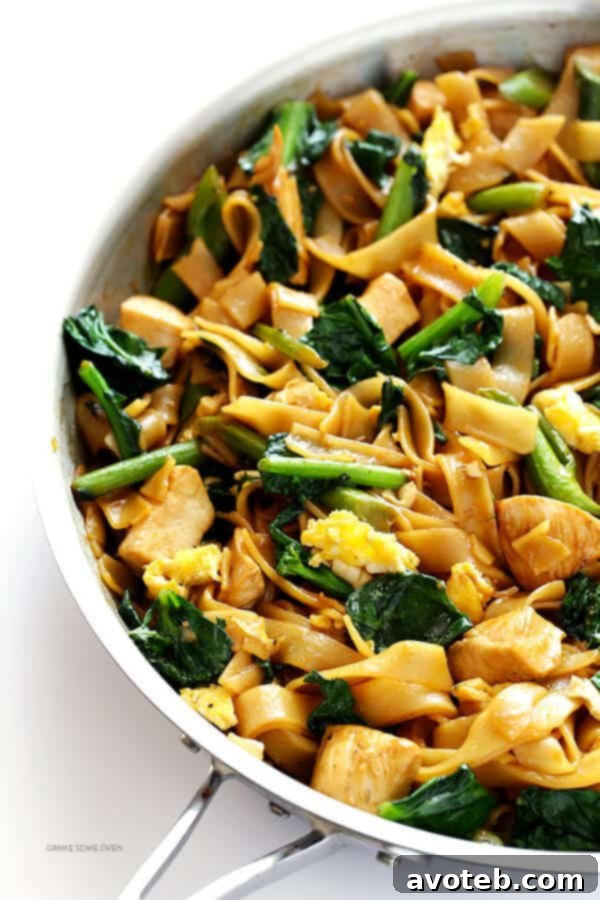
The Essential Ingredients for Authentic Pad See Ew
Crafting the perfect Pad See Ew at home starts with understanding its core components. Each ingredient plays a crucial role in achieving that authentic restaurant-quality taste and texture. Here’s a deeper look into what you’ll need:
1. The Noodles: Wide, Flat Rice Noodles (Sen Yai)
The star of Pad See Ew is undoubtedly the wide, flat rice noodle, or sen yai. These fresh noodles are typically found in the refrigerated section of Asian markets. Their broad surface is ideal for absorbing the rich stir-fry sauce, and their chewy texture provides a delightful contrast to the other ingredients. If fresh noodles aren’t available, dried wide rice stick noodles can be used, but ensure they are prepared al dente according to package directions to prevent them from becoming mushy during the stir-fry process. Breaking them up gently with your fingers after soaking or boiling helps prevent sticking.
2. The Vegetables: Chinese Broccoli (Gai Lan)
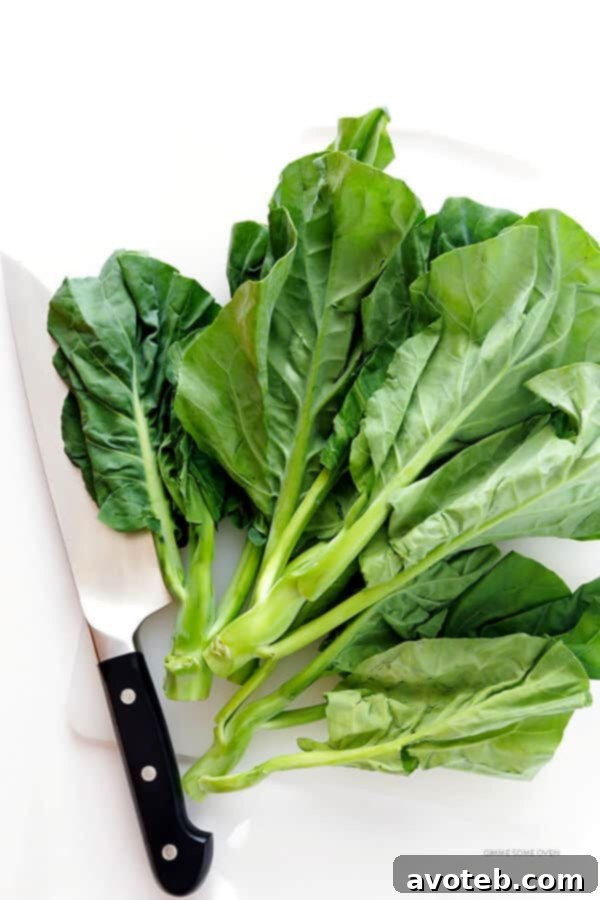
Chinese broccoli, also known as Gai Lan, is a non-negotiable ingredient for authentic Pad See Ew. Its slightly bitter, earthy flavor beautifully complements the sweetness of the sauce. Don’t be afraid to use a generous amount – it wilts down considerably. The beauty of Gai Lan lies in its versatility: both the tender leaves and the crunchy stems are used. For the stems, slice them thinly on the bias so they cook evenly and offer a pleasant bite, adding textural complexity to the dish. If Chinese broccoli is truly impossible to find, you can substitute it with regular broccoli florets or kale, but be aware that the flavor profile will shift slightly.
3. Your Choice of Protein
Pad See Ew is incredibly versatile when it comes to protein. While chicken is a popular choice, feel free to customize it with your favorite. Options include:
- Chicken: Boneless, skinless chicken breasts or thighs, cut into bite-sized pieces, cook quickly and absorb flavors well.
- Beef: Thinly sliced sirloin or flank steak adds a rich, savory depth.
- Pork: Tender pork loin or shoulder, thinly sliced, works wonderfully.
- Shrimp: Quick-cooking shrimp brings a sweet, oceanic note to the dish.
- Tofu: For a vegetarian or vegan option, firm or extra-firm tofu, pressed and cubed, is an excellent choice.
- Egg: Whisked eggs are often scrambled directly into the stir-fry, adding richness and substance.
Ensure your chosen protein is cut into uniform, bite-sized pieces to ensure even cooking in the hot wok or pan.
4. The Signature Sweet & Savory Sauce
The heart and soul of Pad See Ew lie in its perfectly balanced sauce. This blend of key Thai pantry staples creates the dish’s distinctive taste:
- Dark Sweet Soy Sauce (ซีอิ๊วดำหวาน, See Ew Dam Wan): This is the most crucial ingredient, responsible for the deep caramel color and unique sweetness of the dish. It’s thicker and less salty than regular soy sauce, with a molasses-like flavor. Do not substitute this with regular soy sauce if you want an authentic result.
- Oyster Sauce: Adds a rich, savory umami depth and a slight tang. For a vegetarian version, mushroom-based “oyster sauce” alternatives are available.
- Regular Soy Sauce: Provides the foundational salty umami.
- Rice Wine Vinegar: A touch of acidity brightens the flavors and balances the sweetness.
- Sugar or Honey: Enhances the sweetness and helps with caramelization, contributing to the glossy finish of the noodles. Adjust to your preference.
- Chili Garlic Sauce (Optional): For those who enjoy a hint of heat, a touch of chili garlic sauce can be added to taste.
Whisking these ingredients together before cooking is essential, ensuring a smooth, well-integrated sauce ready to coat every strand of noodle and piece of vegetable.
Mastering the Stir-Fry: Tips for a Perfect Pad See Ew
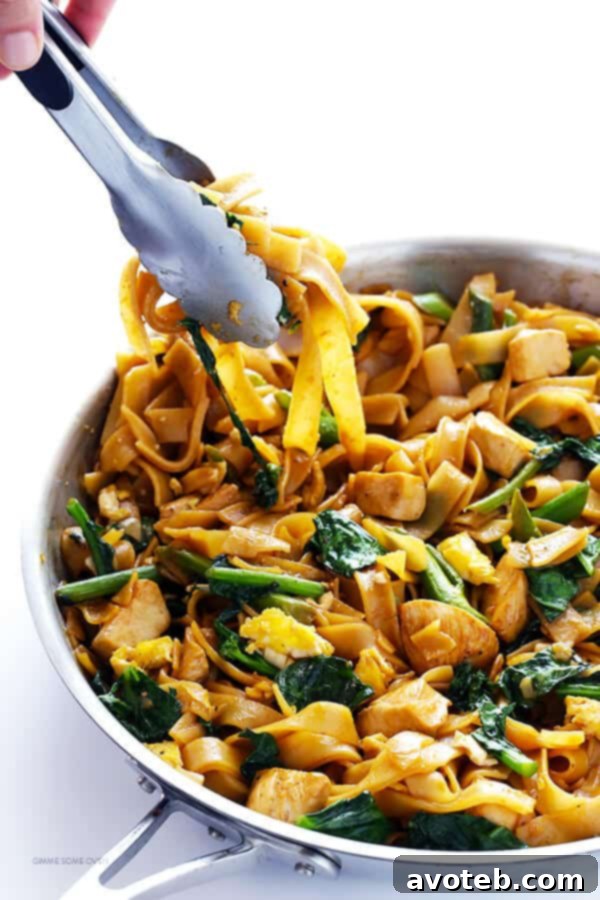
Achieving that coveted “wok hei” (breath of the wok) or smoky charred flavor is key to a truly great Pad See Ew. While not everyone has a professional wok burner, you can still get fantastic results at home by following a few simple stir-frying principles:
- High Heat is Your Friend: A large sauté pan or wok heated to a very high temperature is crucial. This ensures ingredients cook quickly, develop color, and prevent them from steaming. Don’t be afraid to let your pan get smoking hot.
- Work in Batches: Overcrowding the pan lowers the temperature and leads to steaming instead of stir-frying. If you’re making a larger batch, cook the protein and vegetables in separate batches, setting them aside, and then combining everything at the end.
- Proper Noodle Preparation: The wide rice noodles can be tricky. If using dried, soak them until just al dente—they will continue to cook in the stir-fry. If using fresh, gently separate them to prevent clumping. You want them pliable but still firm enough to withstand vigorous stirring without breaking apart.
- Add Ingredients in Stages: Start with ingredients that take longer to cook (like meat and broccoli stems), then add faster-cooking items (broccoli leaves, garlic, eggs, noodles, sauce). This ensures everything reaches perfect doneness simultaneously.
- Constant Motion: Stir-frying literally means “stir and fry.” Keep your ingredients moving constantly in the pan to ensure even cooking and to prevent burning.
The Perfect Finishing Touch: Fried Garlic
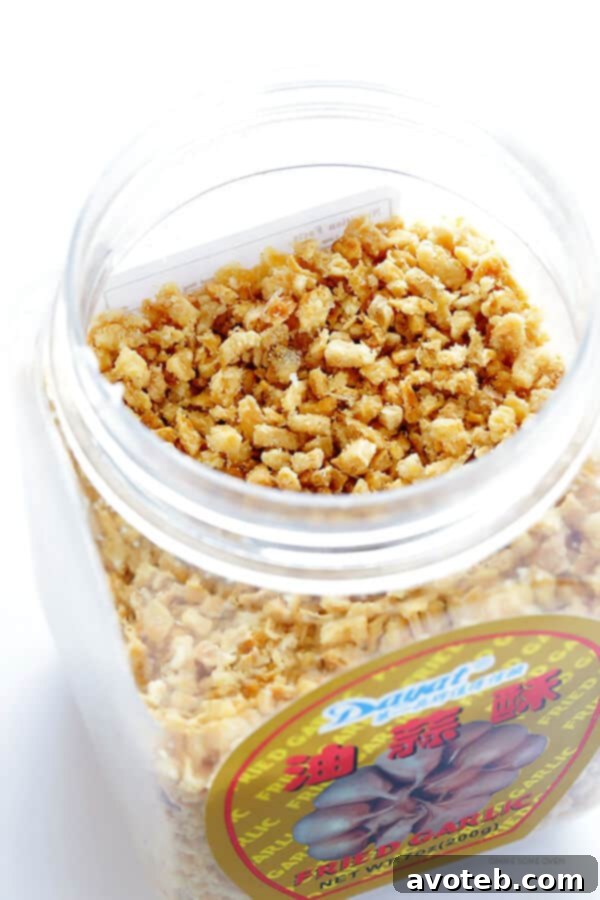
A little secret weapon I discovered at a fantastic local Thai restaurant is fried garlic. These tiny, golden, crispy morsels are pure magic! They might get stuck in your teeth occasionally, but the intense aroma and delightful crunch they add to Pad See Ew are absolutely worth it. Fried garlic is often found in jars at Asian groceries and specialty food stores. If you ever spot them, I highly recommend grabbing a batch. They’re like the best “Thai sprinkles” you’ll ever encounter, elevating the flavor and texture of your homemade dish to an even higher level.
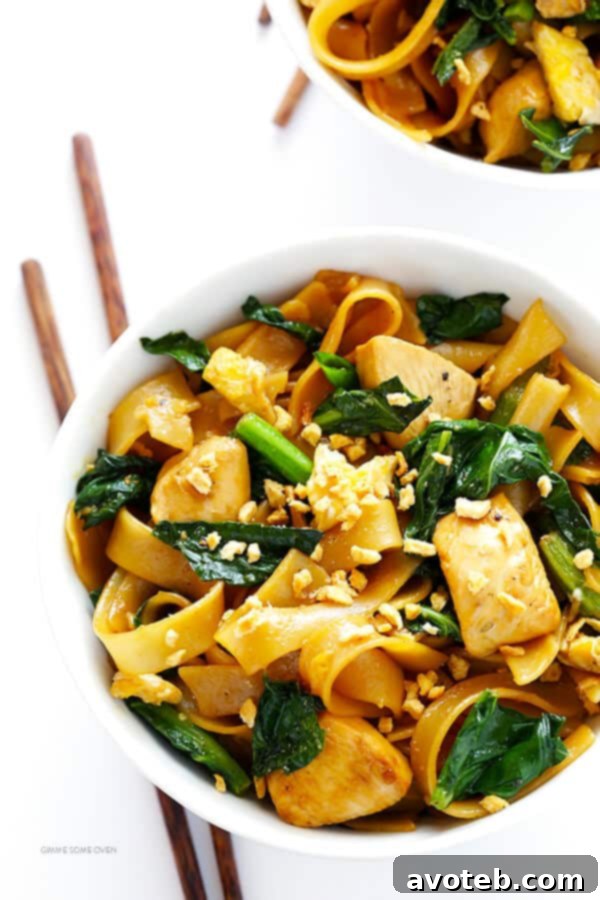
Bringing the Restaurant Experience Home
This Pad See Ew recipe is more than just a meal; it’s an invitation to bring the vibrant flavors of Thailand directly into your kitchen. It’s remarkably quick and straightforward, proving that authentic and incredibly delicious Thai food is well within reach for home cooks. Customizing it with your preferred protein and vegetables makes it a versatile dish that can cater to any palate or dietary preference.
So, next time you’re craving that comforting, sweet, and savory stir-fried noodle dish, skip the takeout line and create your own culinary masterpiece. You’ll be amazed at how easily you can replicate and even surpass your favorite restaurant’s version. Enjoy every satisfying bite!
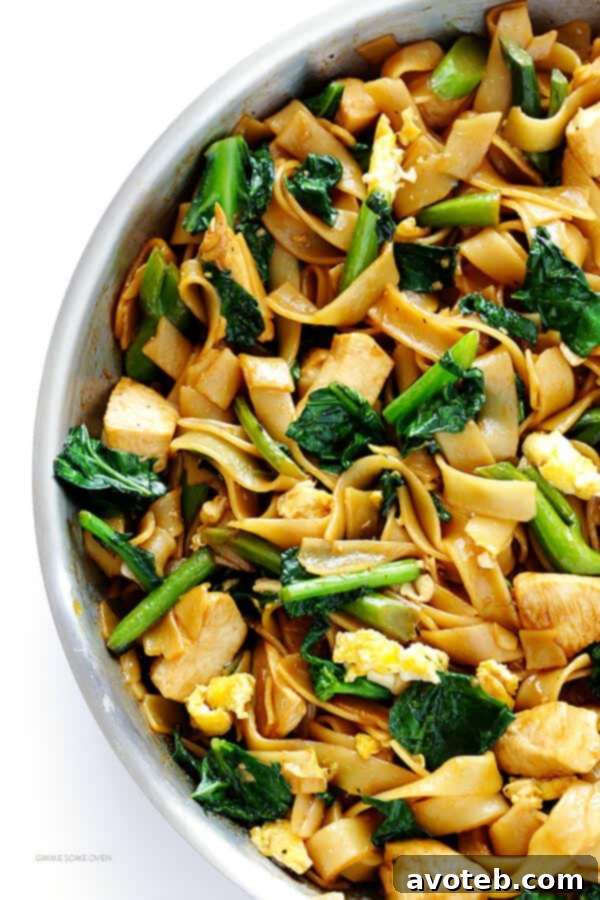
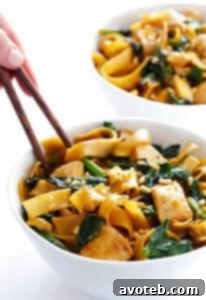
Pad See Ew (Thai Sweet Stir Fried Noodles)
Prep Time: 10 minutes
Cook Time: 10 minutes
Total Time: 20 minutes
Yield: 4 servings 1x
Description
Indulge in the authentic flavors of Thailand with this incredibly easy and quick Pad See Ew recipe. Featuring tender wide rice noodles, crisp Chinese broccoli, and your choice of protein, all coated in a rich, glossy, and perfectly balanced sweet and savory stir-fry sauce. This dish is ideal for a satisfying weeknight meal and is fully customizable to your taste, promising a delightful culinary journey right from your home kitchen!
Ingredients
Scale
FOR THE STIR-FRY:
- 12 ounces (dry) wide, flat rice stick noodles (or fresh sen yai noodles, about 1 lb)
- 2 Tablespoons peanut or high-heat vegetable oil, divided
- 1 pound boneless, skinless chicken breasts, cut into bite-sized pieces (see notes for other protein options)
- 5 cups (packed) Chinese broccoli (Gai Lan), thoroughly washed and chopped into bite-sized pieces; separate stems from leaves
- 3 cloves garlic, peeled and freshly minced
- 2 large eggs, lightly whisked
- 1 recipe stir-fry sauce (prepared according to instructions below)
- (Optional garnishes: crispy fried garlic, fresh lime wedges for serving, a sprinkle of white pepper)
FOR THE STIR-FRY SAUCE:
- 3 Tablespoons dark sweet soy sauce (essential for color and flavor)
- 1 Tablespoon oyster sauce (or vegetarian mushroom oyster sauce)
- 1 Tablespoon regular light soy sauce
- 1 Tablespoon rice wine vinegar
- 2–3 teaspoons granulated sugar or honey, adjust to taste
- Optional: 1-2 teaspoons chili garlic sauce, for a touch of heat, to taste
Instructions
To Make The Stir-Fry:
- Prepare Noodles: If using dried rice stick noodles, prepare them al dente according to package instructions. A common method is to place them in a large mixing bowl, cover them with boiling water, and let them soak for 3-5 minutes until tender but still firm to the bite. Drain thoroughly and immediately separate them gently with your fingers or tongs to prevent sticking. If using fresh sen yai noodles, gently pull them apart to separate. Set aside.
- Cook Protein and Stems: Heat 1 Tablespoon of peanut or vegetable oil in a large sauté pan or wok over high heat until it begins to shimmer. Add the bite-sized chicken pieces, Chinese broccoli stems, and minced garlic. Stir-fry for 4-6 minutes, tossing and flipping occasionally, until the chicken is just cooked through (no longer pink inside) and the broccoli stems are tender-crisp. Transfer this mixture to a separate clean plate and set aside.
- Scramble Eggs: Add 1 teaspoon of the remaining oil to the now-empty sauté pan or wok. Pour in the whisked eggs and quickly scramble them, stirring occasionally, until they are just cooked through and form soft curds. You can either incorporate them directly into the stir-fry now or transfer them to the plate with the chicken and broccoli if your pan is smaller.
- Combine and Stir-Fry: Add the remaining 2 teaspoons oil to the pan. Immediately add the cooked noodles, the reserved chicken and broccoli stem mixture, and the Chinese broccoli leaves. Pour the prepared stir-fry sauce evenly over everything. Toss vigorously and constantly for 2-3 more minutes, ensuring all ingredients are well combined and the noodles are thoroughly coated with the glossy sauce. The broccoli leaves should be wilted but still bright green. Taste the dish and season with additional salt and pepper if needed.
- Serve Immediately: Transfer the hot Pad See Ew to serving plates. Garnish with optional crispy fried garlic and a fresh lime wedge on the side. Serve immediately to enjoy the best texture and flavor.
To Make The Stir-Fry Sauce:
- Mix Sauce: In a small bowl, whisk together the dark sweet soy sauce, oyster sauce, regular soy sauce, rice wine vinegar, and sugar (or honey) until the sugar is fully dissolved and the sauce is well combined. If you desire a spicier kick, stir in 1-2 teaspoons of chili garlic sauce to taste. Set aside until ready to use.
Notes
Protein Substitutions: Feel free to substitute the chicken with 1 pound of thinly sliced steak (such as sirloin or flank), shrimp, pork loin, or firm/extra-firm tofu. For steak, cook until just browned and then remove to avoid overcooking. Shrimp cooks very quickly, so add it towards the end of step 2, cooking just until pink. For tofu, press out excess water, then cube and pan-fry until golden before adding it to the stir-fry. Adjust cooking times accordingly.
Vegetarian/Vegan Option: To make this dish vegetarian, substitute chicken with tofu and use a mushroom-based “oyster sauce” alternative instead of traditional oyster sauce. Ensure your dark sweet soy sauce is also vegetarian-friendly.
Noodle Tips: For the best texture, seek out fresh wide rice noodles (sen yai) from an Asian market. If using dried, do not oversoak them, as they will continue to cook in the hot pan and can become mushy. They should be pliable but still have a slight bite before stir-frying.
This recipe is adapted from brilliant sources like She Simmers and Recipe Tin Eats, with personal touches for home cooking success.