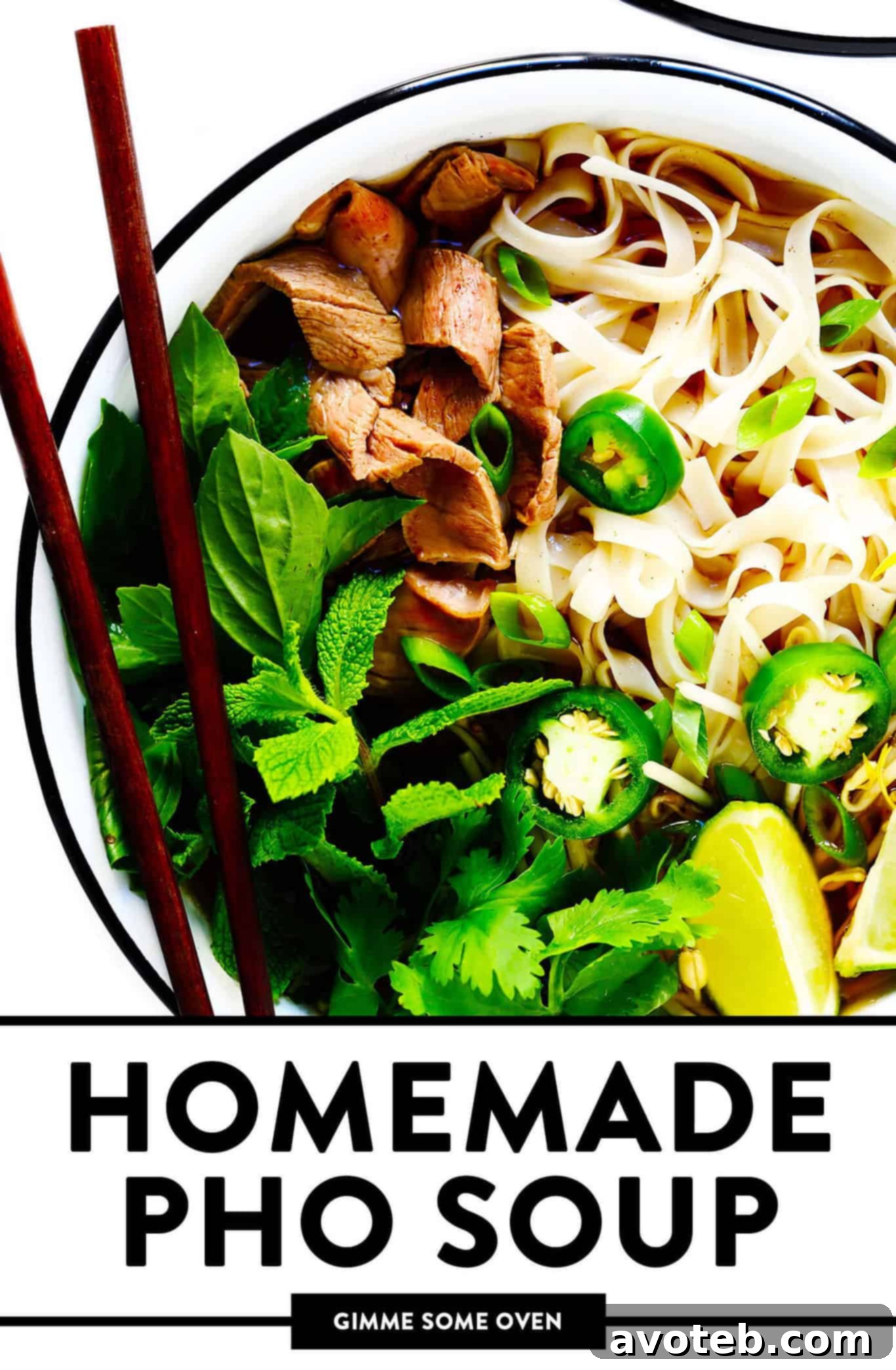
Discover the art of crafting a rich and flavorful homemade Pho, Vietnamese noodle soup, right in your kitchen. Our recipe offers time-saving shortcuts without compromising on the authentic taste you love.
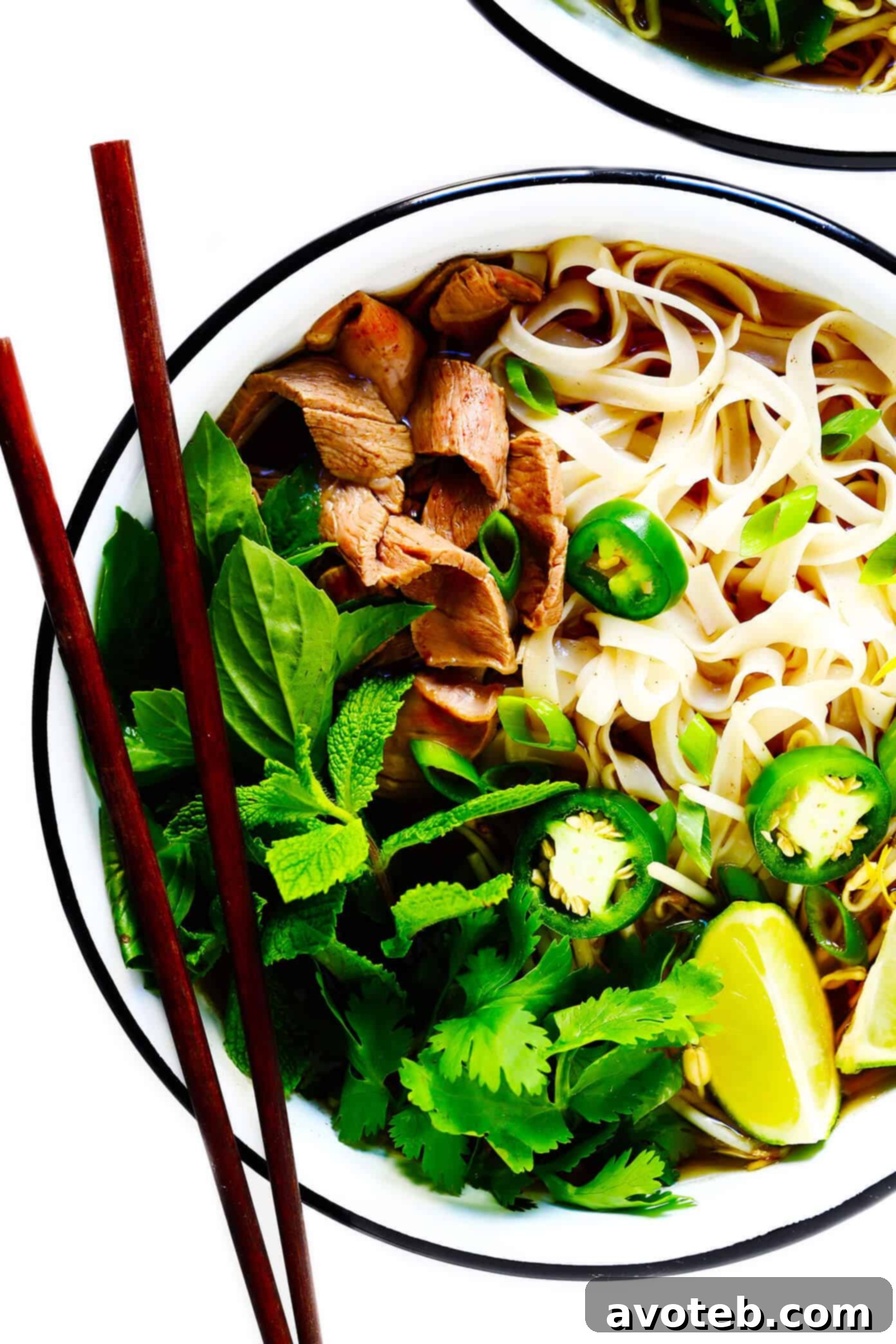
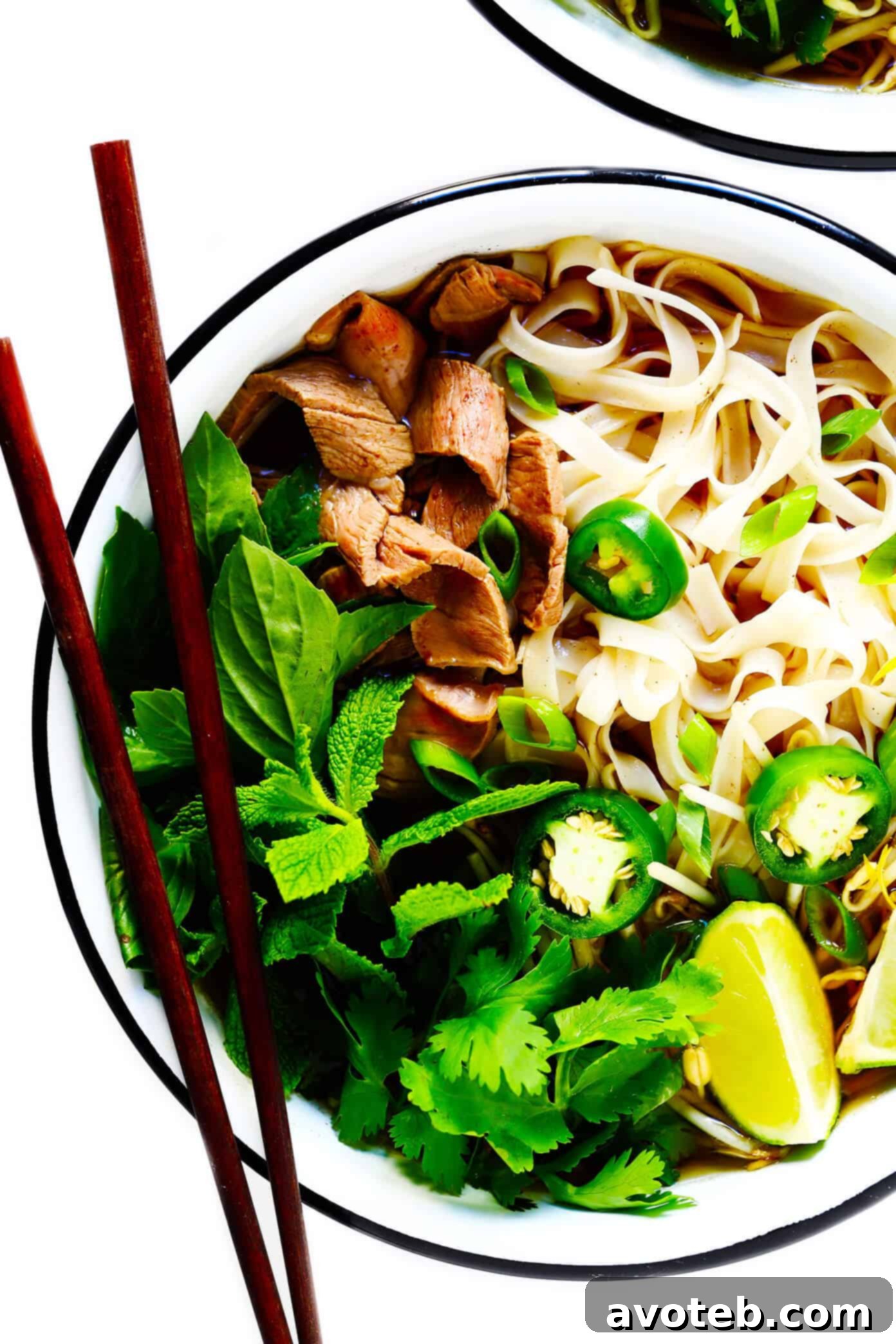
There’s something truly magical about a steaming bowl of Phở (pronounced “fuh”) – the national dish of Vietnam. For decades, this deeply aromatic and incredibly comforting noodle soup has held a special place in my heart. While my culinary adventures have yet to take me to Vietnam to experience authentic pho in its homeland, I’ve savored countless bowls in Vietnamese restaurants across the States and here in Barcelona. Every single time, this harmonious blend of savory broth, tender noodles, fresh herbs, and succulent protein hits all the right notes, offering a unique culinary embrace that few other dishes can match.
The allure of pho is undeniable, and the thought of recreating its complex flavors at home once felt daunting. Traditional pho broth, the very soul of the soup, is renowned for its hours-long simmering process, drawing out an unparalleled depth from beef bones and an array of aromatic spices. However, I’ve discovered that with a few clever shortcuts, it’s entirely possible to achieve a wonderfully rich and satisfying homemade pho in a fraction of the time. This recipe is my answer to busy weeknights and sudden cravings, proving that you don’t need to dedicate an entire day to enjoy this Vietnamese masterpiece.
My journey into homemade pho revealed that while the traditional method yields an incomparably deep flavor, a carefully constructed shortcut broth can still deliver an incredibly delicious experience. By using high-quality store-bought beef stock as a base and infusing it with charred aromatics and warming whole spices, we can create a broth that develops a remarkable complexity in just 45 minutes. This method, though not “100% authentic,” captures the essence of pho – the smoky notes from charred ginger and onion, the fragrant perfume of star anise and cinnamon, and the savory umami of fish sauce, all balanced with a touch of sweetness. Topped with an generous array of fresh herbs and vibrant garnishes, this homemade pho recipe is an absolute game-changer, promising a cozy, deeply flavorful meal that you’ll want to revisit again and again.
So, if you’ve been dreaming of making your own Vietnamese pho, let this recipe be your guide. It’s an approachable way to bring the incredible flavors of this beloved soup into your home, satisfying your craving for warmth, freshness, and pure deliciousness.
Homemade Pho: A Quick Overview
Before diving into the full recipe, let’s briefly touch upon the key elements that make this shortcut pho so special. The secret lies in building layers of flavor efficiently: charring the aromatics to add depth, toasting whole spices for maximum fragrance, and allowing quality beef stock to simmer with these ingredients to create a robust, savory base. The beauty of pho also lies in its customizability, with each bowl becoming a personal masterpiece adorned with your favorite fresh garnishes.
Mastering the Ingredients for Your Homemade Pho
Crafting exceptional pho begins with understanding its core components. While our recipe utilizes time-saving elements, the quality and preparation of each ingredient are paramount to achieving that beloved, authentic flavor profile. Here’s a detailed look at what you’ll need to create this comforting Vietnamese noodle soup:
- The Protein – Perfectly Sliced Steak (Pho Bo): Traditionally, Pho Bo features wafer-thin slices of raw beef that gently cook in the simmering hot broth right in your serving bowl. To achieve this delicate texture, a crucial tip is to partially freeze your chosen cut of lean steak (such as sirloin, flank, or eye of round) for about 45-60 minutes. This makes it significantly easier to slice against the grain into incredibly thin pieces. Alternatively, don’t hesitate to ask your butcher to thinly slice the steak for you, or opt for pre-cooked beef if preferred. For those who enjoy variety, chicken, pork, or shrimp are also delicious alternatives.
- The Noodles – The Foundation of Pho: Pho is synonymous with thin, flat rice noodles. Varieties like Bánh Phở are ideal. The key to perfect pho noodles is to cook them separately to an al dente stage, preventing them from becoming mushy or overcooked in the broth. Once cooked, a quick rinse under cold water stops the cooking process and keeps them from sticking together, ensuring a pleasant texture in every spoonful.
- The Broth – The Soul of the Soup: This “shortcut” pho broth, while not adhering to the multi-day traditional method, is undeniably rich and aromatic. It harnesses the power of charred aromatics and a precise blend of whole spices to create a deeply satisfying base in less time. Here’s what goes into it:
- Fresh Onions and Ginger: These foundational aromatics are essential. We’ll char them briefly in a dry skillet or under the broiler until they develop a smoky, slightly sweet aroma. This charring process adds a depth and complexity that is vital to pho’s signature flavor.
- Quality Beef Stock: To bypass the hours required for a scratch-made beef stock, this recipe leverages high-quality, store-bought beef stock. Choosing a good brand makes a significant difference in the final taste. For those seeking a truly authentic, from-scratch broth, resources like this recipe offer comprehensive guidance.
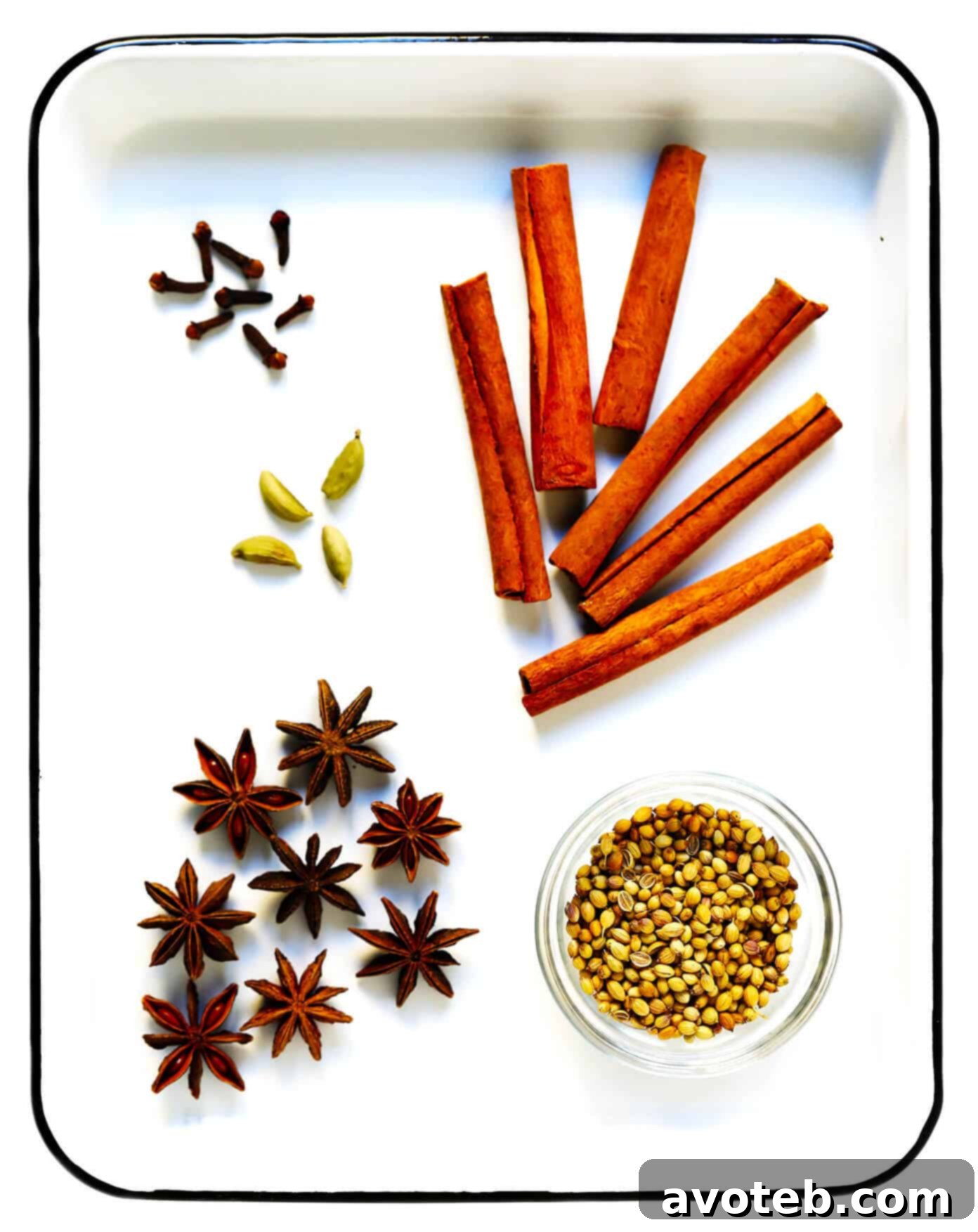
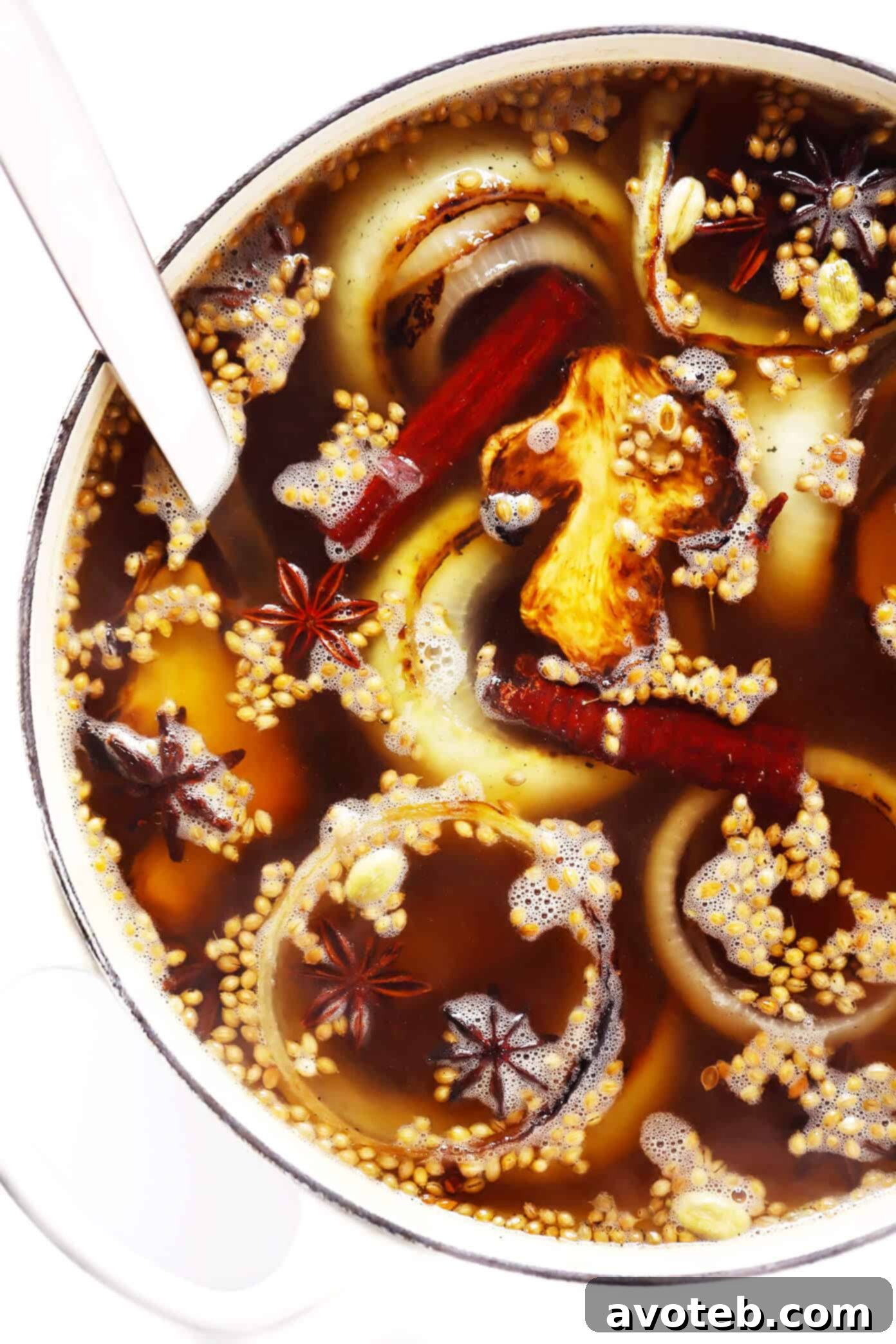
- Signature Spices: The aromatic backbone of pho broth comes from a blend of five key whole spices: star anise, whole cloves, cinnamon sticks, cardamom pods, and coriander seeds. Toasting these whole spices lightly before simmering enhances their fragrance and infuses the broth with their distinctive warmth and depth. While whole spices are highly recommended, notes for using ground alternatives are provided in the recipe card if that’s what you have on hand.
- Fish Sauce: A small but mighty ingredient, fish sauce adds an essential layer of umami and authentic savory depth to the broth. It’s a non-negotiable for true pho flavor.
- Sweetener: A touch of sweetness balances the savory and spicy notes in the broth. Brown sugar is a convenient substitute for traditional yellow rock sugar, but any preferred sweetener will work effectively.
- Sea Salt: As with any great soup, proper seasoning with fine sea salt is crucial to bring out and amplify all the rich flavors of the broth.
- The Toppings – The Customizable Crown Jewels: No bowl of pho is complete without a generous array of fresh toppings. These garnishes aren’t merely decorative; they’re an integral part of the pho experience, allowing each diner to customize their bowl to their liking, adding freshness, texture, and a burst of flavor. I highly recommend including at least one option from each category for a truly satisfying experience:
- Fresh Herbs: The more, the merrier! A vibrant combination of fresh cilantro, cooling mint, and aromatic Thai basil (or Italian basil as a pinch-hitter) will awaken your senses.
- Bean Sprouts: Offering a delightful crunch and a hint of fresh earthiness, bean sprouts are readily available in the produce section of most grocery stores or at any Southeast Asian market.
- Lime Wedges: A squeeze of fresh lime juice is absolutely essential. Its bright acidity cuts through the richness of the broth, elevating and balancing all the flavors beautifully.
- Chiles (Optional, for Heat): For those who enjoy a kick, thinly sliced Thai bird chiles are traditional. Jalapeños or serrano peppers also work wonderfully to introduce your desired level of heat.
- Onions (Optional, for Pungency): Either thinly sliced green onions (scallions) for a milder oniony bite or super-thinly sliced white onions for a stronger aromatic punch make excellent garnishes.
- Sauces (Optional, for Extra Flavor): Many enjoy customizing their pho with a swirl of hoisin sauce for sweetness and depth, and/or sriracha for a spicy, garlicky kick. These are typically served on the side for individual preference.
Crafting Your Own Pho: Step-by-Step Instructions
Making homemade pho is a rewarding experience, and with our shortcut method, it’s more accessible than ever. Follow these steps to assemble your delicious bowls of Vietnamese noodle soup:
- Prepare Your Protein: For thinly sliced beef, chicken, or pork, place the meat in the freezer for 30-45 minutes. This firms it up, making it much easier to achieve those paper-thin slices against the grain, which is crucial for quick cooking and tender texture in the hot broth. Once chilled, use a very sharp knife to slice the meat as finely as possible.
- Build the Flavorful Broth: While your protein is chilling, begin by charring the onion and ginger. You can do this efficiently either in a dry skillet over high heat or under your oven broiler until their surfaces are nicely blackened and fragrant. Simultaneously, gently toast the whole spices (star anise, cloves, cinnamon, cardamom, coriander seeds) in a large stockpot over medium-high heat for about 3 minutes until their aromas become pronounced. Add the charred onion and ginger to the stockpot along with the beef stock. Bring the mixture to a simmer, then reduce the heat to medium-low, cover, and let it gently simmer for at least 30 minutes. This allows all the flavors to meld beautifully. Afterwards, carefully strain the broth, discarding the aromatics and spices. Stir in the fish sauce and sweetener, then taste and adjust seasoning with sea salt as needed. The broth should be deeply savory and perfectly balanced.
- Prepare the Rice Noodles: While the broth is simmering, cook your thin rice noodles according to the package instructions until they are al dente. It’s important not to overcook them, as they will soften further in the hot pho broth. Drain the noodles immediately and rinse them briefly with cold water to halt the cooking process and prevent them from sticking. For extra insurance against clumping, you can toss them with a tiny drizzle of a neutral oil, like sesame oil, if desired.
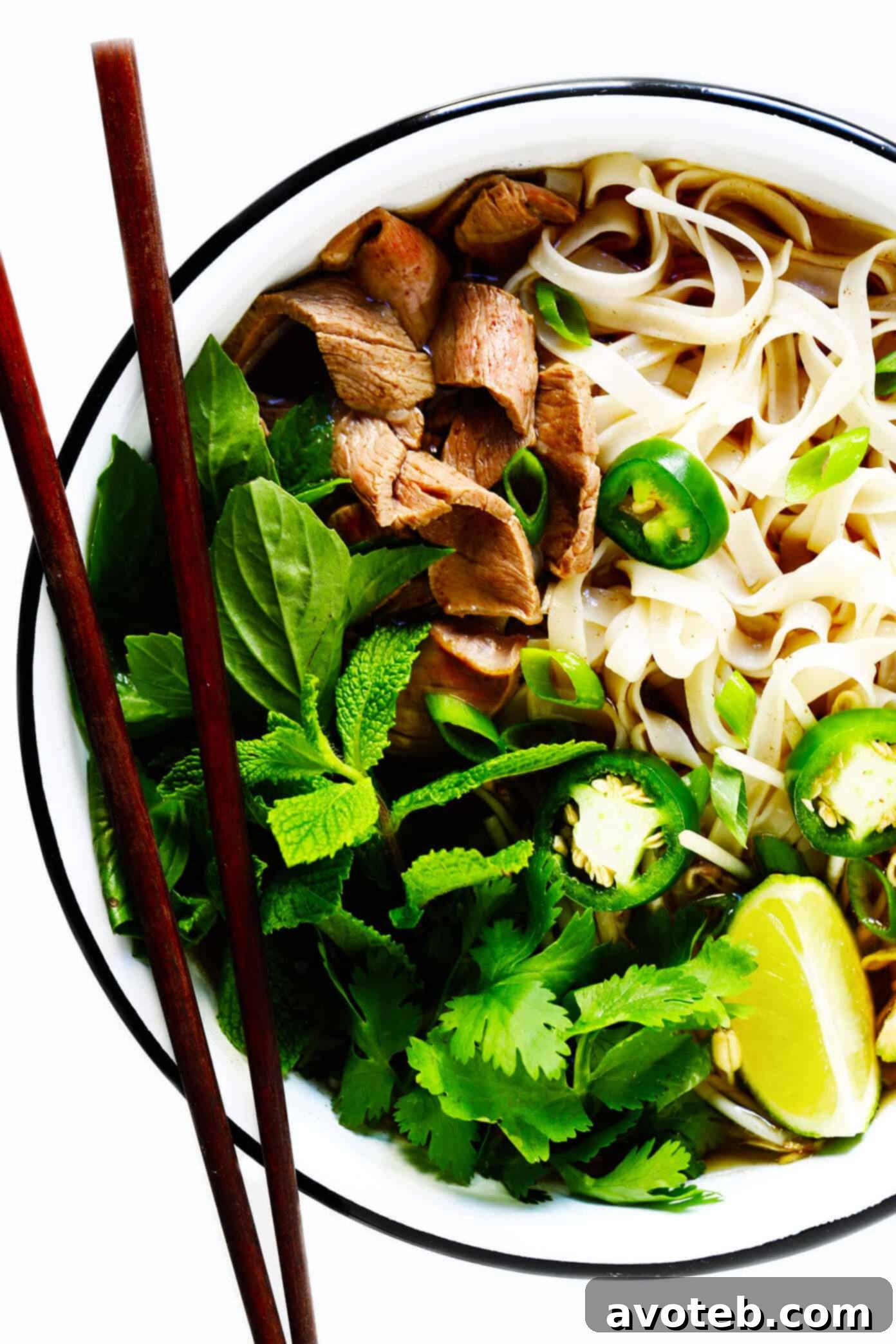
- Assemble Your Pho Bowls: Once all components are ready, it’s time for the exciting part – assembly! Divide the cooked rice noodles among individual serving bowls. Arrange the thinly sliced raw protein over the noodles. Ladle the piping hot, simmering broth generously over the noodles and meat, ensuring the protein is fully submerged. The heat of the broth will gently cook the thinly sliced meat to perfection.
- Garnish and Serve Immediately: Crown each bowl with an abundance of your chosen fresh garnishes – cilantro, mint, Thai basil, bean sprouts, lime wedges, chiles, and onions. Serve immediately, encouraging everyone to stir the vibrant garnishes into their soup to infuse the broth with their fresh flavors. Offer extra hoisin and sriracha sauces on the side for personalized customization. Enjoy your homemade pho while it’s hot and fragrant!
Creative Variations and Customizations for Your Pho
One of the joys of cooking pho at home is the endless possibilities for customization. Don’t hesitate to experiment and tailor this recipe to your specific preferences or what you have on hand. Here are some fantastic ways to vary your homemade pho:
- Pre-Cooked Steak Preference: If you prefer your steak to be fully cooked before serving or are concerned about the thin slices cooking adequately in individual bowls, you have an alternative. Simply stir the thinly sliced steak directly into the large stockpot of simmering broth for a few minutes until it’s cooked to your desired doneness. Then, ladle the broth and pre-cooked beef together into the individual serving bowls.
- Explore Different Proteins: While pho bo (beef pho) is the classic, this recipe is incredibly versatile. Feel free to substitute the thinly-sliced steak with other proteins:
- **Chicken Pho (Pho Ga):** Thinly sliced chicken breast or shredded cooked chicken.
- **Pork Pho:** Thinly sliced pork tenderloin.
- **Shrimp Pho:** Cooked shrimp added at the end.
- **Tofu Pho (Vegan/Vegetarian):** Pan-fried or baked firm tofu cubes make a wonderful plant-based option.
- Utilizing Ground Spices: For the most authentic and aromatic broth, whole spices are highly recommended as they release more essential oils during toasting and simmering. However, if whole spices are not available, you can substitute with their ground equivalents. A general guideline for substitution would be: approximately 2½ teaspoons ground star anise, ¼ teaspoon ground cloves, 1½ teaspoons ground cinnamon, a pinch of ground cardamom, and 2 teaspoons ground coriander. Be mindful that ground spices can make the broth cloudier and might require finer straining.
- Instant Pot Pho Broth: Speed up your broth preparation even further using a pressure cooker. First, use the “sauté” setting on your Instant Pot to char the onions and ginger. Then, add the toasted spices and beef stock. Secure the lid, set to manual high pressure, and cook for 10 minutes, followed by a quick release. Stir in the fish sauce and sweetener as directed in the main recipe. This method is excellent for concentrating flavors quickly.
- Crock-Pot (Slow Cooker) Pho Broth: For a hands-off approach, the slow cooker is ideal. Combine the charred onion, ginger, toasted spices, and beef stock in the bowl of your large Crock-Pot. Cover and cook on high for 3 hours or on low for 6 hours. This longer, gentle simmer allows the flavors to deepen beautifully. If you notice significant evaporation during cooking, add an extra cup or so of water to maintain the volume. Stir in the remaining seasonings (fish sauce, sweetener, salt) before serving.
- Embrace a Fully From-Scratch Broth: If you have the time and desire for the absolute purest, most traditional pho experience, making beef stock entirely from scratch is the way to go. This involves simmering beef bones and other aromatics for many hours. For an excellent authentic guide, consider trying this recipe which walks you through the process in detail.
- Vegetarian/Vegan Pho: To adapt this recipe for plant-based diets, simply substitute beef stock with a high-quality vegetable broth. For protein, pan-fried tofu, tempeh, or mushrooms are excellent choices. You can also explore specific plant-based pho recipes, such as this vegan pho recipe, which are crafted with plant-based ingredients in mind.
- Add Fennel Seeds: For an extra layer of aromatic complexity, if you have fennel seeds in your spice collection, add about a teaspoon along with the other whole spices during the toasting stage. They contribute a subtle, sweet, anise-like flavor that complements the existing spice blend wonderfully.
Your Pho Questions Answered: FAQs
As you embark on your homemade pho journey, you might have some lingering questions. Here are answers to common queries to help you master this delightful dish:
- How do you correctly pronounce “Phở”? The most accurate English approximation for the Vietnamese word “phở” is “fuh.” However, Vietnamese is a tonal language, so the true pronunciation involves a slight rising tone. You can hear the correct pronunciation here for a more precise understanding.
- What is the origin story of Pho? Pho originated in Vietnam, with historians generally agreeing its development occurred in the early 20th century, likely between 1900 and 1910. While its precise origins and etymology are debated, it’s widely believed to have been influenced by existing Vietnamese noodle dishes and the increased availability of beef due to French colonial demand. Over the decades, numerous regional variations have evolved within Vietnam, and it has since cemented its status as Vietnam’s cherished national dish.
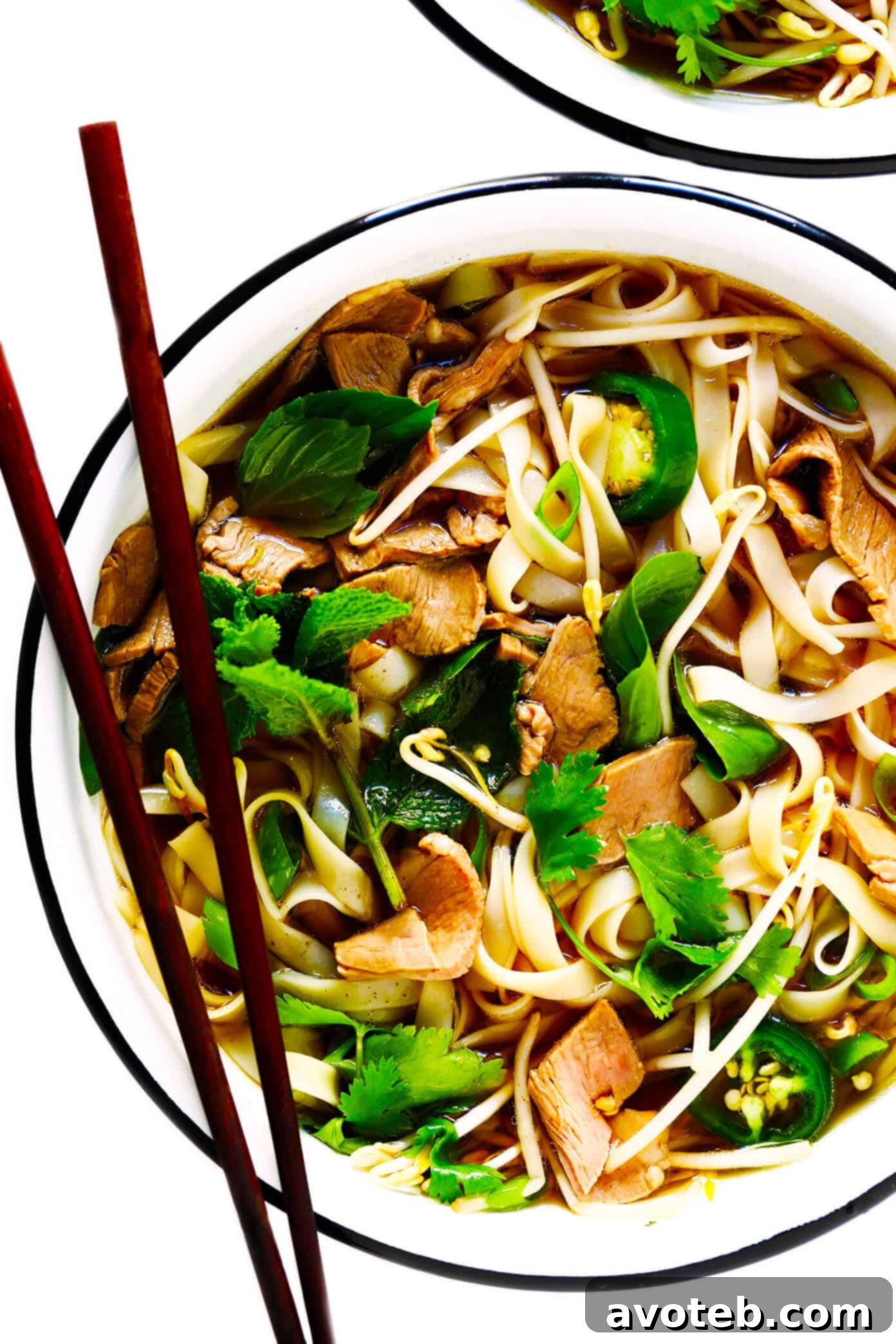
- What is the traditional way to serve Pho? Traditionally, pho is served in generously sized soup bowls, accompanied by chopsticks for the noodles and protein, and a large soup spoon for the aromatic broth. Don’t worry if you don’t have specialized bowls; any large bowl you have at home will work perfectly!
- What’s the proper etiquette for eating Pho? Start by using your chopsticks to gently stir all the fresh garnishes (herbs, sprouts, chiles) into the hot broth. This allows their flavors to infuse the soup, making each spoonful more vibrant. You can pick out larger stems or chiles later if you prefer not to eat them. Then, alternate between using your chopsticks to pick up noodles, meat, and vegetables, and using your spoon to savor the rich broth. In Vietnam, it’s considered polite, and often encouraged, to lift your bowl to your lips and drink the last of the broth to show appreciation for the meal.
- Is this Pho recipe gluten-free? Yes, absolutely! This homemade pho recipe is naturally gluten-free, thanks to the use of rice noodles and fresh ingredients. However, it’s always a good practice to double-check the labels of your store-bought beef stock and fish sauce to ensure they are certified gluten-free, especially if you have a severe intolerance.
- Does the meat in Pho get fully cooked? When the meat is sliced very thinly and submerged in piping hot, simmering broth immediately, it typically cooks through beautifully within moments. The high temperature of the broth is sufficient to cook the delicate slices. If you prefer your meat well-done or want extra assurance, you can follow the alternative cooking instructions provided in the “Possible Variations” section, where the meat is stirred directly into the main broth pot.
- Is Pho always made with beef broth? Historically and most traditionally, pho is made with a rich beef broth (phở bò). However, the culinary landscape of pho is diverse, and many delicious variations exist. Pho ga (chicken pho) made with chicken broth is very popular, and increasingly, vegetarian or vegan pho recipes utilizing vegetable broth and plant-based proteins are gaining popularity, offering delightful alternatives for everyone.
- Can I prepare components of Pho in advance? Absolutely! This recipe lends itself wonderfully to meal prepping, making it ideal for entertaining or busy schedules. The broth and cooked noodles can be prepared ahead of time and stored separately in airtight containers in the refrigerator. The protein can also be sliced and prepped. When ready to serve, simply reheat the broth, re-blanch the noodles quickly, and assemble your bowls.
- What are the best storage instructions for leftovers? To maintain the best texture and flavor, it’s highly recommended to store the broth, cooked protein, noodles, and fresh garnishes in separate airtight containers in the refrigerator. This prevents the noodles from soaking up all the broth and becoming mushy. Stored separately, the components will keep well for up to 3 days. When ready to enjoy, simply reheat the broth and assemble a fresh bowl.
Print Recipe
Pho (Vietnamese Noodle Soup)
Prep Time: 30 mins
Cook Time: 45 mins
Total Time: 1 hour 15 mins
Yield: 2 large bowls or 4 medium bowls 1x
Description
This delicious homemade pho recipe is inspired by the Vietnamese soup we all know and love, yet made with a few time-saving shortcuts to bring its incredible flavor to your table faster.
Ingredients
Scale
For the Shortcut Pho Broth:
- 1 large white onion, peeled and halved
- 3-inch piece of fresh ginger, halved lengthwise
- 5 star anise pods
- 4 whole cloves
- 3 (3-inch) cinnamon sticks
- 2 cardamom pods
- 1 tablespoon whole coriander seeds
- 8 cups high-quality beef stock (or chicken or vegetable stock for variations)
- 1 tablespoon brown sugar (or preferred sweetener)
- 2 teaspoons fish sauce
- Fine sea salt, to taste
For Assembling Your Pho Bowls:
- 8 ounces lean raw steak*, very thinly sliced against the grain (e.g., sirloin, flank, or eye of round)
- 7 ounces uncooked thin flat rice noodles
- Assorted Garnishes (essential for true pho experience): fresh herbs (cilantro, mint, and/or Thai basil), fresh bean sprouts, lime wedges, thinly-sliced chiles (Thai bird chiles or jalapeños), thinly-sliced onions (green onions or white onions), optional sauces (hoisin and/or sriracha)
Instructions
- Char the Aromatics: Preheat your oven broiler to high, positioning the baking rack approximately 8 inches from the heating elements. Place the halved onion and ginger (cut-side-up) on a baking sheet. Lightly brush their surfaces with a small amount of oil. Broil for about 7-10 minutes, or until the tops of the onion and ginger are noticeably charred and fragrant. Remove from the oven and set aside.
- Prepare the Aromatic Broth: While the aromatics are charring, begin building your broth. In a large stockpot, add the star anise, cloves, cinnamon sticks, cardamom pods, and coriander seeds. Toast these whole spices over medium-high heat for approximately 3 minutes, stirring occasionally, until they become intensely fragrant. Add the charred onion and ginger to the pot, followed by the beef stock. Stir everything together. Bring the broth to a gentle simmer, then reduce the heat to medium-low, cover with a lid, and let it continue to simmer for at least 30 minutes. This ensures all the flavors meld beautifully. After simmering, carefully strain the broth through a fine-mesh sieve, discarding the cooked onions, ginger, and spices. Stir the fish sauce and brown sugar (or your chosen sweetener) into the hot, strained broth. Taste the broth and season with fine sea salt as needed to achieve a perfectly balanced flavor.
- Cook the Rice Noodles: While your broth is simmering, prepare the rice noodles. Cook them separately in boiling water according to the package instructions until they are al dente (tender but still firm to the bite). It’s crucial not to overcook them, as they will continue to soften in the hot pho broth. Drain the noodles thoroughly in a strainer, then immediately rinse them under cold water. This stops the cooking process and prevents them from sticking together. For extra measure, you may toss them lightly with a drizzle of sesame oil.
- Assemble Your Pho Bowls: Now for the best part! Divide the cooked rice noodles evenly among your individual serving bowls. Arrange the very thinly sliced raw steak (or your chosen protein) neatly over the noodles. Carefully ladle the still-simmering hot broth into each serving bowl, ensuring that the steak slices are fully submerged. The heat from the broth will gently cook the delicate meat to a perfect tender texture. Finish each bowl by generously adding a variety of fresh garnishes and a squeeze of fresh lime juice.
- Serve Immediately: Serve your homemade pho bowls without delay. Encourage everyone to use their chopsticks to stir the fresh garnishes into the soup, allowing their vibrant flavors to infuse the broth. Offer extra hoisin sauce and sriracha on the side for those who wish to add more sweetness or spice. Enjoy this comforting and flavorful Vietnamese delight!
Notes
*Tips for Thinly Slicing Steak: For the best results, use a lean cut of beef such as sirloin, flank, or eye of round. To make slicing easier and achieve ultra-thin pieces, I highly recommend placing the steak in the freezer for 30-60 minutes before cutting. This firms up the meat, allowing for cleaner, more precise cuts against the grain. The thinness is crucial for the meat to cook quickly and remain tender in the hot broth.
Alternate Meat Cooking Option: If you prefer to ensure your steak is fully cooked before individual bowl assembly, or if you’re serving a large group, you can cook the thinly-sliced steak directly in the main stockpot of simmering broth. Stir the steak into the hot broth until it reaches your desired doneness. Then, ladle the broth and beef together into the individual serving bowls. This ensures uniform cooking.
Alternative Charring Method: Instead of using the oven broiler, you can also char the onion and ginger in a dry sauté pan over high heat. Simply place them cut-side-down in the hot pan and cook until they develop a deep char, then proceed with the recipe.
Consider a Double Batch: This pho broth is so delicious and freezes well, so I highly recommend making a double batch! Ensure you have a sufficiently large stockpot (at least 5 quarts) to accommodate the increased volume of broth. Having extra broth on hand makes future pho cravings incredibly easy to satisfy.