


Mangoes, with their vibrant colors, intoxicating aroma, and incredibly sweet, juicy flesh, are undeniably one of nature’s most exquisite treasures. For many, including myself, they stand out as the absolute favorite fruit. However, despite their undeniable appeal, the journey from a whole mango to perfectly diced, ready-to-eat pieces can often feel daunting. For years, I found myself wrestling with these tropical delights, my hands inevitably ending up sticky with juice, the slippery pulp proving a formidable opponent, and the risk of an accidental slip and cut feeling ever-present. The joyous anticipation of that unique, wonderfully sweet flavor often dissolved into a messy, frustrating endeavor.
This common struggle, where the desire to enjoy a mango clashes with the challenge of preparing it, is surprisingly widespread. It’s a tale as old as time for mango lovers: the enthusiasm to savor its tropical goodness quickly gives way to a sticky, pulp-covered kitchen counter and hands. The problem wasn’t the mango itself, but rather a lack of proper technique, turning a simple pleasure into a culinary wrestling match. I knew there had to be a better way to unlock the mango’s hidden sweetness without the accompanying chaos.
Thankfully, a turning point arrived a few years ago when a gracious friend shared the secrets of mango preparation with me. This intervention transformed my mango experience from a sticky ordeal into a truly enjoyable process. Recognizing that many others likely face the same predicament, I’m delighted to share this comprehensive guide. Here, you’ll discover not only how to safely and beautifully peel and dice a mango but also crucial tips on selecting a perfectly ripe fruit and even how to ripen one at home. The bottom line is simple: correctly cutting a mango is much easier than it seems, and the reward of enjoying its pristine sweetness is 100% worth the effort. Let’s dive in and master the art of mango preparation!
The Art of Selecting a Perfect Mango
Before you even think about cutting, the secret to a truly delightful mango experience begins with choosing the right fruit. A ripe mango promises maximum sweetness, juiciness, and flavor, while an unripe one can be tart and fibrous. Don’t rely solely on color, as different mango varieties ripen to different hues. Instead, use a combination of your senses:
The Touch Test: The Most Reliable Indicator
Gently squeeze the mango. A ripe mango will yield slightly to pressure, similar to a ripe avocado or peach. It shouldn’t feel rock hard, nor should it be overly soft or mushy, which could indicate overripeness or bruising. The texture should be consistently soft across the entire fruit.
The Smell Test: A Whiff of Sweetness
Bring the mango to your nose and sniff the stem end. A ripe mango will emit a distinctly sweet, fruity, and aromatic scent. If it smells sour, alcoholic, or fermented, it’s likely overripe. If there’s no scent at all, it’s probably not ripe yet.
Visual Cues: A Secondary Guide
While color isn’t the primary indicator, it can offer some clues. Red blush on a mango is simply a sign of sun exposure and doesn’t necessarily indicate ripeness. Look for vibrant, rich colors (yellow, orange, red, depending on the variety) without too many green patches. Avoid mangoes with wrinkled skin, dark spots (beyond minor speckles), or shriveled areas, as these can be signs of decay or dehydration.
Ripening Your Mango at Home
Sometimes, despite your best efforts, you might bring home a mango that isn’t quite ready to be enjoyed. Fortunately, you can speed up the ripening process using a few simple methods:
- Paper Bag Method: Place the mango in a paper bag (you can add a ripe apple or banana for extra ethylene gas, a natural ripening agent). Fold the bag loosely to trap the gas. Check daily until it reaches your desired ripeness.
- Countertop Method: Simply leave the mango at room temperature on your kitchen counter, away from direct sunlight. This is a slower, more natural ripening process. Turn it occasionally to ensure even ripening.
- Rice Bowl Method: For a faster approach, bury the mango in a bowl of uncooked rice. The rice traps the ethylene gas more effectively, accelerating ripening. Just be sure to check frequently, as this method can ripen mangoes quickly!
Essential Tools for Mango Preparation
Preparing a mango requires minimal tools, making it accessible to any home cook. Here’s what you’ll need:
- Sharp Chef’s Knife: A good quality, sharp knife is paramount for clean cuts and safety.
- Cutting Board: A sturdy cutting board will provide a stable surface and protect your countertops.
- Spoon (Optional): Useful for scooping out flesh, especially for overripe mangoes or around the pit.
- Vegetable Peeler (Optional): Some prefer to peel the mango before slicing, though the “hedgehog” method often negates the need for this.
Before you begin any cutting, always remember to wash your mango thoroughly under cool running water to remove any dirt, pesticides, or residues from the skin.
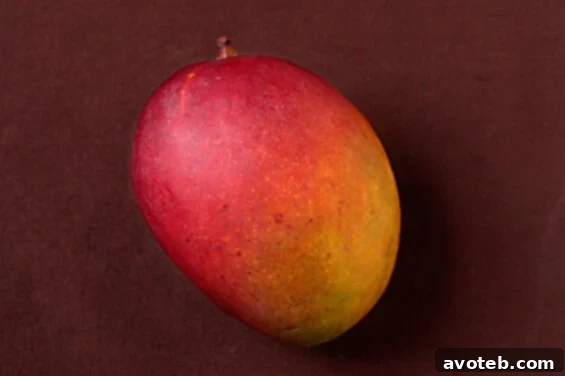
Step-by-Step Guide: How to Peel and Dice a Mango Like a Pro
The most common and efficient way to prepare a mango for dicing is the “hedgehog” method, which minimizes mess and maximizes yield. Let’s break it down into simple, actionable steps:
The Classic “Hedgehog” Method
- Wash Your Mango
- Find the Pit
- Slice Off the Cheeks
- Score the Flesh (But Not Through the Skin)
- Invert and Release the Cubes
- Remove the Cubes
- Handle the Remaining Flesh Around the Pit
As mentioned, thoroughly wash the mango under cool water to remove any surface impurities.
Mangoes have a large, flat, oval-shaped pit in the center. It runs lengthwise through the fruit. The goal is to cut around this pit. Stand the mango upright on your cutting board with the stem end facing up. Imagine the pit running through the center.
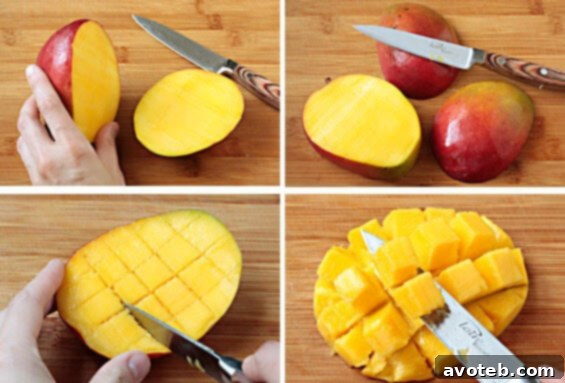
Carefully slice down one side of the mango, just off-center, aiming to miss the pit. You should feel your knife slide through the flesh without resistance from the pit. Repeat on the other side. You will now have two large “cheeks” and a middle section containing the pit.
Take one of the mango cheeks, skin-side down, in the palm of your non-dominant hand. Using your knife, score the flesh in a crosshatch pattern, making horizontal and vertical cuts about a half-inch apart. Be careful not to cut through the skin.
Once scored, gently push the skin side of the mango cheek upward from underneath, turning it inside out. The scored flesh will pop out, resembling a hedgehog. The cubes will be clearly defined and easy to manage.
Using your knife, carefully slice the mango cubes off the skin directly into a bowl. Repeat this process for the second mango cheek.
Don’t let the flesh around the pit go to waste! With the remaining middle section (containing the pit), carefully trim away any remaining flesh from all sides. You can then slice this flesh into strips or cubes, or simply enjoy it straight off the pit as a chef’s treat. Discard the pit and skin.
Alternative: Peeling First
While the hedgehog method is fantastic for dicing, some prefer to peel the mango first, especially if they plan to slice it into wider strips or chunks rather than small cubes.
- Peel the Mango: Using a vegetable peeler or a sharp paring knife, carefully peel the skin from the mango. This can be a bit slippery.
- Slice Around the Pit: Once peeled, stand the mango upright and slice off the cheeks as described in the hedgehog method.
- Dice or Slice: From the peeled cheeks, you can then easily slice the flesh into desired shapes and sizes.
Ali’s Expert Tips for Mango Perfection
Beyond the basic steps, a few expert tips can elevate your mango preparation and enjoyment:
- Handling Overripe or Mushy Mangoes: If you cut into a mango and find it’s too soft, mushy, or stringy for neat dicing, don’t despair! These mangoes are perfect for pureeing. Blend them into a vibrant mango puree for smoothies, sauces, salad dressings, or even a refreshing sorbet. You can also simply scoop out the flesh with a spoon and enjoy it plain.
- Safety First: Always use a sharp knife. A dull knife is more dangerous as it requires more force, increasing the risk of slips. Keep your fingers tucked in when slicing to protect them.
- Use a Damp Towel: Place a damp paper towel or cloth underneath your cutting board to prevent it from slipping on the countertop, enhancing safety and stability.
- Chill for Easier Handling: If your mango is very ripe and soft, chilling it in the refrigerator for 30 minutes before cutting can make it firmer and easier to handle, resulting in cleaner cuts.
- Prevent Staining: Mango juice can stain. Consider wearing an apron and working on a surface that won’t be easily marked.
Maximizing Your Mango Experience: Beyond Dicing
Once you’ve mastered the art of dicing, the culinary possibilities for your mangoes are endless. Don’t limit yourself to just eating them plain (though that’s perfectly delightful!). Here are some ideas to inspire you:
- Smoothies and Juices: Blend frozen or fresh mango chunks with other fruits, yogurt, or coconut water for a refreshing and nutritious drink.
- Salsas and Chutneys: Diced mangoes add a sweet and tangy counterpoint to savory dishes. Pair them with red onion, cilantro, jalapeño, and lime juice for a vibrant salsa perfect with fish, chicken, or tacos.
- Salads: Introduce a tropical flair to your salads. Mango pairs wonderfully with greens, avocado, red onion, and grilled shrimp or chicken.
- Desserts: From mango cheesecakes and tarts to simple mango lassi or ice cream, its sweetness shines in a variety of dessert applications.
- Marinades: The enzymes in mango can help tenderize meat, and its sweet flavor adds depth to marinades for poultry or pork.
- Overnight Oats or Yogurt Parfaits: Layer diced mangoes with granola, yogurt, and other fruits for a delicious and healthy breakfast or snack.
Nutritional Powerhouse: Why Mangoes Are Good for You
Beyond their irresistible taste, mangoes are packed with nutritional benefits that make them a healthy addition to your diet. They are an excellent source of Vitamin C, which is crucial for immune function and skin health, and Vitamin A, essential for vision. Mangoes also provide a good amount of fiber, aiding in digestion, and contain various antioxidants that help protect your body from free radical damage. With potassium, folate, and Vitamin B6, these tropical gems contribute to overall well-being, proving that they are not just delicious but also incredibly good for you.
Common Mistakes to Avoid When Cutting Mangoes
Even with a good guide, some common pitfalls can make mango cutting trickier. Being aware of these can help you avoid frustration:
- Using a Dull Knife: As mentioned, a dull knife is unsafe and makes precise cuts difficult, leading to jagged edges and increased slipping.
- Cutting Into an Unripe Mango: An unripe mango will be hard, fibrous, and lack sweetness. It’s much harder to cut cleanly and won’t taste as good.
- Wasting Flesh Around the Pit: Many people discard the pit too quickly without scraping off the delicious flesh clinging to it. Take your time to trim around the pit.
- Not Washing the Mango: The skin, even if not eaten, can harbor dirt or contaminants that can transfer to the flesh when cut.
- Rushing the Process: Take your time, especially if you’re new to cutting mangoes. Precision and safety are more important than speed.
Conclusion: Embrace the Mango Magic!
Transforming a whole mango into perfectly prepared pieces no longer needs to be a messy or intimidating task. By following these simple steps for selecting, ripening, and expertly cutting your mangoes, you’ll unlock a world of flavor and culinary possibilities. The initial learning curve is minimal, and the rewards are immeasurable – from safer preparation to enjoying every sweet, juicy morsel without waste. So, grab a ripe mango, arm yourself with a sharp knife, and confidently embark on your journey to mango mastery. Your taste buds, and your kitchen, will thank you for it. Give it a try, and prepare to fall even more in love with this magnificent fruit!