
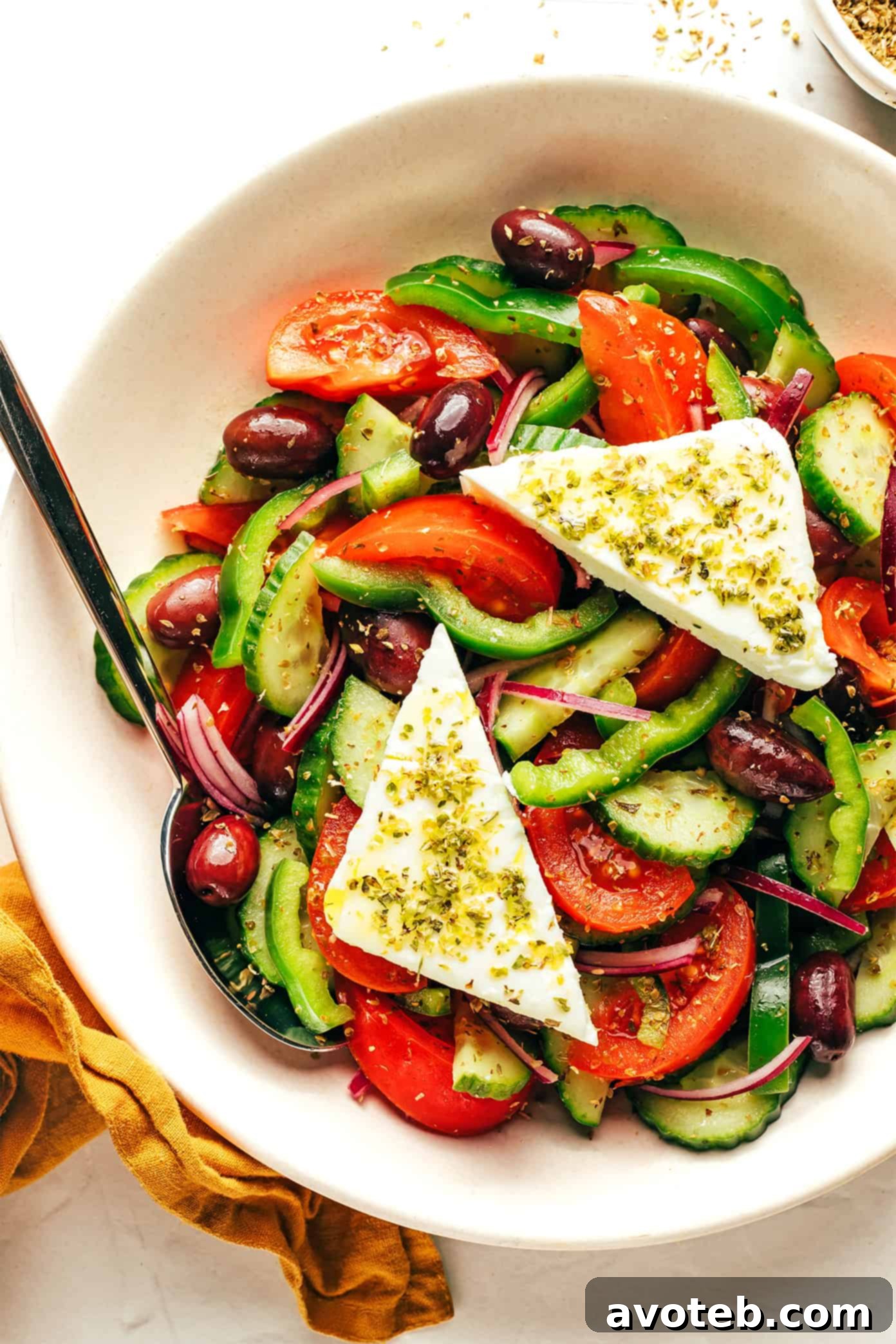
Embark on a culinary journey to Greece with us as we uncover the secrets to crafting an authentic, incredibly fresh, and truly delicious Greek salad – a cornerstone of Mediterranean cuisine.
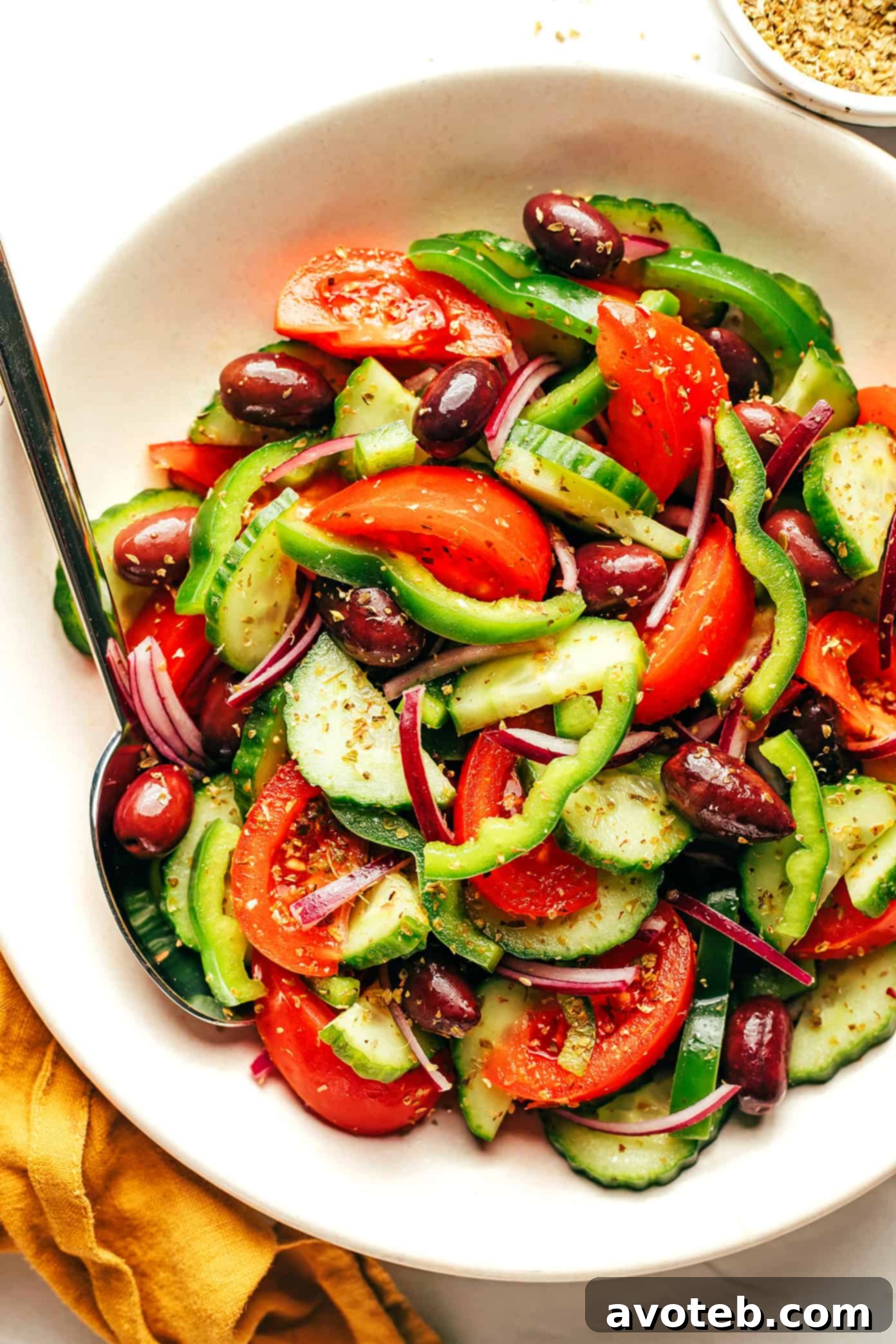
When my husband, Barclay, asked what I envisioned for my birthday trip to Greece, my aspirations were elegantly simple, yet profoundly fulfilling:
- To immerse myself in the breathtaking, picturesque views that define the Hellenic islands.
- To indulge in the quiet luxury of reading numerous captivating books under the Mediterranean sun.
- To savor an endless parade of authentic Greek salads, truly experiencing their culinary heritage.
I am absolutely thrilled to report that every single one of these missions was not just accomplished, but exceeded beyond my wildest dreams. And the last goal? Oh, it became the Greek salad-a-thon of my life! Our trip morphed into an unforgettable exploration of this iconic dish, revealing nuances and traditions I’d never encountered before.
It turns out that in Greece, salads are not merely a side dish; they are a celebrated part of lunch, dinner, and even breakfast. We wholeheartedly embraced this culinary custom. Visiting at the end of May, when all the local produce was at its peak, was nothing short of miraculous. The vibrant, traditional Greek salads we enjoyed were precisely as fresh, colorful, and utterly delicious as I had ever imagined. What surprised and delighted us most was their consistent simplicity – in terms of ingredients, preparation, and presentation. They were also notably different, in several significant ways, from the “Greek salads” often served in the United States. We found ourselves craving them constantly, a craving so strong that the moment we returned home, we immediately recreated them in our own kitchen.
Here’s everything we discovered about making the perfect, authentic Greek salad!
Mastering the Authentic Greek Salad: A Culinary Journey
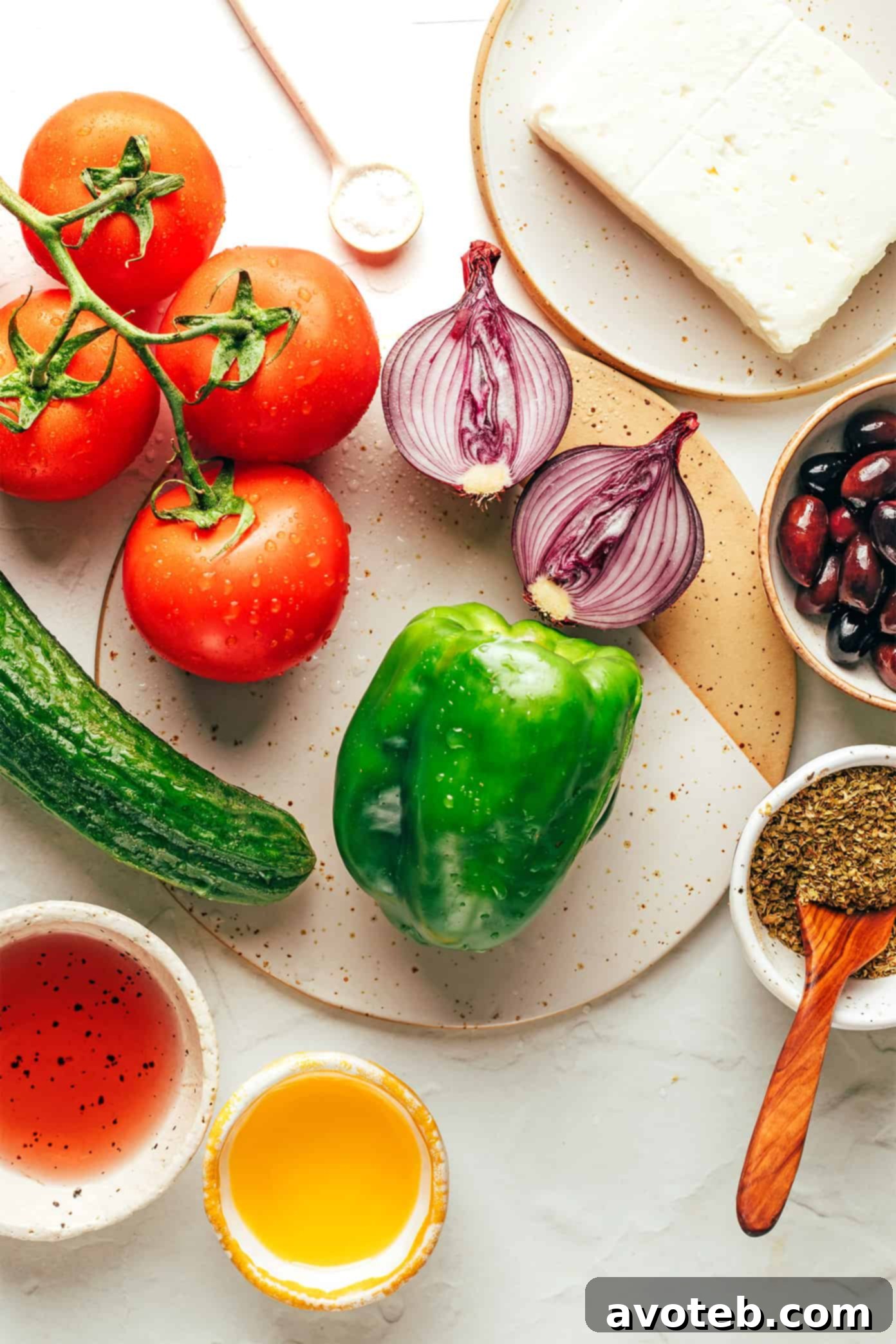
The Distinctive Hallmarks of a Truly Authentic Greek Salad (Horiatiki)
The beauty of Greek salads in their homeland lies in their remarkable consistency. Every *horiatiki* (meaning “village salad” in Greek), which is the traditional Greek salad, adheres to a timeless formula: the same incredibly fresh ingredients, the same unassuming presentation, and the same irresistible flavors, every single time. While it’s true that various regions of Greece boast their own unique local salads (for instance, we savored the distinct Santorini and Folegandros salads, each featuring a special local ingredient), when you specifically request *horiatiki*, you are guaranteed to encounter these defining characteristics:
- Absolutely No Lettuce or Leafy Greens: This is perhaps the most striking difference from most Western salads. A classic authentic Greek salad is built entirely upon a vibrant foundation of robust vegetables, juicy tomatoes, briny olives, and creamy cheese. There are no other fresh greens whatsoever, a detail we absolutely adored, as it allows the natural flavors of the produce to shine unimpeded. This commitment to vegetable purity is central to its identity and appeal, offering a substantial and satisfying dish without the need for delicate leaves.
- No Elaborate Dressings: I was genuinely surprised to learn that what I had always known as “Greek” dressing in the States simply isn’t a common component in Greece. Instead, traditional Greek salads are artfully dressed with nothing more than a generous drizzle of the finest extra-virgin olive oil, perhaps a subtle splash of red wine vinegar, and a sprinkle of dried oregano and sea salt. This minimalist approach allows the high-quality ingredients to speak for themselves, creating a harmonious and truly authentic flavor profile that is both simple and profoundly delicious.
- Generous, Rustic Chunks of Vegetables: Forget finely diced ingredients. Greek salads are celebrated for their substantial, rustic cuts. This is especially true for the tomatoes, which are typically large, ripe, and sliced into generous wedges. Throughout our entire trip, we never once encountered cherry or grape tomatoes; only full-sized tomatoes, each piece offering a burst of fresh flavor and satisfying texture. This chunky preparation not only adds to the salad’s hearty appeal but also visually emphasizes the freshness of the produce.
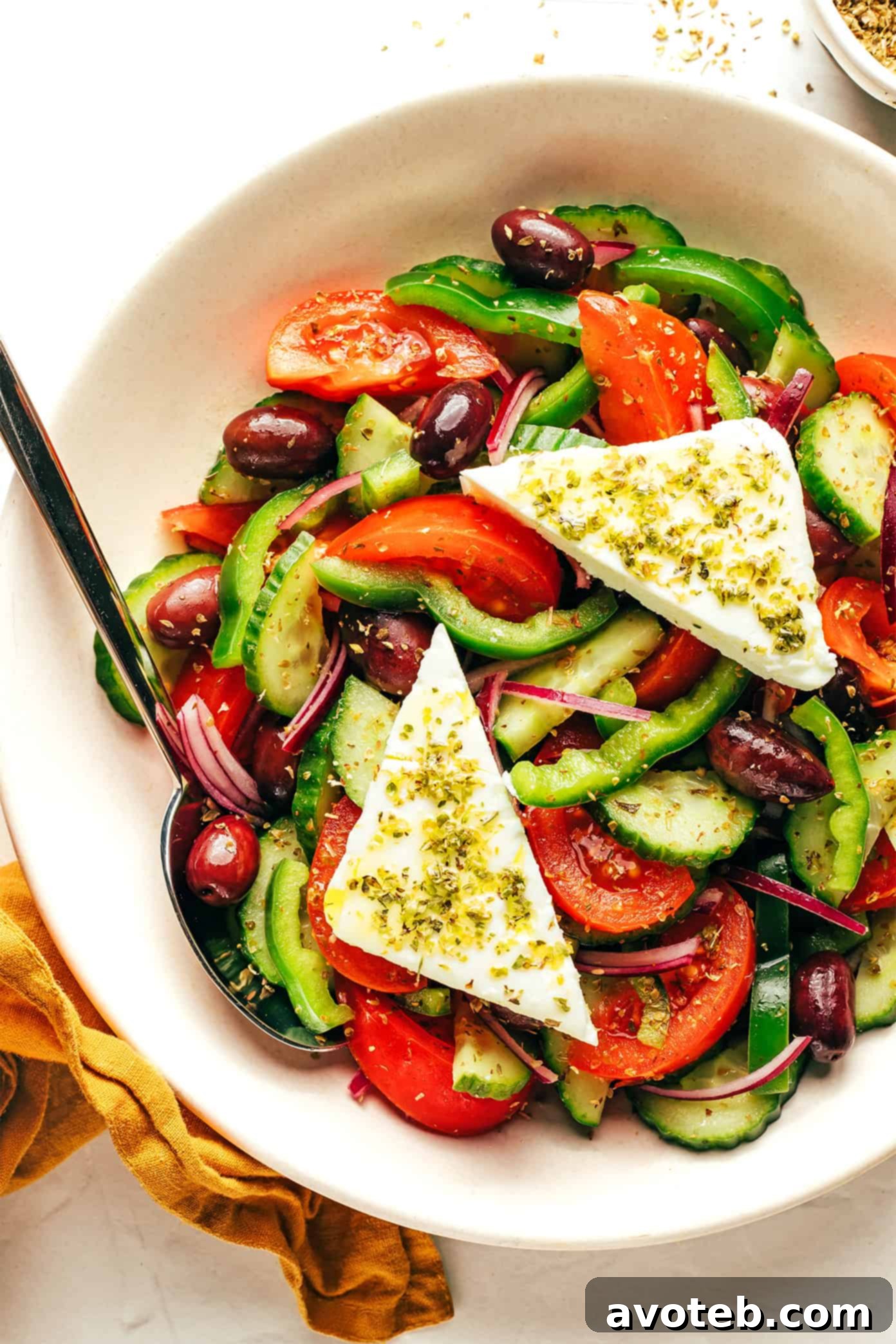
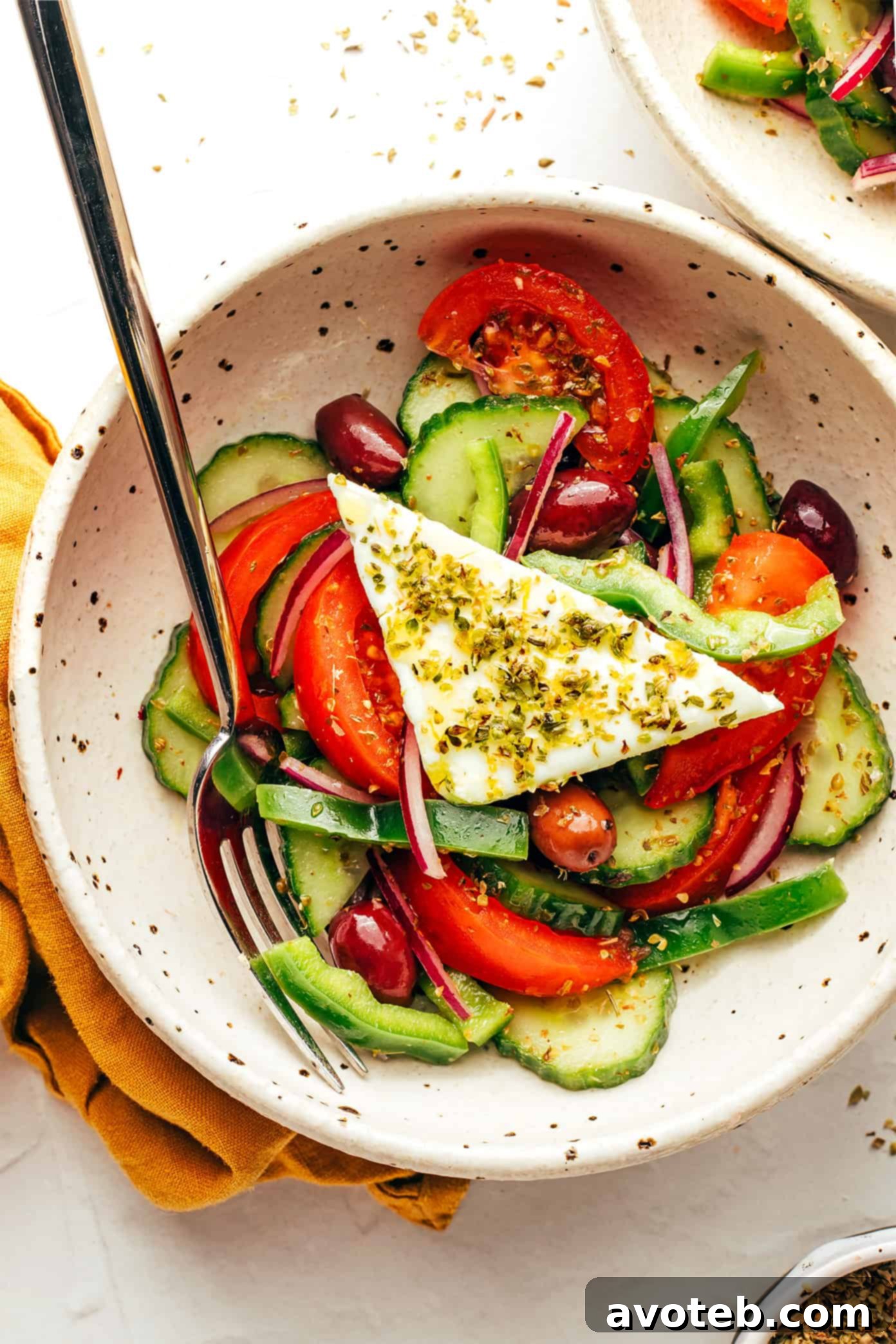
- A Magnificent Hunk of Feta Cheese: Greece rightly takes immense pride in its exquisite fresh sheep’s milk feta, and in the *horiatiki*, it truly is the undisputed star of the show. Instead of being crumbled, the feta is presented as a generous, thick slab—either a square or a triangle—perched majestically atop the salad. This presentation ensures that each serving receives a substantial portion of this tangy, salty, and utterly delicious cheese, allowing its unique texture and flavor to dominate. (However, if crumbled feta is all you can readily find at your local store, don’t despair; it will still contribute wonderfully to the flavor, even if the traditional presentation is altered.)
- Exclusively Green Bell Peppers: Our culinary explorations confirmed a specific preference: authentic Greek salads consistently feature bright green bell peppers. We were never served red, orange, or yellow varieties. These crisp green peppers are usually cut horizontally into thin strips, adding a refreshing crunch and a slightly bitter, earthy contrast that complements the other sweet and savory ingredients perfectly.
- Kalamata Olives – Always with the Pits: This is a small but crucial detail that speaks volumes about authenticity. Every Kalamata olive we encountered in our Greek salads retained its pit. While some might find this inconvenient, keeping the pit helps the olive retain its full flavor and firm texture. It’s a testament to serving ingredients in their most natural, unprocessed state, emphasizing their intrinsic quality and taste.
- Unpretentious, No-Frills Presentation: About half of the time, our Greek salads were served with the core ingredients in a bowl, accompanied by bottles of olive oil and vinegar on the table, allowing us to dress our portions to our personal preference. The other half of the time, they arrived perfectly prepared. Regardless, the presentation was always simple, straightforward, and never overly-tossed. The vibrant, colorful vegetables are inherently beautiful and require no fancy garnishes or elaborate arrangements. This minimalist approach underscores the freshness and quality of the ingredients themselves.
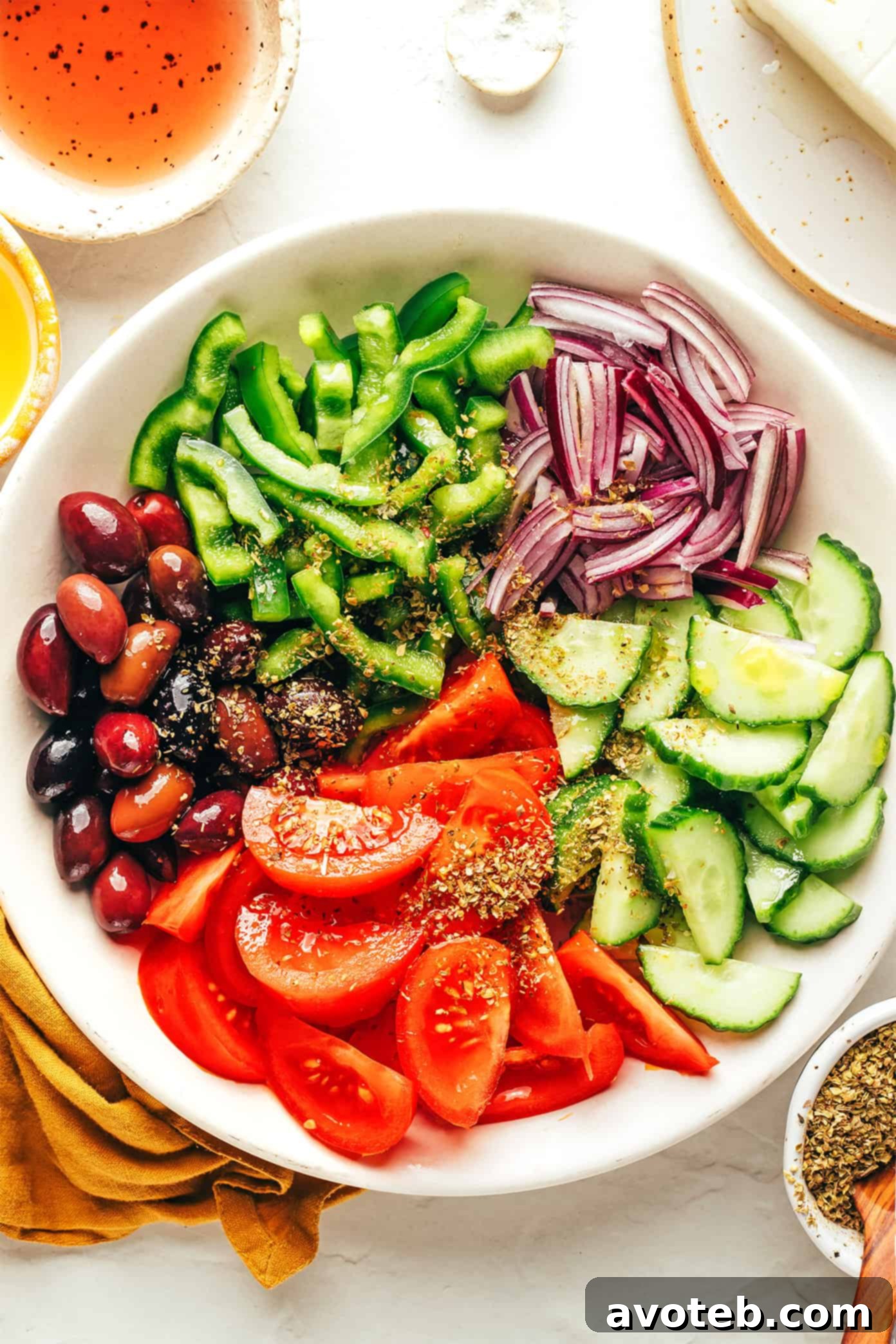
Essential Ingredients for a Traditional Greek Salad
To truly capture the essence of a traditional *horiatiki*, selecting the right ingredients is paramount. Let’s delve into the specific details for each component, ensuring your homemade Greek salad is as authentic and flavorful as those enjoyed in Greece:
- Tomatoes: The foundation of any great Greek salad. We were consistently served ripe, round, medium-sized tomatoes, generously cut into wedges. For your recipe, any small to medium ripe tomatoes will work beautifully. The key is their ripeness and seasonality; fresh, in-season tomatoes will elevate this salad from good to truly exceptional, providing a burst of natural sweetness and acidity.
- Cucumber: Essential for a refreshing crunch. Both Persian or English cucumbers are excellent choices. They offer a mild flavor and firm texture that holds up well in the salad without becoming watery. Peel them if you prefer, or leave the skin on for added texture and nutrients.
- Green Bell Pepper: As established, tradition dictates the use of a crisp green bell pepper. Its slightly bitter, fresh flavor provides a perfect counterpoint to the sweetness of the tomatoes and the richness of the feta. While I wouldn’t fault you for substituting a sweeter red bell pepper if absolutely necessary, sticking to green will yield a more authentic taste profile.
- Red Onion: A small red onion, thinly sliced, adds a delicate pungency and a beautiful pop of color. Its sharpness balances the richness of the other ingredients. For a milder flavor, you can briefly soak the sliced onion in cold water before adding it to the salad.
- Kalamata Olives: These dark, almond-shaped olives are indispensable. Always opt for whole, un-pitted Kalamata olives. While pitting them might seem convenient, leaving the pit in preserves their unique briny flavor and prevents them from becoming mushy. Their distinctive taste is a signature element of the Greek salad experience.
- Feta Cheese: The crowned jewel. Seek out authentic Greek feta made from sheep’s milk (or a combination of sheep’s and goat’s milk). This is crucial for its creamy texture and tangy, salty flavor profile. As observed in Greece, it’s traditionally served in a large, thick chunk, not crumbled, allowing each bite to be a luxurious experience with its distinct texture.
- High-Quality Extra Virgin Olive Oil: Since this will form the primary component of your simple Greek “dressing,” investing in a good-quality, flavorful extra virgin olive oil is non-negotiable. Its fruity, peppery notes will beautifully bind all the ingredients together and provide that quintessential Mediterranean richness.
- Dried Oregano: This aromatic herb is a non-negotiable seasoning. It was either lightly tossed with the salads or generously sprinkled on top. Its earthy, slightly bitter notes are synonymous with Greek cuisine and impart an authentic aroma and flavor.
- Sea Salt: A must-have, especially given the Mediterranean context. However, remember that feta cheese is naturally quite salty. I recommend starting with a light pinch of sea salt and then adjusting to taste, as you can always add more but cannot remove it.
Optional Enhancements:
- Red Wine Vinegar: Most of the salads we enjoyed included a generous splash of red (or sometimes white) wine vinegar. This adds a crucial tang and acidity that brightens the entire salad. I wholeheartedly recommend incorporating it for a balanced flavor.
- Capers: On a few occasions, we were pleasantly surprised by a sprinkling of capers in our Greek salads. Barclay, in particular, found their briny, floral burst of flavor to be a delightful addition. If you enjoy capers, they can certainly elevate the salad with another layer of Mediterranean taste.
Crafting Your Authentic Horiatiki: Step-by-Step
Making this incredible *horiatiki* recipe is delightfully straightforward, celebrating simplicity and fresh ingredients. Follow these steps to assemble your perfect Greek salad:
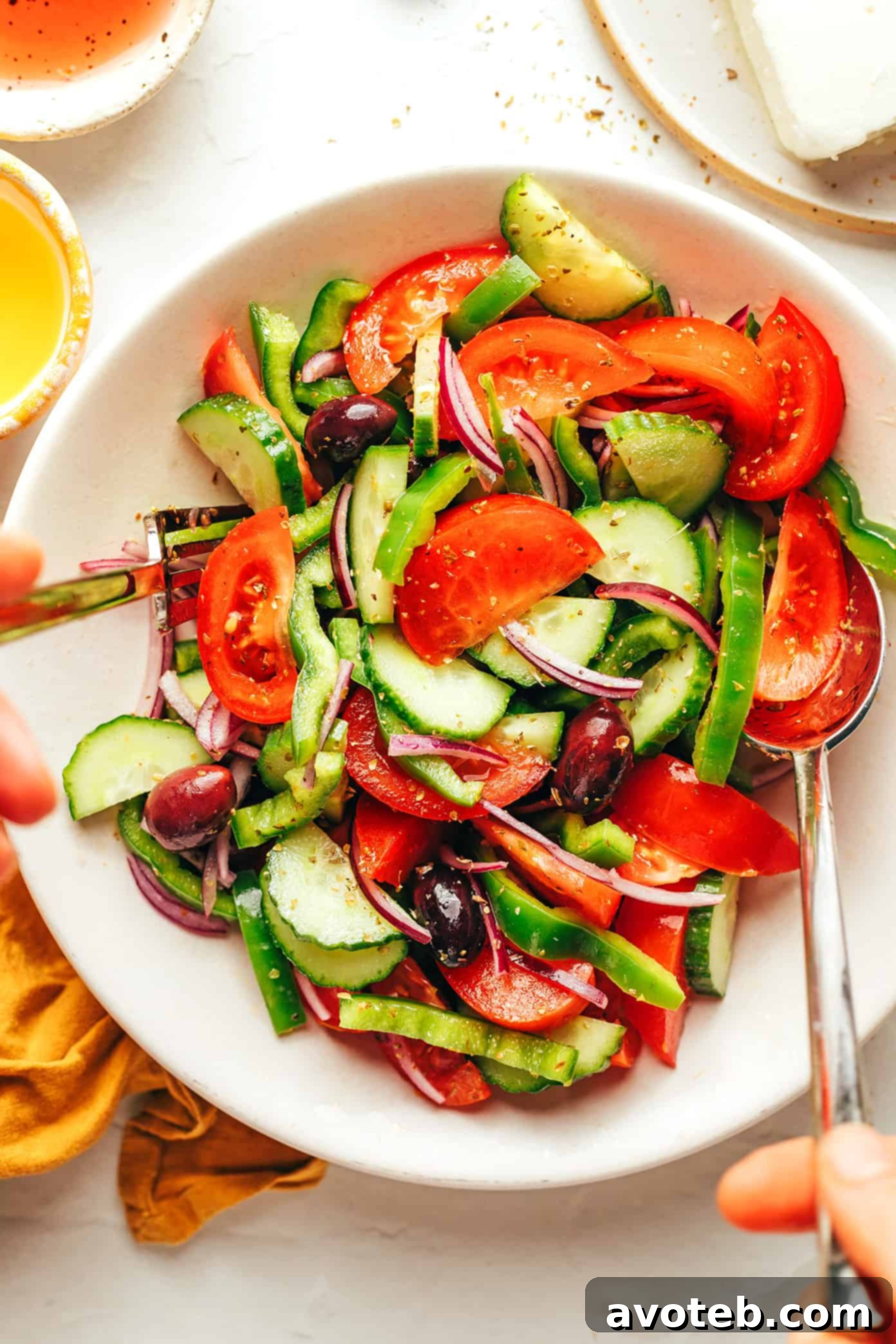
- Prepare and Combine Your Base Ingredients: Begin by washing and preparing all your vegetables. Cut your ripe tomatoes into generous wedges, slice your cucumber into half-moons, thinly slice the green bell pepper, and finely slice the red onion. In a large mixing bowl, gently combine the prepared tomatoes, cucumber, green pepper, and the whole Kalamata olives. The goal here is rustic elegance, not perfect uniformity.
- Dress Simply with Authentic Greek Vinaigrette: Now for the dressing, which is beautifully uncomplicated. Drizzle a generous amount of high-quality extra virgin olive oil evenly over the combined vegetables. Add a splash of red wine vinegar (if using), and then sprinkle with dried oregano and a light pinch of sea salt. This simple combination allows the natural flavors of the produce to truly shine.
- Gently Toss to Combine: With a light hand, briefly toss the ingredients in the bowl. The salad should not be over-mixed; a very gentle toss is all that’s needed to distribute the dressing without bruising the vegetables. The aim is for the ingredients to retain their distinct shapes and textures while being lightly coated.
- Crown with Feta Cheese: The star of the show makes its grand entrance. Place the thick slab of feta cheese right on top of the salad. For an extra flourish and depth of flavor, you can drizzle a little more olive oil over the feta and sprinkle an additional pinch of oregano on top. This presentation is both visually stunning and delicious.
- Serve Immediately or Store: Your authentic Greek salad is now ready to be enjoyed! Serve it fresh to fully appreciate its vibrant flavors and textures. If you have any leftovers, transfer them to a sealed container and refrigerate for up to 3 days. The flavors may even deepen slightly, but the vegetables will be at their crispest when fresh.
Perfect Pairings: What to Serve with a Greek Salad
The light, fresh, and summery flavors of an authentic Greek salad make it an incredibly versatile dish, pairing beautifully with a wide array of main courses. It’s an ideal accompaniment for almost anything grilled, especially during warmer months. Alternatively, if you’re like Barclay and me, a generously sized Greek salad can happily serve as a complete and satisfying main course on its own. For those looking for specific ideas, here are some delightful recipes and dishes that would perfectly complement your *horiatiki*:
- Classic Mediterranean Sandwiches:
- Chicken Souvlaki: The marinated and grilled skewers are a natural fit, offering tender protein that harmonizes with the salad’s freshness.
- Falafel: For a vegetarian option, crispy falafel balls tucked into pita bread with the salad components make for a hearty and flavorful meal.
- Gyro Meat: Whether traditional lamb/beef or chicken, sliced gyro meat offers a savory, seasoned complement.
- Crusty Bread and Dips: A large, rustic loaf of crusty bread is essential for soaking up the delicious olive oil and juices from the salad. Pair it with an assortment of dips for a complete mezze experience:
- Spicy Greek Feta Dip (recipe coming soon!): A creamy, tangy, and slightly spicy dip would provide a fantastic contrast.
- Classic Hummus: Smooth, garlicky chickpea hummus is always a crowd-pleaser and a staple of Mediterranean dining.
- Tzatziki: The cool, refreshing cucumber and yogurt dip is perfect for balancing richer flavors and provides a wonderful textural contrast.
- Melitzanosalata (Eggplant Dip): Smoky and rich, this dip offers another traditional Greek flavor.
- Grilled Meats or Seafood:
- Grilled Lamb Chops: The robust flavor of lamb stands up beautifully to the fresh salad.
- Grilled Halloumi Cheese: For a vegetarian main, pan-fried or grilled halloumi offers a salty, squeaky texture that’s incredibly satisfying.
- Baked or Grilled Fish: A simple whole baked fish or grilled white fish fillet drizzled with lemon and olive oil is an excellent light and healthy option.
- For a Sweet Finish:
- Baklava Cups: These sweet, nutty, honey-soaked pastries are the quintessential Greek dessert, providing a perfect ending to your Mediterranean feast.
- Fresh Fruit Platter: A simple platter of seasonal fruits like watermelon, grapes, or figs would offer a refreshing and light dessert.
Authentic Greek Salad
- Prep Time: 10 minutes
- Total Time: 10 minutes
- Yield: 4 servings
Description
This traditional Greek Salad recipe is wonderfully uncomplicated, easy to make, and so refreshing. Feel free to toss everything together in a mixing bowl, or just serve the base ingredients with bottles of olive oil and red wine vinegar on the side for people to dress their individual portions.
Ingredients
- 4 medium-sized tomatoes, cut into wedges
- 1 English cucumber (or two small Persian cucumbers), sliced into half moons
- 1 large green bell pepper, cored and thinly sliced
- 1 small red onion, peeled and thinly sliced
- 1 cup kalamata olives (whole, with pits)
- 3-4 tablespoons high-quality extra virgin olive oil
- 2 tablespoons red wine vinegar (optional, but recommended)
- 1 teaspoon dried oregano, plus extra for serving
- Sea salt, to taste
- 5 ounces authentic Greek feta cheese, thickly-sliced if possible
- Capers (optional, for garnish)
Instructions
- Combine the tomatoes, cucumber, bell pepper, red onion, and olives in a large mixing bowl.
- Drizzle evenly with olive oil and red wine vinegar (if using). Sprinkle with the dried oregano and a pinch of sea salt.
- Toss briefly and gently to combine the ingredients, ensuring they are lightly coated with the dressing.
- Top the salad with the thick slice(s) of feta cheese. Finish by drizzling a little extra olive oil and adding another pinch of oregano on top. If desired, sprinkle with capers.
- Serve immediately and enjoy the authentic flavors of Greece! Or refrigerate in a sealed container for up to 3 days.