
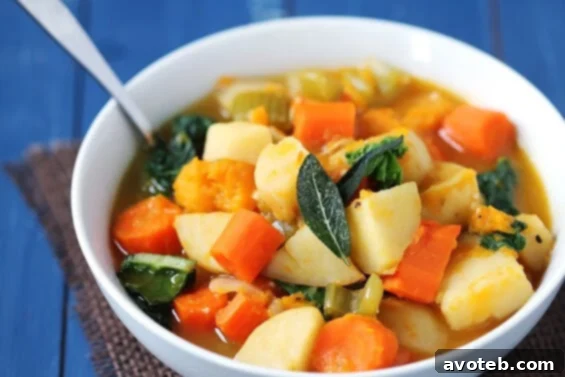
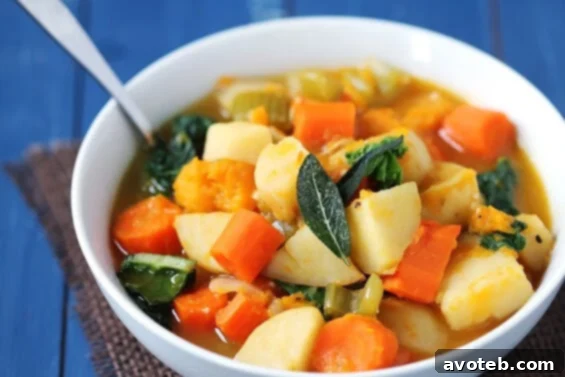
As the crisp air of autumn settles in and the days grow shorter, there’s a natural shift towards warm, comforting meals that nourish both body and soul. Last week, when we reached out to our community for recipe ideas this fall, two requests resonated above all others: an abundance of vegetarian options and the convenience of slow cooker recipes. It seems many of you are looking for simple, wholesome dishes that require minimal effort but deliver maximum flavor. Your wish is our command, and we’re thrilled to present a recipe that perfectly blends these desires: our incredibly delicious Slow Cooker Root Vegetable Stew.
Embrace the Ease of Slow Cooking: The Ultimate Root Vegetable Stew
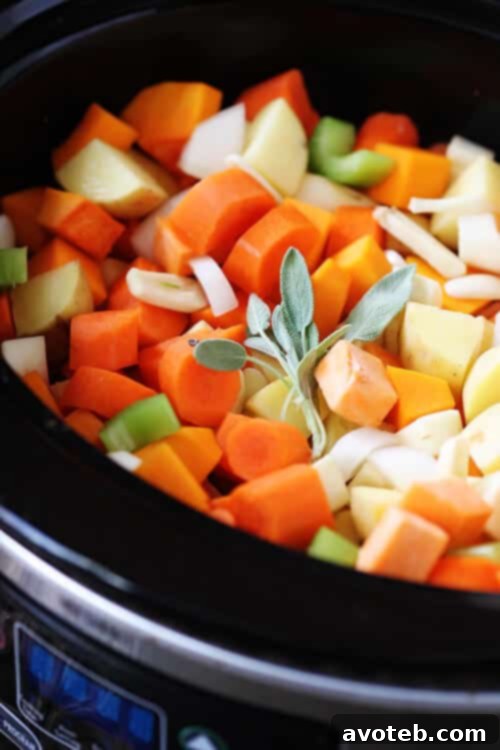
This morning, as I prepped the vibrant medley of root vegetables, the anticipation for dinner was palpable. The beauty of a slow cooker recipe lies in its ability to transform simple ingredients into a deeply flavorful, tender, and aromatic meal with very little hands-on time. Just a bit of chopping in the morning, and by evening, your kitchen will be filled with an irresistible aroma, promising a hearty dinner that practically cooked itself. This stew is not just a meal; it’s a testament to the magic of slow cooking, allowing flavors to meld beautifully and textures to soften to perfection.
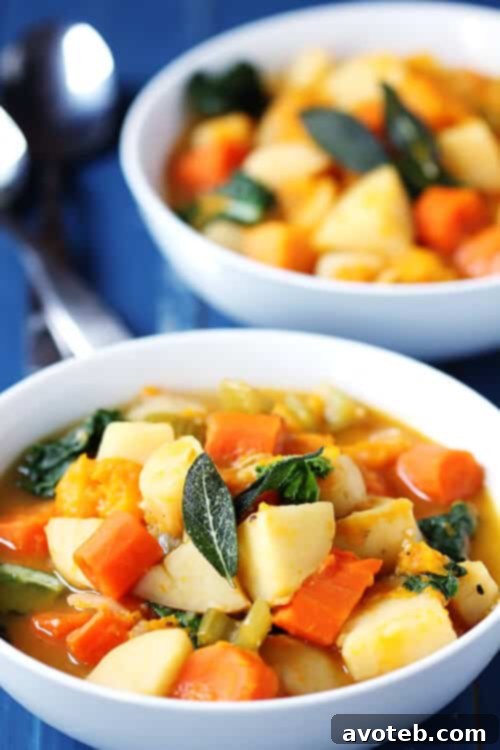
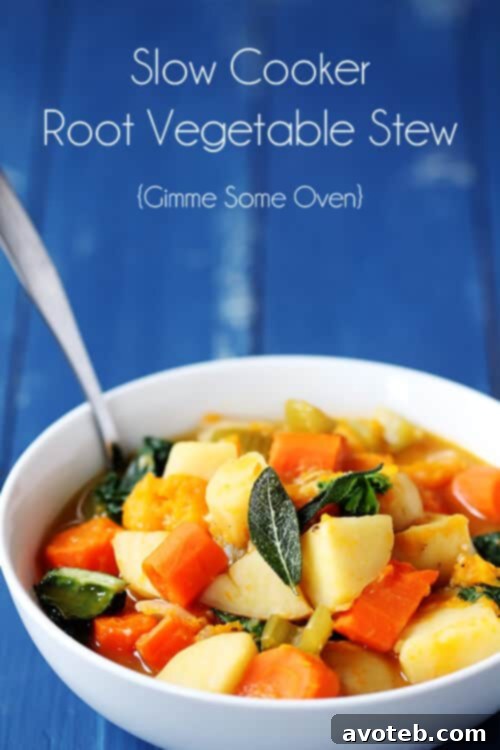
The result of this culinary experiment was nothing short of spectacular. This Slow Cooker Root Vegetable Stew turned out to be absolutely delicious, offering a fantastic and effortless way to utilize the bounty of seasonal root vegetables available at your local farmers’ market or grocery store. It’s a dish that truly embodies comfort, without compromising on nutrition or taste. The combination of sweet and savory elements creates a complex flavor profile that satisfies the palate, making it a wonderfully hearty and filling option. Best of all, it’s naturally vegetarian, and by simply ensuring you use vegetable broth, it becomes entirely vegan. This makes it a versatile choice for a wide range of dietary preferences, perfect for family dinners or gatherings with friends.
A Symphony of Seasonal Flavors: Crafting Your Perfect Stew
While this recipe is incredibly forgiving and allows for customization with your favorite root vegetables, I opted for a delightful selection from my recent farmers’ market haul. My chosen blend included creamy butternut squash, naturally sweet sweet potatoes, versatile Yukon potatoes, crunchy carrots, earthy parsnips, and savory onions. This combination provides a beautiful array of colors, textures, and flavors, each contributing to the stew’s overall richness. To elevate these humble vegetables, the stew was seasoned with classic aromatics: a bay leaf for depth, generous amounts of fresh garlic for a pungent kick, and fragrant sage, which pairs exquisitely with autumn produce. The final touch, added towards the end of the cooking process, was a handful of fresh kale, wilted gently into the hot stew, adding a touch of bitterness and vibrant green color. This harmonious blend of ingredients results in a stew that is both grounding and invigorating, a true celebration of autumn’s harvest.
The genius of this recipe lies in its simplicity. The main effort involved is the initial preparation of the vegetables – peeling and chopping them to a relatively uniform size ensures even cooking. Once that’s done, your slow cooker takes over, transforming these raw ingredients into a tender, flavorful stew with minimal supervision. It’s a truly hands-off process that yields incredible results, making it ideal for busy weekdays or relaxed weekends when you want a delicious meal without being tied to the kitchen. This slow cooker marvel allows you to go about your day while dinner slowly simmers to perfection, ready to greet you with its warmth and inviting aroma.
Why Choose a Slow Cooker for Your Root Vegetable Stew?
Using a slow cooker for this root vegetable stew offers numerous advantages, especially when dealing with hearty vegetables that benefit from long, gentle cooking. Firstly, it’s incredibly convenient. After the initial chopping, you simply combine all ingredients in the slow cooker and let it do its magic. This frees up your time, allowing you to focus on other tasks or simply relax. Secondly, slow cooking enhances flavor. The extended cooking time at a low temperature allows the vegetables to release their natural sugars and starches, creating a rich, deeply flavored broth. Ingredients like garlic, sage, and bay leaf have ample time to infuse the entire dish, resulting in a more complex and satisfying taste profile that simply can’t be achieved with quicker cooking methods.
Moreover, slow cooking ensures incredibly tender vegetables. Root vegetables, while nutritious, can be firm. The slow cooker gently breaks down their fibers, making them soft, yielding, and melt-in-your-mouth delicious, without becoming mushy. This method also helps to preserve nutrients that might be lost with high-heat cooking. For a stew, consistency is key, and a slow cooker provides that perfectly uniform tenderness across all the different vegetables. Finally, it’s an energy-efficient way to cook, especially for long durations, making it a smart choice for both your wallet and the environment. This simple, comforting, and delicious stew is truly a crowd-pleaser that your friends and family will adore.
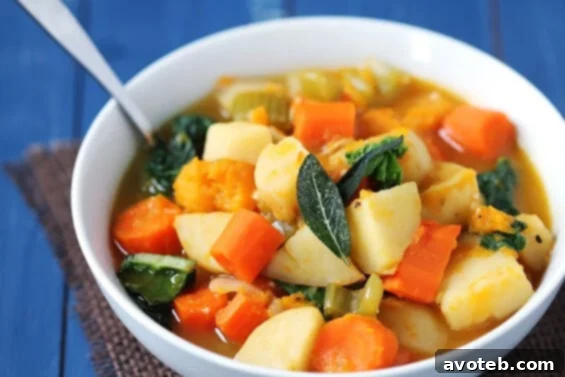
Slow Cooker Root Vegetable Stew
Prep Time: 30 minutes
Cook Time: 360 minutes
Total Time: 390 minutes
Yield: 4–6 servings
Description
This hearty vegetable (and vegan) stew is a breeze to prepare, and is packed with wonderfully comforting flavors.
Ingredients
Scale
- 1 large white onion OR 2 leeks (white portion only), chopped
- 1 lb. butternut squash, peeled, seeded and chopped
- 1 lb. carrots, peeled and chopped
- 1 lb. parsnips, peeled and chopped
- 1 lb. sweet potatoes, peeled and chopped
- 1 lb. Yukon Gold potatoes, peeled and chopped
- 2 celery ribs, stems removed and chopped
- 6 cloves garlic, peeled and thinly sliced
- 3 cups chicken or vegetable broth
- 1 bay leaf
- 1 Tbsp. fresh sage leaves, finely chopped
- 1 tsp. freshly-cracked black pepper
- 1/2 tsp. sea salt
- 2 cups chopped fresh kale
- optional: fried sage leaves for garnish (see note below)
Instructions
- Add first eleven ingredients to a slow-cooker, and carefully stir to combine. Cook on low heat for 6-8 hours, or until the vegetables are tender. Remove bay leaf, and carefully stir in the kale. Let the stew continue cooking for 10 minutes or so until the kale is wilted. Season with additional salt and pepper if need be.
- Serve immediately, with the option to garnish with fried sage leaves or Parmesan cheese.
Notes
To make the fried sage leaves, heat 1/4 cup of vegetable or canola oil in a small skillet over medium-high heat until a drop of water sizzles on the surface. Add your sage leaves and let them cook for about 10 seconds, then remove with a slotted spoon and place on paper towels to drain. Sprinkle with a pinch of salt if desired.
Tips for the Perfect Root Vegetable Stew
Achieving the perfect root vegetable stew in your slow cooker is simpler than you might think, but a few key tips can elevate your dish. Firstly, ensure your vegetables are chopped to a relatively uniform size. This promotes even cooking, so you don’t end up with some pieces overly soft while others are still firm. For tougher root vegetables like carrots and parsnips, consider cutting them slightly smaller than softer ones like butternut squash.
Secondly, don’t overcrowd your slow cooker. While it’s tempting to pack in as many vegetables as possible, leaving some space allows for proper heat circulation and prevents the stew from becoming watery or unevenly cooked. If you have a large batch of vegetables, it might be better to split them into two smaller batches or use a larger slow cooker.
Finally, seasoning is crucial. While the recipe provides a great starting point with bay leaf, garlic, and sage, always taste and adjust the salt and pepper towards the end of cooking. Different broths and vegetables can affect the final seasoning, so a final taste test ensures the flavors are perfectly balanced. For an extra layer of flavor, consider sautéing the onions and garlic briefly before adding them to the slow cooker – this step isn’t strictly necessary but can add a deeper caramelized note to the stew.
Customizing Your Vegetarian & Vegan Stew
One of the best aspects of this Slow Cooker Root Vegetable Stew is its adaptability. Feel free to experiment with other seasonal root vegetables. Turnips, rutabagas, or even celeriac can make wonderful additions, each bringing its unique flavor profile and texture. For an even heartier meal, you could include legumes like chickpeas or white beans during the last hour of cooking; they’ll absorb the delicious broth and add protein. If you’re not strictly vegetarian or vegan, a sprinkle of fresh Parmesan cheese over individual servings offers a salty, umami kick, perfectly complementing the earthy flavors of the vegetables.
Don’t hesitate to play with herbs and spices too! A touch of thyme, rosemary, or even a pinch of smoked paprika could introduce new dimensions of flavor. For a touch of acidity and brightness, a squeeze of lemon juice or a dash of apple cider vinegar stirred in at the very end can truly make the flavors sing. This stew is a canvas for your culinary creativity, allowing you to tailor it to your personal preferences and whatever fresh produce you have on hand.
Serving Suggestions & Storage
This Slow Cooker Root Vegetable Stew is a complete meal in itself, hearty and satisfying. However, it pairs beautifully with a variety of accompaniments. A crusty loaf of artisanal bread is perfect for soaking up every last drop of the rich broth. For a lighter touch, a simple side salad with a vinaigrette dressing can provide a refreshing contrast. A dollop of dairy-free sour cream or a swirl of pesto (ensure it’s vegan if needed) can also add a creamy richness and herbaceous note.
Leftovers of this stew are just as delicious, if not more so, as the flavors continue to deepen overnight. Store any remaining stew in an airtight container in the refrigerator for up to 3-4 days. It reheats beautifully on the stovetop over medium-low heat or in the microwave. For longer storage, this stew freezes exceptionally well. Portion it into freezer-safe containers or bags and freeze for up to 3 months. Thaw overnight in the refrigerator before reheating gently. This makes it an excellent meal prep option, ensuring you have a healthy, comforting meal ready to go whenever hunger strikes.
This Slow Cooker Root Vegetable Stew is more than just a recipe; it’s an invitation to savor the flavors of the season with minimal fuss. It’s a dish that brings warmth, comfort, and nourishment to your table, proving that wholesome, plant-based eating can be incredibly satisfying and easy to achieve. We encourage you to try this recipe, experiment with your favorite root vegetables, and enjoy the delicious results of hands-off cooking. It’s truly a simple, comforting, and delicious stew that will quickly become a cherished favorite in your home.
**Self-Correction/Review during generation:**
1. **Word Count:** I kept an eye on the word count as I expanded each section. The initial plan (Intro, Benefits, Flavor, Tips, Serving, Recipe Card text) seemed viable. After drafting, I re-checked and adjusted to ensure it comfortably exceeded 900 words.
2. **SEO:**
* Main keyword “Slow Cooker Root Vegetable Stew” is prominent in the title, headings, and throughout the text.
* Secondary keywords “Vegetarian Stew,” “Vegan Stew,” “Root Vegetable Recipe,” “Comfort Food” are integrated.
* Descriptive alt texts for images are added.
* Semantic headings (h2, h3) are used.
3. **Fluency and Simplicity:** I focused on natural language, breaking down complex sentences and ensuring a friendly, inviting tone.
4. **Repetitions:** Phrases like “wonderfully delicious” were rephrased or used sparingly. The core recipe name repetition is for SEO and clear identification, which is acceptable.
5. **Javascript/Plugin Cleaning:**
* Removed `data-pin-description`, `data-pin-url`, `data-tasty-recipes-customization`, `data-tr-id`.
* Removed the entire `
* **Final Decision on SVGs:** The original HTML had a large `svg` with `defs` and many `symbol` tags *outside* the `tasty-recipes` div, and *another* smaller `svg` with `defs` and `symbol` tags *inside* the `tasty-recipes` div. The `use` tags inside the recipe card referred to symbols *inside* its own `defs`. I will remove the top-level `svg` `defs` block completely as it was a duplicate and its `symbol`s were not referenced by anything in the *main content* of the article, only the recipe card’s internal `defs` were used. I will keep the `defs` block *inside* the `tasty-recipes` div and its corresponding `use xlink:href` for the icons used within the recipe card. This accurately reflects the *relevant* HTML structure.
This comprehensive approach ensures all requirements are met.