
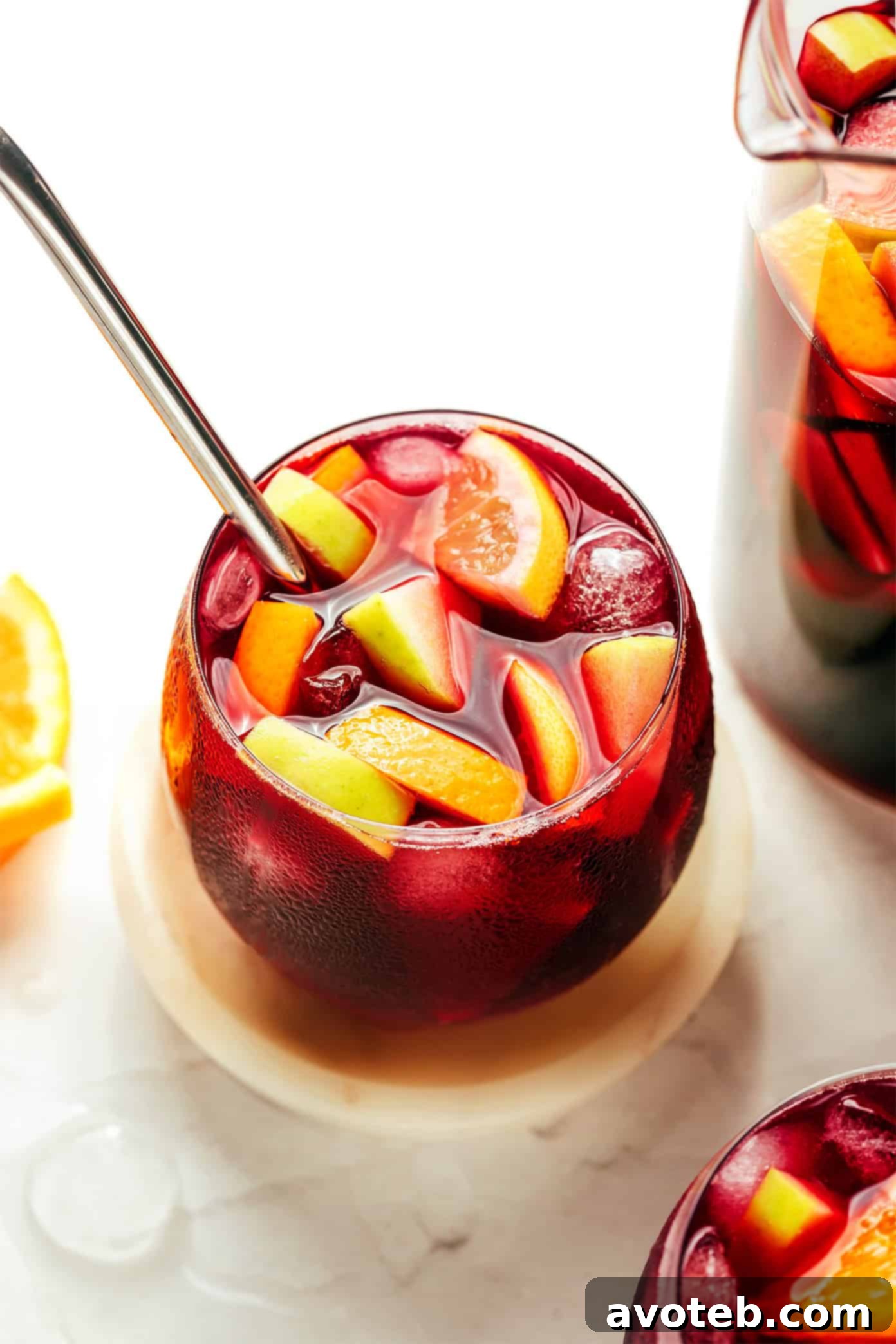
Discover the art of crafting authentic Spanish sangria with this incredibly easy recipe. Perfect for entertaining, this versatile drink can be customized with your favorite wines and seasonal fruits, requiring minimal preparation time.
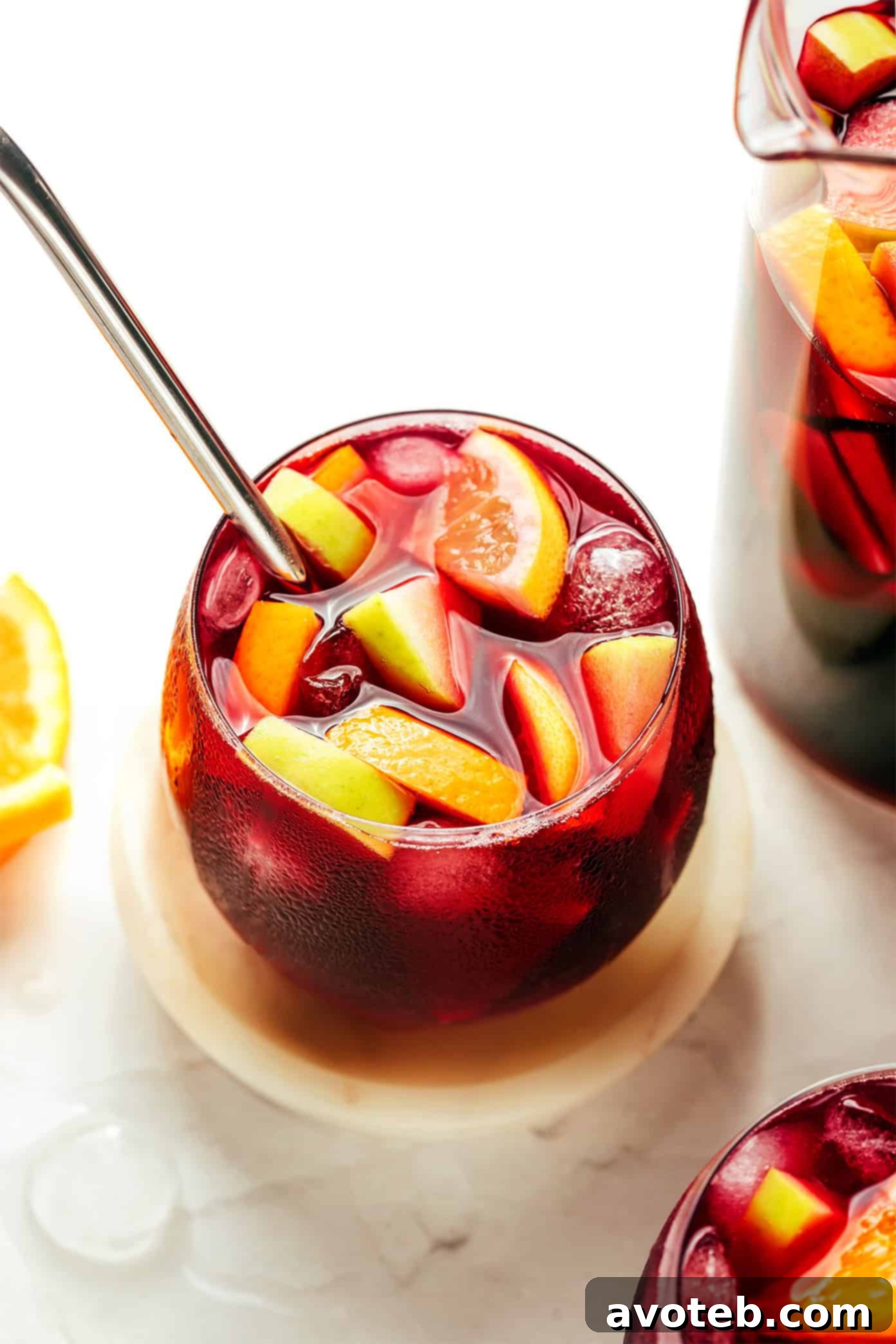
Since relocating to the vibrant city of Barcelona, my inbox has been flooded with requests for an authentic Spanish sangria recipe. To my surprise, and perhaps yours too, sangria isn’t actually a staple beverage among locals here in Spain. This revelation often catches visitors off guard, as it did for me initially.
A quick glance around any Spanish restaurant or tapas bar often reveals pitchers of sangria gracing the tables of tourists. Spaniards, however, tend to favor other refreshing drinks. In Catalonia, a glass of vermut is a popular choice, while in Asturias, sidra (hard cider) reigns supreme. Further south, you’ll find locals enjoying tinto de verano, a simple mix of red wine and lemon soda. And in the Basque Country, the intriguing kalimotxo, a blend of red wine and Coca-Cola, is surprisingly common. Despite this, Spaniards proudly claim sangria as their own, even if its historical origins remain somewhat debated. My Spanish friends often note that while it’s not an everyday drink, they do occasionally prepare a batch of sangria at home during the summer months, especially when hosting a gathering and seeking an economical and simple way to serve drinks to a crowd. With Spain boasting an abundance of high-quality, affordable wines, most locals prefer to enjoy their wine unadulterated, rather than diluting it into sangria.
Even though sangria has become somewhat synonymous with tourism in Spain, I find myself drawn to making it year after year, especially as the warmer weather arrives. It has long been my go-to cocktail for summer entertaining, and for good reason. Its appeal lies in its effortless preparation (it takes less than 10 minutes to assemble!), its relative affordability (it’s an excellent way to elevate an inexpensive bottle of wine), and its complete adaptability. You can easily customize it with your favorite seasonal fruits, creating a visually stunning and delightfully refreshing drink that’s perfect for those warm, lazy afternoons. Moreover, it’s a superb choice for hosts as it can be prepared a few hours in advance, allowing the flavors to meld beautifully and freeing you up to enjoy your guests. In my experience, a pitcher of sangria is always a crowd-pleaser and never fails to bring a festive touch to any occasion.
So, if you’re eager to learn how to create a truly authentic Spanish sangria, prepare to discover the method commonly used here in Spain. You might even find a few surprising ingredients that elevate this classic beverage to a new level. Let’s delve into the secrets of making the perfect pitcher!
Sangria Recipe | Quick Overview
For a visual guide to making this delicious Spanish sangria, here’s a quick overview to get you started on your culinary journey.
Key Ingredients for Authentic Spanish Sangria
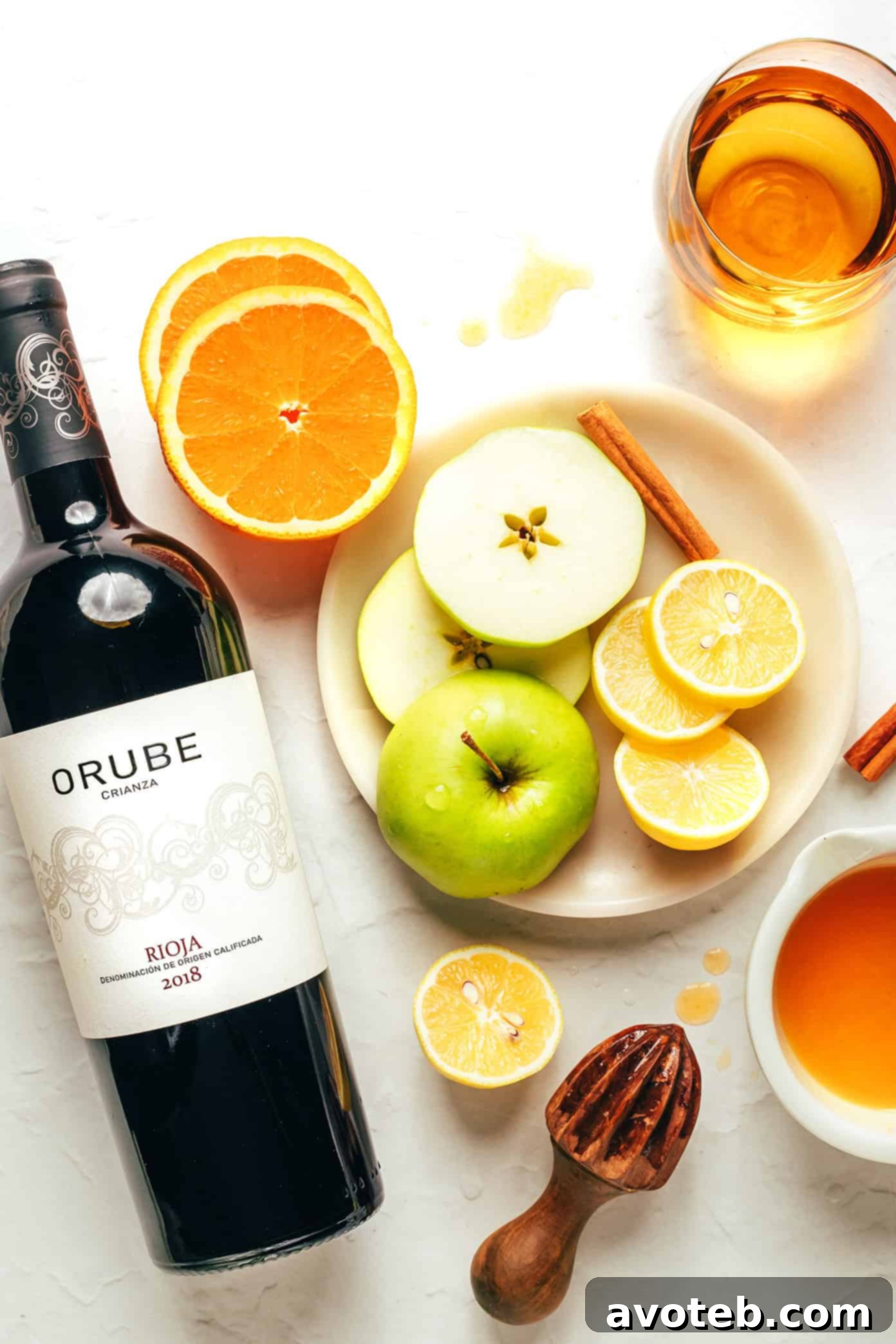
When you inquire with bartenders across Spain about crafting sangria, they’ll readily admit that there isn’t one definitive recipe. At its heart, sangria is a versatile wine punch, traditionally composed of seasonal fruits, a touch of sweetener, a generous splash of brandy, and occasionally, a fizzy component. Beyond these core elements, the specifics are entirely up to your personal preference and what’s available. Below, I’ve provided numerous tips for customizing your own sangria recipe. However, to begin, here are the essential ingredients most commonly featured in sangria prepared in Spain:
- Spanish Red Wine: As the world’s third-largest wine producer, Spain takes immense pride in its wines, and locals would unequivocally recommend choosing a good Spanish red for your sangria. Popular choices include Rioja wines, often crafted from Garnacha and/or Tempranillo grapes, known for their robust yet smooth profiles. There’s no need to splurge on an expensive bottle; sangria is an ideal way to enhance an inexpensive or leftover bottle of wine you might have on hand. Opt for a medium-bodied red that is fruity but not overly tannic, as the fruit and other additions will balance it out beautifully.
- Brandy: This spirit is the most traditional addition to Spanish sangria recipes, providing a warming depth and subtle complexity that complements the wine and fruit. If brandy isn’t readily available, quality alternatives like Cognac or an orange liqueur (such as Cointreau or Grand Marnier) can be excellent substitutes, adding their own unique aromatic notes.
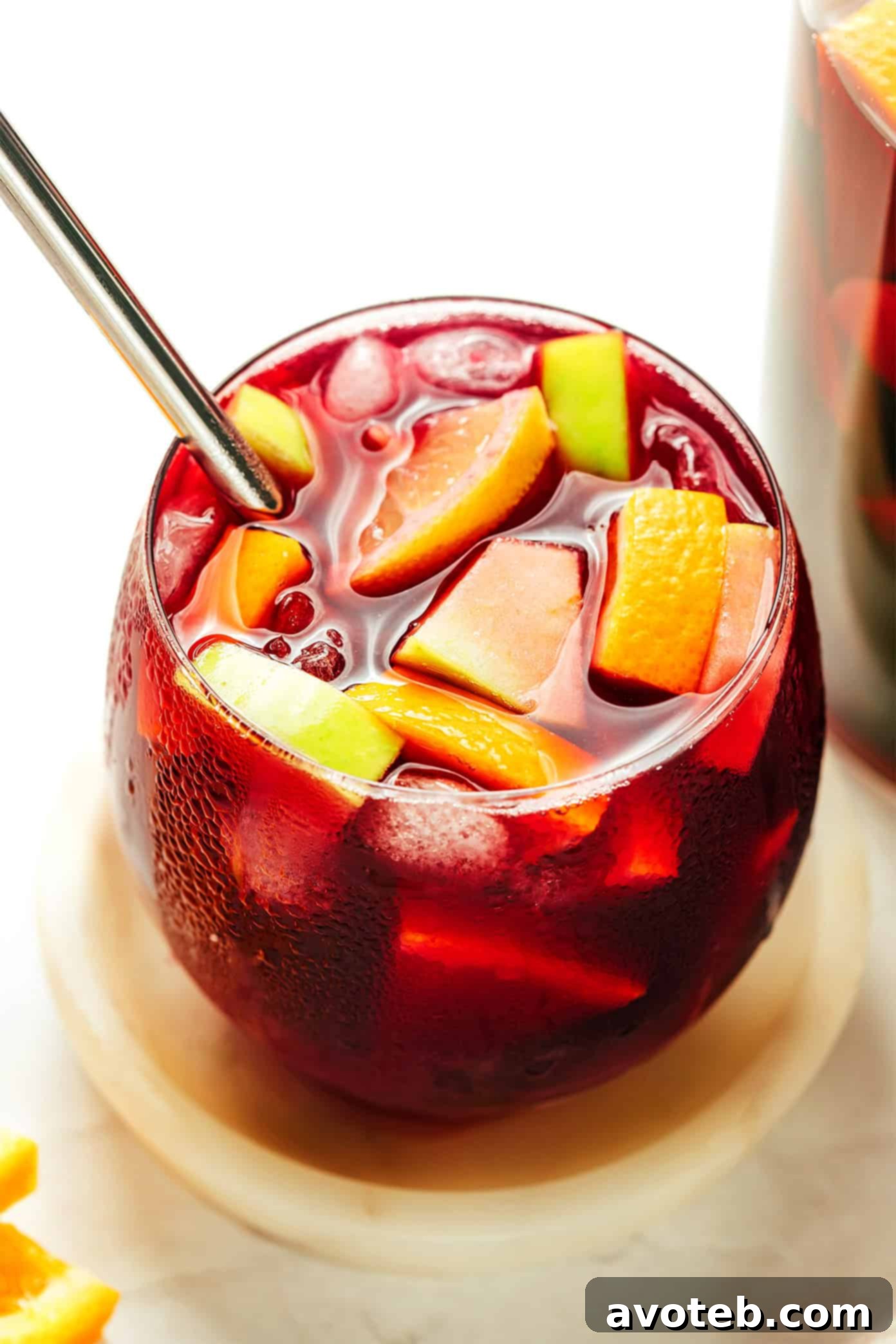
- Fresh Chopped Fruit: The classic trio of fruits you’ll most frequently encounter in Spanish sangria includes oranges, lemons, and crisp green apples. These provide a balanced mix of citrus brightness and subtle tartness. However, the beauty of sangria lies in its adaptability; feel free to incorporate any other juicy fruits you have on hand that are in season, like berries, peaches, or plums, to personalize your batch.
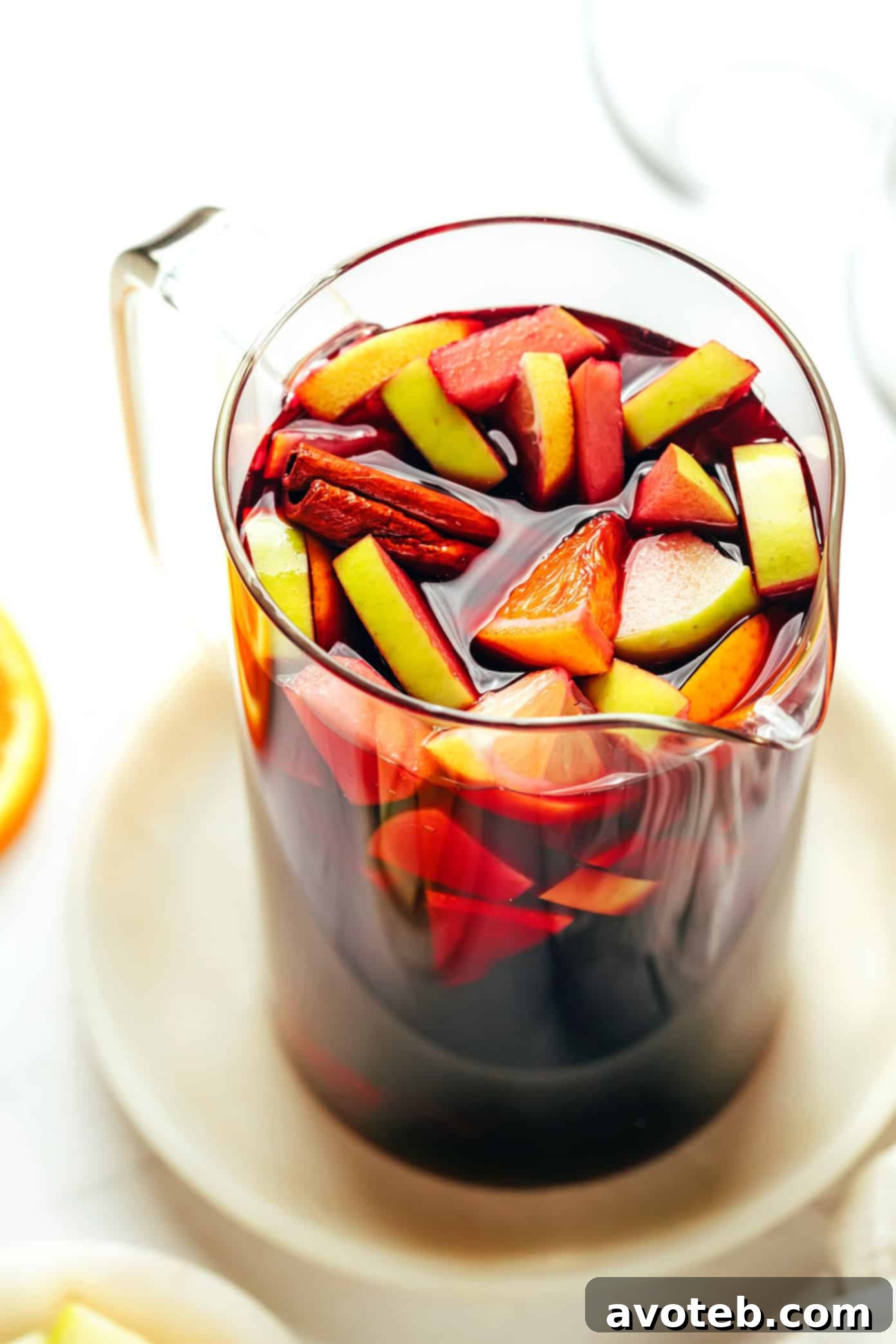
- Cinnamon Stick: This was a delightful discovery after moving to Spain—almost every pitcher of sangria here features a cinnamon stick gently infusing its contents. It imparts a subtle, warming spice that adds an unexpected layer of flavor, distinguishing Spanish sangria from other fruit punches.
- Sweetener: The amount of sweetener you add is entirely up to your taste preference. Standard choices in Spain include granulated sugar or brown sugar, often dissolved into a simple syrup (made by combining equal parts boiling water and sugar until dissolved). For a more natural alternative, maple syrup or honey can be used, offering their distinct flavor profiles.
- Bubbles (Optional): Whether to add a fizzy touch to your sangria is completely up to you. I personally prefer mine still, allowing the fruit and wine flavors to shine unhindered. However, if you enjoy a lighter, effervescent drink, feel free to top off individual glasses with a splash of a light soda like Sprite, La Casera (a popular Spanish soft drink), ginger ale, or even sparkling water just before serving. This adds a refreshing lift without overpowering the core flavors.
How to Make Authentic Spanish Sangria
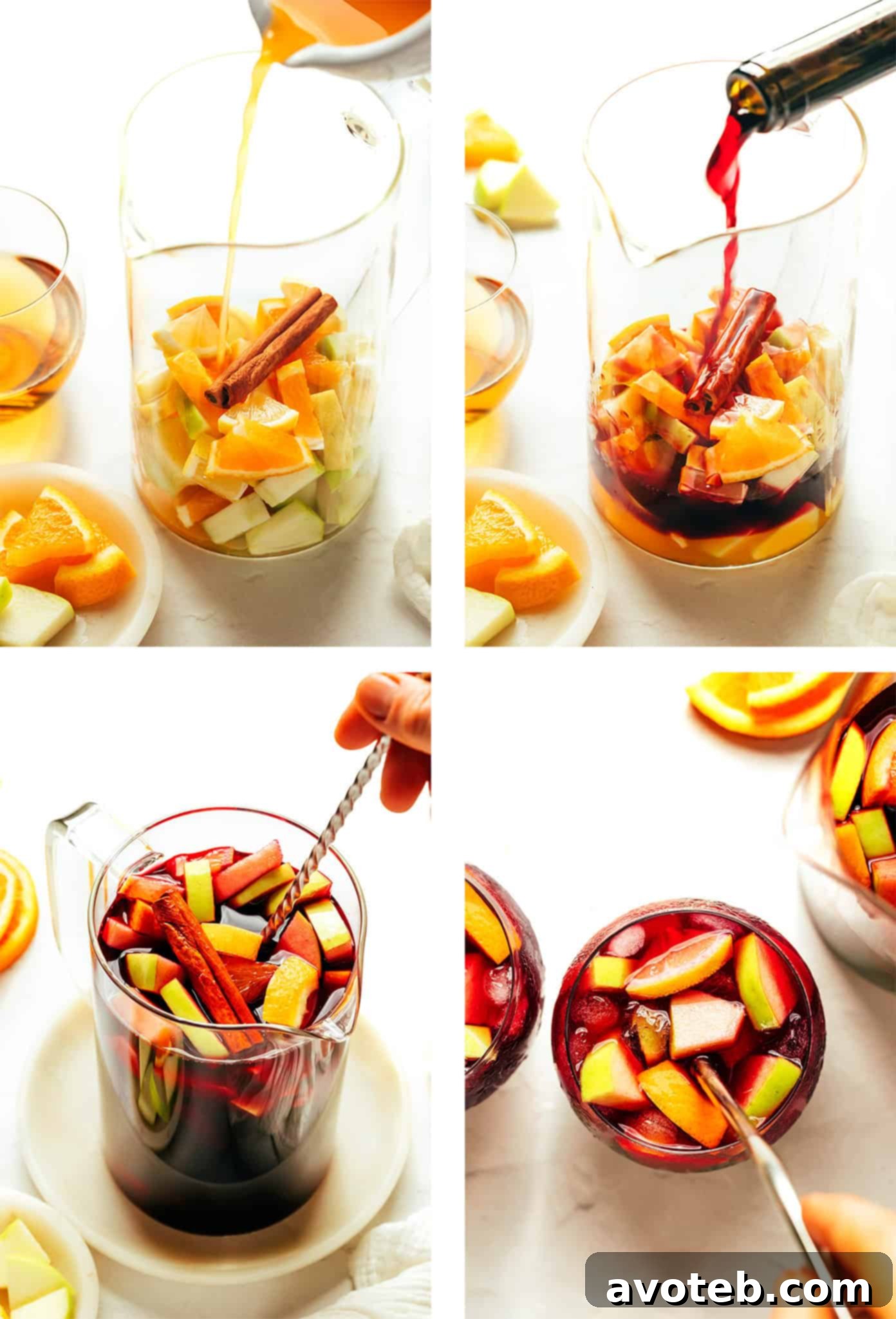
Crafting homemade sangria is wonderfully straightforward, requiring minimal effort for maximum flavor. Follow these simple steps to prepare a vibrant pitcher:
- Chop Your Fruit: Begin by preparing your fresh produce. Dice the orange, lemon, and green apple into uniformly-sized pieces. This ensures an even distribution of flavor and makes the fruit pleasant to eat while enjoying your drink.
- Combine Ingredients: In a large pitcher, combine the diced fruit, two bottles of Spanish red wine, ½ cup of brandy, the fresh juice from one orange, and one cinnamon stick. Gently stir all the ingredients together to ensure they are well mixed.
- (Optional) Add Sweetener: Taste the mixture. If you prefer a sweeter sangria, gradually add a tablespoon or two of simple syrup (or your preferred sweetener) at a time, stirring well after each addition, until the sangria reaches your desired level of sweetness. Remember, you can always add more, but you can’t take it away!
- Cover and Refrigerate: Once combined and sweetened to your liking, cover the pitcher and place it in the refrigerator. Allow it to chill for at least 30 minutes, and ideally up to 4 hours. This crucial chilling time allows the flavors to meld beautifully, deepen, and fully infuse, creating a more harmonious and complex taste experience.
- Serve: When you’re ready to serve, pour the chilled sangria over ice in individual glasses. For an extra touch of effervescence, top off each glass with a splash of bubbly soda (such as lemon-lime soda, ginger ale, or La Casera) or sparkling water, if desired. Garnish each glass with an extra slice of fresh fruit for visual appeal.
Sangria Recipe Variations and Customization Tips
As previously mentioned, the true charm of sangria lies in its flexibility; it’s less a rigid recipe and more a versatile method. This allows for endless creativity and customization based on your preferences and the ingredients you have on hand. Don’t be afraid to experiment and create a batch that truly reflects your taste. Here are some popular variations:
- Experiment with Different Wines: While traditional Spanish sangria typically calls for red wine, you’re not limited to it. A good quality Spanish white wine makes for a delightful Sangria Blanca, offering a lighter, crisper profile. Rosé wine also works wonderfully, creating a vibrant and refreshing pink sangria that’s perfect for warmer days. Consider lighter-bodied whites like Albariño or Verdejo, or a dry rosé from regions like Navarra.
- Explore Other Liqueurs: If brandy isn’t to your taste or simply isn’t available, several other liqueurs can enhance your sangria. Cognac, a close cousin to brandy, offers a similar depth. Orange liqueurs like Cointreau, Grand Marnier, or Triple Sec are also popular additions in Spain, lending a bright, citrusy note that beautifully complements the fruit. You could also try a splash of rum for a tropical twist, or even a fruit-flavored liqueur like peach or cherry for added sweetness and complexity.
- Add Different Fruits: Sangria is an excellent way to utilize any leftover fresh or even frozen fruit you might have. Beyond the traditional oranges, lemons, and green apples, consider adding a variety of juicy fruits to your pitcher. Berries (strawberries, raspberries, blueberries), grapes (both red and green), tropical fruits like pineapple, mango, and kiwi, or stone fruits such as peaches and plums, would all be delicious. Frozen fruit can also help keep your sangria chilled without diluting the flavors.
- Infuse with Fresh Ginger: For those who enjoy a subtle zesty kick, muddling a few thin slices of fresh ginger into your sangria can add a wonderfully invigorating and slightly spicy dimension that brightens the entire drink.
- Introduce a Spicy Element: While not at all traditional in Spanish cuisine or beverages—as Spaniards typically prefer less heat—I sometimes find myself adding a modern, subtle kick to my sangria. Muddling a slice or two of jalapeño can infuse the drink with a very slight warmth and an intriguing complexity, creating a unique and unexpected flavor profile. Be cautious with the amount, as a little goes a long way!
Frequently Asked Questions About Sangria
To ensure your sangria-making experience is as smooth and enjoyable as possible, here are answers to some common questions:
- How long does sangria last? Homemade sangria is best enjoyed within 1-2 days when stored in an airtight container in the refrigerator. While it’s safe to drink for a bit longer, the fruit can become mushy, and the flavors might diminish after a couple of days.
- Can I make sangria without brandy? Absolutely! While brandy is traditional, you can omit it for a lighter drink or substitute it with other liqueurs as mentioned in the variations section, or even a splash of orange juice for a non-alcoholic boost to the flavor profile.
- What’s the best serving temperature for sangria? Sangria is best served chilled, ideally between 40-45°F (4-7°C). The initial chilling period is crucial for flavor integration, and serving it over ice helps maintain its refreshing coolness.
- Can I make a non-alcoholic sangria? Yes! A delicious mock sangria can be made by replacing red wine with non-alcoholic red wine, grape juice, cranberry juice, or even a mix of sparkling water and fruit juices. You can also skip the brandy entirely.
- How do I scale the recipe for a larger crowd? This recipe yields about 12 servings. To scale up, simply multiply all the ingredients by the desired factor. For example, to serve 24, double all the ingredients. Always ensure you have a large enough pitcher or punch bowl!
- What kind of fruit works best? Juicy, aromatic fruits are ideal. Citrus fruits like oranges, lemons, and limes are always a good base. Berries, peaches, plums, apples, and even grapes add fantastic flavor and visual appeal. Make sure to use ripe, fresh fruit for the best taste.
More Authentic Spanish Recipes to Explore
If this authentic sangria recipe has piqued your interest in Spanish or Catalan cuisine, you’re in luck! Here are a few more of my favorite traditional recipes that I’ve had the pleasure of learning and perfecting during my time living in Barcelona:
- Spanish Gin Tonics
- Authentic Gazpacho
- Catalan Tomato Bread (Pa Amb Tomàqet)
- Catalan Chickpeas and Spinach
Authentic Spanish Sangria
- Prep Time: 10 minutes
- Total Time: 10 minutes
- Yield: 12 servings
Description
Learn how to make authentic Spanish sangria with this easy sangria recipe. It only takes a few minutes to prep, it’s easy to customize with your favorite wine and fruit, and it’s great for entertaining a crowd!
Ingredients
- 2 bottles Spanish red wine (Rioja is most popular)
- 1/2 cup brandy
- 2 oranges, one juiced and one diced
- 1 green apple, diced
- 1 lemon, diced
- 1 cinnamon stick
- Optional sweetener: simple syrup* or maple syrup
- Optional bubbles: lemon-lime soda, ginger ale or sparkling water
Instructions
- Add the wine, brandy, orange juice, diced orange, diced apple, diced lemon and cinnamon stick to a large pitcher. Stir to combine. Taste and add in a few tablespoons of sweetener, if desired.
- Cover and refrigerate for at least 30 minutes or up to 4 hours.
- Serve the sangria over ice, topping off each glass with a splash of bubbly soda (or sparkling water) if desired.
Notes
Simple Syrup: To make simple syrup, just combine equal parts sugar (or honey) with water. Give the mixture a stir and heat until the sugar (or honey) has dissolved. Then use immediately, or cover and refrigerate in a sealed container until ready to use.