
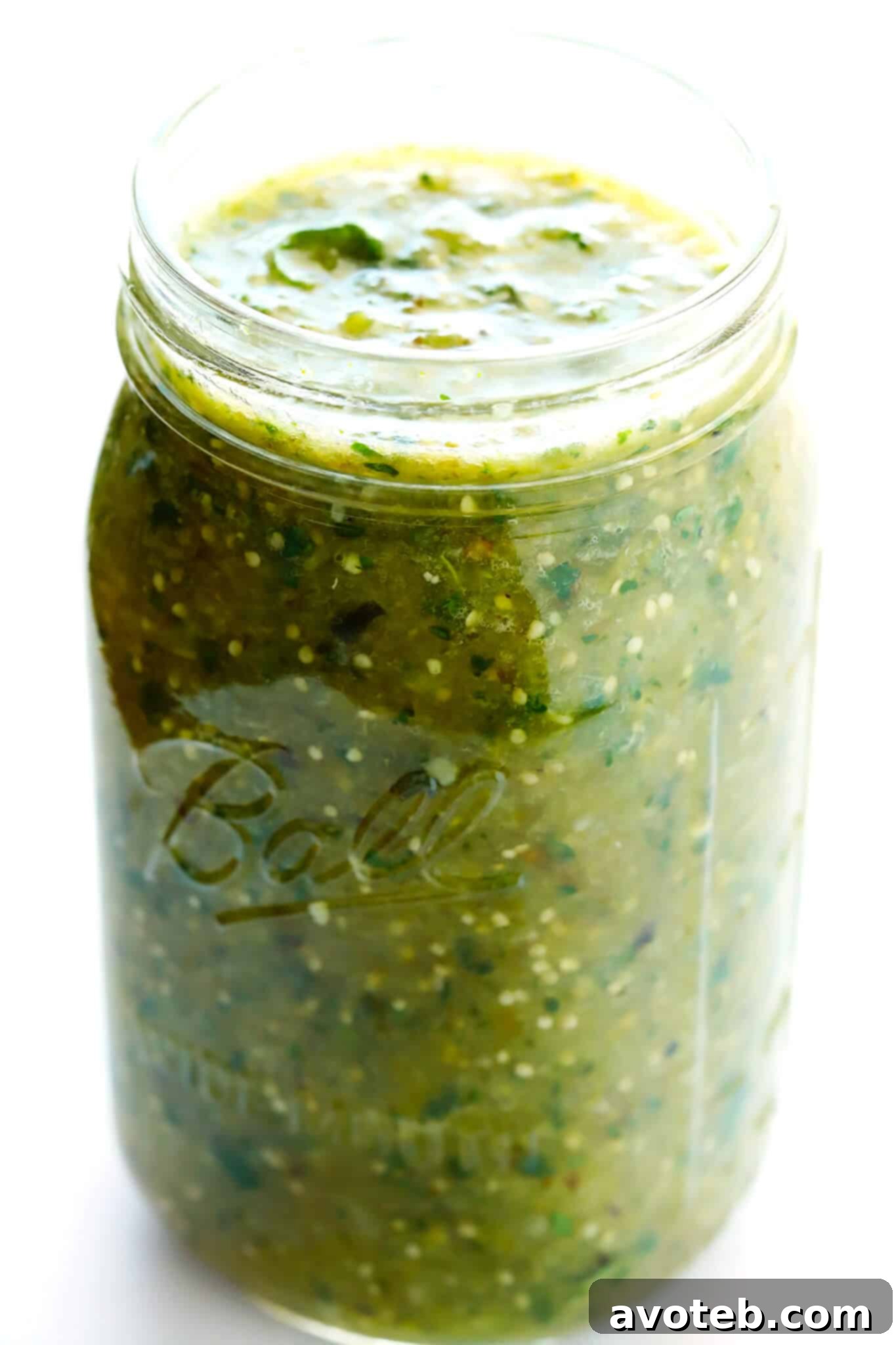
The Ultimate Roasted Tomatillo Salsa Verde Recipe: Authentic, Easy & Irresistible
There’s nothing quite like the vibrant, tangy kick of a truly great salsa verde. While store-bought versions can offer convenience, they rarely capture the fresh, complex flavors of a homemade batch. This recipe for roasted tomatillo salsa verde isn’t just easy to make; it’s designed to bring an authentic taste of Mexico right into your kitchen. Whether you’re a seasoned chef or a beginner, you’ll find this salsa absolutely irresistible – a perfect blend of smoky, zesty, and subtly spicy notes that will elevate any meal.
Salsa verde, literally meaning “green sauce,” is a staple in Mexican cuisine, known for its bright color and distinctive flavor profile. Unlike its red counterpart, salsa roja, which is typically made with ripe red tomatoes, salsa verde harnesses the unique tartness of tomatillos. When roasted, these green beauties develop a deep, smoky sweetness that mellows their acidity and adds incredible depth to the finished salsa. This particular recipe focuses on roasting the tomatillos, serrano peppers, and garlic, a step that is crucial for building those layers of savory flavor.
Why Homemade Salsa Verde?
Choosing to make your salsa verde from scratch offers numerous advantages. First and foremost, you control the ingredients. This means no artificial preservatives, unwanted sugars, or excessive sodium. You can hand-pick the freshest produce, ensuring superior taste and nutritional value. Secondly, the flavor of homemade salsa verde is simply unparalleled. The roasting process for the tomatillos and garlic brings out a depth of flavor that mass-produced salsas can never replicate. The subtle char on the tomatillos adds a smoky dimension that transforms the entire sauce, making it far more complex and satisfying. Finally, the ability to customize the spice level, consistency, and additional flavor notes means you can tailor this delicious condiment precisely to your family’s preferences.
Key Ingredients for Your Authentic Salsa Verde
Crafting the perfect salsa verde starts with understanding its core components. Each ingredient plays a vital role in achieving that signature balance of tangy, spicy, and fresh flavors:
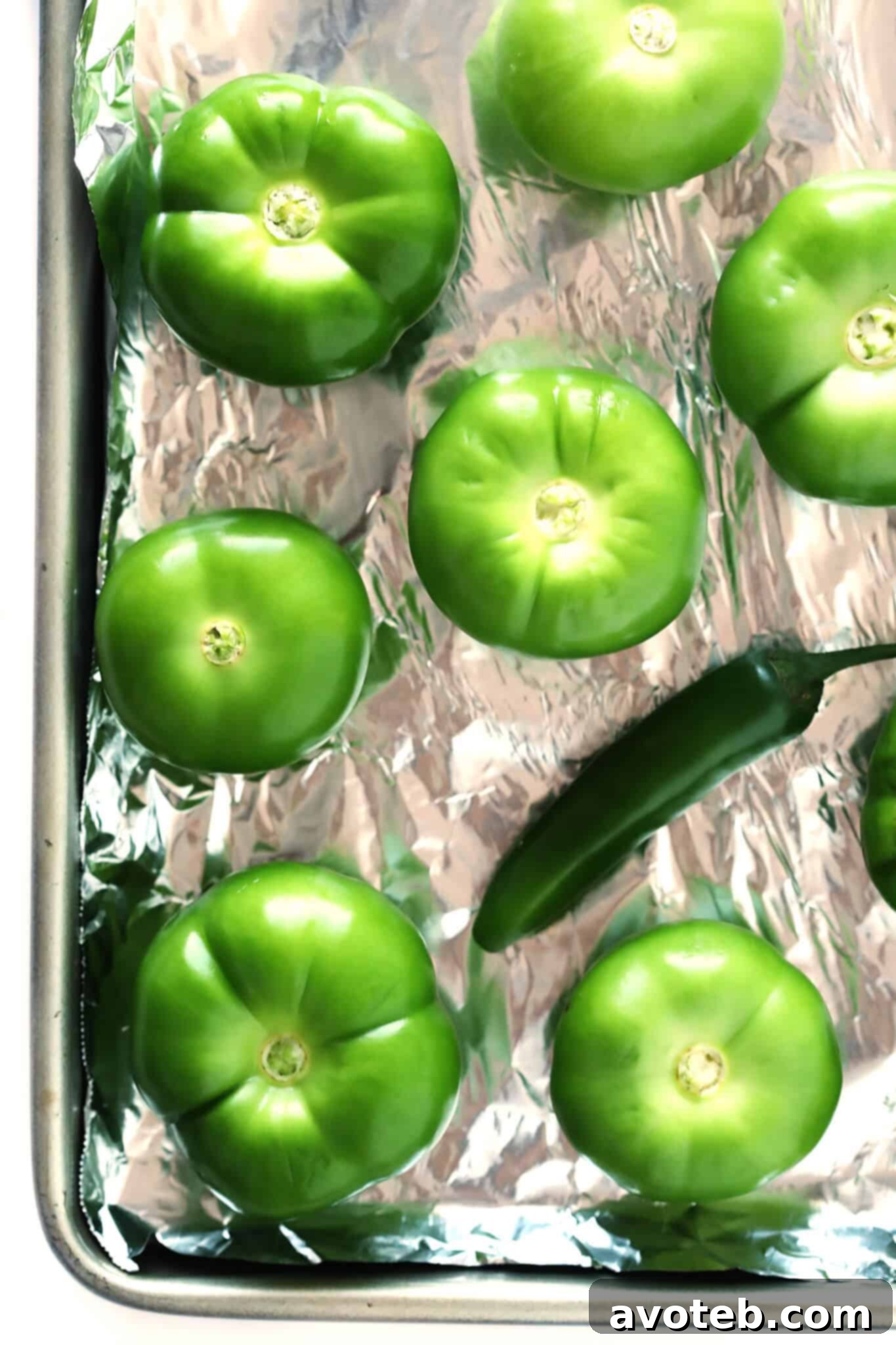
- Tomatillos: The star of the show! Look for firm, vibrant green tomatillos with tightly clinging husks. The husk should feel dry, and the tomatillo inside should be free of blemishes. When roasted, they soften and sweeten, losing some of their raw tartness while gaining a delightful smoky complexity.
- Serrano Pepper (or Jalapeño): This provides the heat. Serranos are generally spicier than jalapeños. For a milder salsa, start with one jalapeño and remove the seeds and white membrane (pith), which hold most of the capsaicin. For more heat, keep the seeds in or add an extra serrano. Roasting the pepper also deepens its flavor.
- Garlic: Unpeeled cloves roasted alongside the tomatillos become incredibly sweet and mellow, losing their pungent bite and contributing a foundational savory note to the salsa.
- Fresh Cilantro Leaves: A generous handful of fresh cilantro adds a burst of herbaceous freshness, a characteristic flavor in many Mexican dishes.
- White Onion: Diced white onion provides a crisp, slightly sharp counterpoint to the roasted ingredients, adding essential aromatic depth.
- Fresh Lime Juice: A squeeze of fresh lime juice brightens the salsa, enhancing its natural tanginess and tying all the flavors together. Always use fresh lime juice for the best results.
- Fine Sea Salt: Essential for seasoning. Salt brings out and balances all the other flavors.
- Ground Cumin (Optional): A touch of ground cumin can add a warm, earthy undertone, though it’s not strictly traditional for all salsa verde recipes. Experiment to see if you prefer it!
Step-by-Step Guide to Making the Best Salsa Verde
This recipe is incredibly straightforward, but following these steps will ensure a perfectly balanced and flavorful salsa every time.
Prep Time: 15 minutes
Cook Time: 10 minutes
Total Time: 25 minutes
Yield: 2 cups
Ingredients
- 1 pound fresh tomatillos, husked and rinsed
- 1 serrano pepper (or jalapeño for milder heat), stem removed
- 2 cloves garlic, unpeeled
- 1/2 cup fresh cilantro leaves
- 1/3 cup diced white onion
- 1 tablespoon fresh lime juice
- 1 teaspoon fine sea salt
- 1/4 teaspoon ground cumin (optional)
Instructions
- Roast the Vegetables: Preheat your oven’s broiler. Arrange the husked and rinsed tomatillos, the serrano pepper (or jalapeño), and the unpeeled garlic cloves on a baking sheet. Place the baking sheet 4 to 6 inches from the heat source. Broil for approximately 10 minutes, making sure to flip all the vegetables halfway through the cooking time. You’re looking for the tomatillos to be nicely charred and softened, and the garlic to be tender. Keep a close eye on them to prevent burning. This roasting step is crucial as it caramelizes the natural sugars and develops a deep, smoky flavor.
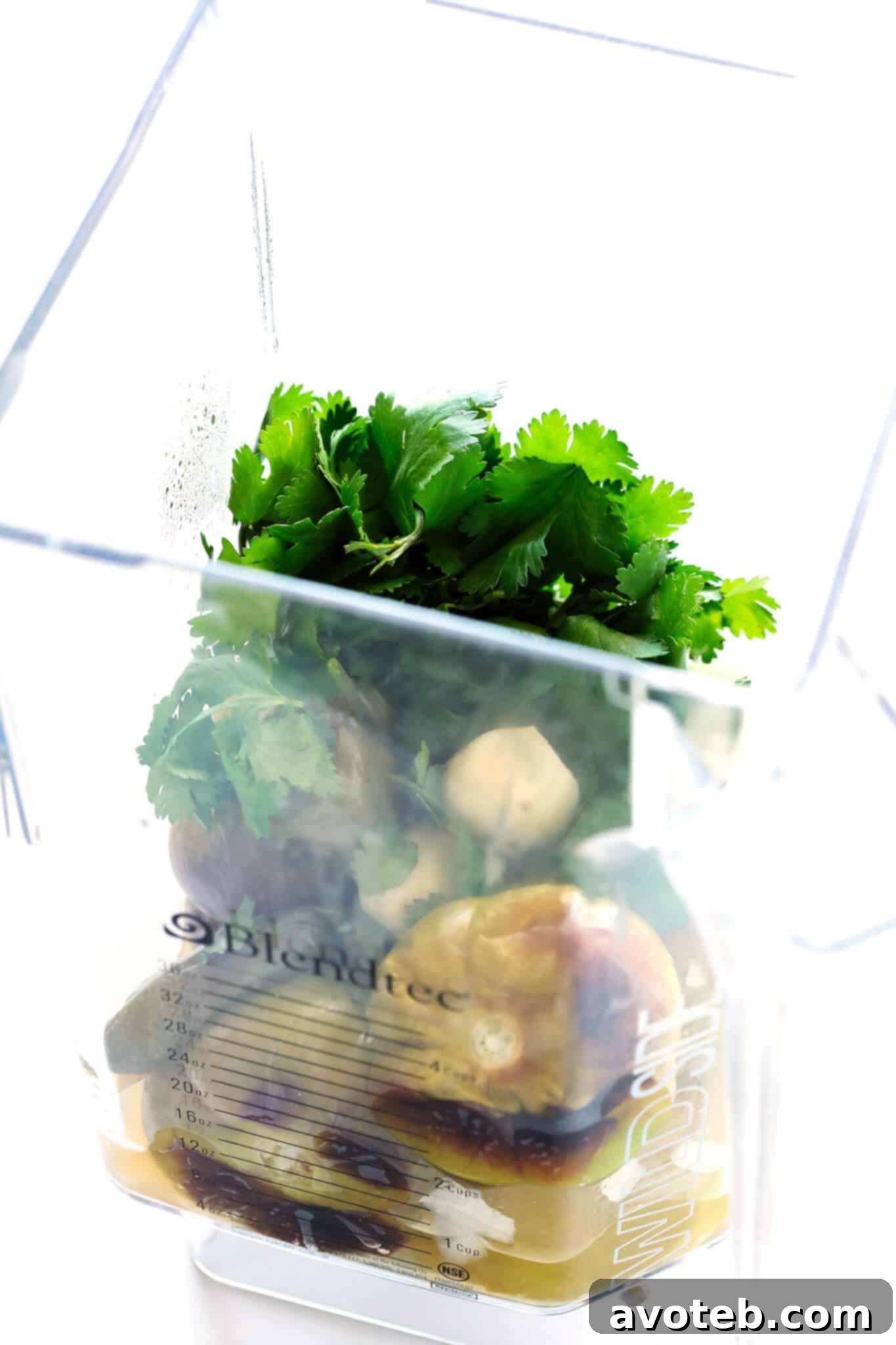
- Blend to Perfection: Once roasted, carefully remove the baking sheet from the oven. Allow the vegetables to cool slightly. First, squeeze the softened, roasted garlic flesh from its peel directly into your blender or food processor, discarding the empty peels. Next, add the charred tomatillos and serrano pepper, along with any accumulated juices from the baking sheet. Incorporate the fresh cilantro leaves, diced white onion, fresh lime juice, sea salt, and the optional ground cumin into the blender. Blend the mixture until it reaches your desired consistency – either smooth and pourable or pulsed a few times for a chunkier texture. For a very smooth salsa, you might need to add a splash of water or vegetable broth if the tomatillos weren’t particularly juicy.
- Season to Taste: Transfer the blended salsa to a bowl. Taste it and adjust the seasoning as needed. This is your chance to add a little more salt if it tastes flat, or a bit more lime juice for an extra zing. If the salsa seems overly tart, a tiny pinch of sugar or honey can help balance the acidity without making it sweet.
- Chill and Serve: While tempting to dive in immediately, this salsa truly benefits from a resting period. Cover the bowl and refrigerate the salsa for at least 30 minutes, or ideally for a few hours. This chilling time allows all the beautiful flavors to meld and deepen, resulting in a more harmonious and delicious sauce. Serve chilled with your favorite dishes, or store it in an airtight container in the refrigerator for up to 5 days.
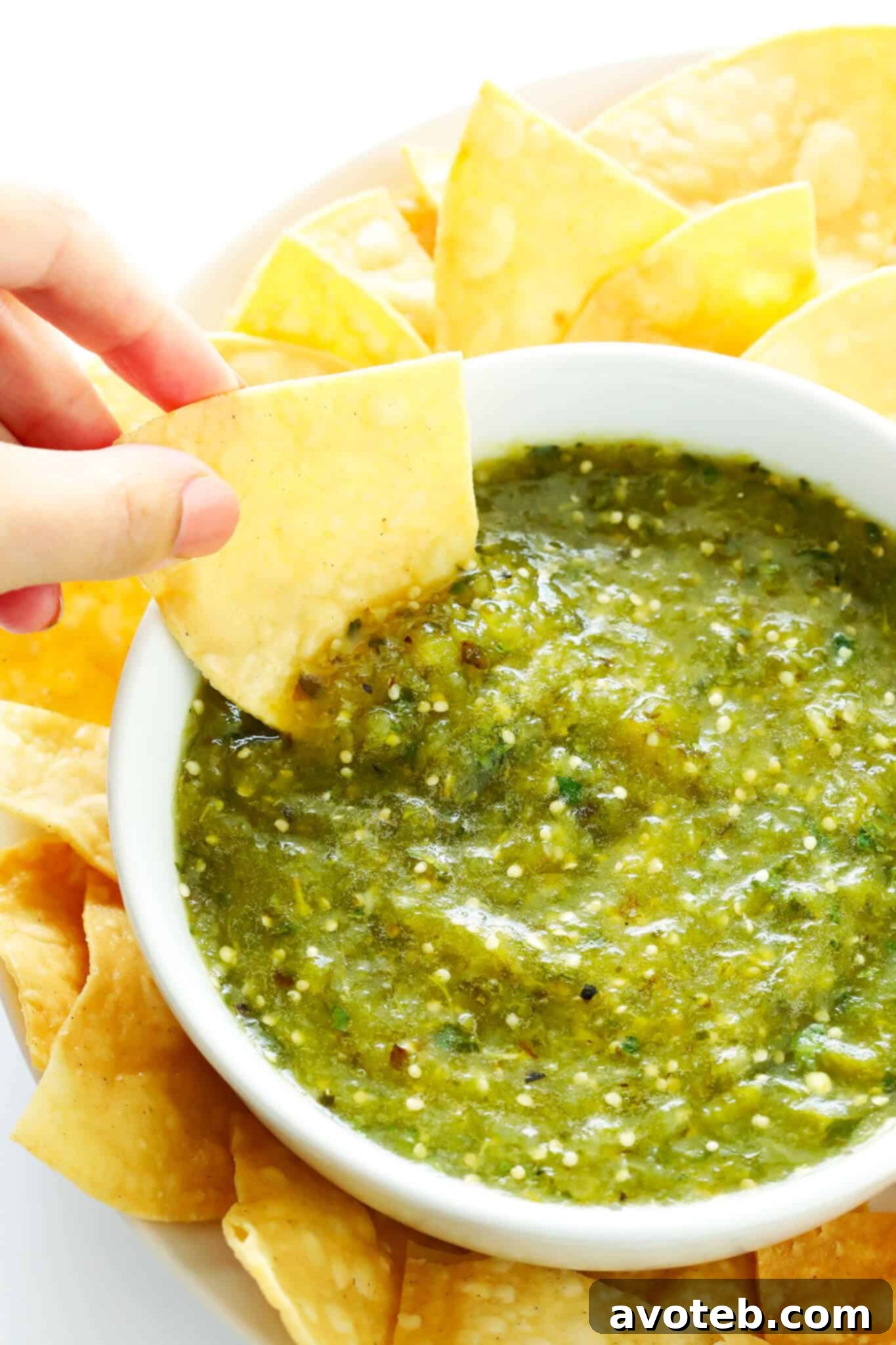
Expert Tips for the Perfect Salsa Verde
Achieving the perfect salsa verde consistently comes down to a few key techniques and observations:
- Choosing Ripe Tomatillos: The foundation of great salsa verde. Always select tomatillos that are firm to the touch, with taut, dry husks and a bright green color. Avoid any that feel mushy, sticky, or shriveled, as these are past their prime.
- Mind the Char: The broiler works fast! Keep a vigilant eye on your baking sheet. You want a good char and some blistering on the tomatillos and peppers for that smoky depth, but not outright burning. Excessive charring can lead to a bitter taste. About 5 minutes per side is a good guideline, but ovens vary.
- Adjusting Consistency: Tomatillos vary in their water content. If your salsa turns out too thick after blending, don’t hesitate to add a splash of water or a bit of chicken or vegetable broth. This will thin it out without diluting the vibrant flavor. Start with a tablespoon at a time until you reach your desired consistency.
- Controlling the Heat: The spice level of fresh peppers can differ significantly. If you’re sensitive to heat, it’s always safer to start with less serrano or jalapeño than you think you’ll need. You can always add more heat later by blending in a small piece of a fresh pepper or a pinch of cayenne. Remember, removing the seeds and membranes from the pepper will also significantly reduce the heat.
- Balancing Acidity: If your tomatillos were particularly tart, your finished salsa might taste a bit too acidic. A small pinch of sugar or a tiny drizzle of honey can beautifully mellow the acidity, bringing the flavors into perfect harmony without making the salsa sweet.
- The Importance of Resting: This isn’t just a suggestion; it’s a critical step. Giving the salsa at least 30 minutes, or even better, a few hours in the refrigerator, allows the flavors to truly meld and deepen. It transforms from a collection of individual ingredients into a cohesive, wonderfully flavorful sauce.
Creative Salsa Verde Variations to Explore
While the classic roasted tomatillo salsa verde is delicious on its own, it also serves as a fantastic base for creative variations. Don’t be afraid to experiment!
- Boiled Salsa Verde: For a different flavor profile, you can boil your tomatillos, serrano, and garlic. Simply add them to a pot of boiling water and simmer for 5-6 minutes until the tomatillos turn a pale green and soften. Drain them, then blend with the remaining ingredients as usual. This method results in a slightly brighter, less smoky salsa.
- Raw Salsa Verde (Salsa Cruda): Skip the roasting entirely! For a bolder, more intensely acidic salsa with a very bright, fresh tomatillo flavor, simply blend all the ingredients raw. This version is fantastic for those who love the pure, unadulterated taste of fresh tomatillos.
- Avocado Salsa Verde: After your roasted salsa verde has cooled to room temperature, blend in one ripe avocado. This creates a wonderfully creamy, rich, and slightly milder avocado tomatillo salsa that’s fantastic with grilled chicken or fish.
- Pineapple Salsa Verde: For a delightful sweet-and-spicy twist, add about 1/2 cup of fresh pineapple chunks to the blender along with the other ingredients. The sweetness of the pineapple beautifully complements the tang of the tomatillos and the heat of the peppers.
- Apple Salsa Verde: Similar to the pineapple variation, adding one cored Granny Smith apple to the blender introduces a crisp, fresh, and subtly sweet-tart element that is surprisingly delicious and unique.
Serving Suggestions for Your Homemade Salsa Verde
Salsa verde is incredibly versatile and can be enjoyed in countless ways beyond just dipping chips. Here are some popular ideas to get you started:
- Classic with Tortilla Chips: The quintessential way to enjoy salsa verde. The tangy, spicy flavors are perfect with crunchy tortilla chips.
- Tacos and Enchiladas: Drizzle generously over your favorite tacos (carnitas, chicken, beef, or veggie) or use it as the star sauce for authentic enchiladas suizas.
- Grilled Meats and Seafood: It makes an excellent marinade or topping for grilled chicken, steak, pork chops, or firm white fish like cod or mahi-mahi.
- Eggs: Transform your breakfast! Spoon salsa verde over scrambled eggs, huevos rancheros, or chilaquiles for an instant flavor boost.
- Soups and Stews: Stir a dollop into chicken tortilla soup, pozole, or even a simple vegetable stew for added depth and zest.
- As a Condiment: Use it like you would any other hot sauce or condiment to add a vibrant kick to sandwiches, wraps, or even roasted vegetables.
Storing Your Delicious Salsa Verde
Proper storage ensures your homemade salsa verde stays fresh and flavorful:
- Refrigeration: Store your salsa verde in an airtight container in the refrigerator for up to 5 days. The flavors will continue to deepen over time.
- Freezing: For longer storage, salsa verde freezes beautifully. Pour it into freezer-safe containers or even ice cube trays for convenient individual portions. It can be stored in the freezer for up to 3 months. Thaw in the refrigerator overnight before serving.
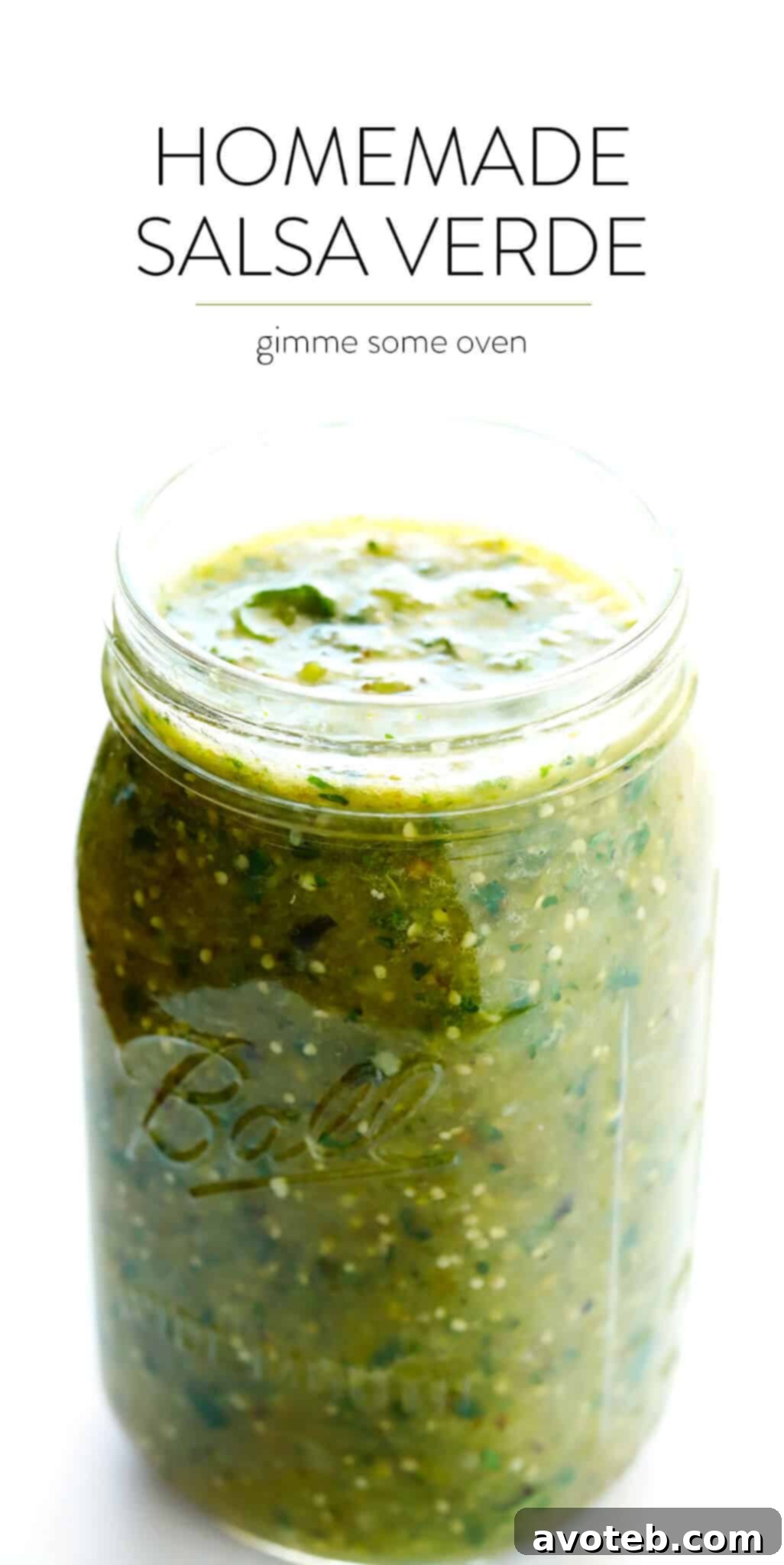
More Mexican Salsa Recipes To Try!
If you’ve fallen in love with homemade salsa, there’s a whole world of flavors to explore. Here are a few more fantastic salsa recipes to add to your repertoire:
- Restaurant-Style Salsa
- Roasted Tomato Salsa
- Mango Salsa
- Jalapeño Salsa
- Peanut Chipotle Salsa
Making your own roasted tomatillo salsa verde is a rewarding experience that yields a spectacularly flavorful and versatile sauce. With just a few simple steps, you can create an authentic Mexican condiment that far surpasses anything you’ll find in a jar. Enjoy the fresh, vibrant taste, and get ready to impress your taste buds!