
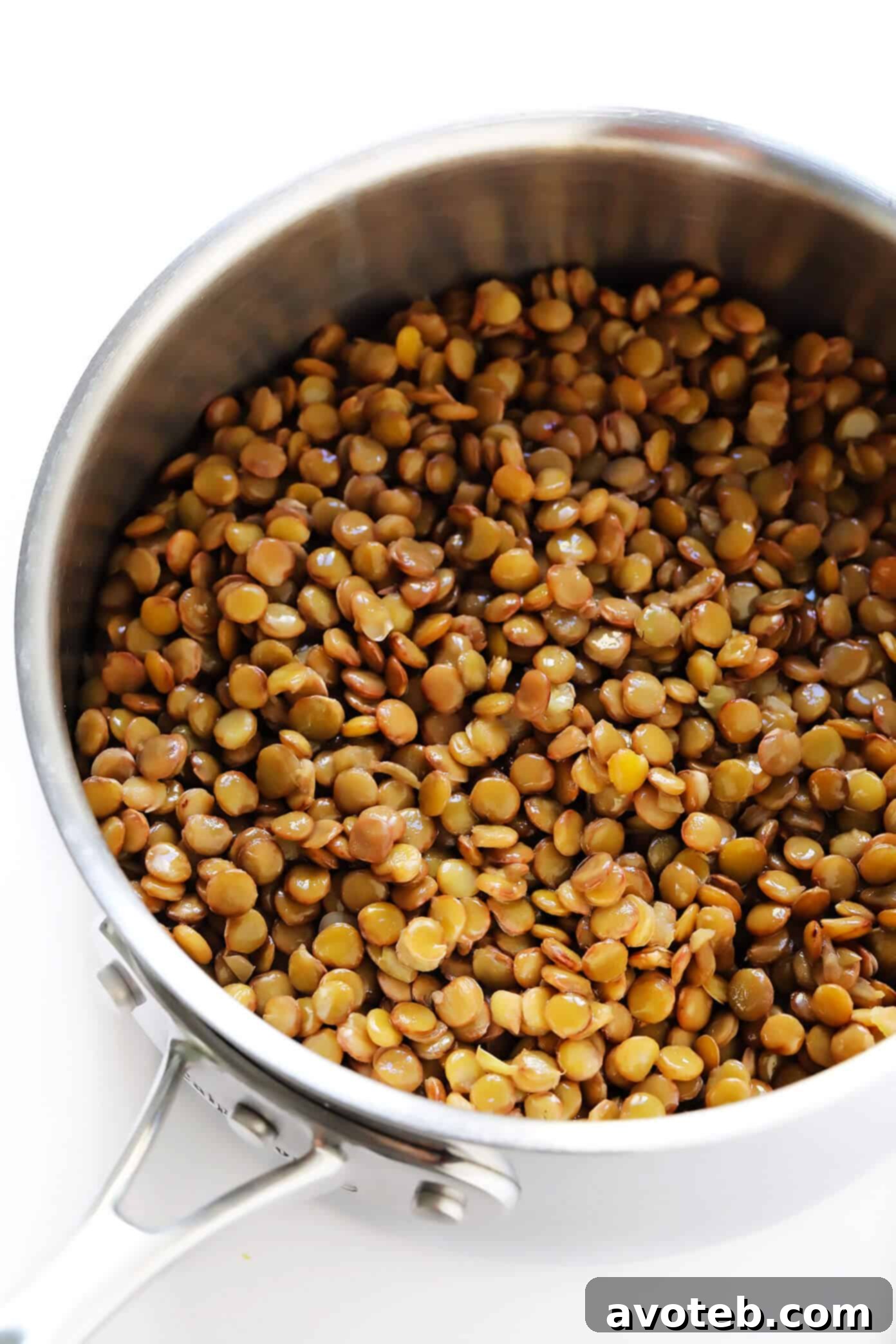
Discover the ultimate guide to cooking lentils: French, green, brown, black, and red varieties. Learn essential tips for seasoning, storage, and explore a wealth of delicious lentil recipes for every palate!
Lentils have become a true staple in countless kitchens worldwide, celebrated for their incredible versatility, affordability, and remarkable nutritional profile. As a passionate advocate for these humble legumes, I’m thrilled to finally present this comprehensive guide: your go-to resource for mastering the art of cooking with lentils!
In our pantry, you’ll always find a diverse array of lentil varieties, ready to transform into anything from comforting soups and vibrant salads to exotic curries, savory tacos, hearty veggie burgers, and even rich pasta sauces. Beyond their culinary adaptability, lentils are a nutritional powerhouse, brimming with essential fiber, plant-based protein, and vital minerals. They offer a satisfying heartiness that elevates any meal, making them a favorite for both everyday cooking and special occasions.
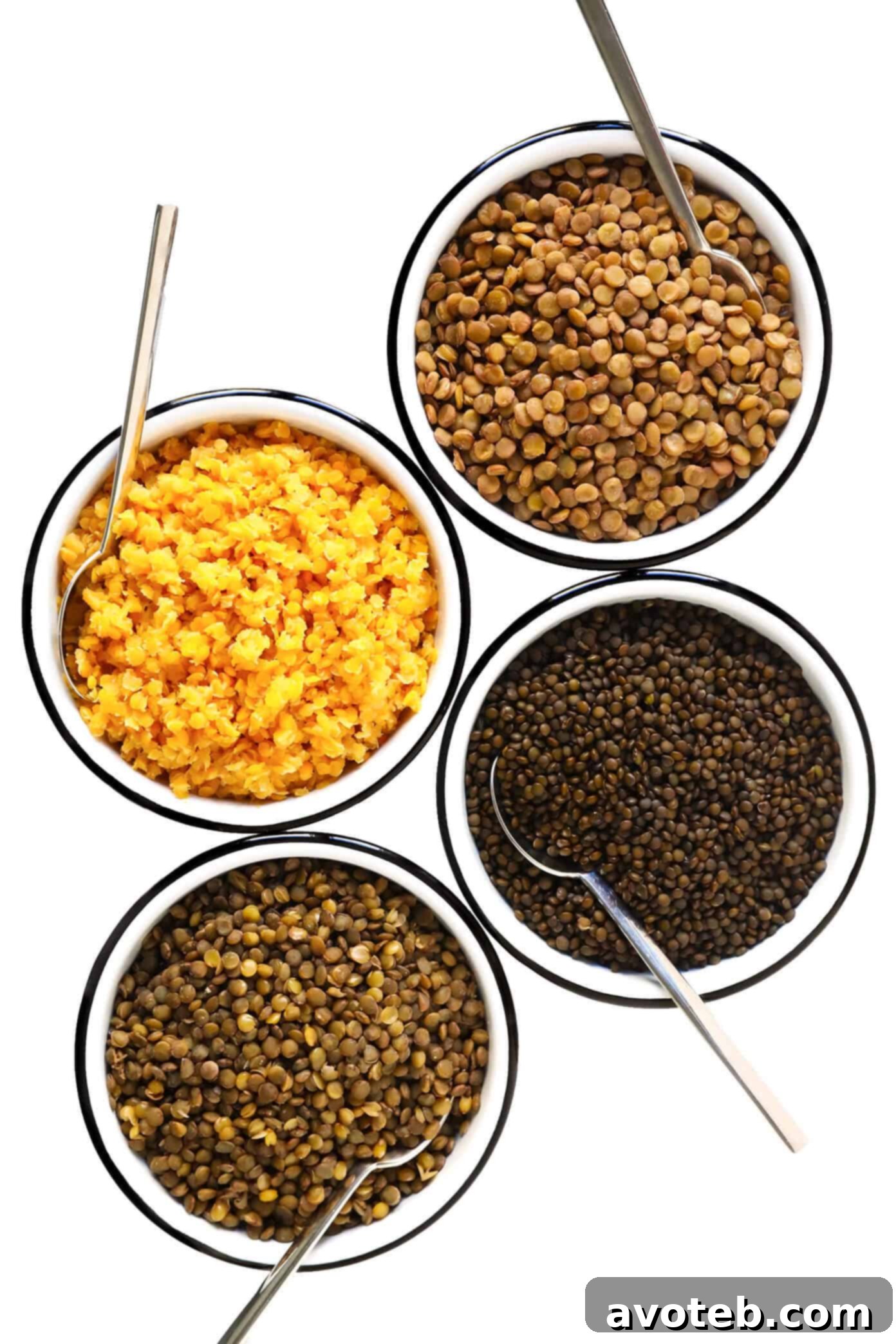
Many home cooks often ask about the subtle differences between various types of lentils and how best to prepare each one. This tutorial addresses exactly that! We’ll delve into the characteristics and optimal cooking methods for the most popular lentil varieties: brown, green, French, black, and red lentils. You’ll also find practical advice on how to infuse your cooked lentils with incredible flavor, effective storage techniques for meal prep, and answers to frequently asked questions. To spark your culinary creativity, I’ve included a curated list of my absolute favorite lentil recipes.
Embrace the lentil revolution! Stock your pantry with these amazing legumes, and let’s embark on a delicious journey to cook perfect lentils together.
What Exactly Are Lentils? Unpacking This Pantry Powerhouse
Lentils are small, lens-shaped legumes derived from the Latin word for “lens,” a fitting description for their distinctive form. Believed to have originated in the Middle East, these ancient superfoods are now cultivated across the globe, with significant production in Asia, Africa, and Europe. They’ve been a dietary staple for thousands of years, revered for their sustenance and versatility.
In my kitchen, lentils are a regular feature because they are incredibly adaptable, budget-friendly, highly nutritious, and an indispensable pantry item. While they seamlessly integrate into almost any dish, they truly shine in vegan and vegetarian cooking, offering a satisfying heartiness and robust texture often desired in plant-based meals. Lentils are naturally low in fat and packed with an impressive array of nutrients, including substantial protein, dietary fiber, potassium, folate, and iron, making them an excellent choice for a balanced diet.
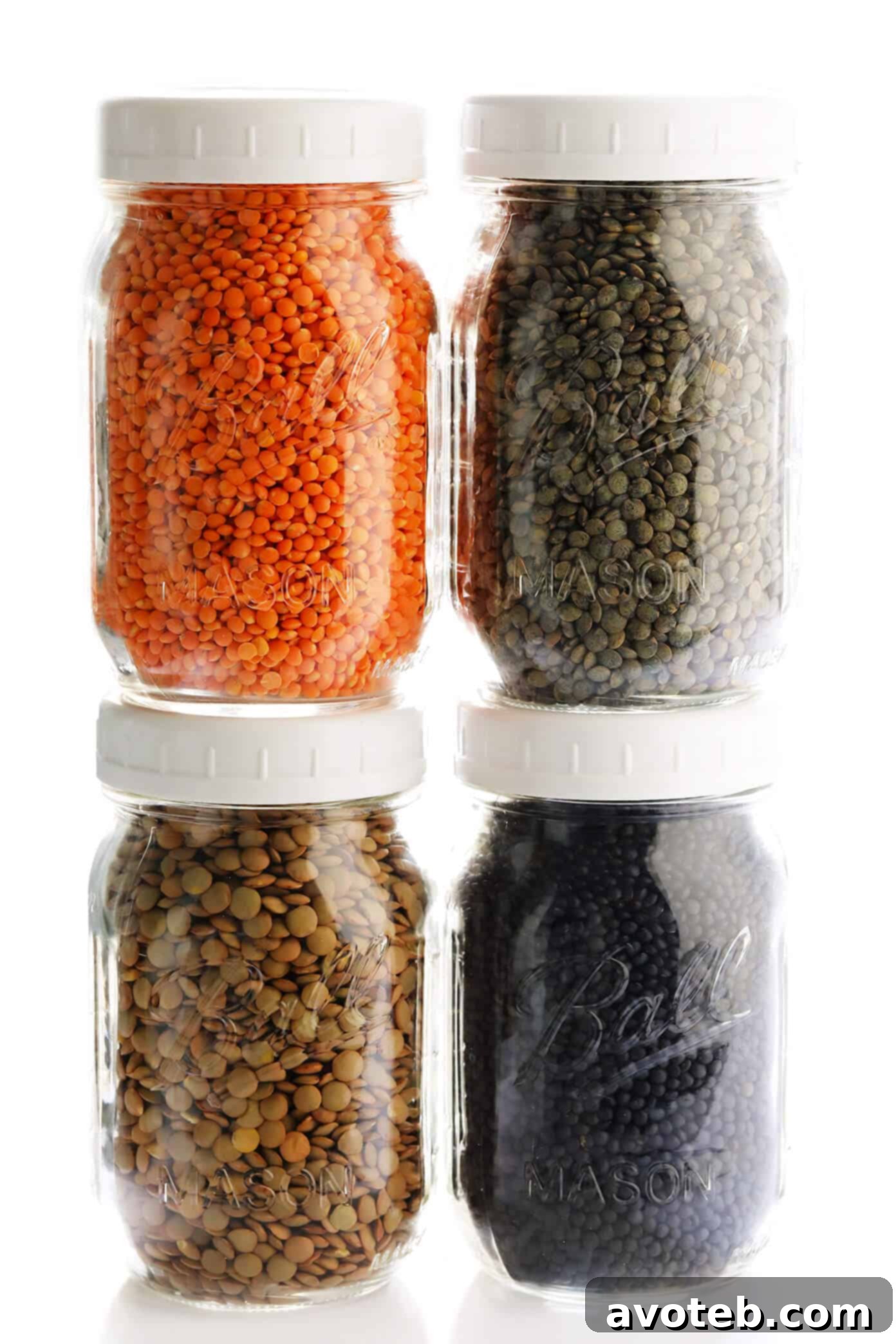
You can typically find a variety of lentils in the dried beans and grains aisle of your local grocery store, or conveniently order them online. While there are over a dozen distinct types of lentils, most stores primarily stock these four essential varieties:
- Brown/Green Lentils
- French Lentils (Lentils de Puy)
- Black Lentils (Beluga Lentils)
- Red Lentils
Let’s dive into a detailed overview of each of these four types, helping you choose the perfect lentil for your next culinary creation.
Brown / Green Lentils: The Everyday All-Rounder
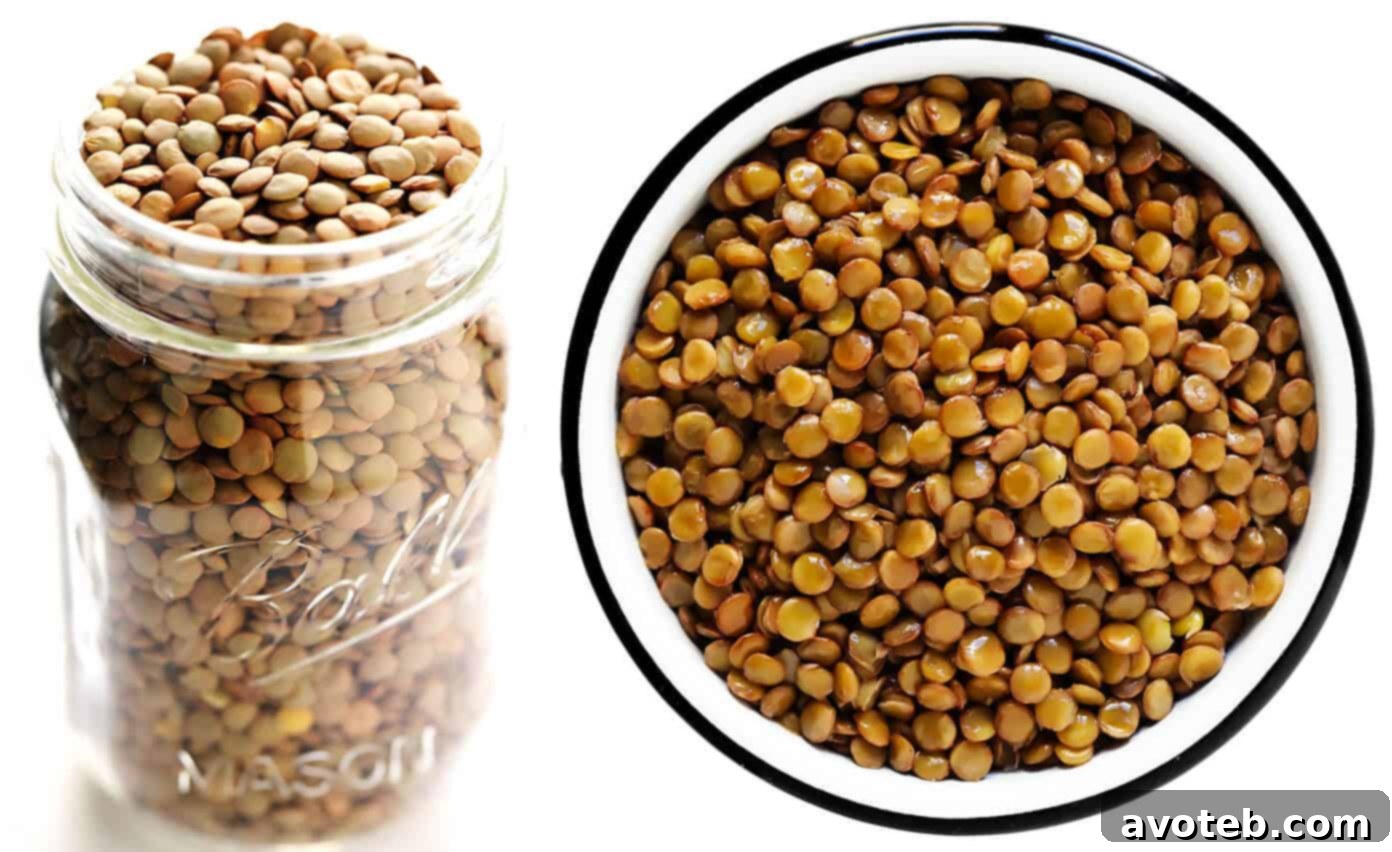
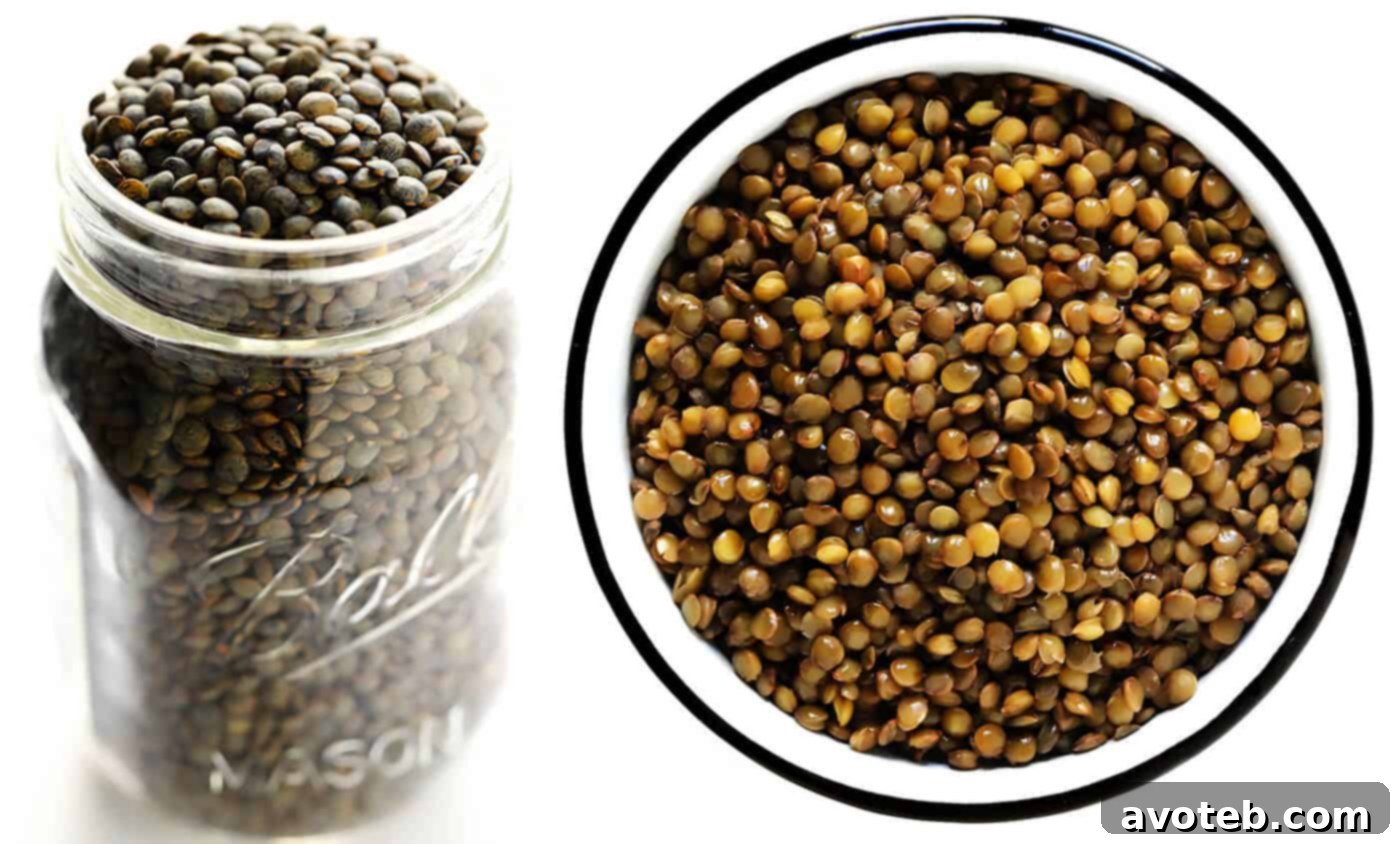
Standard brown or green lentils (distinct from the more specialized French green lentils) are the most widely available and generally the most economical choice at the grocery store. They possess a mild, earthy, and subtly peppery flavor profile that makes them incredibly adaptable to a vast range of dishes. When raw, they typically display pale greenish or brownish hues and come in various sizes. Upon cooking, they retain their shape relatively well, offering a pleasingly creamy texture. Their versatility makes them ideal for hearty soups, robust stews, comforting side dishes, and even as a base for veggie burgers. With a cooking time of approximately 20-30 minutes, they’re a reliable and satisfying option for any meal.
French Lentils (Lentils de Puy): The Gourmet Choice
French lentils, specifically those grown in North America, or the renowned Lentils de Puy, exclusively cultivated in the volcanic soils of Le Puy, France, are my personal favorite for their superior qualities. These exquisite lentils boast a rich, earthy, and distinctly peppery flavor. In their raw state, they display a beautiful marbled olive-green color. What truly sets them apart is their ability to maintain a firm, distinct shape and a delightful, slightly al dente texture even after cooking. This characteristic makes them perfect for elegant salads, vibrant side dishes, or as a standalone component in a sophisticated meal. They typically require about 25-30 minutes to cook, rewarding you with a truly refined culinary experience.
Black Lentils (Beluga Lentils): The Caviar of Legumes
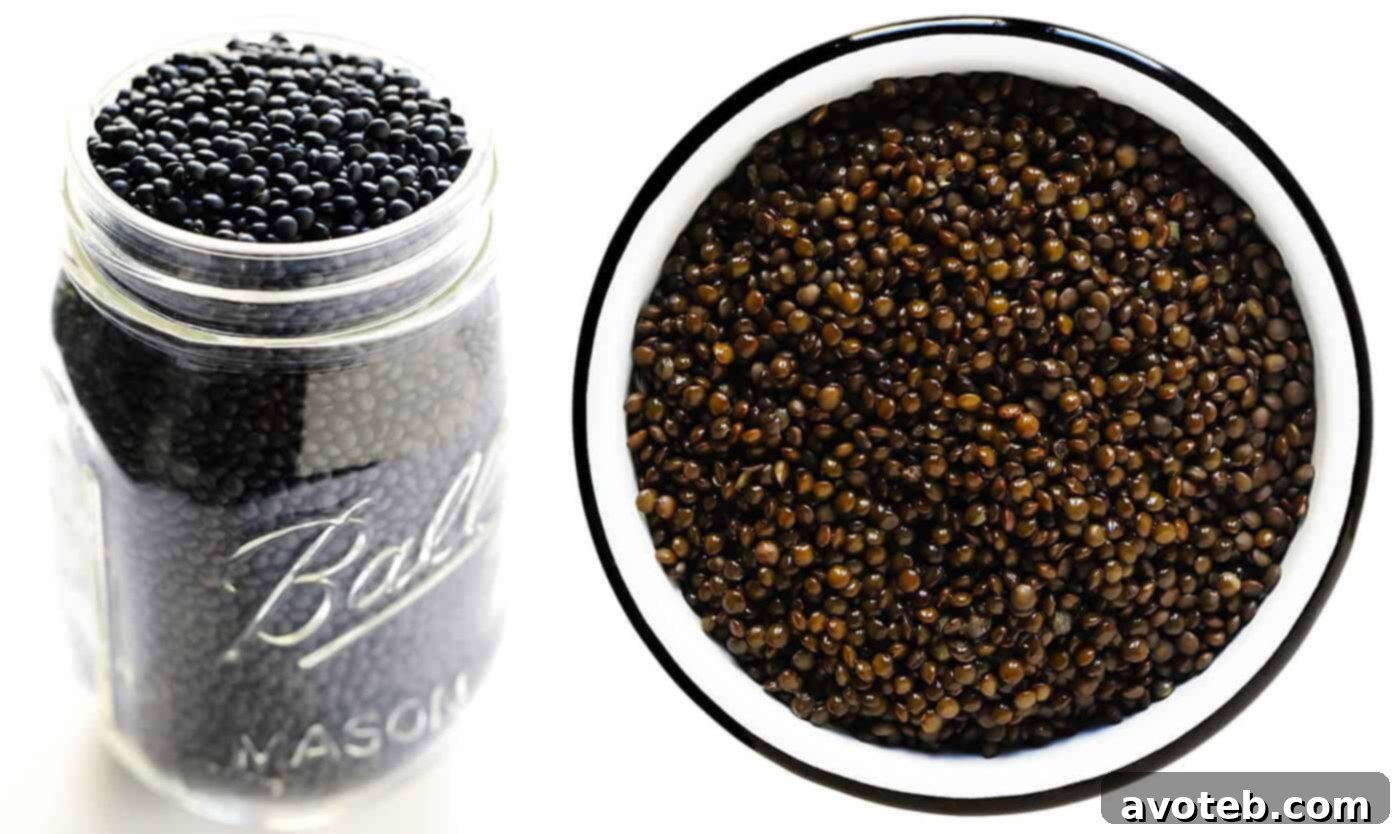
Often referred to as “beluga lentils” due to their striking resemblance to beluga caviar, black lentils offer a deliciously deep, earthy flavor that stands out in any dish. These tiny, round legumes are jet-black when raw, creating a visually appealing contrast when cooked. Like French lentils, they hold their shape remarkably well, yet soften to a wonderfully tender texture that is never mushy. Their elegant appearance and rich taste make them an excellent choice for garnishing, crafting sophisticated salads, or serving as a robust side dish that adds both flavor and visual appeal. Black lentils cook to perfection in about 25-30 minutes.
Red Lentils: The Fast-Cooking Puree Master
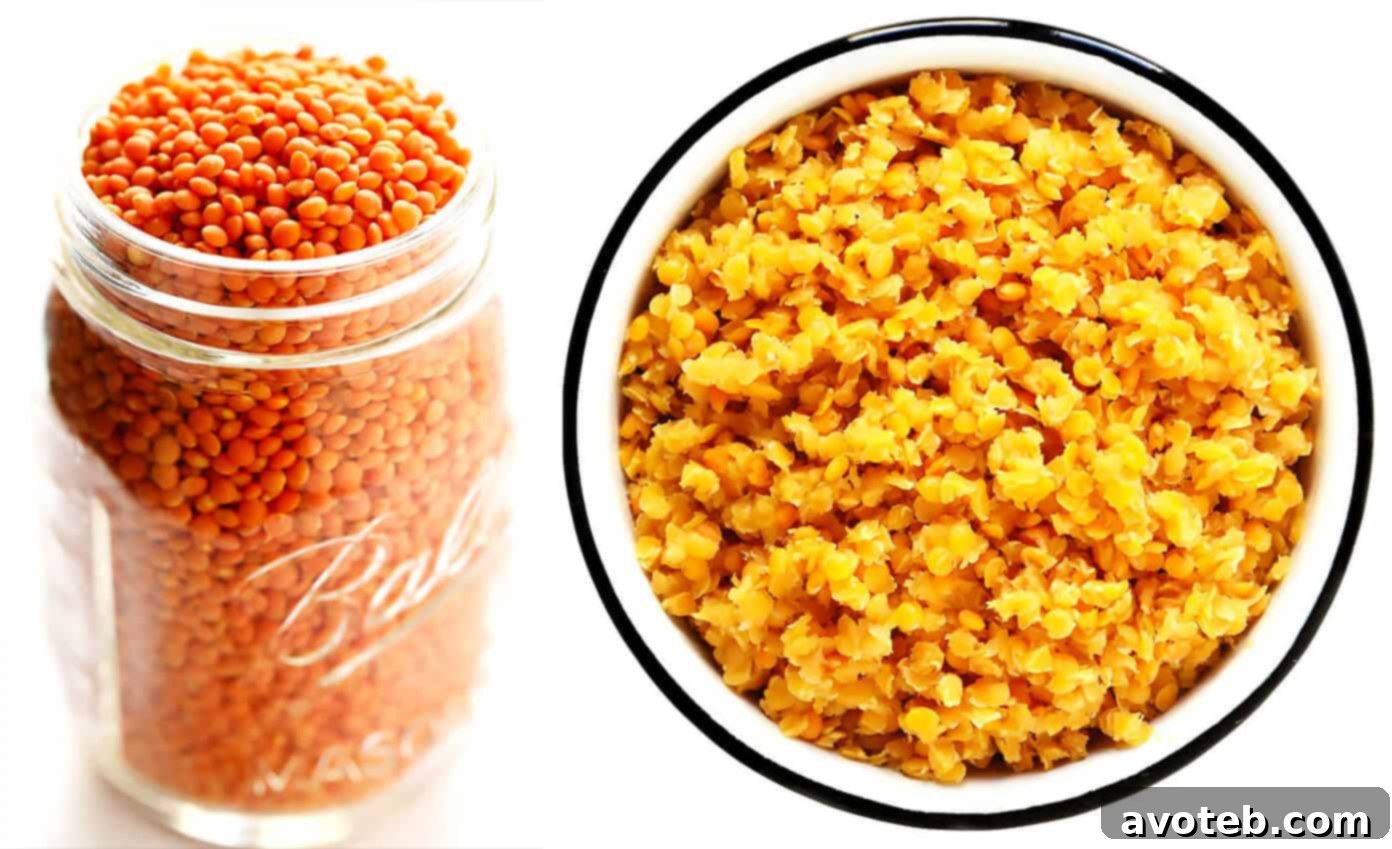
Red lentils, which transform into a beautiful orange or yellow hue once cooked, are characterized by their mild, slightly sweet flavor. These lentils come in various sizes and can be found either whole or split. Unlike their firmer counterparts, red lentils tend to break down easily and lose their distinct shape the longer they cook, resulting in a wonderfully soft, pureed-like consistency. This makes them the ideal choice for thickening soups, creating creamy curries, preparing dahls, or crafting smooth dips and spreads. They are also the fastest-cooking variety, requiring only about 12-15 minutes to reach tender perfection, making them a fantastic option for quick meals.
Essential Ingredients for Cooking Perfect Lentils
Crafting a batch of perfectly cooked lentils requires just a few simple ingredients. Here’s what you’ll need for this fundamental recipe:
- Lentils: Your choice of uncooked lentils, ensuring they are free from debris.
- Water: While plain water works wonderfully, substituting with vegetable or chicken broth will infuse your lentils with an extra layer of savory flavor.
- Sea Salt: Crucial for enhancing the natural, earthy flavors of the lentils as they cook.
- (Optional) Aromatics: Consider adding ingredients like bay leaves, whole garlic cloves, or fresh herbs to the cooking liquid for a more complex and aromatic result.
How To Cook Lentils: A Simple Step-by-Step Guide
Achieving perfectly tender (but not mushy!) lentils is easier than you think. Follow this basic method for consistently delicious results:
- Inspect, Rinse, and Drain Lentils. Before cooking, always take a moment to carefully sift through your dried lentils with your fingers. This allows you to remove any small stones, tiny debris, or imperfect lentils that might have found their way into the bag. After inspection, transfer the lentils to a fine-mesh strainer and rinse them thoroughly under cold running water. This helps to remove any dust or starch that might cling to their surface, ensuring cleaner flavors.
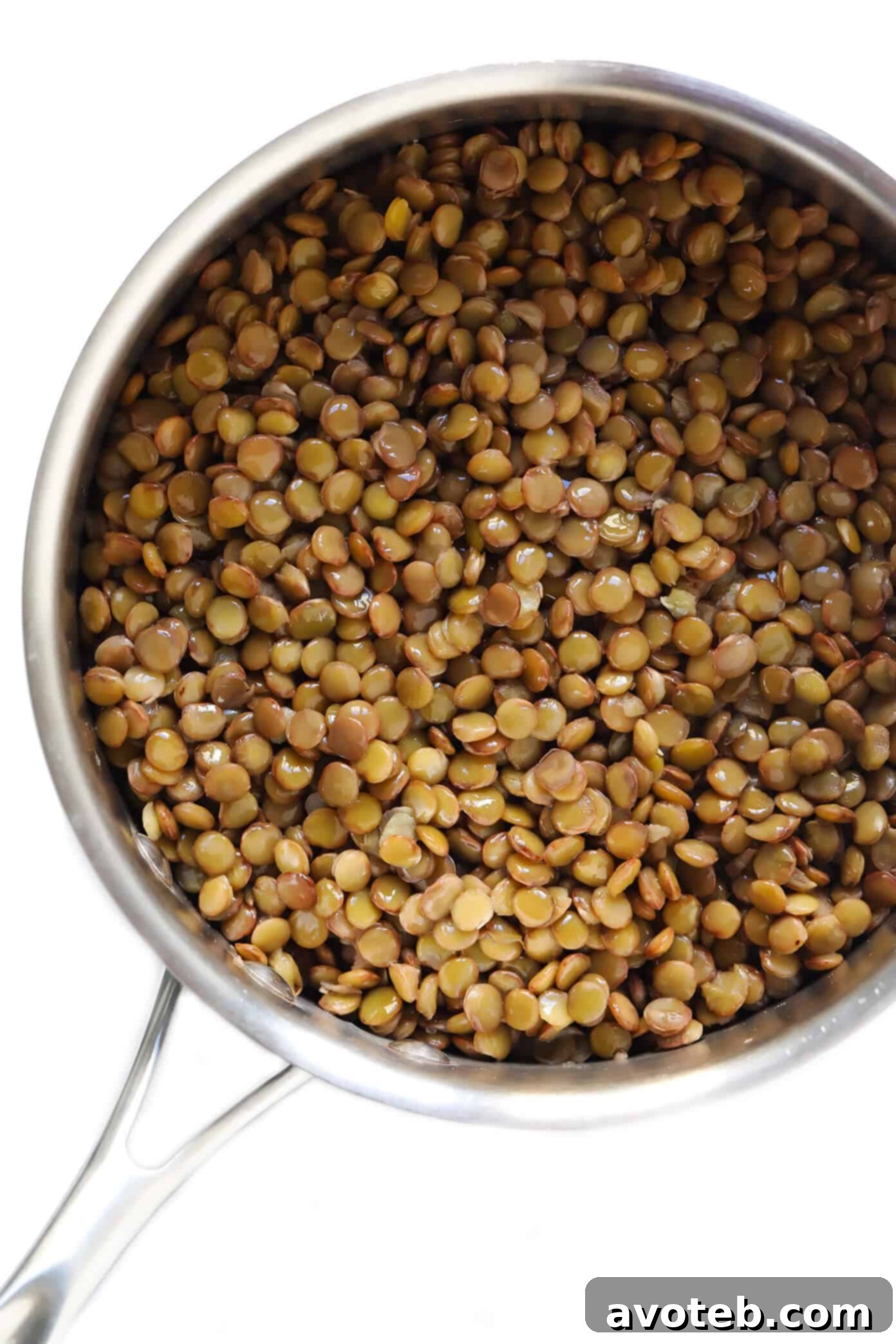
- Simmer to Perfection. In a medium saucepan, combine the rinsed lentils with the appropriate amount of water (or broth) and a pinch of sea salt. If desired, now is the time to add any optional aromatics like a bay leaf or whole garlic cloves. Bring the mixture to a brisk simmer over medium-high heat. Once simmering vigorously, reduce the heat to low, cover the saucepan, and allow the lentils to cook gently. The goal is to cook until they are tender yet still retain a slight bite, rather than becoming overly soft or mushy. Refer to the specific cook times for each lentil type listed below to guide you.
- Thoroughly Drain. Once your lentils have reached their desired tenderness, carefully pour them into a fine-mesh strainer to drain off any excess cooking liquid. This step is essential for preventing waterlogged lentils and preparing them for further seasoning or incorporation into your dish.
- Serve Warm. Your freshly cooked lentils are now ready to be enjoyed! Serve them warm as a versatile side dish, the base for a salad, or as an ingredient in your favorite recipes.
For precise ingredient measurements and comprehensive cooking instructions, please refer to the full recipe card below.
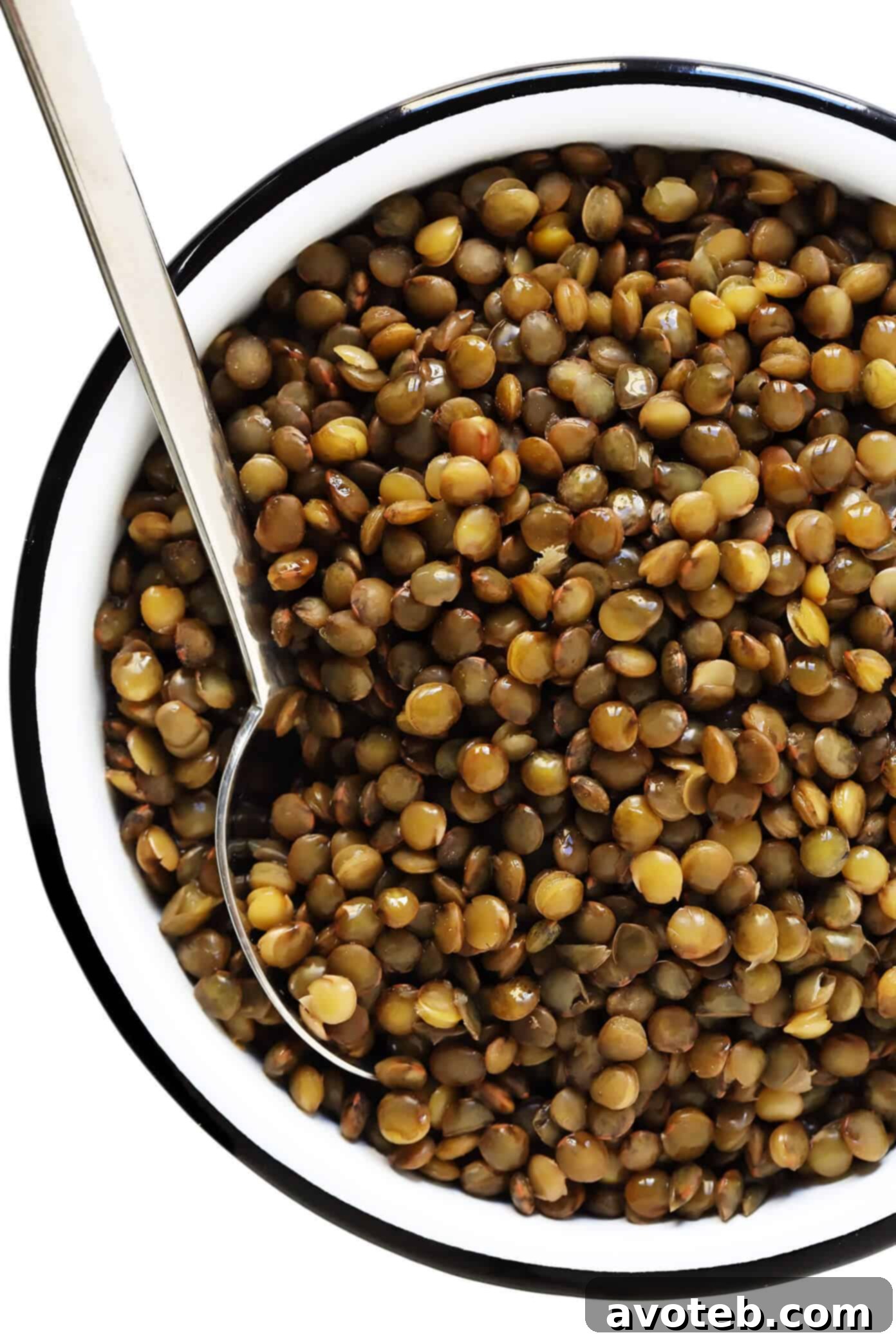
Elevate Your Lentils: Delicious Flavor Boosters
While plain cooked lentils are lovely, a few simple additions can truly transform their flavor profile. Experiment with these flavor boosters to tailor your lentils to any meal:
- Infuse the Cooking Water with Aromatics and Spices: To build deep flavor from the start, I almost always add a bay leaf or two to my lentils as they simmer, often accompanied by a smashed clove of fresh garlic. Beyond these basics, consider adding a quartered onion, a stalk of celery, or even a few slices of carrot to the pot for a classic mirepoix base. You can also swap out water for chicken or vegetable bouillon, or introduce warm spices like cumin, coriander, or a pinch of turmeric. These elements will gently perfume the lentils as they cook, resulting in a more complex and inviting taste. (Remember to remove larger aromatics like bay leaves and whole garlic cloves before serving).
- Season After Cooking for Brightness and Depth: Once the lentils are cooked and drained, it’s the perfect time to add finishing touches. A few generous twists of freshly-cracked black pepper are always welcome. Beyond that, finely chopped fresh herbs such as parsley, cilantro, or dill can add a burst of freshness. A squeeze of lemon juice or a splash of apple cider vinegar can brighten the flavors, while a drizzle of good quality olive oil can add richness. Don’t shy away from your favorite dried herbs and spices either – a sprinkle of smoked paprika or chili powder can add a wonderful kick!
Frequently Asked Questions About Lentils
Here are some common questions about cooking and enjoying lentils:
Are lentils gluten-free? Absolutely! Lentils are naturally gluten-free, making them an excellent choice for individuals with gluten sensitivities or celiac disease.
Are lentils keto-friendly? No, lentils are not suitable for a ketogenic diet. They contain a relatively high carbohydrate count, which does not align with the low-carb requirements of the keto diet.
Do you need to pre-soak lentils? Generally, no. Unlike many other dried legumes, lentils do not require pre-soaking. I rarely, if ever, soak them. However, if you wish to slightly reduce cooking time or potentially enhance their digestibility, you can certainly opt to soak them for a few hours prior to cooking. If soaking, reduce the cooking time accordingly.
Is rinsing lentils necessary? While not strictly mandatory, I highly recommend rinsing lentils before cooking. Rinsing helps to remove any dust, dirt, or debris that might accumulate during processing or storage, ensuring a cleaner taste and appearance.
How do you know when lentils are fully cooked? The best way to assess doneness is by tasting them. Cooked lentils should be tender to the bite, yet still hold some structure. Some varieties, like French or black lentils, will remain firmer, while others, such as red lentils, will be very soft. If you prefer a softer texture, simply continue simmering for a few more minutes until they reach your desired consistency, checking frequently.
What is the best way to freeze cooked lentils? To prevent them from clumping into a solid block, it’s best to spread cooked and cooled lentils in a single, shallow layer on a baking sheet. Place the baking sheet in the freezer for about 1-2 hours, until the lentils are individually frozen. Once frozen, transfer them to an airtight food storage container or a freezer-safe ziplock bag. They can be stored in the freezer for up to 3 months.
What are the nutritional facts for lentils? Lentils are incredibly nutritious! A single cup of cooked green lentils typically provides approximately: 280 calories, 24g protein, 46g carbohydrates, 1g fat, and an impressive 18g of dietary fiber.
Inspiring & Delicious Lentil Recipes
Now that you’re an expert in cooking various lentil types, it’s time to put your skills to delicious use! Here are some of my all-time favorite lentil recipes that showcase their versatility and flavor:
- Lemony Lentil Soup: A bright, flavorful, and incredibly comforting soup, perfect for a cozy meal.
- Tomato Lentil Curry: A rich and aromatic curry, packed with warming spices and hearty lentils.
- Zesty Lentil Spinach Salad: A refreshing and nutritious salad, combining tender lentils with fresh spinach and a vibrant dressing.
- Mexican Chicken Lentil Soup: A hearty and spicy soup, blending tender chicken with protein-rich lentils and bold Mexican flavors.
- Vegetarian Lentil Chili: A robust and satisfying chili, where lentils provide a fantastic meaty texture and absorb all the delicious chili spices.
How To Cook Lentils
Author: Ali
Prep Time: 5 mins
Cook Time: 25 mins
Total Time: 30 mins
Yield: 2 1/2 cups 1x
Description
This comprehensive tutorial provides step-by-step instructions for cooking all types of lentils – French, green, brown, black, and red. Learn how to achieve perfect tenderness every time, along with creative suggestions for seasoning to enhance their natural flavors.
Ingredients
Scale
- 1 cup uncooked lentils, meticulously picked over and thoroughly rinsed*
- 4 cups of water (or for richer flavor, vegetable or chicken broth)
- 1/2 teaspoon fine sea salt (adjust to taste)
Instructions
- Combine Ingredients. In a large saucepan, carefully stir together the prepared lentils, water (or broth), and sea salt. If desired, incorporate any optional aromatics such as bay leaves or garlic cloves at this stage.
- Simmer Gently. Place the saucepan over medium-high heat and bring the liquid to a rolling boil. Once boiling, reduce the heat immediately to medium-low to maintain a gentle simmer. Cover the saucepan with a lid and continue cooking until the lentils are tender but still hold their shape (except for red lentils, which will soften). Cooking times vary by lentil type:
- Red Lentils: 12-15 minutes (will become very soft and pureed-like)
- Green/Brown Lentils: 20-30 minutes (will be creamy yet hold shape)
- French Lentils: 25-30 minutes (will remain firm and distinct)
- Black Lentils: 25-30 minutes (will hold shape with a soft texture)
- Drain Thoroughly. Once cooked to your preferred tenderness, carefully drain the lentils completely using a fine-mesh strainer to remove any residual liquid.
- Serve and Enjoy. Serve your perfectly cooked lentils immediately. They are wonderful as a standalone side dish, or ready to be incorporated into your favorite recipes!
Equipment
Brown Lentils
Buy Now →
Large Fine-Mesh Strainer
Buy Now →
Bay Leaves
Buy Now →
Notes
Optional Aromatics for Enhanced Flavor: To infuse your lentils with deeper flavor from the outset, feel free to add various aromatics to the cooking liquid. Common choices include a bay leaf, 1-2 whole cloves of fresh garlic, or even a quartered onion. For a savory base, consider using chicken or vegetable bouillon instead of water, or adding a teaspoon of your favorite dried herbs or spices (such as cumin, coriander, or thyme). Remember to discard any larger aromatics like bay leaves and whole garlic cloves before serving the lentils.
The Importance of Picking Over Your Lentils: Prior to rinsing, it is always a good practice to manually inspect your dried lentils. Spread them out on a light-colored surface or sift through them with your fingers to identify and remove any small stones, tiny twigs, or discolored lentils. This crucial step ensures a pleasant eating experience. Afterward, rinse the lentils thoroughly under cold water using a fine-mesh strainer until the water runs clear, then drain well.
Instructions for Larger Batches: This recipe is easily scalable! If you wish to cook a larger quantity of lentils, simply maintain the approximate 1:4 ratio of lentils to water (e.g., 2 cups lentils to 8 cups water). Ensure you use a sufficiently large saucepan to accommodate the increased volume and allow for even cooking.