
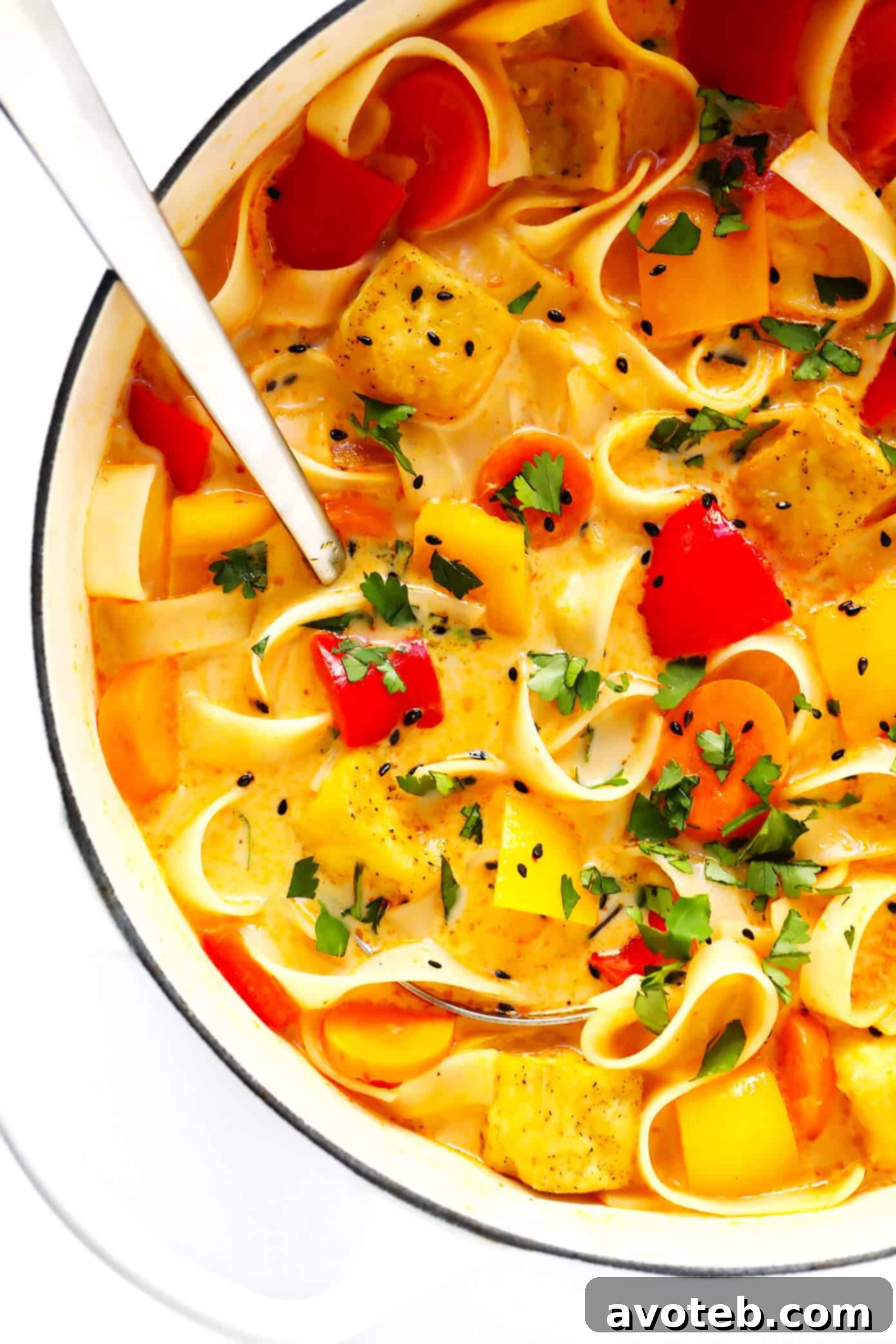
This Thai Red Curry Soup recipe is a culinary delight, designed to be incredibly quick and easy to prepare. It’s naturally gluten-free and boasts remarkable versatility, allowing you to customize it with your favorite vegetables, proteins, or noodles that you have readily available. This makes it an ideal choice for both speedy weeknight dinners and efficient healthy meal preparation.
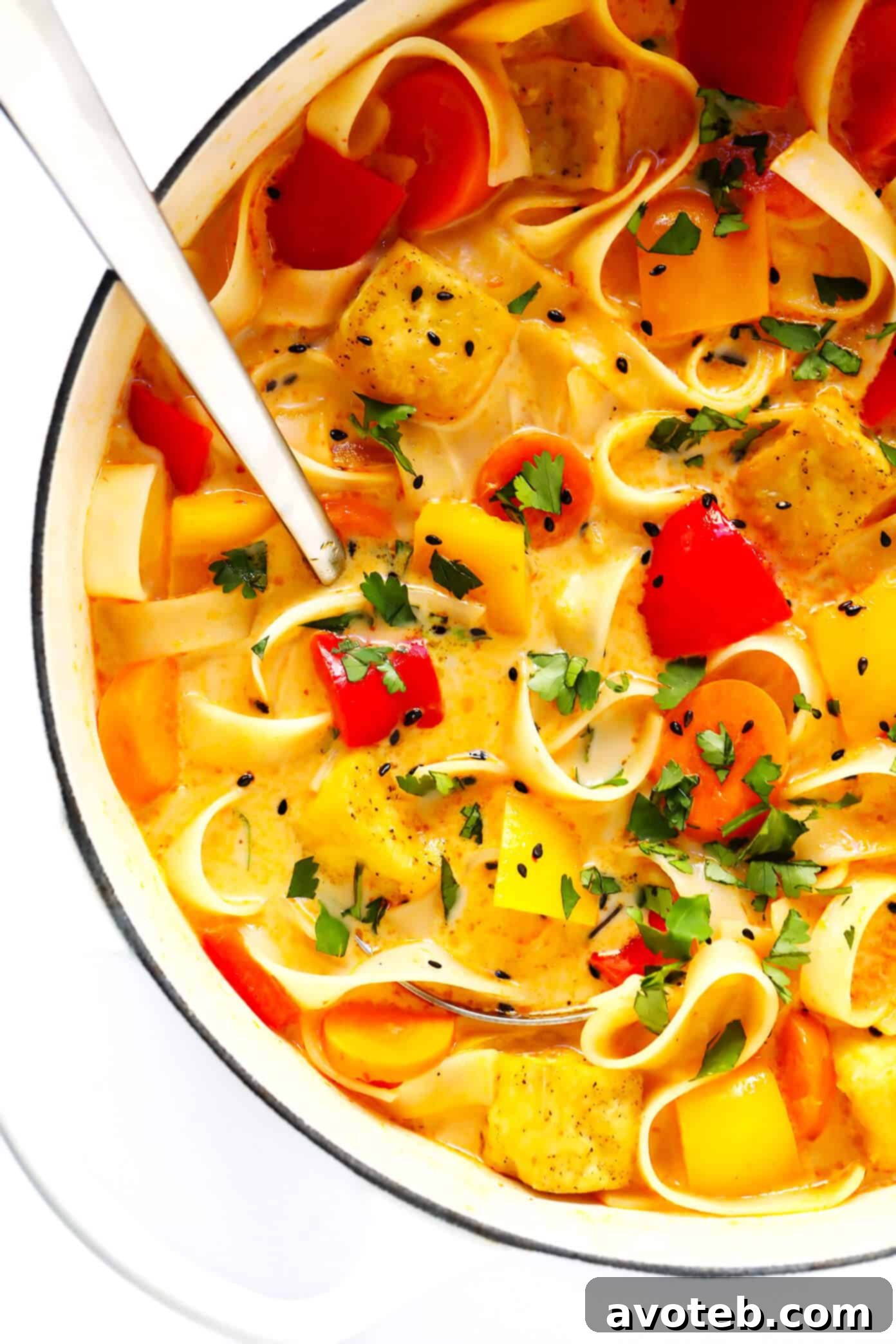
Are you craving a soul-warming, aromatic bowl of comfort? There’s nothing quite like a rich and flavorful Thai red curry soup to bring warmth to your table and delight your taste buds. This recipe has become an absolute favorite in our home, constantly earning its spot at the top of our dinner rotation and meal-planning lists.
After numerous requests and enthusiastic inquiries from our community on Instagram, who frequently spotted our go-to Thai red curry soup gracing our feeds this past winter, we decided it was high time to share this culinary gem. We’ve captured a few fresh images from our latest batch and are thrilled to present the full recipe to you today.
This delicious Thai Red Curry Soup is essentially a beloved variation of our popular Thai green curry soup recipe. However, it features the subtly milder, yet equally complex, red curry paste in place of its often fiery green counterpart. While I personally enjoy a bit of heat, my partner, Barclay, finds the nuanced flavors of red curry paste more to his liking. He often jokes that his palate is gradually adjusting to spice the longer we live together, but I’m always happy to lean towards red curry. The distinct blend of bold, savory, and slightly sweet notes in red curry creates an incredibly cozy and comforting experience. Plus, a fantastic bonus: this curry soup makes for truly outstanding leftovers, often tasting even better the next day!
Its incredible flexibility and straightforward preparation make this recipe a weekly staple. We often whip up a large batch with delicate rice noodles, hearty tofu, and whatever fresh or leftover vegetables we have on hand. Beyond noodles, it pairs wonderfully with fluffy rice, ancient grain quinoa, or any other base you prefer. Don’t hesitate to substitute the protein with your favorites – succulent chicken, tender beef, lean pork, or juicy shrimp all integrate beautifully. The beauty of this recipe lies in its adaptability; you can effortlessly adjust the spice level, make it thicker or more soupy, or tweak the sweetness and creaminess to perfectly suit your preferences. If you’re on ‘Team Red Curry’ like us, gather your ingredients and let’s create a big, comforting pot of this amazing soup together!
Essential Ingredients for Your Thai Red Curry Soup
Crafting this delightful Thai Red Curry Soup requires a thoughtful selection of fresh and flavorful components. Here’s a detailed look at the ingredients you’ll need to bring this vibrant dish to life:
- Noodles or Rice: The foundation of your curry bowl! While we typically opt for delicate rice vermicelli noodles or wholesome brown rice, feel free to explore other varieties. Think hearty ramen noodles, wide pad Thai noodles, or even a healthier option like quinoa or cauliflower rice. Choose what best complements your dietary needs and textural preferences.
- Aromatics for the Broth: These are the building blocks of flavor. You’ll sauté a finely diced white onion, freshly minced garlic, and thinly sliced fresh ginger. These three ingredients create a fragrant base that elevates the entire soup. If fresh ginger isn’t available, a good quality ground ginger can be a suitable substitute, though fresh offers a brighter zing.
- Vegetable Stock: Serving as the liquid base for our rich broth, a high-quality vegetable stock provides depth and savory notes. For an even more robust flavor, consider using homemade stock.
- Coconut Milk: The secret to achieving that signature creamy texture and subtle sweetness characteristic of Thai curries. One can of full-fat coconut milk is recommended for the richest flavor and most luxurious consistency, but low-fat coconut milk can be used if you prefer a lighter option. Always shake the can well before opening to ensure the cream and liquid are thoroughly combined.
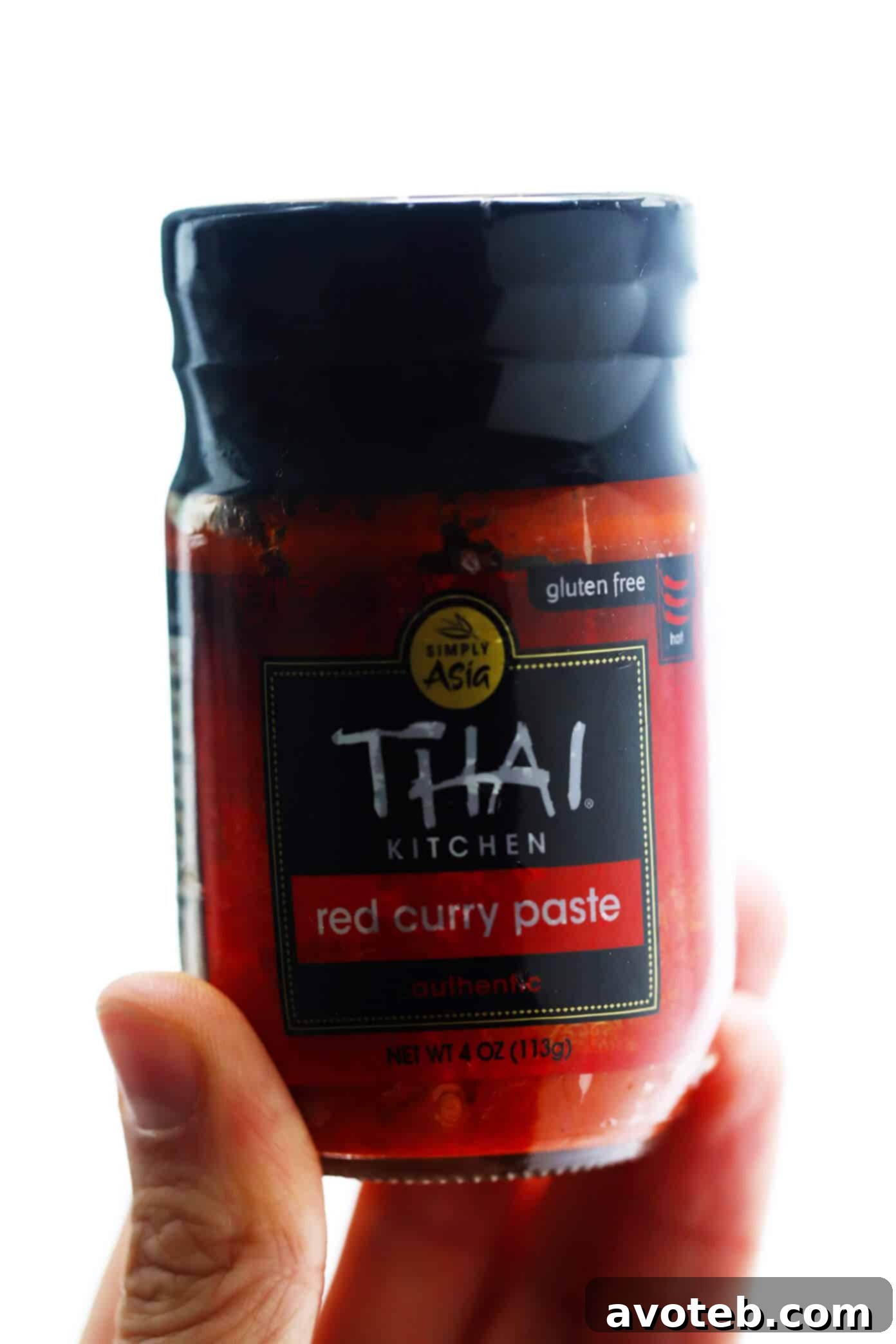
- Red Curry Paste: The star of the show! This concentrated paste delivers the quintessential Thai curry flavor. Be mindful that different brands vary significantly in terms of spiciness and flavor profile. It’s always best to start with a smaller amount (e.g., 3 tablespoons) and add more gradually to reach your desired level of heat and flavor. Brands like Mae Ploy or Thai Kitchen are popular and widely available options.
- Cooked Protein: This is where you can truly personalize your soup. Popular choices include tender shrimp, diced chicken breast, thinly sliced steak, lean pork, or plant-based options like baked or pan-fried tofu. The beauty is that most proteins can be cooked directly within the simmering broth, absorbing all the wonderful flavors. Alternatively, you can prepare them separately – baking, grilling, or pan-frying – and add them in at the end for precise control over texture and doneness.
- Chopped Vegetables: Aim for about 2-3 cups of your favorite chopped vegetables to add color, texture, and nutrients. Excellent choices include crisp asparagus spears, vibrant bell peppers (any color), fresh broccoli florets, thinly sliced carrots, sweet snap peas, or cubed sweet potato. For ultimate convenience, consider a bag of pre-cut frozen stir-fry vegetables – a fantastic time-saver without compromising on taste.
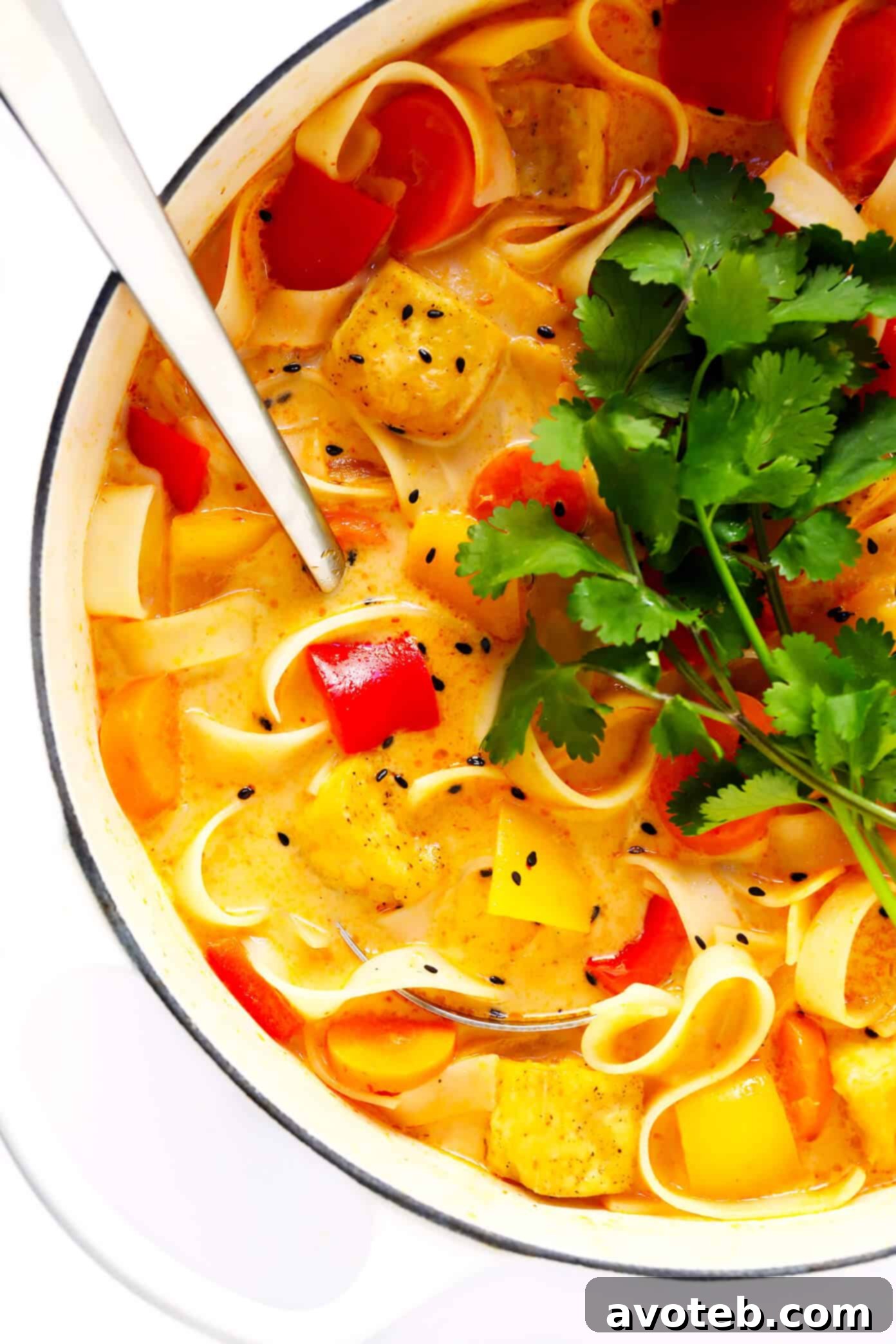
- Garnishes & Toppings: Don’t skip the toppings – they add a burst of freshness and extra layers of flavor! We highly recommend a generous sprinkle of chopped fresh cilantro, the subtle bite of chopped green or red onion, the nutty crunch of toasted sesame seeds, and perhaps a delicate shower of toasted coconut flakes for added aroma. And, without fail, a generous squeeze of fresh lime juice right before serving is an absolute must; its bright acidity perfectly balances the rich curry flavors.
Crafting Your Delicious Thai Red Curry Soup: A Step-by-Step Guide
Making this flavorful Thai Red Curry Soup is a straightforward process, designed for efficiency without compromising on taste. Here’s how you can achieve a perfect bowl every time:
- Prepare Your Noodles, Rice, or Grains: To ensure your noodles remain perfectly al dente and don’t absorb excessive broth, it’s best to cook them separately. In a large stockpot, follow the package instructions for your chosen rice noodles (or rice/grains). Once cooked, drain them thoroughly in a colander and give them a quick rinse with cold water to halt the cooking process and remove excess starch. Drizzle with a small amount of oil (toasted sesame oil adds a lovely touch) and toss gently to prevent sticking. Set them aside while you prepare the curry broth.
- Build the Flavorful Broth: Concurrently, begin preparing your rich curry broth. Heat a tablespoon of olive oil in a separate large stockpot or Dutch oven over medium-high heat. Add the thinly sliced white onion and sauté for about 5 minutes, stirring occasionally, until it softens and becomes translucent. Introduce the minced garlic and fresh ginger slices, continuing to sauté for another minute until fragrant. Next, pour in the vegetable stock and the can of coconut milk. Add your desired amount of red curry paste, stirring vigorously to ensure it fully dissolves and combines with the liquids. Bring the mixture to a gentle simmer, then reduce the heat to medium-low, cover, and let it simmer for at least 5 minutes to allow the flavors to meld beautifully. Before serving, taste the broth and adjust the seasoning with salt, freshly ground black pepper, or additional curry paste if you desire more heat or depth of flavor.
- Incorporate Your Chosen Proteins: You have a couple of options for cooking your protein. For maximum flavor infusion, you can add raw, diced protein (like chicken, shrimp, or tofu) directly into the simmering broth during step 2, ensuring it cooks thoroughly until tender. Alternatively, you may prefer to cook your protein separately – baking chicken, searing steak, or pan-frying tofu – and then stir it into the broth just before serving. This method gives you more control over the texture of the protein.
- Add Your Vibrant Vegetables: Similar to the proteins, vegetables can be cooked in two ways. You can add harder vegetables (like carrots or sweet potatoes) to the simmering broth earlier to ensure they soften adequately, and softer vegetables (like bell peppers or spinach) later to retain a slight crispness. Alternatively, you can quickly sauté your chopped vegetables in a separate pan until they reach your preferred tenderness, then stir them into the prepared broth just before serving. For frozen vegetables, simply add them directly to the simmering broth for the last few minutes of cooking until heated through.
- Assemble and Serve Your Curry Soup: Once all your components are ready – the fragrant broth, cooked noodles, tender proteins, and vibrant vegetables – it’s time to bring everything together. You can either combine all ingredients directly into your large stockpot and stir gently for a unified soup. Or, for a more visually appealing presentation and to better control individual portions, layer the elements in individual serving bowls: start with a bed of noodles (or rice), add your protein and a generous portion of vegetables, then ladle the hot, aromatic broth over everything. Garnish each bowl generously with your desired toppings, such as fresh cilantro, green onions, toasted sesame seeds, and a final squeeze of fresh lime juice. Serve immediately and savor every warm, comforting spoonful!
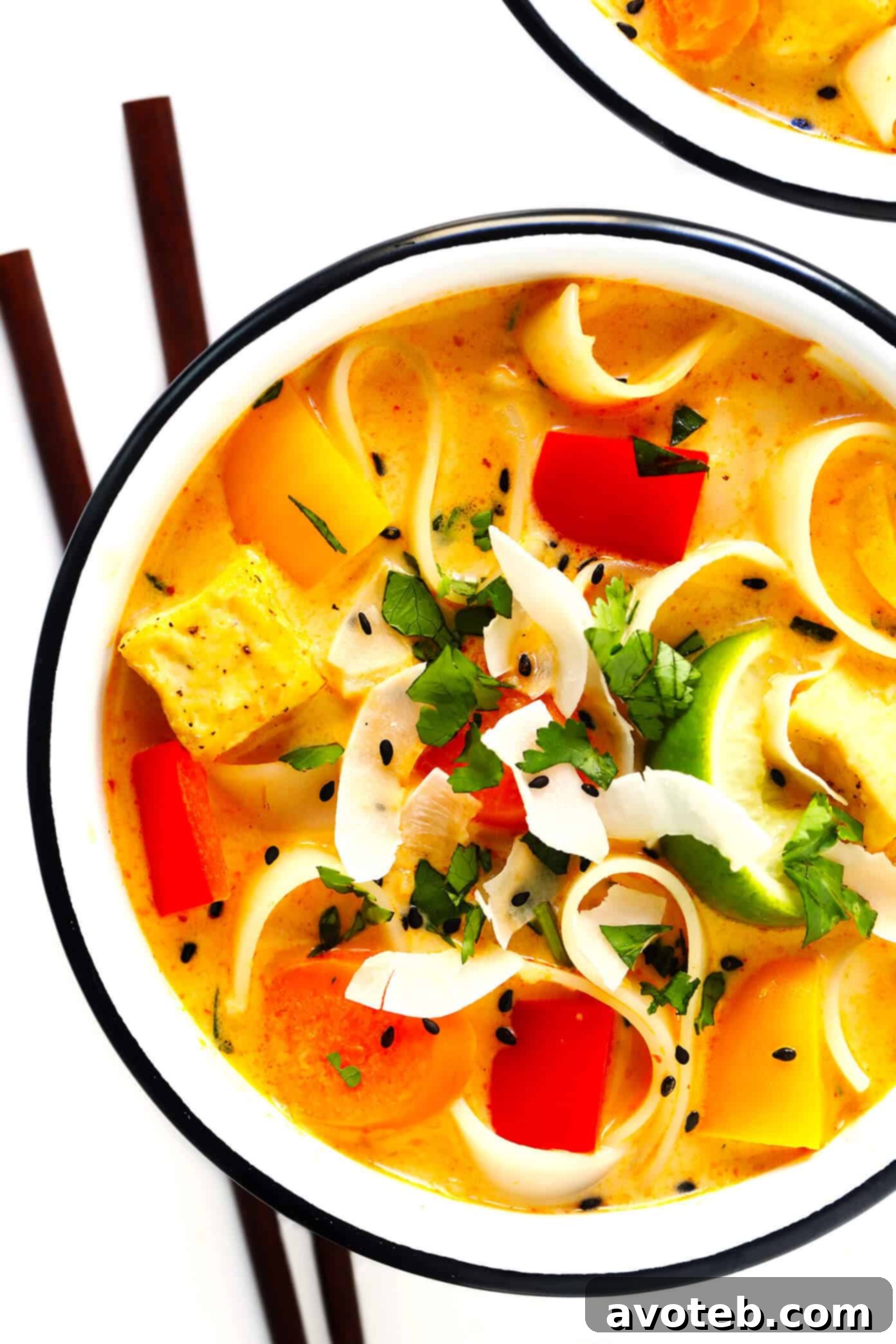
Creative Variations for Your Thai Red Curry Soup
One of the most appealing aspects of this Thai Red Curry Soup recipe is its incredible versatility. It’s a fantastic canvas for culinary creativity, allowing you to tailor it precisely to your taste, dietary needs, or whatever ingredients you have on hand. Don’t be afraid to experiment! Here are some popular variations:
- Enhance with Meat or Seafood: While delicious as is, adding a protein truly elevates this soup into a complete meal. As mentioned earlier, options like diced chicken breast, thinly sliced beef or pork, or succulent shrimp are all exceptional choices. For chicken or pork, cut into bite-sized pieces and simmer directly in the broth until cooked through. Shrimp cooks very quickly, so add it in the last few minutes. For beef, consider thinly slicing it and searing it separately before adding to the finished soup.
- Amplify the Heat: If you’re a fan of spicy food, it’s easy to kick up the heat! Incorporate some finely sliced Thai bird chiles (fresh or dried) into the sautéed aromatics, or add a pinch of crushed red pepper flakes to the broth. For an extra fiery kick, a drizzle of chili oil or Sriracha at the end can do wonders.
- Mellow the Flavors for a Milder Taste: Accidentally added a bit too much curry paste, or simply prefer a gentler flavor? Don’t worry! You can easily balance the heat by stirring in more coconut milk or even a splash of water or vegetable stock. Keep in mind that the other ingredients in the soup, especially the vegetables and protein, will also help to naturally mellow out the spice with each spoonful. A touch of brown sugar or maple syrup can also counteract excessive spiciness.
- Adjust the Broth Consistency (More or Less Soupy):
- For a Brothier Curry: If you enjoy a very soupy curry, perfect for soaking up with rice or noodles, feel free to double the amount of the broth ingredients. This includes the oil for sautéing, onion, garlic, vegetable stock, coconut milk, and red curry paste. This will yield a larger volume of liquid without diluting the core flavors.
- For a Less Brothy (Thicker) Curry: If you prefer a heartier, thicker curry that’s almost stew-like, you can halve the amount of broth ingredients while keeping the protein and vegetable quantities similar. Alternatively, for a richer, thicker consistency without reducing liquid volume, you can use less stock and more coconut milk, or even stir in a spoonful of nut butter (like peanut or almond butter) for an authentic Thai “massaman” touch.
- Experiment with Different Curry Pastes: While this recipe shines with red curry paste, it’s highly adaptable to other varieties. Thai yellow curry paste offers a milder, earthier flavor, often with notes of turmeric. Thai green curry paste, on the other hand, is typically the spiciest and boasts a vibrant, herbaceous profile. Each will provide a distinct yet equally delicious experience.
Savvy Meal Prep Tips for Thai Red Curry Soup
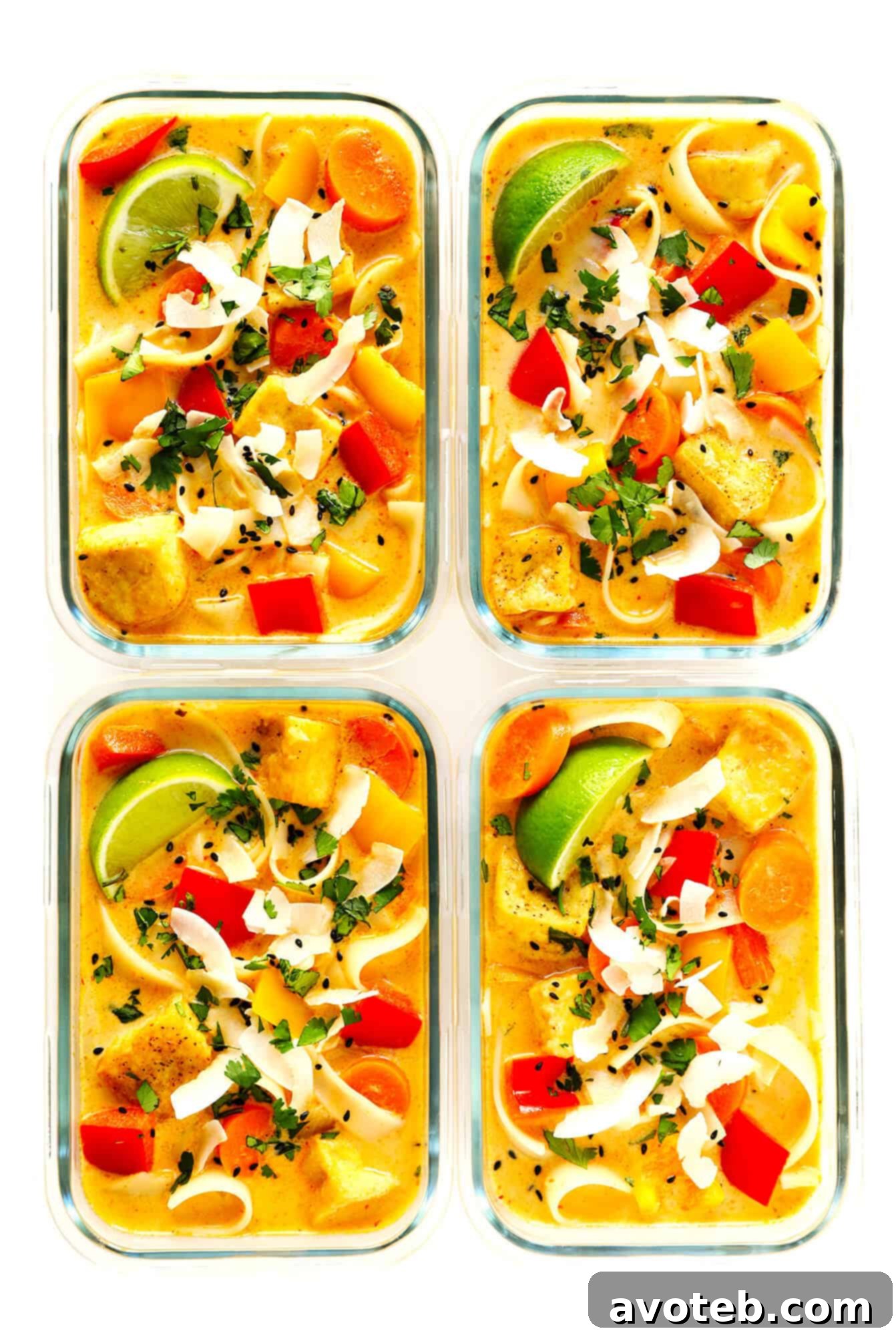
This Thai Red Curry Soup is not just a fantastic dinner option; it’s also an excellent candidate for meal prepping, ensuring you have healthy and delicious meals ready throughout your busy week. However, to maximize its quality and enjoyment, especially if you prefer a soupier texture, consider these tips:
One important characteristic of noodle-based soups, particularly those with rice noodles, is that the noodles tend to absorb a significant amount of the broth the longer they sit. While this can result in a deeply flavored, thicker “noodle stew,” which many find absolutely delicious, it might not be ideal if you prefer a traditional, soupy curry experience.
Therefore, if you, like me, appreciate a distinctly soupy curry, I highly recommend cooking and storing the noodles (or rice/grains) separately from the curry broth, vegetables, and protein. When it’s time to enjoy your meal, simply reheat the broth mixture gently on the stovetop or in the microwave. Then, place a serving of the pre-cooked noodles in your bowl and ladle the hot, flavorful broth (along with its protein and veggies) directly on top. This method prevents the noodles from becoming overly soft or soaking up all the precious broth, allowing you to enjoy a perfectly textured meal every time.
Storage Guidelines:
- Refrigerator: When stored in an airtight container, this curry (whether combined or separated) will maintain its quality and deliciousness in the refrigerator for up to 3 days.
- Freezer: For longer-term meal planning, this curry freezes beautifully. Transfer the cooled soup to freezer-safe containers or bags, leaving a little headspace for expansion. It can be frozen for up to 3 months. Thaw overnight in the refrigerator before reheating gently on the stovetop.
Explore More Beloved Thai Recipes
If you’ve fallen in love with the vibrant flavors and comforting warmth of this Thai Red Curry Soup, then you’re in for a treat! We have a treasure trove of other authentic and equally delicious Thai recipes that are sure to become new favorites in your kitchen. Expand your Thai culinary repertoire with these highly-rated dishes from Gimme Some Oven:
- Pad Thai: The quintessential Thai noodle dish, perfectly balanced with sweet, sour, and savory notes, stir-fried with your choice of protein and fresh vegetables.
- Pad See Ew: Discover the rich, savory flavors of broad rice noodles stir-fried with Chinese broccoli, egg, and a luscious dark soy sauce.
- 20-Minute Thai Basil Chicken (Pad Krapow Gai): A lightning-fast, incredibly flavorful stir-fry featuring tender chicken, aromatic holy basil, and a savory sauce, perfect for a quick weeknight meal.
- Drunken Noodles (Pad Kee Mao): Spice things up with these stir-fried broad rice noodles, packed with fresh vegetables, savory protein, and a vibrant, spicy sauce.
- Tom Kha Gai (Thai Coconut Chicken Soup): Indulge in the creamy, tangy, and subtly spicy flavors of this classic Thai coconut milk soup, infused with galangal, lemongrass, and tender chicken.
Thai Red Curry Soup
Prep Time: 15 minutes
Cook Time: 15 minutes
Total Time: 30 minutes
Yield: 8 –10 servings 1x
Description
This Thai Red Curry Soup is super quick and easy to make, and totally customizable with whatever veggies, proteins or noodles you happen to have on hand. See notes above for possible ingredient variations.
Ingredients
Scale
- 8 ounces rice noodles
- 1 tablespoon olive oil
- 1 small white onion, peeled and thinly sliced
- 4 cloves garlic, minced
- 8 cups vegetable stock
- 1 (15-ounce) can coconut milk
- 3–6 tablespoons Thai red curry paste, added to taste
- 1-inch piece of fresh ginger, sliced into thick rounds
- 2 cups cooked chopped protein (such as shrimp, chicken, steak, pork or tofu)
- 2–3 cups chopped vegetables (see ideas below)
- toppings: chopped fresh cilantro, chopped green or red onion, toasted sesame seeds
Instructions
- Cook the rice noodles (or rice or grains). In a large stockpot, cook the noodles (or rice or grains) according to the package instructions. Drain in a colander, then rinse briefly with cold water, drizzle with a splash of oil (I like to use toasted sesame oil), then toss until the noodles are evenly coated to help prevent them from sticking. Set aside.
- Cook the broth. Meanwhile, heat oil in a separate large stockpot over medium-high heat. Add onion and sauté for 5 minutes, stirring occasionally. Add garlic and sauté for 1 more minute, stirring occasionally. Add in the veggie stock, coconut milk, curry paste and ginger, and stir to combine. Continue cooking until the broth reaches a simmer. Then reduce heat to medium-low, cover and simmer for 5 minutes or until ready to serve. Taste and season with salt, black pepper, and/or extra curry paste, as needed. Meanwhile…
- Cook your proteins (if using). As I mentioned above, you can either cook your protein by simmering it in the broth. Or you can cook it separately (in the oven, on the stove, or in the Instant Pot, depending on your protein) and then add it in at the end.
- Cook your veggies. You also have the choice of cooking your veggies by simmering them in the broth until tender. Or you can cook them separately and add them in at the end.
- Combine everything together. Once the elements above are all ready to go, you can either combine and stir them all together in your big stockpot. Or, you can layer the elements together one by one in your individual serving bowls. Sprinkle each serving bowl with your desired toppings, serve warm and enjoy!