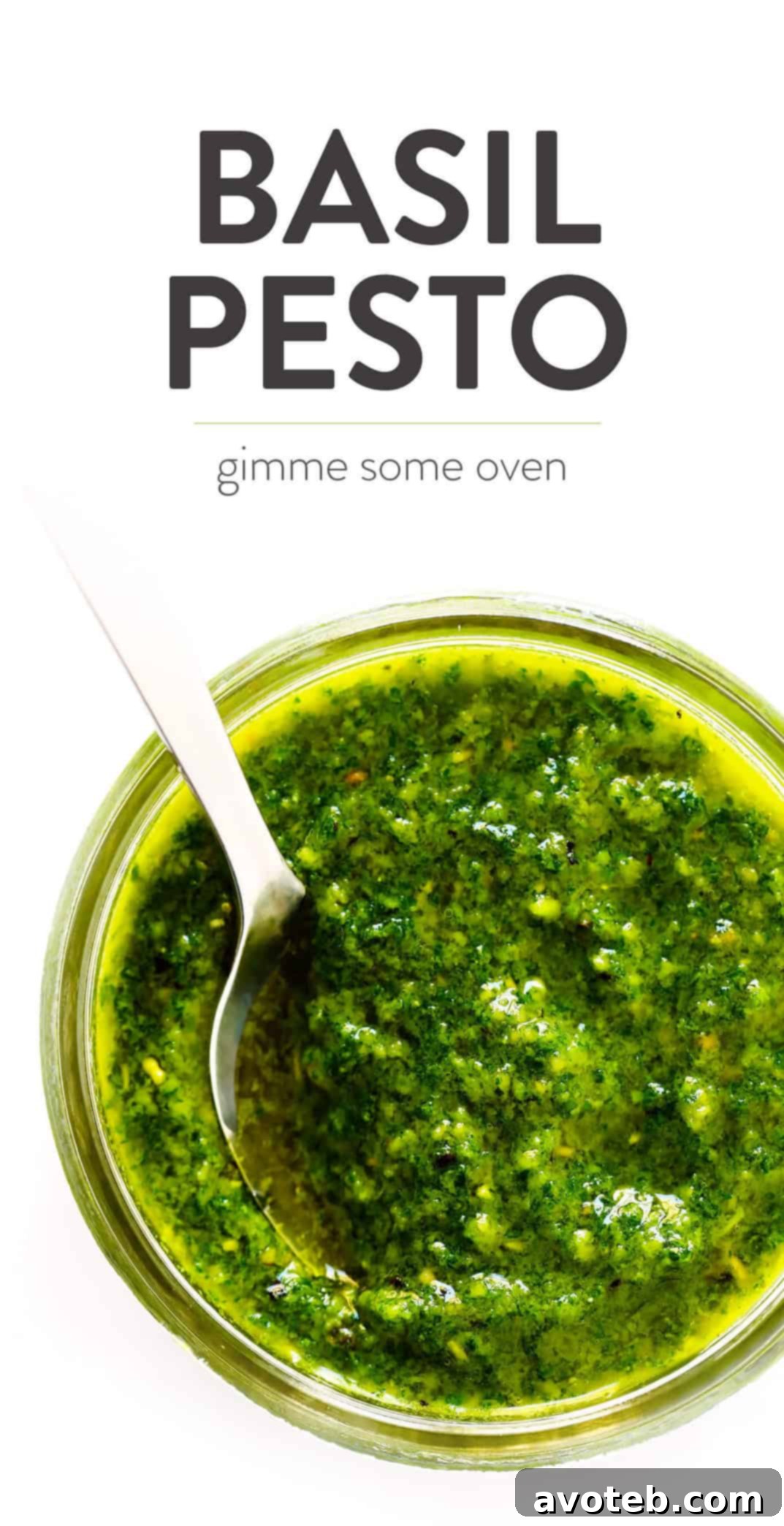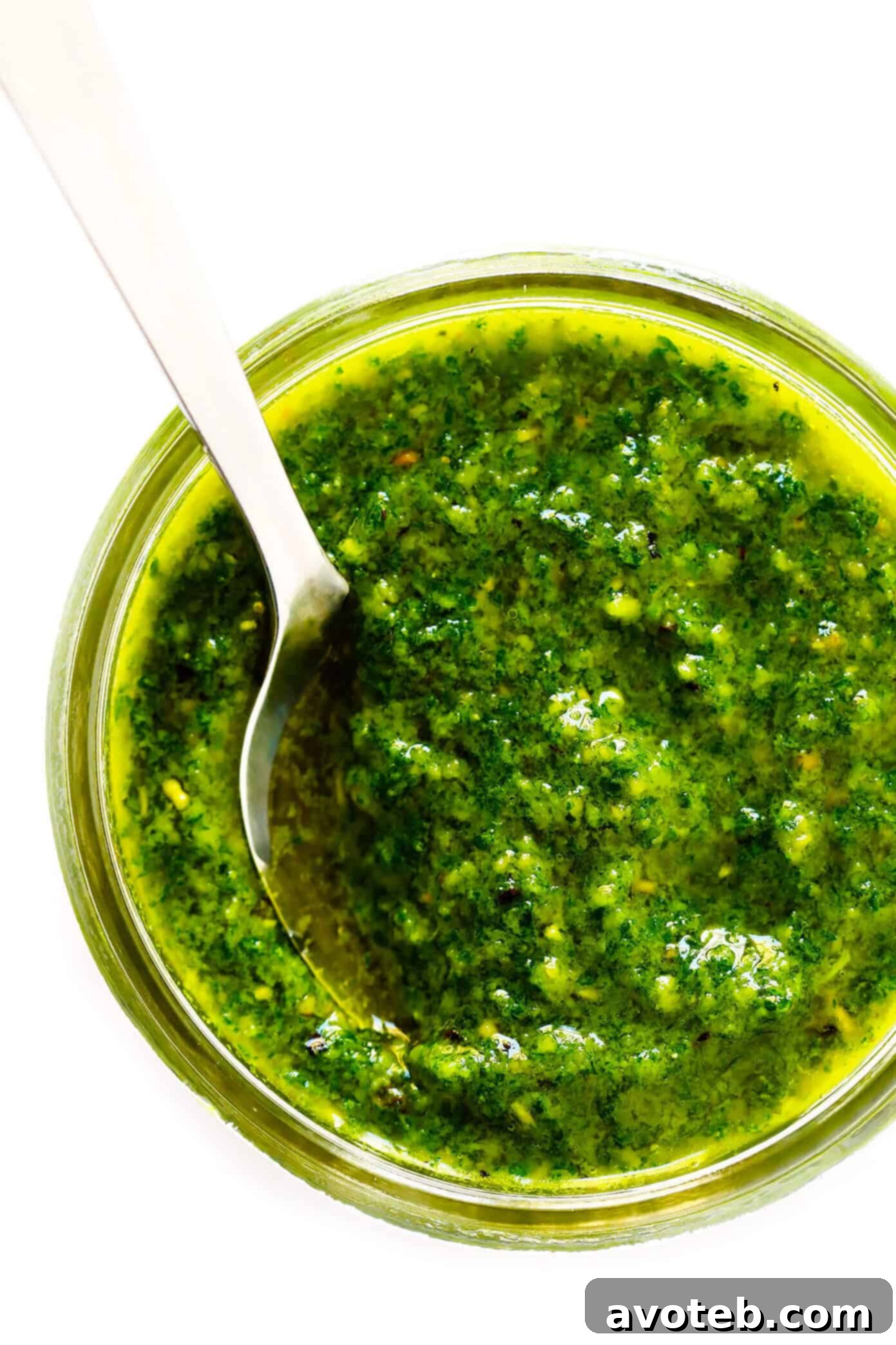
Discover the secret to crafting the perfect pesto with this timeless fresh basil pesto recipe. It’s incredibly simple to prepare in minutes using a blender or food processor, requiring just a handful of essential ingredients. The result is always a vibrant, aromatic, and irresistibly delicious sauce that elevates any dish.
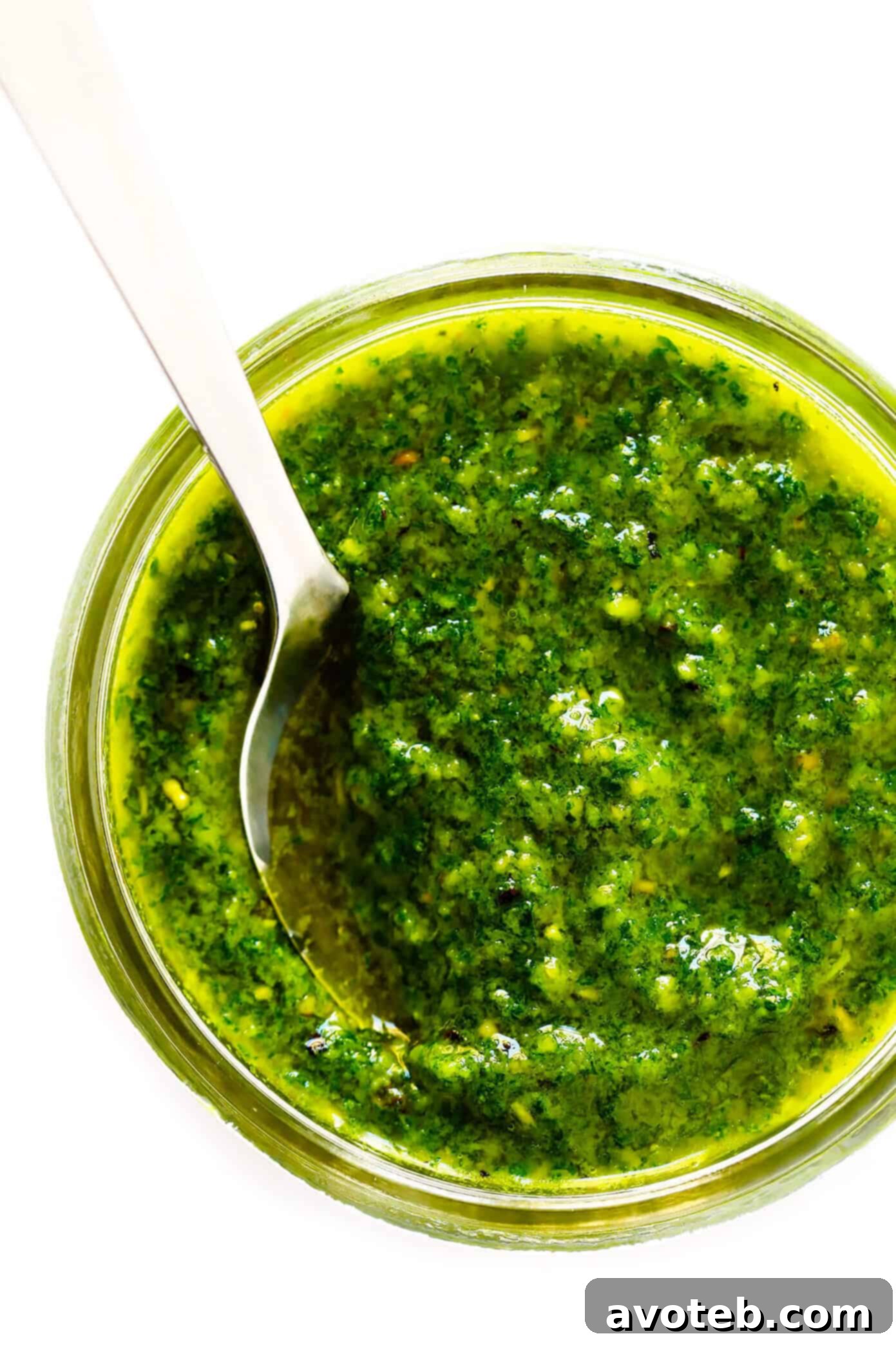
As spring blossoms and our gardens burst with the lush greenery of vibrant basil plants, there’s no better time to celebrate one of the culinary world’s most beloved and versatile sauces: classic basil pesto. This isn’t just a recipe; it’s an homage to fresh flavors and simple traditions that bring joy to any meal. After years of experimenting with countless variations, from unique greens to exotic nuts and seasonings, I always return to the timeless simplicity and profound deliciousness of traditional fresh basil pesto. That iconic blend of aromatic basil, sharp Parmesan, earthy pine nuts, pungent garlic, and smooth olive oil, perfectly seasoned with salt and pepper, never fails to hit the spot. It’s not only a crowd-pleaser but also an incredibly quick and easy sauce to prepare, making it a staple for busy weeknights and special occasions alike. Plus, its remarkable ability to freeze beautifully means you can enjoy the taste of summer basil all year round. From pasta dishes to pizzas, grilled chicken to roasted potatoes, the ways to enjoy homemade pesto are truly endless.
Whether you’re blessed with an abundance of basil from your garden or simply yearning for those bright, fresh flavors this season, now is the moment to whip up a batch. Grab your blender or food processor, and let’s create some magic in minutes!
The Allure of Homemade Basil Pesto: Why Fresh is Best
Pesto, derived from the Italian word “pestare,” meaning “to crush” or “to pound,” traditionally refers to the method of making the sauce in a mortar and pestle. While modern kitchens often opt for the convenience of a food processor or blender, the essence of pesto remains the same: a vibrant, uncooked sauce bursting with fresh ingredients. Originating from the Liguria region of Italy, specifically Genoa, true pesto Genovese is a testament to the power of high-quality, simple components. Making pesto at home allows you to experience a flavor profile that store-bought versions simply cannot match. The difference is stark; homemade pesto boasts an unparalleled freshness, a more intense basil aroma, and a nuanced balance of savory, nutty, and pungent notes. You control every ingredient, ensuring peak freshness, desired texture, and tailored seasoning, free from any preservatives or artificial flavors often found in commercial products. This control also makes it ideal for managing dietary restrictions or personal preferences, like opting for organic ingredients or adjusting salt levels. Beyond the superior taste, the satisfaction of creating such a delicious and versatile sauce from scratch is incredibly rewarding.

Essential Ingredients for Classic Basil Pesto:
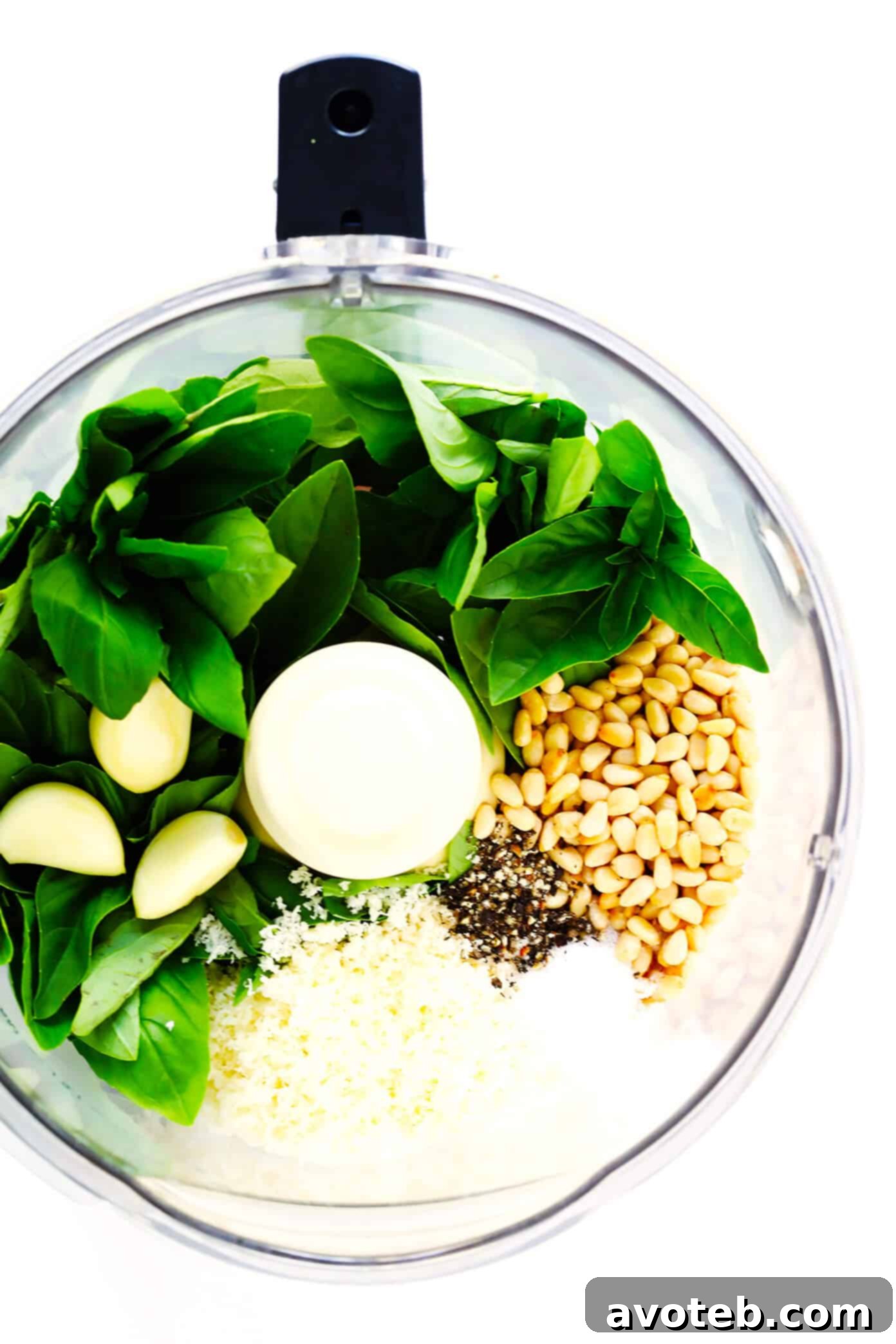
To craft this authentic and utterly delicious basil pesto recipe, gathering the right components is key. Each ingredient plays a crucial role in building the signature flavor profile:
- Fresh Basil Leaves: The heart and soul of this pesto. Always opt for sweet basil, characterized by its large, tender leaves and intense aroma. When measuring, gently pack the leaves into your measuring cup after discarding any tough stems. Ensure your basil is thoroughly washed and completely dry before processing to prevent a watery pesto. The fresher the basil, the brighter and more vibrant your pesto will be.
- Pine Nuts: These delicate, buttery nuts add a crucial layer of flavor and a subtle creaminess. Lightly toasting them in a dry pan for a few minutes before adding them to the pesto significantly enhances their flavor, bringing out a deeper, nuttier aroma. Be careful not to burn them, as they can turn bitter quickly. If pine nuts are unavailable or too pricey, feel free to explore alternatives.
- Parmesan Cheese: For unparalleled flavor, freshly grated Parmesan cheese (Parmigiano-Reggiano) is non-negotiable. Its salty, umami-rich profile complements the basil beautifully. While pre-grated cheese can save a step, it often lacks the robust flavor and creamy texture of freshly grated, so you might need to use a bit more to achieve the desired intensity. Pecorino Romano, with its sharper, saltier notes, can also be used, or a blend of both for added complexity.
- Fresh Whole Garlic Cloves: Garlic provides that essential pungent kick. There’s no need to meticulously mince; your blender or food processor will handle the chopping effortlessly. Adjust the quantity to your preference – some love a bold garlic flavor, while others prefer it more subdued. Always use fresh garlic for the best results.
- Extra Virgin Olive Oil: This isn’t just a binder; it’s a critical flavor component. Invest in a good-quality extra virgin olive oil. Its fruity, peppery notes contribute significantly to the overall taste and texture of the pesto, emulsifying with the other ingredients to create a smooth, luscious sauce. A mediocre olive oil will yield a mediocre pesto.
- Salt and Freshly Ground Black Pepper: These seasonings are vital for balancing and enhancing all the other flavors. A common mistake with homemade pesto is under-seasoning. Always taste your pesto before serving and adjust the salt and pepper as needed. Fine sea salt is often preferred for its clean taste and even distribution. Don’t be shy about seasoning to truly make the flavors sing.
Mastering the Art of Homemade Pesto Sauce: A Simple Guide
Creating your own homemade pesto is a surprisingly quick and satisfying process, especially with the aid of a modern kitchen appliance. Here’s how to do it perfectly:
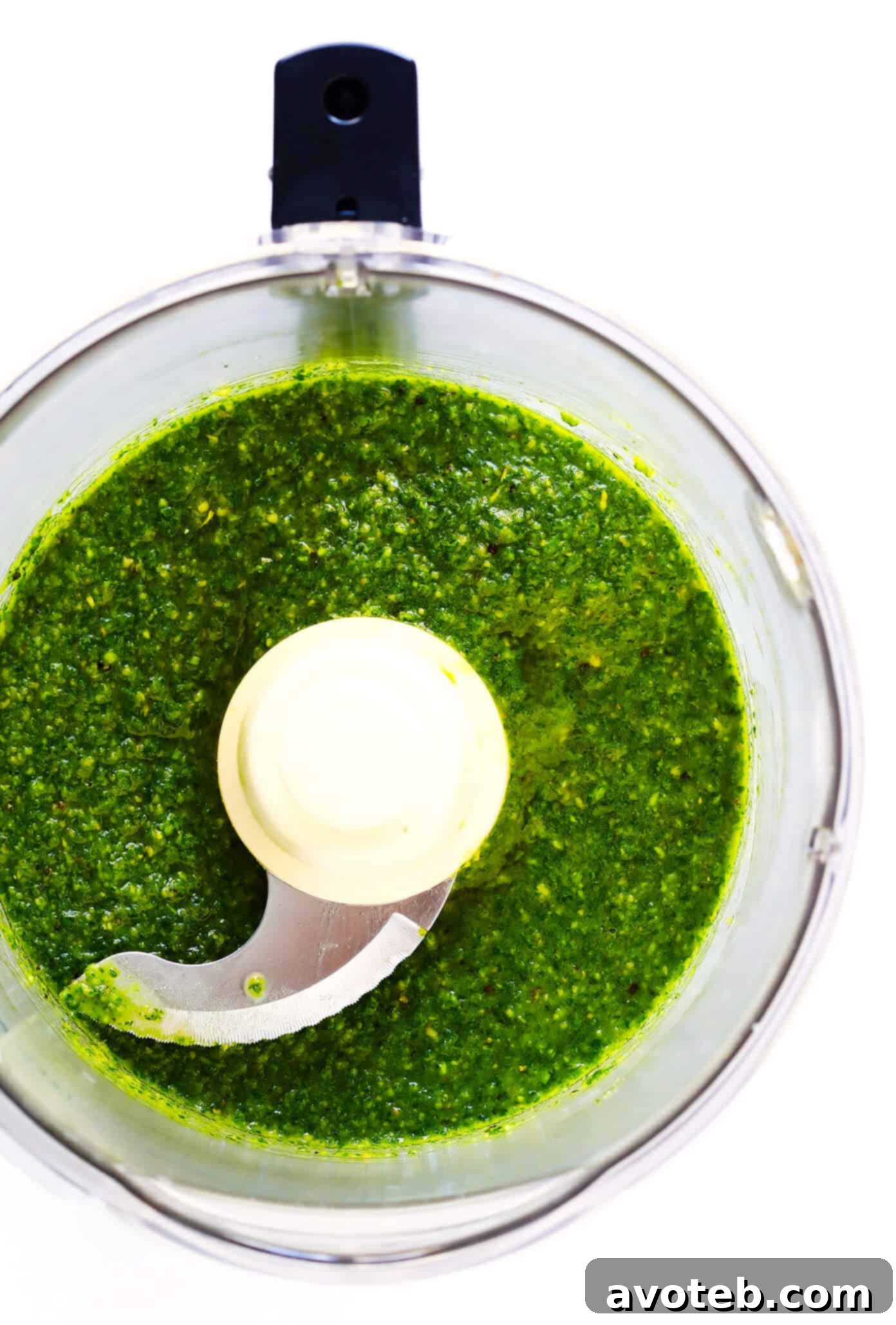
- Prepare the Dry Ingredients: Begin by combining the basil leaves, toasted pine nuts, grated Parmesan cheese, garlic cloves, sea salt, and black pepper in the bowl of your food processor or blender. Pulse these ingredients together until they are finely chopped and well combined. The goal here is to achieve a uniform, coarse texture where all elements are broken down but not yet a paste. Processing the dry ingredients first helps to thoroughly chop the basil and garlic without over-processing them when the oil is added, which can sometimes lead to a slightly bitter taste. Scrape down the sides of the bowl as needed to ensure everything is evenly processed.
- Emulsify with Olive Oil: With the food processor or blender still running on a low speed, slowly and steadily drizzle in the extra virgin olive oil through the feed tube. This gradual addition is crucial for creating a smooth, emulsified pesto. Continue to process until the mixture transforms into a thick, uniform sauce. The speed at which you add the oil affects the texture; a slow drizzle encourages a creamy emulsion. Stop the machine occasionally to scrape down any ingredients clinging to the sides, ensuring all components are incorporated. If your pesto seems too thick or you prefer a thinner consistency, you can add an extra tablespoon or two of olive oil or even a little water until it reaches your desired texture.
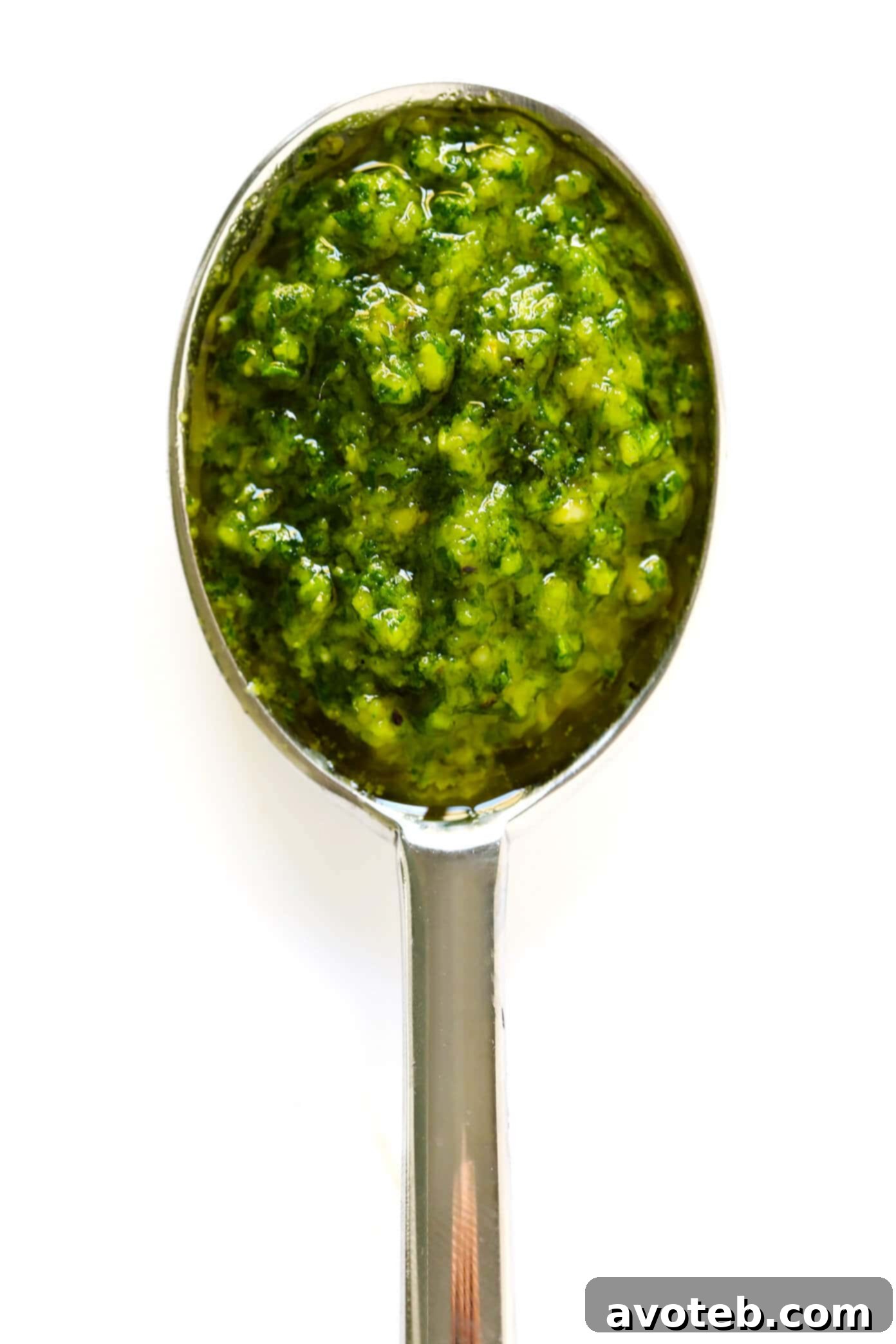
- Taste and Adjust Seasoning: This is a vital step! Once your pesto has reached a smooth consistency, taste it. You can use a small spoon, a veggie stick, or a piece of bread to get an accurate flavor assessment. Adjust the seasoning with more salt and pepper if necessary. Remember, the intensity of ingredients like basil and garlic can vary, so tasting and adjusting ensures a perfectly balanced pesto every time. If you desire a stronger basil, garlic, or cheesy flavor, now is the time to add a bit more of the respective ingredient and pulse again briefly to combine.
- Serve or Store: Your homemade basil pesto is now ready to be enjoyed! It can be served immediately, tossed with hot pasta, spread on sandwiches, or used as a dip. For storage, transfer it to an airtight container. If you plan to refrigerate, pressing a layer of plastic wrap directly onto the surface of the pesto, or pouring a thin layer of olive oil on top, helps prevent oxidation and keeps its vibrant green color for longer.
Creative Pesto Recipe Variations: Unleash Your Culinary Imagination
While the classic basil pesto is undeniably delicious, its foundational technique makes it incredibly adaptable. Don’t hesitate to get creative and customize your pesto to suit your palate or what you have on hand. Here are some inspiring variations:
- Swap in Different Greens/Herbs: Experiment beyond basil! You can replace all or part of the basil with other fresh greens and herbs. Try baby arugula for a peppery kick, spinach for a milder, earthier flavor, parsley for a fresh, herbaceous note, or cilantro for a Latin-inspired twist. Kale and sun-dried tomatoes also make fantastic pesto bases, offering unique textures and depths of flavor.
- Swap in Different Nuts: Pine nuts, while traditional, can be expensive. Many other nuts offer excellent flavor and texture alternatives. Walnuts lend a robust, slightly bitter note, pecans provide a buttery richness, almonds offer a subtle sweetness, cashews create an extra creamy texture, and pepitas (pumpkin seeds) are fantastic for a nut-free option with a lovely green hue. Lightly toast any nut alternative to maximize its flavor.
- Nix the Cheese for Vegan Pesto: To make a delicious vegan pesto, simply omit the Parmesan cheese. Instead, add 3-5 tablespoons (or to taste) of nutritional yeast. This ingredient provides a savory, cheesy, umami flavor without any dairy, making your pesto suitable for vegan diets while maintaining a rich taste. You might also want to add a squeeze of lemon juice to brighten the flavors.
- Add Some Heat: If you love a little spice, introduce some heat to your pesto. A few pinches of crushed red pepper flakes pulsed in with the dry ingredients will add a subtle warmth. For a bolder kick, include a few slices of fresh jalapeño or serrano pepper (seeds removed for less heat) into the mix. This can transform your pesto into a more dynamic condiment perfect for spicier dishes.
- Introduce Citrus or Umami Boosters: A squeeze of fresh lemon juice or a bit of lemon zest can brighten the pesto’s overall flavor. For an extra layer of umami, consider adding a teaspoon of white miso paste or a few oil-packed sun-dried tomatoes (drained) to the food processor.
Endless Possibilities: How to Serve and Enjoy Your Pesto
The versatility of homemade pesto is one of its greatest strengths. Once you have a batch ready, a world of culinary possibilities opens up. Here are some of my favorite ways to incorporate this flavorful sauce into your meals:
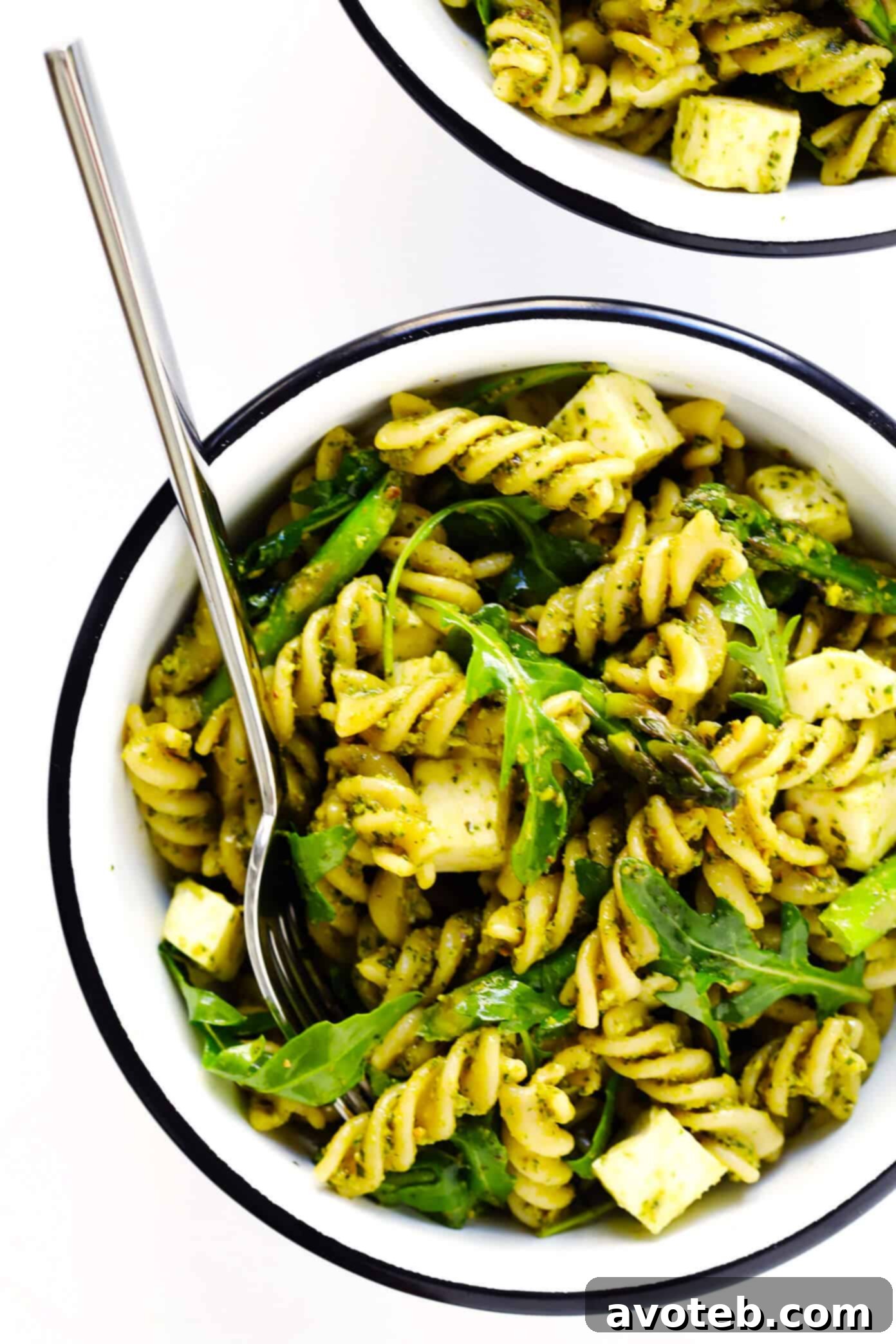
- Pasta or Gnocchi Sauce: The most classic pairing! Toss freshly cooked pasta or gnocchi directly with pesto, perhaps adding a splash of the pasta cooking water to create a silky, emulsified sauce that clings beautifully to every strand. Serve with extra Parmesan and a sprinkle of fresh basil.
- Dipper for Fresh Veggies or Bread: Pesto makes an exquisite appetizer or snack. Serve it alongside a platter of crisp crudités (carrots, celery, bell peppers, cucumbers) or with warm, crusty bread, focaccia, or pita bread for dipping.
- Mixed into Mashed Potatoes: For an unexpected twist, fold a few spoonfuls of pesto into your mashed potatoes. The basil and garlic notes add a fantastic herbaceous depth, allowing you to reduce or even omit butter for a lighter, more flavorful side dish.
- Salad Dressing: Thin out your pesto with a bit of extra olive oil, lemon juice, or water until it reaches a pourable consistency, and voilà—you have a gourmet salad dressing! It pairs wonderfully with simple green salads, caprese salads, or grain bowls.
- Pizza or Crostini Sauce: Ditch the traditional tomato sauce and use pesto as the base for your next pizza or flatbread. Its vibrant flavor makes for a light yet incredibly satisfying foundation. It’s also perfect spread on toasted crostini, perhaps topped with cherry tomatoes or mozzarella.
- Soup Garnish: Swirl a dollop of pesto into a bowl of warm soup just before serving. It adds a burst of freshness, color, and depth to Italian wedding soup, minestrone, tomato soup, or even a simple vegetable broth.
- Protein or Veggie Sauce: Pesto is an incredible finishing sauce for almost any protein or vegetable. Drizzle it over grilled chicken, baked fish (salmon or cod are excellent choices), seared steak, or roasted tofu. It also shines when tossed with roasted vegetables like asparagus, zucchini, potatoes, or bell peppers, especially in the summertime when grilling is abundant.
- Sandwiches and Wraps: Spread a thin layer of pesto on bread, tortillas, or wraps for an instant flavor upgrade. It’s fantastic with turkey, chicken, or vegetarian fillings.
Pesto Preservation: Storing for Lasting Freshness and Flavor
One of the many advantages of making your own pesto is its excellent keeping qualities, allowing you to enjoy its vibrant taste long after preparation. Proper storage is key to maintaining its fresh flavor and beautiful green color.
How To Refrigerate Pesto: To keep your homemade pesto fresh in the refrigerator, transfer it to a clean, airtight container. It will typically last for up to 3 days. To prevent the surface from oxidizing and turning brown, and to extend its shelf life slightly, pour a thin layer of extra virgin olive oil directly on top of the pesto, ensuring it completely covers the surface. Alternatively, you can press a piece of plastic wrap directly onto the surface of the pesto before sealing the container. This creates an oxygen barrier that helps preserve its vibrant green hue and fresh taste.
How To Freeze Pesto: Pesto freezes exceptionally well, making it perfect for meal prepping or preserving a bumper crop of basil. You can freeze it in larger batches in freezer-safe containers, but my preferred method for convenience and versatility is to freeze it in ice cube trays. Simply spoon the pesto into the compartments of an ice cube tray and freeze until solid. Once frozen, pop the pesto cubes out and transfer them to a freezer-safe bag or container. This way, you have individual, pre-portioned amounts ready to use whenever needed, without thawing an entire batch. Frozen pesto can be stored for up to 3 months. To use, simply remove a few cubes and let them thaw at room temperature or gently warm them with your dish. The taste and texture remain remarkably close to freshly made pesto.
How To Make Pesto
Prep Time: 5 minutes
Total Time: 5 minutes
Yield: 1 1/2 cups 1x
Description
Learn how to make pesto with this classic fresh basil pesto recipe. It’s easy to make in the blender or food processor with just 5 main ingredients, and so fresh and delicious!
Ingredients
Scale
- 3 cups (3 ounces) lightly-packed fresh basil leaves
- 1/2 cup (2 ounces) freshly grated Parmesan
- 1/3 cup (1.75 ounces) toasted pine nuts
- 3 small cloves garlic
- 1/2 teaspoon fine sea salt*
- 1/2 teaspoon freshly-ground black pepper
- 1/2 cup extra-virgin olive oil
Instructions
- In a food processor or blender, pulse the basil, Parmesan, pine nuts, garlic, salt and pepper together until finely-chopped.
- With the food processor or blender still running, slowly drizzle in the olive oil until it is completely combined. Pause the food processor or blender and scrape down the sides, then pulse again until the mixture is smooth. If you prefer a thinner pesto, add in more oil.
- Serve immediately. Or refrigerate in a sealed container for up to 3 days, or freeze for up to 3 months.
Notes
Salt: If you are using iodized table salt, I recommend using just 1/4 teaspoon.
With your homemade basil pesto ready, you’re equipped to infuse a burst of fresh, Italian-inspired flavor into countless dishes. From simple weeknight dinners to elegant entertaining, this vibrant sauce is a testament to the power of fresh ingredients and straightforward preparation. Enjoy the rich, aromatic experience of authentic pesto!