
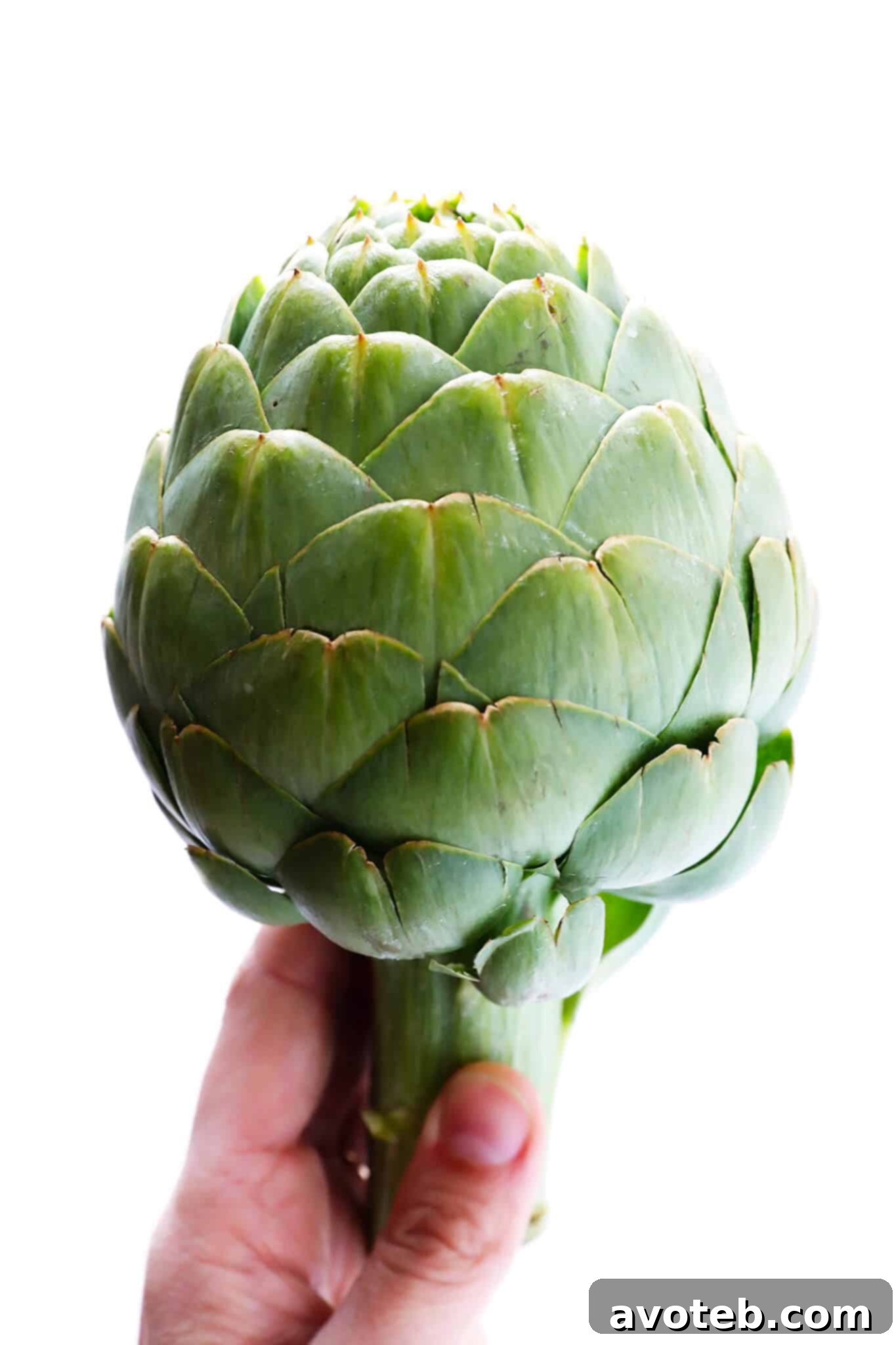
Welcome to the ultimate guide for preparing and enjoying one of spring’s most unique and delicious vegetables: the fresh artichoke. Often perceived as intimidating to cook, artichokes are actually surprisingly simple to prepare, offering a tender heart and flavorful leaves that are a true culinary delight. Whether you’re a seasoned chef or a complete novice, this comprehensive tutorial will walk you through every step, ensuring a perfect artichoke experience from selection to the last savory bite.
For many, the only encounter with artichokes has been from a jar, enjoying the marinated hearts in salads or antipasti. But a fresh, perfectly steamed artichoke is an entirely different experience—one that offers a rich, earthy flavor and a satisfying texture. The process is less about complex cooking techniques and more about understanding the simple steps to unlock its natural goodness. We’ll show you how to transform this thorny-looking vegetable into a gourmet treat that’s ideal for a light lunch, a healthy appetizer, or a vibrant side dish.
I distinctly remember my own “Artichoke 101” lesson years ago, thanks to a dear friend named Marlies. Before her impromptu happy hour tutorial, fresh artichokes seemed like a mystery, a food I admired but never dared to tackle. Marlies, however, demystified the process, showing me how to choose the best artichokes, prepare them for steaming, and then, most importantly, how to savor each leaf and ultimately reach that prized, succulent heart. Her simple lemon butter dipping sauce, a perfect accompaniment, completed the experience and left me utterly hooked. Today, I’m delighted to pass on that knowledge, offering you a similar step-by-step journey into the wonderful world of fresh artichokes.
This guide is designed to make cooking and eating artichokes accessible to everyone. We’ll focus on the steaming method, widely considered the easiest and most effective way to achieve tender, flavorful results. Beyond just the “how-to,” we’ll delve into tips for selecting the freshest artichokes, proper storage techniques, and even explore various dipping sauce options to complement your culinary creation. Prepare to discover why fresh artichokes are an absolute highlight of the spring season and a healthy addition to any meal.
Mastering the Artichoke: A Step-by-Step Video Guide
To provide you with the clearest possible instructions, we’ve created a concise video tutorial demonstrating the entire process. Watching these steps in action can be incredibly helpful for visual learners, reinforcing the techniques described in the recipe below. From trimming the leaves to steaming to perfection, this video is your quick reference for mastering fresh artichokes.
Watch our video tutorial above for a visual guide on how to prepare, steam, and enjoy a fresh artichoke.
While there are several methods for cooking artichokes—including roasting, grilling, and boiling—steaming remains the most recommended approach for beginners due to its simplicity and consistent results. Steaming gently cooks the artichoke, preserving its delicate flavor and ensuring a uniformly tender texture. You can achieve this using a large pot with a steamer basket, as shown in our video, or if you own a pressure cooker like an Instant Pot, dedicated tutorials exist for that method as well, promising equally delicious and tender artichokes perfect for dipping into your favorite sauce.
How to Select the Freshest Artichokes
The journey to a delicious steamed artichoke begins at the grocery store or farmer’s market. Fresh artichokes are typically in season from March to May, making spring the ideal time to find them at their peak. Knowing what to look for will ensure you bring home the highest quality produce, leading to a more enjoyable eating experience. When selecting artichokes, pay close attention to these key indicators:
- Leaf Tightness: Opt for artichokes with tightly packed leaves. Loose, splayed, or open leaves often indicate an older artichoke that may be less tender and more fibrous.
- Weight and Density: A fresh artichoke should feel heavy for its size. This indicates a good moisture content and a fleshy interior. Avoid those that feel light or hollow.
- Coloration: Look for a vibrant, healthy green color throughout. While a little browning on the outer leaf tips is acceptable (and sometimes even a sign of a sweeter “frost-bitten” artichoke, which we’ll discuss next), excessive browning or black spots can suggest spoilage.
- “Squeak Test”: This is a favorite trick! Hold an artichoke close to your ear and gently squeeze the leaves with your fingers. If you hear a slight squeaking sound, it’s a great sign of freshness and good moisture.
- “Frost-Bitten” Artichokes (Optional, but Recommended): Don’t be deterred if you see artichokes with leaves that appear slightly brushed with white or have small, superficial cracks. These are often referred to as “frost-bitten” artichokes and are highly prized by connoisseurs. A light frost can cause the water inside the artichoke’s cells to expand, creating tiny cracks and often resulting in a sweeter, more tender final product.
By using these tips, you’ll be able to confidently choose the best artichokes, ensuring a foundation for a truly delicious meal. A fresh, well-selected artichoke is half the battle won!
Optimal Storage for Fresh Artichokes
Once you’ve selected your perfect artichokes, proper storage is crucial to maintain their freshness until you’re ready to cook them. Artichokes can typically be stored for about 5-7 days in the refrigerator if handled correctly.
- Do not wash the entire artichoke before storing.
- Sprinkle a small amount of water onto the stems. This helps keep them hydrated.
- Place the artichokes in a loosely sealed plastic bag. A plastic produce bag from the grocery store works well. The “loosely sealed” part is important to allow for some air circulation while maintaining humidity.
- Store the bag in the crisper drawer of your refrigerator. This environment provides the ideal balance of cool temperatures and moderate humidity to keep your artichokes fresh and firm.
Following these simple storage guidelines will help preserve the quality of your artichokes, ensuring they remain vibrant and delicious until you’re ready to enjoy them.
How To Steam and Eat an Artichoke
Prep Time: 2 minutes
Cook Time: 30 minutes
Total Time: 32 minutes
Yield: 1 serving
Description
Unlock the secrets to perfectly steamed artichokes with this easy-to-follow recipe. Learn how to prepare, cook, and eat this delightful spring vegetable, complete with a decadent lemon butter dipping sauce that elevates the experience.
Ingredients
- 1 fresh artichoke
- 1 fresh lemon wedge
- Water (a few inches for steaming)
- 1-3 cloves garlic (peeled and smashed, for aromatics)
- 1 bay leaf (for aromatics)
- Dipping sauce of choice (see ideas below)
Instructions
- Prepare the Artichoke: Begin by placing your artichoke on a cutting board. Using a sharp knife, slice off about 1/2 to 1 inch from the bottom of the stem and roughly 1 inch from the top of the artichoke globe (the pointy top where the leaves meet). This creates a flat base for steaming and removes tough tips. Peel off any small, discolored, or tough leaves near the very bottom of the stem. Rinse the entire artichoke thoroughly under cold running water to remove any dirt or debris.
- Trim and Lemon Rub: With kitchen shears, carefully trim about 1/4 inch off the pointy, thorny tips of each remaining artichoke leaf. This makes the artichoke much easier and safer to handle when eating. Immediately after trimming, rub the fresh lemon wedge all over the cut surfaces and leaves of the artichoke. The lemon juice prevents browning and adds a subtle bright flavor.
- Set up for Steaming: Place the used lemon wedge, along with the peeled and smashed garlic cloves and bay leaf, into a large stockpot. Add a few inches of water to the pot, ensuring it’s enough to generate steam but not so much that it touches the bottom of your steamer basket. Insert a steaming basket into the pot, then place the prepared artichoke stem-side up in the basket. Cover the pot tightly with a lid.
- Steam to Perfection: Heat the water over medium-high heat until it comes to a vigorous simmer. Once simmering, reduce the heat to medium-low to maintain a steady steam. Continue steaming the artichoke for approximately 30 minutes. The cooking time can vary based on the size of your artichoke; larger ones may need up to 45-50 minutes. To test for doneness, carefully insert a knife into the stem—it should go in very easily. You should also be able to easily pull off an outer leaf, and the fleshy part at its base should scrape off easily with your teeth.
- Serve: Once cooked, carefully remove the artichoke from the pot and transfer it to a serving plate. Allow it to cool slightly before handling.
- How to Eat the Leaves: To eat, begin pulling off the outer leaves one by one. Dip the fleshy, light-colored base of each leaf into your preferred dipping sauce. Then, place the dipped end into your mouth, and use your teeth to scrape off the tender, edible pulp. Discard the fibrous remaining portion of the leaf. Repeat this process until all edible leaves have been removed. (Refer to the video for a clear visual demonstration.)
- Discover the Artichoke Heart: After all the leaves are removed, you will be left with a fuzzy layer covering the artichoke heart. This fuzzy part, known as the “choke,” is inedible. Use a spoon to carefully scrape off and discard all of the fuzzy choke. What remains underneath is the tender, prized artichoke heart. Use a knife and fork to cut the heart and any remaining tender stem into bite-sized pieces. Dip these pieces in your sauce and enjoy the culmination of your cooking efforts!
Notes
Dipping Sauce Ideas: A crucial part of enjoying a steamed artichoke is the dipping sauce. While a simple lemon butter sauce (melted butter combined with fresh lemon juice, a pinch of salt, and a grind of black pepper) is classic and highly recommended, feel free to experiment with other delicious options:
- Classic Lemon Butter: Simply melt butter, stir in fresh lemon juice, salt, and pepper to taste.
- Blender Hollandaise Sauce: A rich, creamy, and impressive sauce that comes together quickly.
- Tzatziki Sauce: A refreshing, yogurt-based sauce with cucumber and garlic.
- Aioli: A garlic-infused mayonnaise that offers a creamy, savory complement.
- Romesco Sauce: A vibrant Spanish sauce made with roasted red peppers, nuts, and garlic.
- Garlic Butter: Melted butter infused with minced garlic and herbs.
- Herbed Mayonnaise: Mix your favorite fresh herbs (dill, chives, parsley) into mayonnaise for a simple, flavorful dip.
Choose whichever sauce strikes your fancy, or offer a variety for guests to enjoy!
The Nutritional Power of Artichokes
Beyond their delightful taste and unique eating experience, artichokes are a nutritional powerhouse, making them a fantastic addition to a healthy diet. They are low in calories and fat, yet packed with essential vitamins, minerals, and fiber. Here’s a closer look at their health benefits:
- Rich in Fiber: Artichokes are an excellent source of dietary fiber, which is crucial for digestive health. Fiber helps promote regularity, can aid in weight management by increasing feelings of fullness, and helps stabilize blood sugar levels.
- Loaded with Antioxidants: These vegetables are brimming with antioxidants, including cynarin and silymarin. Antioxidants protect your body from free radicals, which are unstable molecules that can damage cells and contribute to chronic diseases.
- Good Source of Vitamins and Minerals: Artichokes provide a significant amount of Vitamin C, Vitamin K, folate, and several B vitamins. They are also a good source of minerals like magnesium, potassium, iron, and manganese, all of which play vital roles in overall bodily function, from bone health to energy production.
- Liver Health Support: Compounds found in artichokes, particularly cynarin and silymarin, have been studied for their potential to support liver health, promote bile production, and aid in detoxification processes.
- Heart Health Benefits: The potassium content in artichokes can help manage blood pressure, while their fiber helps reduce cholesterol levels, contributing to a healthier cardiovascular system.
Incorporating fresh artichokes into your meals is not just a treat for your taste buds but also a boost for your health. Their unique profile of nutrients makes them a smart choice for anyone looking to enhance their diet with whole, unprocessed foods.
Creative Ways to Serve Steamed Artichokes
While the classic method of dipping leaves and savoring the heart is undeniably satisfying, steamed artichokes can also be incorporated into a variety of dishes. Their tender flesh and distinct flavor make them versatile components for both simple and elaborate meals.
- As a Centerpiece Appetizer: Arrange several whole steamed artichokes on a large platter with an array of dipping sauces. This creates an interactive and elegant appetizer for gatherings.
- Salad Enhancer: Once you’ve reached the heart, slice it into quarters or dices and add it to green salads, pasta salads, or grain bowls for an extra layer of texture and flavor.
- Pizza Topping: Roughly chop steamed artichoke hearts and scatter them over homemade or store-bought pizza before baking for a gourmet touch.
- Pasta Dishes: Toss chopped artichoke hearts with pasta, olive oil, garlic, sun-dried tomatoes, and fresh herbs for a light yet flavorful vegetarian meal.
- Omelets and Frittatas: Fold diced artichoke hearts into your morning omelet or a hearty frittata along with cheese and other vegetables.
- Grilled or Roasted: After steaming, you can briefly grill or roast the artichoke halves (after removing the choke) to add a smoky flavor and caramelized edges. Brush with olive oil and season before finishing.
- Dip or Spread Base: Puree steamed artichoke hearts with cream cheese, herbs, and spices to create a delicious dip or sandwich spread.
Don’t limit yourself to just dipping! Experiment with these ideas to integrate the delightful taste and texture of fresh artichokes into more of your culinary creations.
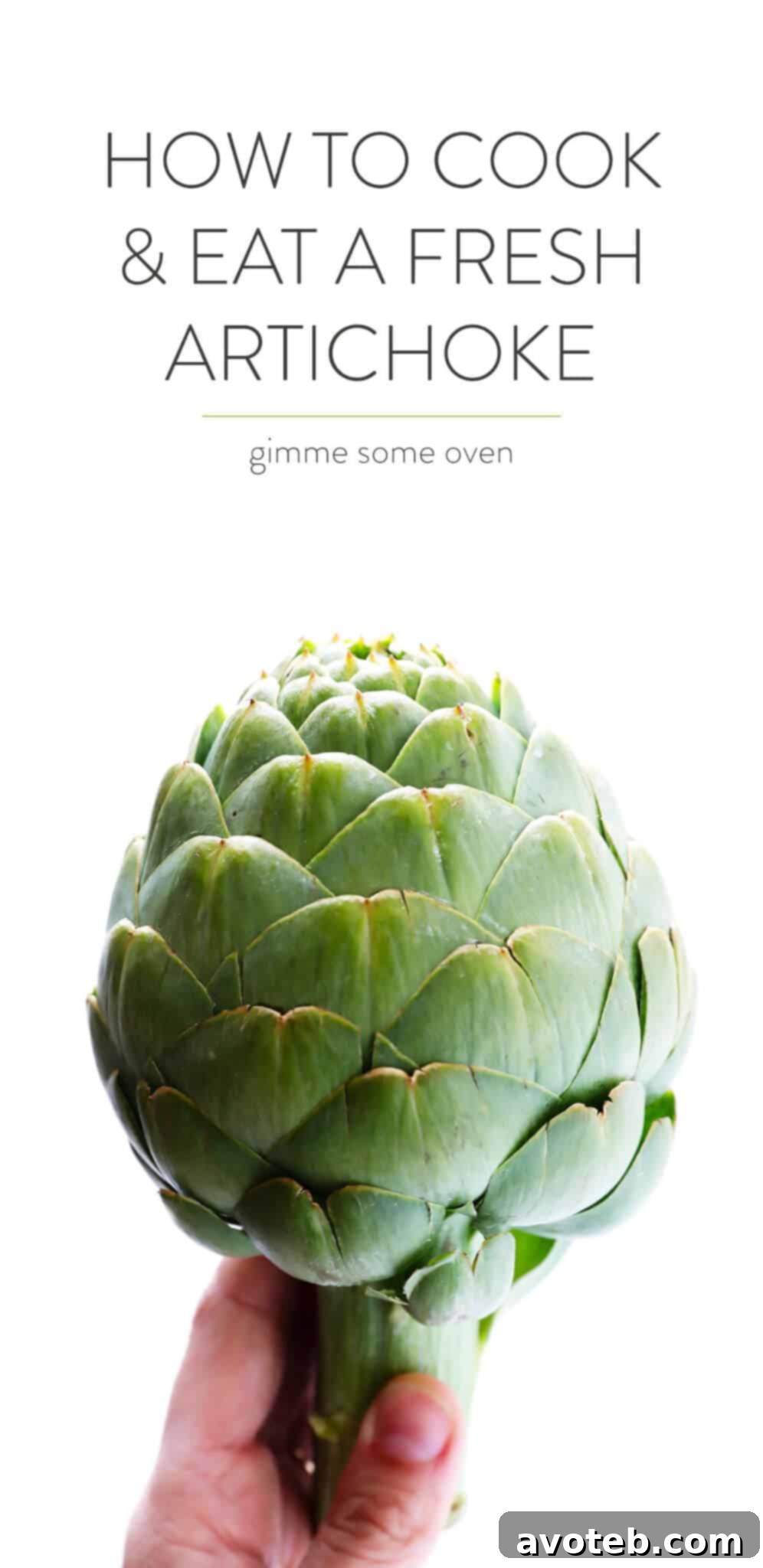
Steaming and eating a fresh artichoke is a simple pleasure that anyone can master. It’s a healthy, flavorful, and uniquely engaging culinary experience, perfect for celebrating the spring season or simply enjoying a nutritious treat. We hope this guide empowers you to confidently tackle and savor this magnificent vegetable. Happy cooking, and even happier eating!