
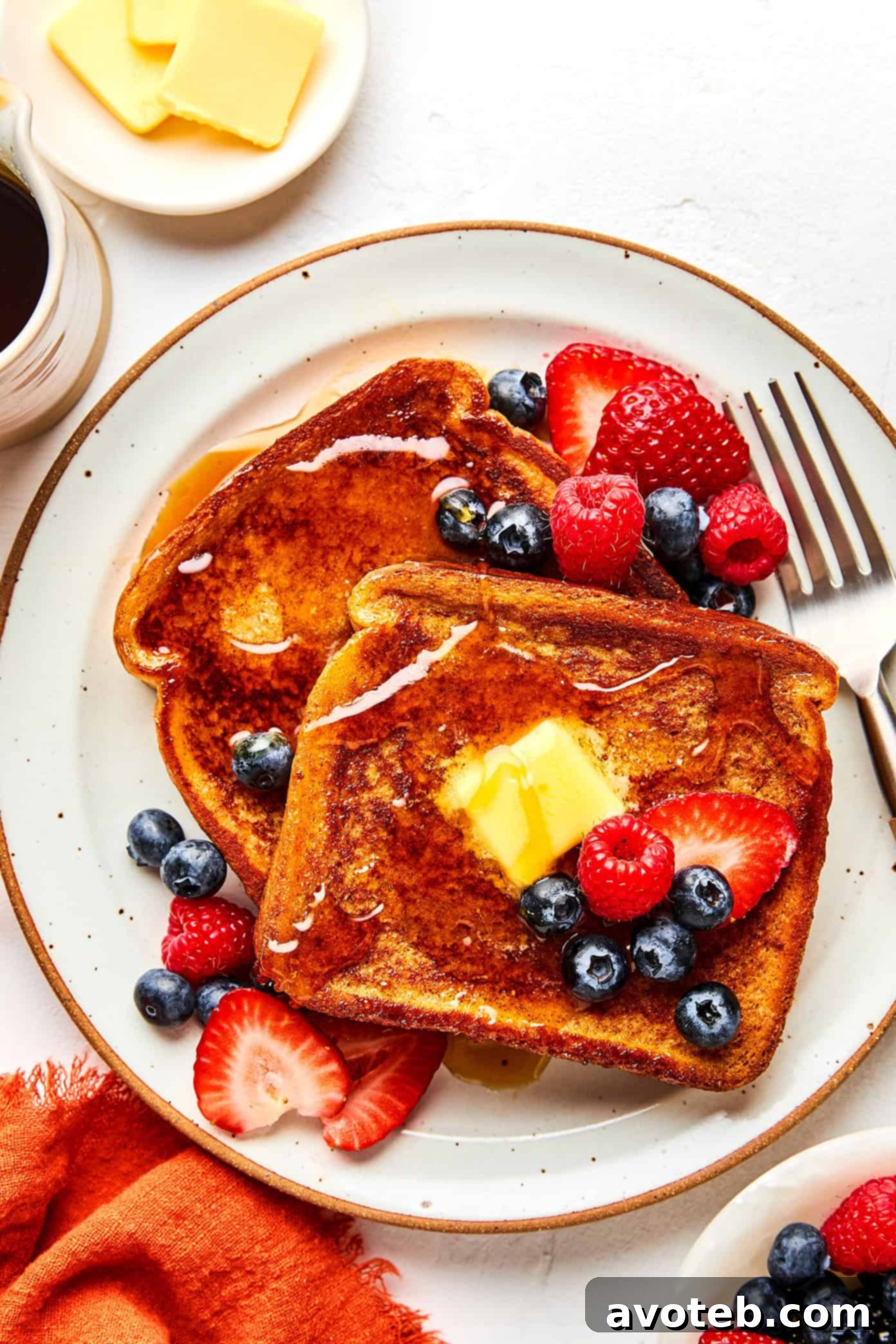
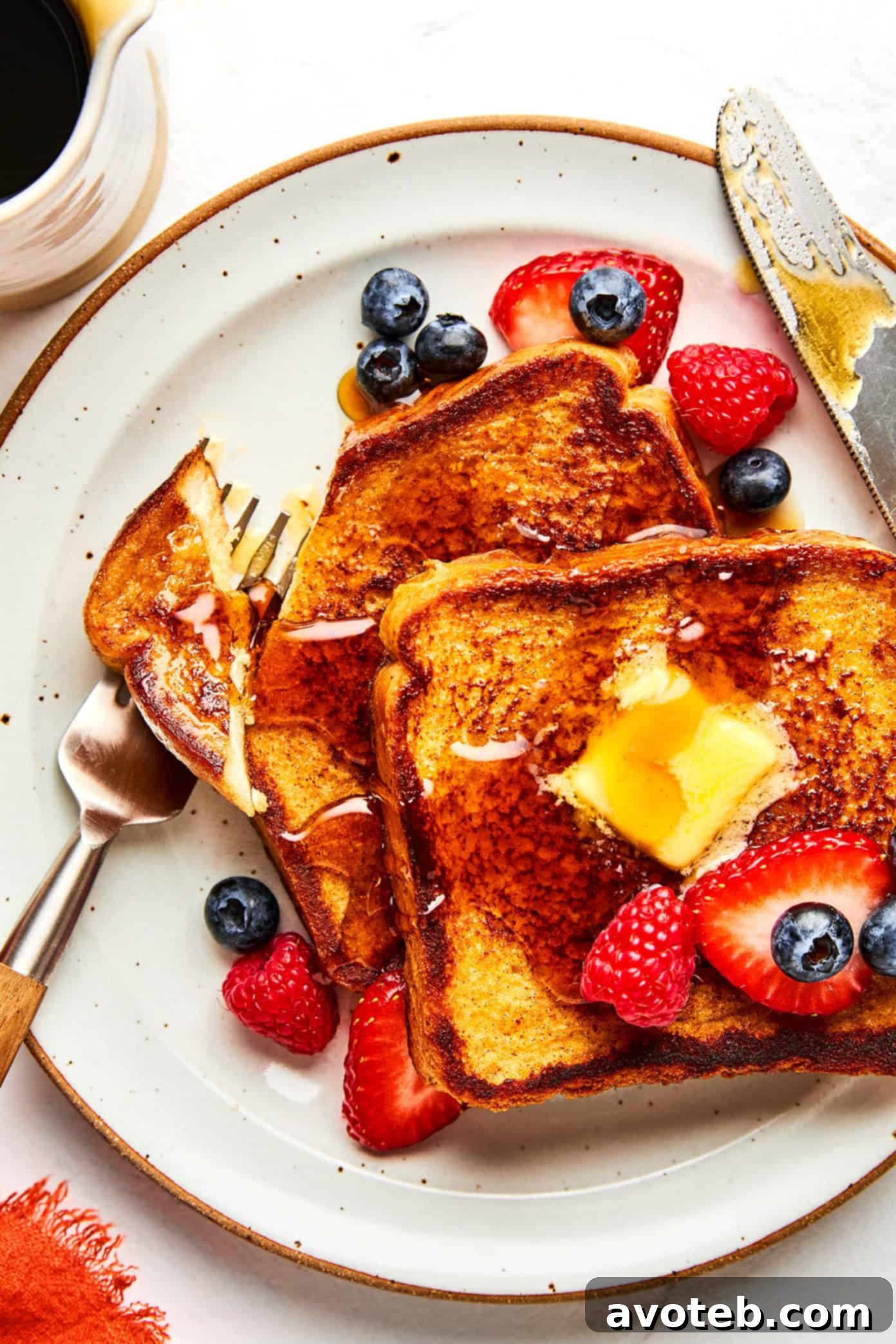
The Ultimate Guide to Perfect Homemade French Toast

If you’ve been on a quest for that elusive “perfect” French toast recipe – one that delivers consistently delicious results, time after time – your search ends here! This isn’t just another recipe; it’s a meticulously perfected method that transforms simple ingredients into an extraordinary breakfast experience. Get ready to discover your new go-to French toast.
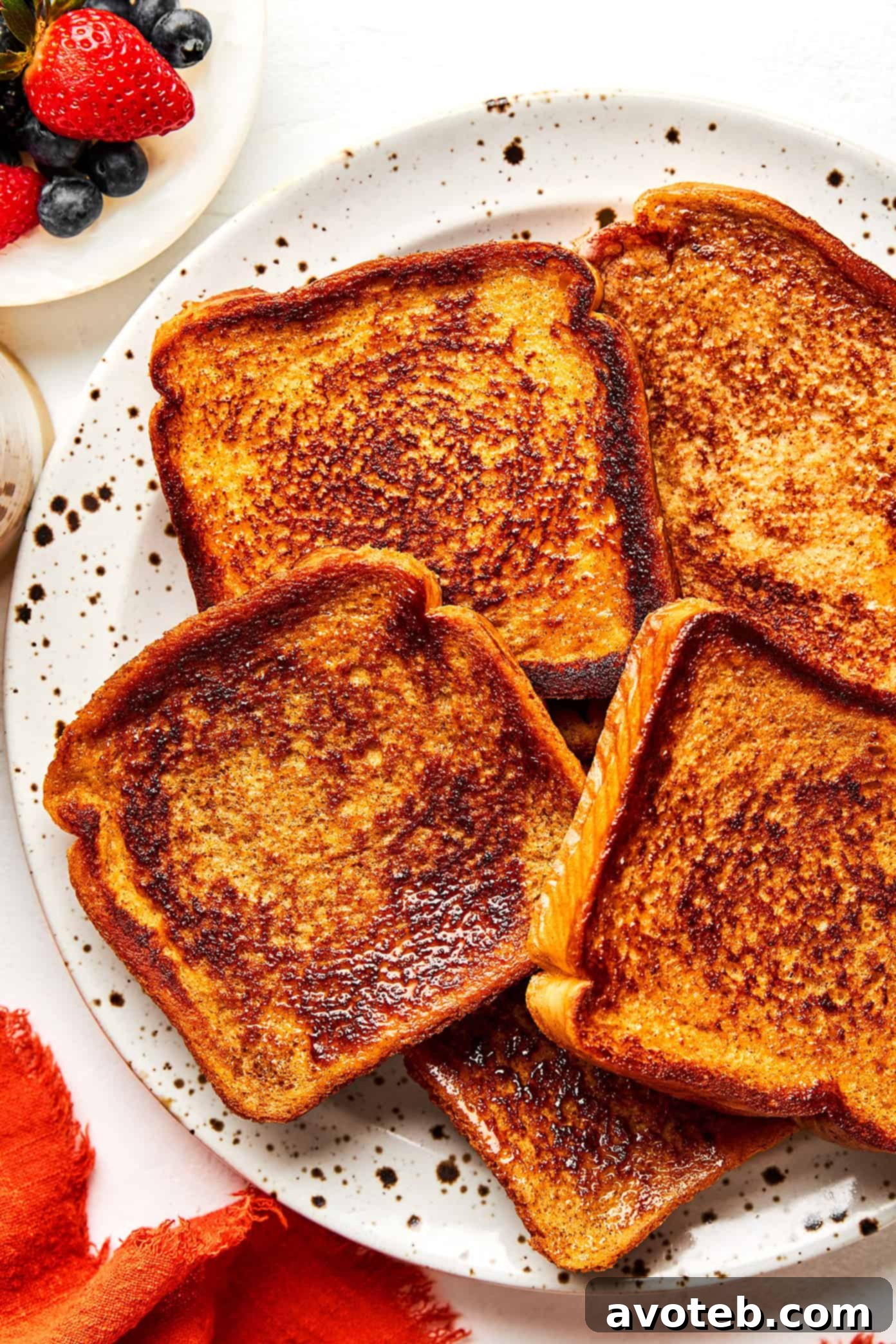
My family, especially my boys, have been utterly obsessed with French toast recently. This delightful obsession (and perhaps a little arm-twisting) provided the perfect impetus to truly refine this recipe. After countless batches and extensive testing, I’ve finally settled on a simple yet brilliant ratio and method that guarantees success every single time. The result? Slices that boast a rich, custardy interior, a beautifully crisp and golden exterior, and an intoxicating aroma of cinnamon and vanilla. Say goodbye to soggy middles, dry edges, or unevenly cooked slices!
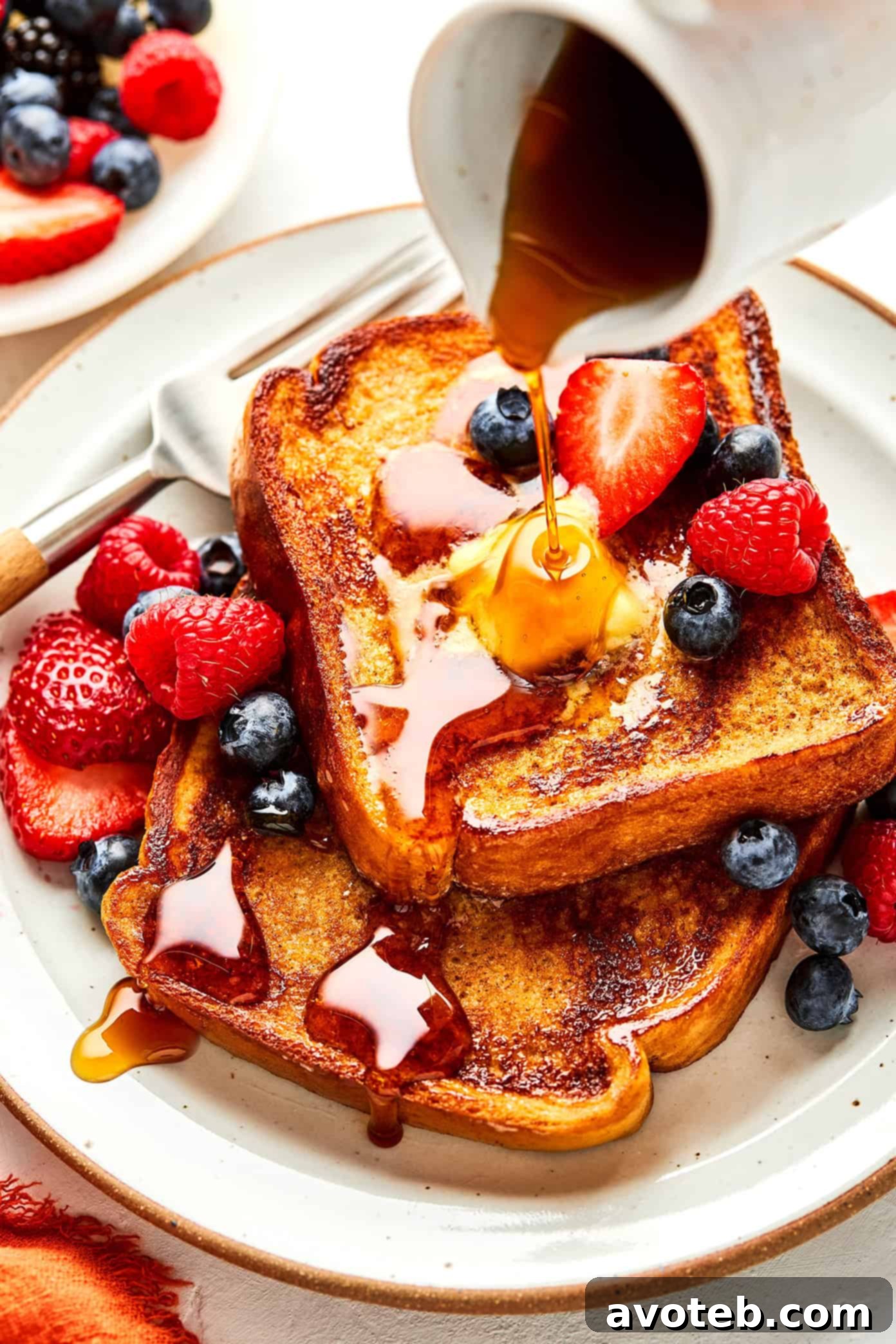
What makes this recipe truly special is its accessibility. It requires only a handful of common pantry staples and comes together in approximately 20 minutes, making it an ideal choice for a weekend brunch or even a quick weekday treat. This isn’t just a recipe; it’s a reliable, back-pocket breakfast solution we turn to again and again. Whether you prefer it classic with a generous drizzle of maple syrup or loaded with an array of your favorite toppings, this French toast is guaranteed to disappear from plates almost as quickly as it’s made.
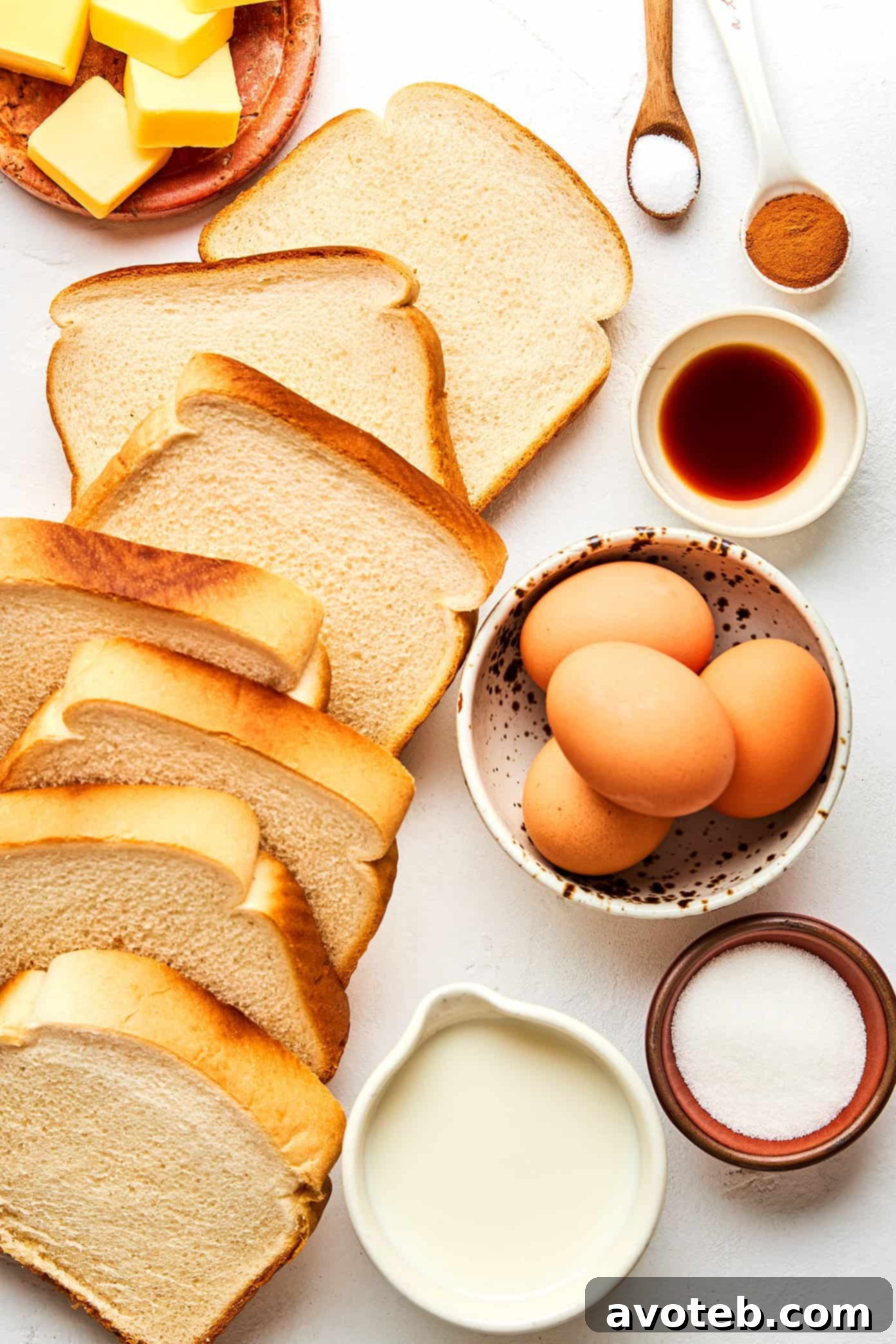
Why This French Toast Recipe Works So Well
Achieving truly great French toast isn’t just about mixing ingredients; it’s about understanding the nuances of the cooking process. This recipe consistently delivers outstanding results because it focuses on a few key principles:
- Balanced Custard Absorption: The precise ratio of eggs to milk ensures the bread absorbs just enough liquid to become custardy without turning soggy. The addition of sugar aids in caramelization and adds depth to the flavor.
- Optimal Bread Choice: Using slightly stale, sturdy bread like brioche or Texas toast is crucial. Its structure holds up to soaking, preventing disintegration and ensuring that delightful creamy center.
- Controlled Cooking Temperature: Medium heat is the secret to evenly cooked French toast. It allows the interior to cook thoroughly and become custardy while the exterior develops a beautiful golden-brown crust, preventing a burnt outside and raw inside.
- Flavor Harmony: Vanilla extract and ground cinnamon are classic companions for a reason. They infuse the toast with a comforting warmth and aromatic sweetness that elevates the entire dish.
- Strategic Fat Combination: The butter and oil blend is a game-changer. Butter provides unparalleled flavor, while oil has a higher smoke point, preventing the butter from burning too quickly and ensuring a consistently golden, un-scorched surface.
Essential Tips for French Toast Perfection
French toast is designed to be a straightforward and forgiving dish, but a few simple techniques can elevate your homemade version from merely good to absolutely exceptional. Master these tips, and you’ll be consistently turning out café-quality French toast in your own kitchen:
- Embrace Day-Old Bread: This is arguably the most crucial tip! Fresh bread is too soft and will quickly become mushy when soaked. Slightly stale bread, especially thicker slices of brioche or Texas toast, has a firmer structure that can absorb the rich custard without falling apart. This allows it to develop that coveted creamy, custardy center. Plan ahead by leaving your bread out on the counter overnight, or lightly toast fresh bread slices in a low oven for 10-15 minutes to dry them out slightly.
- Avoid Oversoaking: While we want the bread to absorb the custard, there’s a fine line between custardy and soggy. For thinner slices, a quick dip on each side is typically all you need. Thicker slices might require a slightly longer soak – perhaps 10-15 seconds per side – but watch them carefully. You want the bread to feel moistened but not completely saturated or waterlogged. Oversoaking leads to a dense, unpleasant texture.
- The Butter and Oil Dynamic Duo: For consistently golden-brown and flavorful French toast, a 50/50 blend of butter and a neutral oil (like canola, vegetable, or grapeseed oil) is the ultimate secret weapon. Butter imparts that incredible rich flavor and helps with browning, but it has a lower smoke point and can burn easily. Oil, with its higher smoke point, prevents the butter from scorching, allowing you to achieve a beautiful, even golden crust without bitterness.
- Maintain Medium Heat: Patience is a virtue when cooking French toast. If your skillet heat is too high, the exterior will brown and potentially burn before the interior has a chance to cook through and become custardy. A consistent medium heat allows for gradual browning and ensures the egg mixture inside sets perfectly, giving you that ideal texture throughout. Adjust the heat as needed; if it’s browning too fast, lower it.
- Whisk the Custard Diligently: Don’t skimp on whisking! You want the eggs, milk, sugar, vanilla, cinnamon, and salt to be thoroughly combined into a smooth, homogeneous mixture. Any unmixed egg whites can lead to streaky, unappetizing bits of cooked egg on your French toast. Whisk until no streaks of egg yolk or white remain.
- Keep Batches Warm in the Oven: If you’re cooking for more than one or making a larger batch, keeping the cooked slices warm is essential. Preheat your oven to a low temperature, around 200°F (95°C). Place a wire rack on a baking sheet and transfer cooked French toast slices to the rack in a single layer. This keeps them warm and prevents them from getting soggy while you finish cooking the remaining batches.
- Clean and Refresh Your Pan as Needed: As you cook multiple batches, bits of browned butter and caramelized sugar can accumulate in the pan. If these start to get too dark, they can impart a burnt flavor to subsequent slices. Periodically wipe the pan clean with a paper towel (carefully, it’s hot!) and add fresh butter and oil for each new batch. This ensures every piece of French toast is as perfect as the last.
Ingredient Spotlight: Understanding Your French Toast Components
Each ingredient in this French toast recipe plays a vital role in achieving that perfect balance of flavor and texture. Understanding their purpose can help you troubleshoot and even customize your creation.
- Eggs: The foundational component of the custard, eggs provide structure and richness. They bind the liquid to the bread and set during cooking, creating that desirable custardy texture. Using large, fresh eggs is recommended for the best results.
- Whole Milk: Whole milk contributes creaminess and richness to the custard. While other milks (like 2% or skim) can be used, whole milk or even half-and-half will yield a more luxurious, indulgent French toast.
- Granulated Sugar: Beyond sweetness, sugar plays a crucial role in browning, helping to achieve that beautiful golden crust through caramelization. It also balances the savory notes of the eggs.
- Vanilla Extract: A splash of good quality vanilla extract adds a warm, aromatic depth that is essential to classic French toast flavor. Don’t skip it!
- Ground Cinnamon: Cinnamon provides a comforting spice note that complements the sweetness and richness of the dish. It’s a classic pairing that enhances the overall breakfast experience.
- Fine Sea Salt: A small amount of salt is vital for balancing the flavors, enhancing the sweetness, and preventing the French toast from tasting flat.
- Bread: This is where quality matters most.
- Brioche: Often considered the gold standard, brioche is a rich, buttery, slightly sweet bread that creates an incredibly tender, custardy French toast. Its dense crumb soaks up the custard beautifully.
- Texas Toast: Thick-cut white bread, Texas toast is sturdy and absorbent, leading to a satisfyingly thick and fluffy slice of French toast.
- Challah: Similar to brioche but typically less buttery, challah is a braided egg bread that offers a rich flavor and a wonderful texture for French toast.
- Sourdough: For a more sophisticated, tangy twist, sourdough can be excellent. Its firm crust and open crumb provide an interesting contrast in texture and flavor.
- Avoid: Very light, airy sandwich bread or highly dense, whole-grain loaves are generally not ideal as they either get too soggy or don’t absorb enough custard.
- Butter and Neutral Oil: As discussed, this blend is key for flavor and preventing burning. Always opt for unsalted butter if you can, to control the overall saltiness of your dish.
Recipe Variations to Spark Your Creativity
This perfect French toast recipe serves as a fantastic base, but it’s also incredibly adaptable. Feel free to experiment with these fun variations to suit your taste or occasion:
- Citrusy Twist: For a bright and zesty flavor, finely grate about 1 teaspoon of orange zest (or lemon zest) into the custard mixture. The citrus oils infuse the French toast with a wonderful, refreshing aroma that pairs beautifully with the vanilla and cinnamon.
- Extra Rich and Creamy: Elevate the indulgence factor by swapping out the whole milk for half-and-half or even heavy cream in the custard. This will result in an even more decadent, luxurious, and melt-in-your-mouth texture.
- Dairy-Free Delight: Making French toast dairy-free is simple! Substitute the regular milk with your favorite unsweetened plant-based milk, such as almond milk, oat milk, or coconut milk (from a carton, not canned). The results are surprisingly delicious and just as custardy.
- Stuffed French Toast Extravaganza: Turn your French toast into a gourmet experience by stuffing it! Spread softened cream cheese (plain or mixed with a little sugar and vanilla) between two slices of bread, then dip and cook as usual. For an extra treat, add fresh berries or a dollop of fruit preserves alongside the cream cheese. Secure with a toothpick if needed before dipping.
- Spice it Up: Beyond cinnamon, introduce other warming spices for a unique flavor profile. A pinch of freshly grated nutmeg, a dash of cardamom, or even a touch of ginger can add complexity and an exotic twist to your French toast.
- Explore Different Breads: While brioche and Texas toast are fantastic, don’t limit yourself! Try using challah for a slightly less sweet but equally rich egg bread, or go for a hearty sourdough for a wonderfully tangy and chewy French toast that pairs excellently with sweet toppings. Even day-old croissants can be transformed into an incredibly decadent version!
FAQ: Your French Toast Questions Answered
Yes, you can! While freshly cooked French toast is always best, you can prepare it in advance. Simply cook the slices as directed, let them cool completely, then store them in an airtight container in the refrigerator for up to 3 days. To reheat, place them on a baking sheet in a 350°F (175°C) oven for about 8-10 minutes, or until warmed through and lightly re-crisped. You can also toast them lightly in a toaster oven. It won’t be quite as perfect as when served immediately, but it’s still a very satisfying option for a quick breakfast.
My top recommendations are brioche and Texas toast. Brioche offers a rich, buttery flavor and a tender, custardy texture, while Texas toast provides a wonderfully thick and sturdy base. Challah is another excellent choice, being a rich egg bread that soaks up the custard well. For a gourmet touch, a good quality sourdough adds a delightful tang and unique texture. The key is to use slightly stale bread, regardless of the type, as it absorbs the custard without becoming mushy.
Soggy French toast is usually a result of one of two things: either you’ve soaked the bread for too long, or you’ve used bread that’s too fresh and therefore too soft to begin with. To prevent sogginess, always use slightly stale bread (day-old is ideal), and ensure you give the slices a quick dip rather than a prolonged soak, especially if your bread isn’t very thick. A quick dip allows the surface to absorb the custard, while the heat of the pan will cook it through to a custardy finish.
Absolutely! Cook your French toast slices completely, then let them cool fully. Lay them in a single layer on a baking sheet and freeze until solid (this prevents them from sticking together). Once frozen, transfer them to a freezer-safe bag or airtight container. They’ll keep well for up to 1-2 months. Reheat directly from frozen in a toaster, toaster oven, or a 375°F (190°C) oven until hot and lightly crispy.
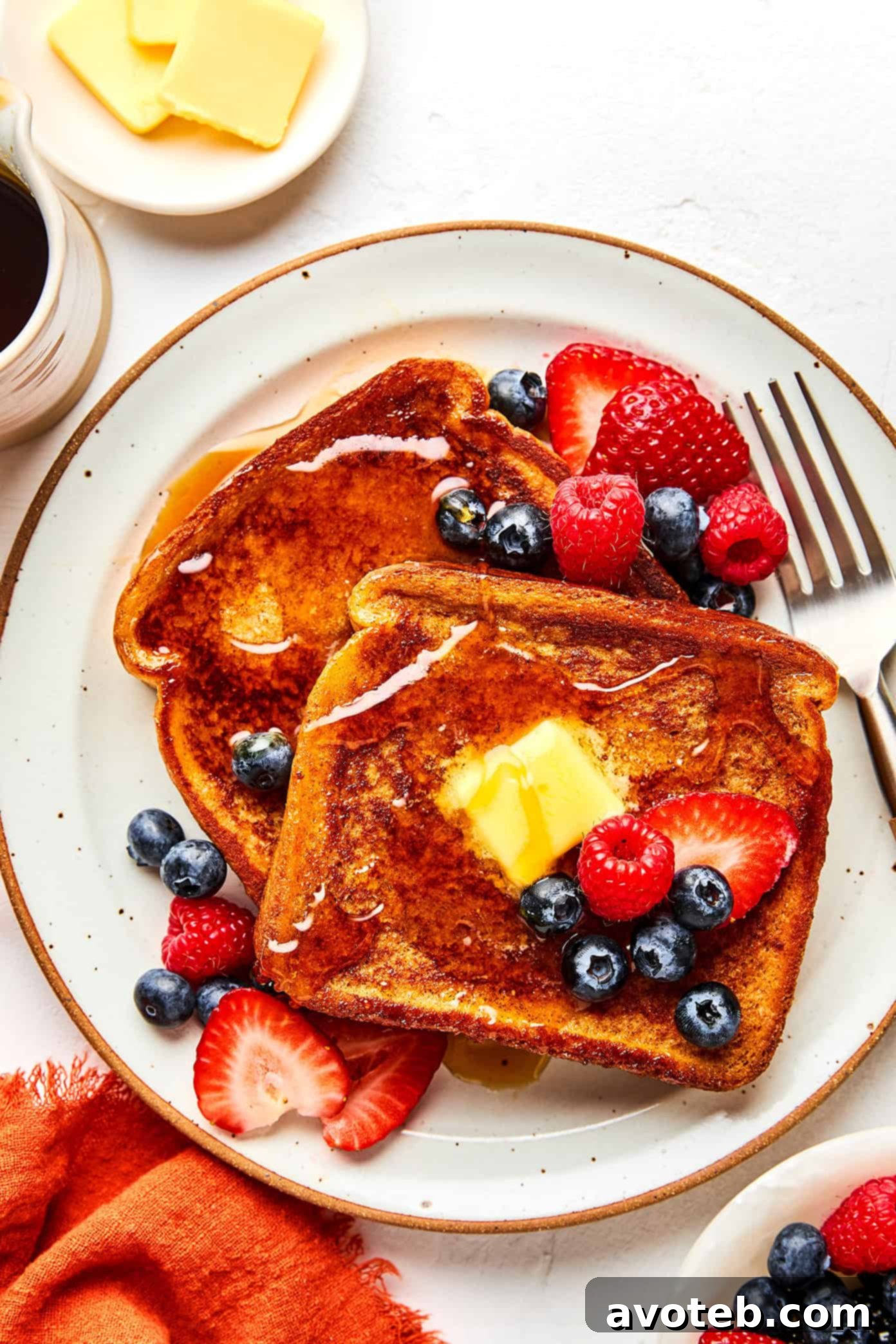
The possibilities are endless! Classic toppings include pure maple syrup, powdered sugar, and fresh berries (strawberries, blueberries, raspberries). Other popular options are sliced bananas, whipped cream, chocolate sauce or sprinkles, fruit compotes (berry, apple, peach), toasted nuts (pecans, walnuts), a dollop of Nutella, or even a savory side like bacon or sausage for a sweet and savory combo.
More Irresistible Breakfast Favorites To Try!
Barclay’s Kefir Pancakes
Healthy Banana Muffins
Sour Cream Coffee Cake
1-Hour Cinnamon Rolls
Print Recipe
Perfect French Toast
- Author: Ali
Prep Time: 5 mins
Cook Time: 10-12 mins
Total Time: 15-17 mins
Yield: 8 slices 1x
Ingredients
Scale
- 4 large eggs
- 3/4 cup whole milk
- 2 tablespoons granulated sugar
- 1 1/2 teaspoons vanilla extract
- 1 teaspoon ground cinnamon
- 1/2 teaspoon fine sea salt
- 8 slices day-old brioche or Texas toast (about ¾–1″ thick)
- Equal parts butter and neutral oil, for cooking
Instructions
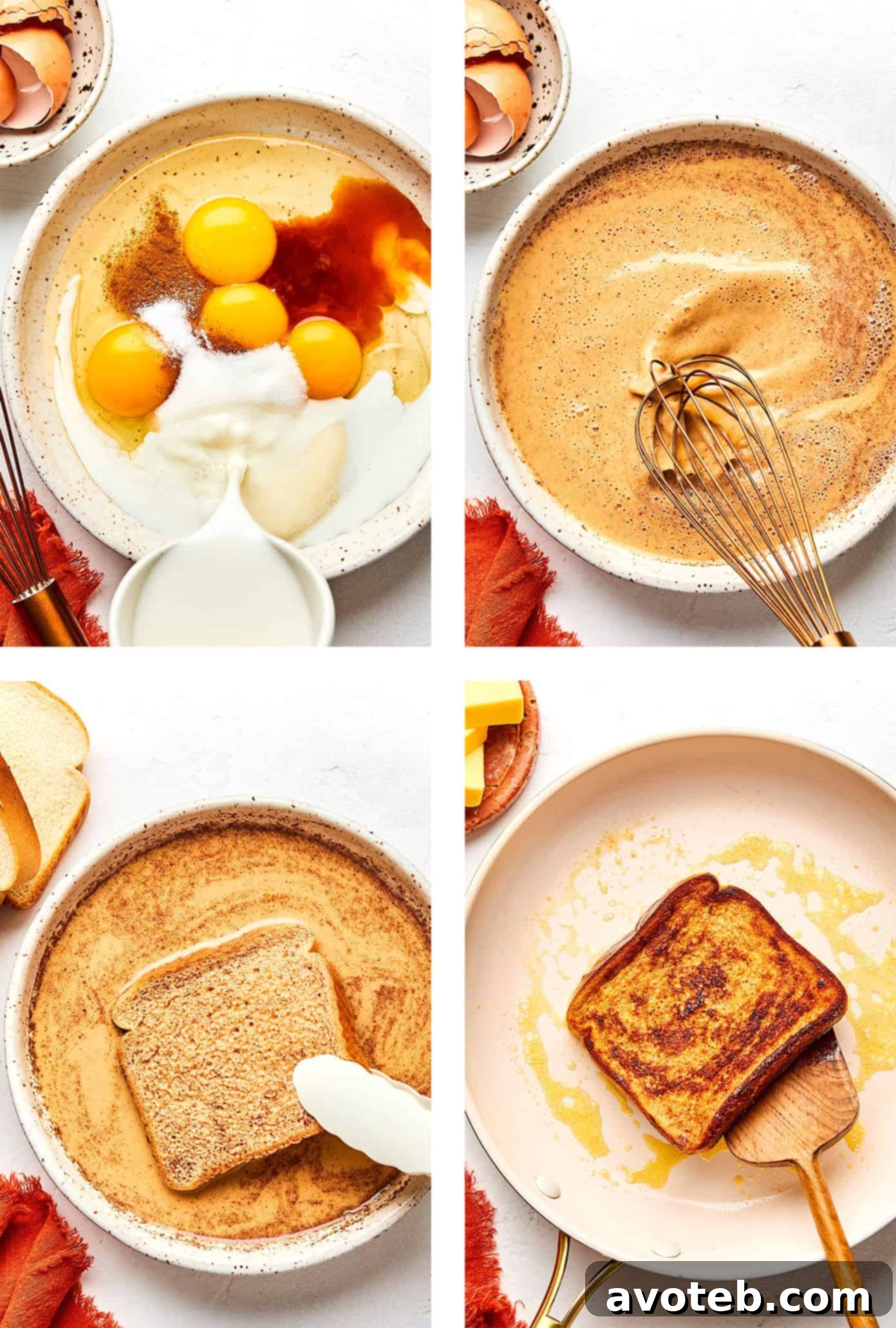
- Prepare the Custard: In a shallow dish wide enough to fit a slice of bread, thoroughly whisk together the large eggs, whole milk, granulated sugar, vanilla extract, ground cinnamon, and fine sea salt until the mixture is completely smooth and uniform. Ensure no streaks of egg yolk or white remain.
- Dip the Bread: Working with one slice at a time, quickly dip each piece of day-old brioche or Texas toast into the prepared custard, ensuring both sides are fully coated. For thinner slices (¾ inch), a quick dip is sufficient. For thicker slices (1 inch), let them soak slightly longer, about 10-15 seconds per side, until they feel moistened through but are not overly saturated or soggy.
- Cook to Golden Perfection: Heat a large skillet or griddle over medium heat. Once hot, add equal parts butter and neutral oil (e.g., 1 tablespoon butter and 1 tablespoon oil) and allow the butter to melt and foam. Place the dipped bread slices in the skillet, ensuring not to overcrowd the pan. Cook for 2-3 minutes per side, or until each side is beautifully golden brown and the center is cooked through and custardy. Adjust the heat to a slightly lower setting if the French toast begins to brown too quickly.
- Keep Warm (Optional): If you are cooking multiple batches, transfer the cooked French toast slices to a baking sheet fitted with a wire rack. Place this in a preheated oven at 200°F (95°C) to keep them warm and prevent sogginess while you finish cooking the remaining slices. This ensures all servings are warm when it’s time to eat.
- Serve and Enjoy: Serve the perfect French toast immediately while warm. Drizzle generously with pure maple syrup, sprinkle with powdered sugar, or adorn with fresh fruit, whipped cream, or any of your favorite toppings. Get ready for a delicious breakfast that’s sure to impress!