
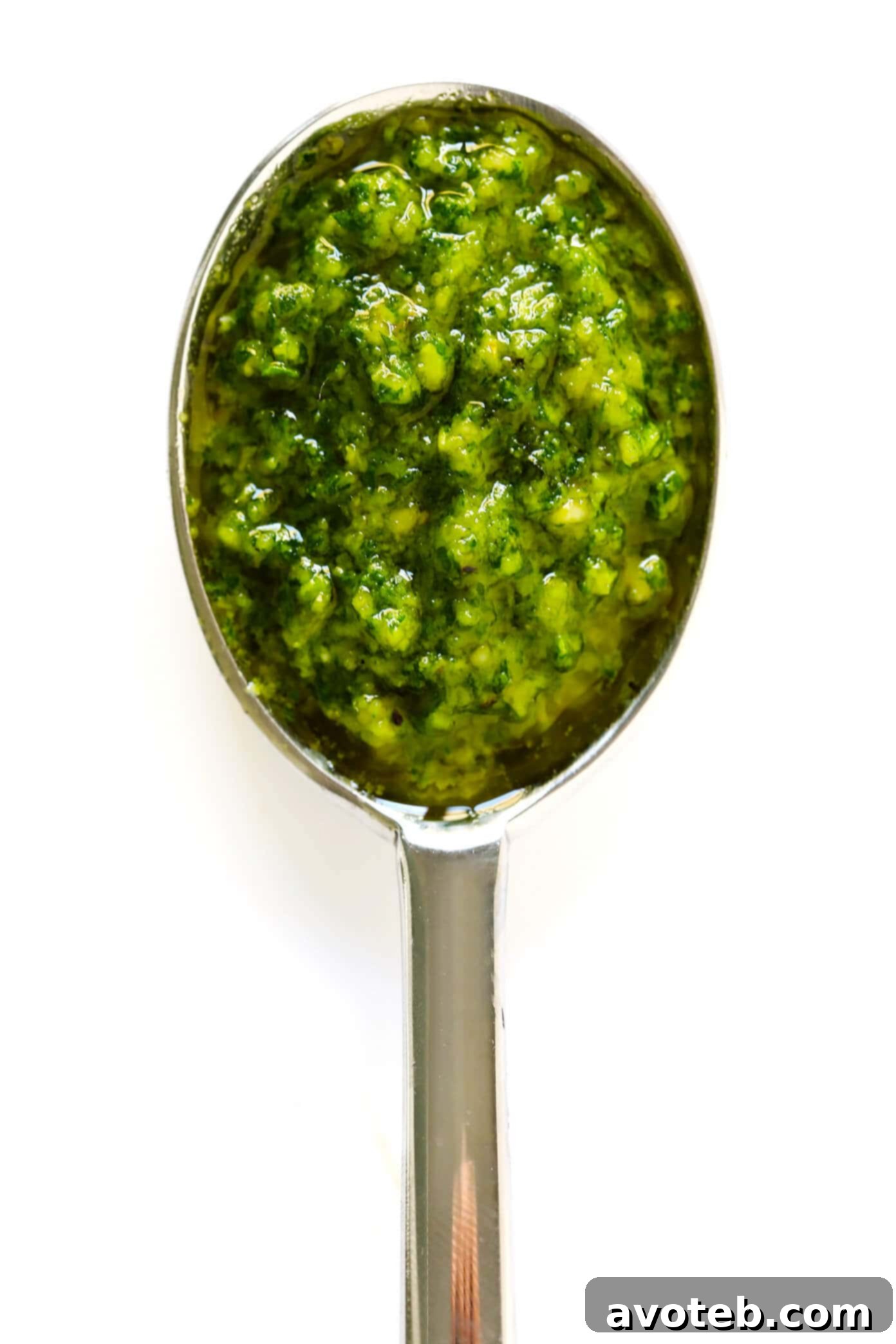
This simple basil pistachio pesto recipe is easy to make in the blender or food processor, and loaded up with the best fresh flavors. Elevate your culinary creations with this vibrant, aromatic sauce!
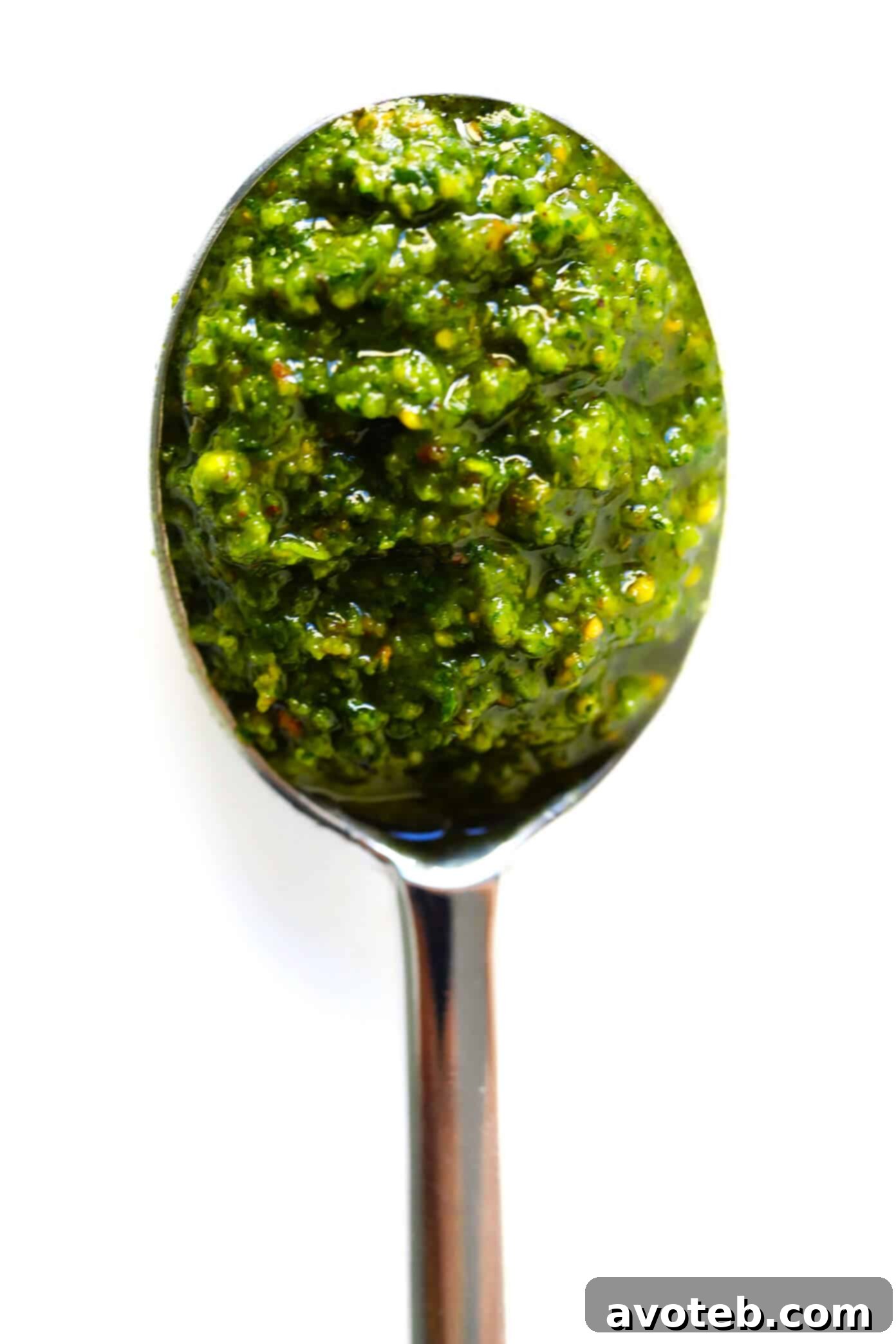
As the vibrant hues of spring and summer arrive, so does the season for bountiful fresh basil! For any home cook, this signals one delightful mission: crafting endless batches of homemade pesto. It’s the perfect time to embrace the verdant goodness and add that burst of fresh flavor to virtually anything. From swirling it into pasta to drizzling it over grilled vegetables, or even simply dipping warm crusty bread, fresh pesto instantly elevates any meal.
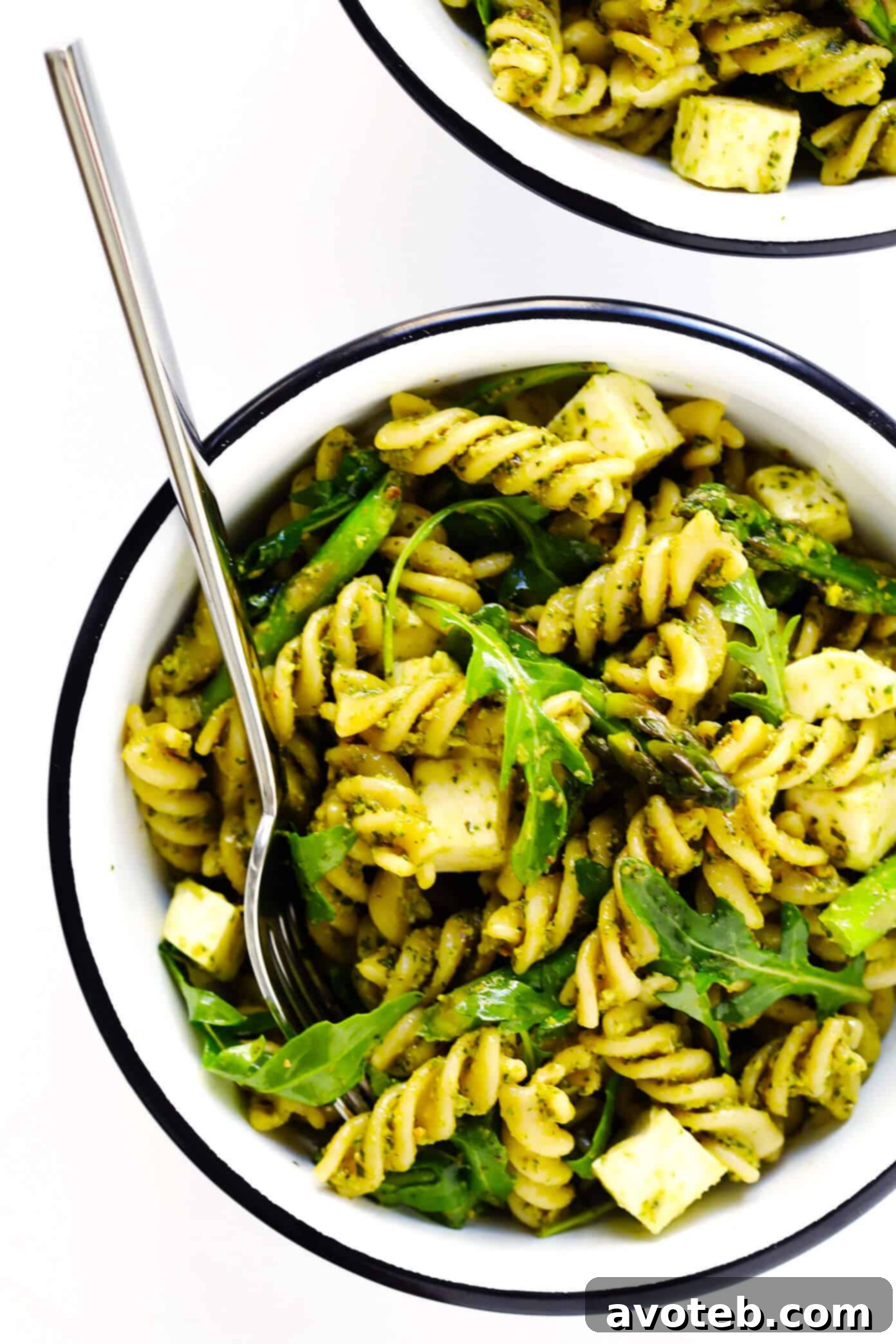
But this season, we invite you to embark on a delightful twist to the classic basil pesto. Instead of the traditional pine nuts, reach for a handful of exquisite pistachios! These small, emerald-green nuts are not just a snack-time favorite; they are a culinary gem that brings a unique dimension to your pesto. Pistachios harmonize impeccably with the fragrant basil, pungent garlic, and savory Parmesan, introducing an unparalleled hint of sweet, earthy richness. This innovative addition is guaranteed to captivate your taste buds and have everyone eager for more. (And for a truly irresistible experience, be sure to check out our new Pistachio Pesto Pasta Salad recipe, also fresh on the blog today!)
Just like any beloved pesto recipe, this pistachio version is remarkably quick and straightforward to prepare. Whether you prefer a food processor or a blender, you’re just minutes away from a vibrant, flavorful sauce. It’s also incredibly versatile, easily customizable to dietary needs (including a delicious vegan option), and adaptable for countless dishes. Its exceptional taste and ease of preparation make it an absolute kitchen staple. So, go ahead, grab some pistachios—indulge in a few as a snack, but save the rest for this incredible journey into flavor!
Unveiling the Magic of Pistachio Pesto: A Culinary Journey
While traditional basil pesto remains a culinary icon, substituting pine nuts with pistachios transforms the classic into a truly extraordinary experience. The distinctive character of pistachios—their slightly sweet, delicate flavor and vibrant green hue—elevates the pesto to new heights. Unlike pine nuts, which can sometimes carry a faint resinous note, pistachios offer a consistently smooth, buttery texture and a subtly sweet undertone that complements the peppery basil beautifully. This makes pistachio pesto not only a delicious alternative but often a preferred choice for those seeking a unique flavor profile or dealing with pine nut allergies or sensitivities. It’s a fresh take on a beloved classic, offering a richer, more complex taste that will surprise and delight.
Essential Ingredients for Your Pistachio Pesto
Crafting this delightful pistachio pesto requires a handful of fresh, high-quality ingredients. Each component plays a crucial role in building the robust and vibrant flavor profile of the final sauce. Here’s what you’ll need to gather:
- Fresh Basil Leaves: The heart and soul of any pesto! For the best flavor, always opt for fresh, vibrant basil. When measuring, gently pack the leaves into your measuring cup to ensure you have the right amount without crushing them. Avoid any wilted or discolored leaves, as they can impart an off-flavor.
- Shelled Pistachios: The star of this innovative pesto. Using shelled pistachios saves you precious time, but if you only have unshelled, don’t worry! It typically takes just about 5 minutes to pop them out. For an even deeper, nuttier flavor, you can lightly toast the pistachios in a dry pan for a few minutes before adding them to the pesto, but this step is optional. Ensure they are unsalted or adjust the added salt accordingly.
- Parmesan Cheese: Freshly and finely grated Parmesan is key here. Its sharp, salty, and umami notes are indispensable. While pre-grated cheese offers convenience, fresh Parmesan is significantly more flavorful and melts into the pesto more seamlessly. If using pre-grated, you might need a slightly larger quantity to achieve the same intensity of flavor. For a vegetarian option, ensure your Parmesan is rennet-free.
- Fresh Garlic: An absolute must for that characteristic pungent kick. Fresh garlic cloves provide the best aroma and flavor. Adjust the amount to your personal preference; some prefer a milder garlic note, while others love a strong, bold presence.
- Extra Virgin Olive Oil: This isn’t just a binding agent; it’s a critical flavor component. A good quality extra virgin olive oil will lend a fruity, slightly peppery note and a luxurious mouthfeel to your pesto. Since it’s used raw, its flavor truly shines, so choose a brand you enjoy.
- Sea Salt and Freshly Ground Black Pepper: These aren’t just for seasoning; they bring all the other flavors into focus. A common mistake with pesto is under-seasoning. Be sure to taste and adjust the salt and pepper as needed. The salt helps to break down the ingredients and enhance their natural flavors, while pepper adds a subtle warmth and depth.
Crafting Your Perfect Pistachio Pesto: A Simple Guide
Making homemade pistachio pesto is a surprisingly quick and satisfying culinary endeavor. With just a few simple steps, you can transform fresh ingredients into a vibrant, flavorful sauce. Here’s how to do it:
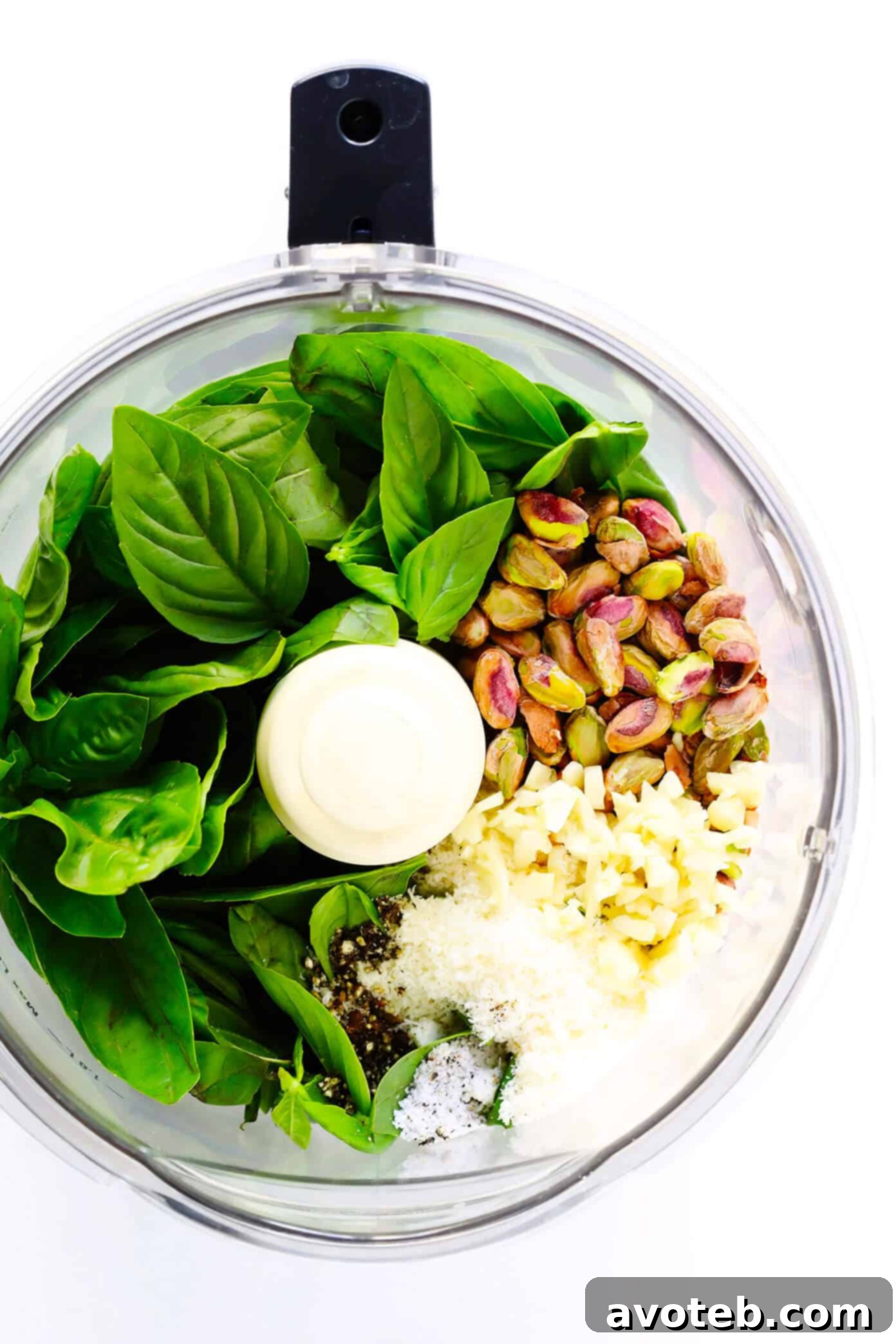
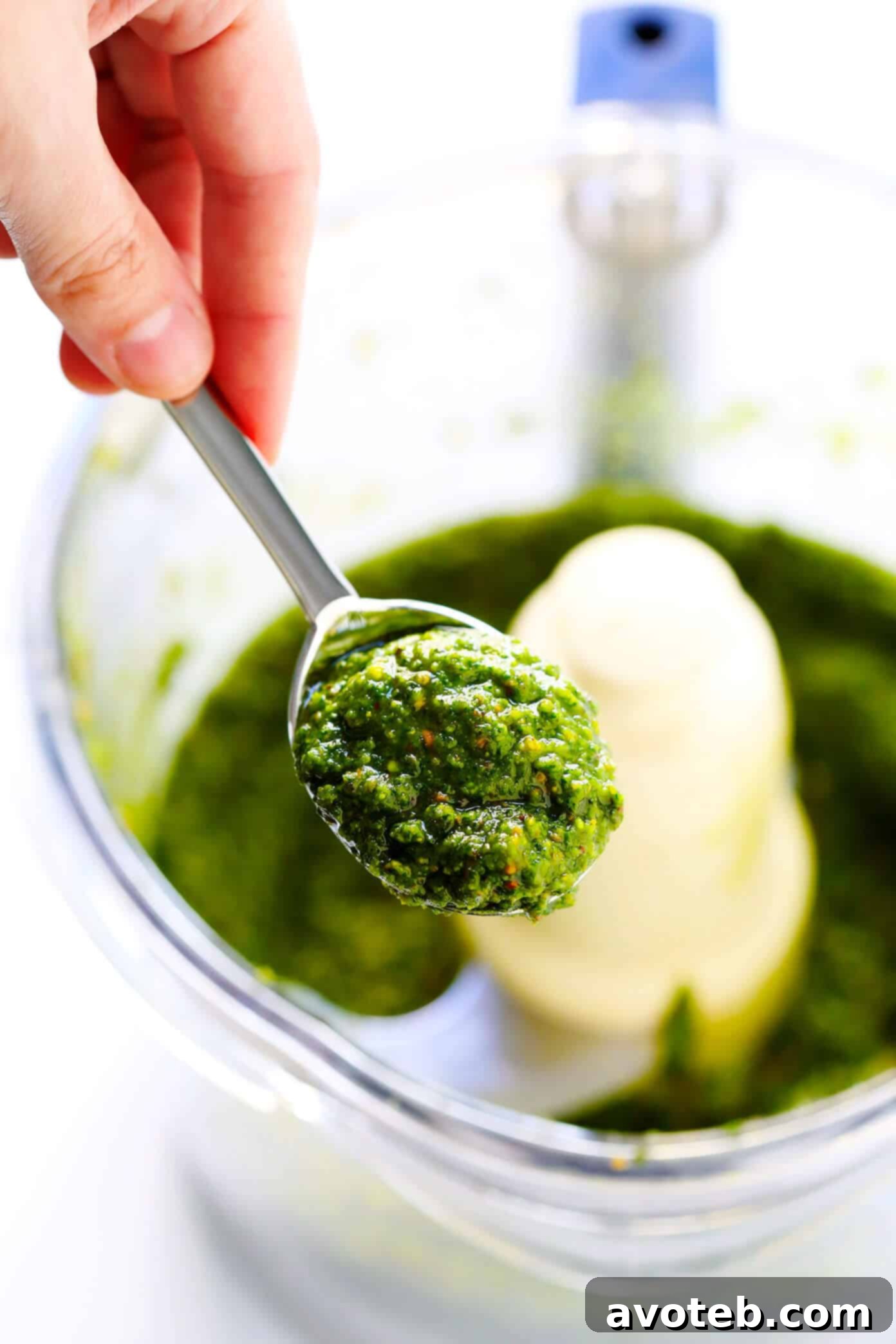
- Combine Dry Ingredients and Pulse Until Finely Chopped: Start by adding your fresh basil leaves, shelled pistachios, grated Parmesan cheese, garlic cloves, sea salt, and black pepper to the bowl of your food processor or blender. Essentially, everything except the olive oil goes in first. Secure the lid and pulse the mixture in short bursts. The goal here is to finely chop all the solid ingredients into a coarse, crumbly mixture. Avoid over-processing at this stage, as you don’t want to turn the nuts and basil into a paste before adding the oil.
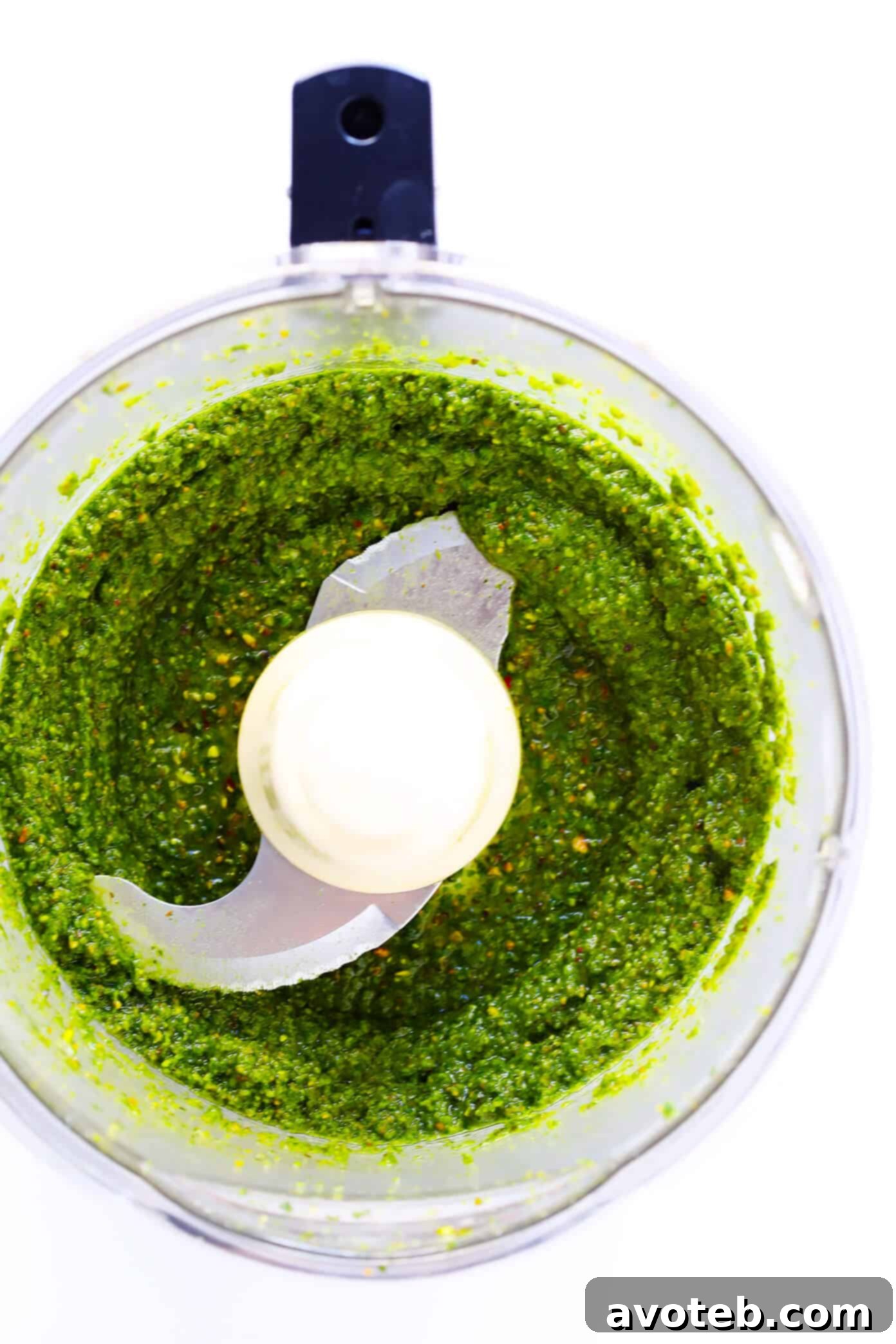
- Slowly Drizzle in Olive Oil Until Smooth: Once your dry ingredients are finely chopped, with the food processor or blender still running on a low setting, begin to slowly and steadily drizzle in the extra virgin olive oil through the feed tube. The continuous stream of oil will gradually emulsify with the pulsed ingredients, transforming them into a smooth, cohesive sauce. Continue to process until the pesto reaches your desired consistency – some prefer a slightly chunkier pesto, while others like it perfectly smooth. Occasionally, you may need to pause the machine and scrape down the sides of the bowl with a spatula to ensure all ingredients are evenly incorporated. If your pesto seems too thick or stiff, feel free to add an extra tablespoon or two of olive oil, or even a splash of water, to thin it out to your preferred consistency.
- Taste, Season, and Personalize: This is a crucial step! Once the pesto is blended, give it a taste test. You can dip a veggie stick, a piece of bread, or a spoon into the sauce to sample its flavor. Pesto often benefits from additional seasoning. Add more salt or black pepper if needed to enhance the overall taste. This is also your opportunity to customize the flavor profile further. Want more herbaceousness? Add a few more basil leaves and pulse again. Craving more cheesy depth? Stir in a little extra Parmesan. If you love a bolder garlic kick, mince another small clove and blend it in. Don’t be afraid to adjust until it perfectly suits your palate.
- Serve Immediately or Store for Later: Your fresh pistachio pesto is now ready to be enjoyed! It’s fantastic immediately after preparation, when the flavors are at their peak. Alternatively, you can store it for future culinary adventures. Please refer to our detailed storage instructions below for tips on how to keep your pesto fresh in the refrigerator or freezer. Enjoy the vibrant flavors and versatility of your homemade creation!
Elevate Your Plate: Endless Pesto Recipe Variations
One of the true joys of pesto is its incredible adaptability. This pistachio pesto recipe is a fantastic base, but don’t hesitate to experiment and make it your own! Here are countless ways you can customize your pesto to suit your taste, dietary needs, or whatever ingredients you have on hand:
- Swap in Different Greens/Herbs: While basil offers a classic, sweet-peppery flavor, many other greens and herbs can create equally delicious pestos. For a more peppery kick, try adding or substituting baby arugula. Spinach will yield a milder, slightly sweeter pesto, while parsley or cilantro can create a more savory or bright, zesty sauce, especially good with Latin-inspired dishes. Even kale, Swiss chard, or carrot tops can be used for a more rustic, earthy pesto.
- Swap in Different Nuts (or Seeds): If pistachios aren’t available, or if you want to explore other flavor profiles, feel free to experiment with different nuts. Walnuts offer a robust, slightly bitter note; pecans provide a buttery sweetness; almonds give a delicate, creamy texture; and cashews yield an incredibly rich, smooth pesto. For nut allergies, pumpkin seeds (pepitas) or sunflower seeds are excellent alternatives, offering a satisfying crunch and unique flavor.
- Nix the Cheese for a Vegan Pesto: Making this pesto vegan is wonderfully simple. Just omit the Parmesan cheese entirely. To replicate the savory, umami depth that Parmesan provides, add 3-5 tablespoons of nutritional yeast (to taste). Nutritional yeast has a distinctly cheesy flavor and a wealth of B vitamins, making it a fantastic plant-based substitute. You can also find high-quality vegan Parmesan alternatives in many specialty stores.
- Add Some Heat: If you appreciate a little warmth and spice in your food, a few pinches of crushed red pepper flakes can do wonders for your pesto. Stir them in at the end, or pulse them with the dry ingredients for an even distribution. The heat adds an exciting contrast to the fresh herbs and rich nuts.
- Brighten with Citrus: A squeeze of fresh lemon juice or a pinch of lemon zest can dramatically brighten the flavor of your pesto. It adds a tangy counterpoint that makes the basil and pistachios sing, and can also help preserve the vibrant green color of the pesto.
- Incorporate Sun-Dried Tomatoes: For a savory, concentrated tomato flavor, add a few oil-packed sun-dried tomatoes (drained) to your food processor with the other ingredients. This creates a beautifully colored and intensely flavorful pesto that’s excellent with pasta or spread on sandwiches.
- Roast Your Garlic: Instead of raw garlic, try roasting a head of garlic until soft and caramelized. The roasted garlic will impart a sweeter, mellower, and more complex flavor to the pesto, reducing its pungent bite.
Creative Ways to Enjoy Your Homemade Pistachio Pesto
Once you’ve whipped up a batch of this incredibly versatile pistachio pesto, the possibilities for incorporating it into your meals are truly limitless. Its fresh, vibrant flavor can enhance almost any dish. Here are some of our favorite ways to use it:
- Pasta or Gnocchi Sauce: This is arguably the most classic application, and for good reason! Toss freshly cooked pasta (like spaghetti, linguine, rotini, or orecchiette) or soft gnocchi with a generous dollop of pesto. A splash of pasta water can help create a silkier sauce that clings perfectly to every strand or dumpling. Add cherry tomatoes or grilled chicken for a complete meal.
- Dipper for Fresh Veggies or Bread: Serve the pesto as a simple, elegant appetizer or snack. It’s perfect with crunchy crudités like carrots, celery, bell peppers, and cucumbers. Alternatively, offer it with slices of warm, crusty baguette, focaccia, or even homemade pita bread for a truly satisfying bite.
- Mixed into Mashed Potatoes (or Other Potato Dishes): For a gourmet twist on comfort food, fold a tablespoon or two of pesto into your mashed potatoes. It adds an unexpected depth of flavor and a beautiful green swirl. You can also drizzle it over roasted potatoes, baked potatoes, or potato salad for an instant flavor boost.
- Salad Dressing: Thin out your pesto with a little extra olive oil, lemon juice, or even a touch of water until it reaches a pourable consistency. This creates a wonderfully fresh and zesty dressing that’s fantastic with green salads, grain bowls, or even a simple tomato and mozzarella salad.
- Pizza or Crostini Sauce: Ditch the traditional tomato sauce and spread a thin layer of pistachio pesto on your pizza dough before adding cheese and toppings. The result is a lighter, fresher pizza experience. For an easy appetizer, spread it on toasted crostini, then top with fresh mozzarella, sun-dried tomatoes, or roasted vegetables.
- Soup Garnish: A swirl of pesto can dramatically elevate a simple bowl of soup. It adds richness, freshness, and a pop of color, especially to creamy vegetable soups, minestrone, or even a classic tomato soup.
- Protein or Veggie Sauce/Marinade: Pesto is an incredibly versatile finishing sauce. Spoon it over grilled chicken, baked fish (salmon or cod are excellent choices), seared steak, or roasted pork tenderloin. It also pairs beautifully with almost every kind of cooked vegetable – try it drizzled over roasted asparagus, grilled zucchini, steamed green beans, or baked sweet potatoes. It can also serve as a quick marinade for proteins before grilling or baking.
- Sandwich or Wrap Spread: Replace mayonnaise or other condiments with pesto in your sandwiches or wraps for a burst of fresh flavor. It’s especially delicious with turkey, chicken, or vegetarian fillings.
- Scrambled Eggs or Omelets: For a quick and flavorful breakfast, stir a teaspoon of pesto into your scrambled eggs or spread it inside an omelet. It adds an instant gourmet touch.
Mastering Pesto Storage: Keeping it Fresh and Flavorful
One of the best things about making homemade pesto is its excellent shelf life, especially when stored properly. Here’s how to ensure your pistachio pesto remains fresh and vibrant for as long as possible, preventing browning and preserving its delicious flavor:
How To Refrigerate Pesto:
To keep your pesto fresh in the refrigerator, transfer it to an airtight container. It will typically stay fresh for up to 3 days. However, pesto is prone to oxidation, which causes it to turn a dull, brownish-green color over time. To prevent this and extend its freshness, follow these tips:
- Create an Olive Oil Seal: After transferring the pesto to your container, gently pour a thin layer of extra virgin olive oil directly on top, just enough to completely cover the surface of the pesto. This creates a barrier that prevents air from reaching the pesto, significantly slowing down the oxidation process.
- Use Plastic Wrap Directly on the Surface: Alternatively, press a piece of plastic wrap directly onto the surface of the pesto, ensuring there are no air bubbles trapped underneath. This method also forms an effective seal against air.
- Choose Small, Airtight Containers: Using smaller containers can help reduce the amount of air exposure each time you open the pesto, further extending its vibrant color and flavor.
How To Freeze Pesto:
Pesto freezes beautifully, making it an ideal sauce to prepare in larger batches when basil is abundant. Freezing allows you to enjoy the taste of fresh basil pesto long after the growing season has ended. My favorite method for freezing pesto ensures you have convenient, single-serving portions:
- Ice Cube Tray Method: Spoon the pesto into standard ice cube trays. The individual compartments are perfect for freezing small, versatile portions. You can even pour a thin layer of olive oil over each cube before freezing to prevent freezer burn and oxidation.
- Freeze Until Solid: Place the filled ice cube trays in the freezer until the pesto cubes are completely solid. This usually takes a few hours.
- Transfer to Freezer Bags: Once frozen, pop the pesto cubes out of the trays and transfer them into a heavy-duty freezer-safe bag or an airtight container. Label the bag with the date.
- Re-freeze and Store: Return the bag of pesto cubes to the freezer. They will keep well for up to 3 months. When you’re ready to use them, simply thaw the desired number of cubes in the refrigerator or add them directly to warm pasta or soup.
We hope this comprehensive guide inspires you to create your own unforgettable batch of pistachio pesto. Whether you’re a seasoned chef or a kitchen novice, this recipe is designed for simplicity and maximum flavor impact. Experiment with the variations, enjoy it in countless ways, and savor the freshness that homemade pesto brings to your table. Happy cooking, everyone!
Pistachio Pesto Recipe
Prep Time: 5 minutes
Total Time: 5 minutes
Yield: 0 About 1.5 cups 1x
Description
This simple basil pistachio pesto recipe is incredibly easy to make in a blender or food processor, bursting with the freshest flavors of basil and the rich, buttery sweetness of pistachios. A delightful twist on the classic, perfect for enhancing a variety of dishes. See notes above for possible ingredient substitutions and customization ideas.
Ingredients
Scale
- 3 cups lightly-packed fresh basil leaves
- 1/2 cup freshly grated Parmesan cheese (or nutritional yeast for vegan)
- 1/3 cup shelled pistachios (lightly toasted for deeper flavor, optional)
- 3 cloves fresh garlic, peeled
- 1 teaspoon sea salt (or to taste)
- 1/2 teaspoon freshly-cracked black pepper (or to taste)
- 1/2 cup extra-virgin olive oil (plus more for thinning or sealing)
Instructions
- In a food processor or blender, combine the basil leaves, Parmesan cheese (or nutritional yeast), shelled pistachios, garlic cloves, sea salt, and black pepper. Pulse the mixture several times until all ingredients are finely chopped and form a coarse paste. Make sure not to over-process at this stage before adding the oil.
- With the food processor or blender still running on a low setting, slowly drizzle in the extra virgin olive oil through the feed tube. Continue to process until the mixture is well combined and reaches your desired smooth or slightly chunky consistency. Pause the machine as needed to scrape down the sides of the bowl with a spatula, ensuring all ingredients are evenly incorporated. If the pesto appears too thick, add an additional tablespoon or two of olive oil or a splash of water to thin it out.
- Taste the pesto and adjust the seasoning as necessary. You may wish to add more salt, pepper, a squeeze of lemon juice for brightness, or even a bit more Parmesan or garlic to suit your preference. Serve your freshly made pistachio pesto immediately for the best flavor, or prepare it for storage.
- To store, transfer the pesto to an airtight container. For refrigeration, store for up to 3 days. To prevent browning and extend freshness, pour a thin layer of olive oil over the surface of the pesto, or press plastic wrap directly onto its surface before sealing the container. For longer storage, pesto freezes beautifully for up to 3 months. Freeze in ice cube trays for convenient, single-serving portions, then transfer the frozen cubes to a freezer-safe bag.