
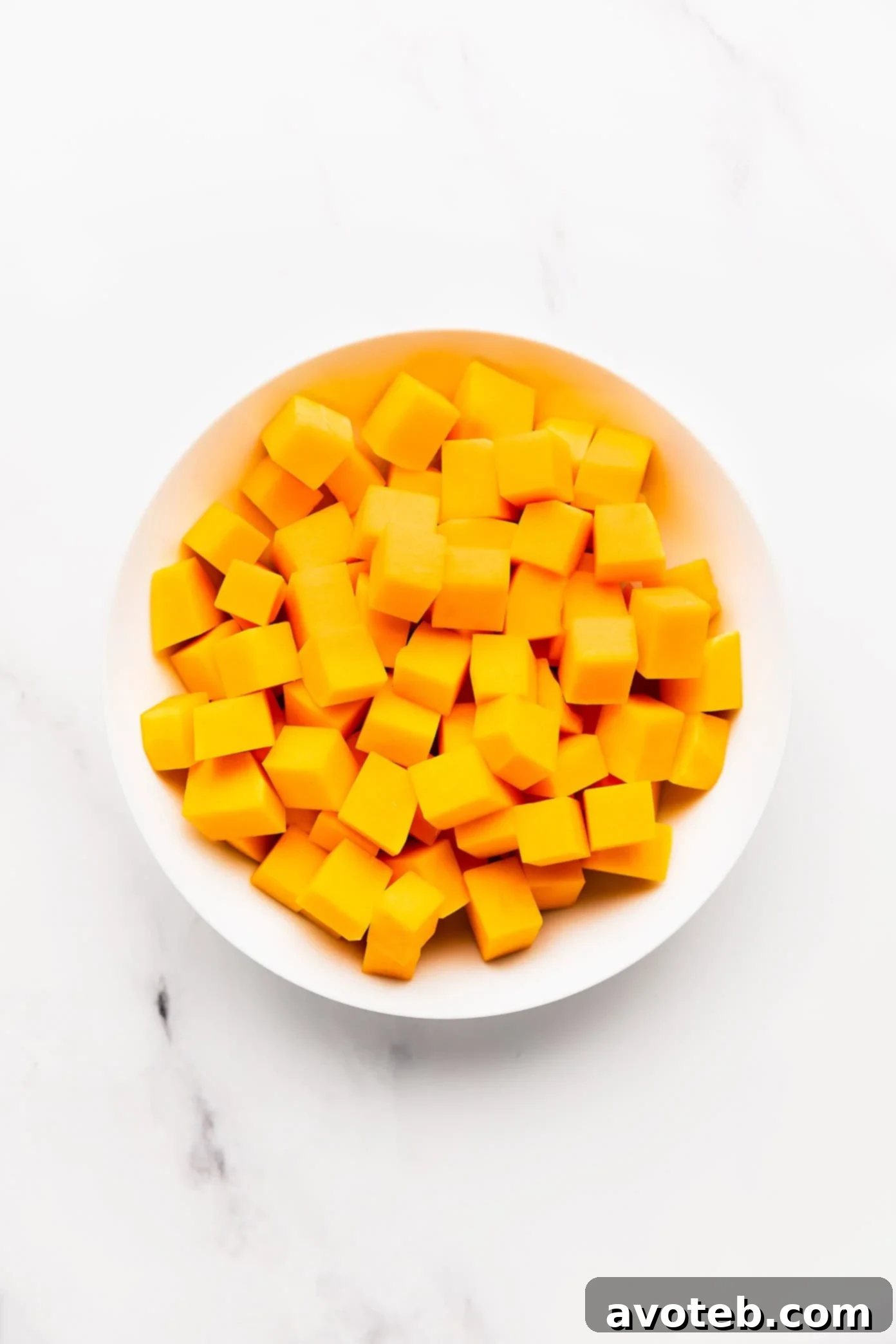
Mastering Butternut Squash: Your Simple Guide to Effortless Preparation

For many home cooks, the thought of preparing a butternut squash can be daunting. Its notoriously tough skin, challenging curves, and firm flesh often lead to frustration in the kitchen. But don’t let that deter you from enjoying this seasonal favorite! We’re here to reveal a simple, safe, and efficient technique that will empower you to peel, seed, and dice a butternut squash with confidence and ease. This isn’t just a small kitchen trick; it’s a skill that saves time, prevents food waste, and profoundly enhances the joy of cozy fall and winter cooking.
Butternut squash truly is a culinary gem. Its naturally sweet, nutty flavor and incredibly creamy texture when cooked make it a versatile ingredient, perfect for everything from roasting to puréeing into luxurious soups and hearty stews. Beyond its comforting taste, butternut squash is a nutritional powerhouse. It’s brimming with essential nutrients such as beta-carotene, which your body converts into vital vitamin A for healthy vision and immune function. It also provides a generous dose of vitamin C, potassium, and dietary fiber, making it as nourishing as it is delicious.
This comprehensive guide will walk you through every step of the butternut squash journey. You’ll learn how to pick the best squash at the store, discover optimal methods for storing it once cut, explore a variety of mouth-watering ways to cook with it, and master the art of preparation with our detailed step-by-step instructions. For an even clearer understanding, be sure to scroll down to the recipe box where you’ll find an accompanying video tutorial to guide you visually through the process!
How to Select the Perfect Butternut Squash
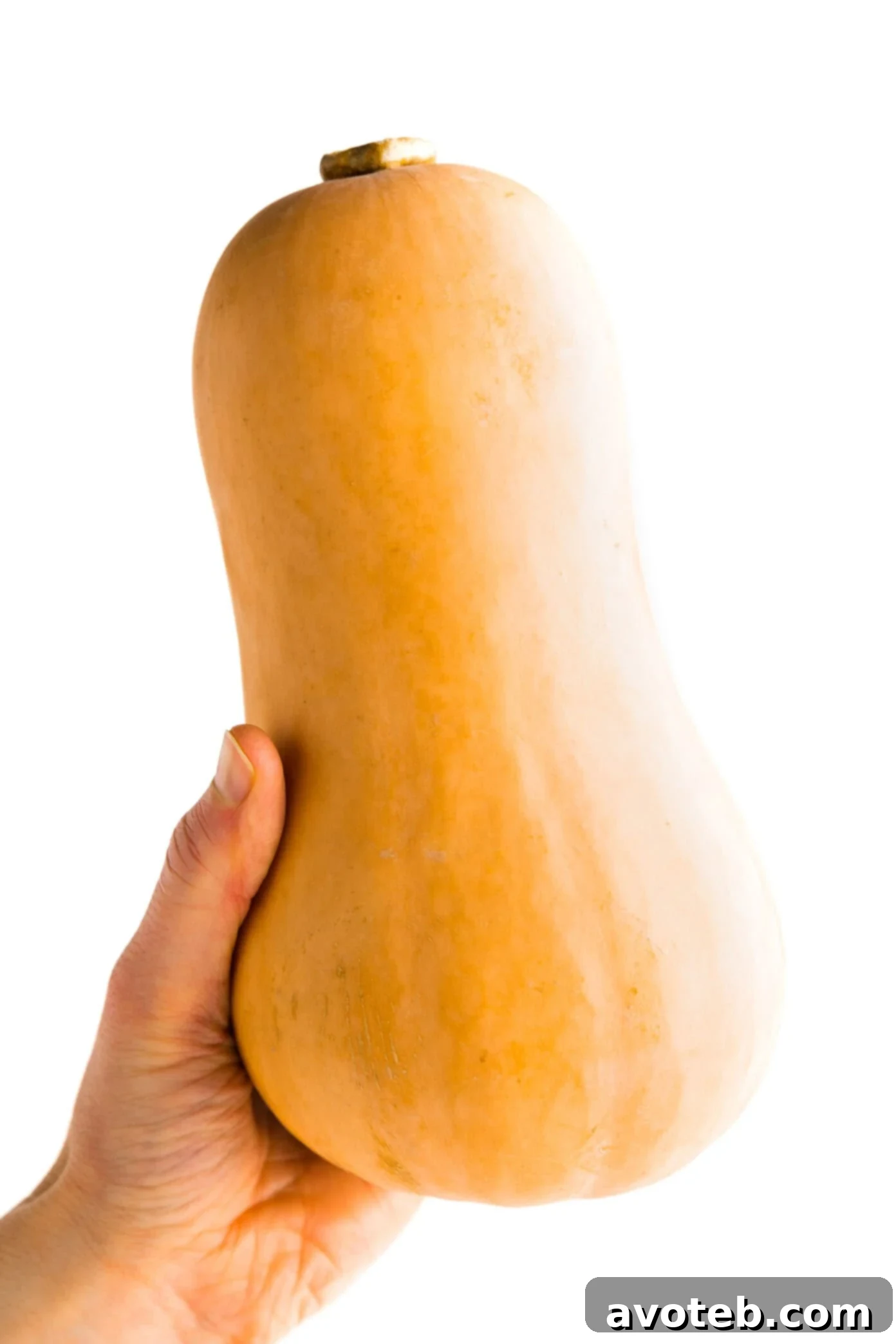
Choosing the right butternut squash is the crucial first step to ensuring a delicious culinary outcome. When you’re browsing the produce aisle, keep these key indicators in mind:
- Feel its Weight: Always pick up the squash and assess its heft. A high-quality butternut squash should feel surprisingly heavy for its size. This weight signifies dense flesh and a lower water content, promising more flavor and a better yield of usable squash.
- Examine the Skin: Look for skin that is smooth and matte, not shiny or waxy. The color should be an even, pale beige or tan throughout, without any green streaks or patchy discoloration. Green spots suggest the squash was harvested too early and may not be fully ripe or as sweet.
- Check for Imperfections: Avoid any squash with soft spots, bruises, cuts, or mold. These are signs of damage or spoilage, which can compromise the quality and shelf life of the squash. A firm, unblemished surface is what you’re aiming for.
- Inspect the Stem: The stem should be firm, dry, and intact. A healthy stem indicates the squash was properly cured and will store well. Avoid squash with a missing, soft, or shriveled stem.
Butternut squash is a quintessential fall and winter vegetable, typically in season from early fall through winter (roughly September to February). This is when it reaches its peak sweetness and most robust flavor. If you find yourself buying butternut squash during the off-season, prioritize ones with a thicker, longer neck and a relatively smaller bulb. This often means a higher flesh-to-seed ratio, giving you more edible squash for your money. While convenience sometimes dictates buying pre-cut squash, choosing a whole one allows you to ensure freshness and maximize its potential in your dishes.
Fun Fact: Unpacking the “Butternut” Name 🎃
The delightful name “butternut” is more than just a reference to its appealing color. It truly captures the essence of this squash: its incredibly creamy, buttery texture and its wonderfully nutty, earthy flavor that intensifies upon cooking!
Optimal Storage Instructions for Butternut Squash
Knowing how to properly store butternut squash ensures you can enjoy its fresh taste and nutritional benefits for longer, whether it’s whole or already prepared:
- Whole, Uncut Butternut Squash: Whole squash boasts an impressive shelf life. It can be stored in a cool, dark, and dry pantry or cellar for up to 1 to 2 months. Avoid storing it in the refrigerator, as the cold can actually degrade its quality over time. Ensure it’s not exposed to direct sunlight or extreme temperature fluctuations.
- Peeled and Diced Butternut Squash (Refrigerated): Once you’ve gone through the effort of peeling and dicing your squash, store the pieces in an airtight container in the fridge. They will remain fresh and ready to use for 3 to 5 days. This makes it an ideal ingredient for weekly meal prep, allowing you to quickly add it to various dishes.
- Peeled and Diced Butternut Squash (Frozen): For long-term storage, freezing is an excellent option. To prevent the diced squash from clumping together, spread the cubes in a single layer on a parchment-lined baking sheet and freeze them until they are solid (this usually takes a few hours). Once individually frozen, transfer the cubes to a freezer-safe bag or container. Squeeze out as much air as possible before sealing to prevent freezer burn. Frozen butternut squash can be stored for up to 3 months. While its texture may soften slightly after thawing, making it less ideal for salads, it remains perfect for roasting, soups, purées, and stews where a tender consistency is desired. You can often cook frozen butternut squash directly from the freezer in many recipes.
Preparation Essentials: The Right Tools and Safety Measures
Successfully and safely preparing a butternut squash begins with having the correct tools and adhering to fundamental kitchen safety practices. Dealing with tough, round vegetables requires precision and a steady hand.
Essential Tools for Butternut Squash Preparation:
- Sharp Chef’s Knife (8-inch recommended): A high-quality, sharp knife is paramount. It requires less force than a dull knife, significantly reducing the chance of slips and accidents.
- Sturdy Cutting Board: Use a large, stable cutting board that won’t slide on your counter. Placing a damp paper towel or a non-slip silicone mat underneath can provide extra stability.
- Vegetable Peeler: A sharp Y-peeler is often preferred by many cooks for its ergonomic grip and efficiency in removing tough skin. A standard swivel peeler also works well.
- Large Spoon or Ice Cream Scoop: This will be your best friend for quickly and cleanly removing the seeds and fibrous strands from the squash cavity.
Key Safety Tips:
Always prioritize safety when handling knives and firm produce. Ensure your cutting board is stable. When cutting, always direct the knife blade away from your body and fingers. Keep your fingers curled back to protect them, using your knuckles as a guide. If your butternut squash feels exceptionally hard and difficult to cut, try a clever trick: pierce the squash several times with a fork, then microwave it for 30 to 60 seconds (or slightly longer for very large squash). This brief microwave exposure will soften the skin just enough to make peeling and initial cuts much easier and safer, without cooking the flesh.
Frequently Asked Questions About Butternut Squash
The easiest method involves using a sharp vegetable peeler, such as a Y-peeler, after trimming the ends for stability. If the skin is particularly resistant, microwaving the whole squash for 30-60 seconds can help soften the tough outer layer, making it much simpler and safer to peel.
Yes, you absolutely can! The skin of butternut squash becomes wonderfully tender and fully edible when roasted, especially when cut into smaller pieces. This method saves prep time and adds a pleasant, slightly rustic texture. However, if you are aiming for a silky-smooth texture for dishes like purées, soups, or mashes, it’s best to peel the squash first.
Yes, butternut squash seeds are completely edible and incredibly nutritious, much like pumpkin seeds! Don’t throw them away. To prepare them, simply rinse the seeds thoroughly to remove any clinging squash flesh, then pat them dry. Toss them with a drizzle of olive oil, salt, and your preferred seasonings (e.g., smoked paprika, garlic powder, or a pinch of cayenne). Spread them in a single layer on a baking sheet and roast in a preheated oven at 300°F (150°C) for 15-25 minutes, or until they are golden brown and deliciously crispy. They make a fantastic crunchy snack or a savory topping for soups and salads.
An extremely hard squash can be challenging and potentially dangerous to cut. The best approach is to use the microwave trick: pierce the squash several times with a fork, then microwave it for 1-2 minutes. This will gently soften the exterior, making it significantly easier and safer to slice into. Always use a very sharp knife and ensure your cutting surface is stable.
Diced butternut squash is wonderfully versatile. Roasting is a top choice, as it caramelizes the squash and brings out its natural sweetness. You can also steam it for a tender side, sauté it in a pan, or incorporate it into hearty stews, warming curries, or savory chili. For a creamy consistency, boiling and then mashing or puréeing it into soups and sauces yields excellent results.
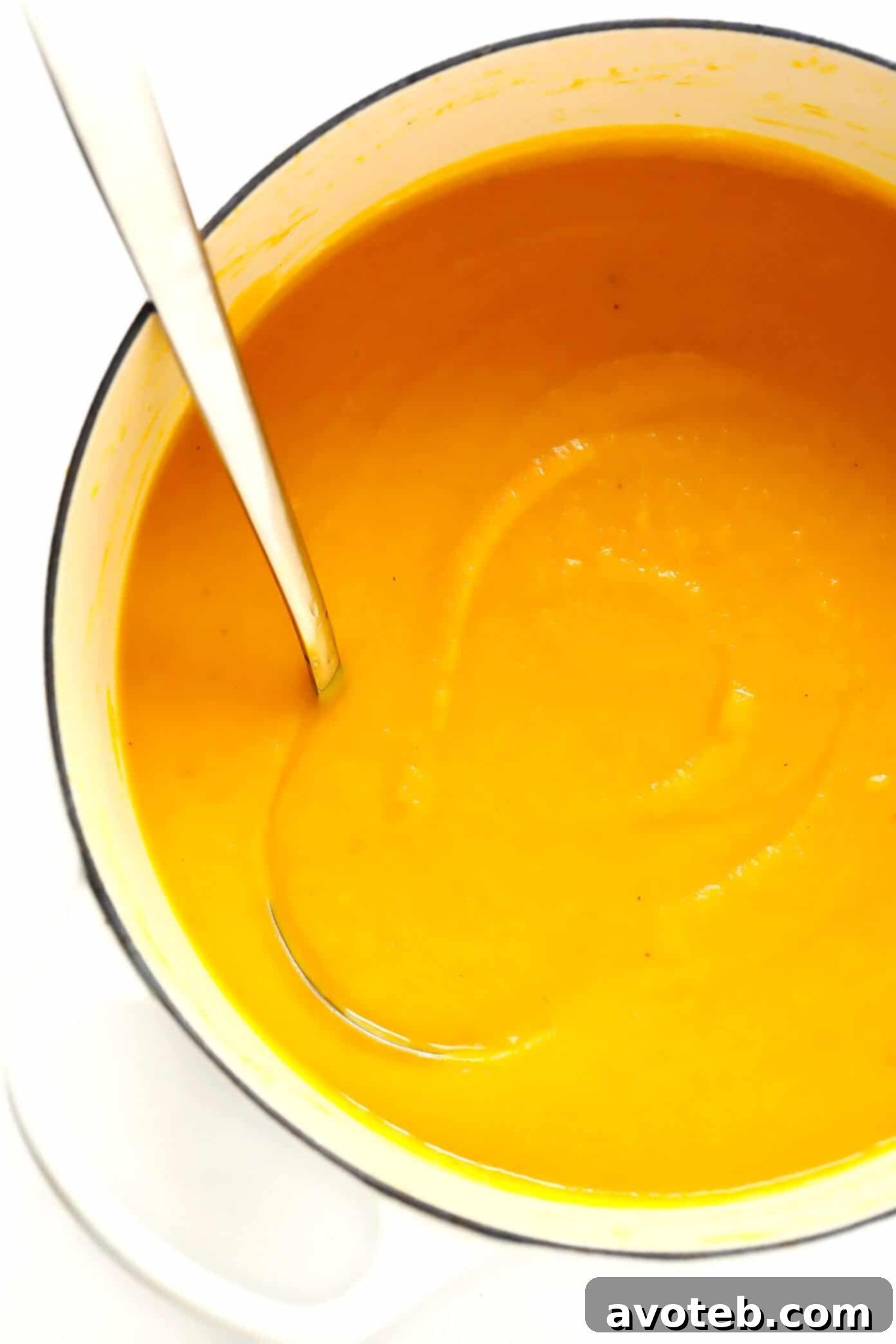
Favorite Recipes and Culinary Inspirations with Butternut Squash
Once you’ve confidently prepared your butternut squash, a world of delicious culinary possibilities awaits. Its sweet, nutty profile and creamy texture make it a beloved ingredient across many cuisines. Here are some highly favored recipes that brilliantly showcase the versatility of butternut squash, along with ideas for how its unique flavor shines:
- Butternut Squash Soup: A quintessential comforting dish, often featuring warming spices like ginger, nutmeg, and cinnamon, blended into a silky-smooth, deeply flavorful purée. Perfect for a chilly evening.
- Butternut Squash Mac and Cheese: Elevate this classic comfort food by incorporating puréed butternut squash into the cheese sauce. It adds a beautiful color, a touch of sweetness, and a healthy boost while maintaining ultimate creaminess.
- Butternut Squash Muffins: A delightful way to enjoy butternut squash in baked goods. These muffins are moist, subtly sweet, and wonderfully spiced, making them ideal for breakfast, a snack, or even a light dessert.
- Gnocchi with Butternut Squash and Sage Brown Butter Sauce: This sophisticated yet approachable dish combines tender potato gnocchi with perfectly roasted butternut squash, bathed in a fragrant sage-infused brown butter sauce. A true celebration of fall flavors.
Beyond these specific recipes, diced butternut squash is incredibly adaptable. Try roasting it alongside other root vegetables, adding it to a vibrant grain bowl, tossing it into stir-fries for added sweetness and texture, or simmering it in your favorite curries and chili for a wholesome, flavorful addition. Its natural sweetness also pairs surprisingly well with savory ingredients in tarts or flatbreads.
Print Recipe

How To Cut Butternut Squash
- Author: Ali
- Prep Time: 10 minutes
- Cook Time: 0 mins
- Total Time: 10 minutes
- Yield: 1 butternut squash (approx. 2-3 lbs)
Description
Unlock the secrets to safely and efficiently peeling, seeding, and dicing a butternut squash with this comprehensive, easy-to-follow, step-by-step guide. For a quick visual demonstration, be sure to watch the recipe video tutorial included below!
Ingredients
Scale: 1x
- 1 large butternut squash (approx. 2-3 lbs)
Instructions for Cutting Butternut Squash
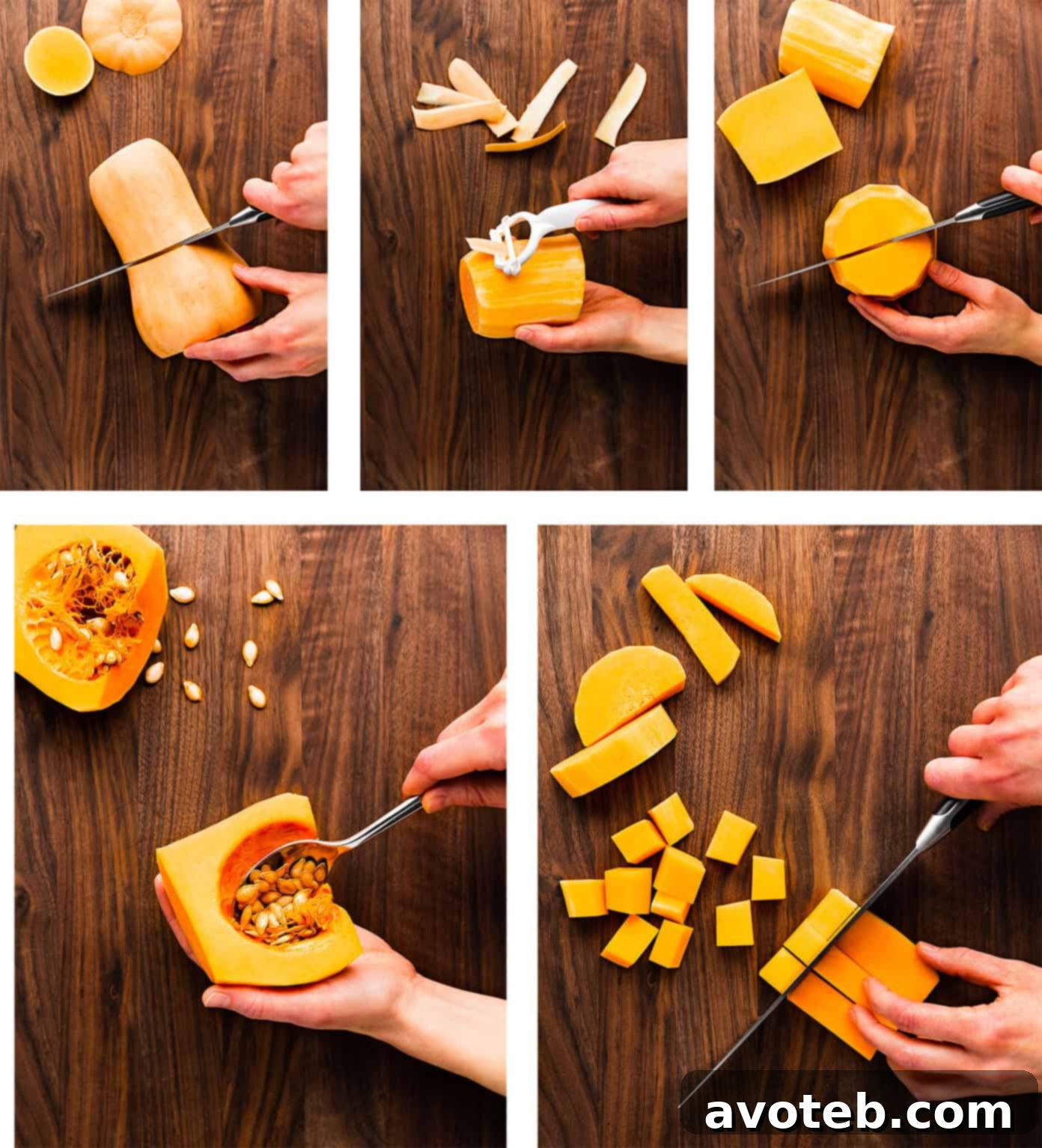
- Prepare a Stable Surface & Trim the Ends: Lay your butternut squash horizontally on a sturdy, non-slip cutting board. Using a sharp chef’s knife, carefully slice off about a half-inch from both the top and bottom ends of the squash. This creates two flat, stable surfaces, significantly reducing the risk of the squash rolling or shifting during the following steps.
- Peel the Squash Safely: Stand the squash upright on one of its freshly trimmed flat ends. Using a sharp vegetable peeler (a Y-peeler is often easier to grip and more efficient), systematically peel away the tough outer skin. Work from top to bottom, rotating the squash as you go, until all the pale beige skin is completely removed, revealing the vibrant orange flesh beneath. Remember the microwave trick if the skin is too hard.
- Separate the Neck and Bulb Sections: Lay the peeled squash on its side on the cutting board. Identify the natural division point where the long, slender neck meets the wider, rounder bulbous bottom section. Carefully cut the squash crosswise at this point. You will now have two distinct pieces to work with, each requiring slightly different handling.
- Halve and Seed the Bulb: Take the bulbous bottom section and stand it upright on one of its flat ends. Carefully cut it down the middle lengthwise, creating two halves. This will expose the central cavity filled with seeds and stringy fibrous strands. Use a sturdy spoon (an ice cream scoop works exceptionally well) to thoroughly scoop out all the seeds and stringy bits. You can discard these, or set them aside if you plan to roast them for a delicious, nutritious snack.
- Prepare the Neck and Bulb for Slicing: Lay each half of the bulb section, cut-side down, on your cutting board. This flat surface ensures maximum stability for the next slicing steps. Do the same with the solid neck section.
- Slice into Planks: From each of the stabilized squash pieces, carefully slice uniform planks. Aim for a thickness of about ½ to ¾ inch, depending on your desired final cube size. Consistency here is crucial for ensuring that all pieces cook evenly at the same rate.
- Cut into Strips: Carefully stack a few of the squash planks together on your cutting board, ensuring they are stable and don’t wobble. Now, slice them lengthwise into uniform strips. Again, aim for a consistent width, matching your desired cube size (e.g., ½ to ¾ inch wide strips).
- Dice into Cubes: Finally, turn the stacked strips crosswise and cut them into even, bite-sized cubes. A typical size is ½ to ¾ inch, which is versatile for most recipes. You can go smaller if you’re making a quick-cooking dish or larger for heartier stews where you want the squash to maintain more structure. Voila! Your butternut squash is now perfectly prepped and ready for any recipe you have in mind.
Essential Kitchen Equipment
8-Inch Chef’s Knife
View on Amazon →
Y Peeler
View on Amazon →
Non-Toxic Cutting Board (Dishwasher Safe!)
View on Amazon →
Conclusion: Embrace the Versatility of Butternut Squash
Transforming a whole butternut squash from an intimidating, firm vegetable into perfectly prepped, ready-to-cook pieces no longer has to be a daunting kitchen task. By integrating these simple, safe, and highly effective techniques into your cooking routine, you’ll not only gain the confidence to effortlessly peel, seed, and dice butternut squash for any recipe, but you’ll also open up a world of culinary possibilities. This essential kitchen skill empowers you to fully embrace the rich, sweet flavors and abundant nutrients that this wonderful winter squash offers. So go ahead, pick up a beautiful butternut squash from your market, and embark on a rewarding journey of delicious, healthy, and satisfying home cooking!