
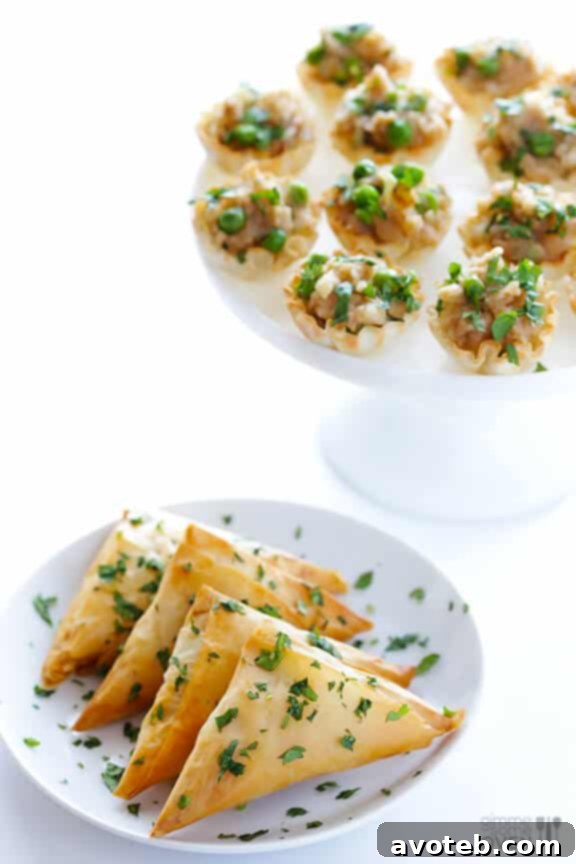
Mastering Baked Samosas: Traditional & Easy Vegan Recipes
Prepare to delight your taste buds! I’m thrilled to share my journey into the art of making samosas, a beloved savory pastry enjoyed worldwide. Today, we’re not just making one kind of samosa, but two distinct versions – a true-to-tradition baked phyllo triangle and a wonderfully simple, quick-and-easy option using mini phyllo cups. Both recipes feature a naturally vegan, incredibly flavorful potato and pea filling that promises a culinary adventure. Whether you’re a seasoned chef or a kitchen novice, these recipes will bring the irresistible taste of homemade samosas to your table.
But before we dive into the delicious details, I want to share a story. A story that embodies courage, strength, justice, and the transformative power of women. It’s a narrative that inspired the very meal we’re celebrating today.
The Inspiring Purpose Behind the Plate: Sseko Designs
This is the remarkable story of Sseko Designs. Many of you might already recognize Sseko for their iconic lace-up sandals, which have captured attention in the fashion world for years. However, the true beauty of Sseko lies far beyond their stylish products. It’s in the inspiring mission that drives them: empowering women in Uganda to pursue their dreams and break the cycle of poverty through education and ethical employment.
Sseko is more than just a fashion brand; it’s a movement changing lives and communities for the better, right now, as you read this. Their bravery and commitment to social impact resonate globally, reaching even into my Kansas City kitchen. Recently, my dear friend Maux and I hosted a dinner party as part of the #SsekoBrave movement. We believe that powerful stories like Sseko’s deserve to be celebrated, discussed, and learned from. And what better way to do that than over a table laden with delicious food, like these very samosas?
It’s important to note that this isn’t a sponsored post. My admiration for Sseko began years ago when I purchased my first pair of Sseko sandals. Since then, I’ve eagerly followed their journey and continued to support their mission by purchasing additional straps and other products. While Sseko often comes up in conversations with my friends, I realized I hadn’t yet shared their incredible story here, so today felt like the perfect day to do so. If you have a moment, I highly recommend watching the video above to gain a deeper understanding of the Sseko story.
Sseko, like many forward-thinking companies today, champions fashion with a profound purpose. Their journey began in 2008 when founder Liz Forkin Bohannon, while living in Uganda, discovered a significant challenge faced by young women in the community: the struggle to secure employment to fund their college education. In a country where:
- 70% of 15 million women live below the poverty line.
- Only 17% complete high school.
- And less than 2% proceed to college.
Students face a critical 9-month gap after high school, during which they must earn enough money for university tuition. In a predominantly male-dominated and impoverished society, finding these jobs proves incredibly difficult for women. These are motivated, intelligent, and passionate young women who deeply value education, yet often lack the financial means to pursue it.
This is precisely where Sseko intervenes. Women employed by Sseko craft the beautiful sandals and other products we love during this crucial 9-month period. Half of their earnings are meticulously saved for university tuition, and Sseko generously matches 100% of their savings. This comprehensive support allows them to attend university, graduate, secure formal sector jobs, and ultimately realize their dreams, becoming catalysts for positive change within their communities. Beyond the college-bound students, Sseko also provides safe, encouraging employment and fair wages to other women from diverse backgrounds, all operating within a financially self-sustaining business model. Truly amazing, isn’t it?
(Statistics are from Sseko’s site and this video.)
You can delve into the personal journeys of the incredible Sseko women on their website, from the full-time veterans and Sseko graduates to those destined for university, and of course, learn more about founder Liz. Their radiant smiles truly reflect the beautiful and brave lives they are building.
Recently, Sseko launched The Sseko Brave Collective, inviting individuals worldwide to join this powerful movement of bravery and witness its ripple effects. While I’m not always drawn to such programs, #SsekoBrave is genuinely refreshing and impactful. It’s a community dedicated to exploring how to positively influence women globally, encouraging participants to undertake one “brave” challenge each month, known as “Sseko Steps.” These challenges can be as simple yet meaningful as:

…or whatever the specific monthly theme may entail. While I occasionally struggle to keep up with these commitments, I find immense joy in challenges like sending an encouraging note to a woman in Uganda, sharing their latest products on social media, or simply offering a genuine compliment to a stranger. The associated Facebook group provides a vibrant, encouraging space where members share stories and uplift one another – a truly welcome reprieve from the usual online noise.
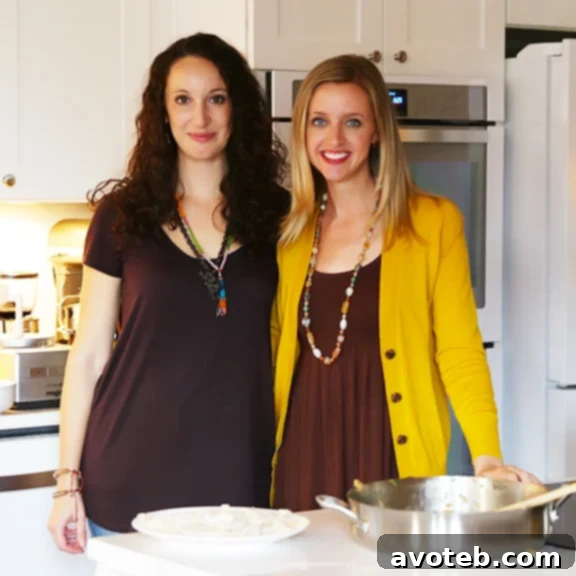
Our Ugandan Feast: Cooking, Connecting, and Celebrating Bravery
My friend Maux, who recently shared her insights in our “10 Things I’ve Learned” series, and I decided to collaborate on a recent “epicurean” Sseko Step: hosting an authentic Ugandan meal for our friends. While I’ve had the pleasure of cooking in Zambia, preparing specifically Ugandan cuisine was a new and exciting challenge. We turned to The Ugandan Cookbook on Sseko’s website for inspiration, and my loft soon filled with the intoxicating aromas of exotic spices. The entire evening was a sensory delight!
We prepared a feast that included Aunt Sarah’s Rice & Cabbage, and a generous batch of these very Samosas, which were perfectly suited for our vegan/vegetarian friends. Maux contributed delicious Kenyan Mandazi (fried bread) for dessert, completing our culinary journey. We spent hours gathered around the table, sharing stories, savoring each dish, and creating unforgettable memories. It was a truly lovely night, filled with warmth and connection.
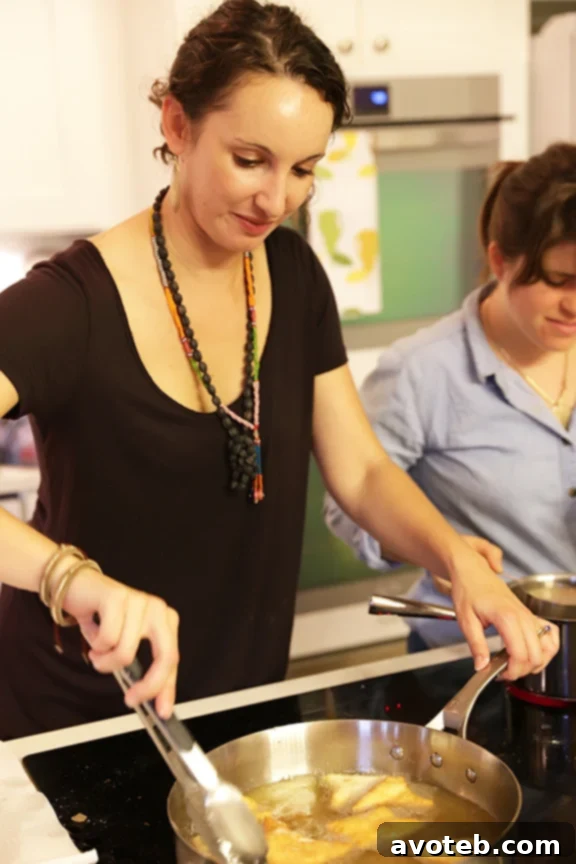
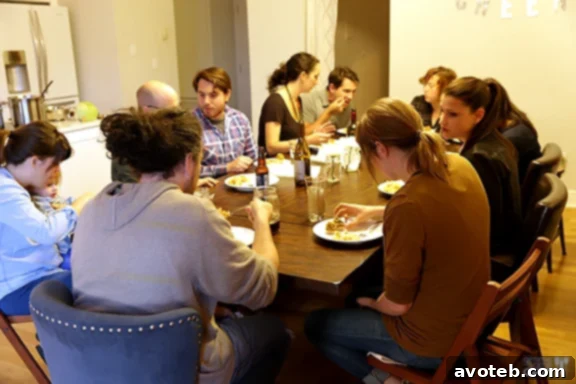

Naturally, our friends who owned Sseko sandals proudly wore them for the occasion, even obliging us with the classic “shoes-in-a-circle” photo opportunity – though with Sseko’s unique designs, it was far from cliché! This entire experience truly was the inspiration behind these samosas. But the Sseko goodness doesn’t end there! I contacted Sseko, and they’ve generously agreed to an exciting giveaway featuring gorgeous products from their new fall line, extending beyond just sandals. So, stay tuned for more Sseko inspiration coming your way!
But for now, let’s turn our attention to the main event: these fantastic baked samosas!
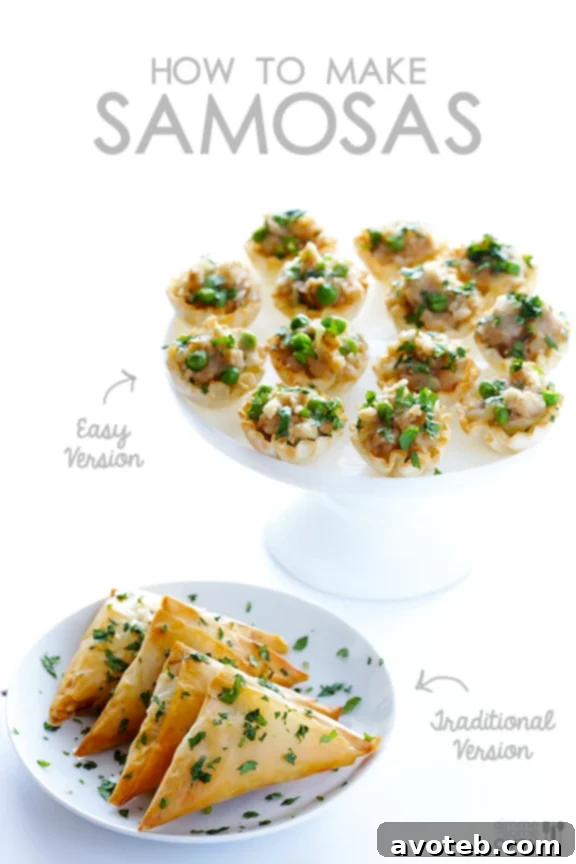
Crafting the Perfect Baked Samosas: Traditional Triangles vs. Easy Phyllo Cups
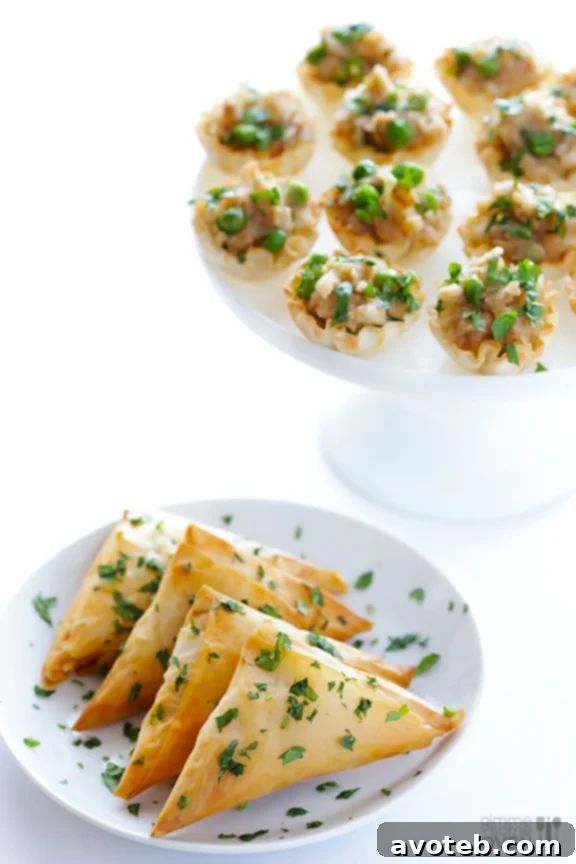
As promised, I’m sharing both dynamic versions of this irresistible baked samosa recipe today. First, we have the “traditional” approach, which involves delicately folding a savory filling into crisp, phyllo-wrapped triangles. Then, for those moments when time is of the essence, there’s the “easy peasy” version, my go-to shortcut using convenient pre-made mini phyllo cups. Both methods guarantee a delightful experience, suitable for appetizers, snacks, or as part of a larger meal.
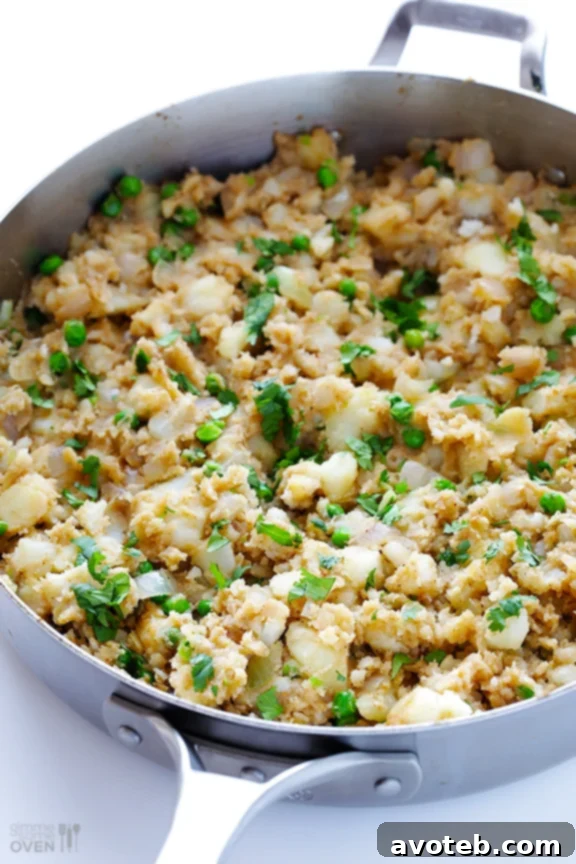
The heart of both these samosa variations is the same glorious, naturally vegan potato filling. It’s a harmonious blend of creamy mashed potatoes, sweet green peas, fragrant fresh cilantro, finely diced onion, and an absolutely heavenly mix of aromatic spices. Think ground coriander, warm garam masala, earthy cumin, savory salt, and a hint of chili powder for that perfect kick. The depth of flavor in this filling is truly incredible – it’s the secret to what makes these baked samosas so utterly addictive!

The Easy Way: Quick Mini Phyllo Cup Samosas
For those seeking speed and convenience without sacrificing flavor, the mini phyllo cup method is a game-changer. Simply spoon the savory potato filling into pre-made, frozen phyllo cups, and they’re ready to serve! You can enjoy them immediately for a delightful, crunchy bite, or pop them into a 400-degree F oven for a few minutes to warm them through. This shortcut is perfect for last-minute appetizers, unexpected guests, or simply when you’re craving samosas without the extensive prep. They are undeniably easy, wonderfully crunchy, and absolutely delicious – a true testament to effortless entertaining.
The Traditional Way: Elegant Baked Phyllo Triangles
If you’re inclined towards a more authentic presentation and don’t mind a little extra effort, the traditional phyllo dough triangles are incredibly rewarding. While I’ll be honest, this method is quite labor-intensive and requires patience, the result is a beautifully golden, crispy, and satisfying samosa. These are not difficult to make, but they are time-consuming. I highly recommend making this a group activity – gather a few friends or family members, turn on some music, and tag-team the folding process. It transforms the work into a fun, communal experience!
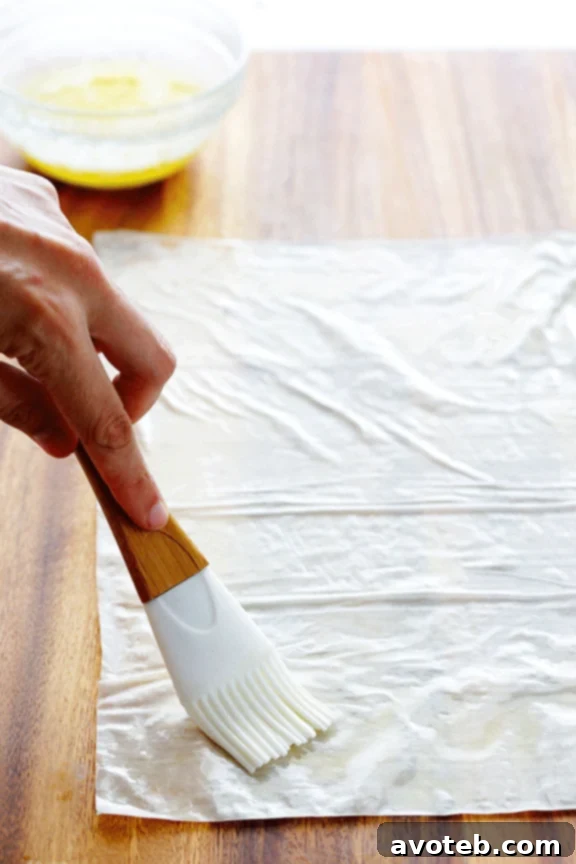
To craft these elegant triangles, start by carefully thawing your phyllo dough and keeping it covered with a slightly moist towel to prevent it from drying out – phyllo is notorious for its delicate nature! Take one sheet, lightly brush it with melted butter (or vegan butter/margarine for a dairy-free option), then fold it lengthwise into thirds. Place a teaspoon of the potato filling at one end of this strip. Now, the magic happens: fold a corner diagonally to create a triangle, then continue folding, maintaining the triangular shape, until the entire strip is used and the filling is neatly enclosed. Brush the finished samosa with a little more butter to ensure it’s sealed and to promote a beautiful golden-brown crust in the oven. Arrange them on a parchment-lined baking sheet, covering them with another damp towel as you continue the process. This recipe yields a generous batch, perfect for sharing or freezing for later enjoyment.
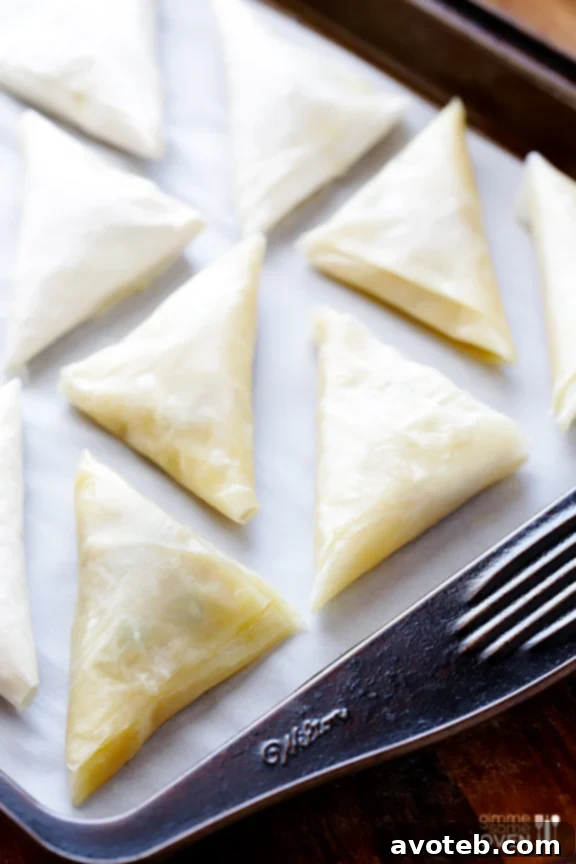
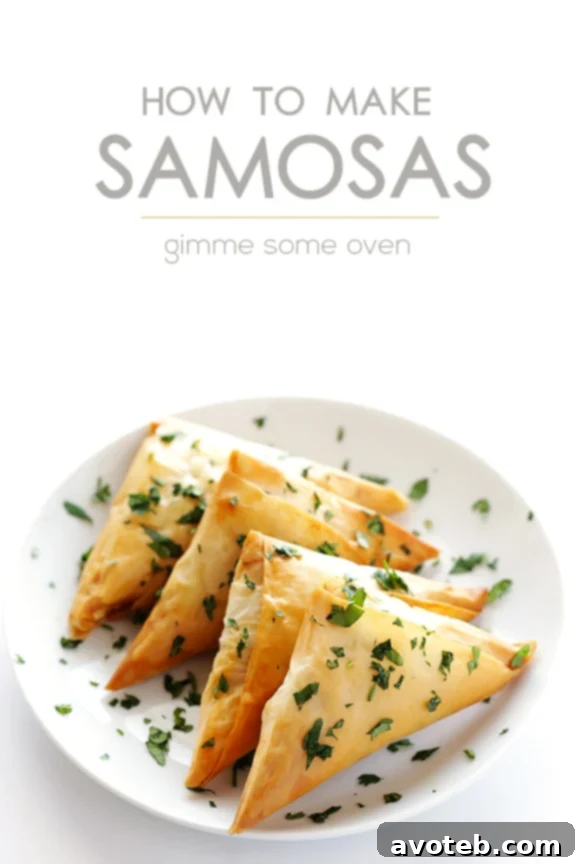
Once all your samosas are folded, pop them into the preheated oven and let the phyllo dough perform its culinary magic. Watch as they transform into perfectly crispy, golden-brown, buttery triangles of absolute perfection. Serve them warm, garnished with fresh cilantro, and prepare for them to disappear quickly! Be warned, after investing the time and effort into these, you’ll want to savor every single one. To fully embrace the spirit of sharing and celebration, I highly recommend inviting friends over for a delicious Ugandan-inspired meal. And while you’re at it, consider exploring Sseko’s incredible range of products—from their signature sandals to stunning scarves, elegant totes, chic clutches, and beautiful bangles, or any of the exciting new items in their latest fall collection. It’s the perfect way to truly celebrate, Sseko-style!
Baked Samosas (Traditional Phyllo Triangles & Easy Mini Phyllo Cups)
Prep Time: 30 minutes
Cook Time: 15-25 minutes
Total Time: 45 minutes – 1.5 hours
Yield: Approx. 60 mini samosas (or 30 traditional triangles) 1x
Description
Discover how to make naturally vegan baked samosas, featuring a rich potato and pea filling. This recipe offers two fantastic methods: a classic, labor-of-love approach with delicately folded phyllo triangles, and a quick-and-easy shortcut using convenient pre-made mini phyllo cups. Perfect for appetizers, snacks, or a delightful addition to any meal, these samosas are guaranteed to impress with their crispy texture and aromatic flavor.
Ingredients
Scale
Filling Ingredients:
- 3 tablespoons vegetable oil
- 1/2 teaspoon mustard seeds
- 1/2 a small white onion, finely chopped
- 1 teaspoon finely-chopped fresh ginger
- 1/4 cup frozen peas
- 1 Tablespoon ground coriander
- 1 teaspoon garam masala
- 1 teaspoon ground cumin
- 1 teaspoon salt
- ¼ teaspoon chili powder (adjust to taste for desired heat)
- 1/4 cup water (or as needed)
- 1.5 pounds Russet or Yukon Gold potatoes, peeled, boiled until soft, then drained and mashed
- 1/4 cup chopped fresh cilantro, plus more for garnish if desired
Phyllo Dough (Traditional Triangles) Ingredients:
- 1 package (approx. 1 lb) frozen phyllo pastry dough*, thawed according to package directions
- 6 tablespoons melted butter (or vegan butter/margarine for dairy-free) for brushing
Mini Phyllo Cup Ingredients (for Easy Method):
- 4 (15-count) packages frozen mini phyllo cups*
Instructions
To Make The Filling:
- Heat the vegetable oil in a large saute pan or skillet over medium-high heat. Add the mustard seeds and fry for approximately 10 seconds, or until they begin to splutter and release their fragrance.
- Stir in the chopped onion and ginger, and sauté for 2 to 3 minutes, stirring occasionally, until the onion softens. Add the frozen peas, ground coriander, cumin, chili powder, garam masala, and salt. Cook for another 2 minutes, stirring continuously to toast the spices and combine flavors. Then, add the mashed potatoes and fresh cilantro, stirring well to ensure everything is thoroughly mixed. Cook for an additional 2 minutes. Gradually add small splashes of water (this might be slightly more or less than 1/4 cup) until the potato mixture is slightly moist and easy to work with. Taste the filling and adjust the seasoning if necessary, then remove from heat and set aside to cool slightly.
To Make The Traditional Phyllo Dough Triangles:
- Preheat your oven to 400 degrees F (200 degrees C). Prepare a baking sheet by lining it with parchment paper.
- Carefully unroll the thawed phyllo pastry dough. Immediately cover the stack of phyllo sheets with plastic wrap, then place a damp, lightweight kitchen towel over the plastic wrap to prevent the delicate dough from drying out.
- Remove one sheet of phyllo dough and lay it flat on a clean, dry work surface. Quickly re-cover the remaining dough. Lightly brush the phyllo sheet with melted butter (or vegan butter/margarine). Fold one-third of the pastry lengthwise towards the middle, then brush again with butter. Fold the other side over to meet the first fold, creating a long, triple-layered strip of phyllo.
- Place about one rounded teaspoon of the cooled samosa filling mixture at one end of the phyllo strip. Take the bottom right corner of the strip and fold it diagonally over the filling to the left edge, forming a neat triangle. Continue folding the triangle upwards and across, maintaining the triangular shape, until you reach the end of the strip. Brush a little butter on the very end of the dough to seal the samosa securely. Ensure the outer surface of the samosa is lightly coated in butter; this helps it crisp up beautifully in the oven.
- Carefully place the finished phyllo triangle onto your prepared baking sheet. Cover the baking sheet with another damp towel while you continue making the rest of the samosas to prevent them from drying out. Repeat the process until all the filling and phyllo dough are used up.
- Bake the samosas in the preheated oven for 20-25 minutes, or until they turn golden brown and are wonderfully crisp. For even browning, gently turn them halfway through the cooking time.
- Serve warm, optionally garnished with additional chopped fresh cilantro.
To Make The Easy Mini Phyllo Cups:
- Carefully spoon about 1 rounded teaspoon of the cooled samosa filling into each frozen mini phyllo cup.
- You have two serving options: These can be served immediately as a quick, cold appetizer. Alternatively, for a warm and crispy treat, arrange them on a baking sheet and pop them into a 400-degree F (200 degrees C) oven for 5-7 minutes, or until warmed through and the phyllo cups are lightly golden.
- Serve immediately, garnished with extra chopped fresh cilantro if desired.
Notes
* Vegan-Friendly Options: If you are preparing these samosas to be fully vegan, ensure that you purchase phyllo dough and pre-made phyllo cups that are explicitly labeled as vegan. Some brands may contain dairy or egg, so always check the ingredients list. Also, use a high-quality vegan butter or margarine for brushing the phyllo dough.
** Time Commitment: The preparation and cooking time for this recipe can vary significantly depending on the method chosen. The traditional phyllo triangle method, involving careful folding and assembly, typically takes about 1.5 hours from start to finish. The easier mini phyllo cup method is much quicker, usually requiring only about 45 minutes, assuming you begin with already mashed potatoes. Plan accordingly for your desired approach!
This recipe has been slightly adapted from the wonderful Sseko Designs cookbook.
Beyond the Recipe: A Community of Courage and Flavor
Thank you, Maux, for initiating and co-hosting our unforgettable Ugandan feast. It was a true celebration of food, friendship, and the inspiring mission of Sseko Designs. And a profound thank you to Sseko for providing the wonderful recipe and for being an organization that consistently radiates coolness and inspiration. Their commitment to empowering women resonates deeply, making every dish cooked with their story in mind feel even more meaningful.
I hope you feel inspired to try these delicious baked samosas, whether you choose the gratifying traditional method or the convenient easy route. Both promise a flavorful experience that can be shared with loved ones. Happy Samosa-making – and remember the incredible stories that connect us all through food and purpose!