
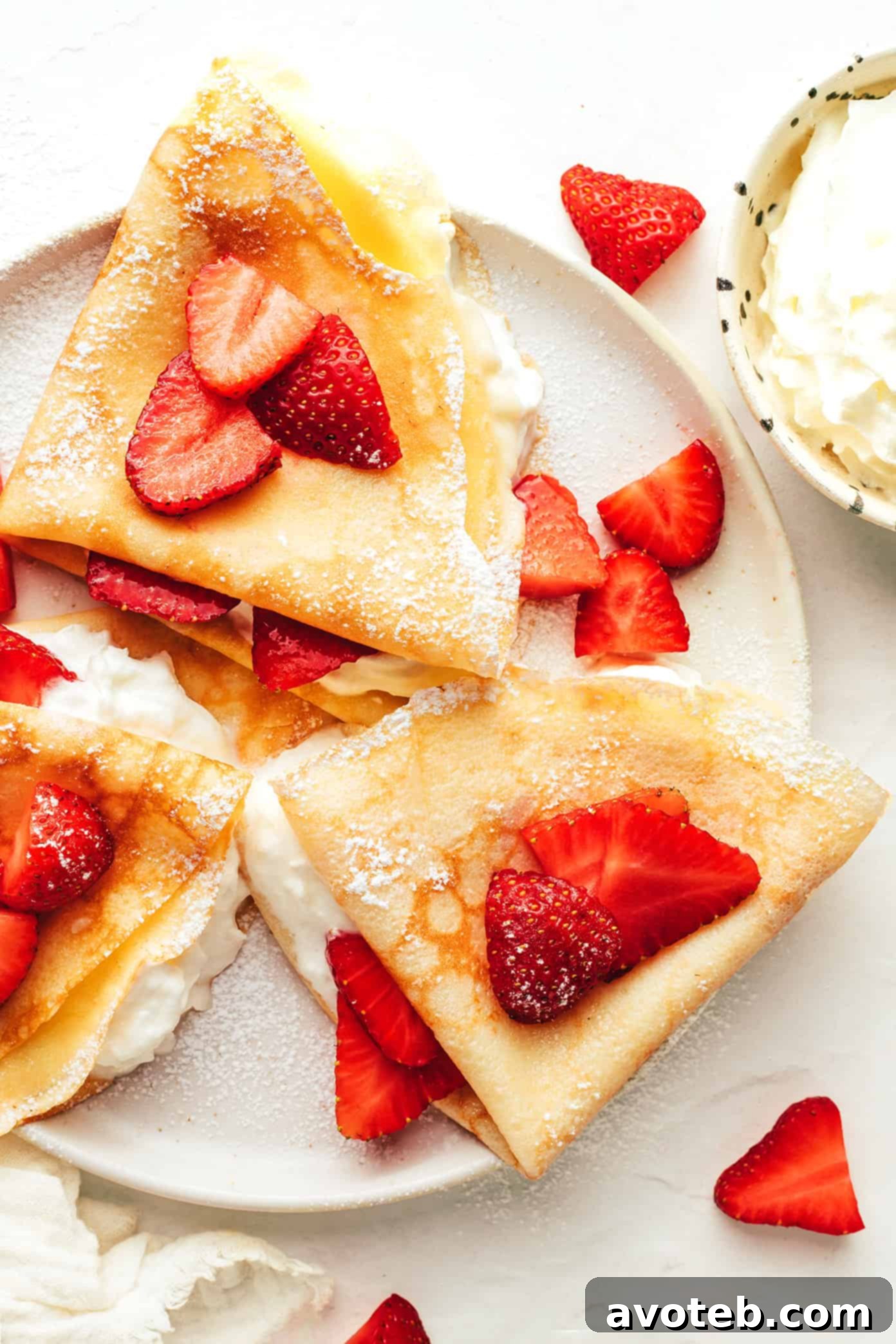
This timeless French crepe recipe unlocks the secret to crafting delicate, restaurant-quality crepes at home using just 7 essential ingredients. Customize them endlessly with your preferred sweet or savory fillings for any occasion!
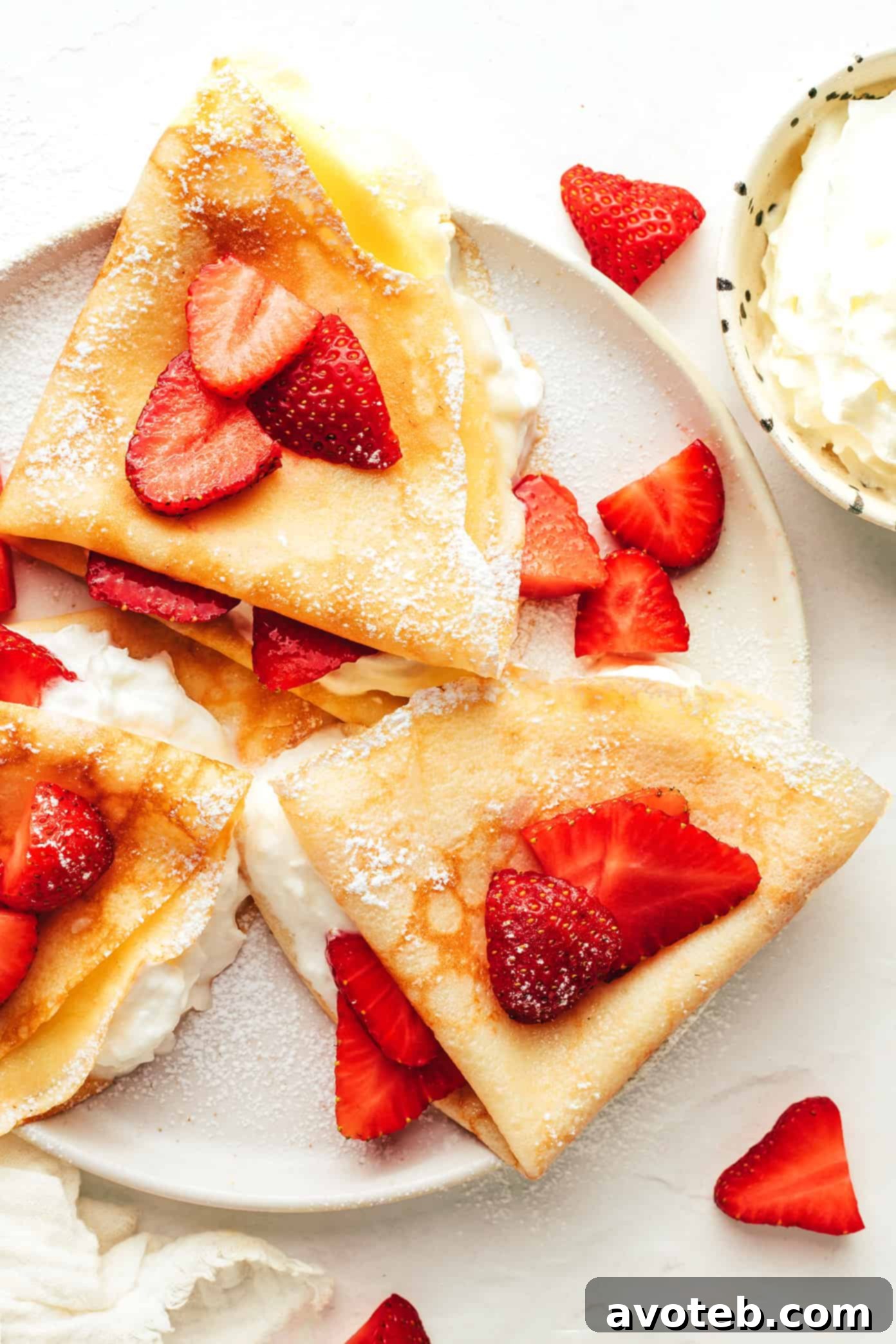
The Enduring Allure of Classic French Crêpes
Is there anything quite as enchanting as a plate brimming with warm, gossamer-thin, and exquisitely buttery French crêpes? These culinary masterpieces, a cornerstone of French cuisine, transcend mere pancakes, offering a delicate texture and sophisticated simplicity that captivates palates worldwide. Their versatility makes them a beloved treat, equally at home on a bustling breakfast table, a leisurely brunch spread, or as an elegant dessert.
Our own experiences living in Europe, particularly during numerous journeys through France, gifted us the joy of sampling these wonders from charming creperies. There’s an undeniable magic in a perfectly made, paper-thin crêpe, with its subtly lacy edges, served fresh from the pan. They embody an effortless elegance, a testament to how simple ingredients can combine to create something truly extraordinary. More than just a dish, a crêpe is a blank canvas, eagerly awaiting your culinary imagination to bring it to life with an array of sweet or savory fillings.
The true beauty of classic French crepes lies not only in their exquisite taste but also in their surprising ease of preparation. You don’t need to be a gourmet chef to recreate this authentic experience in your own kitchen. With just seven basic pantry staples and a selection of your favorite fillings, your home can quickly transform into a cozy French cafe. While a blender offers the simplest and most efficient method for preparing the batter, a traditional bowl and whisk will yield equally delightful results if that’s your preference. This comprehensive guide will walk you through every step, ensuring your homemade crepes are nothing short of perfection.
Let’s embark on this delicious journey to master the art of crêpe making!
Essential Ingredients for Flawless Crêpes
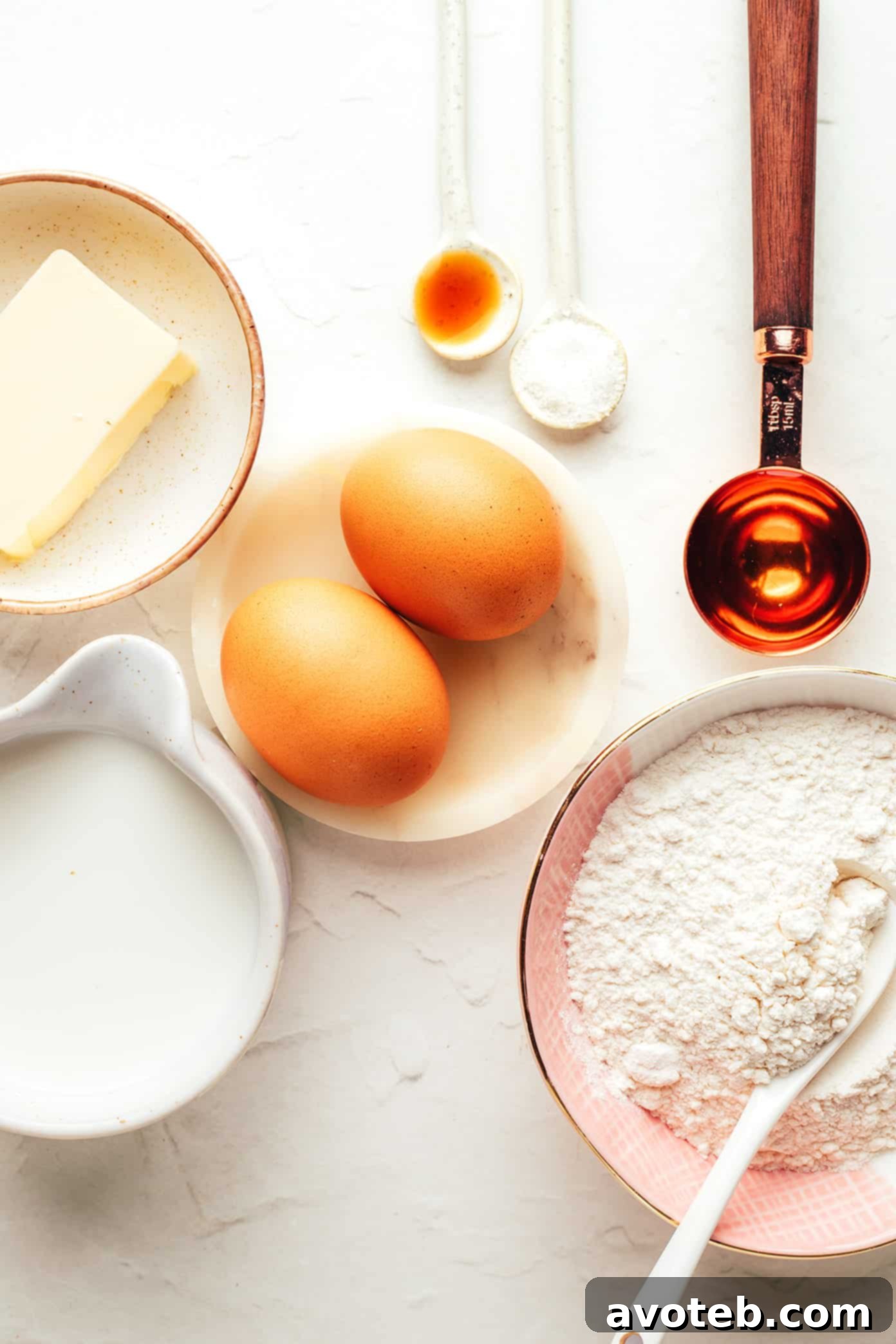
Crafting the perfect crêpe begins with understanding the role of each fundamental ingredient. Our classic recipe relies on just seven basic components, each contributing to the delicate flavor and signature texture:
- Unsalted Butter: Melted butter is crucial for two reasons. Firstly, it infuses the crêpe batter with a rich, inviting flavor that is undeniably French. Secondly, it acts as a non-stick agent, preventing the crepes from adhering to the pan and ensuring they lift easily for a flawless finish. Always have extra on hand for greasing the pan between crepes.
- Milk: The liquid foundation of our batter, milk contributes to the crêpes’ signature smooth and creamy texture. Full-fat dairy milk typically yields the richest results, but feel free to use your preferred dairy or non-dairy milk alternative (such as almond or oat milk) for a slightly different flavor profile and texture.
- Large Eggs: Eggs serve as the primary binding agent, holding all the ingredients together and providing structure to the thin batter. They also contribute to the crêpes’ delicate elasticity, allowing them to be stretched and folded without tearing.
- All-Purpose Flour: This is the main dry ingredient, providing the necessary structure for the crêpes. Using all-purpose flour ensures the thin, delicate consistency that distinguishes crêpes from their thicker pancake cousins. Sifting the flour can help prevent lumps, though a blender often makes this unnecessary.
- Natural Sweetener (Maple Syrup Recommended): While crepes can be savory, a touch of sweetener in the batter enhances their overall flavor, especially when paired with sweet fillings. We favor maple syrup for its natural sweetness and subtle caramel notes, which complement the other ingredients without overpowering them. Granulated sugar or honey can also be used.
- Pure Vanilla Extract: A splash of high-quality vanilla extract is a traditional addition, imparting a warm, aromatic depth to the crêpes. This seemingly small detail significantly elevates the overall taste, making each bite more delightful.
- Fine Sea Salt: A pinch of salt is vital for balancing and enhancing all the other flavors. It brings out the sweetness, deepens the buttery notes, and ensures a well-rounded taste profile for your crepes.
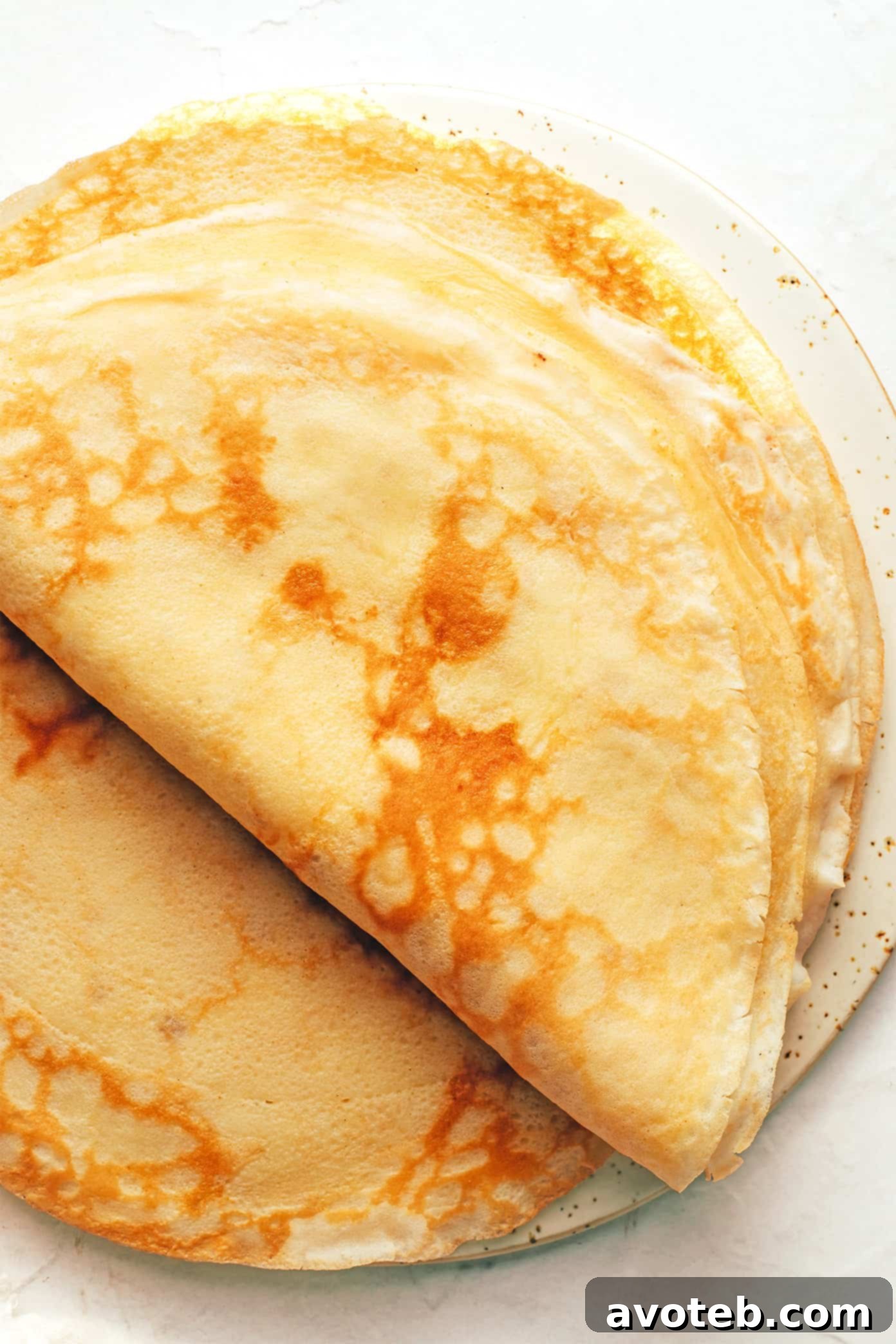
Mastering the Art of Crêpe Making: A Step-by-Step Guide
While the full, detailed instructions are provided in the recipe card below, here are some invaluable tips and techniques to help you achieve crêpe perfection:
- The Crucial Batter Rest: Do not underestimate the importance of resting your crêpe batter. A minimum of 30 minutes in the refrigerator, or even up to 36 hours, allows the flour to fully hydrate. This process prevents a gummy texture, allows the gluten to relax for a more tender crêpe, and permits any air bubbles incorporated during blending to dissipate, resulting in an exceptionally smooth, uniform batter and ultimately, lacy, delicate crepes.
- Consistent Pan Greasing: Achieving a beautiful golden exterior and preventing sticking is paramount. It’s essential to lightly re-grease your pan before pouring each new round of batter. A very thin coating of butter is all that’s needed to cover the bottom of the pan. Swirling the end of a stick of butter around the hot pan is an efficient method. Alternatively, a pastry brush or a crumpled paper towel dipped in melted butter can spread it quickly and evenly. Using a good quality non-stick pan will also significantly simplify this step.
- The Right Amount of Batter: The hallmark of a true French crêpe is its thinness. Avoid overfilling the pan, as this will lead to thicker, more pancake-like results. Generally, 1/4 cup of batter for an 8- to 10-inch pan is an ideal starting point. You may need to adjust slightly based on your pan size and desired thickness.
- Mastering the Swirl: This traditional technique is key to spreading the batter thinly and evenly. As soon as the batter hits the hot pan, immediately tilt and swirl the pan in a circular motion. This quick action allows the batter to spread out into a thin, round circle before it sets. Practice makes perfect with this motion!
- Vigilant Heat Adjustment: Cooking multiple crepes requires close attention to your pan’s temperature. It can gradually become too hot, leading to overly browned or burnt crepes. Monitor the heat carefully and don’t hesitate to lower it slightly as you proceed to maintain a consistent cooking temperature.
- Patience and the First Crêpe: It’s common for the very first crêpe to be a “tester”—it might not be perfect, tearing or sticking slightly. Don’t be discouraged! This often helps you gauge the pan’s heat and the batter’s consistency. You’ll quickly get the hang of the timing and technique. A thin, flexible spatula is your best friend for gently lifting and flipping.
- Knowing When to Flip: Wait until the edges of the crêpe appear set and slightly browned, and the surface looks mostly dry with small bubbles forming. This indicates it’s ready to be gently flipped. Attempting to flip too early will almost certainly result in tearing.
With these tips, you’re well on your way to making impressive, delicious homemade crepes that rival those found in the finest French cafes!
Storing and Reheating Your Delicate Crêpes
One of the many convenient aspects of crepes is that they can be prepared in advance and stored for later enjoyment. Proper storage ensures they remain fresh and delicious:
- Refrigeration: To prevent cooked crepes from sticking together, stack them with a layer of parchment paper or wax paper placed between each individual crêpe. Once stacked, transfer them to an airtight container or seal them securely in a large zip-top bag. When stored correctly in the refrigerator, crepes will maintain their quality for up to 3-4 days, making them perfect for meal prepping a quick breakfast or dessert.
- Freezing: For longer storage, crepes freeze beautifully. Follow the same layering technique with parchment or wax paper between each crêpe, then stack them. Place the stacked crepes into an airtight freezer bag or a freezer-safe container, pressing out as much air as possible to prevent freezer burn. Frozen crepes can be kept for up to 2-3 months without a significant loss of quality.
Reheating Stored Crêpes:
When you’re ready to enjoy your stored crepes, thaw frozen ones in the refrigerator overnight or at room temperature for a few hours. Once thawed or if they were only refrigerated, you have several options for reheating:
- Skillet Method: The best way to reheat crepes is gently in a non-stick skillet over medium-low heat. Place one crêpe at a time in the dry pan for about 15-30 seconds per side, until warmed through and pliable.
- Microwave Method: For a quicker option, stack a few crepes on a microwave-safe plate, cover with a damp paper towel, and microwave in 10-15 second intervals until warm. Be careful not to overheat, as they can become tough.
Delicious Crêpe Recipe Variations to Explore
While the classic crêpe recipe is perfect as is, it also serves as an excellent foundation for creative culinary experimentation. Here are a few popular variations to adapt the batter to your dietary needs or flavor preferences:
- Gluten-Free Crêpes: Easily transform this recipe by substituting traditional all-purpose flour with a 1:1 gluten-free all-purpose flour blend. Ensure the blend contains xanthan gum for optimal texture and flexibility. The rest of the instructions remain the same, allowing everyone to enjoy these delicate treats.
- Vegan Crêpes: For a plant-based version, replace the traditional egg with a flax egg (1 tablespoon ground flaxseed meal mixed with 3 tablespoons water, allowed to sit for 5 minutes until gel-like). For the butter, use a high-quality plant-based butter alternative. These substitutions will yield delicious vegan crepes.
- Spiced Crêpes: Infuse your batter with a touch of warming spice for an aromatic twist. Consider adding a hint of ground cinnamon, ground cardamom, ground ginger, or even a pumpkin pie spice blend. These additions are particularly wonderful when serving crepes with autumnal fruit fillings or coffee.
- Savory Herb Crêpes: For a savory application, finely chop fresh herbs such as chives, basil, dill, rosemary, or tarragon and stir them directly into the batter. These herbed crepes are exceptional when paired with savory fillings like cheese, vegetables, or smoked salmon.
- Buckwheat Crêpes (Galettes): For an authentic French “galette” experience, especially common in Brittany, replace some or all of the all-purpose flour with buckwheat flour. Buckwheat crepes are traditionally savory, with a distinct nutty flavor and slightly darker appearance.
Endless Possibilities: Inspiring Crêpe Filling Ideas
Once you’ve mastered the art of making the perfect crêpe, the real fun begins with the fillings! Whether you crave something sweet and indulgent or a hearty savory meal, crepes are incredibly versatile. Here are some beloved combinations, offering a mix of classic and creative ideas:
Sweet Crêpe Fillings:
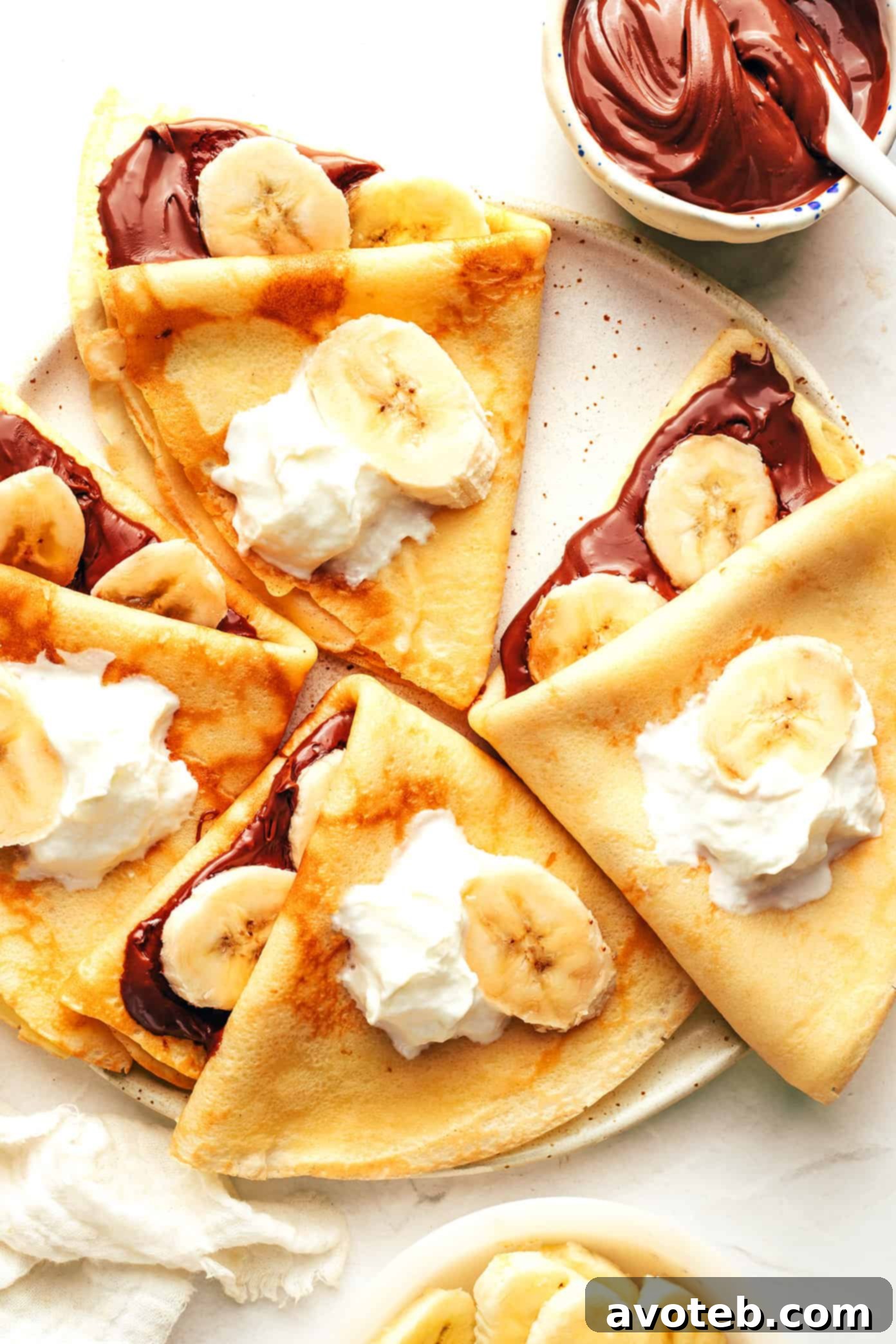
- Classic Nutella and Sliced Bananas: A perennial favorite, the rich hazelnut spread paired with the natural sweetness and creaminess of ripe bananas is a match made in heaven. Add a sprinkle of powdered sugar for extra charm.
- Fresh Strawberries and Whipped Cream: A light, refreshing, and elegant choice. The vibrant flavor of fresh strawberries combined with fluffy homemade whipped cream creates a delightful contrast of textures and tastes.
- Tangy Lemon Curd and Juicy Blueberries: For those who appreciate a balance of sweet and tart, lemon curd provides a bright zing, beautifully complemented by the burst of fresh blueberries.
- Sautéed Apples with Cinnamon: A comforting, autumnal choice. Sauté thinly sliced apples with a touch of butter, brown sugar, and a generous sprinkle of cinnamon until tender.
- Sweet Ricotta and Mixed Berries: A lighter, creamy option. Whisk ricotta cheese with a hint of sugar and vanilla, then fold in an assortment of fresh raspberries, blackberries, and blueberries.
- Dulce de Leche with Toasted Pecans: Indulgent and rich, the caramel notes of dulce de leche are perfectly balanced by the crunch and earthy flavor of toasted pecans.
- Cherry Compote and Dark Chocolate Shavings: A sophisticated pairing where the sweet-tartness of a homemade cherry compote meets the luxurious bitterness of dark chocolate.
Savory Crêpe Fillings:
- Ham and Gruyère Cheese: A simple yet deeply satisfying classic. Thinly sliced cooked ham and grated Gruyère cheese melt together beautifully within the warm crêpe.
- Sautéed Spinach and Feta Cheese: A Mediterranean-inspired delight. Fresh spinach quickly sautéed with garlic, then crumbled feta cheese, creates a flavorful and wholesome filling.
- Sautéed Chicken, Mushrooms, and Onions: A heartier, meal-worthy option. Cubed chicken breast, sliced mushrooms, and caramelized onions, perhaps in a light cream sauce, make for a robust filling.
- Smoked Salmon, Cream Cheese, and Capers: An elegant brunch or appetizer choice. Spread a thin layer of cream cheese, layer with delicate smoked salmon, and sprinkle with briny capers and fresh dill.
- Goat Cheese, Honey, and Walnuts: A sophisticated sweet and savory blend. Tangy goat cheese, drizzled with honey and scattered with crunchy walnuts, offers a delightful textural and flavor contrast.
- Sun-Dried Tomato, Pesto, and Mozzarella: A vibrant, Italian-inspired filling. A smear of pesto, chopped sun-dried tomatoes, and melted mozzarella cheese create a burst of Mediterranean flavors.

Frequently Asked Questions About Crêpes
New to crêpe making or just curious? Here are answers to some common questions:
How do you pronounce crêpe in French?
In French, the word crêpe is pronounced “krep.” The “e” at the end is silent, giving it a short, crisp sound.
What is the primary difference between French crêpes and American pancakes?
The main distinction lies in their thickness and texture. French crêpes are renowned for being exceptionally thin, delicate, and often lacy, with a pliable texture. American pancakes, on the other hand, are typically much thicker, fluffier, and tend to be smaller in diameter, thanks to leavening agents like baking powder or baking soda in their batter.
How can I prevent crêpes from sticking to the pan?
There are several strategies to prevent sticking. Firstly, I highly recommend using a good quality non-stick pan, which is designed to release food easily. If you don’t have one, ensure your pan is thoroughly and consistently greased with a very thin layer of butter or oil before each new crêpe. Additionally, ensure your pan is adequately heated before adding the batter; if it’s too cool, the crêpe may stick. Finally, resist the urge to flip the crêpe too soon; wait until the edges are set and lightly browned, and the surface appears mostly dry.
What’s the best technique to flip crêpes without tearing them?
The key to flipping crêpes successfully without tearing is patience and the right tool. Make sure the crêpe is fully cooked on the first side (as described above) before attempting to flip. Use a large, thin, flexible spatula—ideally one with a wide blade—to gently slide underneath the entire crêpe. Once the spatula is mostly underneath, a swift yet gentle motion will allow you to lift and flip the crêpe cleanly to the other side. A small amount of practice will make this motion second nature.
Can I make the crêpe batter ahead of time?
Absolutely! In fact, it’s highly recommended. Allowing the batter to rest in the refrigerator for at least 30 minutes, or even up to 24-36 hours, significantly improves the texture and flavor of the final crepes. The resting period allows the flour to fully hydrate and the gluten to relax, resulting in more tender and less prone-to-tearing crepes.
What kind of pan is best for making crepes?
While a specialized crêpe pan (which typically has low, sloped sides) is ideal, a good quality 8- to 10-inch non-stick skillet works perfectly well. The most important features are a flat bottom for even heat distribution and a non-stick surface.

Classic French Crêpes Recipe
- Author: Ali
Prep Time: 5 minutes
Cook Time: 10 minutes
Total Time: 15 minutes (plus resting time)
Yield: 8 to 10 crepes
Description
Master the art of delicate French crêpes with this easy-to-follow recipe! Quick to prepare and incredibly versatile, these homemade crepes are perfect for any meal and pair wonderfully with your favorite sweet or savory fillings.
Ingredients
- 2 tablespoons melted unsalted butter (plus extra for greasing the pan)
- 1 1/4 cups plain milk (dairy or non-dairy, such as almond milk)
- 1 cup all-purpose flour
- 1 tablespoon maple syrup (or granulated sugar)
- 1 teaspoon pure vanilla extract
- 1/4 teaspoon fine sea salt
- 2 large eggs
Instructions
- Prepare the Batter (Blender Method): Add all ingredients (melted butter, milk, flour, maple syrup, vanilla extract, salt, and eggs) to a blender. Pulse for 5 seconds. Use a rubber spatula to scrape down the sides of the blender to ensure no dry spots remain. Pulse for another 5-10 seconds, or until the mixture is completely smooth and well combined. The batter consistency should resemble heavy cream – thin and pourable. If it appears too thick, stir in an extra tablespoon or two of milk. If it seems too thin, incorporate a bit more flour, one teaspoon at a time.
- Chill the Batter: Cover the blender pitcher (or transfer to an airtight container) and refrigerate the crêpe batter for at least 30 minutes. This resting period is crucial for the flour to fully hydrate and for the gluten to relax, which results in more tender and less tear-prone crepes. The batter can be chilled for up to 36 hours.
- Cook the Crêpes: When ready to cook, heat an 8- to 10-inch round non-stick skillet or crêpe pan over medium heat. Melt about 1/4 tablespoon of butter in the pan, swirling to coat the bottom evenly. Pour 1/4 cup of the chilled crêpe batter directly into the center of the hot pan. Immediately tilt and swirl the pan quickly in a circular motion so the batter spreads out thinly and evenly to form a large round circle. Let the crêpe cook for about 1 minute, or until the edges begin to turn golden brown and slightly crisp, and the surface looks set. Carefully slide a thin, flexible spatula underneath the crêpe, lift, and flip it to the other side. Cook for an additional 45-60 seconds, or until lightly golden. Transfer the cooked crêpe to a separate plate and set aside. Repeat this process with the remaining batter, adding a very thin layer of butter to the pan occasionally (every 1-2 crepes) as needed to prevent sticking.
- Serve Immediately: Serve your homemade French crêpes immediately while they are wonderfully warm and pliable. Fill them with your favorite sweet or savory ingredients, or simply top them with a dusting of powdered sugar and enjoy!