
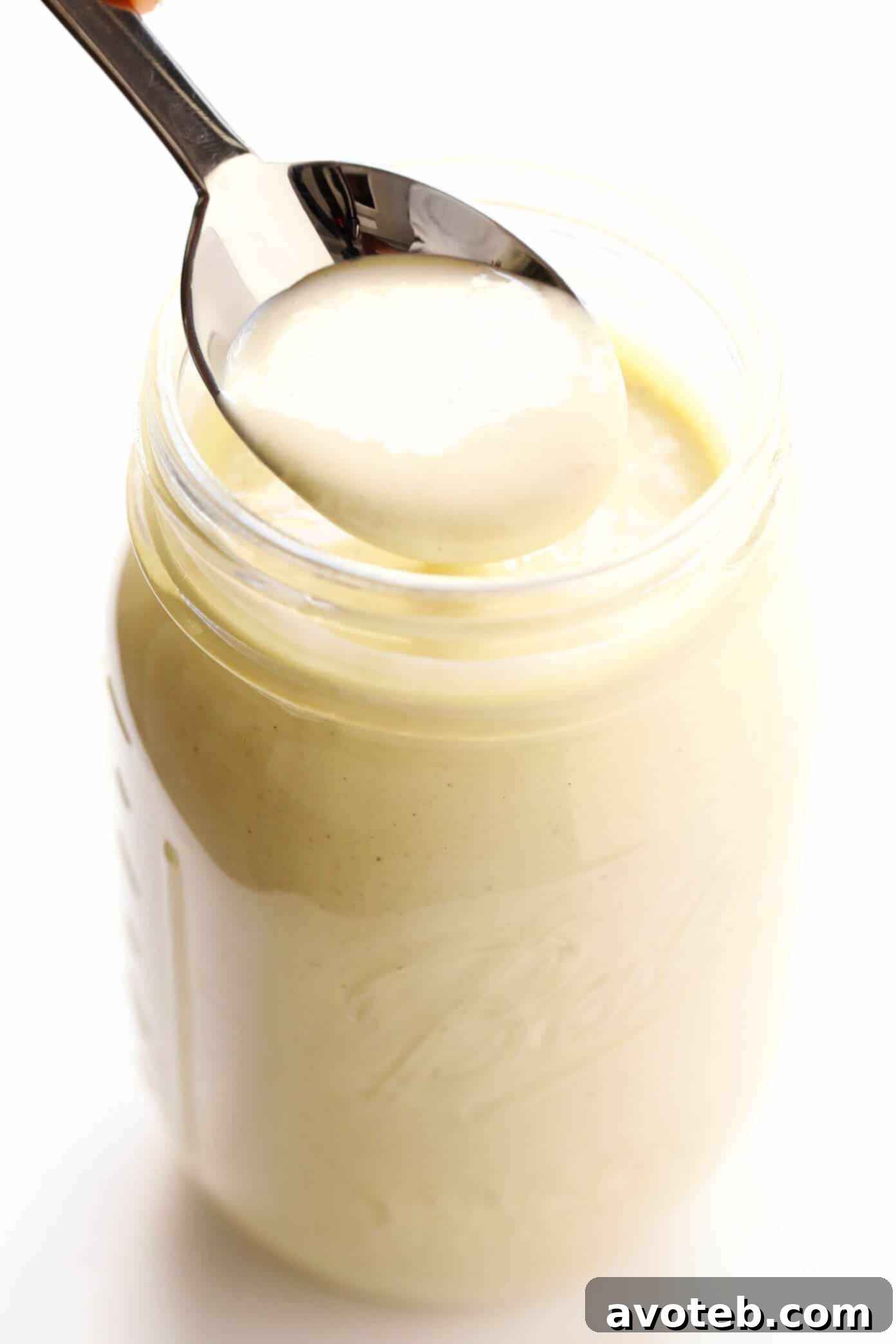
Discover the ultimate classic Caesar Dressing recipe – incredibly quick and easy to prepare, brimming with rich, creamy, savory, and irresistible umami flavors that will transform your Caesar salad into a culinary masterpiece.
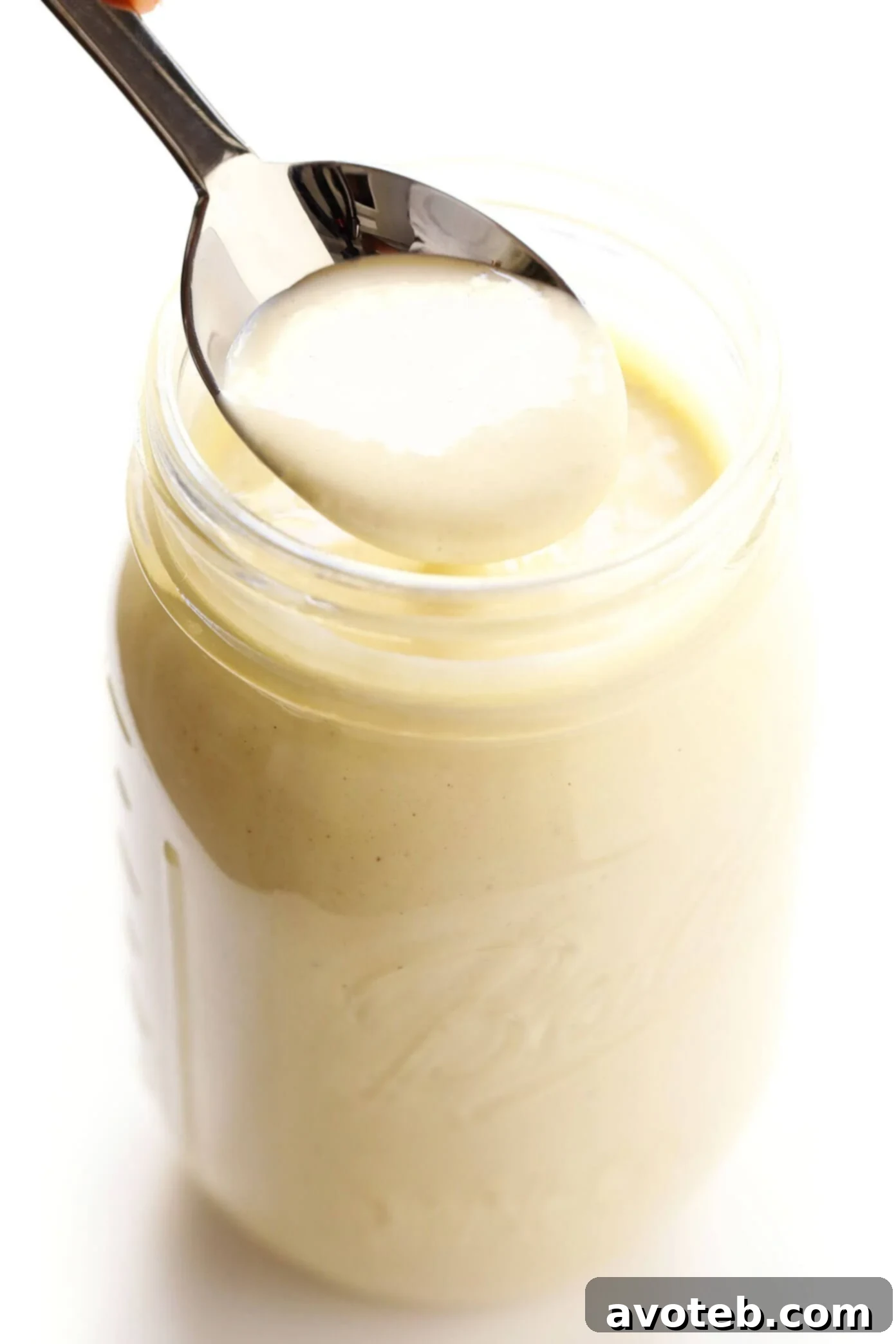
If you’re anything like me, a truly exceptional Caesar salad holds a special place in your heart (and stomach!). What elevates a good Caesar salad to a great one? Without a doubt, it’s the dressing. For all you Caesar aficionados out there, prepare to add this recipe to your permanent collection. The classic Caesar dressing I’m about to share is, hands down, my all-time favorite – a recipe perfected over years to deliver unparalleled flavor.
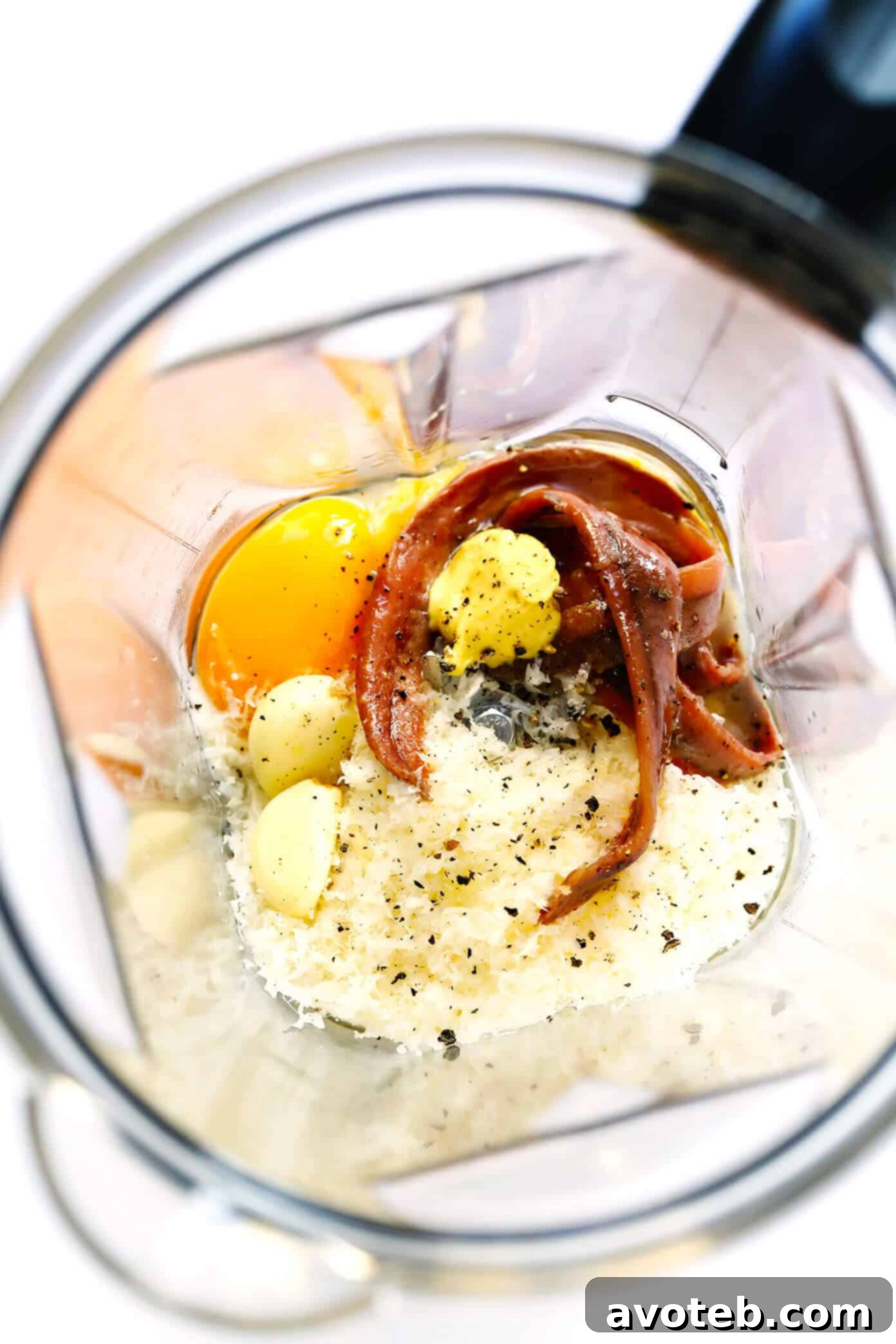
I often find myself on a passionate rant when it comes to Caesar dressing, because so many versions available today fall short. They taste like watery, bland imitations, lacking the robust character that defines a genuine Caesar. A truly great Caesar dressing should be unapologetically bold, bursting with complex umami notes. We’re talking about a symphony of flavors: whole anchovies (the non-negotiable, essential star of modern Caesar dressing), rich raw egg yolks (traditional, but I’ve included excellent alternatives), pungent raw garlic, sharp Dijon mustard, salty Parmesan cheese, bright freshly-squeezed lemon juice, a generous seasoning of sea salt and freshly cracked black pepper, and, of course, a high-quality olive oil to bind it all together.
These are the dream team ingredients that create an emulsified, creamy, and utterly sensational dressing. When tossed with crisp Romaine lettuce, crunchy homemade croutons, and an extra sprinkle of Parmesan and black pepper, it transforms a simple salad into an unforgettable culinary experience. Honestly, for me, salad simply doesn’t get any better than this.
The best part? This incredible homemade Caesar dressing is surprisingly simple to whip up in mere minutes. So, embrace those anchovies (trust me, they are key!), and let’s dive into making a batch of this liquid gold together. You’re just a few steps away from elevating your next Caesar salad to legendary status. ♡
The History of Caesar Dressing: A Culinary Journey
Before we delve into the ingredients, it’s worth appreciating the fascinating origin of this iconic dressing. We owe a huge debt of gratitude to Chef Caesar Cardini, a visionary restaurateur who created the famous Caesar salad. Interestingly, this beloved dish originated not in Italy, but across the border in Tijuana, Mexico, and later gained popularity in California during the 1920s. Cardini was known for his dramatic tableside preparation, captivating guests with his culinary artistry.
The original Caesar dressing is often said to have included Worcestershire sauce. However, modern iterations, including my absolute favorite, have intensified the flavor profile with the addition of whole anchovies. While some might shy away from them, I firmly believe anchovies are an indispensable ingredient for achieving the deep, complex umami flavor that has come to define the classic Caesar salad we cherish today. They don’t make the dressing taste “fishy”; instead, they melt into the background, providing a savory depth that can’t be replicated.
Crafting Homemade Caesar Dressing: Essential Ingredients
Creating a truly authentic and flavorful Caesar dressing begins with selecting the right ingredients. Each component plays a vital role in building the dressing’s signature taste and creamy texture. While full quantities are listed in the recipe card below, let’s explore why each ingredient is crucial:
- Anchovy Fillets: These small, salty fish are the secret weapon of Caesar dressing, providing an unparalleled depth of umami. You’ll typically find them in the canned fish aisle of your grocery store, usually packed in olive oil in glass jars or flat tins. Simply lift them out and gently drain any excess oil. Don’t be alarmed by tiny bones; they’re harmless and will completely dissolve when blended. If you’re truly averse to whole anchovies, anchovy paste can be used as a substitute (about 1/2 teaspoon per fillet), but for the richest flavor, I strongly recommend the fillets.
- Fresh Garlic Cloves: Raw garlic provides a wonderful, pungent kick that is essential for a vibrant Caesar dressing. I prefer to use two small cloves for a perfectly balanced flavor, but if you prefer a milder dressing, start with one clove and adjust to your taste.
- Egg Yolks: Traditionally, raw egg yolks are used to create the creamy emulsion that gives Caesar dressing its luxurious texture. However, it’s important to be aware of the small risk of salmonella associated with raw eggs. For those who prefer to avoid this risk, pasteurized egg yolks are an excellent alternative. Alternatively, you can substitute 1 tablespoon of good-quality mayonnaise per egg yolk, which will still yield a wonderfully creamy and stable dressing.
- Parmesan Cheese: The quality of your Parmesan significantly impacts the dressing’s flavor and texture. I highly recommend freshly grating a block of high-quality Parmesan (Parmigiano-Reggiano if possible). Pre-grated cheese often contains anti-caking agents that can make the dressing gritty and diminish its authentic taste.
- Freshly-Squeezed Lemon Juice: Bright, tangy lemon juice cuts through the richness of the dressing, adding a refreshing zest. Always opt for freshly-squeezed; bottled lemon juice simply won’t deliver the same vibrant flavor. For an even more pronounced lemony note, feel free to add a bit of lemon zest as well.
- Dijon Mustard: Just a touch of Dijon mustard acts as an emulsifier, helping to bind all the ingredients together into a smooth, creamy consistency. Its subtle tang also enhances the overall savory profile.
- Fine Sea Salt and Freshly-Cracked Black Pepper: These are crucial for proper seasoning. Use fine sea salt for even distribution and freshly-cracked black pepper for a more aromatic, bolder flavor compared to pre-ground pepper.
- Good-Quality Olive Oil: As the base of the dressing, the olive oil’s quality matters. Opt for a light-flavored extra virgin olive oil that you enjoy the taste of on its own. It will contribute to the dressing’s smooth texture and subtle fruitiness.
Mastering the Art of Homemade Caesar Salad Dressing
While whisking Caesar dressing by hand is traditional, I’ve found that using a traditional blender (or even an immersion blender) makes the process significantly quicker and ensures a perfectly smooth, emulsified result every time. For your convenience, I’ve provided detailed instructions in the recipe box below (at the end of this post) for various methods, so you can choose the one that best suits your kitchen equipment and preference.
To effortlessly prepare this classic recipe using a traditional blender, follow these simple steps:
- Prepare the Base Ingredients: Begin by adding all ingredients except the olive oil – that’s the anchovy fillets, garlic, egg yolks (or your chosen alternative), Parmesan, lemon juice, Dijon mustard, sea salt, and black pepper – into your blender. Secure the lid and blitz for a few seconds until the ingredients are well combined and the anchovies and garlic are finely minced.
- Gradually Incorporate Olive Oil: This step is crucial for achieving a smooth, creamy emulsion. While the blender is still running on a low to medium speed, carefully remove the small cap from the blender lid. Slowly and steadily stream in the olive oil in a thin, continuous drizzle. Continue blending until the dressing transforms into a thick, uniform, and beautifully smooth emulsion. The slow addition of oil allows the fat and liquid to combine properly, preventing the dressing from separating.
- Adjust Seasoning and Consistency: Once emulsified, assess the dressing’s consistency. If it’s too thick for your liking, add water, one tablespoon at a time, blending after each addition until it reaches your desired pourable consistency. I personally prefer a consistency akin to heavy cream. Now, taste the dressing and adjust the seasonings as needed. You might want to add a pinch more salt, a grind of black pepper, or even a splash more lemon juice to perfectly balance the flavors to your palate.
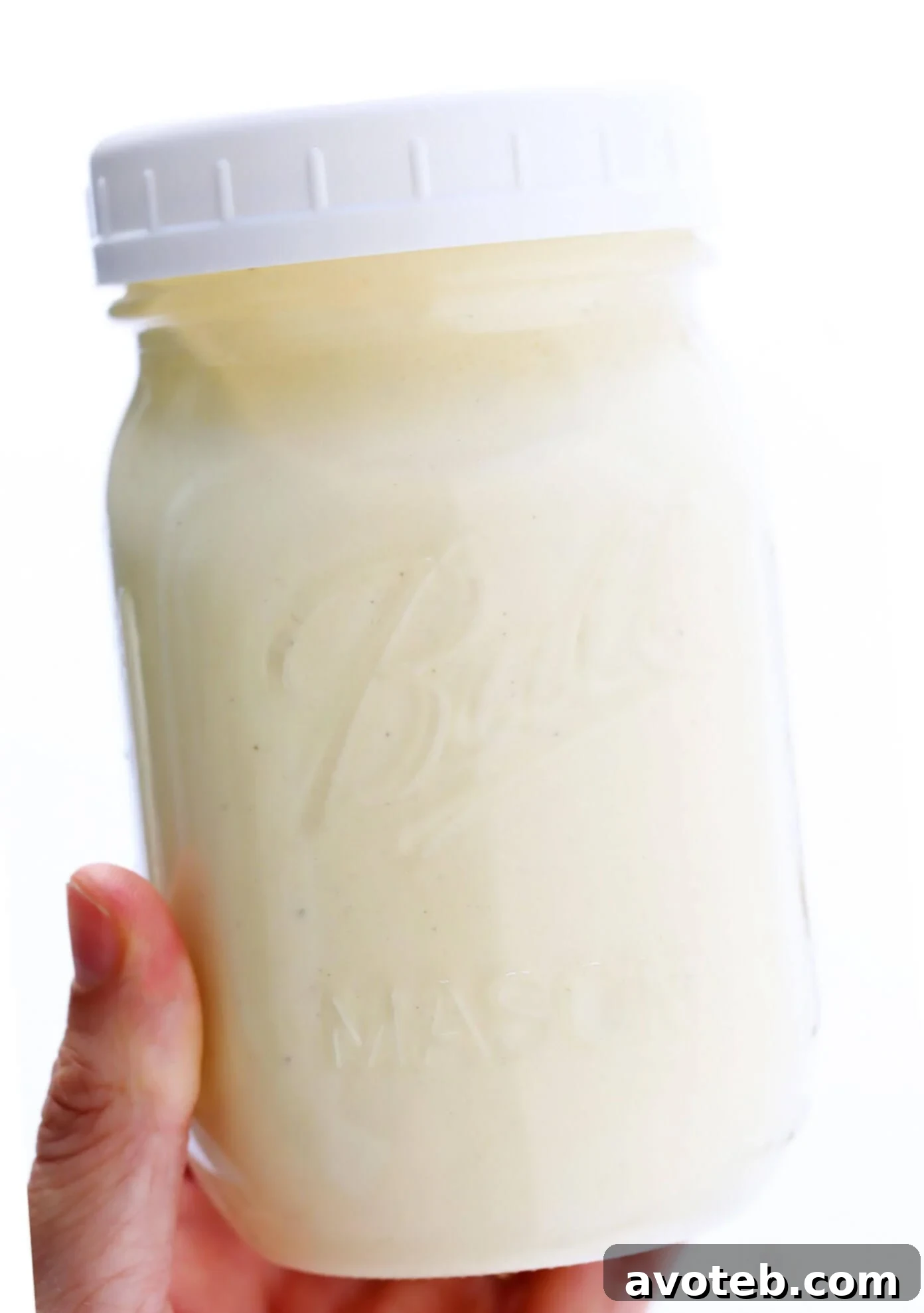
- Serve Immediately or Store: Your exquisite homemade Caesar dressing is now ready to be enjoyed! Drizzle it generously over your favorite Caesar salad. If you’ve used raw eggs, it’s best to consume the dressing the same day it’s made. Otherwise, you can refrigerate it in an airtight container for up to 8 hours (or longer if using pasteurized eggs or mayonnaise alternatives), allowing the flavors to meld even further.
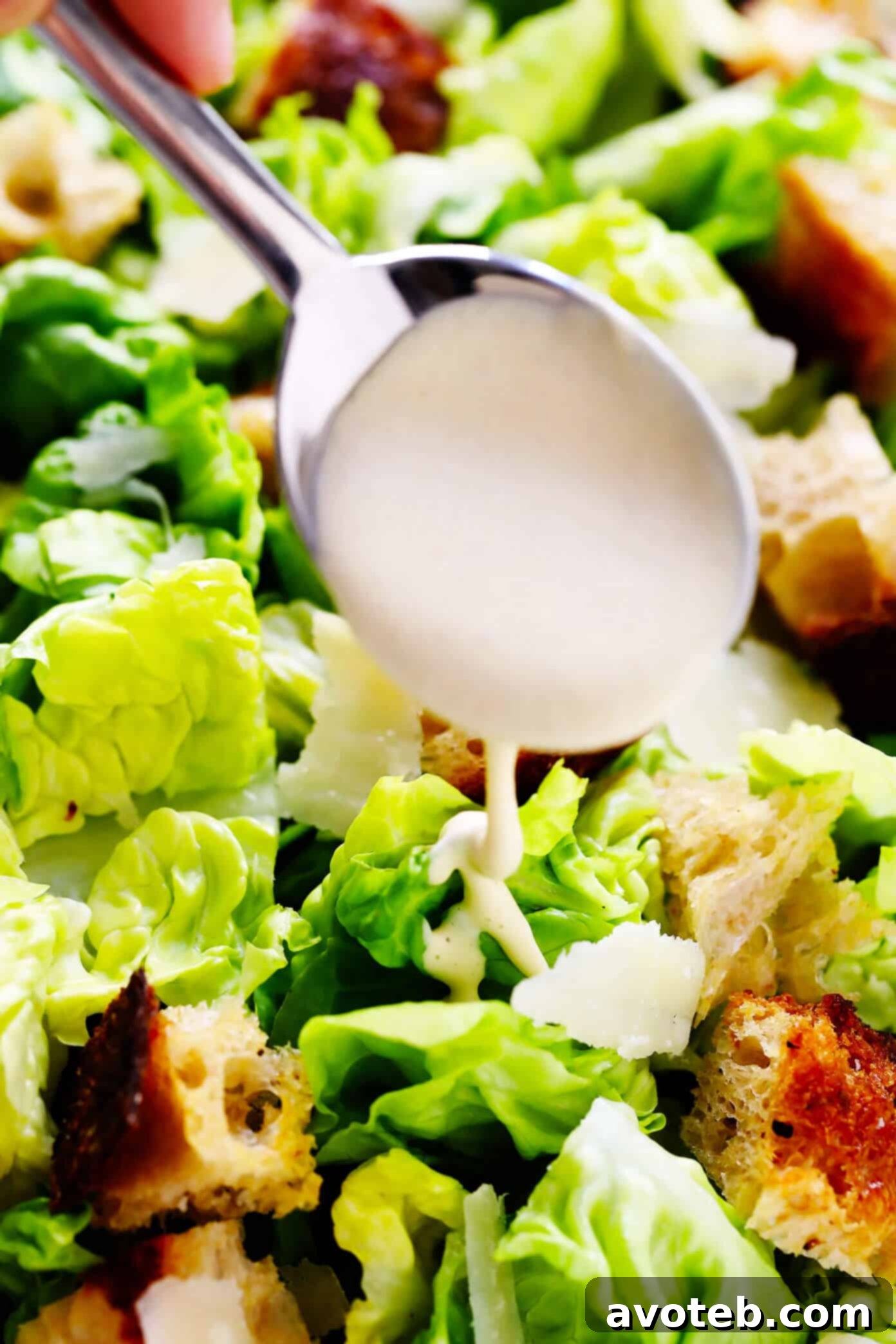
Customizing Your Caesar Dressing: Delicious Variations
One of the joys of making Caesar dressing from scratch is the ability to customize it precisely to your taste preferences. This recipe serves as an excellent foundation, and you can easily tweak the amounts of ingredients to make it uniquely yours. For example, feel free to adjust the quantity of anchovies, garlic, lemon juice, Parmesan, or Dijon to achieve your ideal flavor balance. Here are a few more ways to experiment:
- Egg Alternatives for Safety and Creaminess: As discussed, if raw eggs are a concern, opt for pasteurized egg yolks. Another fantastic option is to substitute 1 tablespoon of good-quality mayonnaise for each egg yolk. This not only eliminates the raw egg risk but also contributes to an even creamier, richer dressing without compromising on flavor.
- A Touch of Worcestershire: While my recipe leans into anchovies for deep umami, some traditionalists appreciate a dash of Worcestershire sauce. Since many of the flavors found in Worcestershire (like anchovy extract, garlic, and vinegar) are already present, I often skip it. However, if you enjoy that particular nuance, feel free to add a teaspoon or two to your dressing.
- Adjusting Anchovy Levels: I personally adore a bold, full-flavored Caesar dressing with ample anchovies, as they provide that essential umami depth. However, anchovies are quite salty and potent, so if you’re new to them or prefer a milder taste, start with fewer (I recommend beginning with 3 fillets). For true anchovy lovers seeking an extra punch, you can confidently increase the amount to 6 or even 7 fillets.
- Herbal Notes: For a fresh twist, consider adding a small amount of finely chopped fresh herbs like parsley or chives to your dressing.
- Spicy Kick: If you enjoy a bit of heat, a tiny pinch of red pepper flakes or a drop of hot sauce can add a delightful zing.
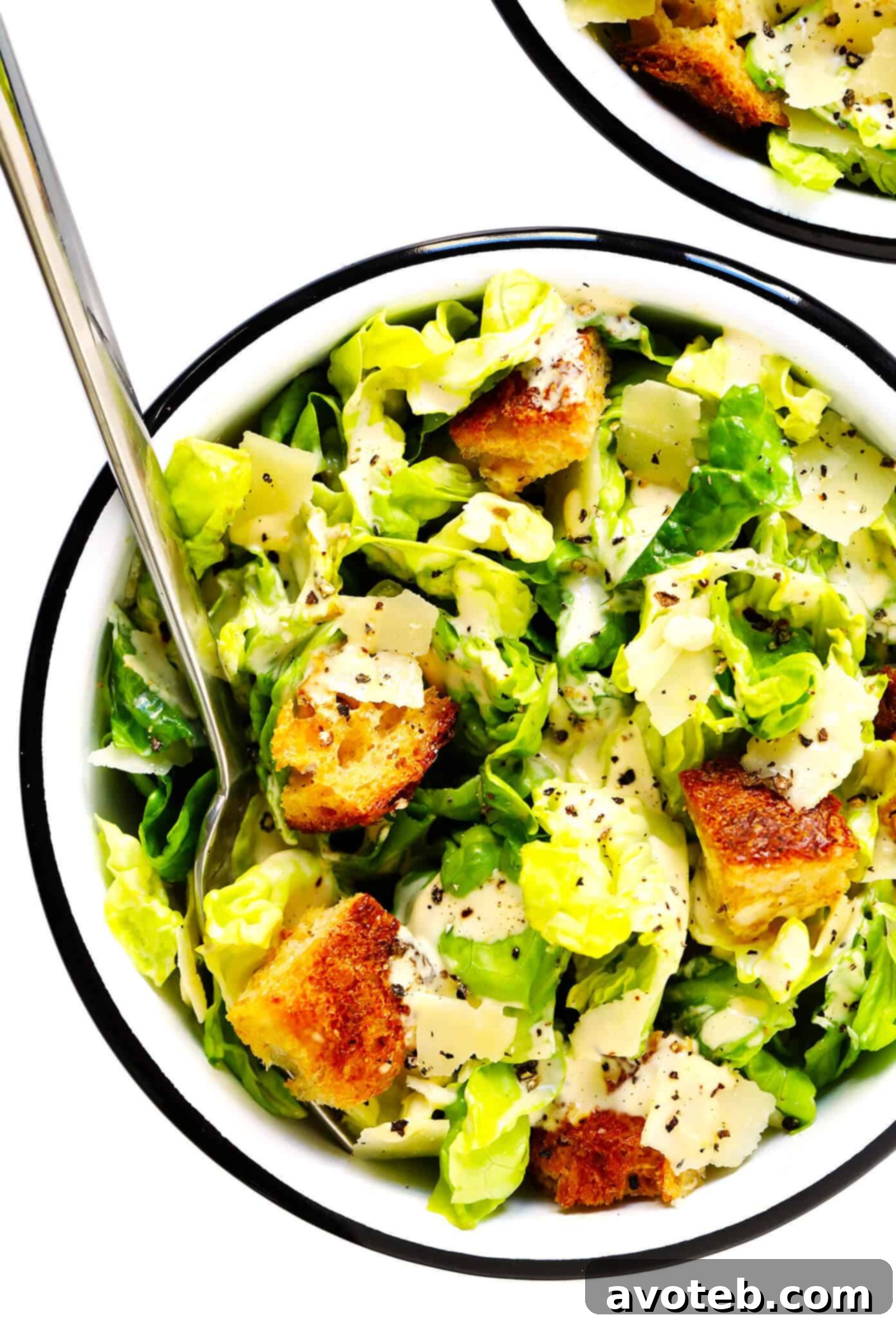
Beyond the Salad Bowl: Creative Uses for Caesar Dressing
While this dressing is undeniably perfect for its namesake salad, its rich, savory, and tangy profile makes it incredibly versatile. Don’t limit yourself to just lettuce! Here are some creative ways to enjoy your homemade Caesar dressing:
- Marinade for Meats: Its vibrant flavors make it an excellent marinade for chicken, fish, or pork. Let your protein soak in the dressing for at least 30 minutes before grilling, baking, or pan-frying for a juicy, flavorful result.
- Dip for Vegetables and Appetizers: Serve it alongside a platter of fresh crudités, crispy potato wedges, or even as a dip for chicken tenders.
- Sandwich or Wrap Spread: Ditch the mayonnaise and spread a layer of Caesar dressing on your next sandwich or wrap for an instant flavor upgrade. It’s particularly fantastic in chicken or turkey sandwiches.
- Roasted Vegetable Enhancer: Toss roasted broccoli, asparagus, or Brussels sprouts with a drizzle of Caesar dressing after they come out of the oven for a burst of savory flavor.
- Pasta Salad Base: Use it as a creamy base for a unique pasta salad, adding grilled chicken, cherry tomatoes, and cucumber.
More Favorite Salad Dressings to Explore
If you’re eager to expand your homemade dressing repertoire, here are some other fantastic recipes that are sure to become staples in your kitchen:
- Creamy Tahini Ranch Dressing
- Classic Balsamic Vinaigrette
- Zesty Red Wine Vinaigrette
- Fresh Basil Vinaigrette
- Exotic Ginger Carrot Dressing
- Sweet and Smoky Honey Chipotle Dressing
Print Recipe
Classic Caesar Dressing Recipe
Author: Ali
Prep Time: 5 mins
Cook Time: 0 mins
Total Time: 5 mins
Yield: About 1 cup 1x
Description
This is my absolute favorite, tried-and-true classic Caesar dressing recipe! It’s perfectly creamy, packed with savory umami flavor, and incredibly easy to make in minutes. Alternative instructions for preparing this dressing by hand or with an immersion blender are included in the notes below for your convenience.
Ingredients
Scale
- 5 anchovy fillets*, drained
- 2 small garlic cloves, peeled
- 2 large egg yolks*
- 1/3 cup (3/4 ounce) freshly-grated Parmesan cheese
- 2 tablespoons freshly-squeezed lemon juice
- 1 teaspoon Dijon mustard
- 1/4 teaspoon each fine sea salt and freshly-cracked black pepper
- 1/2 cup good-quality olive oil
Instructions
- Blend the Base Ingredients. In a blender, combine the drained anchovy fillets, garlic cloves, egg yolks, freshly-grated Parmesan, lemon juice, Dijon mustard, sea salt, and black pepper. Blend for approximately 5 seconds, or until all ingredients are thoroughly combined and the solids are finely puréed.
- Emulsify with Olive Oil. With the blender still running on a low to medium speed, carefully remove the small cap from the blender lid. Gradually and slowly stream in the olive oil in a thin, steady drizzle. Continue blending until the dressing becomes completely smooth, thick, and perfectly emulsified. This slow addition is key to achieving a stable, creamy consistency.
- Adjust Seasoning & Consistency. Once blended, assess the dressing’s texture. If it’s thicker than desired, add a few tablespoons of cold water, one at a time, blending after each addition until it reaches your preferred consistency (I find a texture similar to heavy cream ideal). Taste the dressing and make any final adjustments to seasoning, adding more salt, black pepper, or lemon juice if needed to suit your palate.
- Serve & Store. Your delicious homemade Caesar dressing is now ready to be served! Toss it immediately with fresh Romaine lettuce and your favorite toppings. If raw eggs were used, it is recommended to consume the dressing the same day it is made. Otherwise, transfer the dressing to an airtight container and refrigerate for up to 8 hours for optimal freshness and flavor.
Equipment
Anchovy Fillets
Buy Now →
Vitamix Blender
Buy Now →
Immersion Blender
Buy Now →
Notes
Anchovies: Feel free to adjust the quantity of anchovies to your personal taste – use more for a bolder umami flavor or less for a subtler hint. When purchasing, look for anchovies packed in oil, typically found in small jars or tins in the canned fish aisle. While anchovy paste can be used as a convenient alternative (approximately 1/2 teaspoon equals one anchovy fillet), I highly recommend using whole anchovy fillets for the superior flavor and depth they impart to the dressing.
Raw Eggs: Traditional Caesar dressing recipes call for raw egg yolks, which contribute to its characteristic creamy texture. However, consuming raw eggs carries a small risk of salmonella. If you prefer to avoid this, you can safely use pasteurized egg yolks instead. Another excellent option is to substitute 1 tablespoon of high-quality mayonnaise for each raw egg yolk; this will yield an equally creamy and delicious dressing.
How to Make this Recipe by Hand: For those who prefer a traditional approach, begin by very finely mincing the anchovy fillets and garlic, or mashing them together into a smooth paste using the side of your knife. In a mixing bowl, vigorously whisk this paste together with the egg yolks, Parmesan cheese, lemon juice, Dijon mustard, salt, and pepper until well combined. Then, while continuously whisking the mixture with one hand, gradually and slowly stream in the olive oil with the other hand. Continue whisking energetically until the dressing is completely smooth and emulsified. Once the desired consistency is achieved, proceed with steps 3 and 4 of the main instructions.
How to Make this Recipe with an Immersion Blender: If you own an immersion blender, it’s a fantastic tool for this dressing! Combine all the base ingredients (as listed in Step 1 of the main instructions) in a deep mixing bowl. Insert your immersion blender and blend for about 5 seconds to combine. While the immersion blender is still running, gradually stream in the olive oil and continue blending until the dressing is perfectly smooth and emulsified. Then, continue with steps 3 and 4 as described in the primary instructions.