
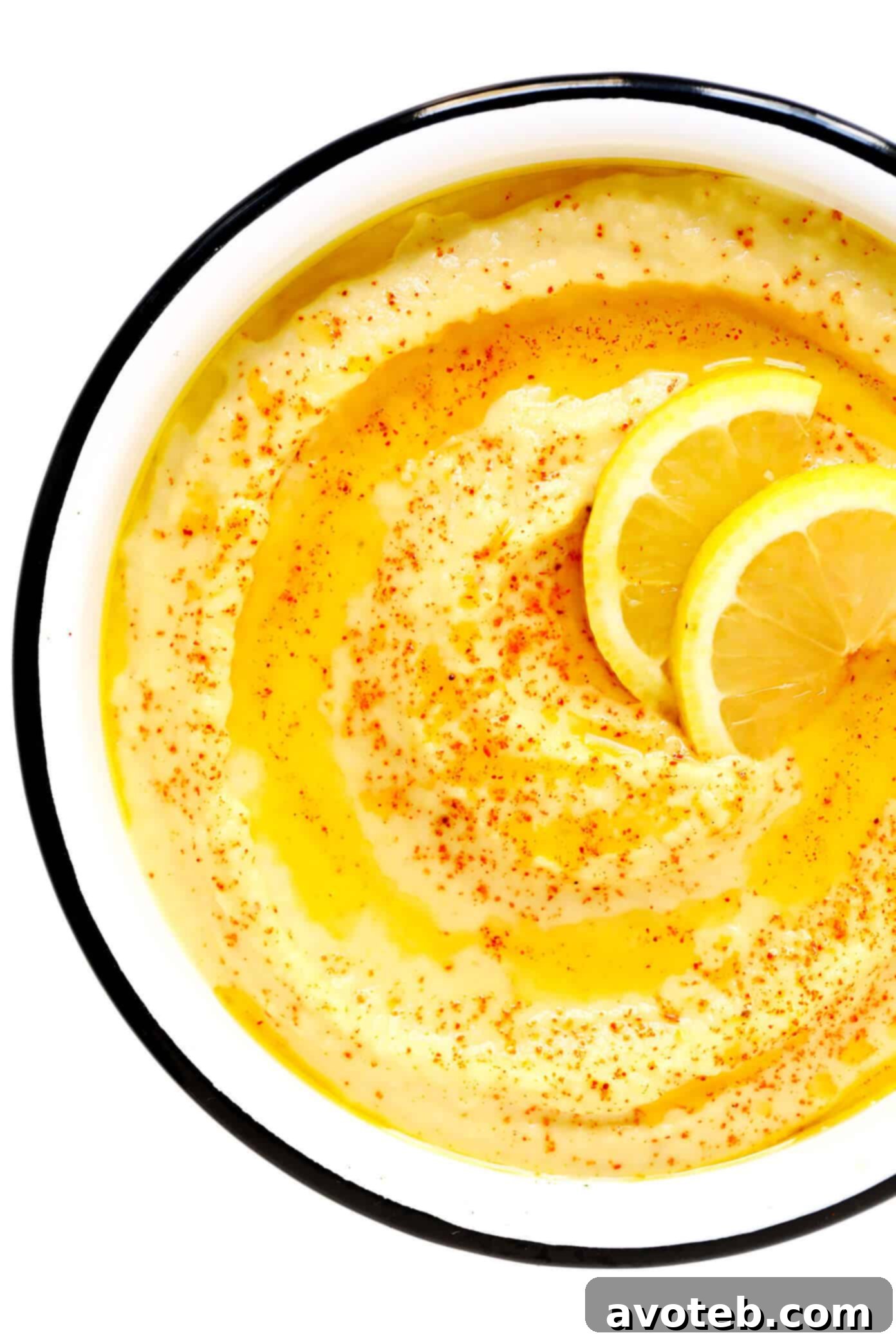
Authentic Greek Fava Dip: A Lemony, Zesty Yellow Split Pea Delight
Prepare to be whisked away to the sun-drenched shores of Greece with this exquisite Greek Fava (Yellow Split Pea Dip) recipe. This isn’t just any dip; it’s a culinary journey, bursting with refreshingly light, lemony, and zesty flavors. Perfectly smooth and incredibly satisfying, it’s an ideal companion for warm pita bread, crisp vegetables, or any of your favorite dippers. Whether you’re a seasoned chef or a beginner in the kitchen, this naturally healthy, vegan, and gluten-free dish is remarkably easy to create, promising to transport your taste buds straight to the heart of the Mediterranean.
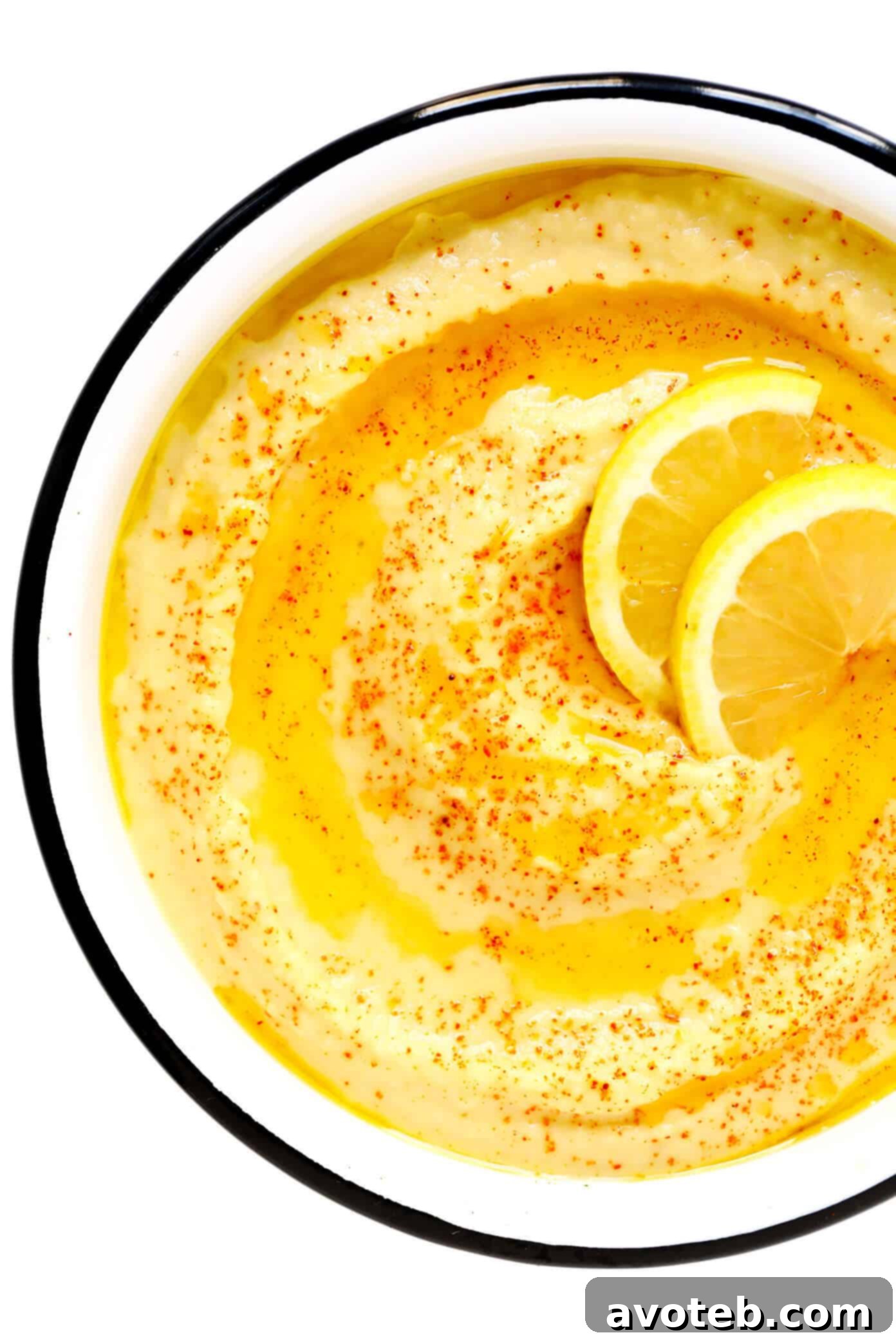
A few years ago, my partner Barclay and I embarked on our first unforgettable journey to Greece. From the moment we arrived, we were utterly captivated by the country’s vibrant culinary scene, particularly its delectable array of mezze. Among the many delights, it was the dips that truly stole our hearts. We indulged in everything from the famously creamy tzatziki, a refreshing cucumber and yogurt dip, to the fiery tirokafteri, a spicy feta concoction. We also savored melizanosalata, a smoky eggplant dip, skordalia, a potent garlic dip, and the universally loved hummus, among countless others. Each dip was a revelation, but one particular specialty from the enchanting island of Santorini left an indelible mark on our palates:
…fava. ♡
Unveiling the True Greek Fava: A Santorini Delicacy
Contrary to what its name might suggest to an English speaker, Greek fava is not, in fact, made from fava beans (broad beans). This is a common misconception that often surprises first-timers. In Greek, the word fáva (φάβα) specifically refers to yellow split peas. These humble legumes are primarily cultivated on the volcanic island of Santorini, where the unique soil and climate imbue them with an unparalleled sweetness and earthy flavor. This tradition of growing and preparing fava dates back thousands of years, earning Santorini fava a Protected Designation of Origin (PDO) status, akin to how certain wines or cheeses are recognized for their regional authenticity.
The first time we tasted this golden purée, I remember turning to Barclay and exclaiming, “It tastes like lemony lentil soup… but in a dip!” This simple description perfectly encapsulates the essence of why I fell so deeply in love with it. Our gracious servers eagerly shared that its preparation was surprisingly straightforward: simply simmering yellow split peas with aromatic onion and garlic, along with a few select seasonings, then puréeing the mixture to a velvety smoothness. The final touches of high-quality olive oil and fresh lemon juice elevate it to an irresistibly light and lovely dip. The result is a vibrant, wholesome spread that pairs wonderfully with warm pita or any dippers you fancy. As an added bonus, this authentic Greek delight is naturally gluten-free and vegan, making it accessible and enjoyable for nearly everyone.
If you, like me, consider yourself a devoted dip connoisseur and have a particular fondness for the comforting flavors of lentil soup, then it is absolutely time to introduce your kitchen to the magic of Greek fava. Its elegant simplicity and robust flavor profile are sure to make it a new favorite.
Why This Homemade Greek Fava Recipe Is a Must-Try
Beyond its captivating flavor, there are numerous reasons why this homemade Greek Fava recipe deserves a spot in your culinary repertoire. Firstly, its preparation is refreshingly uncomplicated. You don’t need exotic ingredients or complex techniques to achieve a genuinely authentic taste. With just a few staple items and a little patience, you can recreate the essence of a Santorini sunset in your own kitchen. This recipe celebrates natural, wholesome ingredients, transforming them into something truly special.
Secondly, the versatility of Greek Fava is unmatched. While it shines as a standalone appetizer, perhaps garnished with a drizzle of extra virgin olive oil and a sprinkle of capers, it’s equally at home as part of a lavish mezze platter. Consider it a sophisticated spread for sandwiches and wraps, a delightful accompaniment to grilled fish or chicken, or even a flavorful base for a vegetarian main course. Its creamy texture and bright, clean flavors complement a wide range of dishes, making it an indispensable component of any balanced meal.
Finally, embracing Greek Fava means embracing a healthy lifestyle without compromising on taste. Yellow split peas are a nutritional powerhouse, rich in plant-based protein, dietary fiber, and essential minerals. This dip offers a guilt-free indulgence, providing sustained energy and supporting digestive health. It’s a testament to how traditional Mediterranean cuisine naturally aligns with modern wellness goals, proving that delicious food can indeed be good for you. Impress your friends and family with a dish that is not only incredibly tasty but also embodies a rich cultural heritage and offers significant health benefits.
Essential Ingredients for Your Authentic Fava Dip
After our initial trip, I delved deeper into the art of making Greek fava, researching traditional methods and experimenting with various flavor combinations. While some recipes opt for extreme minimalism, using just split peas, onion, and olive oil, others incorporate a broader spectrum of herbs and spices. The following ingredients represent our favorite blend, striking a perfect balance between classic simplicity and rich, nuanced flavor. Each component plays a crucial role in achieving the authentic taste and silky texture that define an exceptional fava dip.
- High-Quality Olive Oil: The cornerstone of Mediterranean cooking. We use a generous amount – first to sauté the aromatics, then a portion is stirred into the dip to create that coveted silky richness. A final drizzle over the finished fava adds a beautiful sheen and a peppery, fruity note. Using a good extra virgin olive oil makes a noticeable difference.
- Red Onion: This is the most popular choice for traditional fava, lending a delicate sweetness that beautifully complements the earthiness of the split peas. If red onion isn’t available, a yellow onion can be used as a suitable alternative.
- Fresh Garlic: Adds a pungent, aromatic depth that is fundamental to many Greek dips. Feel free to adjust the quantity to your personal preference – whether you prefer a subtle hint or a more pronounced garlic kick.
- Yellow Split Peas: The undisputed star of the dish. These are traditionally simmered in plain water to allow their natural flavor to shine. However, for an extra layer of complexity and depth, you could consider using vegetable stock instead of water, though this is a non-traditional variation. Ensure your split peas are thoroughly rinsed before cooking. Authentic Santorini PDO fava peas offer the most traditional flavor, but high-quality yellow split peas from any source will yield excellent results.
- Simple Seasonings: My preferred blend for fava includes a bay leaf, which imparts a subtle herbal aroma during simmering, ground cumin for a touch of warm, earthy spice, and fine sea salt to enhance all the flavors. While this combination is excellent, many traditional recipes also feature dried oregano, thyme, and/or rosemary, which would also be incredibly delicious additions or substitutions.
- Fresh Lemon Juice: This is arguably the most critical component for fava’s signature bright and zesty character. I’ve developed this recipe with two tablespoons of fresh lemon juice (typically from one medium lemon), but don’t hesitate to add more if you desire an extra lemony tang. Freshly squeezed lemon juice is paramount here; avoid bottled varieties for the best flavor.
- Creative Topping Ideas: The presentation and final flavor can be greatly enhanced by thoughtful toppings. Consider a vibrant sprinkle of smoked paprika, an additional drizzle of that exquisite olive oil, thinly sliced or minced red onion for a fresh crunch, briny Kalamata olives, and/or sharp, tangy capers. Each of these elements adds another dimension of flavor and texture, turning a simple dip into a gourmet experience.
Crafting Your Creamy Greek Fava Dip: A Step-by-Step Guide
Making this delightful fava dip is a straightforward process that yields incredibly rewarding results. Follow these simple steps to create a silky-smooth, flavorful spread that will impress everyone:
- Sauté the Onion and Garlic: Begin by heating 1 tablespoon of olive oil in a large saucepan over medium-high heat. Add the diced red onion and sauté gently for about 5 minutes, stirring occasionally, until the onion softens and becomes translucent. Next, add the minced garlic and continue to sauté for another 1-2 minutes, stirring frequently, until it becomes fragrant. Be careful not to let the garlic brown, as this can lead to a bitter taste.
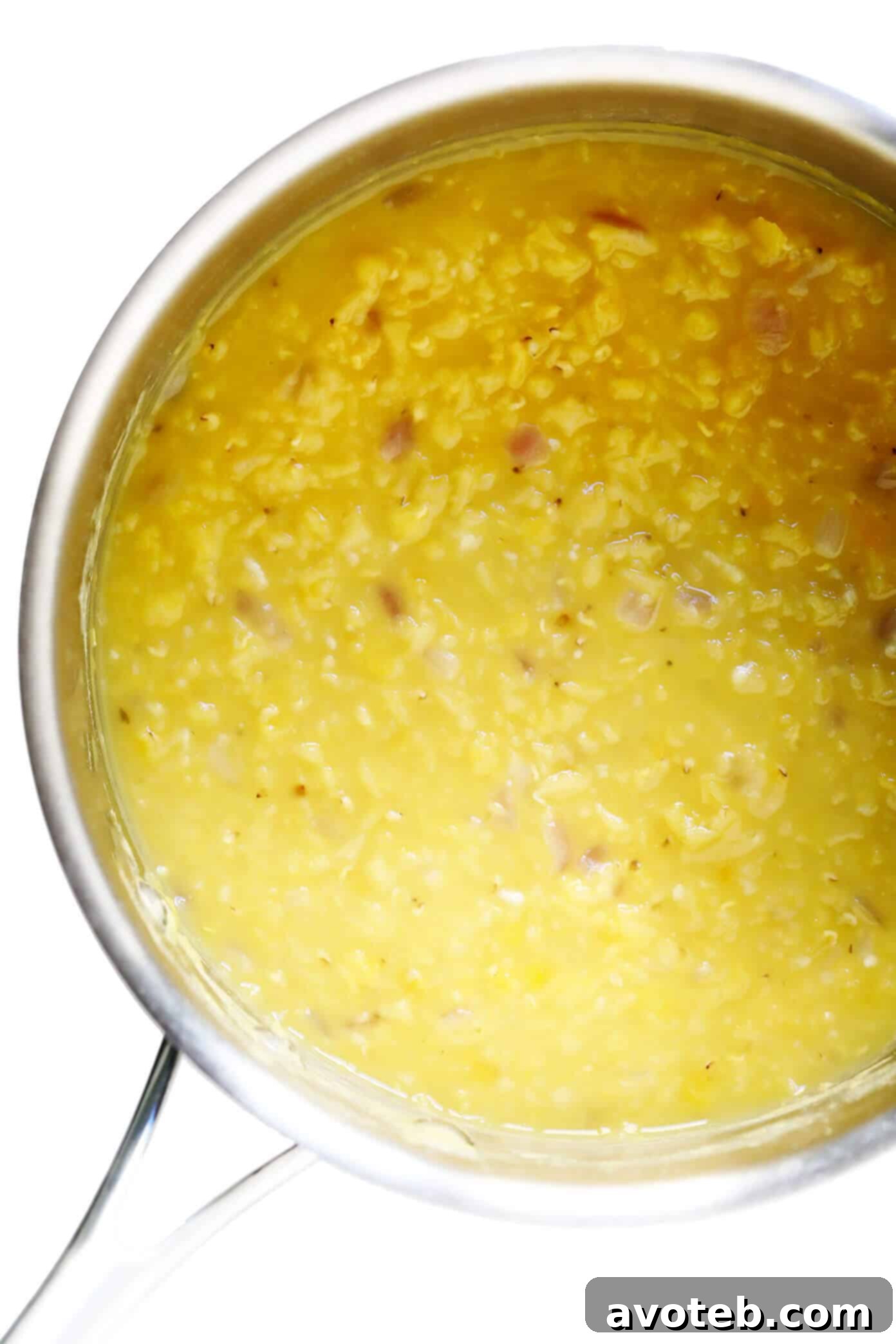
- Simmer to Perfection: Pour in the water (or vegetable stock, if using), add the rinsed yellow split peas, bay leaf, fine sea salt, and ground cumin. Stir all the ingredients together to combine them well. Bring the mixture to a gentle simmer. Once simmering, reduce the heat to medium-low, cover the saucepan, and allow it to cook for approximately 20-25 minutes. Continue simmering until the yellow split peas are completely softened and can be easily mashed with a fork. The peas should be tender and creamy.
- Purée to Silky Smoothness: Carefully remove and discard the bay leaf from the cooked split pea mixture. Using an immersion blender directly in the saucepan, purée the mixture until it is completely smooth and creamy. If you don’t have an immersion blender, you can carefully transfer the fava in two batches to a traditional blender or a food processor. When blending hot liquids, be sure to vent the cap on your blender lid to allow steam to escape and prevent pressure buildup. Blend until you achieve a consistent, velvety texture.
- Season and Finish: Remove the saucepan from the heat. Stir in the fresh lemon juice and the remaining 2 tablespoons of olive oil until all ingredients are thoroughly combined. Taste the dip and adjust the seasoning as needed; you might want to add a pinch more salt or a squeeze of additional lemon juice to brighten the flavors. Remember that the fava will naturally thicken considerably as it cools, so don’t be alarmed if it seems a little thinner when warm.
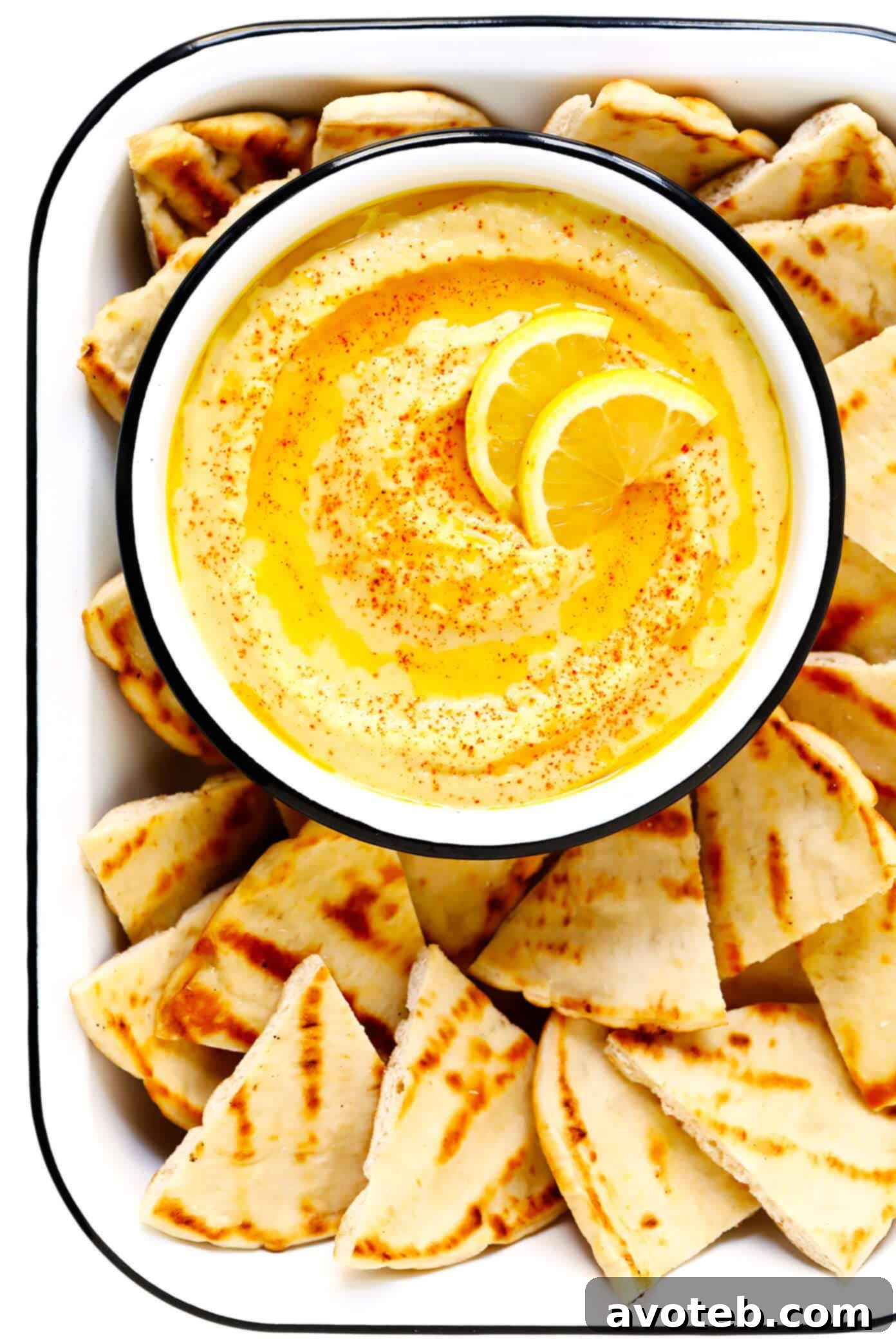
- Serve with Style: Transfer your freshly made fava dip to a beautiful serving bowl. Garnish generously with a vibrant pinch of smoked paprika and any other preferred toppings such as an extra drizzle of olive oil, thinly sliced red onion, Kalamata olives, or capers. Serve immediately and enjoy the delightful flavors of Greece! Leftovers can be stored in an airtight container in the refrigerator for up to 3-4 days, and often taste even better the next day as the flavors meld.
Tips for the Best Greek Fava Experience
While this recipe is straightforward, a few key tips can elevate your Greek fava from simply good to absolutely extraordinary. Mastering these nuances will ensure your dip has the perfect texture and flavor every time.
Achieving the Perfect Consistency
Fava tends to thicken significantly as it cools. If your fava becomes too thick after chilling, you can easily restore its creamy consistency by stirring in a small amount of warm water or vegetable stock, one tablespoon at a time, until it reaches your desired smoothness. Conversely, if your fava seems a bit too thin right after puréeing, you can return it to the saucepan over low heat and simmer gently for a few more minutes, stirring constantly, to allow some of the liquid to evaporate and achieve a thicker texture.
The Power of High-Quality Olive Oil
The quality of your olive oil truly makes a difference in Greek cuisine, and fava is no exception. Using a robust, fruity extra virgin olive oil not only for cooking but especially for the final drizzle will impart a depth of flavor and a luxurious mouthfeel that cannot be replicated. Many traditional Greek fava preparations actually incorporate two to three times the amount of olive oil than suggested in this recipe, resulting in an exceptionally rich and velvety dip. Don’t shy away from being generous with your final drizzle.
Flavor Customization and Herb Alternatives
While the cumin and smoked paprika blend in this recipe offers a delicious profile, don’t hesitate to experiment with other traditional Greek herbs. As mentioned, dried oregano, thyme, or rosemary can be added during the simmering process for different aromatic notes. For a fresh finish, a sprinkle of chopped fresh parsley or dill instead of paprika can add a vibrant green hue and a burst of herbaceous flavor, creating a delightful contrast to the rich split peas. Feel free to adjust the lemon juice to your taste as well – some prefer a tangier dip, while others like a more subtle citrus note.
Storage and Make-Ahead Benefits
Fava is an excellent make-ahead dish. It can be prepared a day or two in advance and stored in an airtight container in the refrigerator. In fact, many find that the flavors deepen and meld beautifully overnight, enhancing its complexity. Just remember to allow it to come to room temperature or gently warm it before serving, and adjust the consistency with a splash of warm water or stock if needed.
Elevate Your Mezze Platter: Serving Suggestions
Greek Fava is incredibly versatile and pairs well with a myriad of accompaniments. Here are some ideas to make your fava experience truly memorable:
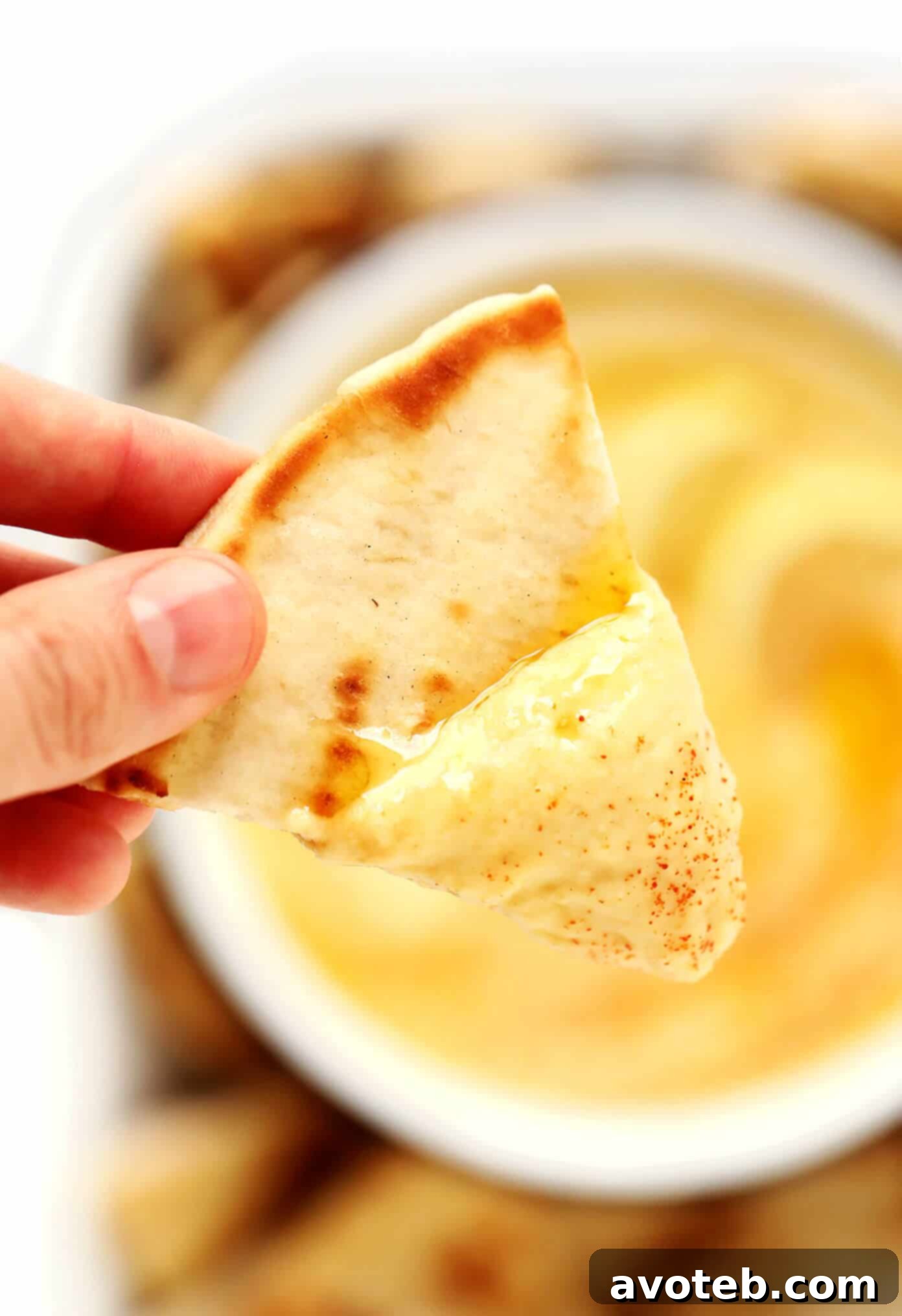
- Warm Pita Bread: The classic choice, perfect for scooping up generous portions.
- Crusty Bread: A thick slice of fresh, crusty bread makes an excellent vehicle for this creamy dip.
- Fresh Vegetable Sticks: Cucumbers, carrots, celery, bell peppers, and radishes add a refreshing crunch.
- Crackers or Breadsticks: A lighter option for snacking.
- As a Spread: Use it in wraps, sandwiches, or even as a base for bruschetta.
- Alongside Main Dishes: Serve as a flavorful side dish with grilled chicken, fish, lamb, or roasted vegetables.
- Part of a Mezze Board: Combine with other Greek favorites like olives, feta cheese, dolmades, and hummus for an impressive spread.
Discover More Irresistible Dip Recipes
If you’re a fellow dip enthusiast constantly on the lookout for new flavors and textures, you’re in good company! The world of dips is vast and exciting, offering endless possibilities for appetizers, snacks, and side dishes. Here are a few more of our favorite dip recipes that are sure to tantalize your taste buds and impress your guests, ranging from classic Mediterranean spreads to hearty party favorites:
- Classic Hummus: A staple in Middle Eastern and Mediterranean cuisine, this creamy chickpea dip is a must-have.
- Baba Ganoush: A smoky and flavorful eggplant dip, perfect for those who love unique Mediterranean tastes.
- Perfect Guacamole: Fresh, vibrant, and utterly irresistible – the ultimate avocado dip for any occasion.
- The Best Salsa: A homemade salsa recipe that rivals your favorite restaurant’s, bursting with fresh ingredients.
- Buffalo Chicken Dip: A crowd-pleasing, savory dip with all the flavors of buffalo wings in a creamy form.
- Spicy Greek Feta Dip (Tirokafteri): For those who enjoy a little heat, this tangy and spicy feta dip is a Greek delight.
- Slow Cooker Spinach Artichoke Dip: A warm, comforting, and incredibly cheesy dip that’s perfect for entertaining with minimal effort.
We hope this comprehensive guide inspires you to create your own authentic Greek Fava dip. Its simple ingredients, easy preparation, and remarkably fresh taste make it a true culinary gem. Whether you’re reminiscing about past travels or dreaming of future adventures, this lemony split pea dip is a delicious way to bring the flavors of Greece right to your table. Enjoy!