
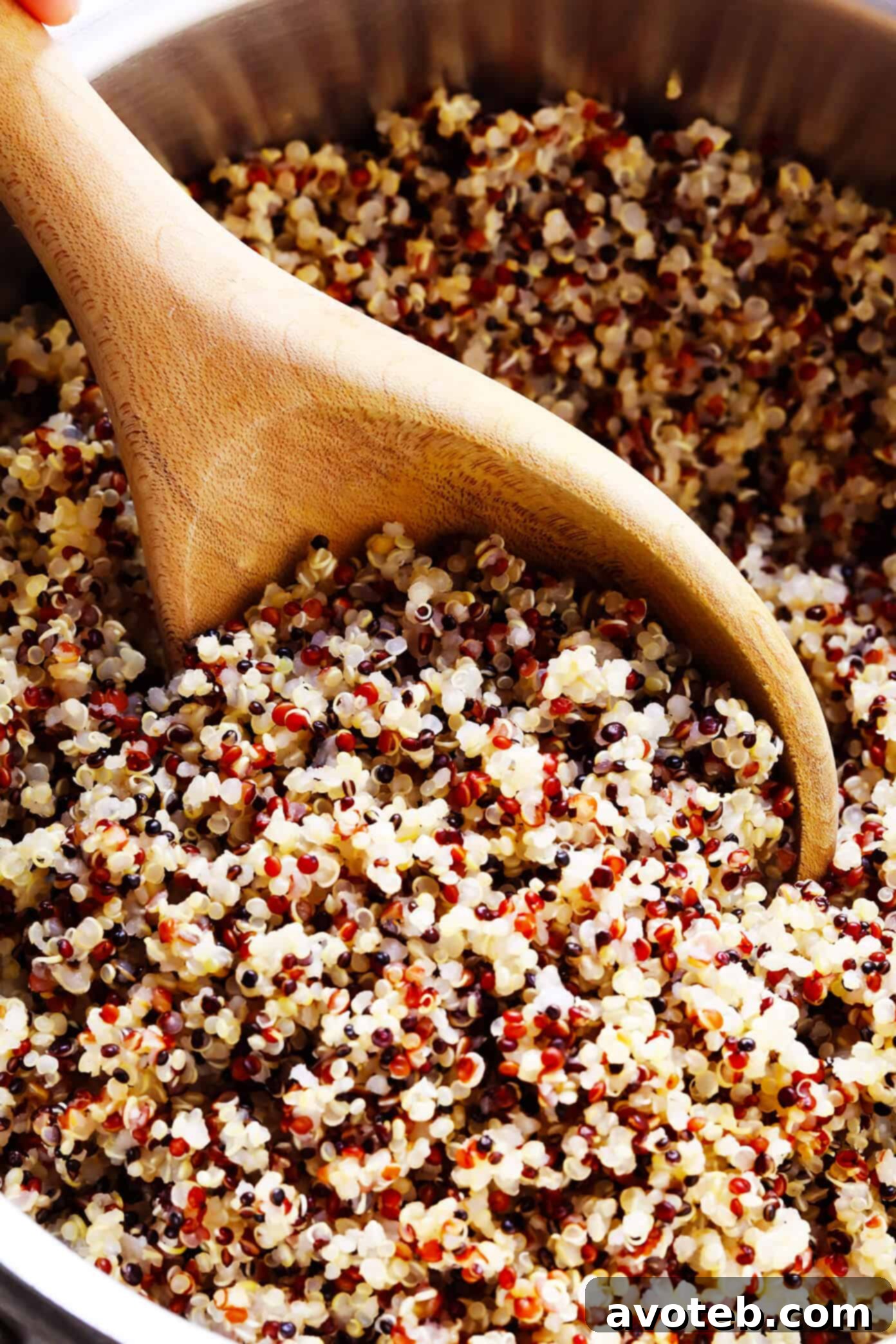
Discover the ultimate guide to perfectly cooked quinoa every single time. Learn the simplest, most effective method, along with expert tips for toasting, seasoning, and storing this versatile superfood. Dive into our collection of delicious and easy quinoa recipes!
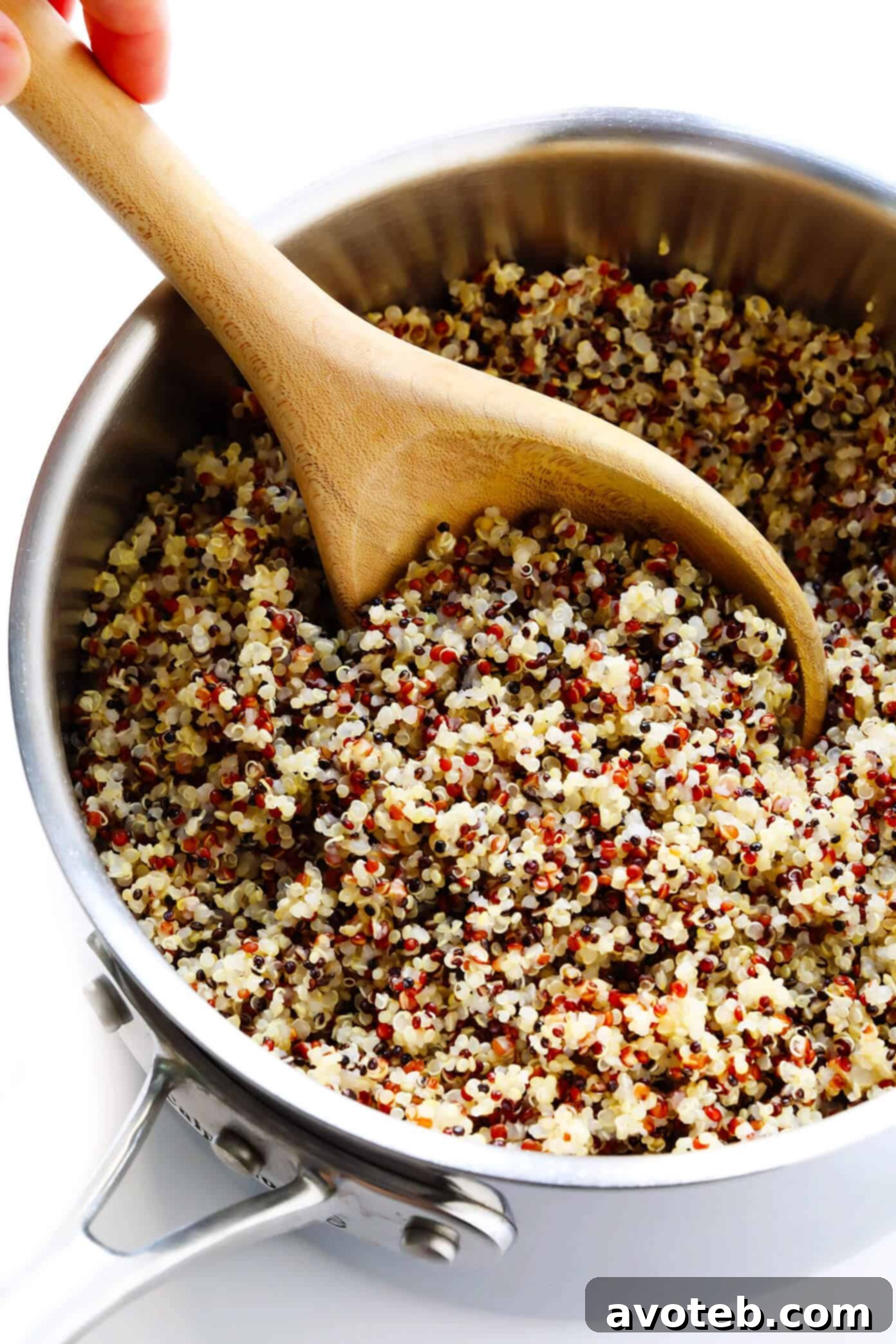
For years, many home cooks, including myself, have grappled with the elusive goal of achieving perfectly fluffy, light quinoa. The internet was awash with advice: strict 1:2 quinoa to water ratios, covered simmering, precise draining, and steaming. Yet, time and again, the results were inconsistent. Batches often turned out mushy, clumpy, or overly dry – far from the ideal texture we all crave. I experimented tirelessly, altering water amounts, cooking times, and whether to cover the pot. Despite trying countless recommendations, the secret to consistently perfect quinoa remained a mystery.
Then, a game-changing revelation emerged, thanks to the culinary experts at Bon Appetit. About a year ago, their culinary team published an article that promised a method for cooking quinoa and other popular grains “perfectly, every time.” Intrigued and hopeful, I braced myself for another complex set of instructions and ratios to memorize. To my delightful surprise, their solution was remarkably simple and intuitive: cook quinoa just like pasta!
This ingenious method is as straightforward as it sounds and, crucially, it delivers consistent results. Forget intricate measurements for water or complicated timing calculations. All you need to do is bring a pot of salted water to a rolling boil, add your quinoa, and let it cook until it reaches your desired tenderness. Once cooked, simply drain the quinoa thoroughly and allow it to steam briefly, completing its transformation into light, fluffy grains. This technique eliminates the guesswork, the stress of mushy batches, and the need to adjust ratios for different quantities. The only essential tool you’ll need is a fine-mesh strainer for efficient draining. It’s truly brilliant in its simplicity and effectiveness.
Beyond the basic cooking method, there are many ways to enhance the flavor profile of your quinoa. Below, I’ve included a variety of options for aromatics that can be added to the cooking water, infusing your quinoa with deeper taste. For an even more profound flavor boost, I highly recommend a quick, three-minute step: toasting the dry quinoa before cooking. Furthermore, this comprehensive guide offers practical tips on how to properly store and freeze cooked quinoa, making it an excellent component for meal prep. And, to inspire your culinary adventures, I’ve compiled a list of my favorite easy quinoa recipes, ensuring this superfood becomes a delicious staple in your kitchen.
Ready to master the art of perfectly cooked quinoa? Let’s get started!
What Exactly Is Quinoa? The Superfood Explained
Before we delve deeper into cooking methods, let’s briefly appreciate why quinoa has earned its well-deserved reputation as a superfood. This ancient grain, originating from the Andes Mountains, has been cultivated for thousands of years and was considered sacred by the Incas. In recent decades, it has gained immense popularity worldwide due to its exceptional nutritional profile and versatility.
Quinoa stands out as one of the few plant-based foods that is a complete protein, meaning it contains all nine essential amino acids necessary for human health. This makes it an invaluable food source for vegetarians, vegans, and anyone looking to incorporate more plant-based protein into their diet. Beyond protein, quinoa is an excellent source of dietary fiber, boasting nearly double the fiber content of most other grains. This high fiber content aids in digestion, helps regulate blood sugar levels, and contributes to a feeling of fullness, supporting weight management.
Furthermore, quinoa is packed with essential vitamins and minerals, including B vitamins (like folate and thiamine) and vitamin E, crucial for energy production and antioxidant protection. It’s also rich in vital minerals such as iron, magnesium, calcium, potassium, and zinc, all of which play key roles in various bodily functions, from bone health to immune support. Naturally gluten-free, quinoa is a fantastic option for individuals with celiac disease or gluten sensitivity. Its low glycemic index means it causes a slower, more controlled rise in blood sugar compared to high-GI foods, making it suitable for those managing diabetes.
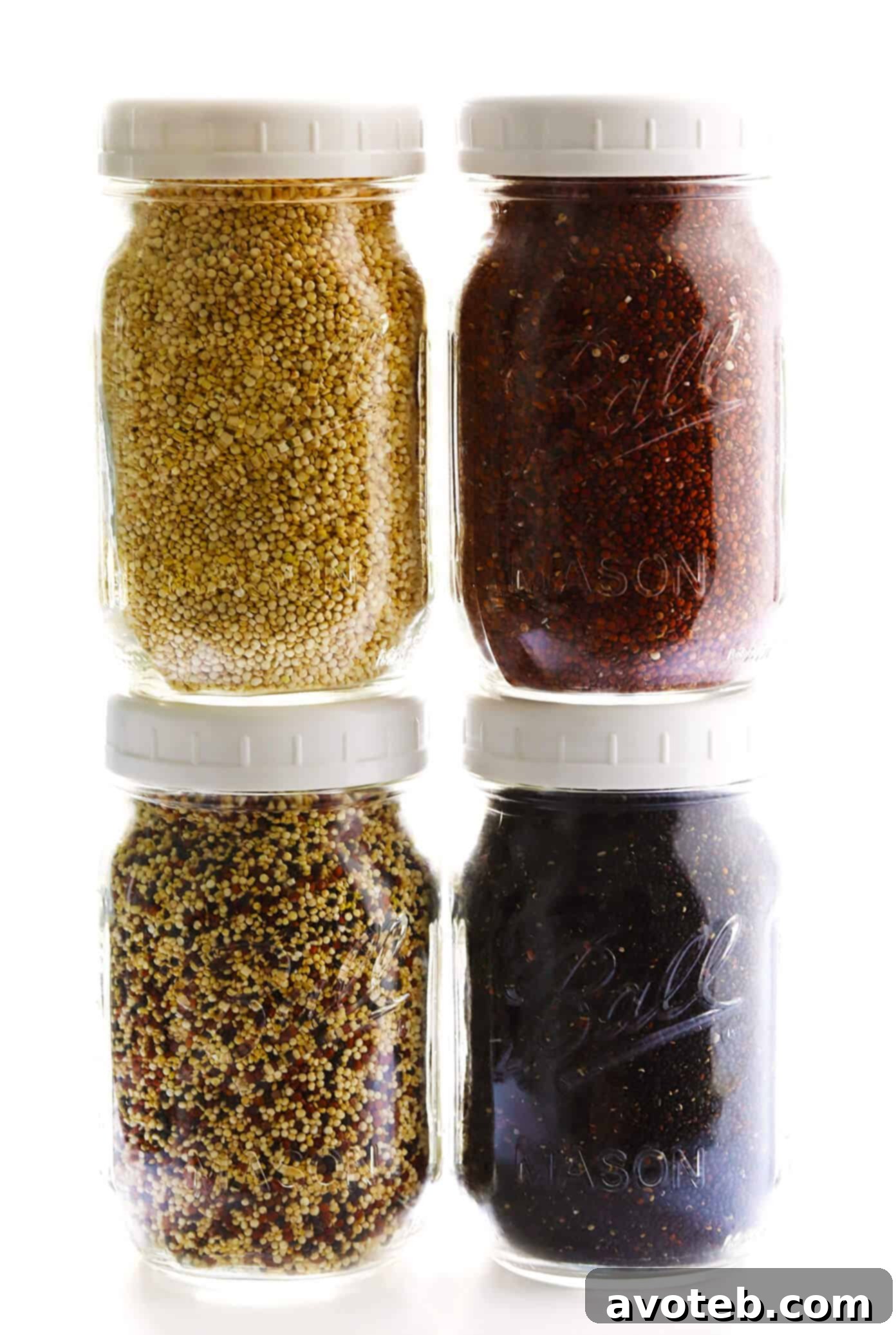
Perhaps one of the best attributes of quinoa is its incredible versatility and mild, earthy, slightly nutty flavor, which can be easily adapted to complement almost any cuisine. It serves as a fantastic base for vibrant salads, a nutritious substitute for rice in fried rice dishes, a hearty component in burrito bowls, and even a binder for delicious vegetarian burgers. With over 100 different types of quinoa cultivated globally, the most commonly available varieties in grocery stores include white (often called pearl) quinoa, red quinoa, black quinoa, and a visually appealing tri-color blend. You can typically find quinoa in the grains, rice, or health food aisle of your local supermarket, or easily order it online. With so many compelling reasons, adding quinoa to your cooking repertoire is an excellent choice for a healthier, more flavorful diet!
Essential Ingredients for Cooking Quinoa
Preparing a batch of delicious quinoa requires just a few basic ingredients, most of which you likely already have in your pantry. Here’s what you’ll need to gather:
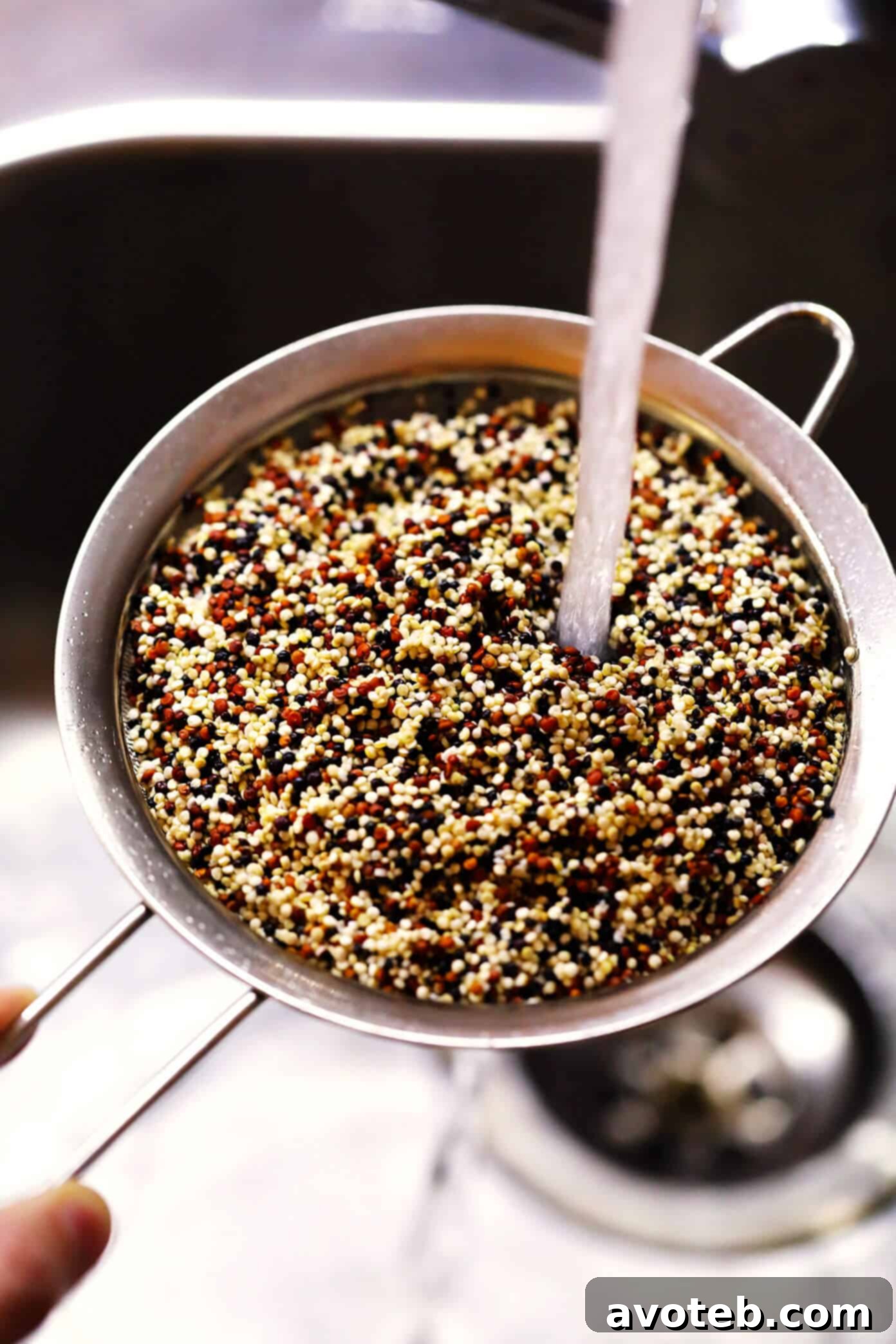
- Quinoa: The star of our show! You’ll need uncooked quinoa. While white (pearl) quinoa is the most common, feel free to choose your preference from white, red, black, or a vibrant tri-color blend. Remember, it’s crucial to rinse and drain the quinoa thoroughly before cooking to remove its natural bitter coating.
- Water: The primary cooking liquid. For a neutral base flavor, use plain water. However, for a richer, deeper taste, consider substituting water with vegetable or chicken broth. This small change can significantly elevate the overall flavor of your quinoa, especially if you plan to use it as a side dish.
- Sea Salt: Essential for seasoning the cooking water, just like you would when boiling pasta. A good pinch of fine sea salt helps to bring out the natural, subtle flavors of the quinoa, preventing it from tasting bland.
- (Optional) Aromatics: These are flavor enhancers you can add to the cooking water to infuse the quinoa with more complex notes. Popular choices include bay leaves, a clove or two of fresh garlic, or a few sprigs of fresh herbs like thyme or rosemary.
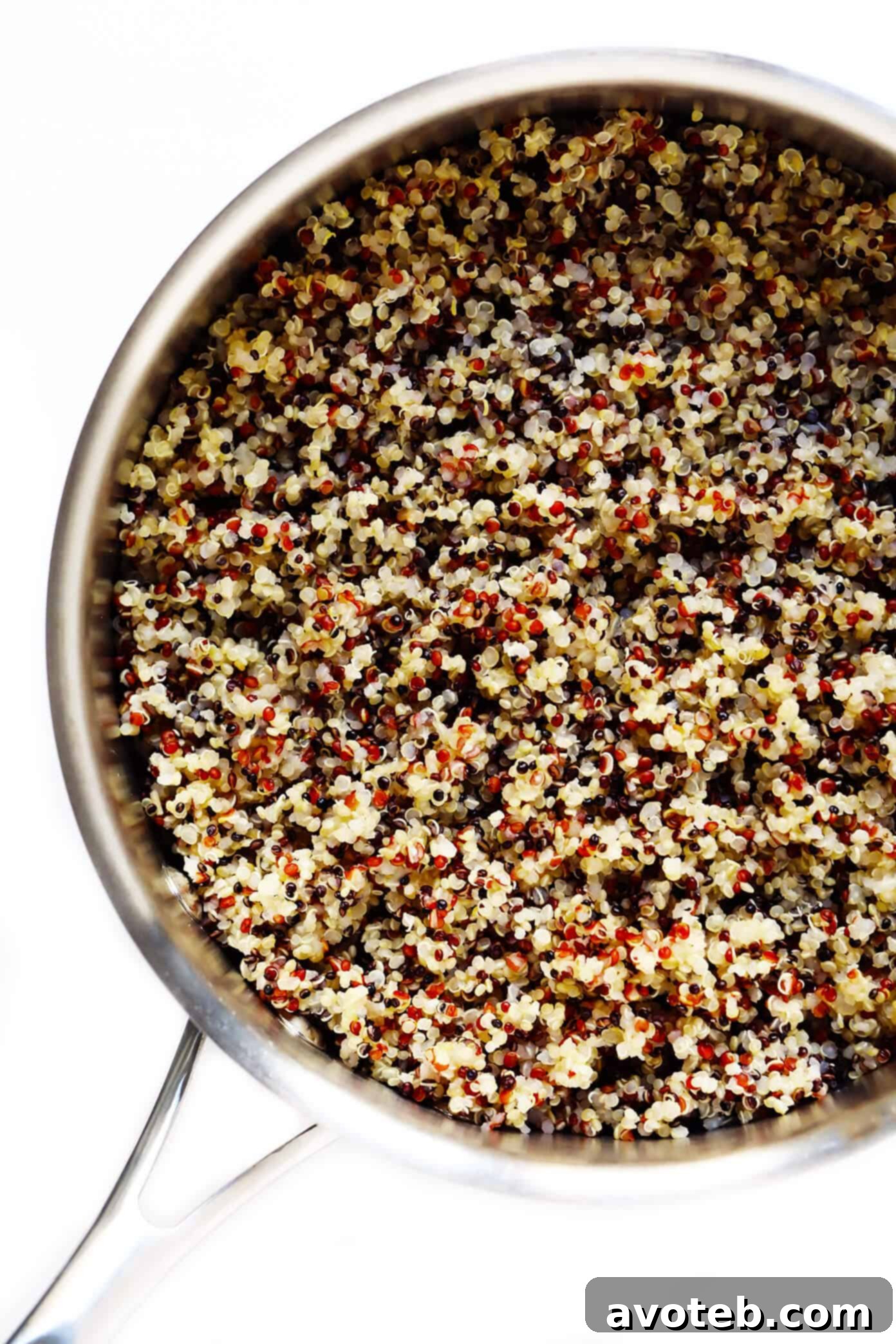
The Simplest Method: How To Cook Quinoa Like Pasta
Gone are the days of guessing and mushy quinoa. This foolproof method will yield light, fluffy, and perfectly tender quinoa every time. Here’s how to do it, step-by-step:
- Bring Water to a Rolling Boil: Start by filling a large saucepan with a generous amount of water, similar to how you would prepare water for pasta. Add a good pinch of salt to the water (about 1/2 teaspoon per 3 cups of water is a good starting point, but adjust to your taste), and bring it to a vigorous, rolling boil over high heat.
- Add and Simmer the Quinoa: Once the water is boiling, add your rinsed and drained quinoa to the pot. If you’re using any optional aromatics like a bay leaf or garlic cloves, add them now. Stir briefly to ensure the quinoa is well distributed. Reduce the heat to medium, maintaining a steady, vigorous simmer rather than a gentle simmer. Cook the quinoa for approximately 12 to 15 minutes. During this time, the quinoa will become tender and translucent, and you’ll notice the distinct little white “curlicues” – which are actually the germ of the seed – poking out from each grain. These are key indicators that your quinoa is fully cooked.
- Drain Thoroughly: Once the quinoa is cooked to perfection, carefully drain it completely using a fine-mesh strainer. It’s important to ensure all excess water is removed to prevent waterlogged or mushy quinoa. Give it a good shake in the strainer to get rid of any lingering moisture.
- Steam for Optimal Fluffiness: Transfer the drained quinoa back to the empty saucepan. Remove the saucepan from the heat and immediately cover it with a clean dishtowel, then place the lid firmly over the dishtowel. The dishtowel will absorb any condensation, preventing it from dripping back onto the quinoa. Allow the quinoa to rest and steam for 5 to 10 minutes. This crucial step allows the grains to fully absorb any residual moisture, bloom, and become incredibly light and fluffy.
- Fluff and Season: After steaming, remove the lid and dishtowel. Use a fork to gently fluff the quinoa, separating the grains. Taste a spoonful and adjust seasoning as needed, adding more salt or freshly ground black pepper if desired.
- Serve Warm and Enjoy: Your perfectly cooked quinoa is now ready to be served! Enjoy it immediately as a side dish, a base for bowls, or as an ingredient in your favorite recipes.
For detailed ingredient quantities and precise instructions, please refer to the recipe card below.
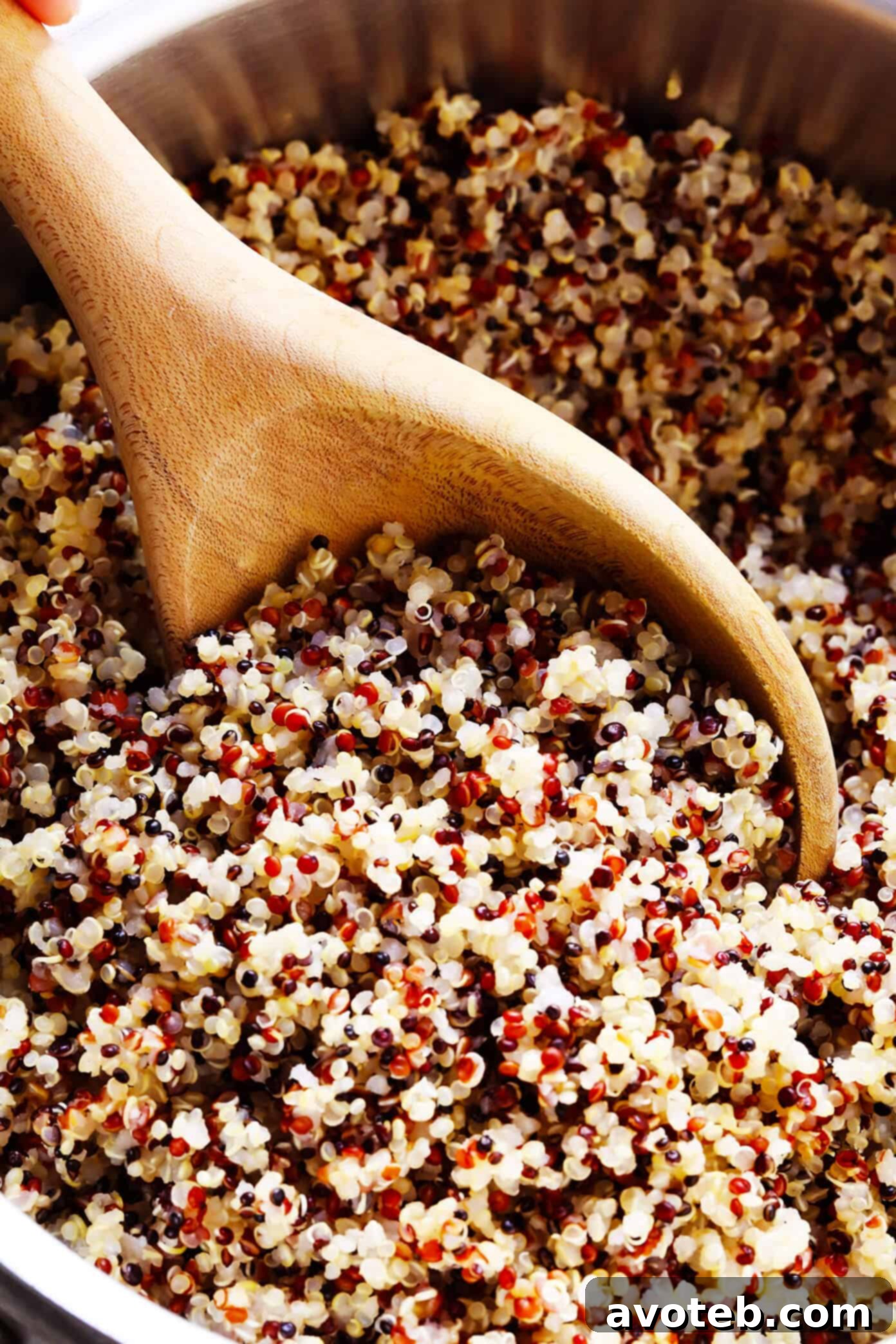
Elevating Your Quinoa: Flavor Boosters and Seasoning Tips
While perfectly cooked quinoa is delicious on its own, a few simple additions can significantly amplify its flavor profile, making it even more enjoyable. Experiment with these flavor boosters to tailor your quinoa to any meal or preference:
- Toast the Quinoa for Deep Flavor: This effortless step takes only about 3-4 minutes but imparts a remarkably rich, nutty, and deeper flavor to your quinoa. To toast, simply heat a dry sauté pan over medium-high heat. Add your dry, uncooked quinoa to the hot pan and let it toast, stirring occasionally, until it becomes fragrant and develops a lightly golden hue. Be careful not to burn it. Once toasted, remove it from the heat and proceed with cooking as directed in the method above. This pre-cooking step truly makes a noticeable difference.
- Infuse with Aromatics During Cooking: The cooking liquid is an excellent vehicle for infusing flavor into quinoa. I often toss a bay leaf or one or two whole cloves of fresh garlic into the boiling water for a subtle, savory undertone. You can also experiment with other aromatics that complement your final dish. Consider adding a bouillon cube (chicken or vegetable) to the water for an umami boost, or sprigs of fresh herbs like rosemary, thyme, or oregano. Dried spices such as cumin, turmeric, or a pinch of chili powder can also be added directly to the boiling water, allowing their flavors to permeate the grains as they cook. Just remember to discard any whole aromatics like bay leaves or garlic cloves before serving.
- Season the Quinoa After Cooking: Once your quinoa is cooked and fluffed, it’s the perfect canvas for final seasoning. A few twists of freshly cracked black pepper are always a welcome addition. Beyond that, think about fresh herbs – finely chopped parsley, cilantro, or chives can add brightness and a burst of freshness. A drizzle of high-quality olive oil or a squeeze of fresh lemon or lime juice can also awaken the flavors. For an extra layer of richness, a small pat of butter can be stirred in. Don’t hesitate to incorporate any spices or seasonings that align with your meal’s theme – a dash of smoked paprika for a southwestern flair, or a sprinkle of za’atar for a Mediterranean touch.
Quinoa Frequently Asked Questions (FAQ)
Here are answers to some common questions about quinoa, covering everything from pronunciation to dietary considerations and storage:
How do you pronounce quinoa? The traditional Spanish pronunciation is “keen-oh-ah.” However, in English-speaking countries, the most common pronunciation is a simpler two-syllable version: “keen-wah.”
Is quinoa gluten-free? Yes, absolutely! Quinoa is naturally gluten-free, making it a safe and nutritious grain alternative for individuals with celiac disease, gluten sensitivities, or those following a gluten-free diet.
Is quinoa keto-friendly? Unfortunately, no, quinoa is not suitable for a ketogenic diet. While it offers excellent nutritional benefits, its carbohydrate content is too high to fit within the strict limits of most keto dietary plans.
Is quinoa a grain? Technically, quinoa is not a grain but rather a seed from a plant related to spinach and beets. However, it is often referred to as a “pseudo-grain” because it is cooked and consumed in a similar manner to traditional cereal grains like rice or wheat, and it shares many of their culinary applications.
Why is it important to rinse quinoa? Uncooked quinoa seeds are coated with a natural bitter compound called saponin. While most commercially packaged quinoa is pre-rinsed, it’s always a good practice to give your dry quinoa a thorough rinse under cold running water in a fine-mesh strainer before cooking. This helps remove any residual saponins, ensuring your cooked quinoa tastes pleasant and not bitter. If your package explicitly states “pre-rinsed,” you may skip this step.
How do you know when quinoa is fully cooked? You’ll know quinoa is perfectly cooked when its texture is chewy and tender, rather than crunchy or hard. Visually, a clear indicator is the appearance of tiny white “curlicues” or rings (the germ) that separate and poke out from the quinoa seeds, giving them a slightly spiraled look. The seeds themselves will also appear translucent.
What is the best way to freeze cooked quinoa? Freezing cooked quinoa is an excellent strategy for meal prep. To prevent it from clumping into a solid block, first spread the cooked and cooled quinoa in a single, shallow layer on a baking sheet. Place the baking sheet in the freezer for about two hours, or until the quinoa is individually frozen. Once frozen, transfer the loose quinoa to an airtight food storage container or a freezer-safe ziplock bag. It can be stored in the freezer for up to three months. To reheat, simply microwave from frozen or gently warm on the stovetop with a splash of water or broth.
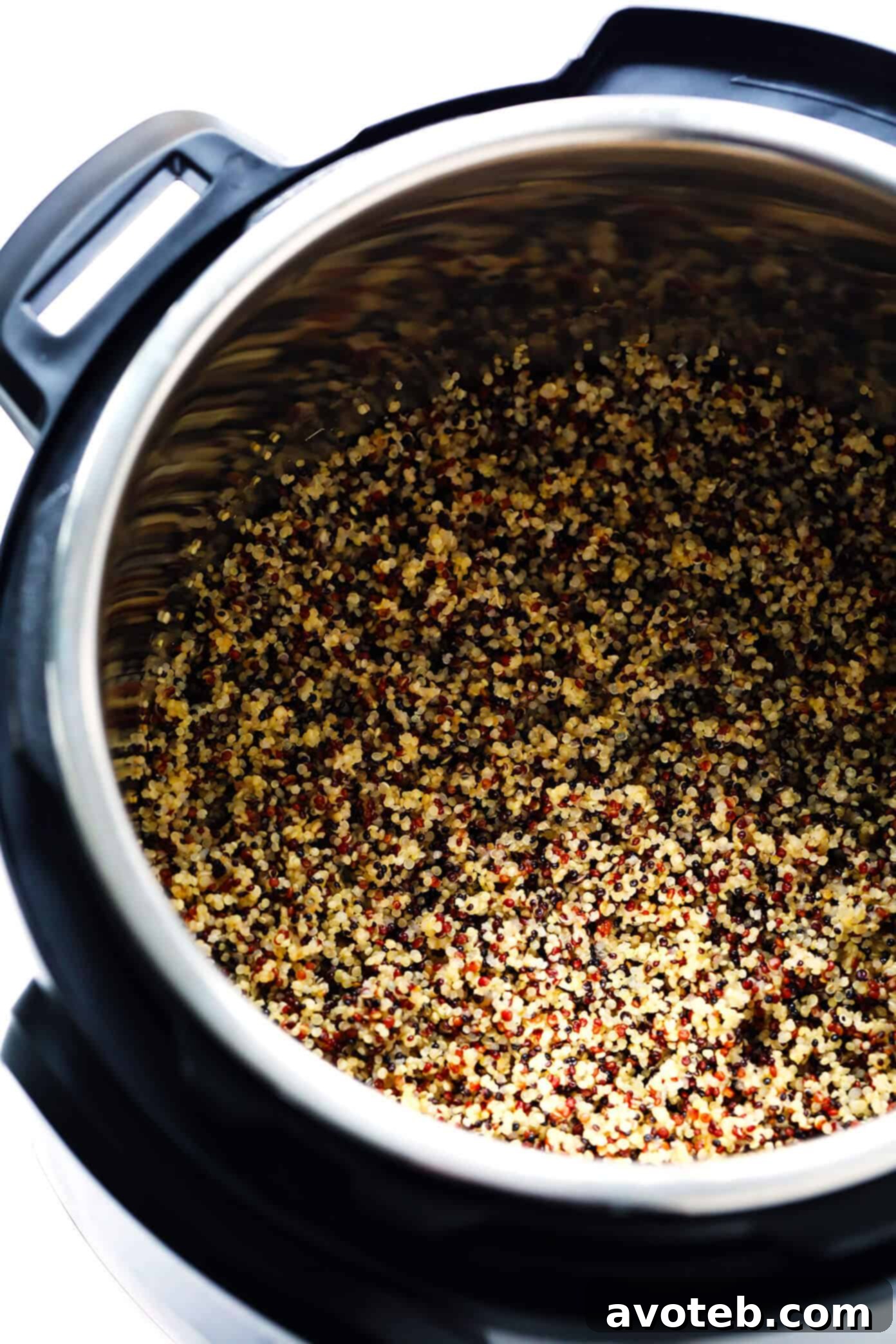
Can I cook quinoa in an Instant Pot? While the stovetop “pasta method” is my preferred technique for its consistently perfect results, you can certainly cook quinoa in an Instant Pot. For Instant Pot quinoa, use a 1:1 ratio of quinoa to water (e.g., 1 cup quinoa to 1 cup water), along with 1/4 teaspoon of sea salt per cup of quinoa. Seal the Instant Pot and cook on high pressure for 2 minutes. After cooking, allow for a 10-minute natural pressure release, followed by a quick release of any remaining pressure. Fluff with a fork and serve. The stovetop method generally yields a slightly fluffier texture, but the Instant Pot is great for hands-off cooking.
What are the nutritional facts for quinoa? Quinoa is highly nutritious. One cup of cooked quinoa typically contains approximately: 222 calories, 8 grams of protein, 39 grams of carbohydrates, 4 grams of fat, and 5 grams of dietary fiber. These figures can vary slightly depending on the specific type of quinoa and preparation method.
Inspiring Meals: Favorite Quinoa Recipes
Now that you’ve mastered cooking perfect quinoa, it’s time to put it to delicious use! Quinoa’s mild flavor and versatile texture make it an ideal ingredient for a wide array of dishes, from hearty main courses to refreshing salads. Here are some of my go-to easy quinoa recipes that highlight its incredible potential:
- Quinoa Fried Rice: A healthier twist on a classic, perfect for a quick weeknight dinner.
- Quinoa Tortilla Soup: A comforting and filling soup, packed with flavor and plant-based protein.
- Cucumber Quinoa Salad: Light, refreshing, and ideal for a healthy lunch or a vibrant side dish.
- Easy Quinoa Pizza Bowls: All the flavors of pizza in a wholesome, satisfying bowl format.
- Easy Sesame Quinoa Slaw: A crunchy, colorful, and highly flavorful Asian-inspired salad.
- Chicken Quinoa Burrito Bowls: Perfect for meal prep, these bowls are loaded with Tex-Mex flavors.
- BBQ Chicken Quinoa Casserole: A comforting and hearty casserole that’s a crowd-pleaser.
- Brussels Sprouts, Quinoa and Cranberry Salad: A seasonal delight, combining earthy Brussels sprouts with sweet cranberries.
- 5-Ingredient Mexican Quinoa Stuffed Peppers: Simple yet flavorful stuffed peppers, making for an easy and impressive meal.
Print
How To Cook Quinoa
Prep Time: 10 mins
Cook Time: 15 mins
Total Time: 25 mins
Yield: 3 cups
Description
My favorite, foolproof method for how to cook quinoa perfectly every time! See notes above for various seasoning options, plus a collection of my favorite quinoa recipes.
Ingredients
Scale
- 1 cup uncooked quinoa, rinsed and drained
- 3 cups water
- 1/2 teaspoon fine sea salt
Instructions
- Bring water to boil. Heat the water over high heat in a saucepan until it reaches a vigorous, rolling boil. Add salt to the water.
- Simmer the quinoa. Add the rinsed and drained quinoa (plus any optional aromatics, if using) to the boiling water and stir to combine. Reduce the heat to medium to maintain a steady, vigorous simmer. Cook for 12-15 minutes, or until the quinoa is tender and translucent, and the small white curlicue germs have poked out from the seeds.
- Drain the quinoa. Carefully drain the cooked quinoa completely through a fine-mesh strainer, ensuring all excess water is removed.
- Steam the quinoa. Transfer the drained quinoa back to the empty saucepan. Remove the pan from the heat, cover it with a clean dishtowel, and then place the lid firmly on top. Allow the quinoa to rest and steam for 5-10 minutes. This step helps the grains to fluff up beautifully.
- Fluff and season the quinoa. Remove the lid and dishtowel. Use a fork to gently fluff the quinoa. Taste and season with additional salt or other desired seasonings if needed.
- Serve warm. Serve your perfectly cooked quinoa immediately and enjoy!
Notes
Optional aromatics: To infuse more flavor into your quinoa, consider adding a bay leaf, 1-2 whole cloves of fresh garlic, a bouillon cube (chicken or vegetable), and/or any of your favorite fresh or dried herbs and spices to the water as it boils. Remember to remove any whole aromatics before serving the quinoa. Alternatively, you can use chicken or vegetable stock in place of water for a richer flavor base.
Larger batch instructions: To prepare a larger quantity, simply double or triple the ingredient amounts while maintaining the same cooking method. The “quinoa to water ratio” of this pasta-style cooking method remains consistent regardless of batch size, as you are draining excess water.
Storage instructions: To store cooked quinoa, first spread it out in a thin layer on a large plate or baking sheet to allow it to cool quickly to room temperature. Once cooled, transfer the quinoa to an airtight food storage container and refrigerate for up to 4 days. For longer storage, freeze it for up to 3 months. For best results when freezing, spread it on a baking sheet to freeze individually before transferring to a container, preventing a solid block.
Source: Special thanks to Bon Appetit and The Kitchn for their excellent tips and inspiration with this cooking method!