
There are some weekends that simply stand out, etched into memory not just by relaxation, but by profound connection and inspiration. This past weekend offered exactly that, as I had the immense pleasure of spending a most delightful morning immersed in nature’s bounty at an extraordinary urban garden.
This wasn’t just any garden; it was a sprawling testament to community, resilience, and the power of fresh produce. I joined a wonderful group of my fellow Community Supported Agriculture (CSA) members for a visit to the very fields where our summer harvests are meticulously grown. It was an experience that truly surpassed all expectations, revealing the heart and soul behind every single vegetable that graces our tables.
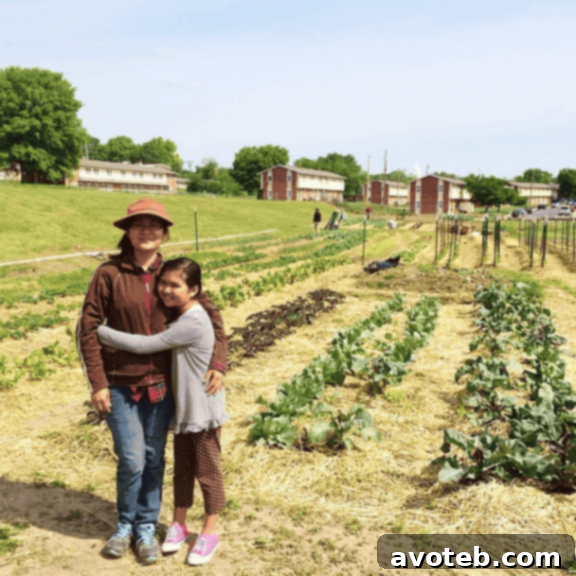
At the core of this inspiring venture is the incredible CSA program I’m proud to be a part of: New Roots For Refugees. This organization doesn’t just grow food; it cultivates new lives and opportunities, providing refugee families with the land, training, and resources to become successful farmers. And it was through this program that I had the privilege of meeting Si Si Cho, a remarkable Burmese refugee who is a first-year farmer and someone I’ve come to know through ESL tutoring.
For months, our conversations during tutoring sessions have been filled with vivid descriptions of her garden. We’ve explored vocabulary related to various vegetables and herbs, discussing the myriad of seeds she meticulously planted in the greenhouse. Her eyes would light up as she spoke of her dream of cultivating the land. Finally, in the past month or so, she was able to transplant her starters outdoors, transforming her vision into reality. I remember receiving proud texts from her, images of neat rows of young plants, each a testament to her dedication. And now, in the vibrant middle of May, those humble starters have blossomed into a magnificent, lush, and truly abundant garden.
My excitement to witness this green haven with my own eyes was immeasurable, but it paled in comparison to the sheer joy and radiant pride that emanated from Si Si as she guided me through her rows. With every plant, she shared its name, its story, and the care she had poured into its growth. She was undeniably in her element, a true steward of the earth. As I listened and watched, a tiny tear may have welled up in my eyes, overwhelmed by the profound love and unwavering dedication she invests in this plot of land each day. This wasn’t just farming; it was a deeply personal act of nurturing life, an act that will ultimately help feed countless individuals, including myself, throughout the summer. To say it was “cool” feels like an understatement; it was deeply moving and utterly inspiring.
What made the experience even more impactful was touring the vast acreage of the training farm with Si Si, learning the names of other refugee farmers in the program, and hearing about their origins. Most have come from diverse regions across Asia and Africa, many having spent considerable time in refugee camps in other countries before finding a new home and new opportunities in the United States. Si Si often articulates her identity with a beautiful precision, explaining, “You are American. I am three — Burmese Thai American.” Her 30 years of life have already encompassed so many significant journeys, so many transitions, each one contributing to the strong, resilient woman standing before me.
Prepare yourselves, dear readers, for more stories about New Roots For Refugees this summer. My time spent with Si Si and this extraordinary organization is swiftly becoming one of the most cherished aspects of my week. Their crops are not just food; they are stories, resilience, and hope. And, of course, their bounty will form a significant part of my summer produce, including the delightful surprise Si Si sent home with me this past weekend: a generous bunch of incredibly fresh, vibrant kale.
The Perfect Summer Salad: Strawberry Kale with White Balsamic Vinaigrette
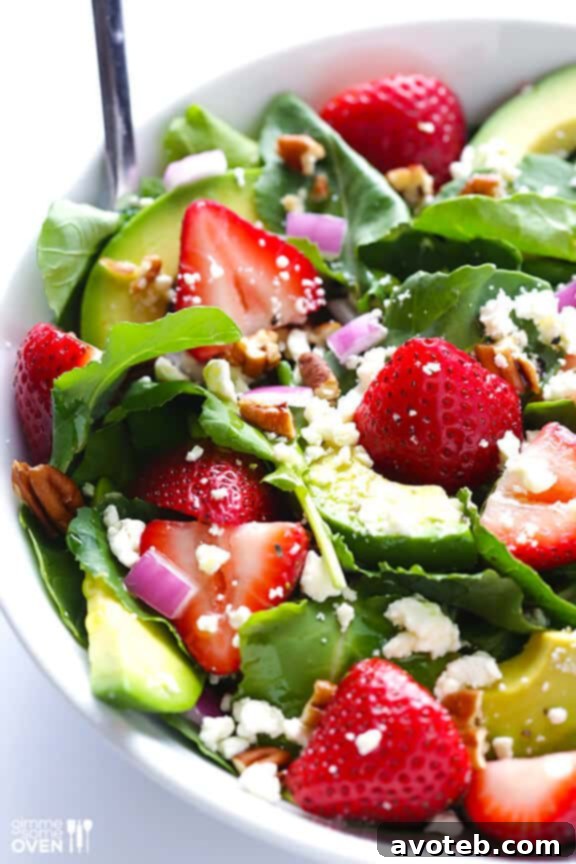
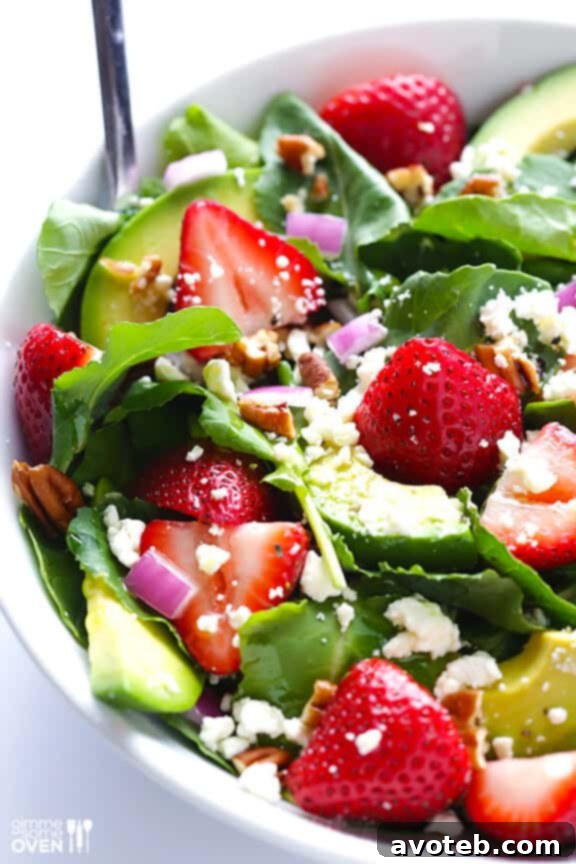
Just a few weeks prior, I had actually prepared a version of this very salad for the blog, using baby kale purchased from the grocery store. It’s a rare season for me, being “ahead” with recipes, a state I know won’t likely last! However, the moment Si Si gifted me that fresh, hand-picked batch of kale, my mind instantly raced to the carton of ruby-red strawberries waiting in my fridge. A second, even more special batch of this incredible salad was destined to be made.
And let me tell you, this salad is beyond good; it’s an explosion of flavors and textures, truly something special.
From Spinach to Kale: A Delicious Evolution
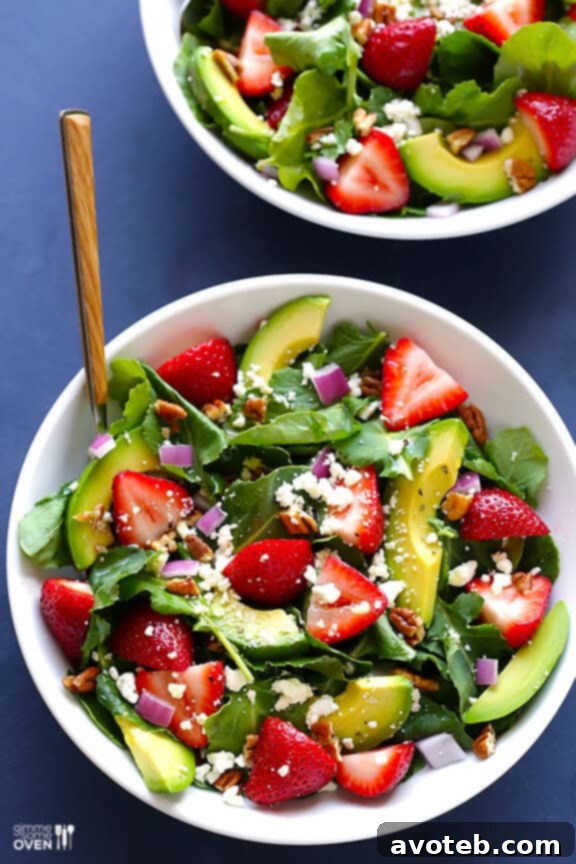
This particular strawberry kale salad is a delightful adaptation of my popular Avocado Strawberry Spinach Salad, a recipe that has charmed countless readers for years. While the original holds a special place, I’ve recently fallen in love with replacing spinach with kale, particularly baby kale. Its tender leaves offer a perfect texture without the need for extensive massaging, making it an ideal base for this vibrant salad. For those who prefer a more robust green, traditional kale works beautifully too, though it benefits from a quick massage with a touch of olive oil to soften its leaves and enhance its flavor.
Beyond the greens, I’ve also introduced a few other strategic swaps to elevate the flavor profile. Creamy goat cheese takes the place of blue cheese, offering a milder tanginess that perfectly complements the sweetness of the strawberries. Of course, you can customize this to your liking – any soft cheese would work, or you can omit it entirely and sprinkle on some nutritional yeast for a savory, dairy-free option if you’re vegan. And for that satisfying crunch, toasted pecans have replaced almonds, bringing their own unique nutty depth to each bite.
The Secret to Success: White Balsamic Vinaigrette
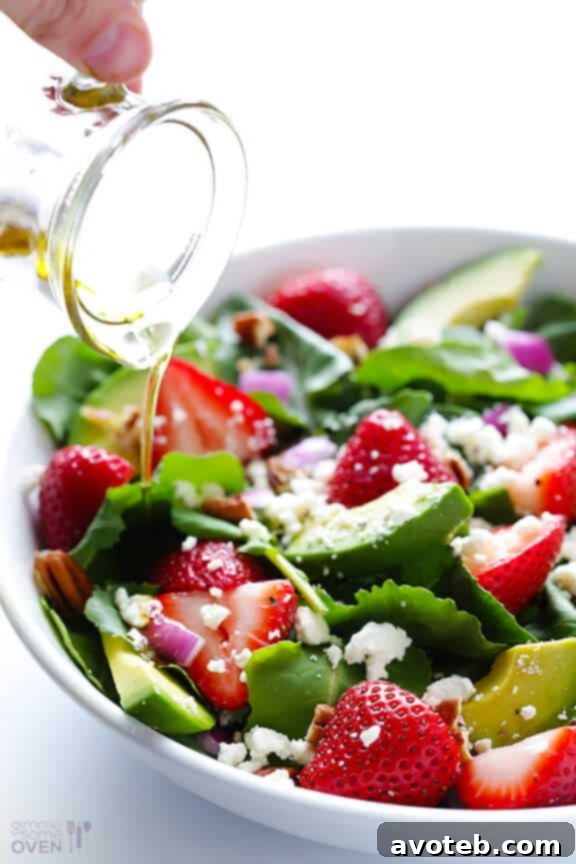
Instead of the more common poppyseed dressing, I opted for a bright and zesty white balsamic vinaigrette. This dressing is crafted with one of my absolute new favorite ingredients: white balsamic vinegar! I only discovered this culinary gem within the past year, and I’ve become utterly obsessed with its ability to transform salads. It offers all the complex, slightly sweet, and tangy notes I adore in traditional balsamic vinegar, but with a crucial advantage: it won’t discolor your vibrant salad greens or other ingredients. This keeps your salad looking as beautiful as it tastes. That said, if you only have traditional (brown) balsamic vinegar on hand, it will still yield a delicious dressing, so feel free to use what you have. The flavor will still be fantastic!
Avocado: The Unsung Hero of Strawberry Salads
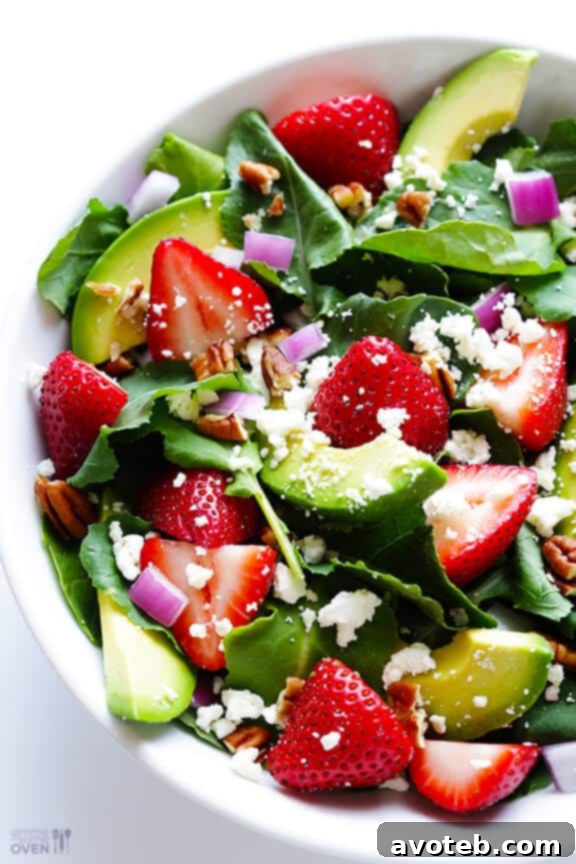
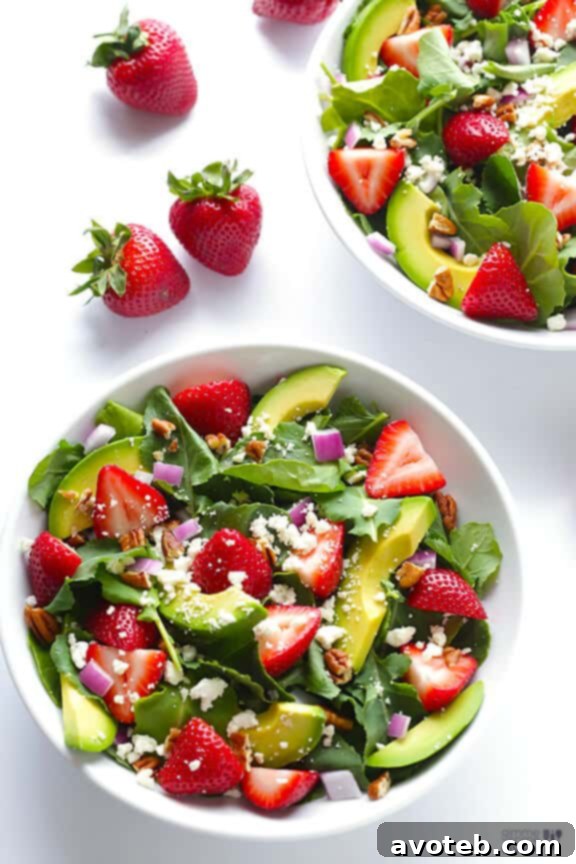
One ingredient, however, remained non-negotiable and had to be included: avocado. I apologize to no one for this firm stance—it’s simply a “must” in my book whenever strawberries make an appearance in a salad these days. The creamy richness of avocado against the juicy sweetness of strawberries and the slight bitterness of kale creates a truly magical combination of flavors and textures. Beyond its incredible taste, the vibrant green of the avocado adds another layer of visual appeal, making this salad as pleasing to the eye as it is to the palate. It’s a perfect pairing that elevates the entire dish.
The Essence of Summer: A Salad with a Story
Ultimately, this Strawberry Kale Salad is more than just a recipe; it’s a celebration of fresh, seasonal ingredients that truly sings of summer. It’s a dish that embodies simplicity, health, and incredible flavor. But when you create it with kale grown by a friend like Si Si, a farmer who pours her heart and soul into every plant, knowing the journey it took from seed to your plate? Well, that elevates it to an entirely different level. It’s a salad that tastes of sunshine, dedication, and the remarkable spirit of community. I truly don’t think it gets any better than that.
Support Local: Get Involved with Refugee-Focused CSA Programs
I sincerely hope you enjoy this vibrant and refreshing Strawberry Kale Salad as much as I do. And on a related note, if my story about New Roots For Refugees has resonated with you, and you’re interested in connecting with a CSA program that specifically supports refugee farmers in your local area, I highly recommend exploring the resources available. My friend Meredith shared a fantastic starting point: checking out local listings on this website. These programs offer a meaningful way to access incredibly fresh, healthy produce while simultaneously contributing to the empowerment and integration of refugee communities. It’s a win-win for everyone involved, fostering sustainable agriculture and human dignity.
Cheers to delicious, wholesome food and the remarkable people who grow it!
Print Recipe

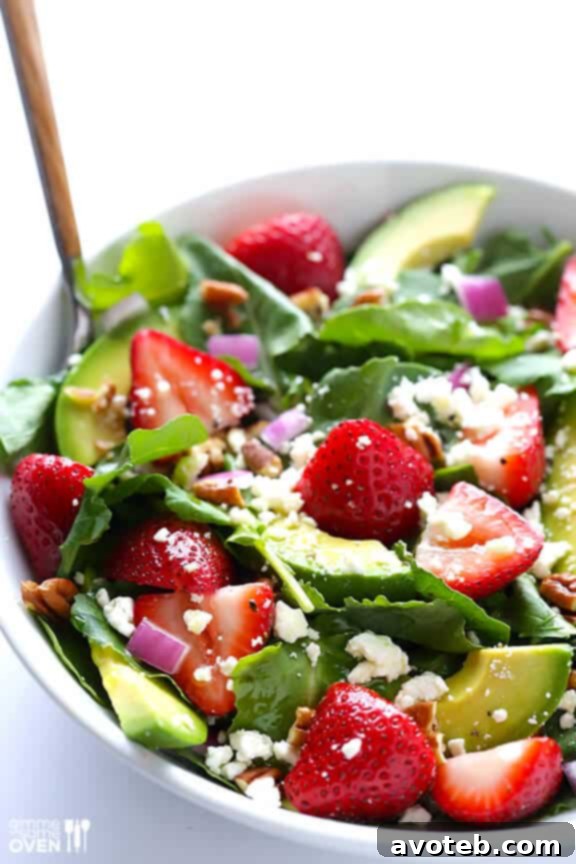
Strawberry Kale Salad
Prep Time: 10 minutes
Total Time: 10 minutes
Yield: 2 –4 servings 1x
Description
This strawberry kale salad is fresh, vibrant, and incredibly delicious, perfectly tossed with a simple and bright white balsamic vinaigrette. It’s an ideal healthy meal or side dish for any time of year, especially summer!
Ingredients
Scale
Salad Ingredients:
- 6 cups fresh baby kale (*or see note below for using other kinds of kale)
- 1 pint strawberries, hulled and sliced
- 1–2 avocados, peeled, pitted and diced
- 4 ounces crumbled goat cheese (or other soft cheese, or nutritional yeast for vegan option)
- 1/4 cup chopped pecans, toasted
- half a small red onion, thinly sliced
- white balsamic vinaigrette (recipe below)
White Balsamic Vinaigrette Ingredients:
- 1/2 cup extra virgin olive oil
- 1/4 cup white balsamic vinegar
- 3–4 tablespoons honey (or maple syrup for vegan option)
- 1/2 teaspoon sea salt
- 1/4 teaspoon freshly-cracked black pepper
Instructions
To Make The Salad:
- In a large bowl, gently toss all salad ingredients together (kale, strawberries, avocado, goat cheese, pecans, red onion) with your desired amount of white balsamic vinaigrette until thoroughly combined.
- Serve immediately to enjoy the fresh flavors and textures. For best results, prepare just before serving.
To Make The Vinaigrette:
- In a small bowl, whisk together the extra virgin olive oil, white balsamic vinegar, honey (or maple syrup), sea salt, and freshly-cracked black pepper until well emulsified and thoroughly combined.
- Taste and adjust seasonings as needed. If not using immediately, store in an airtight container in the refrigerator for up to a week. Shake well before each use.
- *Chef’s Tip for Traditional Kale: If you opt to use mature or traditional kale instead of baby kale, it benefits from a quick massage. Before adding other ingredients, pour an extra few teaspoons of olive oil onto the greens and gently massage it into them with your hands for about 1 minute. This softens the fibrous leaves, making them more tender and palatable.