
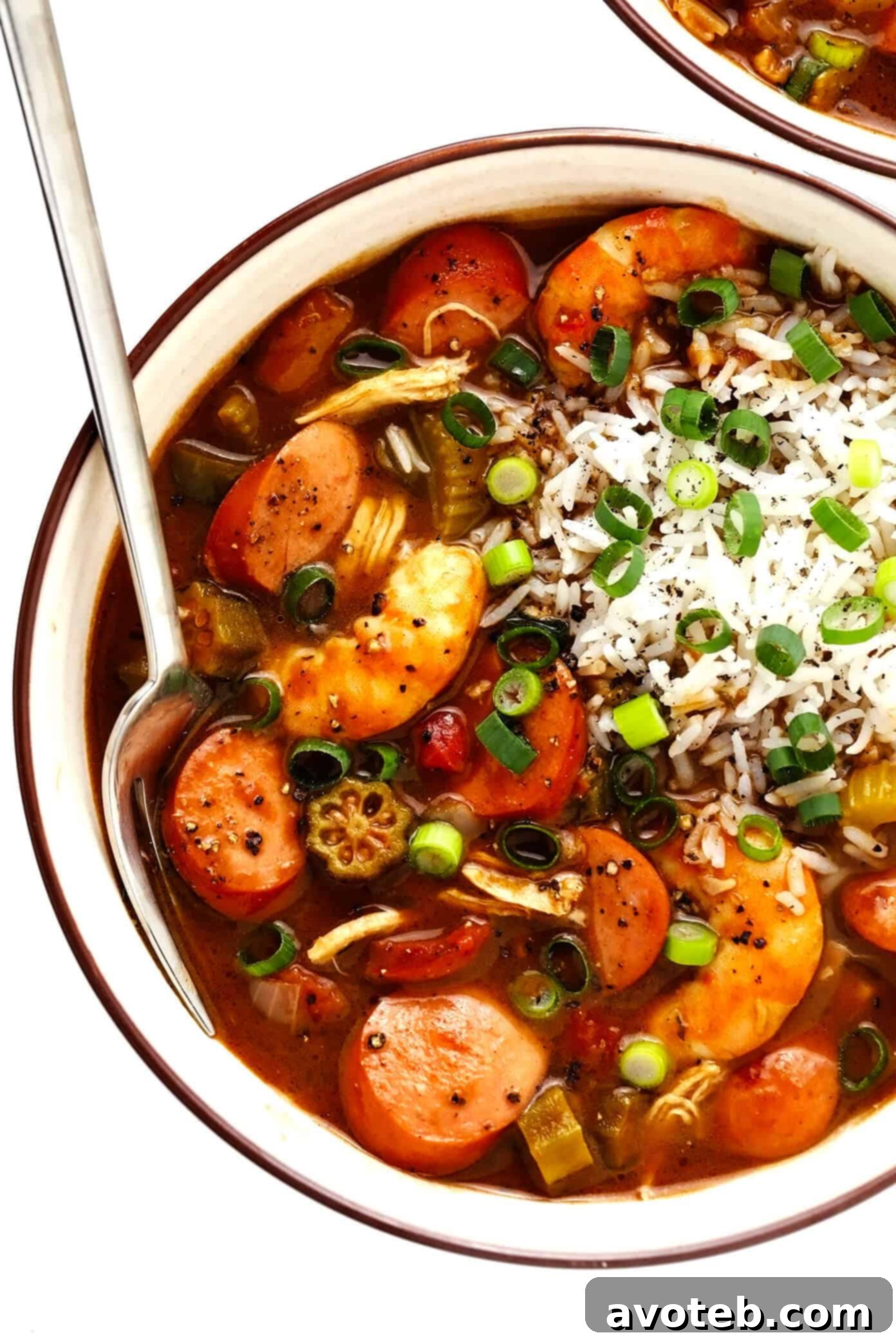
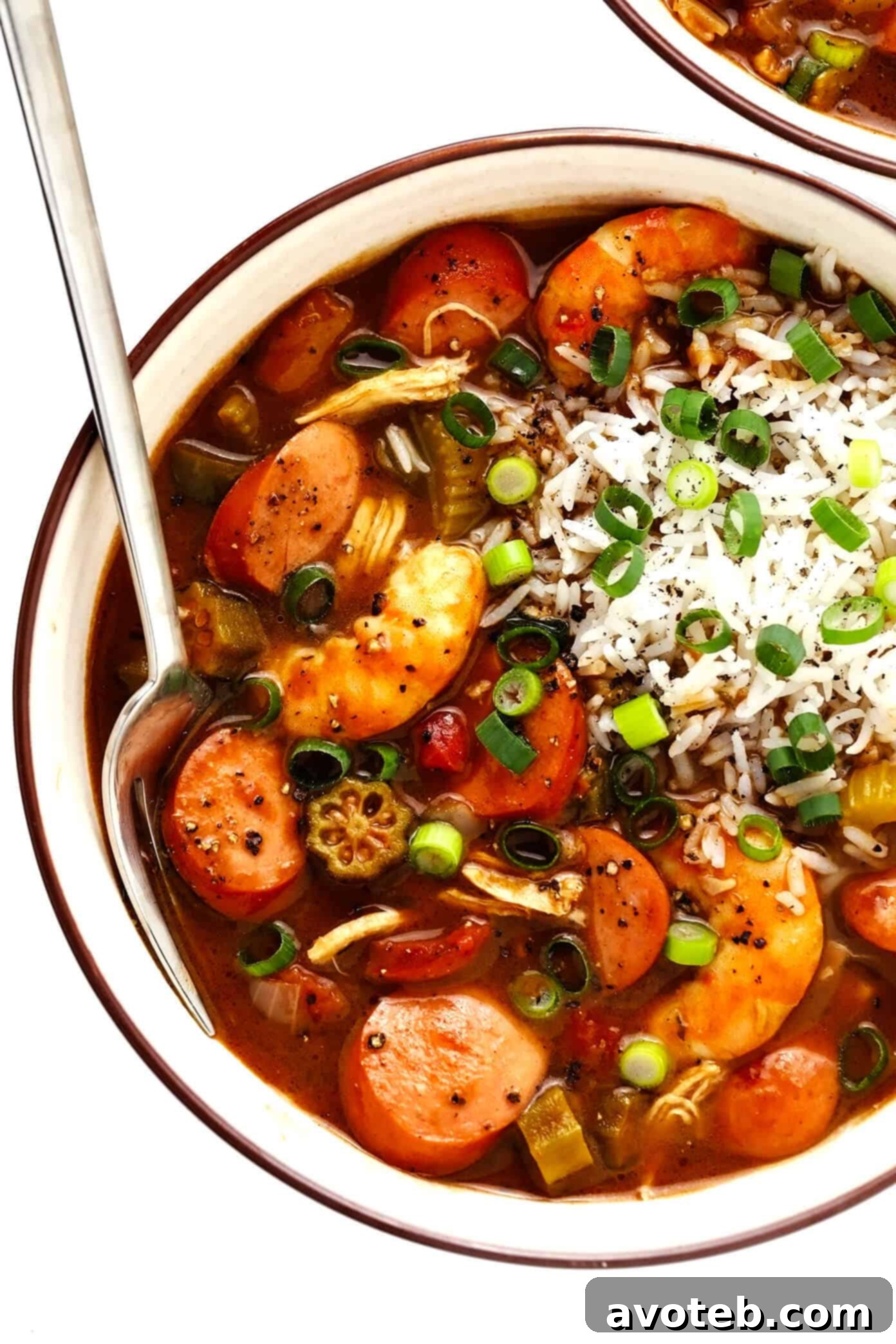
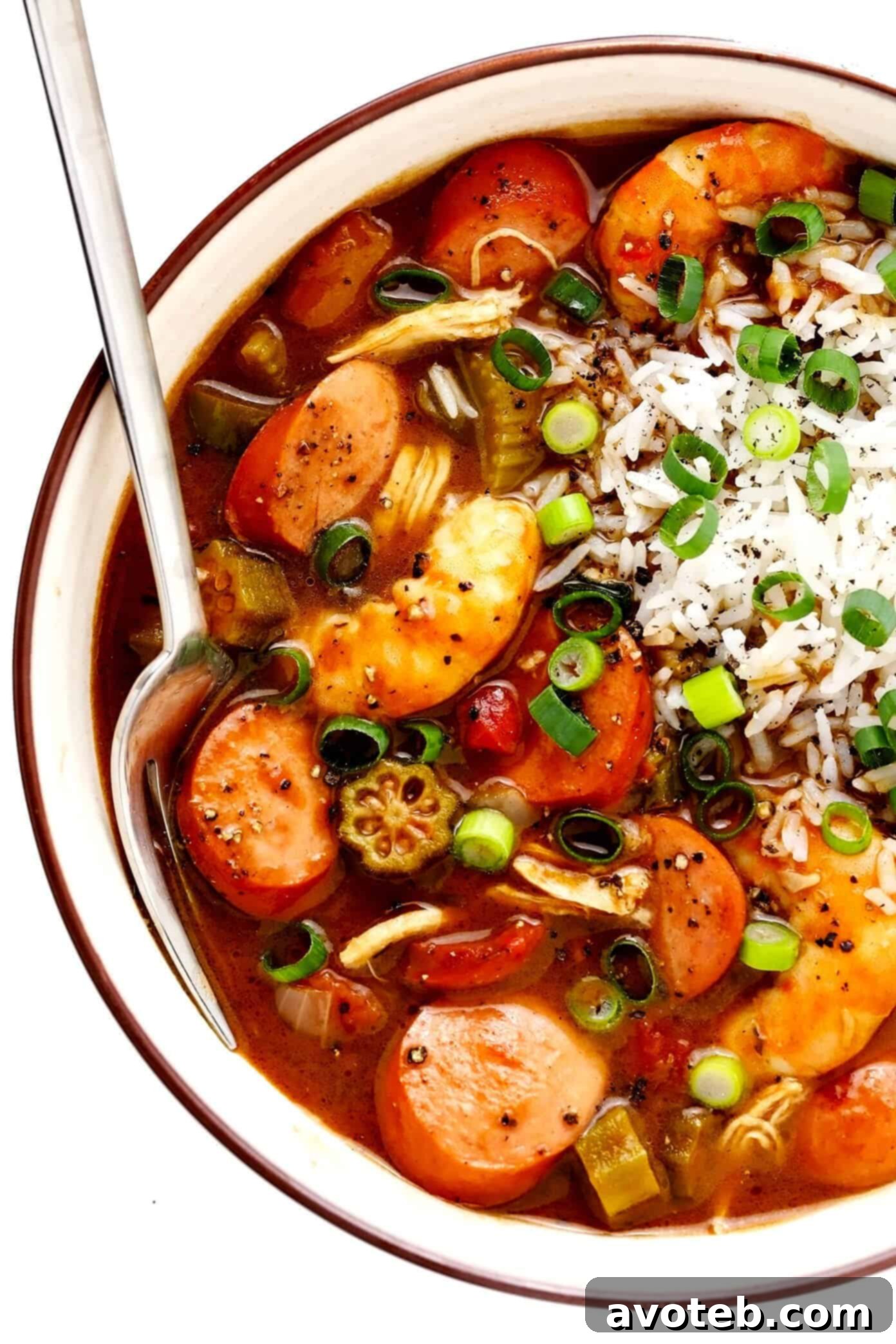
Welcome to the ultimate guide to crafting a truly exceptional gumbo! This isn’t just any recipe; it’s a culinary journey rooted in tradition, designed to bring the rich, soulful flavors of Louisiana right into your kitchen. Our favorite gumbo features a meticulously prepared dark roux, your chosen blend of savory proteins like chicken, sausage, and/or seafood, an abundance of fresh vegetables, all simmered to perfection and served generously over fluffy rice. It’s a dish that promises heartwarming satisfaction with every single spoonful.
Mastering the Art of Gumbo: A Deep Dive into Louisiana’s Iconic Stew
There’s something truly special about a big pot of homemade gumbo, especially when holidays like Mardi Gras roll around. It’s more than just a meal; it’s a celebration of flavor, community, and tradition. For years, I’ve refined this New Orleans-inspired gumbo recipe, and while I’ve explored countless variations – even a surprisingly satisfying vegetarian gumbo – nothing quite compares to the depth and complexity of a classic, dark roux-based gumbo, especially when enriched with authentic Andouille sausage.
Crafting gumbo is an act of love, requiring patience and a touch of tender loving care. But the reward? A symphony of zesty Creole flavors that makes every effort worthwhile. If you’ve been hesitant to tackle this iconic dish, consider this your invitation. This recipe is designed to guide you through each step, ensuring a delicious and memorable outcome.
The Gumbo Debate: Authenticity and Personal Touch
Gumbo is a dish with a fiercely proud heritage, sparking passionate discussions about what constitutes “authentic.” Regional differences abound, influencing everything from thickening agents (roux, filé powder, okra, or combinations thereof) to the inclusion of tomatoes (a controversial yet delicious addition in my opinion) and the precise blend of seasonings. The choice of proteins—chicken, sausage, various seafood—also varies widely. While I can’t claim this recipe is the singular “authentic” gumbo, I can unequivocally vouch for its exquisite flavor. It’s a perennial favorite among my friends and family, and I’m thrilled that so many of you have cherished it over the years too.
This recipe offers flexibility, allowing you to tailor it to your preferences. Feel free to mix and match proteins – chicken, sausage, shrimp, or even crawfish, crab, or oysters for a luxurious seafood gumbo. However, one element is non-negotiable: the dark brown roux. Its rich, deep, nutty foundation is what truly defines this gumbo, lending an unparalleled depth of flavor that is well worth the time and dedication it demands.
So, gather your finest ingredients, prepare for some mindful stirring, and let’s embark on the delightful journey of creating an unforgettable pot of gumbo together.
Essential Gumbo Ingredients: Building Layers of Flavor
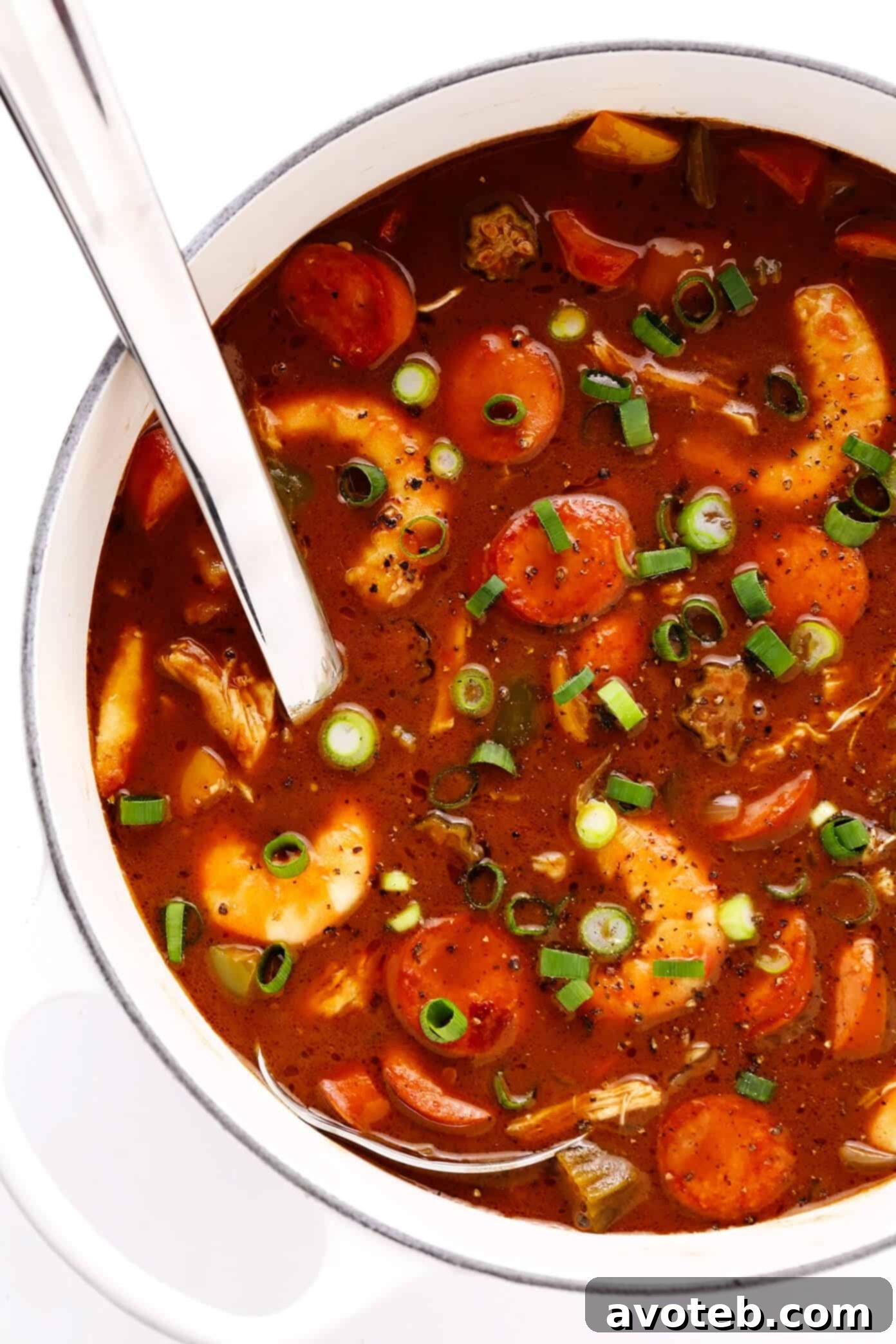
Before we dive into the full recipe details, let’s explore the key ingredients that give this chicken, sausage, and seafood gumbo its signature character and rich taste. Understanding each component will elevate your cooking experience and the final dish.
- Versatile Proteins: Gumbo’s strength lies in its adaptability. This recipe shines with a trio of robust Andouille sausage, tender chicken, and succulent shrimp. Andouille, a smoked sausage with a distinctive kick, is a cornerstone of Cajun and Creole cooking. Cooked chicken, whether leftover rotisserie chicken or freshly poached, adds a comforting element. Shrimp, added towards the end, brings a delicate sweetness and a touch of the Gulf Coast. However, feel empowered to choose your favorites. Opt for just one or two proteins, or enhance the seafood profile with crawfish tails, crab meat, or briny oysters for an even richer experience. The beauty of gumbo is its capacity to transform with your choice of protein.
- The Foundation: A Dark Roux: The roux is arguably the most critical component, serving as both a thickener and a flavor powerhouse. Our recipe calls for a classic dark brown roux, crafted from equal parts vegetable oil (or any neutral-flavored oil) and all-purpose flour. The process of achieving this dark, nutty base is a meditative art form, slowly developing deep caramel notes that infuse the entire stew with complexity. It’s the secret to gumbo’s characteristic richness and color.
- The “Holy Trinity” of Vegetables: No authentic Louisiana dish is complete without the “holy trinity” – diced celery, onion, and bell pepper. These three humble vegetables form the aromatic soul of the gumbo, providing a foundational layer of flavor upon which all other ingredients build. Fresh garlic is also essential, adding its pungent depth to this vibrant medley. This combination is gently sautéed, releasing their essential oils and softening into the roux.
- Rich Chicken Stock: The liquid base of our gumbo is robust chicken stock. Choose a high-quality, low-sodium stock to control the overall seasoning of your dish. Chicken stock provides a savory backdrop, allowing the diverse flavors of the proteins, vegetables, and seasonings to truly shine.
- Fire-Roasted Tomatoes: While some traditionalists omit tomatoes from gumbo, I wholeheartedly advocate for their inclusion in this recipe. Fire-roasted tomatoes, with their smoky, slightly sweet, and tangy profile, add a wonderful layer of acidity and a hint of rustic flavor that brightens the stew without overpowering it. They contribute to a deeper, more nuanced broth.
- Okra for Flavor and Texture: Okra, another ingredient that sparks debate, is a welcome addition here. When cooked correctly, okra contributes a unique, earthy flavor and a subtle thickening quality, often referred to as “slippage.” Adding fresh or thawed frozen okra during the final 15 minutes of cooking allows it to reach its ideal tender-crisp texture without becoming overly slimy, which is a common concern for okra skeptics.
- The Perfect Seasonings: The heart of Creole and Cajun cuisine lies in its bold seasoning. We’ll use a classic blend of Creole seasoning (a spice mix typically including paprika, cayenne pepper, garlic powder, onion powder, and dried herbs), dried thyme, extra cayenne for an adjustable heat kick, aromatic bay leaves, and of course, fine sea salt and freshly-cracked black pepper to taste. If Creole seasoning isn’t readily available, Cajun seasoning can be substituted, but be mindful that Cajun blends are often spicier; adjust the cayenne accordingly after tasting.
- Serving with Rice: Gumbo is traditionally served over a generous scoop of white or brown rice. The rice acts as a neutral canvas, absorbing the rich flavors of the gumbo and providing a satisfying texture contrast.
- Fresh Toppings: A sprinkle of thinly-sliced green onions is a non-negotiable garnish, adding a fresh, crisp counterpoint to the hearty stew. For extra brightness, consider chopped fresh parsley. And for those who love an extra fiery kick, a dash of your favorite hot sauce is always a welcome addition.
Mastering the Roux: The Heart and Soul of Gumbo
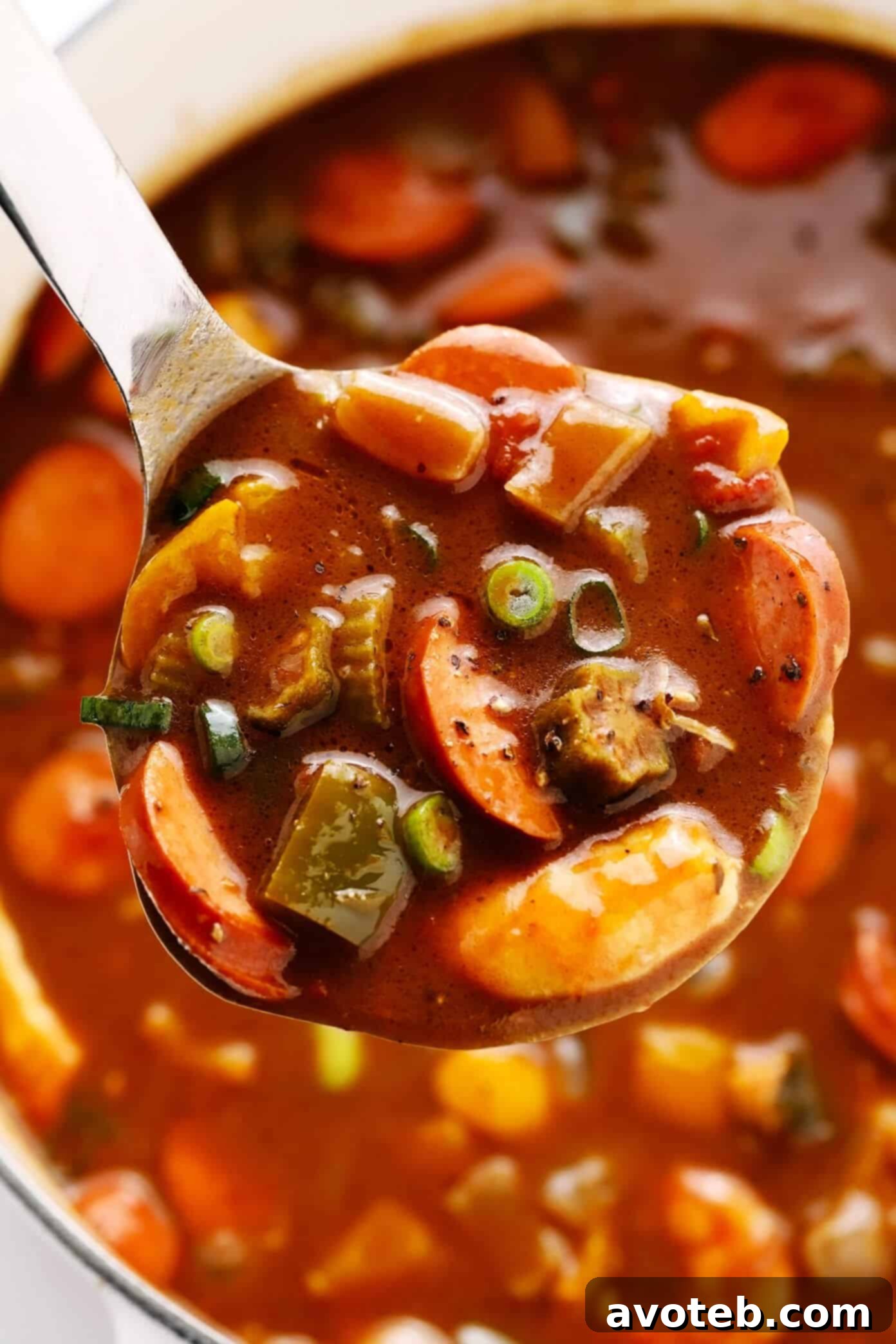
The roux is the undisputed star of any great gumbo. It’s more than just a thickener; it’s the rich, nutty foundation that gives the stew its incredible depth of flavor. While simple in its components, mastering the roux requires patience, focus, and a few essential techniques. Here are my top tips for creating a perfect, flavorful roux:
- Preparation is Key: Unlike many cooking tasks where multitasking is an option, making a roux demands your undivided attention. Before you even begin, have all your subsequent ingredients chopped, measured, and ready to go. This ensures you can transition smoothly once the roux reaches its desired color, preventing it from burning while you scramble for the next step.
- Choose the Right Tools: A heavy-bottomed pot, such as a Dutch oven or stockpot, is crucial for even heat distribution, which helps prevent scorching. For stirring, I highly recommend a wooden spatula or spoon with a flat edge. This design allows you to effectively scrape the bottom and edges of the pan, ensuring no flour sticks and burns. A sturdy silicone spoon or even a whisk can also work, but the flat edge of a spatula truly makes a difference in maintaining a uniform cook.
- Go Low and Slow: This is the golden rule of roux making. The temptation to crank up the heat to speed things along is strong, but resist it! A good roux cannot be rushed. Maintain a consistent medium-low to medium heat throughout the process. This slow, steady cooking allows the flour to toast gradually, developing those complex, nutty flavors without burning. If you notice the roux browning too quickly, or detect even a faint burnt smell, immediately reduce the heat.
- Stir Constantly (No, Really): This isn’t just a suggestion; it’s a command. Burning a roux is incredibly easy, especially as it darkens. In the initial stages, you might get away with stirring every 15-30 seconds. However, as the roux progresses to a medium and then dark brown, you must stir continuously. Every single particle of flour needs to be in motion to cook evenly and prevent sticking and burning. This constant motion is your best defense against having to start over.
- Aim for a Milk Chocolate Hue: The desired color of a gumbo roux varies among cooks, but for this recipe’s optimal flavor profile, aim for a rich, dark brown – somewhere between the color of a copper penny and milk chocolate. This deep color indicates that the flour has achieved its maximum flavor development, adding incredible depth to your gumbo.
- If It Burns, Start Over: Despite your best efforts, sometimes a roux can burn. You’ll recognize it by tiny black specks and a distinctly acrid, burnt aroma. Unfortunately, a burnt roux cannot be salvaged; its bitterness will permeate the entire dish. Don’t be discouraged – it happens to the best of us! Discard it, clean your pot thoroughly, and start fresh. It’s a small setback for a truly delicious gumbo.
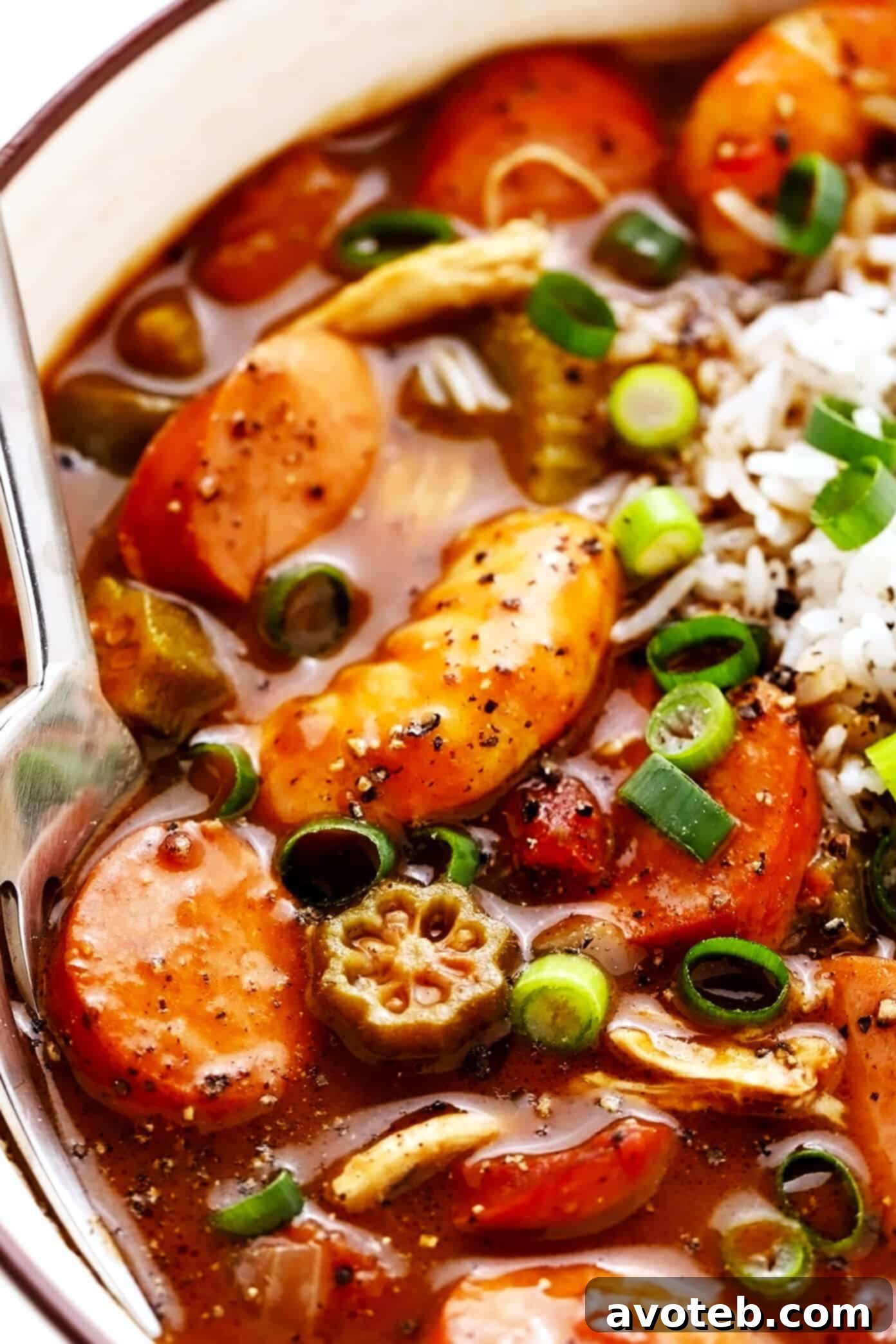
Serving Your Gumbo: Tips for a Complete Meal
Once your rich, aromatic gumbo is complete, serving it correctly enhances the entire experience. Gumbo is traditionally a hearty, one-pot meal, but a few accompaniments can elevate it further.
- Generous Rice Portion: Always serve gumbo over a generous scoop of hot, freshly cooked white or brown rice. The rice absorbs the flavorful broth, providing balance and substance to the stew.
- Fresh Garnishes: Don’t skip the toppings! Thinly sliced green onions are essential for their fresh, pungent crunch. Chopped fresh parsley adds a vibrant green hue and herbaceous note.
- Heat It Up: For those who like extra spice, a bottle of your favorite hot sauce (Tabasco, Crystal, or Louisiana hot sauce are classic choices) should always be on the table.
- Cornbread or French Bread: A side of warm cornbread or crusty French bread is perfect for soaking up every last drop of the delicious gravy.
- Salad: A simple, crisp green salad can offer a refreshing contrast to the rich gumbo.
More Beloved Creole & Cajun Recipes to Explore
If you’ve fallen in love with the vibrant flavors of Louisiana, there’s a world of Creole and Cajun-inspired dishes waiting to be discovered. Here are a few more of my absolute favorites that you might enjoy:
- Classic Jambalaya: A quintessential rice dish packed with meat, seafood, and the “holy trinity.”
- Creamy Cajun Shrimp Pasta: A comforting and zesty pasta dish with succulent shrimp in a rich, spicy sauce.
- Homemade Cajun Seasoning: Create your own custom blend to bring authentic Cajun flavor to any dish.
Print Recipe
Favorite Gumbo
Prep Time: 15 minutes
Cook Time: 50 minutes
Total Time: 65 minutes
Yield: 8 to 10 servings
Description
My favorite gumbo recipe is made with a richly-flavored dark roux, your choice of proteins (chicken, sausage and/or seafood), lots of veggies, and served with rice. So hearty and delicious!
Ingredients
- 1 pound andouille sausage, sliced into coins
- 2/3 cup vegetable or canola oil
- 1 cup all-purpose flour
- 2 large bell peppers, cored and diced
- 2 large celery stalks, diced
- 1 small white onion, peeled and diced
- 5 cloves garlic, minced
- 6 cups chicken stock
- 1 (14 ounce) can fire-roasted tomatoes
- 2 cups shredded cooked chicken
- 1 cup fresh or frozen chopped okra
- 1 tablespoon Creole seasoning
- 1 teaspoon dried thyme
- 1/2 teaspoon cayenne
- 3 bay leaves
- 1 pound peeled and deveined raw large shrimp (optional)
- fine sea salt and freshly-cracked black pepper, to taste
- white or brown rice, for serving
- toppings: thinly-sliced green onions and/or chopped fresh parsley
Instructions
- Brown the sausage. Heat a large heavy-bottomed stockpot over medium-high heat. Add the sliced sausage in a single layer and cook for 1 to 2 minutes per side, until lightly browned. Transfer the sausage to a clean plate and set aside.
- Make the roux. Add the oil to the stockpot and whisk in flour until combined. Continue to cook over consistent medium heat, stirring constantly, until the mixture reaches a dark brown color (similar to milk chocolate), about 20 to 30 minutes. Keep a very close eye on the roux, adjusting the heat if it seems to be browning too slowly or too quickly, and whisk constantly to prevent burning.
- Sauté the veggies. Once the roux reaches the dark brown color, immediately stir in the bell peppers, celery, and onion until combined. Continue to cook, stirring frequently (every 10 to 15 seconds), until the vegetables have softened, about 6 to 8 minutes. Add in the minced garlic and cook for 1 more minute, stirring constantly.
- Add in the broth and other ingredients. Gradually add in the chicken stock, stirring in a few cups at a time to allow the broth to thicken smoothly. Then add in the fire-roasted tomatoes, cooked chicken, okra, Creole seasoning, dried thyme, cayenne, bay leaves, and the reserved cooked sausage. Stir everything to combine well.
- Simmer. Bring the gumbo to a low simmer, then reduce heat to medium-low. Continue simmering for 5-10 minutes to allow the flavors to meld. If the broth is too thick for your liking, you can simmer a bit longer to reduce it further, or add a splash more stock if it’s too thick.
- Add the shrimp. If using, stir in the peeled and deveined shrimp and cook for 2 to 3 minutes until they turn opaque and are cooked through. Be careful not to overcook them.
- Season. Carefully remove and discard the bay leaves. Taste the gumbo and season with salt and freshly-cracked black pepper as needed. Feel free to add extra Creole seasoning and/or cayenne if you desire more spice.
- Serve. Serve the warm gumbo with a generous scoop of white or brown rice, and sprinkle with your desired toppings, such as thinly-sliced green onions or chopped fresh parsley.
Equipment
Creole Seasoning
Buy Now →
Dried Thyme
Buy Now →
Bay Leaves
Buy Now →
Notes
Recipe Update: This recipe was slightly updated in 2021 to fine-tune the roux quantity, adjust seasonings for optimal balance, and offer more flexibility in protein choices, allowing for chicken, sausage, and/or shrimp.