
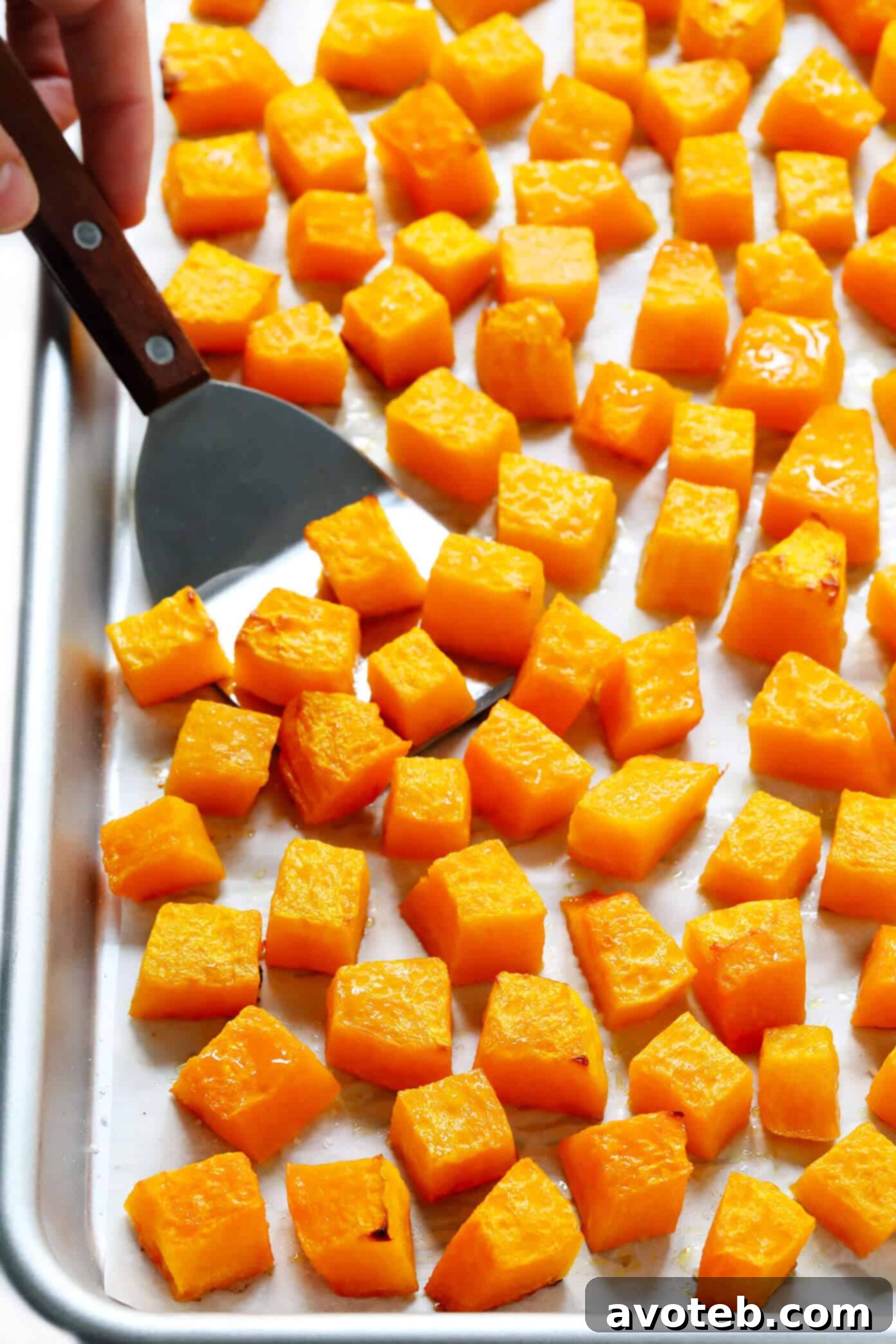
Unlock the full potential of butternut squash with this ultimate roasting guide! Whether you prefer the crispy edges of diced cubes or the melt-in-your-mouth tenderness of roasted halves, we’ve got you covered. Plus, explore a world of flavor with our versatile seasoning ideas.
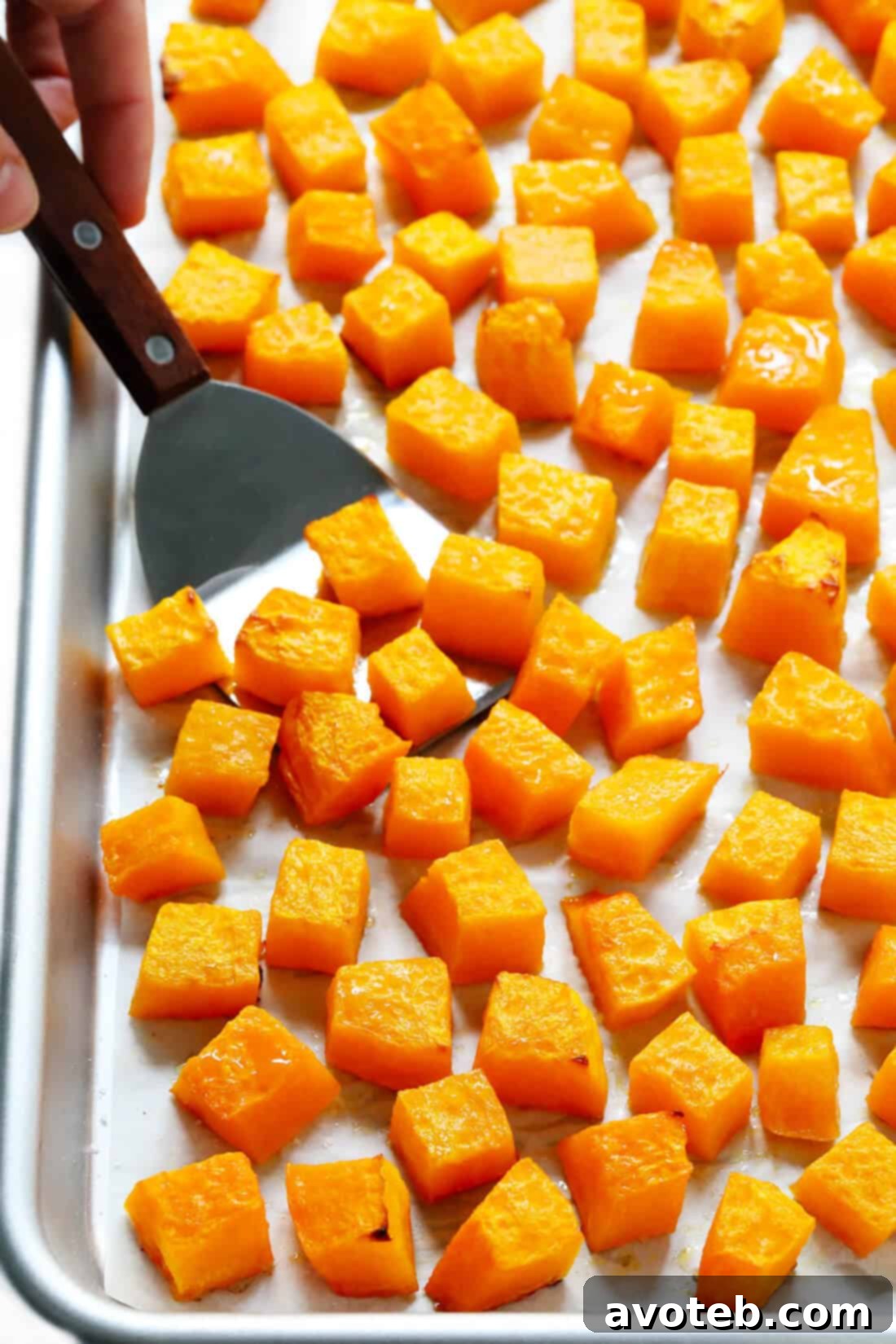
The Ultimate Guide to Roasting Butternut Squash
Butternut squash, with its sweet, nutty flavor and vibrant orange flesh, is a beloved winter vegetable that brings warmth and nutrition to any meal. Roasting transforms this humble squash into a culinary delight, intensifying its natural sweetness and creating a wonderfully tender texture. Whether you’re a seasoned chef or a kitchen novice, mastering the art of roasting butternut squash is a fundamental skill that opens up a world of delicious possibilities. This comprehensive guide will walk you through everything you need to know, from preparation to serving, ensuring you achieve perfectly roasted butternut squash every time.
Today, we’re diving deep into my absolute favorite methods for roasting butternut squash in the oven. There are two primary approaches I frequently use, each offering distinct advantages:
- Roasting in Large Halves: This is arguably the easiest and most hands-off option. It requires minimal preparation, saving you precious time in the kitchen. The squash roasts beautifully, becoming incredibly tender and easy to scoop out for various applications.
- Roasting Diced Cubes: The most popular choice for a reason! Dicing the squash into smaller cubes allows for more surface area to caramelize, resulting in delightfully crispy edges and a tender interior. These versatile cubes are perfect for adding texture and flavor to a wide array of dishes.
Both methods yield incredibly delicious results, and your choice will largely depend on your intended use and personal preference. Let’s explore each technique in detail!
Mastering Butternut Squash Preparation: A Quick Guide
Before we even think about roasting, proper preparation is key. Butternut squash can sometimes be a bit intimidating to cut, but with the right technique, it’s a breeze. Here’s a quick refresher on how to handle this fantastic squash safely and efficiently:
Selecting the Perfect Butternut Squash
When choosing a butternut squash at the market, look for one that is firm, heavy for its size, and free of soft spots, blemishes, or green patches. A deep, uniform tan color indicates ripeness, and a dull, hard skin suggests it will store well. The stem should be intact and dry.
Peeling and Cutting Techniques
For detailed visual guidance, we recommend checking out a dedicated tutorial on how to peel, seed, and cut butternut squash safely. Generally, you’ll start by carefully slicing off the top and bottom ends to create flat surfaces. This provides stability, making the squash easier and safer to handle. You can then peel the skin using a sturdy vegetable peeler or a sharp knife. Once peeled, halve the squash lengthwise and scoop out the seeds and fibrous strands with a spoon.
From here, you can proceed to either halve it for baking or dice it into cubes of your desired size. Remember, safety first! Always use a sharp knife and keep your fingers clear of the blade.
Essential Ingredients for Roasted Butternut Squash
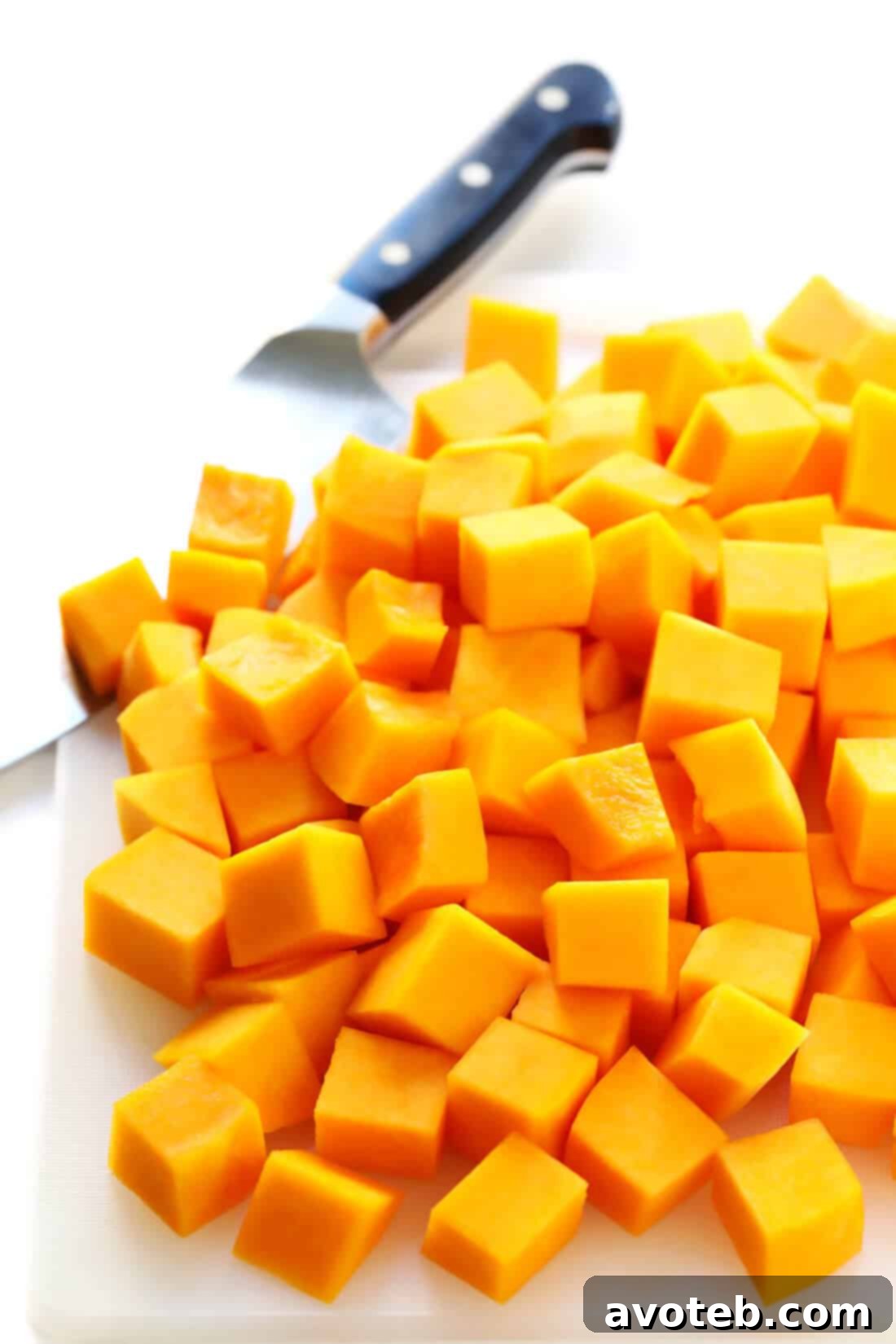
Roasting butternut squash is wonderfully simple, requiring just a few basic ingredients to coax out its best flavors. Here’s what you’ll need for this delicious and healthy side dish:
- Fresh Butternut Squash: The star of our show! Select a squash of any size, keeping in mind that larger squashes will yield more servings. You’ll prepare it either by halving it vertically or dicing it into cubes, depending on your preferred roasting method.
- Olive Oil: A good quality olive oil is essential for helping the squash caramelize and preventing it from sticking to the baking sheet. It also contributes a subtle, fruity flavor. If you prefer, other neutral-flavored oils like avocado oil or grapeseed oil work equally well. Aim for just enough to lightly coat the squash without drenching it.
- Sea Salt: A simple sprinkle of fine sea salt enhances the squash’s natural sweetness and brings out its rich flavors. Don’t underestimate the power of salt in transforming a dish!
- (Optional) Additional Seasonings: This is where you can truly customize your roasted butternut squash! While salt and pepper are often all you need, feel free to experiment with a variety of dried seasonings to complement your meal. We’ll dive into more specific suggestions below, but a dash of freshly-cracked black pepper is always a welcome addition.
How To Roast Butternut Squash Cubes for Crispy Perfection
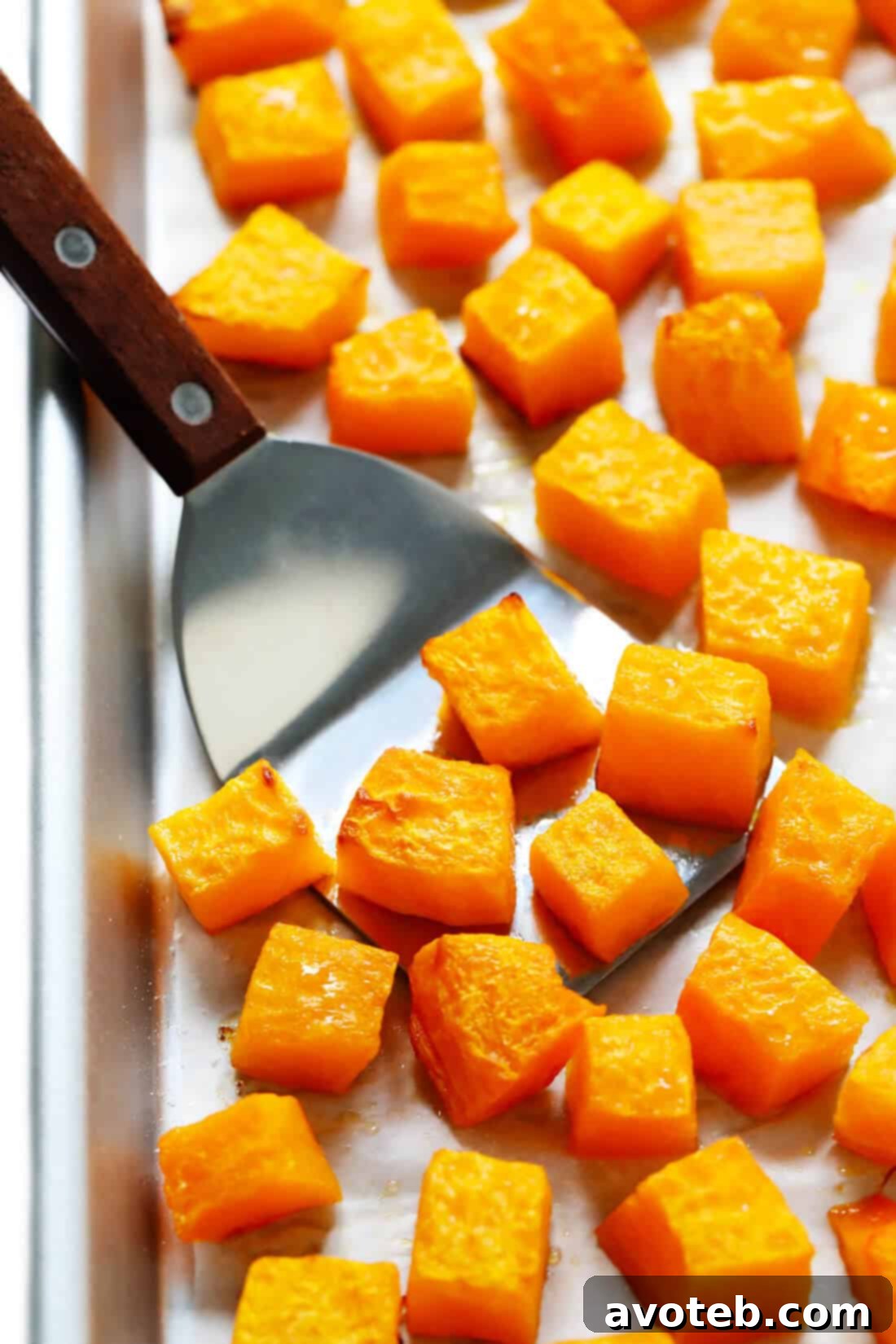
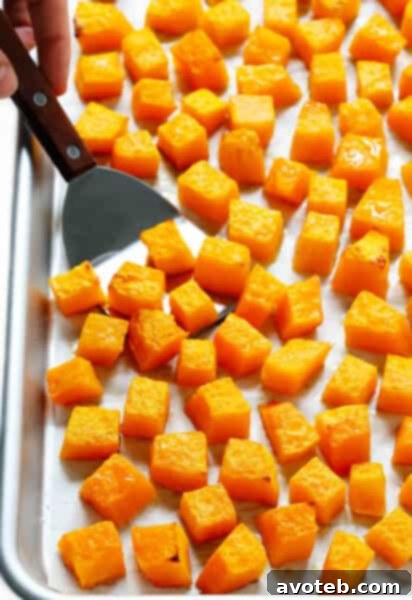
Roasting butternut squash in cubes is a fantastic way to achieve those coveted caramelized edges and a tender interior. The size of your dice will influence both the cooking time and the texture of the final product. I personally find that 3/4-inch cubes roasted at 425°F (220°C) strike the perfect balance, yielding beautifully golden-brown bottoms and delicious crispness.
Here’s your step-by-step guide to achieving perfectly roasted butternut squash cubes:
- Prepare the Squash: Begin by carefully peeling the butternut squash, then remove the seeds and pulp. Using a sharp knife, cut the squash into your desired size of cubes. For optimal results, aim for uniform pieces so they cook evenly.
- Toss with Oil: Transfer the diced squash to a large mixing bowl. Drizzle with 1 to 2 tablespoons of olive oil (or your preferred neutral oil). Toss thoroughly until every cube is lightly and evenly coated. This step is crucial for promoting caramelization and preventing sticking.
- Season Generously: Arrange the oiled squash cubes in a single, even layer on a large baking sheet. It’s important to avoid overcrowding the pan; leave a little space between each piece to allow for proper air circulation and browning. If your pan is too crowded, the squash will steam instead of roast. Season generously with fine sea salt, and any additional dried seasonings you wish to incorporate (see our suggestions below for inspiration).
- Roast to Perfection: Place the baking sheet in a preheated oven at 425°F (220°C). Roast for approximately 35-45 minutes, or until the squash is fork-tender and exhibits beautiful golden-brown, slightly crispy edges. The cooking time may vary based on the size of your dice and your oven’s calibration. For even browning, you can gently toss the squash halfway through the roasting process.
- Serve and Enjoy: Once cooked, remove the squash from the oven. It’s ready to be served immediately as a delightful side dish or incorporated into your favorite recipes.
Pro Tip: For extra crispiness, ensure your baking sheet is generously sized, or use two sheets to prevent overcrowding. Lining the sheet with parchment paper also helps with easy cleanup and prevents sticking.
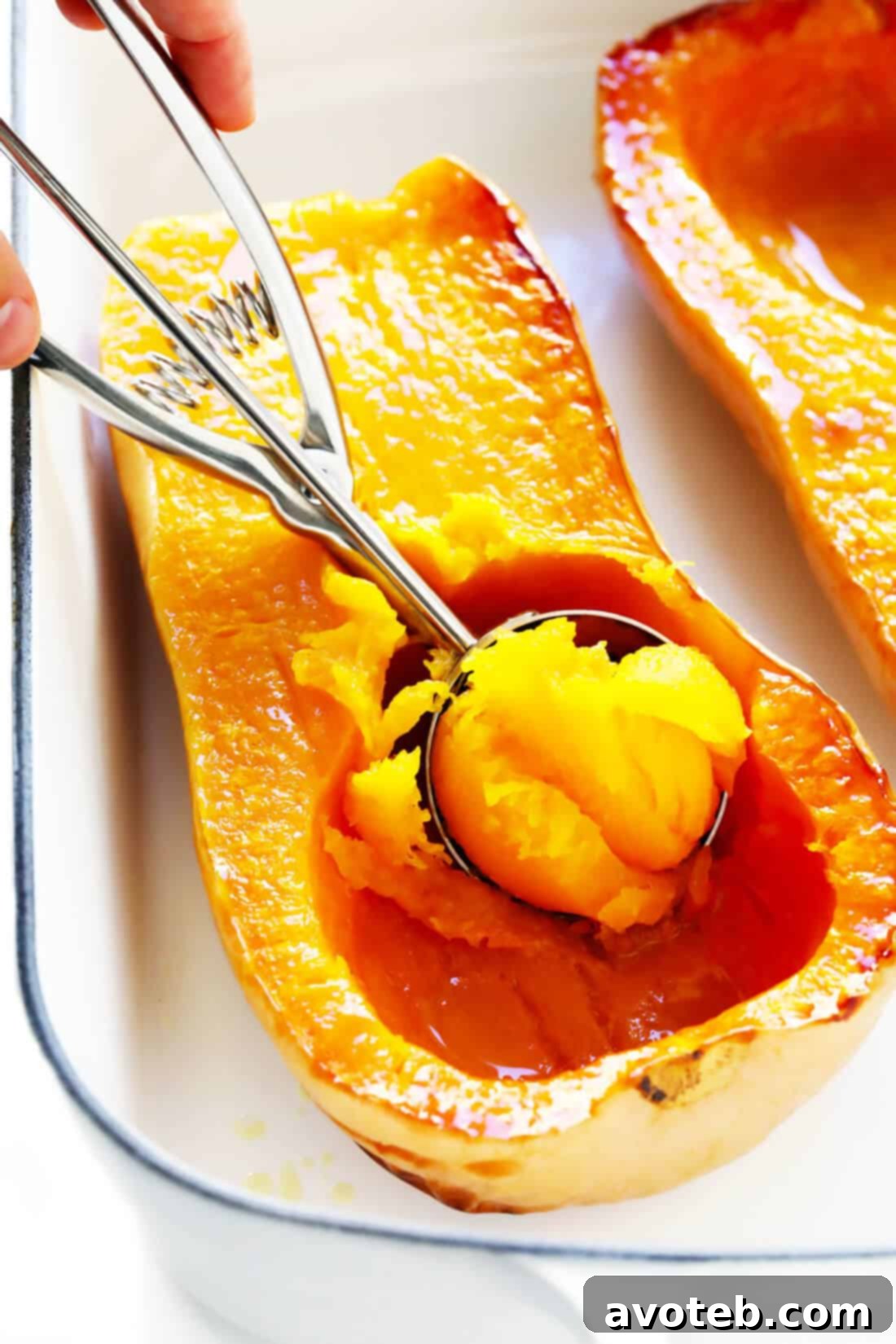
How To Bake Butternut Squash Halves for Effortless Tenderness
If your recipe doesn’t call for diced butternut squash—perhaps you’re aiming for a creamy mash, a hearty soup, a smooth sauce, or an ingredient for baked goods—then roasting the squash in halves is the ultimate convenience. This method bypasses the dicing process entirely, making for an incredibly simple and low-effort preparation. Roasting in halves at a slightly lower temperature ensures a consistently tender interior, perfect for scooping.
Here’s how to roast butternut squash halves for a wonderfully tender result:
- Prepare and Halve the Squash: Begin by using a sharp, sturdy knife to carefully slice off the top (and optionally, the bottom) 1/2-inch of the butternut squash. This creates stable ends. Then, very carefully slice the squash in half lengthwise from top to bottom. Once halved, use a spoon (an ice cream scoop works great too!) to scoop out and discard the seeds and stringy pulp.
- Brush with Oil: Place the squash halves cut-side-up on a baking sheet or in a baking dish. Drizzle or brush a tablespoon of olive oil evenly over the cut surfaces of the squash. This helps to prevent drying and aids in a light caramelization.
- Season Simply: Season the cut side of each squash half generously with fine sea salt. If desired, you can also add black pepper or any other seasonings that complement your planned dish (e.g., a pinch of cinnamon and brown sugar for sweet applications, or herbs like rosemary and thyme for savory uses).
- Roast Until Tender: Flip the squash halves so they are cut-side-down on the baking sheet or in the dish. This allows the internal moisture to steam the flesh, ensuring maximum tenderness. Place in a preheated oven at 375°F (190°C). Roast for approximately 50-60 minutes, or until the squash is incredibly tender when pierced with a fork and its edges are lightly golden. Cooking time will vary based on the size of your squash.
- Scoop and Serve: Carefully remove the baking sheet from the oven. Once cool enough to handle, use a spoon to easily scoop out the tender, cooked flesh. It’s now ready to be mashed, puréed, or used in your desired recipe. Enjoy the sweet, buttery goodness!
Chef’s Note: Roasting cut-side-down helps to retain moisture, resulting in a creamier, more consistent texture, ideal for mashing or blending.
Elevate Your Flavor: Creative Seasoning Ideas for Roasted Butternut Squash
While a simple sprinkle of salt (and perhaps black pepper) is often all that’s needed, especially if your roasted butternut squash is destined for a recipe with its own flavor profile, there are endless opportunities to get creative with seasonings. If you’re planning to serve it as a standalone side dish, consider these exciting flavor combinations to truly make it shine:
- Classic Savory: Beyond salt and pepper, consider garlic powder, onion powder, and a touch of dried thyme or rosemary for a robust, herbaceous flavor.
- Sweet & Spicy Kick: Combine a pinch of ground cinnamon, a dash of brown sugar or a drizzle of maple syrup, and a tiny pinch of cayenne pepper for a delightful sweet-heat contrast. This is especially good for fall and winter menus.
- Mediterranean Vibes: A blend of dried oregano, basil, and a squeeze of fresh lemon juice after roasting can transport your taste buds to the Mediterranean.
- Smoky Southwest: Chipotle powder (for a smoky heat), ground cumin, and a hint of smoked paprika will give your squash a delicious Southwestern flair.
- Warm Autumn Spices: Embrace the season with a mix of ground cinnamon, nutmeg, ginger, and a touch of allspice. Perfect with a drizzle of maple syrup.
- Herby Freshness: For a bright finish, sprinkle with fresh chopped parsley, chives, or sage immediately after roasting.
- Garlic Parmesan: Toss with minced garlic and grated Parmesan cheese during the last 10 minutes of roasting for a savory, umami-rich crust.
- Spice Blend Wonders: Don’t hesitate to use pre-made spice blends like Cajun seasoning (for a kick), Italian seasoning (for aromatic herbs), or even a Moroccan Ras el Hanout for an exotic touch.
Experiment with these suggestions or create your own signature blend! The beauty of butternut squash is its ability to adapt to a wide range of flavors.
Storing and Reheating Your Roasted Butternut Squash
Roasted butternut squash is a fantastic ingredient to meal prep, as it stores well and can be easily incorporated into future meals. Here’s how to properly store your leftovers and enjoy them again:
Refrigeration
Once cooled to room temperature, transfer your roasted butternut squash (whether diced or mashed) to an airtight container. It can be safely refrigerated for up to 3-4 days. This makes it perfect for adding to salads, grain bowls, or reheating for quick side dishes throughout the week.
Freezing for Longer Storage
If you have a larger batch or want to prepare ahead, freezing is an excellent option, especially for diced squash. To freeze diced cooked butternut squash:
- Flash Freeze: Spread the cooled diced squash in a single, even layer on a parchment-lined baking sheet. Ensure the pieces are not overlapping to prevent them from sticking together.
- Freeze Solid: Place the baking sheet in the freezer for 3-4 hours, or until the squash pieces are completely frozen solid.
- Transfer and Store: Once frozen, remove the squash from the baking sheet and transfer the individual pieces into a freezer-safe bag or an airtight freezer container. Remove as much air as possible from the bag to prevent freezer burn.
- Storage Duration: Frozen roasted butternut squash can be stored for up to 3 months.
Reheating Tips:
* From Refrigerator: Reheat in the microwave for 1-2 minutes, or spread on a baking sheet and warm in a 350°F (175°C) oven for 5-10 minutes until heated through.
* From Freezer: For best results, it’s often best to add frozen squash directly to soups, stews, or casseroles without thawing. If reheating as a side, you can bake from frozen at 375°F (190°C) until tender and slightly caramelized, about 15-20 minutes, or sauté gently on the stovetop.
Versatile Ways To Use Roasted Butternut Squash
The beauty of roasted butternut squash lies in its incredible versatility. Its sweet, earthy flavor and tender texture make it a fantastic addition to a wide range of dishes, both sweet and savory. Here are just a few delicious ideas to put your perfectly roasted squash to use:
- As a Healthy Side Dish: The diced squash, seasoned simply or with a flavorful blend, makes a nutritious and delicious standalone side for almost any main course, from roasted chicken to grilled fish.
- Creamy Mashed Butternut Squash: Move over, mashed potatoes! Scoop out the flesh from roasted halves, then mash it with a knob of butter, a splash of milk or cream, a clove of minced garlic, and your favorite fresh herbs (like sage or chives). Season with salt and pepper for a comforting and vibrant mash.
- Enrich Soups and Stews: Roasted squash adds incredible depth and sweetness to soups. Blend it into a creamy butternut squash soup, or add diced pieces to hearty stews for added nutrition and texture. Roasting beforehand intensifies the flavor significantly.
- In Savory Salads and Grain Bowls: Add cooled, diced roasted butternut squash to your favorite autumn or winter salads for a pop of color, sweetness, and satisfying texture. It pairs wonderfully with spinach, kale, goat cheese, cranberries, and nuts. It’s also a fantastic component for nutritious grain bowls with quinoa, farro, and roasted vegetables.
- Wholesome Baked Goods: Just like pumpkin puree, mashed roasted butternut squash can be used in baking. Substitute it for pumpkin puree in recipes for breads, muffins, pancakes, waffles, or even pies to add moisture, flavor, and a nutritional boost.
- Breakfast Delights: Incorporate diced roasted squash into breakfast dishes like quiches, frittatas, hashes, or omelets. Its sweet and savory notes are a perfect match for eggs and other breakfast staples.
- Global Cuisine Adaptations:
- Tacos and Burrito Bowls: Seasoned with smoky spices, diced roasted squash makes an excellent vegetarian filling for tacos or a hearty addition to burrito bowls.
- Curries: Its creamy texture holds up beautifully in aromatic curries, absorbing the rich flavors of coconut milk and spices.
- Pastas and Risottos: Stir diced squash into a creamy pasta sauce or a comforting risotto for a seasonal twist. It pairs exceptionally well with sage, brown butter, and Parmesan cheese.
- Homemade Butternut Squash Pasta Sauce: Blend the roasted flesh with vegetable broth, a touch of cream or coconut milk, and seasonings to create a velvety, naturally sweet pasta sauce.
With so many ways to enjoy it, roasted butternut squash is truly a culinary chameleon. Get creative and let this delicious vegetable inspire your next meal!
Roasted Butternut Squash (Cubes or Halves)
- Prep Time: 10 mins
- Cook Time: 40-50 mins
- Total Time: 50-60 mins
- Yield: 4-6 servings
Description
This easy roasted butternut squash recipe offers two methods: perfectly crispy diced cubes or tender, creamy halves. An ideal healthy side dish, it’s endlessly customizable with various seasonings.
Ingredients
- 1 butternut squash (2-3 pounds)
- 1-2 tablespoons olive oil (or any neutral-flavored oil)
- Fine sea salt
- Optional: extra seasonings (see notes above for ideas)
Instructions
To Make Roasted Butternut Squash Cubes:
- Cut the squash: Peel and cut the butternut squash into your desired size of cubes (approx. 3/4-inch recommended for best results).
- Toss in oil: Drizzle the diced squash with 1-2 tablespoons of olive oil, then toss until evenly coated.
- Season: Arrange the squash in a single, even layer (no overlapping!) on a large baking sheet. Season generously with salt, plus any extra seasonings you prefer.
- Roast: Cook butternut squash in a preheated oven at 425°F (220°C) for about 35-45 minutes (or more/less, depending on the size of your dice) until tender and lightly golden on the edges. Remove from the oven, serve, and enjoy!
To Make Roasted Butternut Squash Halves:
- Halve the squash: Use a sharp knife to slice off the top (and optionally the bottom) 1/2-inch of a butternut squash. Then carefully slice the squash in half vertically. Scoop out and discard the seeds and pulp.
- Brush on oil: Brush the cut side of the squash evenly with a tablespoon of olive oil.
- Season: Season the cut side of the squash with salt, plus any extra seasonings you prefer.
- Roast: Place the squash cut-side-down on a baking sheet or in a baking dish. Cook butternut squash in a preheated oven at 375°F (190°C) for about 50-60 minutes (or more/less, depending on the size of your squash halves) until the squash is tender and lightly golden on the edges. Remove from the oven, scoop out the tender flesh, serve, and enjoy!