
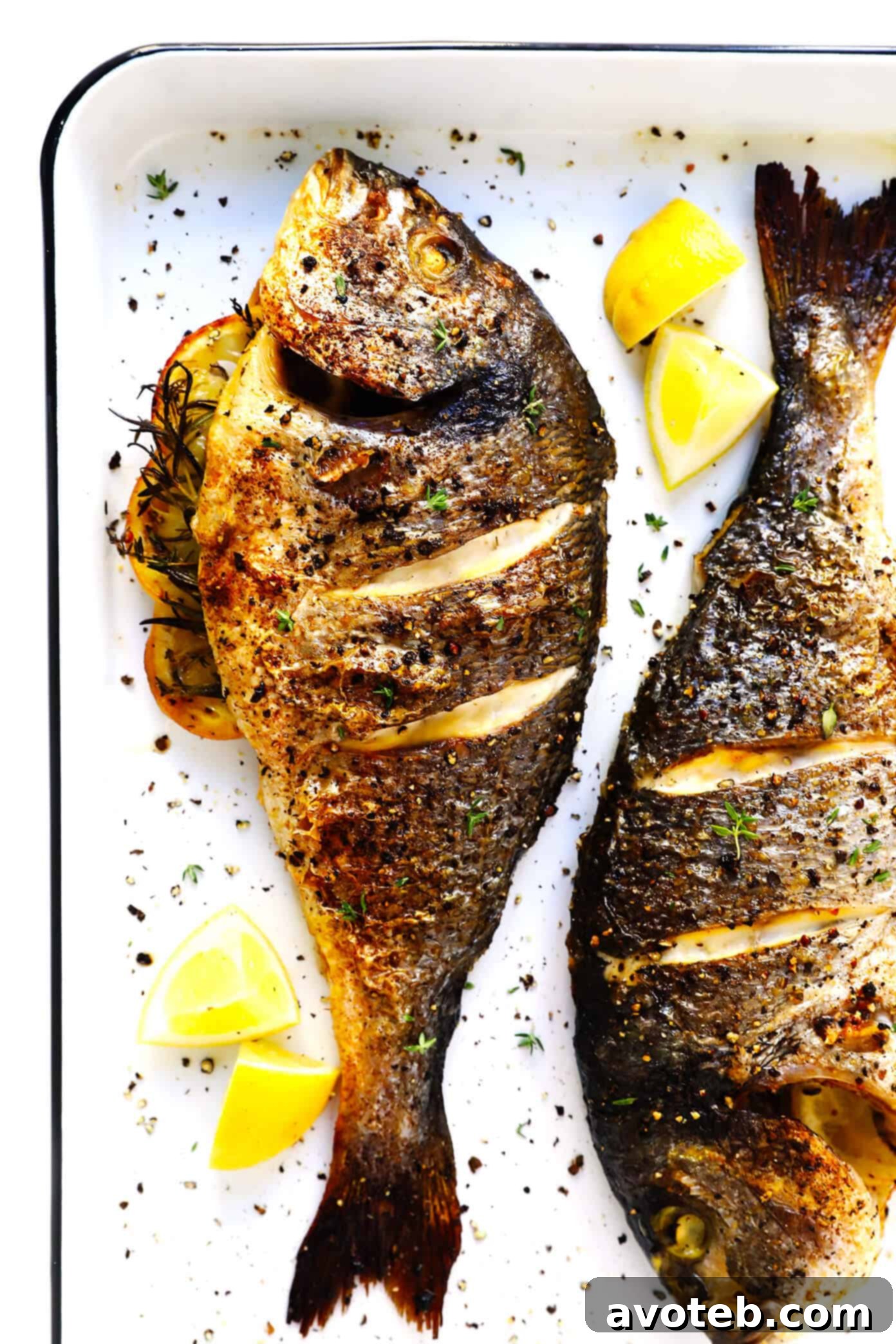
Discover the secret to perfectly roasted whole fish right in your oven. This comprehensive guide makes it incredibly easy, transforming a seemingly intimidating dish into a deliciously simple and healthy meal.
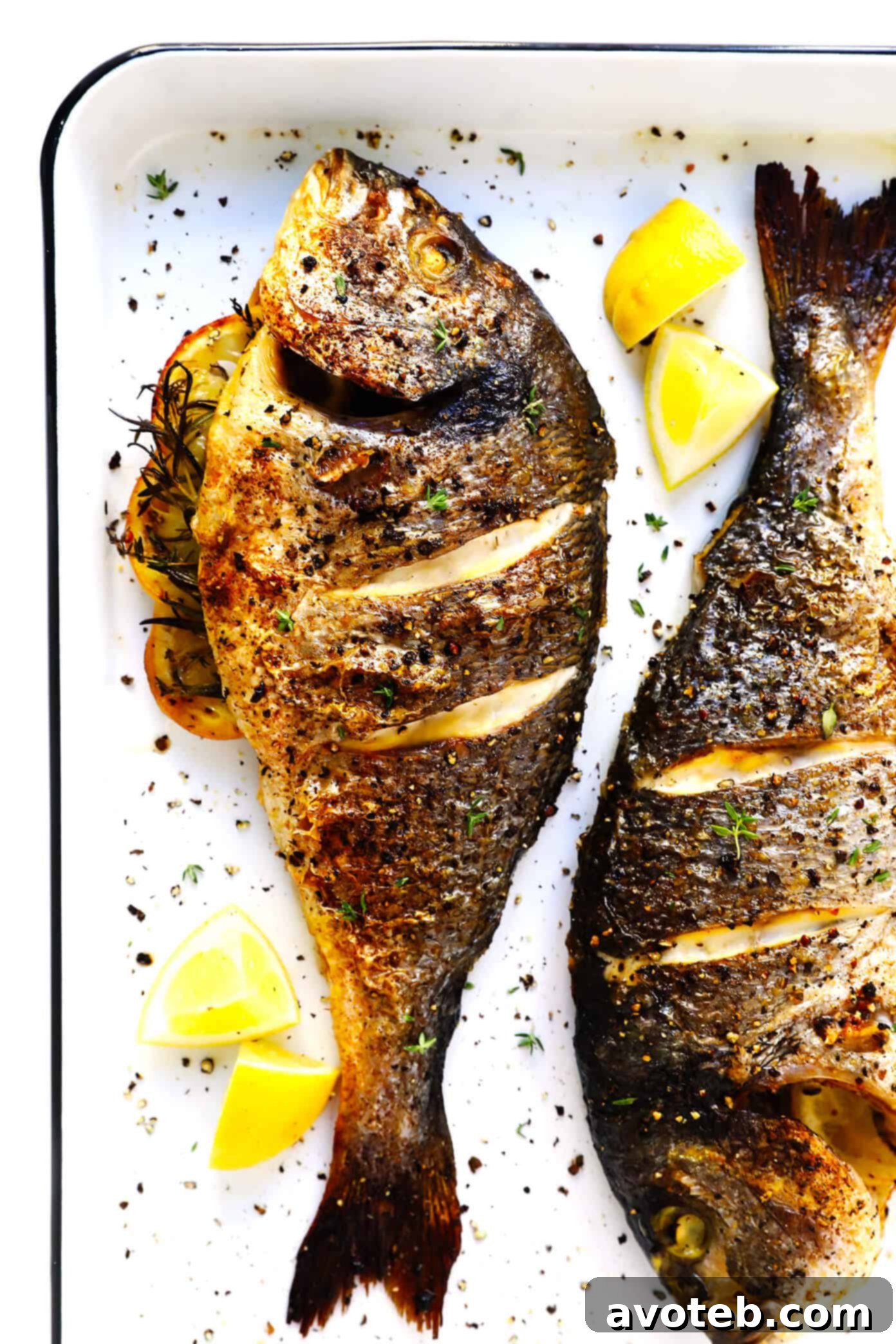
Friends, prepare for a truly rewarding culinary adventure today.
We’re diving deep into the delightful world of how to cook a whole fish! Many of you have been asking for a detailed, step-by-step tutorial, and I’m thrilled to share my journey and newfound expertise. My own quest to conquer this culinary bucket-list item began when I moved to Spain, where cooking and enjoying whole fish is a cherished tradition. For years, the idea seemed daunting, a skill reserved for professional chefs. But after countless visits to bustling local markets, mesmerized by the vibrant displays of fresh fish, I finally gathered the courage to approach a friendly fishmonger. Fast forward several months, dozens of fish, and countless delicious “fish nights” in our little casita, and I can confidently say: we are absolutely hooked!
Here’s the exciting truth: roasting a whole fish in the oven is remarkably straightforward and yields incredible results. Far from being a complex dish, it’s an accessible method that guarantees a truly memorable meal. The natural flavors of the fish are beautifully preserved and enhanced with just a few simple seasonings. Furthermore, purchasing a whole fish allows you to verify its freshness with absolute certainty, a luxury often unavailable with pre-cut fillets. This method ensures your fish is consistently cooked to perfection – wonderfully juicy, flaky, and tender on the inside, with a beautifully crispy and seasoned skin on the outside. In my experience, it’s a far more foolproof approach than cooking individual fillets, consistently delivering superior texture and taste. It’s a win-win for both novice and experienced cooks, bringing the authentic, fresh flavors of Mediterranean cuisine right to your table.
If you’ve ever dreamt of preparing your own whole roasted fish, now is the time to embrace that ambition. Connect with your local fishmonger, bring home a fresh pescado or two, and let me guide you through every step of the process. Trust me, any initial apprehension will quickly melt away once you experience the sheer joy and deliciousness of this dish. I genuinely believe you’re going to love it.
Why Choose Whole Fish for Roasting? The Benefits Unveiled
Beyond the simple fact that it’s surprisingly easy, cooking a whole fish in the oven offers a multitude of benefits that elevate your dining experience:
- Unmatched Flavor and Moisture: The bones and skin of a whole fish act as natural flavor enhancers and protectors, basting the flesh from within and preventing it from drying out. This results in a much richer flavor profile and an incredibly moist, tender texture that fillets simply can’t replicate.
- Guaranteed Freshness: When you buy a whole fish, you have clear indicators of its freshness – bright eyes, firm flesh, and red gills. This transparency ensures you’re starting with the highest quality ingredient, which is crucial for any seafood dish.
- Visual Appeal and Presentation: A beautifully roasted whole fish makes a stunning centerpiece for any meal, instantly impressing guests and transforming a weeknight dinner into a special occasion.
- Cost-Effective: Often, whole fish can be more economical per pound than pre-cut fillets, especially for certain species. This allows you to enjoy premium seafood without breaking the bank.
- Simplicity in Cooking: While it might seem intimidating, the actual cooking process for a whole fish is often simpler than fillets. There’s less fussing, and the fish essentially cooks itself in the oven.
Mastering the Art of Buying Fresh Fish: A Guide to the Fish Counter
The first step to a magnificent roasted fish begins at the fish counter. This was once the most intimidating part for me, but it’s actually quite simple once you know what to look for and how to communicate with your fishmonger. Here’s a detailed guide:
- Identify Your Preferred Fish: For beginners, I highly recommend white-fleshed fish. Varieties like Mahi Mahi, Sea Bass, Branzino, or Red Snapper are excellent choices. They are mild in flavor, have a firm texture that holds up well to roasting, and are generally easier to handle. As you gain confidence, feel free to experiment with other types!
- Scrutinize for Signs of Freshness: This is paramount for flavor and safety. Look for:
- Eyes: They should be clear, bright, and plump, not cloudy, sunken, or dull. Think of them as looking alert and alive.
- Flesh: The skin should be shiny, vibrant, and tight. When gently pressed with a finger, the flesh should be firm and spring back immediately, leaving no indentation. Avoid any fish with discolored or slimy patches.
- Coloring: The fish’s natural colors should be bright and consistent. Steer clear of fish with brownish edges or a faded appearance, which indicates age.
- Gills: Lift the gill plate. The gills underneath should be bright pink or red and appear moist, not brown, gray, or slimy.
- Perform the “Sniff Test”: A fresh fish will have a clean, subtle scent reminiscent of the ocean or clean water. It should never smell overly “fishy,” sour, or ammonia-like. Trust your nose – if it smells off, it probably is.
- Befriend Your Fishmonger: This is invaluable! Don’t hesitate to engage with the person behind the counter. They are a wealth of knowledge, know what’s freshest that day, and can offer valuable advice. Tell them what you’re planning to cook, and ask for their recommendations.
- Request Preparation for Roasting: This is the best part – you don’t have to do the messy work! Politely ask your fish friend to “scale, gut, and rinse the fish, prepared for roasting.” Emphasize that you’ll be cooking it whole in the oven. They might also trim the fins or make diagonal slits across the skin (scoring); if not, these are easy steps you can do at home.
- Transport it Home Safely: Once prepared, your fish should be wrapped securely. Head straight home and keep it chilled until you’re ready to cook, ideally the same day for maximum freshness.
The Easiest Roasted Whole Fish Ingredients: Simple Flavors, Big Impact
While the possibilities for seasoning whole fish are endless, my go-to method is incredibly simple, allowing the natural flavors of the fish to truly shine. You’ll only need a handful of fresh ingredients:
- Your Fresh Whole Fish: As discussed, opt for a white-fleshed variety like Mahi Mahi, Sea Bass, Branzino, or Red Snapper. Ensure it’s scaled and gutted, ready for cooking ideally on the day of purchase.
- High-Heat Olive Oil: Use a regular, refined olive oil or another high smoke point oil like avocado oil. This is crucial because we’ll be roasting at a high temperature (450°F), and extra virgin olive oil has a lower smoke point, which can burn. The oil helps achieve that desired crispy skin.
- Fresh Garlic: Minced fresh garlic for stuffing into the cavity of the fish provides a pungent, aromatic base. A touch of garlic powder on the outside skin adds another layer of flavor and helps with crisping.
- Bright Lemon: Lemon is a fish’s best friend. I recommend about one whole lemon per fish. Half will be sliced and tucked into the cavity to infuse the flesh with citrusy notes during cooking, while the other half will be squeezed over the finished fish for a fresh, zesty finish.
- Fragrant Fresh Herbs: Herbs elevate the aroma and taste. Rosemary and thyme sprigs are my favorites for stuffing into the fish’s cavity, but feel free to experiment with dill, parsley, or oregano based on your preference.
- Generous Salt and Pepper: Don’t be shy with seasoning! Coarse sea salt and freshly cracked black pepper are essential for enhancing all the other flavors and creating a delicious crust on the skin.
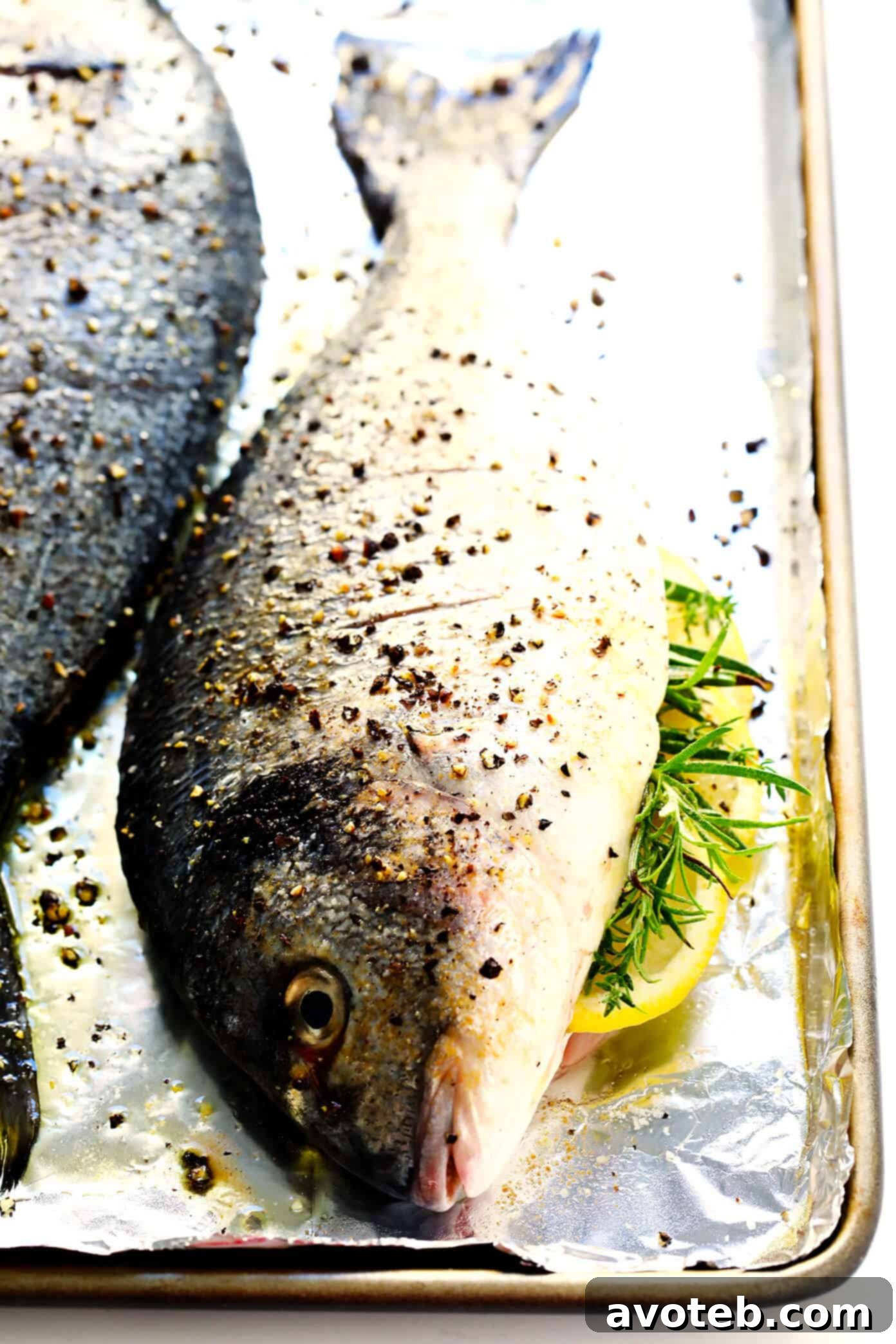
Effortless Fish Preparation: Getting Your Whole Fish Ready for the Oven
Thanks to the excellent service from your fishmonger, the hands-on prep time for your roasted fish will be incredibly fast – usually just about 5 minutes! Here’s how to get your fish oven-ready:
- Final Rinse and Thorough Drying: Even if your fishmonger rinsed it, give your fish one more quick rinse under cold water when you get it home. Then, and this is important for crispy skin, thoroughly pat it dry inside and out with paper towels. Excess moisture is the enemy of crispiness. Transfer the dried fish to a foil-lined baking sheet for easy cleanup.
- Score the Fish (If Not Already Done): If your fish counter didn’t do this, use a sharp knife to make several diagonal slits, about an inch apart, across the top side of the fish. These cuts should be just deep enough to slice through the skin and a little into the flesh, allowing seasonings to penetrate and promoting even cooking and crispier skin.
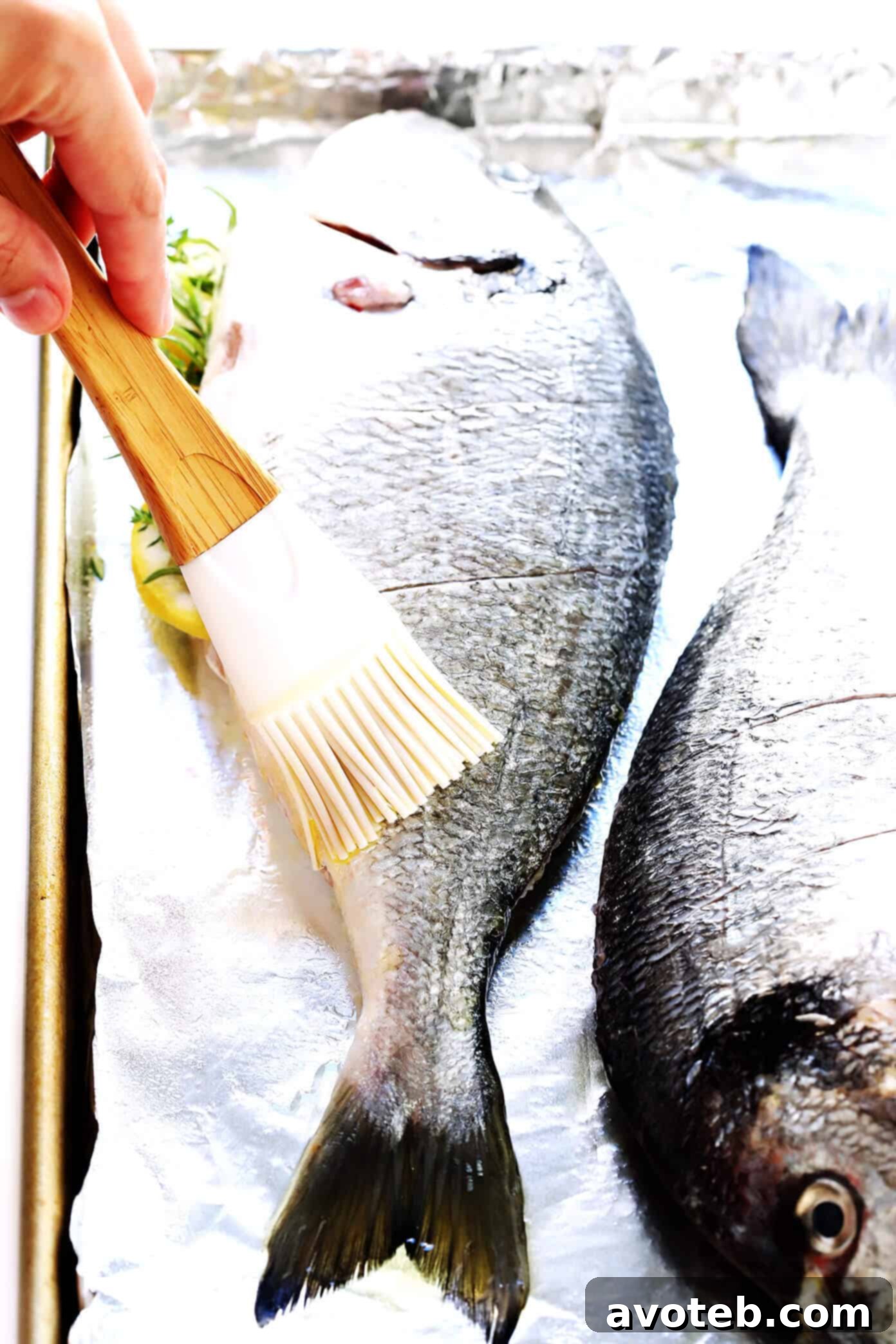
- Generously Brush with Oil: Using a high-heat oil, thoroughly brush both sides of the fish’s exterior, ensuring the oil gets into the scored slits. This creates a barrier for moisture and helps achieve that golden, crispy skin. Then, lightly brush some oil into the inner cavity as well.
- Stuff the Cavity with Aromatics: This step infuses incredible flavor from the inside out. Place your lemon slices, minced garlic, and fresh herb sprigs (like rosemary and thyme) into the fish’s cavity. A key tip for the garlic: make sure it’s tucked deeply inside the cavity to prevent it from burning during the high-heat roasting process.
- Season Liberally: This is not the time to be shy! Generously sprinkle coarse sea salt, freshly cracked black pepper, and garlic powder over the entire exterior of the fish, including into the scored areas. Add a final touch of salt and pepper inside the cavity too.
And just like that, your beautifully prepped whole fish is ready for its grand oven debut!
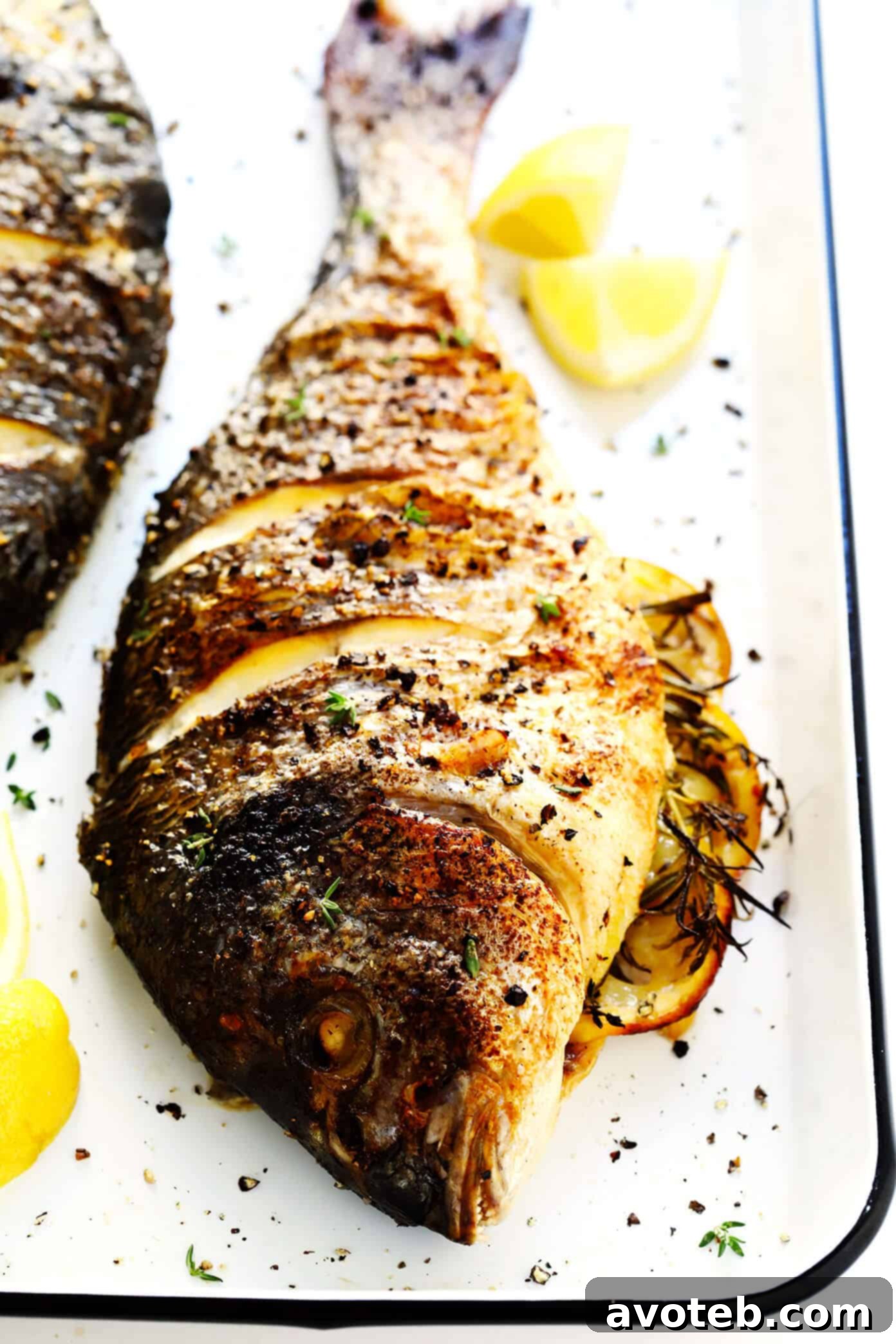
How to Roast Whole Fish in the Oven to Perfection: Simple Steps for Success
For everyone wondering how to achieve a perfectly cooked, juicy whole fish in the oven, you’ll be pleased to know this step is equally uncomplicated and rewarding.
- Roast at High Heat: Preheat your oven to a blazing 450°F (230°C). High heat is key to getting a crispy exterior and a wonderfully moist interior. Place your prepared fish on the foil-lined baking sheet into the preheated oven. Roast for approximately 18-20 minutes. The exact cooking time will vary depending on the size and thickness of your fish. A good rule of thumb is about 10 minutes per inch of thickness at its thickest point. The fish is perfectly cooked when it reaches an internal temperature of 145°F (63°C) (measured with an instant-read thermometer at the thickest part, avoiding the bone) and flakes easily with a fork.
- Finish with Fresh Lemon Juice: Once the fish is cooked and removed from the oven, immediately squeeze the juice from the remaining lemon half evenly over the top. The fresh citrus brightens the flavors and adds a final touch of zing.
- Serve Immediately: Whole roasted fish is best enjoyed piping hot, straight from the oven. The flavors are at their peak, and the skin is at its crispiest.
How to Eat a Whole Fish: A Practical Guide
Don’t let the bones intimidate you from enjoying a whole fish! Most of the time, we simply dive in with a fork, gracefully navigating around the bones. Here’s a practical approach:
- Start with the Upper Layer: Begin by eating the upper layer of flesh, working from head to tail. Use your fork to gently lift portions of meat away from the backbone, being mindful of any smaller bones along the top.
- Expose and Remove the Backbone: Once the upper flesh is mostly eaten, use your fork and knife to carefully lift the entire backbone. It should separate quite easily from the lower layer of flesh. You can then set it aside on a separate plate.
- Enjoy the Lower Layer: With the backbone removed, the delicious lower layer of flesh is now exposed and virtually bone-free, ready to be enjoyed.
If you prefer a more formal method, there are excellent tutorials on how to carve a whole cooked fish, such as this one from Serious Eats.
Ultimately, there’s no single “wrong” way to eat a whole fish. It’s meant to be a relaxed, somewhat hands-on experience, sometimes with a few delightful surprises (occasional bones!). Take your time, savor the process, and have fun with it!
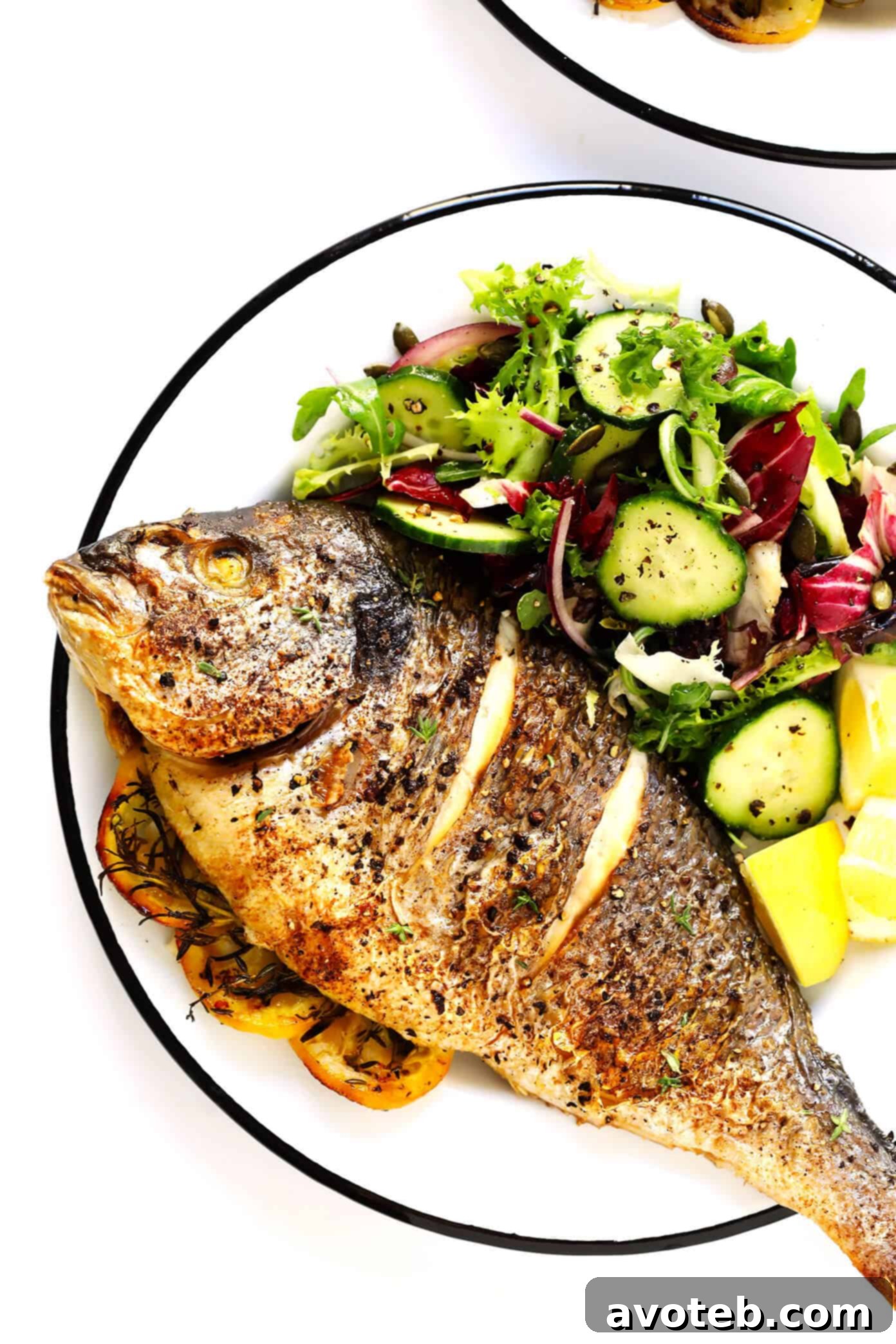
What To Serve With Whole Roasted Fish: Perfect Pairings
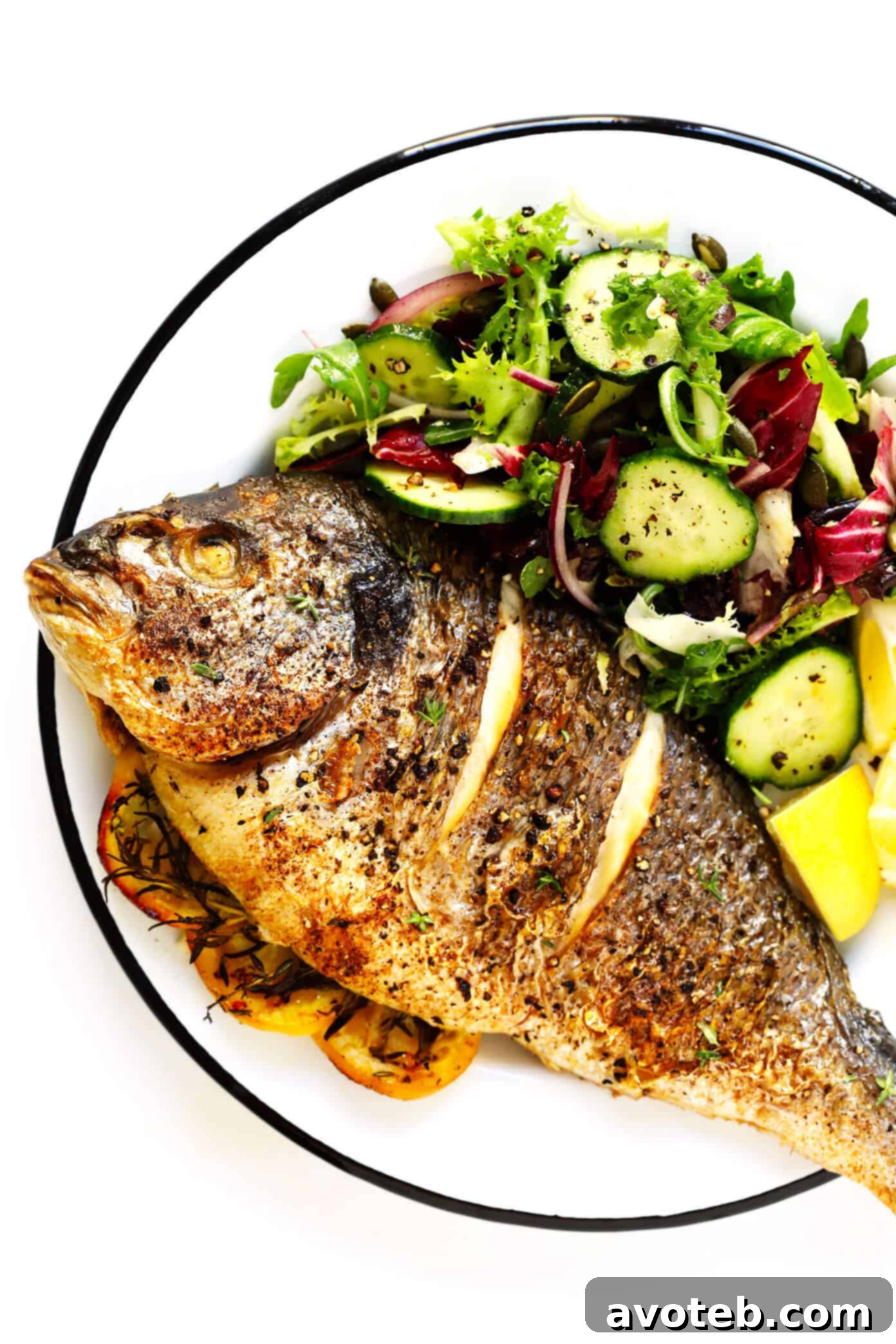
A beautifully roasted whole fish deserves equally delightful accompaniments. Here are some of my favorite recipes and ideas to serve alongside this healthy and flavorful dish:
- Fresh, Vibrant Salads: A crisp, refreshing salad provides a perfect counterpoint to the rich fish. My favorite everyday salad recipe (as pictured above) or a hearty traditional Greek salad with feta and olives are excellent choices.
- Simple Steamed or Roasted Vegetables: Opt for vegetables that are easy to prepare and don’t require additional oven space, allowing your fish to be the star. Steamed artichokes, asparagus, green beans, or a medley of roasted Mediterranean vegetables (if you have a second oven or air fryer) work wonderfully.
- Crusty Bread or Grains: A good quality crusty bread is perfect for soaking up any flavorful pan juices. Alternatively, a light couscous or quinoa salad can offer a satisfying grain component.
- A Refreshing Beverage: Pair your meal with a crisp glass of dry white wine (like a Sauvignon Blanc or Pinot Grigio), a light sparkling water with lemon, or a refreshing iced tea to complete the experience.
Good Luck and Happy Roasting!
And there you have it, friends! If cooking a whole fish has been lingering on your culinary bucket list, I sincerely hope this detailed guide has demystified the process and empowered you to give it a try. It’s a truly rewarding experience, offering incredible flavor and a sense of accomplishment in the kitchen. I’m a huge fan, and I have no doubt you will be too. Please, give it a whirl and let me know how it goes! Happy cooking, and best wishes for many delicious “fish nights” to come!
How To Cook A Whole Fish in the Oven
Prep Time: 10 minutes
Cook Time: 18-20 minutes
Total Time: 30 minutes
Yield: 1 serving 1x
Description
This step-by-step tutorial reveals how incredibly easy it is to roast a whole fish in the oven, creating a delicious and healthy meal with minimal effort. Learn to select, prepare, and perfectly cook a whole fish like mahi mahi, sea bass, or branzino, seasoned simply with lemon, garlic, and fresh herbs. An impressive yet effortless dinner perfect for any occasion!
Ingredients
Scale
- 1 large whole fish (such as mahi mahi, sea bass, branzino, or red snapper), scaled and gutted by your fishmonger
- 1–2 tablespoons refined olive oil* (or other high-heat oil)
- 1 large clove garlic, peeled and finely minced
- 1 fresh lemon, halved
- A generous handful of fresh herbs (such as sprigs of rosemary and thyme)
- Coarse sea salt, freshly-cracked black pepper, and garlic powder, to taste
Instructions
- Preheat your oven to 450°F (230°C). Line a large, rimmed baking sheet with aluminum foil for easy cleanup, or lightly grease it with cooking spray.
- Upon arriving home and just before cooking, give your whole fish one final thorough rinse under cold water. Then, with paper towels, pat the fish very dry, both inside and out. Transfer the dried fish to your prepared baking sheet. If your fishmonger hasn’t already done so, use a sharp knife to lightly score the top side of the fish with diagonal cuts, about 1-inch apart, cutting just through the skin.
- Using a pastry brush or your hands, generously brush the entire exterior of the fish with refined olive oil on both sides, making sure the oil gets into the scored slits. Then, lightly brush the inner cavity of the fish with oil as well.
- Slice half of the lemon into thin rounds. Carefully stuff these lemon slices, along with the minced garlic and fresh herb sprigs (such as rosemary and thyme), into the inner cavity of the fish. Ensure that the minced garlic is tucked deep inside the cavity to prevent it from burning during roasting.
- Liberally season the outside of the fish with a generous amount of coarse sea salt, freshly-cracked black pepper, and garlic powder. Don’t forget to sprinkle a bit of salt and pepper inside the cavity as well.
- Roast the fish in the preheated oven for 18-20 minutes, or until the fish reaches an internal temperature of 145°F (63°C) at its thickest part (avoiding the bone) and flakes easily with a fork. Cooking time may vary slightly depending on the exact size and variety of your fish.
- Carefully remove the beautifully roasted fish from the oven. Take the remaining half of the fresh lemon and squeeze its juice evenly over the top of the hot fish for a burst of fresh, bright flavor.
- Serve your magnificent whole roasted fish immediately, accompanied by your favorite side dishes, and enjoy the incredible flavors!
Notes
- Oil Choice: It’s crucial to use a regular, refined olive oil (not extra virgin olive oil) or any other high-heat cooking oil you prefer, such as avocado oil. Extra virgin olive oil has a lower smoke point and can burn at the high oven temperature used for roasting, imparting an unpleasant flavor.
- Doneness Check: If you’re unsure about doneness, a good quality instant-read thermometer is your best friend. Insert it into the thickest part of the fish, avoiding bones, to ensure it reaches 145°F (63°C). The flesh should also be opaque and flake easily.