
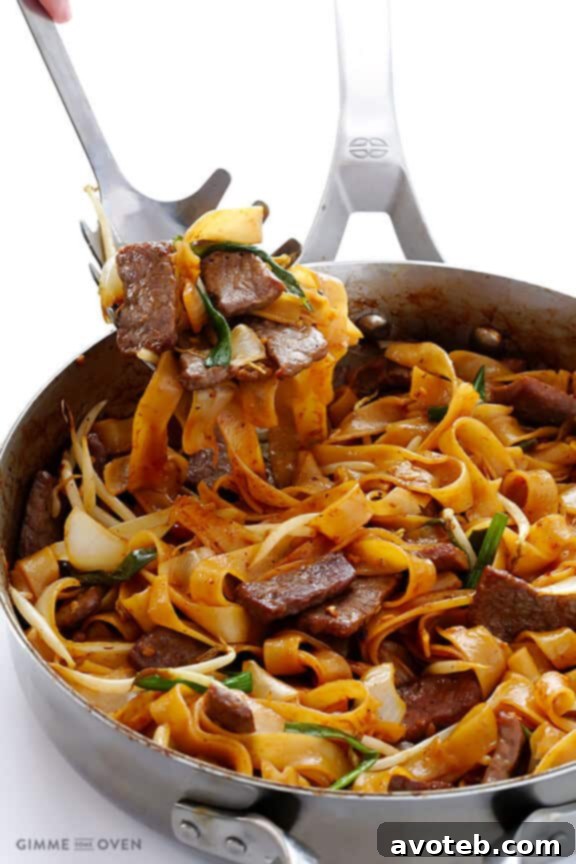
There’s something truly special about the comfort of a beloved local eatery. For me, that comfort has long come from my neighborhood Chinese restaurant, a place where they know my order by heart, and the takeout is, in my humble opinion, the best on earth. My loyalty runs deep, often gravitating towards timeless classics like fried rice, delightful moo shoo, and the ever-soothing egg drop soup. However, this past winter, I found myself rekindling a long-lost affection for an old favorite: Beef Chow Fun.
This classic Cantonese dish, with its perfect blend of tender beef, silky wide rice noodles, and a rich, savory stir-fry sauce, consistently hits the spot. It’s a symphony of textures and flavors that embodies everything wonderful about Chinese cuisine. While I will always cherish the convenience and nostalgia of ordering it for takeout, a new culinary adventure beckoned. This winter, I decided it was time to unravel the secrets of Beef Chow Fun and master it in my own kitchen. The journey to recreate this restaurant-quality dish at home proved to be incredibly rewarding, offering a fresh perspective on a familiar favorite. Join me as we delve into the art of making homemade Beef Chow Fun.
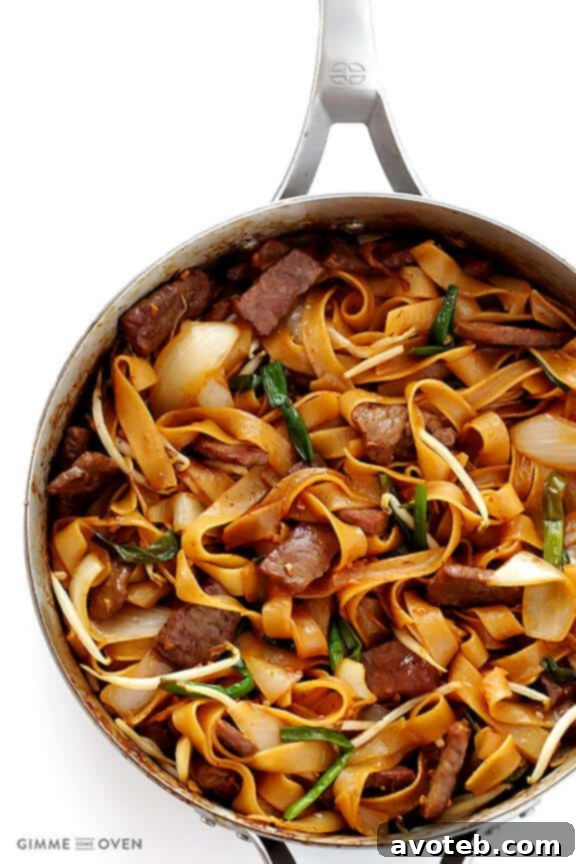
What Exactly is Beef Chow Fun? Unpacking a Cantonese Classic
Beef Chow Fun, or Ngau Yuk Hor Fun (牛肉河粉) in Cantonese, is a staple of Hong Kong-style cuisine, celebrated for its simplicity, robust flavor, and satisfying texture. At its heart, it’s a stir-fried noodle dish featuring wide, flat rice noodles (ho fun), succulent slices of beef, and a medley of fresh aromatics and vegetables, all coated in a deeply savory sauce. Unlike other Chinese noodle dishes such as Lo Mein (thinner, rounder egg noodles, often saucier) or Chow Mein (thinner noodles, sometimes crispy), Chow Fun is distinctive for its broad, flat, slightly chewy rice noodles that absorb the sauce beautifully without becoming mushy.
The magic of an authentic Beef Chow Fun lies in several key elements. First, the beef is often “velveted”—a traditional Chinese cooking technique that tenderizes the meat using a marinade containing cornstarch and often baking soda. This process ensures the beef remains incredibly tender and juicy, even after quick stir-frying at high heat. Second, the wide rice noodles are stir-fried to achieve a smoky aroma and slight char, a characteristic known as “wok hei” (鑊氣), which translates to the “breath of the wok.” This unique flavor profile is highly sought after in Cantonese cooking and adds an irreplaceable depth to the dish.
Beyond the primary ingredients, the dish is typically adorned with fresh bean sprouts and scallions, providing a crucial textural contrast and a burst of fresh flavor. The stir-fry sauce, a careful balance of soy sauces, Shaoxing wine, sugar, and white pepper, ties all the elements together, creating a harmonious and utterly delicious meal.
Why Master Beef Chow Fun at Home?
While ordering takeout is undeniably convenient, there’s an unparalleled satisfaction that comes from recreating a beloved dish in your own kitchen. Making Beef Chow Fun at home offers several distinct advantages:
- Unmatched Freshness and Flavor Control: You have complete control over the quality of ingredients, ensuring the freshest beef, crispest vegetables, and perfectly cooked noodles. You can also adjust the sauce to your exact preference—less sodium, more spice, or a touch more sweetness.
- Achieving Restaurant Quality (or Better!): With the right techniques and fresh components, you can achieve the complex flavors and textures that define excellent Beef Chow Fun, often surpassing the quality of many takeout versions. The “wok hei” effect, while challenging, is achievable with a good wok and high heat.
- Customization Opportunities: The beauty of home cooking lies in personalization. Want to add extra vegetables like bell peppers, snow peas, or carrots? Prefer chicken or shrimp instead of beef? You have the freedom to experiment and make the dish truly your own.
- Cost-Effective and Healthier: Preparing Beef Chow Fun at home is significantly more economical than frequent takeout orders. Furthermore, you can control the amount of oil and choose lower-sodium soy sauce options, making it a healthier alternative.
- The Joy of Culinary Achievement: There’s a deep sense of accomplishment that comes from successfully preparing an authentic, flavorful Chinese stir-fry from scratch. It’s a culinary skill that will serve you well for many meals to come.
The Essential Ingredients for Perfect Beef Chow Fun
Crafting authentic Beef Chow Fun starts with selecting the right ingredients and understanding their roles. Here’s a deeper look into what you’ll need:
The Beef: Flank Steak for Tenderness
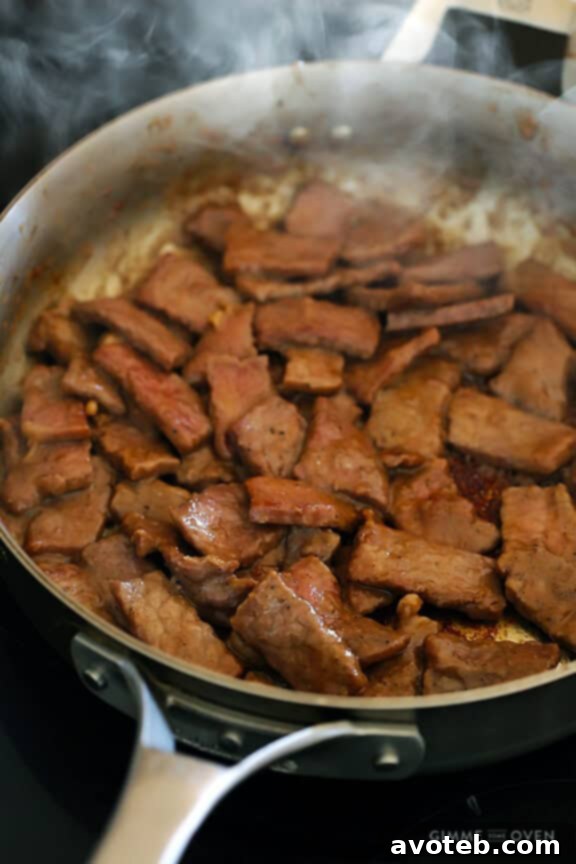
Flank steak is an excellent choice for stir-frying due to its robust flavor and fibrous texture, which, when sliced correctly (against the grain) and tenderized, becomes incredibly tender. Skirt steak or sirloin can also be used. The crucial step here is the marination process, which employs:
- Low-Sodium Soy Sauce: For initial seasoning and umami.
- Cornstarch: Acts as a tenderizer and creates a protective coating, preventing the beef from drying out during high-heat cooking. It also slightly thickens the sauce.
- Baking Soda: A secret weapon in Chinese cooking, baking soda helps break down the meat fibers, ensuring a remarkably tender result, often referred to as “velveted beef.” A little goes a long way, so use sparingly.
The Noodles: Wide Rice Noodles (Ho Fun) are Key
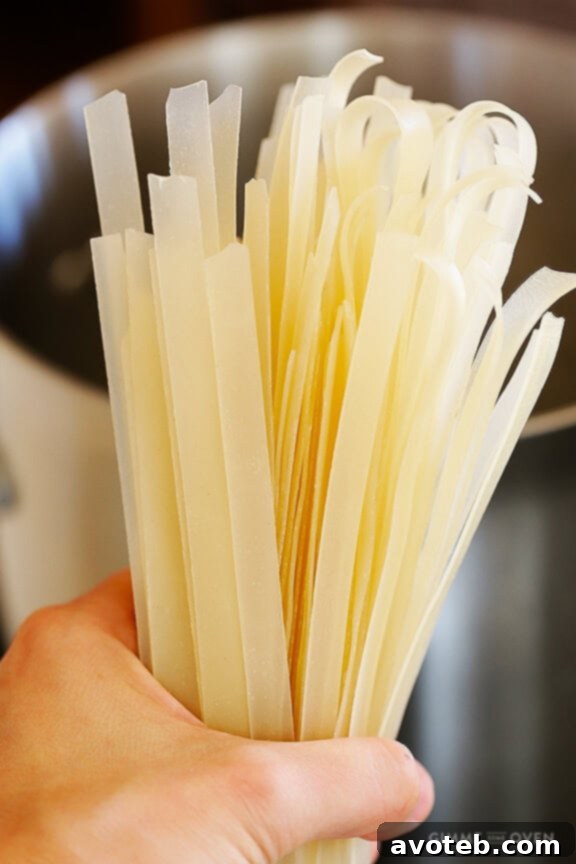
The star of the show, wide rice noodles, are non-negotiable for traditional Beef Chow Fun. Look for fresh ho fun in the refrigerated section of Asian grocery stores. They are broad, flat, and somewhat translucent. If fresh noodles aren’t available, dried wide rice noodles can be used, but they might not achieve the same silky texture. When preparing them, follow package instructions carefully to avoid overcooking, which can lead to stickiness and breakage. After cooking, a quick rinse under cold water can help prevent them from sticking together.
The Stir-Fry Sauce: A Symphony of Savory Flavors
The sauce is the soul of Beef Chow Fun, bringing all the components together with its rich, savory, and slightly sweet profile:
- Low-Sodium Soy Sauce: Provides the foundational umami and saltiness.
- Shaoxing Wine: This essential Chinese cooking wine adds a distinctive aromatic depth and complexity. If unavailable, dry sherry can be a substitute, though the flavor will differ slightly.
- Dark Soy Sauce: Used primarily for its rich, deep color and a slightly sweeter, less salty flavor compared to light soy sauce. It gives the noodles that beautiful reddish-brown hue.
- Sesame Oil: Added at the end for its intense nutty aroma and flavor.
- Sugar: Balances the savory and salty notes.
- White Pepper: A classic seasoning in Chinese cuisine, offering a subtle heat and earthy aroma distinct from black pepper.
Aromatics and Vegetables: Building the Flavor Base
These ingredients not only add flavor but also provide texture and freshness:
- Oil: A neutral high-smoke-point oil like canola, grapeseed, or peanut oil is ideal for stir-frying.
- Onion, Ginger, Garlic: The holy trinity of aromatics in Chinese stir-fries, providing a fragrant and pungent base.
- Scallions (Green Onions): Added for their mild oniony flavor and vibrant green color, typically incorporated at the end to retain their freshness.
- Mung Bean Sprouts: These add a delightful crunch and a hint of fresh, earthy flavor, providing a crucial textural contrast to the soft noodles and tender beef.
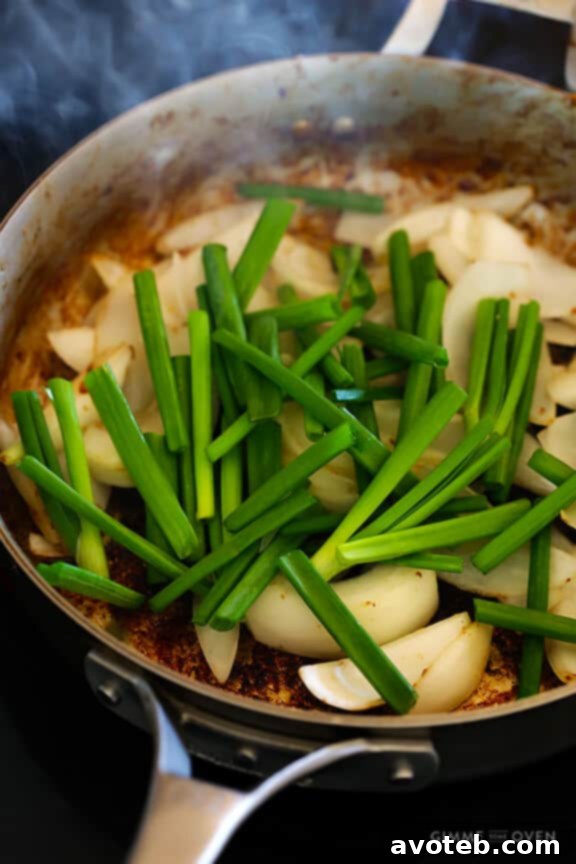
Mastering the Stir-Fry Technique: Tips for Success
The key to a successful Beef Chow Fun lies in the stir-frying technique. Here are some essential tips to help you achieve that restaurant-quality dish:
- Mise en Place is Crucial: “Mise en place” (everything in its place) means having all your ingredients prepped, measured, and ready to go before you even turn on the heat. Stir-frying is a very fast cooking method, and you won’t have time to chop or measure once the cooking begins.
- High Heat is Your Friend: Use a large wok or a heavy-bottomed sauté pan over medium-high to high heat. High heat is essential for searing the beef quickly, achieving the “wok hei” in the noodles, and preventing ingredients from steaming instead of stir-frying.
- Don’t Overcrowd the Pan: This is perhaps the most common mistake. When you add too many ingredients at once, the temperature of the pan drops significantly, causing food to steam rather than sear. Cook the beef in a single layer, in batches if necessary, to ensure it browns properly and remains tender.
- Proper Noodle Preparation: If using fresh noodles, gently separate them before adding them to the wok to prevent clumping. If using dried, ensure they are cooked al dente, drained well, and optionally lightly oiled to prevent sticking. Handle them gently during stir-frying to avoid breaking.
- Order of Operations: Follow the instructions carefully regarding the order of adding ingredients. Aromatics (ginger, garlic, onion) go in first to build a flavor base, followed by the beef, then the other vegetables, and finally the noodles and sauce. This ensures everything is cooked to perfection.
- Constant Motion: Stir-frying literally means “to fry with agitation.” Keep the ingredients moving constantly in the wok to ensure even cooking and to prevent burning.
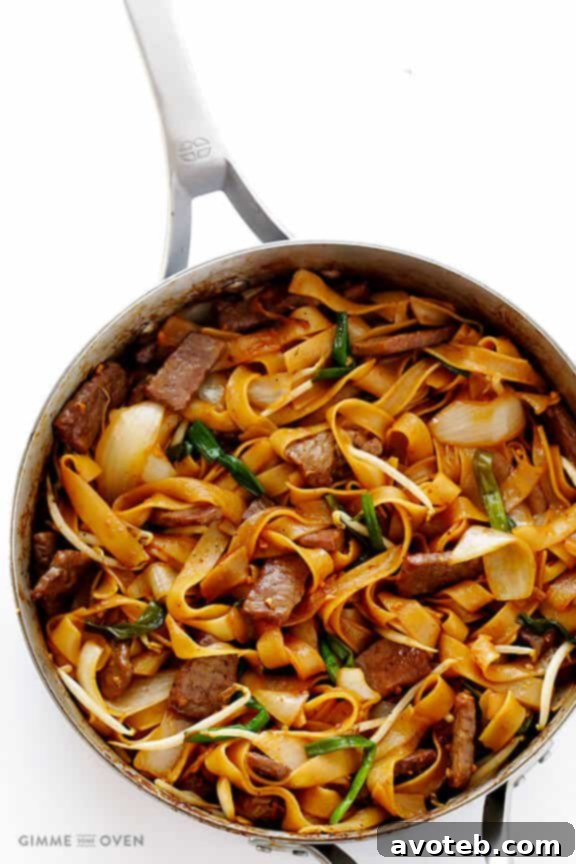
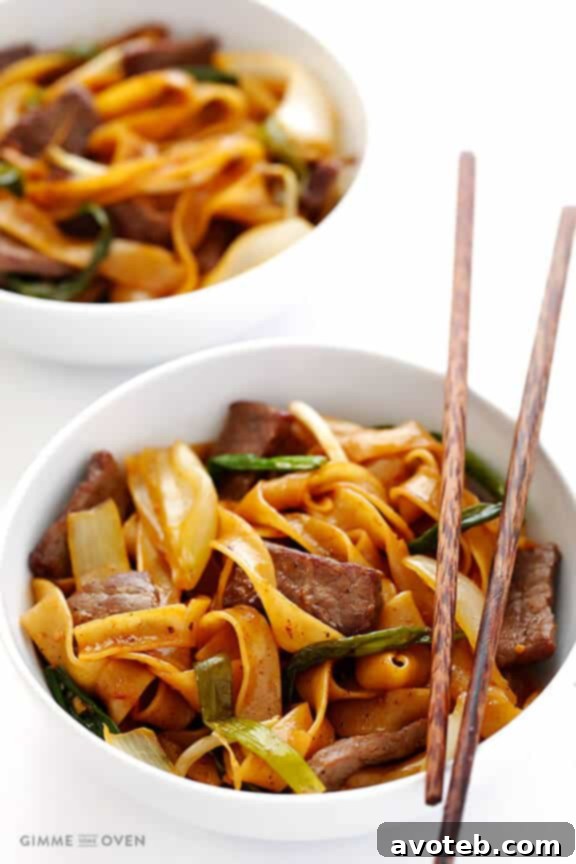
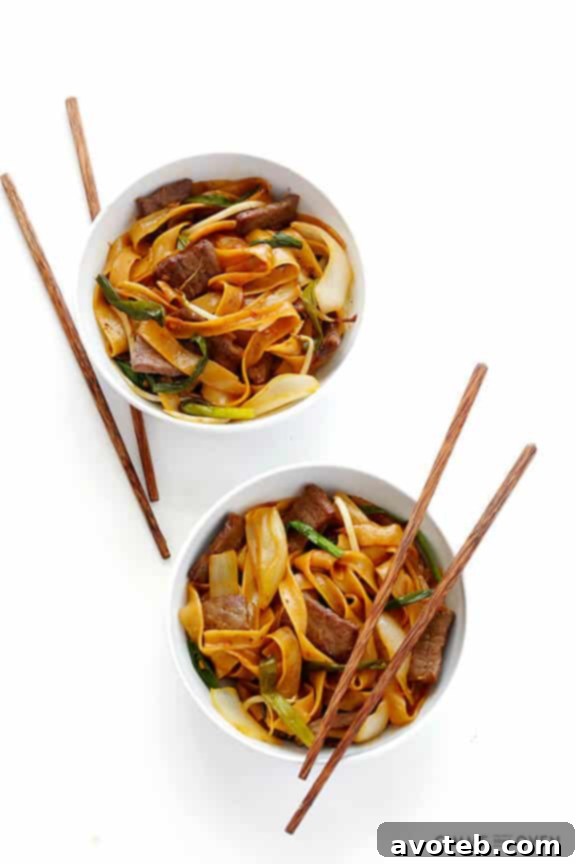
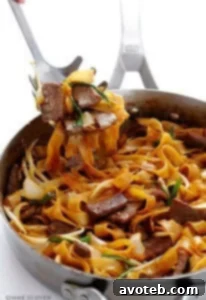
Authentic Homemade Beef Chow Fun (Beef & Noodle Stir Fry)
Prep Time: 10 minutes
Cook Time: 10 minutes
Total Time: 20 minutes
Yield: 4 –6 servings 1x
Description
This traditional Chinese Beef Chow Fun recipe features incredibly tender marinated beef and wide, silky rice noodles, all tossed in a richly flavored, savory stir-fry sauce with fresh aromatics and crisp bean sprouts. Learn how to recreate this beloved Cantonese classic at home for a meal that rivals your favorite takeout!
Ingredients
Scale
For the Marinated Beef:
- 8 ounces flank steak, thinly sliced against the grain into bite-sized pieces
- 1 tablespoon low-sodium soy sauce
- 1 teaspoon cornstarch
- 1/4 teaspoon baking soda (for velveting)
For the Stir-Fry Sauce:
-
3 tablespoons low-sodium soy sauce
-
2 tablespoons Shaoxing wine (or dry sherry as a substitute)
-
1 tablespoon dark soy sauce (for color and richer flavor)
-
1 teaspoon sesame oil
-
1 teaspoon granulated sugar
-
1/4 teaspoon white pepper
For the Stir-Fry:
-
8 ounces uncooked wide rice noodles (fresh Ho Fun recommended)
- 3 tablespoons neutral oil, divided (e.g., canola, grapeseed, or peanut oil)
-
1 medium onion, thickly sliced
-
1 tablespoon minced fresh ginger
-
4 cloves garlic, minced
-
4 scallions, cut into 2-inch pieces
- 1 cup (about 2 ounces) fresh mung bean sprouts
Instructions
- Marinate the beef. In a medium mixing bowl, combine the thinly sliced flank steak with 1 tablespoon low-sodium soy sauce, 1 teaspoon cornstarch, and 1/4 teaspoon baking soda. Toss until the beef pieces are evenly coated. Set aside to marinate for at least 10 minutes while you prepare other ingredients. This “velveting” step is crucial for tender beef.
- Prepare the stir-fry sauce. In a small mixing bowl, whisk together the stir-fry sauce ingredients: 3 tablespoons low-sodium soy sauce, 2 tablespoons Shaoxing wine, 1 tablespoon dark soy sauce, 1 teaspoon sesame oil, 1 teaspoon sugar, and 1/4 teaspoon white pepper until thoroughly combined. Set aside.
- Prepare the noodles. Cook the wide rice noodles according to their package instructions. Most fresh rice noodles only require a quick blanching or soaking. Drain them well and, if desired, toss with a tiny bit of oil to prevent sticking. Set aside until ready to use.
- Stir-fry the beef. Heat 2 tablespoons of your chosen oil in a large sauté pan or wok over medium-high to high heat until shimmering. Add the marinated beef in a single layer, ensuring not to overcrowd the pan (you may need to do this in two batches, depending on your pan size). Cook undisturbed for 1-2 minutes per side until the beef is beautifully seared and tender. Transfer the cooked beef to a clean plate and set aside.
- Stir-fry the veggies. Add the remaining 1 tablespoon of oil to the hot pan. Add the thickly sliced onion and sauté, stirring occasionally, for about 3 minutes until it begins to soften. Then, add the minced garlic and fresh ginger and continue to sauté, stirring frequently, for an additional 1 minute until fragrant.
- Combine all ingredients. Return the cooked beef to the pan. Add the prepared green onions, mung bean sprouts, and the cooked rice noodles. Pour the whisked stir-fry sauce over everything. Toss vigorously yet gently, using tongs or spatulas, until all the ingredients are evenly coated with the delicious sauce. Cook for another 1-2 minutes, allowing the noodles to absorb the flavors and develop a slight “wok hei.” Remove the pan from the heat. Taste and adjust seasoning with additional soy sauce, if needed.
- Serve. Serve your homemade Beef Chow Fun immediately while warm. Garnish with extra fresh scallions if desired, and enjoy this incredibly satisfying and flavorful dish!
Notes
Recipe update: This recipe is slightly adapted from The Woks of Life and Pups with Chopsticks, and was updated in 2023 to include more detailed instructions and tips for homemade success. Achieving “wok hei” requires high heat and constant movement; if you don’t have a wok, a large, heavy-bottomed skillet can work well.