
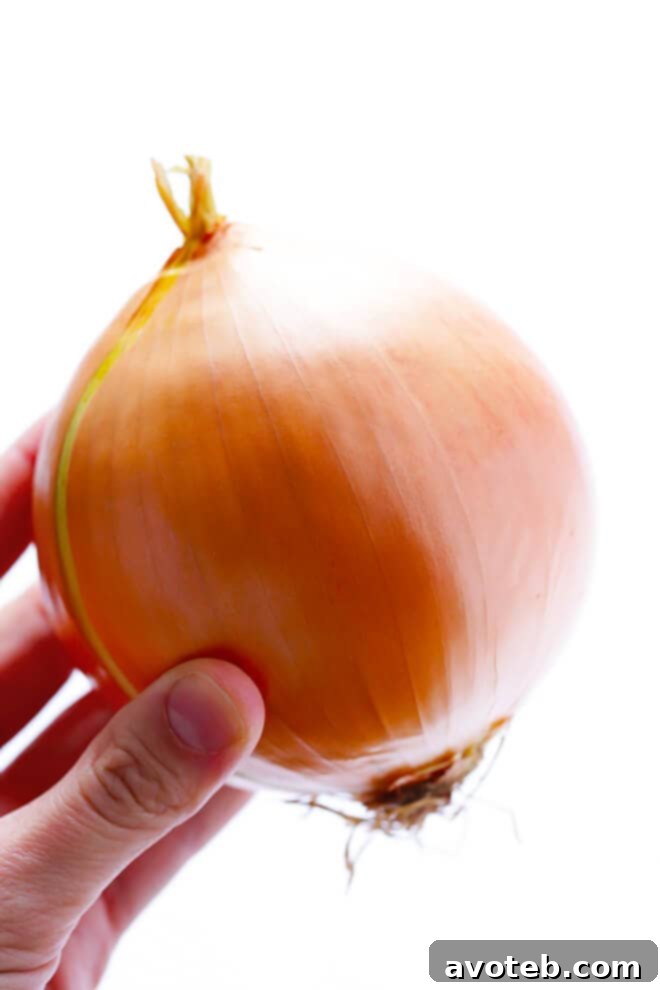
Master the art of safely and efficiently dicing an onion with this comprehensive guide!
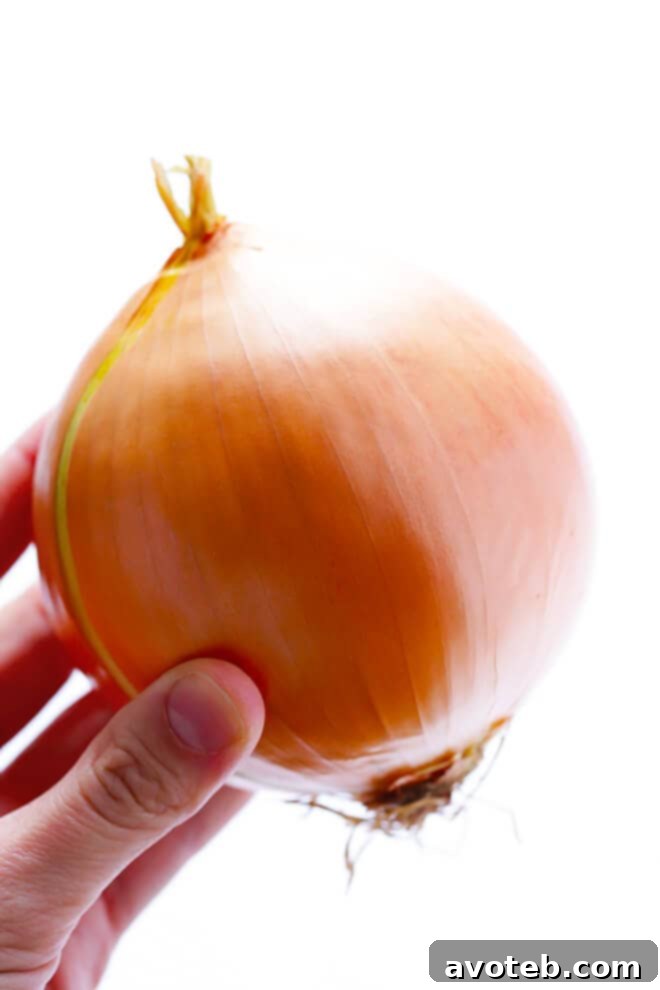
Mastering Onion Dicing: Your Essential Guide to Safe and Efficient Knife Skills
Welcome back to our kitchen essentials series! Today, we’re tackling a fundamental skill that every home cook, from novice to expert, will use countless times: dicing an onion. This seemingly simple task is often a source of frustration, or worse, minor kitchen mishaps. But fear not! Our goal is to equip you with the knowledge and technique to dice an onion properly and, most importantly, safely, keeping those precious fingers out of harm’s way.
Beyond just cutting, mastering the art of dicing an onion ensures consistency in your cooking, allowing for even flavor distribution and uniform texture in your dishes. Forget uneven chunks and the dreaded knife slips – there’s a basic, reliable method that will empower you to confidently tackle any onion, every single time. Let’s dive in!
Why Proper Onion Dicing Matters
Dicing an onion is more than just breaking it down into smaller pieces; it’s about precision and purpose. Here’s why perfecting this skill is crucial in the kitchen:
- Even Cooking: Uniformly diced onions cook evenly, preventing some pieces from burning while others remain raw. This ensures consistent flavor and texture throughout your dish.
- Enhanced Flavor Release: When onions are cut consistently, their cellular structure breaks down at a similar rate, allowing their aromatic compounds to be released more effectively and infuse into your food.
- Improved Presentation: Neatly diced onions contribute to a more aesthetically pleasing dish, a small detail that elevates your culinary creations.
- Efficiency and Speed: A proper technique saves time and effort. Once you get the hang of it, you’ll be able to dice an onion in mere minutes, speeding up your meal preparation.
- Kitchen Safety: This is paramount. Learning the correct way to hold the onion and the knife drastically reduces the risk of cuts and injuries.
How To Dice An Onion: Visual Guide
Sometimes, seeing is believing! While we’ll provide a detailed step-by-step written guide, a visual demonstration can be incredibly helpful for learning knife skills. Watch this quick video to see the technique in action, ensuring you grasp each motion for safe and efficient dicing.
(Video placeholder: A detailed 1-minute video tutorial demonstrating how to safely dice an onion would appear here.)
Watch the How To Dice An Onion Video Tutorial

Choosing the Best Onions for Your Culinary Needs
The quality of your dish often starts with the quality of your ingredients. When selecting onions at the market, look for specific characteristics to ensure you’re bringing home the freshest and most flavorful ones:
- Firmness: Gently squeeze the onion. It should feel firm and solid without any soft spots or give. A firm onion indicates freshness and good hydration.
- Skin Condition: Look for dry, thin, papery skin that is smooth and free from any major blemishes, cuts, or mold. Even, consistent color is a good sign. Avoid onions with yellowish spots or bruises, as these can indicate internal damage or spoilage.
- Absence of Sprouts: Any green sprouts emerging from the top indicate that the onion is past its prime and beginning to convert its sugars into growth, which can lead to a less desirable flavor and texture.
- Weight: A good onion should feel heavy for its size, suggesting it’s juicy and full of moisture.
- Smell: Fresh onions should have a mild, characteristic onion smell. Avoid any with a strong, pungent odor before cutting, as this might suggest spoilage.
Consider the type of onion for your recipe: yellow onions are robust and versatile, red onions offer a milder, sweeter flavor best for raw dishes, and white onions are crisp and sharp, often used in Mexican cuisine.
Optimal Onion Storage for Lasting Freshness
Once you’ve selected your perfect onions, proper storage is key to extending their shelf life and maintaining their quality. Follow these simple guidelines:
- Cool, Dry, and Dark: The ideal environment for whole, unpeeled onions is a cool (preferably between 40-50°F / 10-15°C), dry, and dark place. A pantry, cellar, or garage shelf away from direct sunlight is usually suitable. Light and moisture can accelerate sprouting and spoilage.
- Good Air Circulation: Store onions in a mesh bag, a basket, or an open bowl rather than a sealed plastic bag. Air circulation prevents moisture buildup, which can lead to mold and rot.
- Keep Separate from Potatoes: Onions and potatoes should never be stored together. Both release gases that can cause the other to spoil more quickly.
- Refrigeration (for cut onions): Once an onion is cut or peeled, wrap it tightly in plastic wrap or place it in an airtight container and refrigerate it. Use within a few days to prevent flavor degradation and absorption of other odors.
Following these tips, good quality onions can remain fresh for at least 3-4 weeks, sometimes even longer. Always give them a quick visual inspection and sniff before use to ensure they’re still in prime condition.
Essential Tools for Safe Onion Dicing
Having the right equipment is crucial for both efficiency and safety. Here’s what you’ll need:
- Sharp Chef’s Knife: This is non-negotiable. A sharp knife is safer and more effective than a dull one, requiring less force and reducing the chance of slips.
- Stable Cutting Board: Use a sturdy cutting board that won’t slip. Place a damp cloth or a non-slip mat underneath to keep it secure on your counter.
- Onion (of course!): A fresh, firm onion ready for dicing.
Step-by-Step Guide: How to Safely Dice an Onion
Follow these detailed steps to achieve a perfect, consistent dice every time, prioritizing safety throughout the process:
Step 1: Prepare Your Workspace
Ensure your cutting board is stable on your counter; a damp cloth underneath works wonders. Have a compost bowl ready for scraps. Make sure your knife is sharp and clean.
Step 2: Trim the Ends
Place the onion on its side. Carefully slice off the stem end (the top part, where the green sprout might emerge) and the root end (the fuzzy bottom part). Slice just enough to remove the tough, dry parts without sacrificing too much of the onion itself. The root end is particularly important to keep mostly intact for stability during dicing.
Step 3: Halve the Onion
Stand the onion upright on one of its trimmed, flat sides. Carefully cut it in half lengthwise, from the root end to the stem end. You should now have two equal halves.
Step 4: Peel the Outer Layers
Lay each onion half flat on your cutting board. Carefully peel away the papery outer skin and any bruised or dry layers of onion underneath. Sometimes, the first edible layer is a bit tough; if so, remove that too. Rinse briefly if necessary, but avoid prolonged soaking.
Step 5: Make Horizontal Slices (Root End Intact)
Take one onion half, cut side down, with the root end facing away from you. Using your non-dominant hand, curl your fingers inward into a “claw” shape, resting your knuckles against the side of the onion to guide the knife. This protects your fingertips. With your sharp chef’s knife, make several horizontal cuts through the onion, parallel to the cutting board, starting from the stem end and moving towards the root end. Crucially, do not cut all the way through the root end; leave about a quarter-inch intact. This keeps the onion together.
Step 6: Make Vertical Slices
Keeping the onion half with the root end intact, rotate it so the uncut side is facing you. Now, make several vertical cuts, perpendicular to your horizontal cuts, again from the stem end towards the root end. Maintain your “claw” grip. Again, do not cut through the root end.
Step 7: Cross-Cut to Dice
Finally, turn the onion half once more so that the stem end is facing away from you (or towards you, whichever is more comfortable for cross-cutting). Using your “claw” grip, make cuts perpendicular to both your horizontal and vertical slices. As you cut towards the root end, perfectly diced onion pieces will fall away. The root end, which held everything together, will be the last piece remaining; discard it or chop it coarsely if needed for a stock.
Repeat the process for the second onion half. With practice, you’ll develop a rhythm and achieve perfectly diced onions every time!
Safety Tips for Knife Work in the Kitchen
Knife safety extends beyond just dicing onions. Incorporate these habits into all your chopping tasks:
- Keep Your Knives Sharp: A sharp knife is safer than a dull one because it requires less pressure, making it less likely to slip.
- Maintain a Stable Cutting Surface: Always use a cutting board that doesn’t slide. A damp paper towel or non-slip mat underneath can prevent accidents.
- Use the “Claw” Grip: When holding food, curl your fingertips under, pressing your knuckles against the blade. This shields your fingers from the knife’s edge.
- Focus on the Task: Avoid distractions while cutting. Pay attention to your knife and the food.
- Cut Away from Yourself: Always direct the knife’s edge away from your body.
- Never Catch a Falling Knife: Step back and let it fall. It’s safer to replace a knife than to suffer a serious injury.
- Store Knives Safely: Keep knives in a block, magnetic strip, or sheathed in a drawer to protect blades and prevent accidental cuts.
Common Mistakes to Avoid When Dicing Onions
Even with a good guide, new habits take time. Be mindful of these common pitfalls:
- Dull Knives: As mentioned, this is a major safety hazard and makes the job harder.
- Cutting All the Way Through the Root End: This removes the onion’s structural integrity, making it difficult to hold and slice uniformly.
- Rushing the Process: Speed comes with practice. Focus on precision and safety first.
- Improper Grip: Holding the knife incorrectly can lead to fatigue and loss of control. Use a pinch grip (thumb and forefinger on the blade, rest of fingers on the handle).
- Unstable Cutting Board: A wobbly board is an accident waiting to happen.
Tear-Free Onion Prep: Tips to Avoid Crying
Onions release sulfur compounds that irritate your eyes, leading to tears. Try these tricks to minimize the waterworks:
- Chill the Onion: Refrigerate the onion for 30 minutes before cutting. Cold temperatures slow the release of irritants.
- Use a Very Sharp Knife: A sharp knife makes cleaner cuts, damaging fewer cells and releasing fewer compounds.
- Cut Near Ventilation: Work under a range hood, near an open window, or with a small fan blowing away from your face.
- Wear Eye Protection: Goggles (yes, swim goggles work!) or even contact lenses can create a barrier.
- Cut Under Water or Near Running Water: The water can help absorb the sulfur compounds.
Versatile Ways to Enjoy Your Diced Onions
Diced onions are truly the unsung heroes of countless savory dishes. Their ability to transform from pungent raw bites to sweet, caramelized wonders makes them indispensable. Here are some favorite ways to incorporate this small but mighty ingredient:
- Raw in Salads and Garnishes: Finely diced red onion adds a delightful crunch, a vibrant pop of color, and a sharp, refreshing bite to salads, salsas, and sandwiches. They are an absolute staple for adding zest to any fresh dish.
- Sautéed as a Base: This is arguably the most common and essential method. Sautéing diced onions until translucent or slightly browned forms the flavor foundation for nearly every stew, soup, stir-fry, sauce, and casserole. It’s the gateway to unlocking deeper flavors.
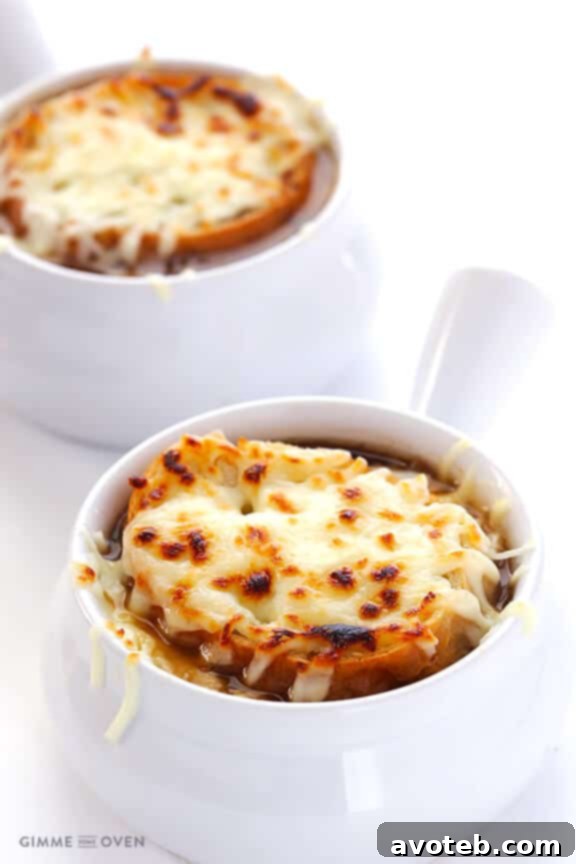
- Caramelized for Richness: Slowly cooking diced onions over low heat for an extended period transforms them into sweet, jammy, golden-brown morsels. This technique is crucial for classics like French Onion Soup, adding incredible depth and sweetness to burgers, sandwiches, and dips.
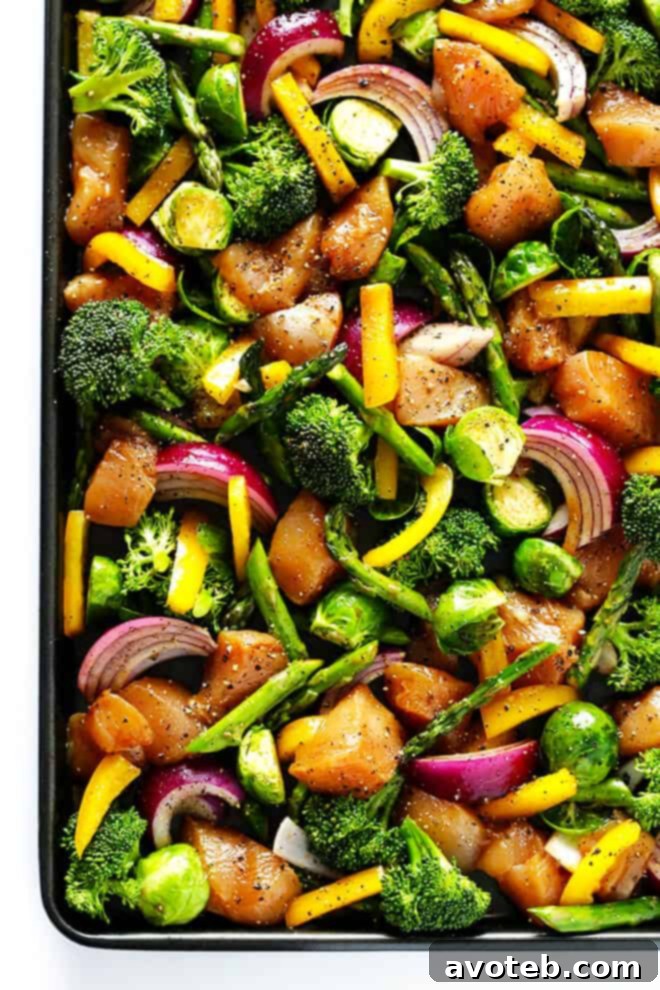
- Roasted with Vegetables and Meats: Roasting diced onions alongside other vegetables or meats brings out their natural sweetness and creates a tender texture with slightly crispy edges. They add a wonderful aromatic quality to sheet pan dinners, roasted chicken, or root vegetable medleys.
- Included in Soups and Stews: From hearty beef stew to light chicken noodle soup, diced onions provide essential body, aroma, and flavor that slowly melds into the broth, enriching every spoonful.
Favorite Recipes Featuring Diced Onions
Now that you’re a master onion dicer, put your skills to the test with these delicious recipes where diced onions play a starring role:
- French Onion Soup
- The BEST Fried Rice
- White Chicken Chili
- 30-Minute Beef Stroganoff
- Mediterranean Pasta Salad

Conclusion
Dicing an onion is truly a foundational skill that will serve you well in almost any kitchen endeavor. By understanding the proper technique, prioritizing safety, and practicing regularly, you’ll soon be dicing onions with confidence and speed. This small but mighty ingredient is at the heart of so many delicious dishes, and now you have the skills to unlock its full potential. Happy chopping, and happy cooking!
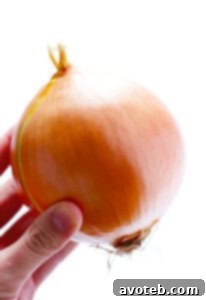
How To Dice An Onion
(Optional: User rating could be displayed here if available)
- Prep Time: 2 minutes
- Total Time: 2 minutes
- Yield: 1-2 servings
Description
Learn how to (safely) dice an onion with this quick and easy tutorial!
Ingredients
- 1 onion (yellow, white, or red, depending on your recipe)