
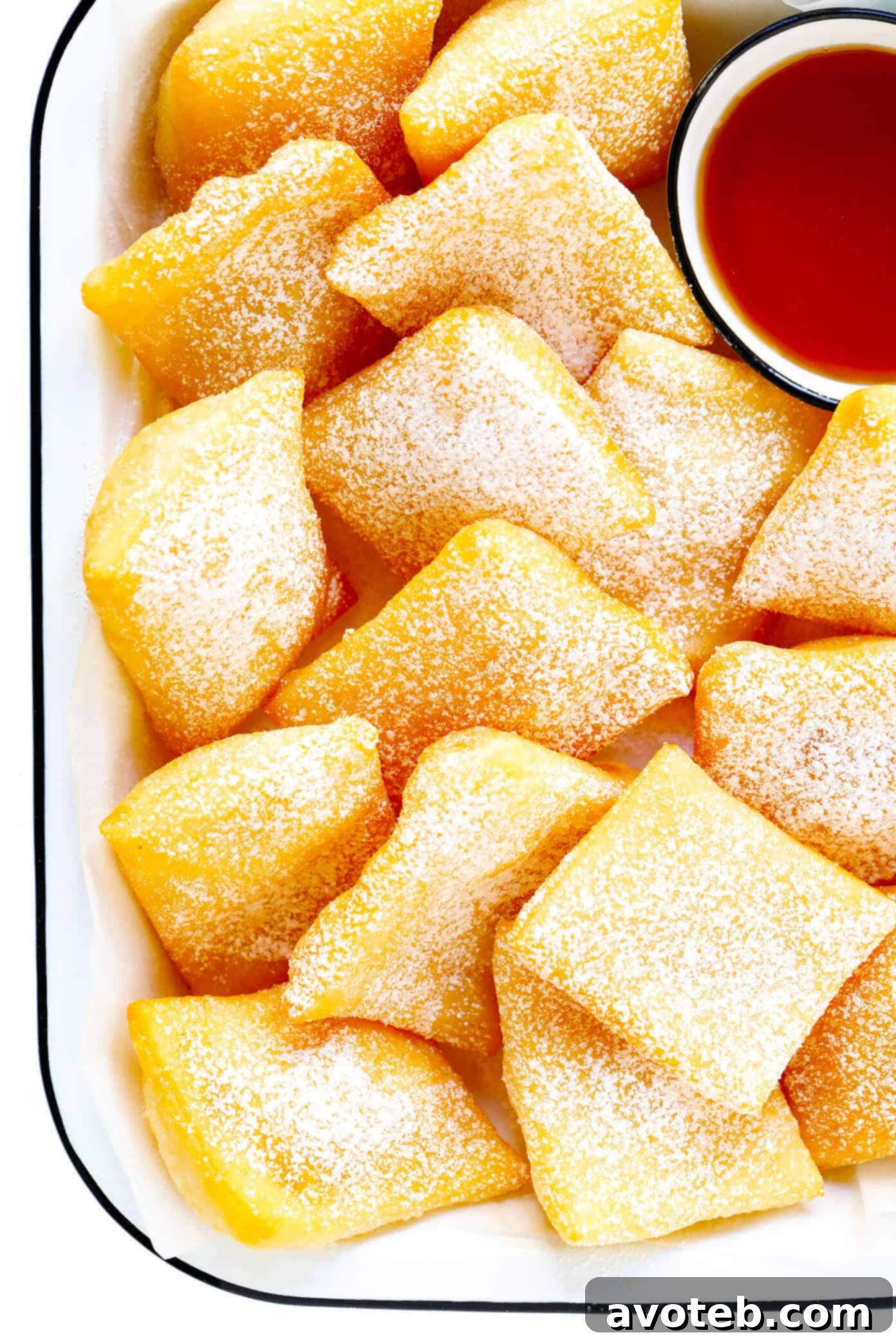
Homemade Sopapillas: The Ultimate Guide to Puffy, Sweet Fry Bread
Discover how to easily make restaurant-quality sopapillas at home with this simple recipe. These irresistibly fluffy pastries, a true crowd-pleaser, are perfect dusted with powdered sugar, cinnamon-sugar, or drizzled with warm honey.
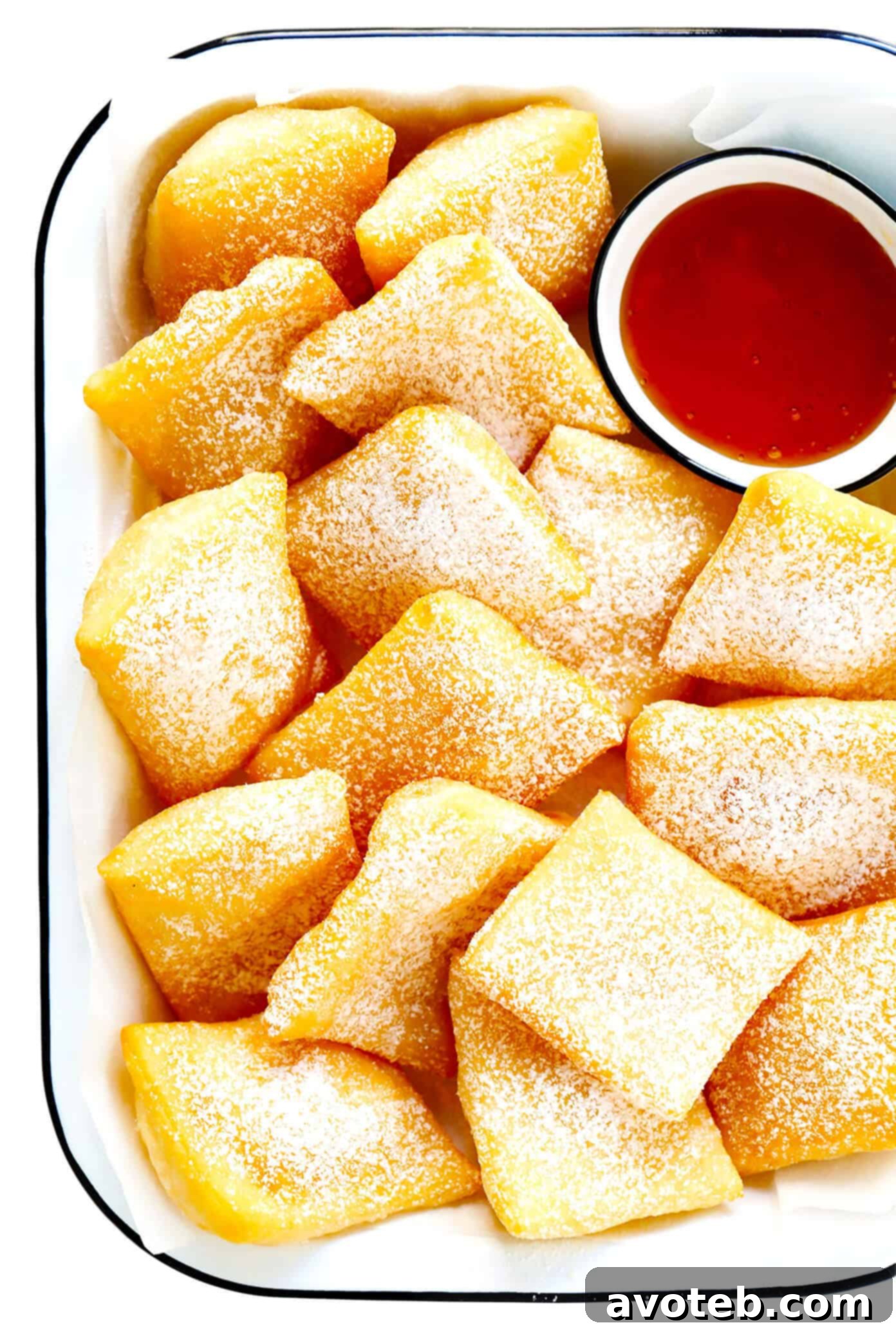
Have you ever experienced the sheer delight of a warm, freshly made sopapilla? If not, prepare to have your dessert world transformed! These light, airy, and subtly sweet fried pastries, also known as sopaipillas, are a staple in New Mexican and Tex-Mex cuisine, and for good reason. Their tender interior and crispy, golden exterior make them utterly irresistible, especially when served hot from the fryer.
The best part? You don’t need a fancy restaurant or a trip to the Southwest to enjoy them. This recipe brings the authentic taste of sopapillas right into your kitchen, using just a handful of everyday pantry ingredients. Forget about complex techniques or long proofing times – this recipe is yeast-free, making it surprisingly quick and easy for home cooks of all skill levels. With a simple dough, a quick roll and cut, and a brief fry, you’ll have a batch of these puffy golden treats ready to enjoy in no time. While traditionally dusted with powdered sugar or a delightful cinnamon-sugar mix, I highly recommend embracing the full experience by serving them New-Mex/Tex-Mex style, with plenty of warm honey for dipping or drizzling. It’s a sweet, carbohydrate-rich indulgence that’s absolutely worth every bite.
Sopapillas are more than just a dessert; they’re a fun, celebratory treat perfect for rounding off any New Mexican, Tex-Mex, or Mexican meal. While our focus here is on the sweet, donut-like variations popular in the Southwest United States, it’s fascinating to note that similar fried dough pastries are enjoyed in various forms across Argentina, Chile, and Uruguay. But trust me, when these beauties are served fresh and piping hot, they are a culinary experience that’s hard to beat.
Let’s embark on this delicious journey together and make some perfect homemade sopapillas!
Sopapillas: A Quick Visual Guide
Essential Sopapilla Ingredients: Unlocking the Flavor
While the name “sopapillas” (pronounced: soh-pah-pee-yahs) might be familiar across various cultures in the Americas, the exact preparation can differ. This recipe focuses on the beloved sweet, donut-like version, heavily inspired by the vibrant Tex-Mex and New Mexican culinary traditions. It’s the very taste I grew up with and have perfected over countless batches at home. To recreate these delectable pastries, gather these straightforward ingredients:
- All-Purpose Flour: The foundation of our dough. Simple all-purpose flour works perfectly here, providing the necessary structure for those beautiful puffy pockets. While I haven’t experimented with other flours, you’re welcome to share your results in the comments if you do!
- Baking Powder: This is our secret weapon for puffiness! Unlike yeast-leavened doughs, baking powder reacts quickly with liquids and heat, creating the signature air pockets that make sopapillas so light and fluffy when fried.
- Fine Sea Salt: A touch of salt is crucial. It doesn’t just add flavor; it balances the sweetness and enhances all the other ingredients, making the sopapillas truly pop.
- Coconut Oil (or Butter): Traditionally, many sopapilla recipes call for shortening, which you can certainly use if you prefer. However, I find that room temperature coconut oil or unsalted butter offers a richer flavor and a wonderful tender crumb. Both options work beautifully, so choose what you have on hand or what you prefer taste-wise.
- Warm Water: This helps bring the dough together, activating the baking powder and ensuring a smooth, pliable texture that’s easy to work with. The warmth helps the fat (coconut oil/butter) incorporate better.
- High-Heat Oil for Frying: The right oil is key to achieving that perfect golden crispness. Opt for any neutral-flavored oil with a high smoke point, such as avocado oil, canola oil, vegetable oil, or even coconut oil (if you don’t mind a slight coconut flavor). We’ll dive into temperature control later.
- Powdered Sugar or Cinnamon-Sugar: These are the classic toppings. Powdered sugar offers a delicate sweetness, while cinnamon-sugar (a simple blend of 1/2 cup granulated sugar and 1 teaspoon ground cinnamon) adds a warm, aromatic spice. You can either sprinkle them on or gently dip the warm sopapillas.
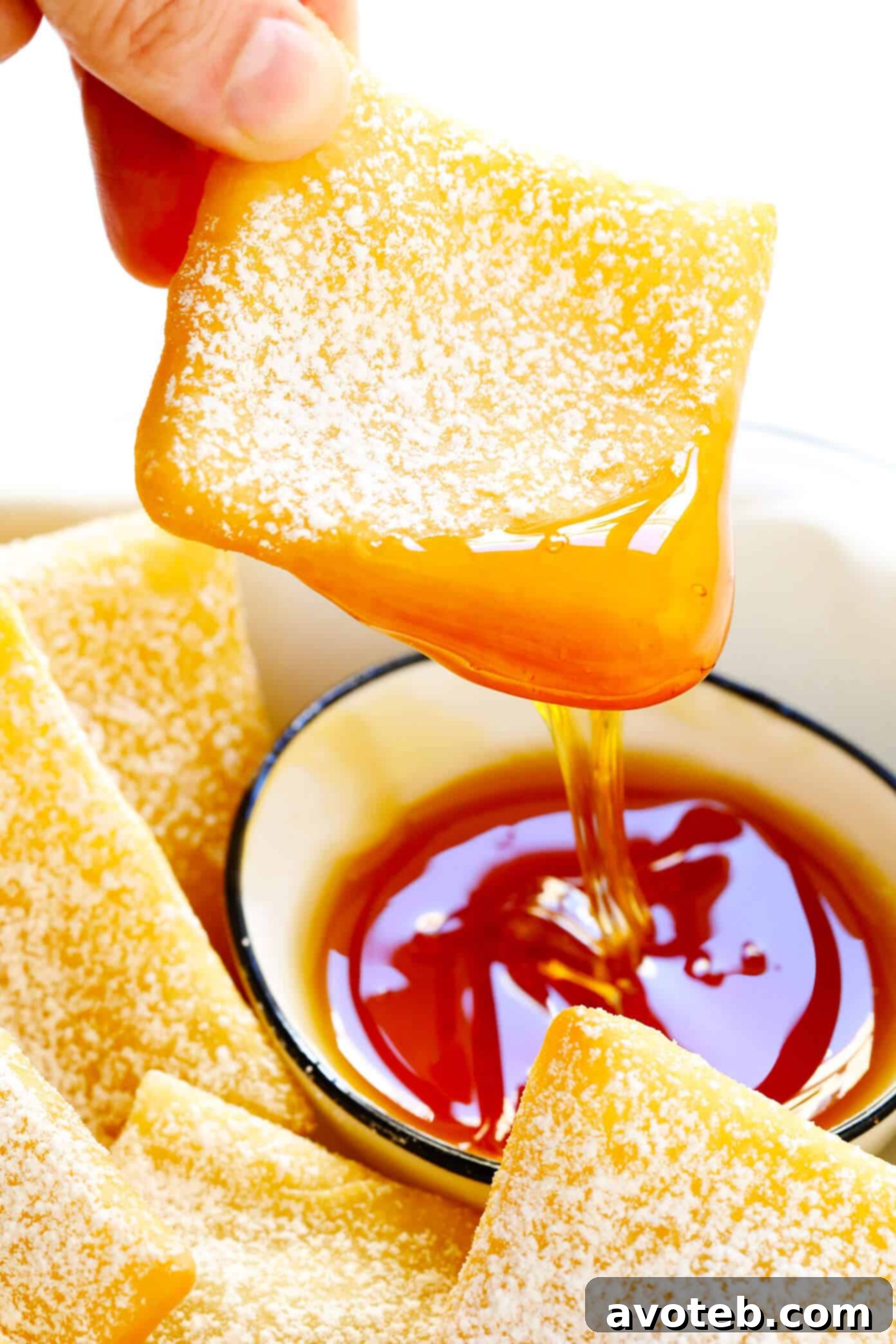
- Honey: The quintessential accompaniment! A generous drizzle or a small bowl of warm honey for dipping elevates sopapillas to a truly divine dessert experience. Its natural sweetness perfectly complements the fried dough.
Crafting Homemade Sopapillas: A Step-by-Step Guide
Making sopapillas is an enjoyable process that yields incredibly rewarding results. Here’s a detailed overview of each step, ensuring you achieve perfectly puffy and golden fry bread every time. Full, precise instructions are available in the recipe card below.
- Prepare the Dough Base. Begin by whisking together your dry ingredients: the all-purpose flour, baking powder, and fine sea salt, in a spacious mixing bowl. Ensure they are thoroughly combined. Next, add the room temperature coconut oil (or butter). Using a pastry cutter, your fingertips, or even a sturdy fork, work the fat into the dry mixture until it resembles coarse crumbs. Gradually pour in the warm water, stirring with a spatula or wooden spoon until the mixture comes together to form a rough, shaggy dough. Avoid overmixing at this stage.
- Knead and Rest for Perfection. Once the dough has loosely formed, turn it out onto a lightly floured surface or simply continue working in the mixing bowl. Use your hands to gently knead the dough for approximately 2 minutes. The goal is to achieve a smooth, elastic consistency. If the dough feels too sticky, sprinkle on a tiny bit more flour, but be careful not to add too much, as this can make your sopapillas tough. Once smooth, form the dough into a ball. Cover the bowl with a damp kitchen towel or plastic wrap and allow the dough to rest at room temperature for about 20 minutes. This resting period is crucial; it allows the gluten to relax, making the dough much easier to roll out and contributing to a more tender finished product.
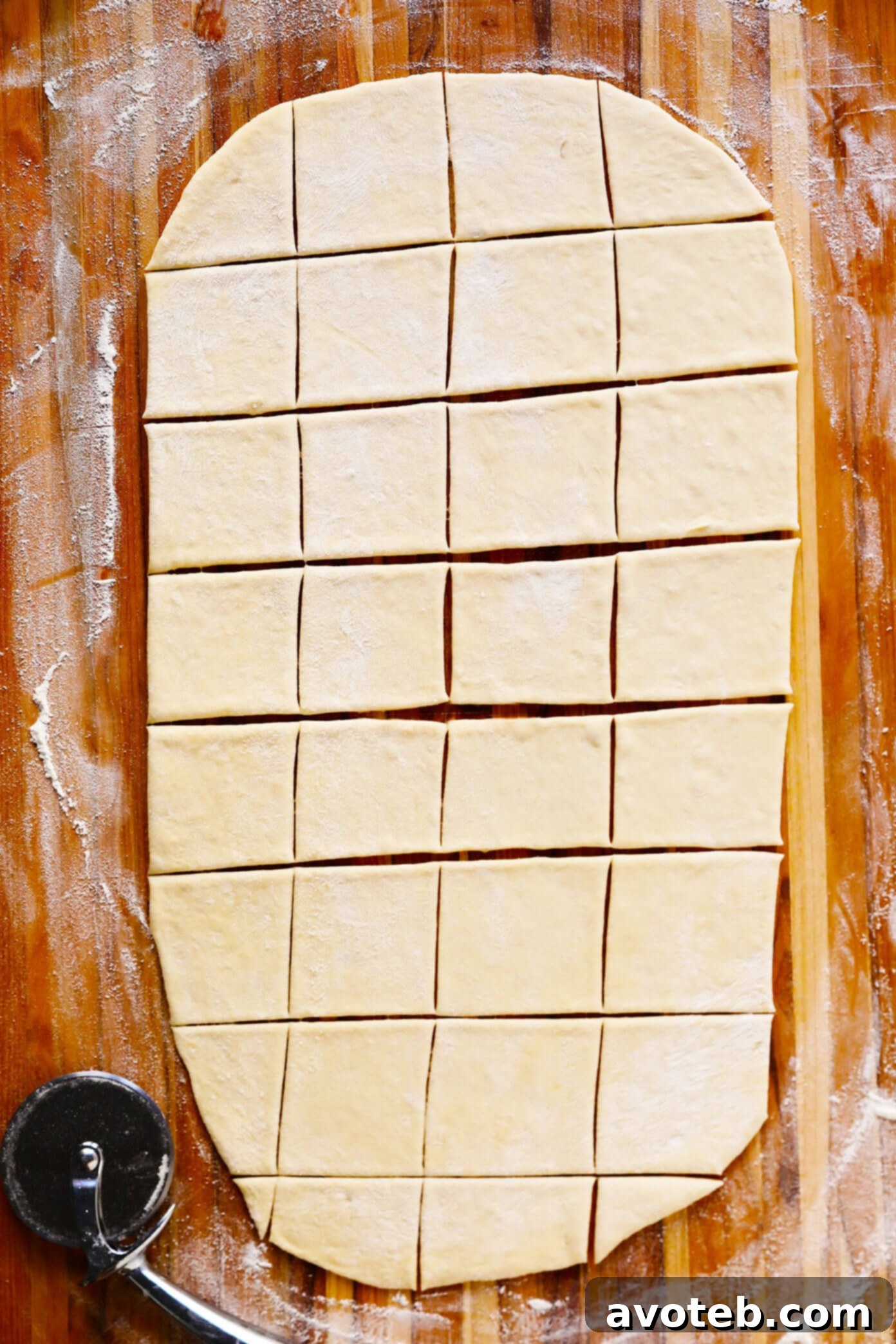
- Roll and Shape the Dough. After the dough has rested, transfer it to a lightly floured work surface. This is also a good time to start heating your frying oil (see Step 4). Using a rolling pin, roll the dough evenly until it is approximately 1/4-inch thick. Aim for uniform thickness across the entire sheet of dough, as this ensures even cooking and puffing. Now comes the fun part: shaping! Use a pizza cutter, a pastry wheel, or a sharp knife to cut the dough into 2.5-inch squares. You can also get creative and cut triangles, rectangles, or any other shape you desire. As long as the thickness is consistent, they should all puff up beautifully.
- Achieve Optimal Oil Temperature. While you’re rolling out the dough, prepare your frying oil. Pour about 1.5 to 2 inches of a high-heat oil into a large, heavy-bottomed saucepan or Dutch oven. Place it over medium-high heat. The ideal frying temperature for sopapillas is 375°F (190°C). I highly recommend using a cooking thermometer to monitor the oil’s temperature for best results. Once the oil reaches the target temperature, reduce the heat to medium (or adjust as needed) to maintain a steady temperature throughout the frying process. If you don’t have a thermometer, you can test the oil by dipping the end of a wooden spoon into it; if small bubbles immediately form around the wood and float to the surface, your oil is ready. If it bubbles furiously, it’s too hot; if no bubbles appear, it’s too cool.
- Fry to Golden Puffiness. With your oil hot and ready, carefully lay one or two dough squares into the hot oil. Avoid overcrowding the pan, as this will lower the oil temperature and result in greasy sopapillas. The dough will initially sink slightly, then quickly rise to the surface and should immediately puff up into a hollow pillow. If a sopapilla doesn’t puff, gently spoon some hot oil over the top, and it should bubble up within a few seconds. Fry each side for 30-60 seconds, or until it achieves a beautiful light golden brown color. Once cooked, use tongs or a slotted spoon to carefully transfer the sopapilla to a baking sheet lined with paper towels to drain any excess oil. Repeat this process with the remaining dough squares, typically frying in batches of 2-3 at a time to maintain oil temperature.
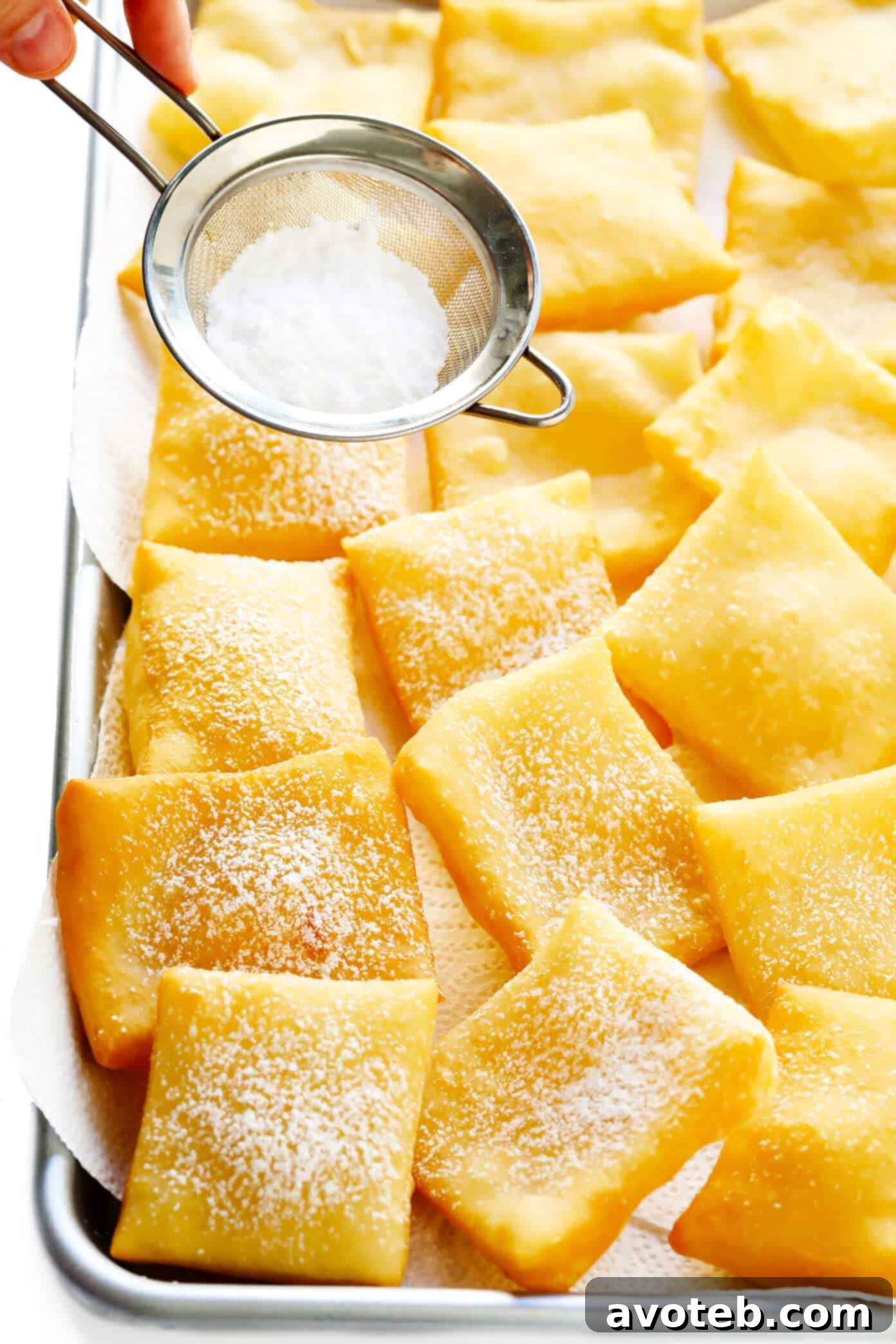
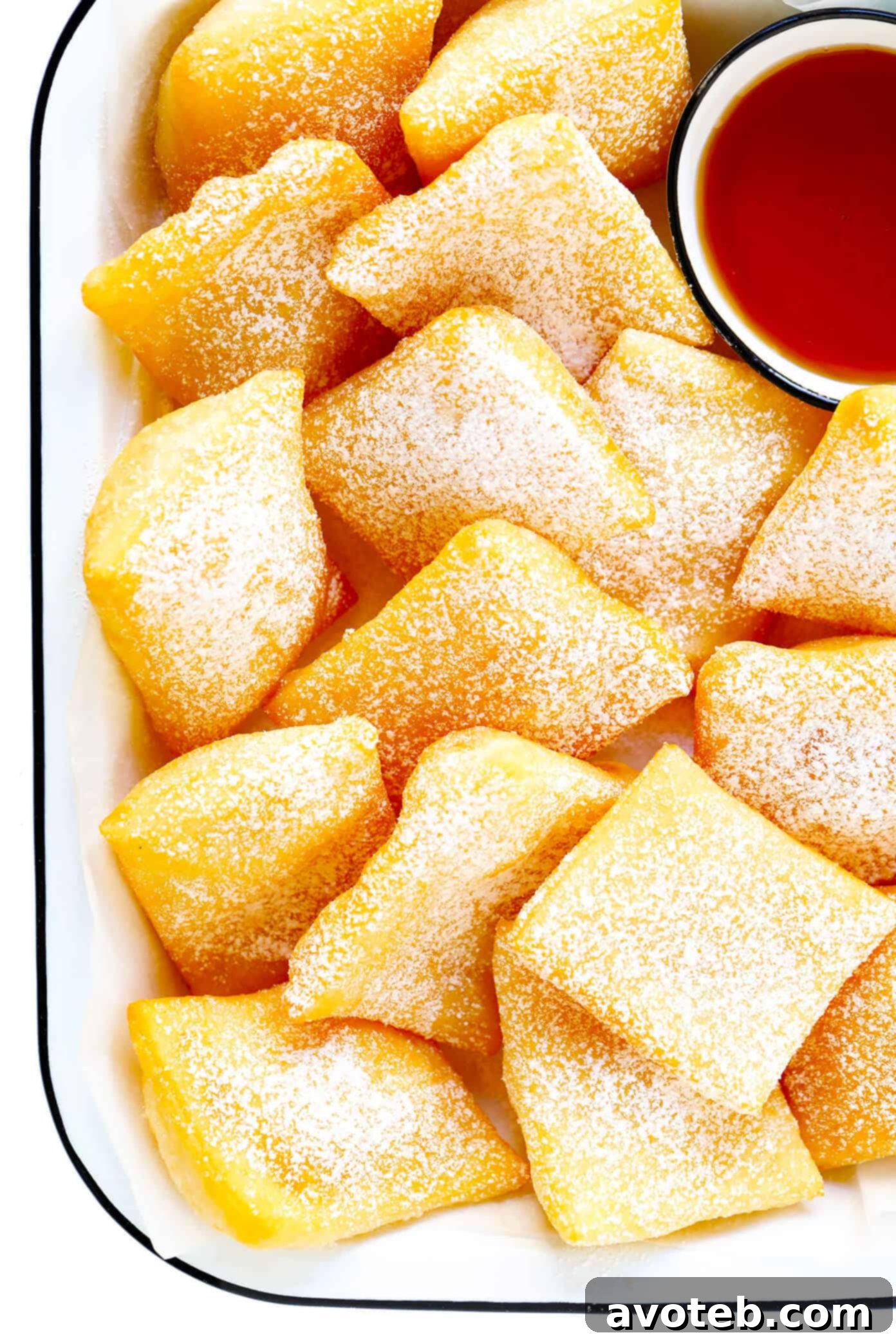
- Dust and Serve Warm. As soon as the sopapillas come out of the fryer and have drained briefly, they are ready for their sweet finish. While still warm, generously sprinkle them with powdered sugar or the cinnamon-sugar mixture. For a truly authentic experience, serve them immediately with a generous side of warm honey for dipping or drizzling. The combination of the hot, puffy dough and the sweet toppings is pure bliss!
Customizing Your Sopapillas: Delightful Variations
While the classic sopapilla is a masterpiece in itself, there’s always room for personal touches. Feel free to get creative with these variations to suit your taste preferences:
- Embrace Simplicity: If you prefer a less sweet treat, you can absolutely omit the extra dusting of powdered sugar or cinnamon-sugar. The sopapillas are wonderfully delicious simply dipped in warm honey.
- Natural Sweetener Alternatives: For those looking for different sweetener options, consider using coconut sugar (finely ground if sprinkling) or another natural granulated sweetener in place of powdered or granulated sugar in your cinnamon-sugar mixture.
- Spiced Warmth: Elevate the spice profile by swapping out ground cinnamon for pumpkin pie spice in your cinnamon-sugar mixture. This will infuse your sopapillas with cozy notes of nutmeg, ginger, and cloves, perfect for autumn or any time you crave extra warmth.
- A Pinch of Flaky Salt: For a gourmet twist that enhances the sweet flavors, consider omitting the fine sea salt from the dough and instead sprinkling a tiny pinch of flaky sea salt on each sopapilla immediately after frying. The contrast of sweet and salty is divine.
- Vegan-Friendly Sopapillas: To make this recipe entirely vegan, ensure you use coconut oil or a high-quality vegan butter in the dough. Simply serve them without honey, or opt for a plant-based syrup like agave nectar or maple syrup for dipping.
- Shape and Size Exploration: I chose 2.5-inch squares for the sopapillas featured in these photos, but the beauty of homemade is customization! Feel free to cut your dough into larger or smaller squares, elegant rectangles, playful triangles, or even use cookie cutters for unique shapes. The key is to maintain a consistent dough thickness (about 1/4-inch) to ensure they all puff up evenly during frying, regardless of their form.
Expert Tips for Flawless Sopapillas Every Time
Achieving perfect sopapillas is easily within reach with a few expert insights. Here are some tips to ensure your fry bread is consistently light, puffy, and delicious:
- Don’t Overwork the Dough: While a brief knead is necessary for smoothness, overworking the dough can develop too much gluten, resulting in tough sopapillas. Knead just until smooth and elastic, about 2 minutes.
- The Importance of Resting: The 20-minute rest period is non-negotiable. It allows the gluten to relax, making the dough easier to roll and preventing it from shrinking back. It also contributes to a more tender texture and better puffing.
- Even Thickness is Key: When rolling out the dough, strive for uniform 1/4-inch thickness. Inconsistent thickness will lead to some sopapillas cooking faster or puffing unevenly, potentially resulting in dense or burnt spots.
- Mastering Oil Temperature: This is perhaps the most critical factor for success. Too low, and your sopapillas will absorb too much oil, becoming greasy and heavy. Too high, and they’ll brown too quickly on the outside, leaving the inside raw. Invest in a cooking thermometer if you don’t have one; it’s a game-changer. Maintain 375°F (190°C) as consistently as possible.
- Don’t Crowd the Pot: Fry sopapillas in small batches (2-3 at a time, depending on your pot size). Overcrowding drastically lowers the oil’s temperature, leading to greasy, less puffy results. Patience is a virtue here!
- The Puffing Trick: If a sopapilla isn’t puffing up immediately after hitting the hot oil, gently spoon some hot oil over its top surface. This often kickstarts the puffing process by creating steam inside the dough.
- Drain Properly: Always transfer fried sopapillas to a plate lined with paper towels to absorb excess oil. This ensures they remain crispy and not greasy.
- Serve Immediately: Sopapillas are at their absolute best when served fresh and warm from the fryer. Their light texture and crispiness are fleeting, so gather your eaters around and enjoy them right away!
Serving Suggestions and Pairing Ideas
Sopapillas are incredibly versatile and can be enjoyed in many ways beyond just honey and sugar. Here are some ideas to elevate your serving experience:
- Classic Sweet Toppings:
- Honey: The absolute must-have. Warm honey (a quick zap in the microwave or gentle heating on the stovetop) enhances its pourability and flavor.
- Powdered Sugar: A simple, elegant dusting.
- Cinnamon-Sugar: A warm, aromatic blend that’s always a hit.
- Agave Nectar or Maple Syrup: Excellent alternatives to honey, especially for vegan diets.
- Fruit Compote: A dollop of warm berry compote or stewed apples adds a lovely fruity tang.
- Chocolate Sauce or Caramel: For an extra decadent treat, drizzle with your favorite chocolate or caramel sauce.
- Ice Cream: Serve warm sopapillas alongside a scoop of vanilla ice cream for a delightful hot-and-cold dessert.
- Savory Pairings (New Mexican Style): In New Mexico, sopapillas are often served alongside savory dishes like chili, stews, or even as a bread substitute with main courses. They are then drizzled with honey, offering a delightful contrast to the spicy meal. Consider serving them with a hearty bowl of green chile stew or red chile enchiladas.
- Beverage Pairings:
- Coffee or Hot Chocolate: A perfect match for a cozy breakfast or evening dessert.
- Milk: A simple and satisfying accompaniment, especially for children.
- Mexican Atole: For an authentic experience, pair with a warm, thick corn-based beverage like Atole.
Print Recipe
Sopapilla Recipe
- Author: Ali
- Prep Time: 30 mins
- Cook Time: 20 mins
- Total Time: 15 mins
- Yield: 25–30 sopapillas 1x
Description
This restaurant-style sopapilla recipe is easy to make at home with pantry ingredients and always a crowd fave. Sprinkle your sopapillas in powdered sugar or dip in cinnamon-sugar — up to you!
Ingredients
- 2 cups all-purpose flour
- 2 teaspoons baking powder
- 1 teaspoon fine sea salt
- 2 tablespoons coconut oil (or butter), room temperature
- 3/4 cup warm water
- oil, for frying (see notes below)
- powdered sugar or cinnamon sugar, for topping
- honey, for serving
Instructions
- Make the dough. Whisk together the flour, baking powder and salt in a large mixing bowl until combined. Use a pastry cutter or a fork to briefly cut the coconut oil into the dry ingredients mixture until combined. Gradually add in the warm water and stir the mixture with a spatula or wooden spoon until a rough dough begins to form.
- Knead and rest the dough. Using your hands, knead the dough in the mixing bowl for 2 minutes or until the dough is smooth, sprinkling on some extra flour if needed to prevent the dough from sticking. Form the dough into a ball. Then cover the mixing bowl with a damp towel or plastic wrap, and let the dough rest for 20 minutes.
- Roll out the dough. When the dough is ready, turn it out onto a floured surface. (At this point, go ahead and begin heating your oil, as directed in Step 4.) Use a rolling pin to roll the dough out evenly until it is about 1/4-inch thick. Then use a pizza slicer, pastry cutter or a knife to cut the the dough into 2 to 3-inch squares (or whatever shapes you prefer).
- Heat the oil. Meanwhile, just before you begin rolling out the dough, fill a large saucepan with 1.5 to 2 inches of oil. Heat over medium-high heat until the oil reaches 375°F, then reduce heat to medium (or whatever temperature is needed) to maintain that temperature, more or less.
- Fry the dough. Once the oil is hot, very carefully lay a dough square in the hot oil. It will sink for a moment then rise to the surface and will likely immediately bubble up. (If it doesn’t, just add a spoonful or two of hot oil on top of the dough, and it should bubble up within a few seconds.) Fry for 30-60 seconds, or until the bottom of the dough is lightly golden. Flip and cook on the other side until lightly golden. Then carefully transfer the sopapilla to a paper-towel-lined baking sheet. Repeat with the remaining dough squares. (I typically fry a batch of 3 at a time.)
- Sprinkle. Sprinkle the cooked sopapillas with powdered sugar or cinnamon sugar. (Or you can dip them in powdered sugar or cinnamon sugar.)
- Serve. Serve warm with honey and enjoy!
Notes
Oil for frying: Feel free to use any high-heat-tolerant oil for frying that you prefer, such as avocado oil, canola oil, coconut oil, or vegetable oil. I recommend measuring the temperature of the oil with a cooking thermometer. But if you do not have a thermometer, just dip the end of a wooden spoon into the oil. If lots of little bubbles begin to form around the wood and float up, the oil is ready to go. If there are no bubbles, it’s too cool. If it bubbles furiously, it’s too hot.
How to make cinnamon-sugar: Just whisk together 1/2 cup granulated sugar with 1 teaspoon ground cinnamon until combined.
Source: Recipe slightly adapted from Food.com.