
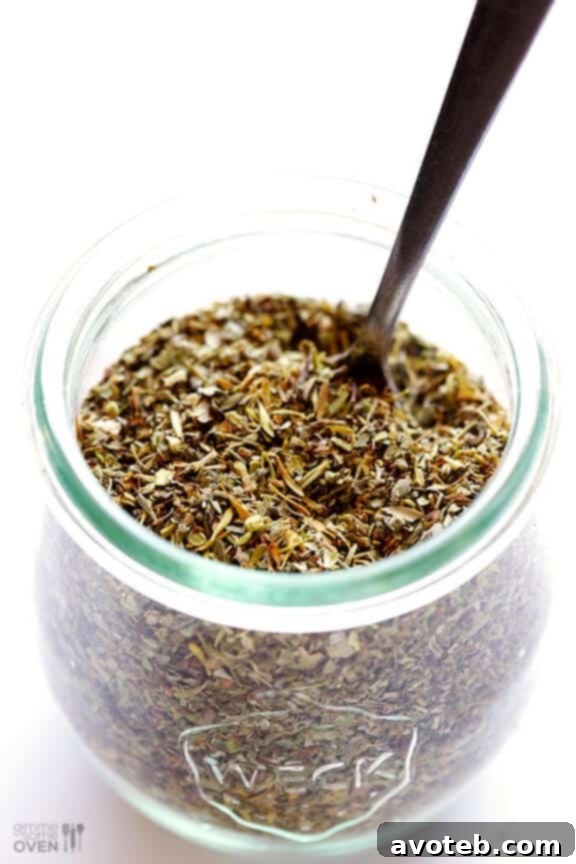
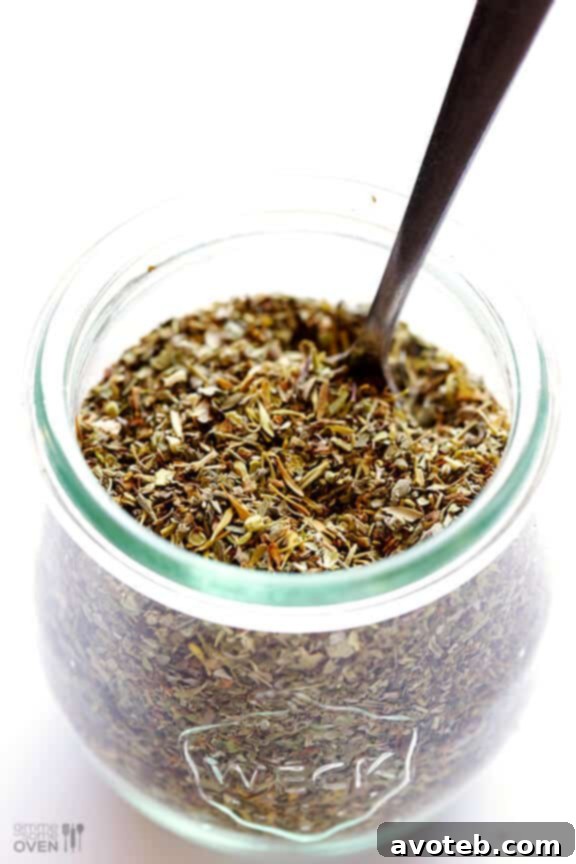
Mastering the Art of Flavor: Your Guide to Homemade Italian Seasoning
Few things evoke the warmth and comfort of home cooking quite like the aromatic embrace of Italian cuisine. From simmering pasta sauces to rustic roasted vegetables, the magic often lies in a well-balanced blend of herbs. While store-bought Italian seasoning offers undeniable convenience, crafting your own homemade Italian seasoning is a game-changer that promises unparalleled freshness, customizable flavor, and a deep sense of culinary satisfaction.
Today, we’re diving into the simple yet rewarding world of DIY Italian seasoning. You might think, “Why bother when I can just grab a jar off the shelf?” Fair question! And I admit, for years, those trusty, dollar-bin seasoning blends were my go-to. They were quick, reliable, and perfectly affordable for whipping up a flavorful chicken breast or adding zest to a weeknight pasta. I used them proudly, and honestly, they helped me learn to cook!
The Undeniable Appeal of Italian Seasoning
Italian seasoning is a staple in kitchens worldwide, celebrated for its versatility and its ability to instantly transport your taste buds to the sun-drenched landscapes of Italy. It’s the secret ingredient that transforms ordinary dishes into extraordinary culinary experiences. Whether you’re preparing a quick soup, my favorite flatbread, or simply jazzing up a pizza, a pinch of this herb blend can make all the difference.
However, a few days ago, as I reached for my ever-present jar of Italian seasoning to prepare a vibrant Italian salad dressing, I found it almost empty. It was then that necessity sparked creativity. I decided to consult the ingredient list on the label and embark on a simple mission: to create my own Italian seasoning blend from scratch. The results were so delightful, I knew I had to share them with you.
Why Craft Your Own Italian Herb Blend?
Making your own Italian seasoning isn’t just a fun kitchen project; it’s a step towards more flavorful, more personalized, and even more economical cooking. Here’s why you should consider making the switch:
Unmatched Freshness and Potency
Unlike pre-packaged blends that can sit on shelves for extended periods, your homemade Italian seasoning starts with fresh, vibrant dried herbs. This ensures a superior aroma and flavor profile that will elevate your dishes to new heights. The potency of freshly mixed herbs is simply unmatched, providing a more robust and authentic taste experience.
Tailored to Your Taste Buds
One of the greatest advantages of a DIY spice blend is the ability to customize it precisely to your liking. Do you prefer a basil-forward blend? More rosemary? A hint of sage? You have complete control over the ratios. While the classic blend focuses purely on dried herbs, you can easily incorporate other ingredients like garlic powder, onion powder, or a dash of crushed red pepper flakes – additions often found in gourmet blends that I prefer to control myself.
A Cost-Effective Culinary Secret
Initially, buying individual dried herbs might seem like a larger investment than a single jar of pre-mixed seasoning. However, if you’re a frequent cook, purchasing herbs in slightly larger quantities can be significantly more cost-effective in the long run. You’ll have them on hand for countless recipes, reducing the need for constant repurchasing of smaller, more expensive blends.
Transparency and Quality Control
When you make your own seasoning, you know exactly what goes into it. This means no hidden anti-caking agents, excessive sodium, or artificial flavors often present in commercial products. You can choose organic herbs, ensure freshness, and have peace of mind about the purity of your ingredients.
The Pure Joy of DIY
There’s an immense satisfaction that comes from creating something delicious with your own hands. This simple act of blending herbs can be incredibly empowering and connects you more deeply with the food you prepare. Plus, there’s no “Italian Seasoning Shame” here – only pride in your culinary creations!
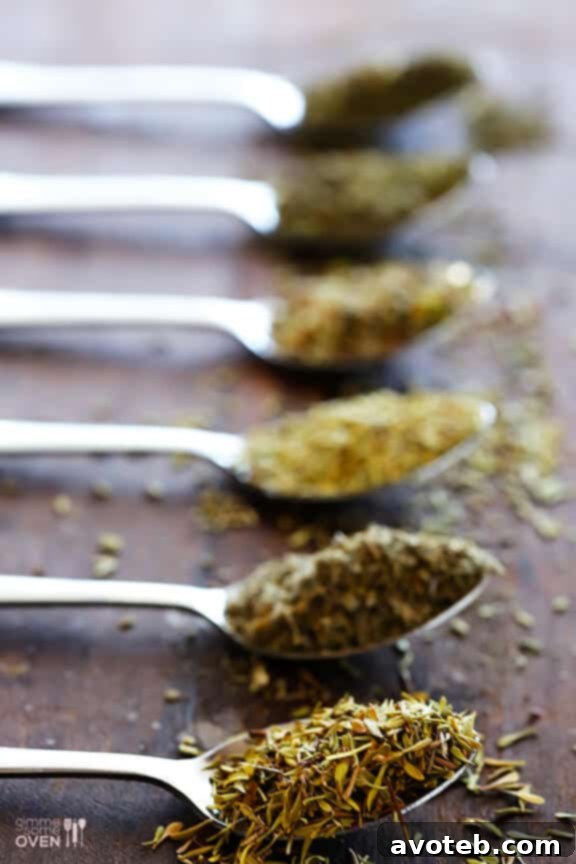
Deconstructing the Classic Italian Seasoning Profile
What defines the unmistakable “Italian” flavor in this blend? It’s a harmonious combination of Mediterranean herbs, each contributing its unique character to create a balanced and aromatic symphony. My recipe below is based on this classic straight-dried herb blend, allowing for pure, unadulterated herb flavor.
The Essential Herbs and Their Roles
- Oregano: Often considered the backbone of Italian seasoning, oregano offers a robust, earthy, and slightly bitter flavor that is quintessential to Italian cuisine.
- Basil: Sweet, aromatic, and with subtle peppery and anise-like undertones, dried basil brings a fragrant sweetness that brightens the entire blend.
- Thyme: With its earthy, woody, and slightly minty notes, thyme adds a layer of sophisticated depth and warmth.
- Marjoram: A close relative to oregano, marjoram provides a milder, sweeter, and more delicate flavor profile, softening the blend’s edges.
- Rosemary: Pungent, piney, and slightly lemony, rosemary contributes a distinct aromatic lift and a hint of forest-like freshness.
- Sage: Earthy, savory, and with a subtle peppery finish, sage adds a grounding complexity that is often understated but crucial for a complete Italian flavor.
Homemade Italian Seasoning Blend
Prep Time: 5 minutes
Total Time: 5 minutes
Yield: 4 teaspoons (or 1 1/3 tablespoons) 1x
Description
Craft your own flavorful Italian seasoning blend at home with this incredibly simple, quick, and customizable recipe. Made with just a handful of dried herbs, this homemade mix brings superior freshness and potency to all your favorite Italian dishes, from pasta sauces to roasted vegetables.
Ingredients
Scale
- 1 1/2 teaspoons dried oregano
- 1 teaspoon dried marjoram
- 1 teaspoon dried thyme
- 1/2 teaspoon dried basil
- 1/2 teaspoon dried rosemary
- 1/2 teaspoon dried sage
Instructions
- In a small bowl, whisk together all dried seasonings until thoroughly combined.
- Use immediately in your favorite recipes, or transfer to an airtight container for future use.
- Pro Tip: This recipe can easily be scaled up or down. Feel free to adjust the ratios of each herb to perfectly match your personal taste preferences or to make a larger batch for extended use.
Unleash the Flavor: Versatile Uses for Your Homemade Blend
Once you have your fresh batch of homemade Italian seasoning, the culinary possibilities are endless! This versatile blend is your secret weapon for infusing authentic Mediterranean flavor into a wide array of dishes, transforming everyday meals into something special.
- Pasta Sauces & Dishes: Elevate your marinara, bolognese, or creamy Alfredo. Sprinkle it into baked ziti, lasagna, or a simple pasta primavera.
- Pizzas & Flatbreads: A generous sprinkle over your pizza crust or flatbread dough before baking, or mixed into the sauce, will add an aromatic depth that’s far superior to plain herbs.
- Roasted Vegetables & Meats: Toss with olive oil, vegetables like zucchini, bell peppers, onions, and tomatoes before roasting. It makes an excellent rub for chicken, pork tenderloin, or even fish.
- Salad Dressings & Vinaigrettes: Whisk into homemade vinaigrettes with olive oil and vinegar for a vibrant, herbaceous dressing.
- Marinades: Combine with olive oil, lemon juice, and a touch of garlic for a quick marinade for chicken, fish, or beef.
- Soups & Stews: Add a teaspoon or two to your favorite minestrone, lentil soup, or beef stew for a comforting Italian twist.
- Bread Dips & Garlic Bread: Mix with good quality olive oil for a delightful bread dip, or combine with softened butter for the most flavorful garlic bread you’ve ever made.
- Egg Dishes: A pinch in scrambled eggs, omelets, or frittatas can add a lovely savory note.
Tips for Perfection and Longevity
To ensure your homemade Italian seasoning is always at its best, keep these practical tips in mind:
Sourcing Quality Herbs
The flavor of your blend depends entirely on the quality of your dried herbs. Look for vibrant, aromatic herbs with good color. Avoid dull, faded herbs, which indicate they are past their prime. Buying from reputable spice shops or bulk sections where turnover is high can ensure freshness.
Mixing and Grinding
For a finer blend, you can use a spice grinder, a clean coffee grinder, or a mortar and pestle to lightly crush the herbs before mixing. This releases more of their essential oils and integrates the flavors more thoroughly. However, a simple whisk in a bowl works perfectly well for a coarser, more rustic texture.
Optimal Storage for Lasting Flavor
Store your homemade Italian seasoning in an airtight glass jar or container. Keep it in a cool, dark place, away from direct sunlight and heat (like above the stove), which can degrade the herbs’ potency. Properly stored, your blend will maintain peak flavor for about 6 months to 1 year.
Scaling Your Batch
The recipe provided yields a small batch, perfect for trying it out or if you don’t use Italian seasoning frequently. If you find yourself reaching for it often, feel free to double or triple the recipe. Simply multiply all ingredient amounts proportionally.
Beyond the Basics: Customizing Your Italian Seasoning
While the classic six-herb blend is fantastic, don’t hesitate to experiment and make it truly your own. Here are some popular additions and variations:
- Garlic Powder & Onion Powder: For an extra layer of savory depth, add 1/4 to 1/2 teaspoon of garlic powder and/or onion powder to the basic blend.
- Crushed Red Pepper Flakes: If you enjoy a bit of heat, a pinch (1/4 teaspoon) of crushed red pepper flakes can give your Italian dishes a lovely kick.
- Fennel Seeds: For a subtle hint of licorice and a flavor often associated with Italian sausage, add 1/4 teaspoon of lightly crushed fennel seeds.
- Dried Parsley: While not a strong flavor component, dried parsley can add a touch of color and a fresh, clean note. Add 1/2 teaspoon if desired.
- A Pinch of Sea Salt: Though most people prefer to add salt separately to their dishes, a small amount of fine sea salt (1/4 teaspoon) can be included in the blend if you typically season with salt and herbs simultaneously.
Embracing homemade Italian seasoning is a simple yet impactful step towards more intentional and flavorful cooking. It’s a versatile blend that will become an indispensable part of your kitchen arsenal, enhancing countless meals with its vibrant, authentic taste. So, gather your herbs, whisk them together, and prepare to elevate your culinary game!
Explore More Homemade Seasoning Blends
Homemade Ranch Seasoning Mix
Pumpkin Pie Spice
Taco Seasoning