
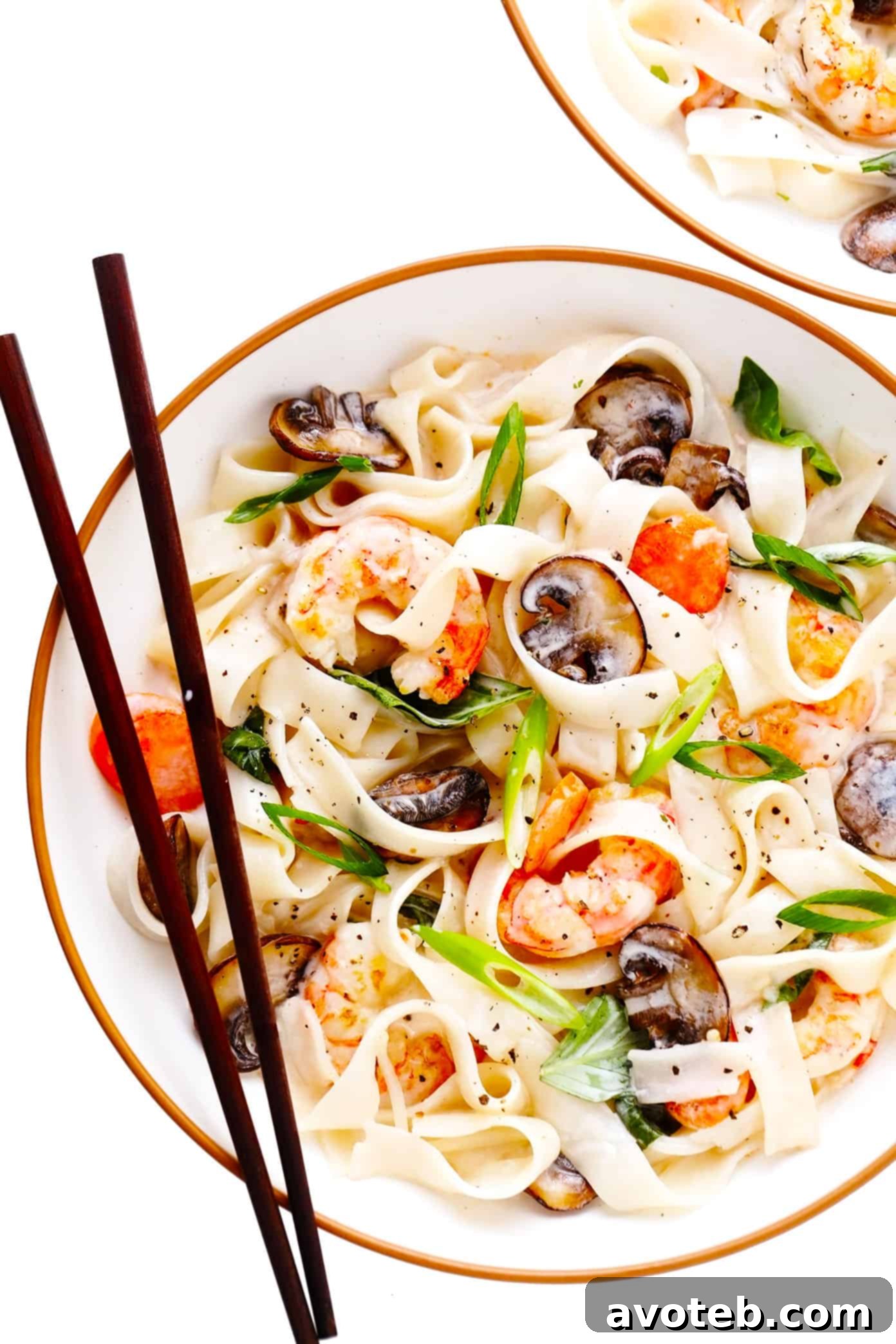
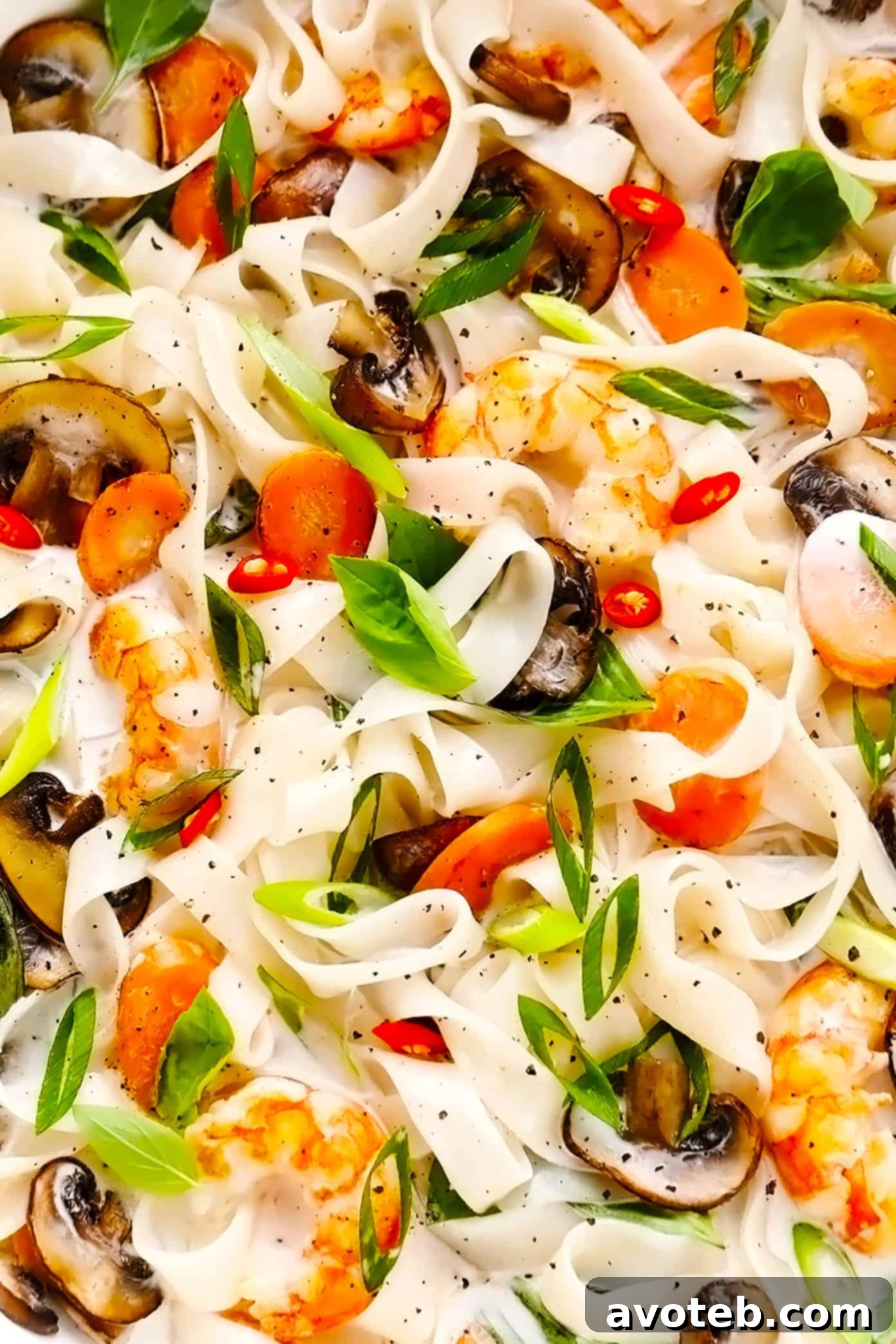
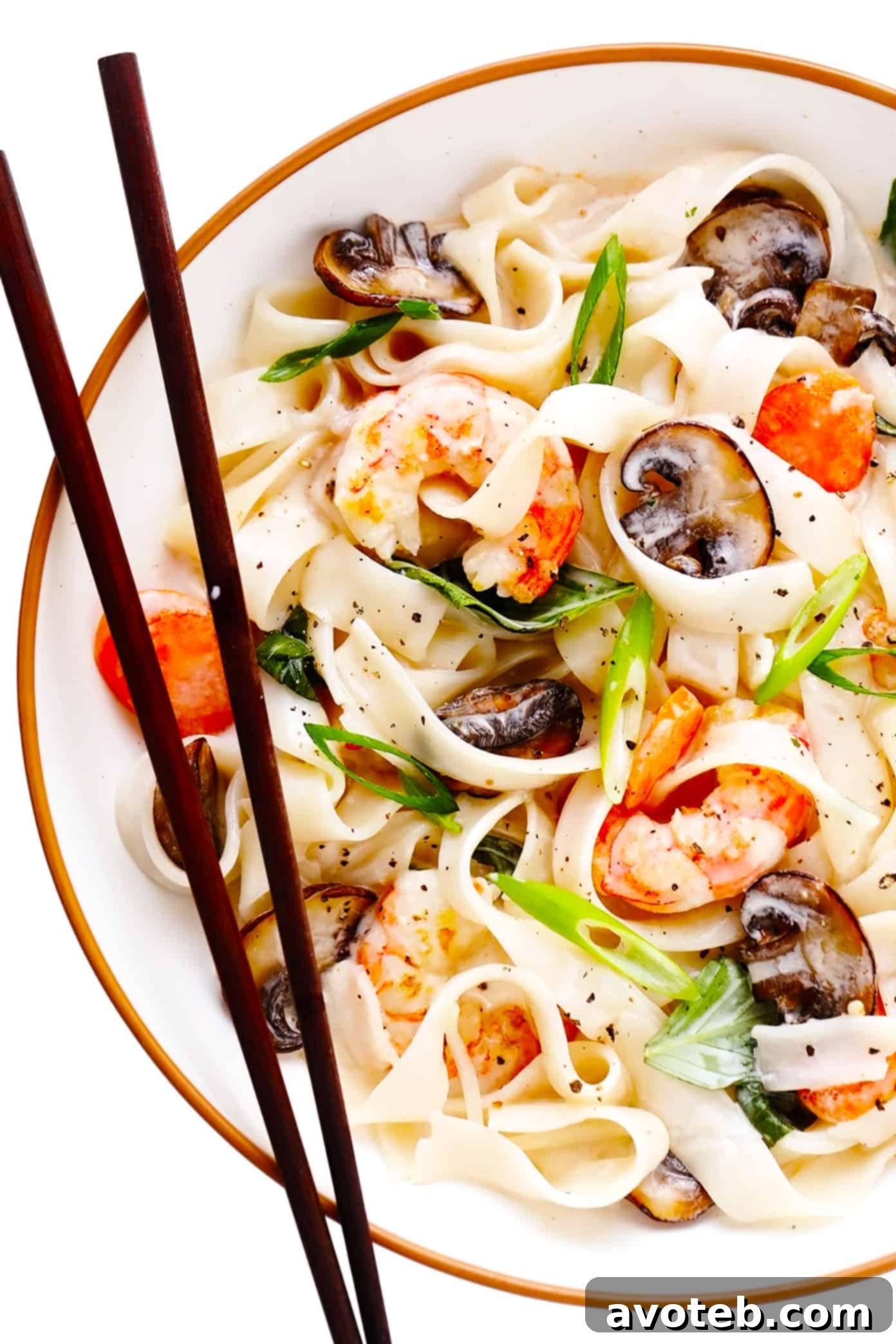
Discover the ultimate comfort food with this vibrant Thai-inspired noodle stir-fry, a quick and easy recipe bursting with fresh vegetables, succulent shrimp, and a tantalizing lemongrass coconut sauce. This dish perfectly balances bright, citrusy flavors with creamy richness, making it an irresistible choice for any weeknight meal.
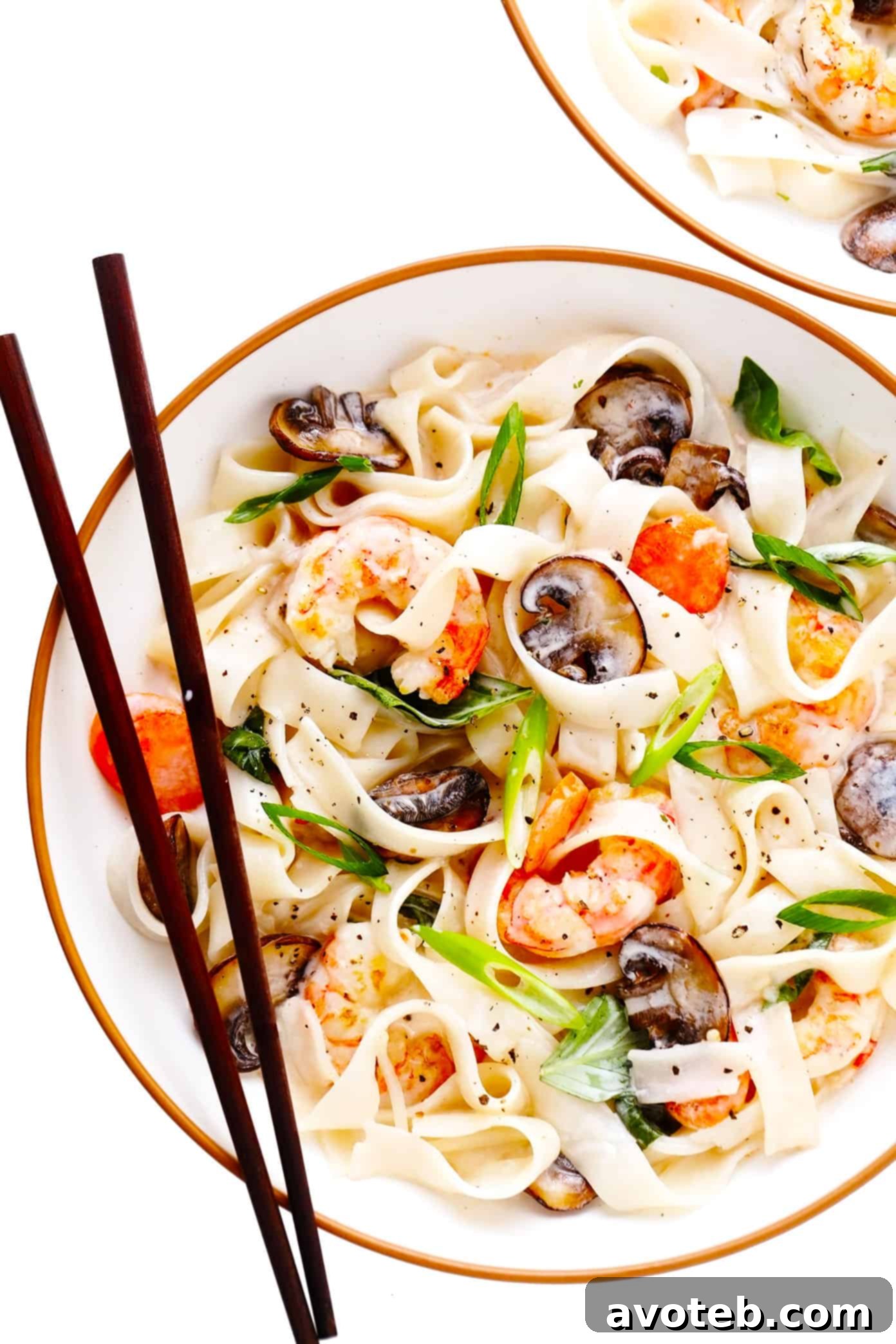
Indulge in a truly exceptional culinary experience with our Lemongrass Coconut Noodle Stir-Fry, a dish that has quickly become a beloved favorite in our kitchen. This recipe draws its inspiration from the classic Thai Tom Kha Gai (Thai chicken coconut soup), a comforting and aromatic soup renowned for its harmonious blend of creamy, citrusy, earthy, sweet, and subtly spicy notes. As the cooler autumn air settles over Barcelona, we found ourselves yearning for those distinctive Thai flavors, but in a fresh and exciting format.
Instead of a traditional soup, we’ve ingeniously transformed these iconic tastes into a rich, condensed coconut stir-fry sauce. This vibrant sauce coats perfectly cooked rice noodles and a medley of simple, crisp stir-fried vegetables and tender shrimp, delivering an explosion of bright, fresh flavors that is utterly delicious and incredibly satisfying. The result is a meal that’s both comforting and invigorating, capturing the essence of Thai cuisine in every delightful bite.
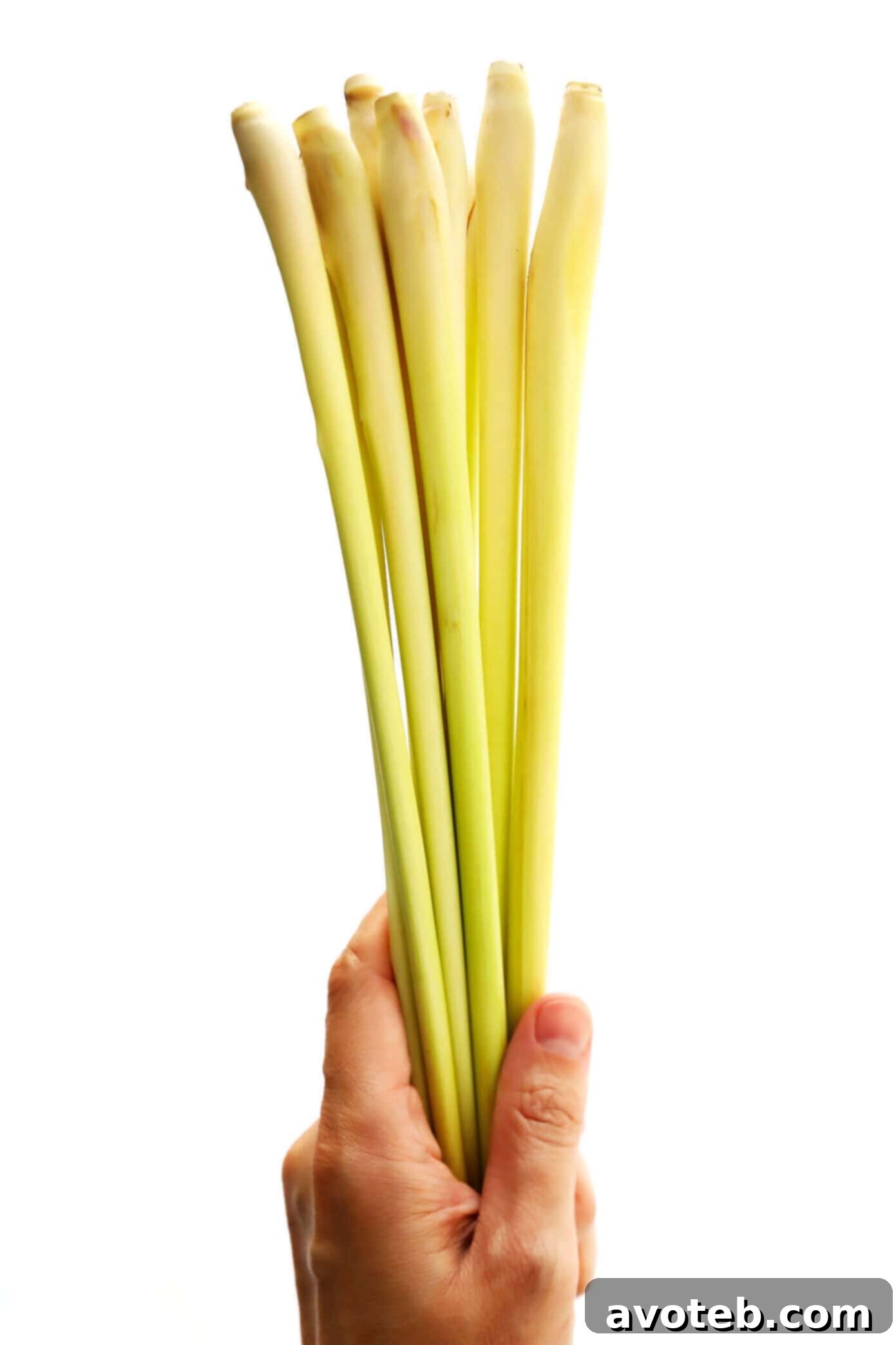
The star of this incredible coconut sauce is undeniably fresh lemongrass. With its distinctively citrusy, minty, and slightly earthy aroma, lemongrass is a non-negotiable ingredient that elevates this dish from good to unforgettable. When you’re at the market, make sure to pick up a few fresh stalks or a tube of high-quality lemongrass paste to ensure that vibrant brightness in your creamy coconut milk sauce. Complementing the lemongrass, we simmer a generous amount of thinly sliced fresh ginger, the zesty juice of one fresh lime, a touch of brown sugar for sweetness, and a splash of fish sauce to achieve that essential umami depth. While our recipe is crafted with readily available pantry staples for convenience, we acknowledge that authentic Thai Tom Kha Gai typically features galangal instead of ginger, kaffir limes in place of fresh lime juice, and palm sugar over brown sugar. We wholeheartedly encourage you to incorporate these traditional ingredients if you wish to explore a more authentic flavor profile. This recipe was initially born out of improvisation with ingredients on hand, making it incredibly adaptable to your kitchen’s current stock.
Our household often features shrimp as the primary protein, especially for pescatarian preferences. However, this delightful lemongrass coconut sauce is entirely vegan and gluten-free, offering incredible versatility. For a plant-based version, you can easily substitute the shrimp with crispy baked tofu. Alternatively, feel free to use any other protein you enjoy, such as tender chicken, thinly sliced steak, savory pork, or even hearty sausage. The beauty of a stir-fry lies in its flexibility, so don’t hesitate to toss in whatever fresh vegetables you have in your crisper drawer. For an extra layer of authentic Thai flavor, we highly recommend adding some fresh Thai basil leaves—while optional, their sweet, peppery, anise-like notes truly enhance the dish. Prepare to immerse yourself in a culinary journey as we grab that lemongrass and begin stir-frying!
Lemongrass Coconut Noodles with Shrimp: Recipe Video
Essential Ingredients for Your Lemongrass Coconut Noodle Stir-Fry:
Before diving into the full recipe, let’s explore the key ingredients that will bring this sensational Lemongrass Coconut Noodle Stir-Fry to life. Each component plays a crucial role in building the dish’s complex and satisfying flavor profile:
- Rice Noodles: The foundation of our stir-fry! We’ve used wide rice noodles in the recipe photographed here, which offer a delightful chewy texture, but any width of rice noodles will work wonderfully. For those who prefer, this flavorful stir-fry can also be deliciously served over a bed of fluffy white or brown rice instead.
- Shrimp: Our protein of choice for its quick cooking time and ability to absorb the rich sauce. Select your preferred size of shrimp, ensuring they are peeled and deveined for convenience. A simple seasoning with fine sea salt and freshly-cracked black pepper will prepare them for sautéing.
- Fresh Veggies: We opted for a classic combination of earthy baby bella mushrooms (shiitake mushrooms are also an excellent alternative), sweet thinly sliced carrots, and aromatic minced garlic. These vegetables add essential texture, flavor, and nutrients. However, feel free to get creative and incorporate any other stir-fry-friendly vegetables you have on hand, like bell peppers, broccoli, or snow peas, to truly make it your own.
- Thai Basil Leaves: A game-changer for this dish! Thai basil imparts a distinct sweet, peppery, and anise-like flavor that is truly unparalleled and highly recommended. If fresh Thai basil is unavailable, sweet Italian basil can be used as a substitute, or you can simply omit it and add extra fresh cilantro for a bright, herbaceous finish.
- Lemongrass: The undisputed star! For the sauce, we utilize fresh lemongrass stalks. Remember to trim off the ends and peel away the tough outer layers to reveal the more tender, fragrant inner white sections. Roughly chop these flavorful inner stalks into approximately 1/2-inch pieces. These pieces will simmer in the sauce to infuse maximum flavor and then be strained out before serving. As a convenient alternative, 2-3 tablespoons of store-bought lemongrass paste can be used, which does not require straining.
- Coconut Milk: For an exceptionally creamy and rich sauce, we highly recommend using a can of good-quality, full-fat coconut milk. Its natural fats contribute significantly to the luxurious texture. If you’re looking to reduce the calorie content, low-fat coconut milk can be used, though the sauce will be noticeably thinner and less creamy.
- Fresh Ginger: Adds a wonderful warmth and zing to the sauce. We thinly slice a few inches of fresh ginger into long strips to simmer alongside the lemongrass. Peeling the ginger is optional, as these pieces will be strained out along with the lemongrass, so don’t fret too much about it.
- Brown Sugar: A tablespoon of basic light brown sugar is used to lightly balance the tart and savory flavors of the sauce, providing a subtle sweetness that rounds out the profile. Feel free to adjust the amount of sweetener to your preference or use another type of sugar if desired.
- Lime Juice: Essential for that vibrant, zesty lift! We incorporate the juice of one fresh lime into the sauce. For an extra burst of tanginess, it’s highly recommended to serve each bowl of noodles with an additional lime wedge or two for drizzling.
- Fish Sauce: A staple in Thai cuisine, fish sauce is key for adding an irreplaceable tangy, salty, and savory umami kick. Start with a tablespoon, and feel free to add more to taste, depending on your preference for its distinctive depth of flavor.
- Garnishes: Elevate the presentation and flavor of your dish with a generous sprinkling of thinly-sliced green onions and fresh cilantro. If you’ve managed to find extra Thai basil, it makes a fantastic garnish too! For those who love a bit of heat, consider adding a few thinly-sliced Thai bird chiles or a pinch of crushed red pepper flakes. And as previously mentioned, extra lime wedges are a must for that final, bright finish.
Customizing Your Lemongrass Noodles: Delicious Variations
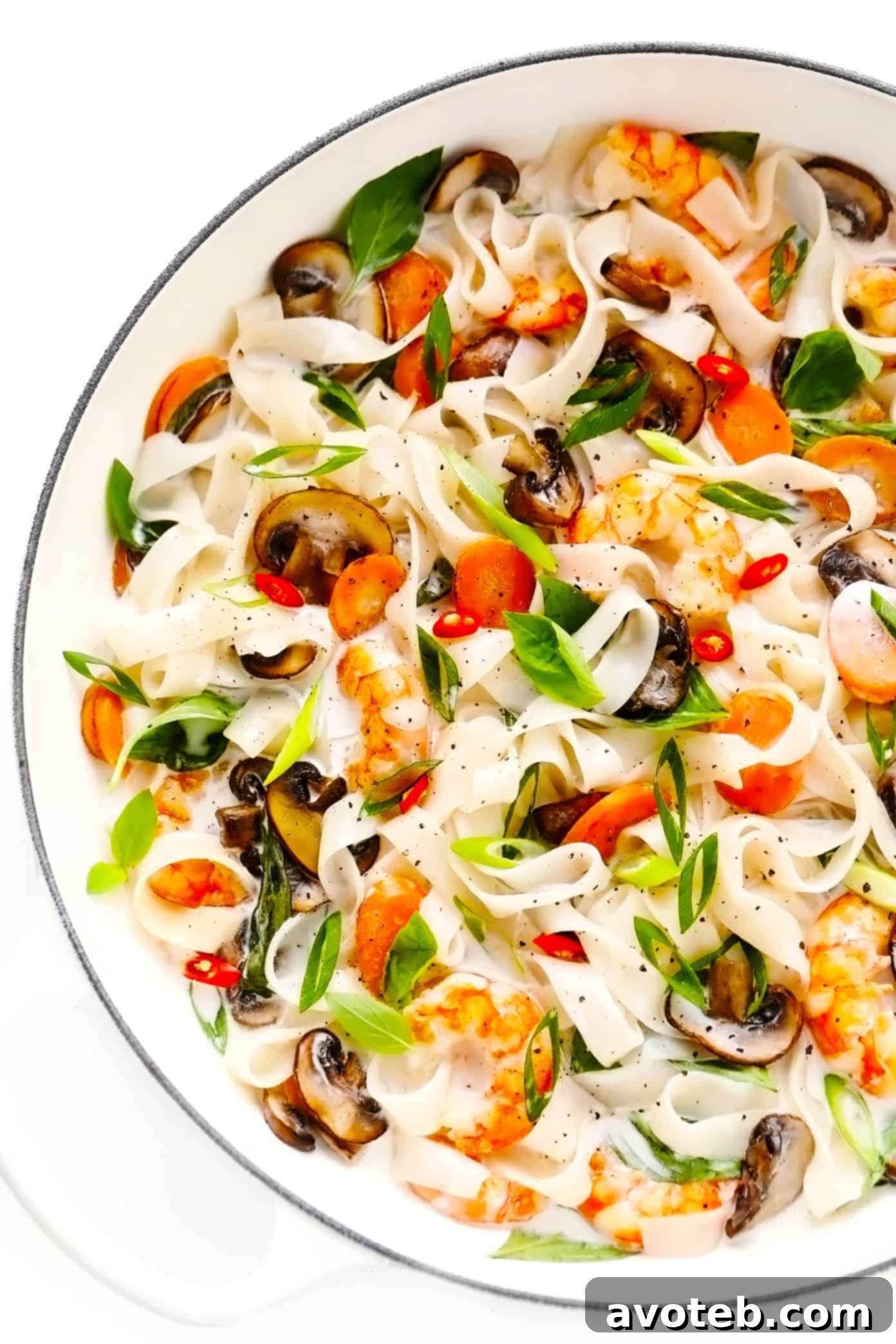
This Lemongrass Coconut Noodles recipe is incredibly flexible, allowing you to tailor it to your dietary needs, pantry availability, and taste preferences. Here are some fantastic ways to customize your stir-fry and make it uniquely yours:
- Explore Different Veggies: While mushrooms, carrots, and garlic provide a great base, the stir-fry welcomes a wide array of other vegetables. Consider adding crisp asparagus spears, vibrant broccoli florets, colorful bell peppers, tender snow peas, or nutrient-rich spinach. Each addition will contribute its own texture and flavor, making every bite exciting.
- Switch Up the Protein: Shrimp cooks quickly and perfectly absorbs the sauce, but this recipe is equally delicious with other protein sources. Opt for cubed chicken breast or thighs, thinly sliced steak, savory pork, or even plant-based options like crispy pan-fried tofu or tempeh. Cook each protein until done before combining with the sauce and noodles.
- Adjust Creaminess with Coconut Milk: If you’re aiming for a lighter meal, feel free to substitute full-fat coconut milk with its low-fat counterpart. Be aware that this will result in a less thick and creamy sauce, but the flavors will still shine through beautifully.
- Serve Over Rice: For a gluten-free option or simply a different textural experience, serve the flavorful shrimp, vegetables, and lemongrass coconut sauce over a bed of steamed jasmine rice, brown rice, or even cauliflower rice instead of rice noodles.
- Add a Spicy Kick: If you love heat, feel free to increase the amount of Thai bird chiles or red pepper flakes. You can also add a dash of sriracha or chili garlic sauce directly into the coconut sauce for an integrated spice level.
- Nutrient Boost: Incorporate some leafy greens like baby bok choy or kale towards the end of the cooking process for an added boost of vitamins and minerals. Their slight bitterness can also complement the rich sauce.
Explore More Delicious Noodle Creations:
If you’re a fan of flavorful noodle dishes, you’re in luck! Here are a few more of our go-to noodle recipes that are sure to delight your taste buds and expand your culinary repertoire:
- Saucy Thai Curried Peanut Noodles: A creamy, spicy, and utterly addictive dish featuring rich peanut sauce.
- Thai Drunken Noodles (Pad Kee Mao): A popular street food dish known for its bold flavors, broad noodles, and a spicy kick.
- Five Spice Tofu with Sesame Noodles: An aromatic and savory plant-based option, perfect for tofu lovers.
- Quick Peanut Soba Noodles: A fast and flavorful meal, combining earthy soba noodles with a luscious peanut sauce.
Lemongrass Coconut Noodles with Shrimp
Author: Ali
Prep Time: 15 mins
Cook Time: 25 mins
Total Time: 40 mins
Yield: 3 to 4 servings 1x
Description
This Thai-inspired noodle stir-fry is a delightful fusion of fresh veggies, succulent shrimp, and a zesty lemongrass ginger coconut sauce. Easy to prepare and bursting with bright, citrusy, and aromatic flavors, it’s a perfect weeknight meal that transports your taste buds straight to Thailand!
Ingredients
Scale
Noodle Stir-Fry Ingredients:
- 9 ounces rice noodles (wide or any preferred width)
- 1 pound large shrimp, peeled and deveined
- fine sea salt and freshly-cracked black pepper, to taste
- 3 tablespoons olive oil, divided (or other neutral oil)
- 8 ounces baby bella or shiitake mushrooms, thinly sliced
- 1 large carrot, thinly sliced into matchsticks or rounds
- 4 cloves garlic, minced
- 1 cup (lightly-packed) fresh Thai basil leaves*
- For garnish: thinly-sliced green onions, fresh lime wedges, thinly-sliced Thai bird chiles (or crushed red pepper flakes for heat), fresh cilantro, and/or extra Thai basil
Lemongrass Coconut Sauce Ingredients:
- 2 stalks fresh lemongrass,* prepared as described below
- 1 (15-ounce) can full-fat coconut milk (for optimal creaminess)
- 2 inches fresh ginger, peeled (optional) and thinly sliced into long strips
- 1 tablespoon brown sugar (or to taste)
- 2 to 4 tablespoons fresh lime juice, to taste (from 1-2 limes)
- 1 tablespoon fish sauce (for authentic umami flavor)
Instructions
- Prepare the Lemongrass Coconut Sauce: Begin by preparing the lemongrass. Peel and discard the tough outer layers of the lemongrass stalks, then slice off and discard the fibrous ends. Roughly chop the remaining tender inner stalks into approximately 1/2-inch pieces. In a medium saucepan, combine the chopped lemongrass, full-fat coconut milk, thinly sliced ginger, fresh lime juice (start with 2 tablespoons), and brown sugar. Heat this mixture over medium heat, bringing it to a gentle simmer (do not boil vigorously). Once it almost reaches a simmer, reduce the heat to low, cover the saucepan, and allow the sauce to gently infuse (avoiding a full, rolling simmer) for at least 15 minutes, or until the rest of your stir-fry ingredients are ready. Just before serving, use a fine-mesh strainer to carefully remove and discard the simmered ginger and lemongrass solids from the sauce, leaving behind a smooth, aromatic liquid. Stir in the fish sauce and taste; adjust the lime juice, brown sugar, and fish sauce as needed to achieve your desired balance of tangy, sweet, and umami flavors, then season with salt and pepper.
- Cook the Rice Noodles: While your sauce is simmering and infusing, prepare the rice noodles. Cook them according to their package instructions until they are just barely al dente – slightly firm to the bite. Once cooked, drain the noodles thoroughly in a strainer and immediately rinse them with cold water. This stops the cooking process and prevents them from sticking together. Toss the rinsed noodles with a drizzle of oil (toasted sesame oil adds a lovely nutty aroma, but olive oil works perfectly) to ensure they remain separated and set them aside until you’re ready to combine everything.
- Season the Shrimp: Prepare your shrimp by patting them dry. Season both sides generously with fine sea salt and freshly-cracked black pepper. Set them aside; they will cook very quickly.
- Sauté the Vegetables: Heat 2 tablespoons of olive oil in a large non-stick sauté pan or wok over medium-high heat. Add the sliced mushrooms and sauté for about 4 minutes, stirring occasionally, until they begin to soften and release their moisture. Next, add the thinly sliced carrots and continue to sauté for another 2 minutes, stirring occasionally, until they are slightly tender-crisp. Finally, add the minced garlic and sauté for just 1 minute more, stirring frequently to prevent it from burning, until fragrant.
- Cook the Shrimp: Gently push the sautéed vegetables to one side of the pan, creating an empty space. Add the remaining 1 tablespoon of olive oil to this clear section. Once the oil is hot, add the seasoned shrimp in a single layer. Sauté the shrimp for 2 to 3 minutes, flipping them occasionally, until they turn pink and opaque, indicating they are cooked through. Be careful not to overcook them, as shrimp can become rubbery if cooked too long.
- Combine Everything: Immediately after the shrimp is cooked, pour the prepared lemongrass coconut sauce directly into the sauté pan with the shrimp and vegetables. Add the fresh Thai basil leaves and the cooked rice noodles. Using tongs or a spatula, toss all the ingredients together until the noodles, shrimp, and vegetables are thoroughly coated in the rich, fragrant sauce and the basil is just wilted. Taste the stir-fry and make any final seasoning adjustments with salt and pepper as needed.
- Serve and Garnish: Serve your Lemongrass Coconut Noodle Stir-Fry warm and without delay to enjoy its vibrant flavors at their peak. Garnish each serving bowl generously with thinly-sliced green onions, fresh lime wedges (for an extra squeeze of brightness), chopped fresh cilantro, additional Thai basil leaves, and/or thinly sliced Thai bird chiles for an optional spicy kick. Enjoy this easy yet incredibly flavorful Thai-inspired dish!
Equipment
Thin Rice Noodles
Buy Now →
Fish Sauce
Buy Now →
Coconut Milk
Buy Now →
Notes
Thai Basil Substitutions: If authentic Thai basil is difficult to find, you can certainly substitute it with sweet Italian basil, which offers a similar herbaceous note though without the distinct anise flavor. Alternatively, you can omit the basil entirely and simply add extra fresh cilantro for a bright, fresh finish. Some also enjoy a touch of mint for an unexpected twist!
Lemongrass Paste vs. Fresh Lemongrass: For convenience, feel free to use fresh lemongrass paste in place of fresh lemongrass stalks. We recommend starting with 2 tablespoons of paste and adjusting to your taste. The great advantage of paste is that it doesn’t need to be strained out of the sauce before serving, saving you a step!
Make Ahead & Storage: The lemongrass coconut sauce can be prepared a day in advance and stored in an airtight container in the refrigerator. Reheat gently before combining with freshly cooked noodles, shrimp, and vegetables. Leftovers can be stored in the refrigerator for up to 2-3 days, though the noodles may soften slightly upon reheating. Reheat gently in a pan with a splash of water or coconut milk to restore moisture.